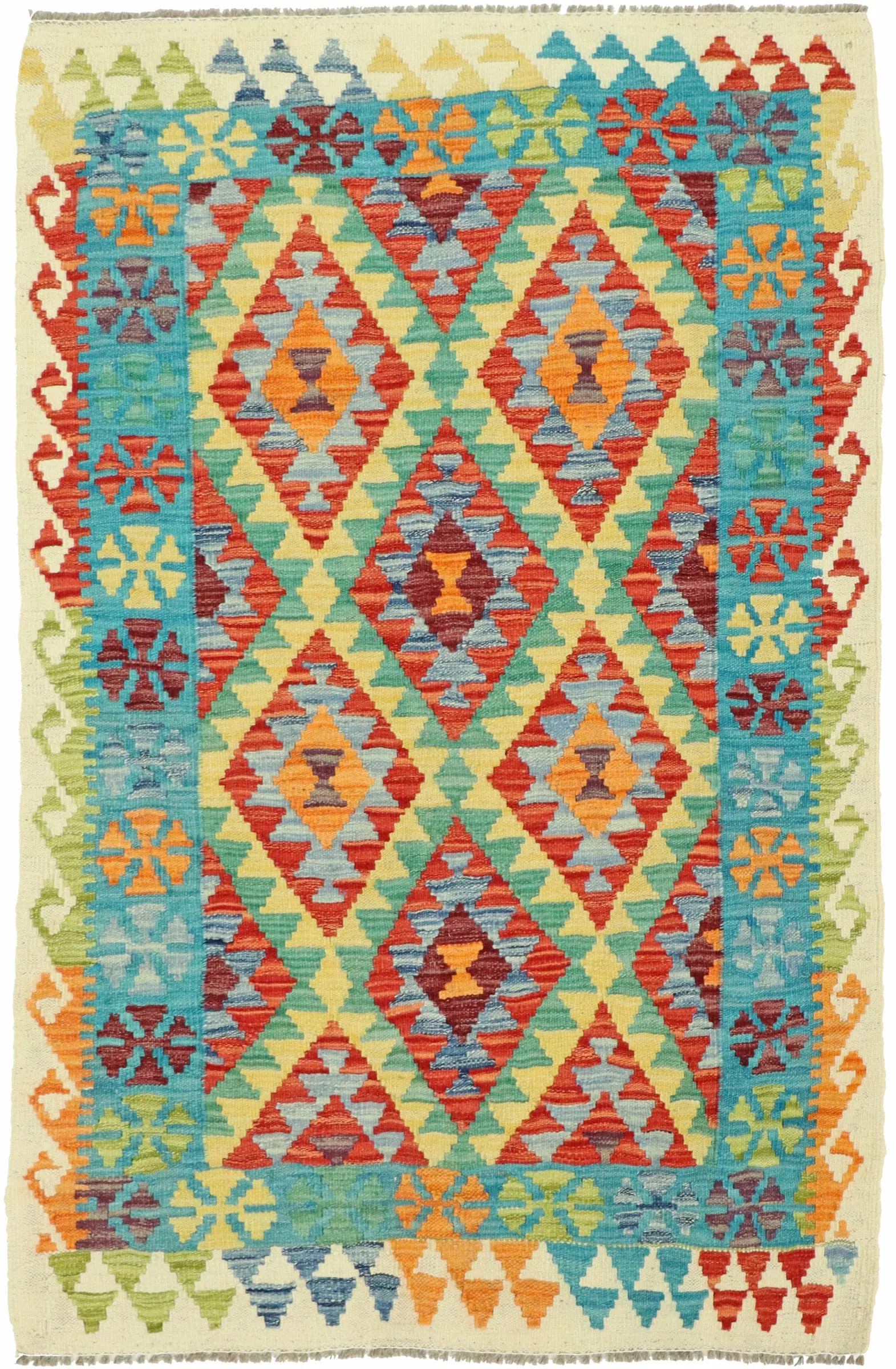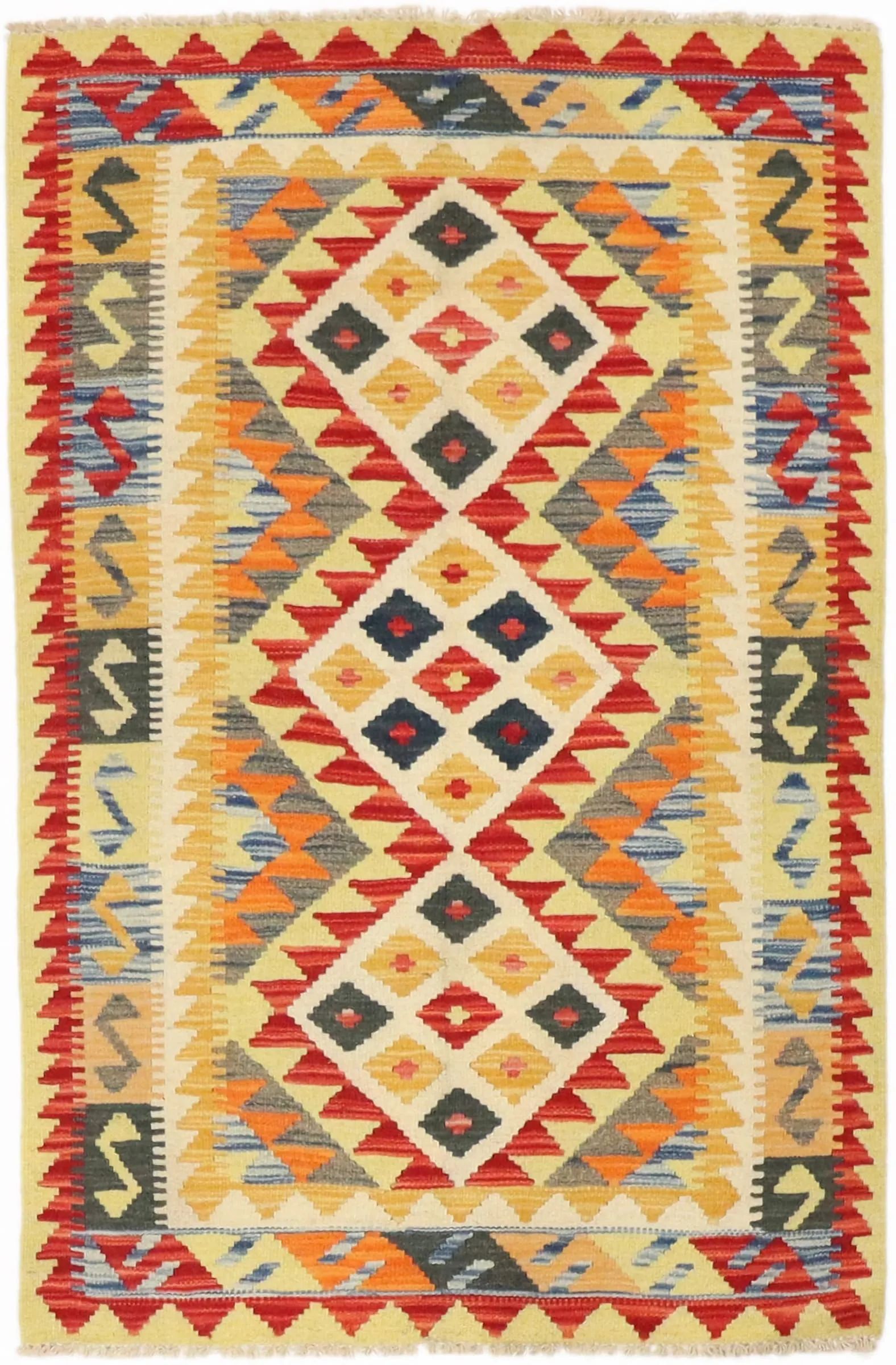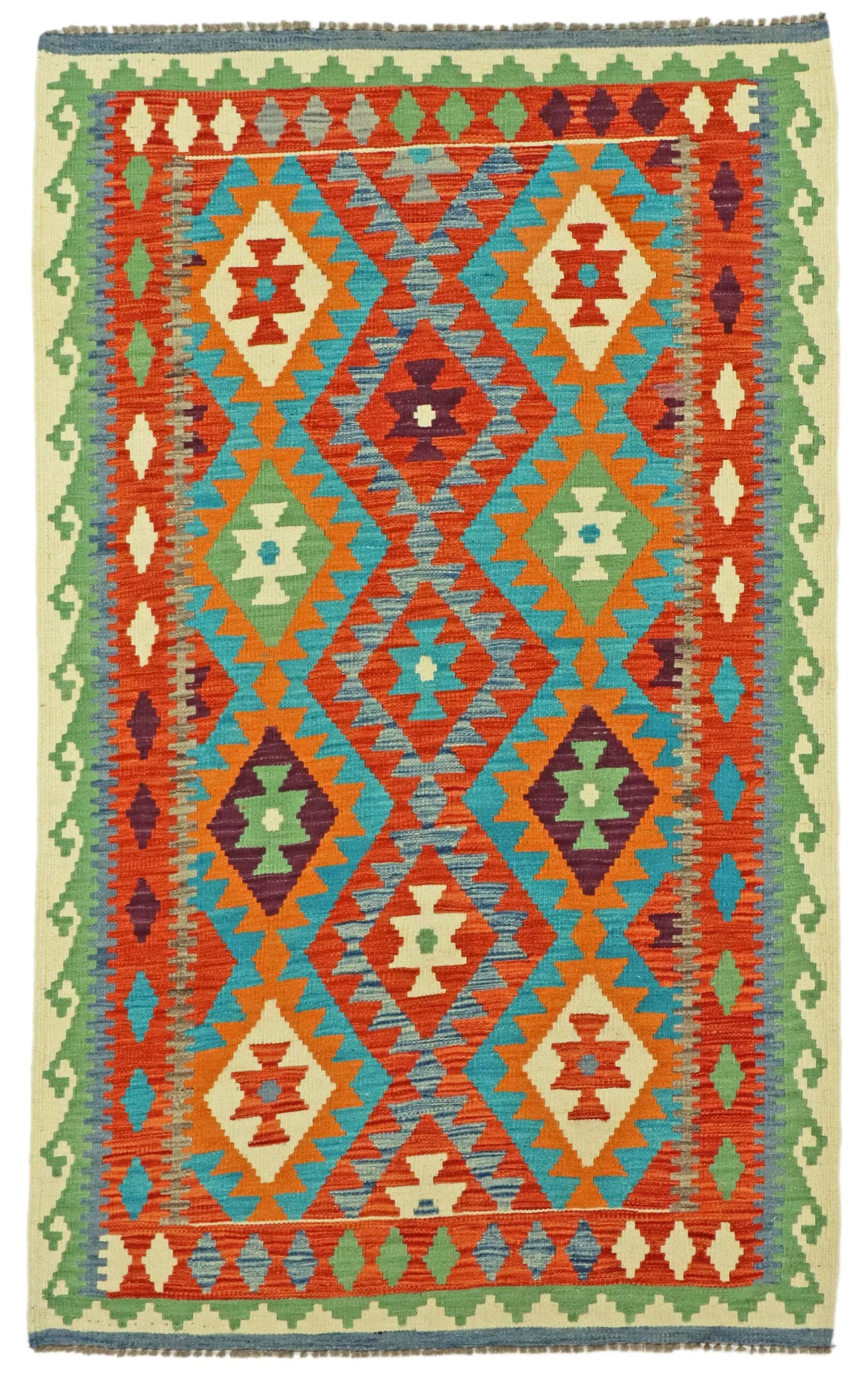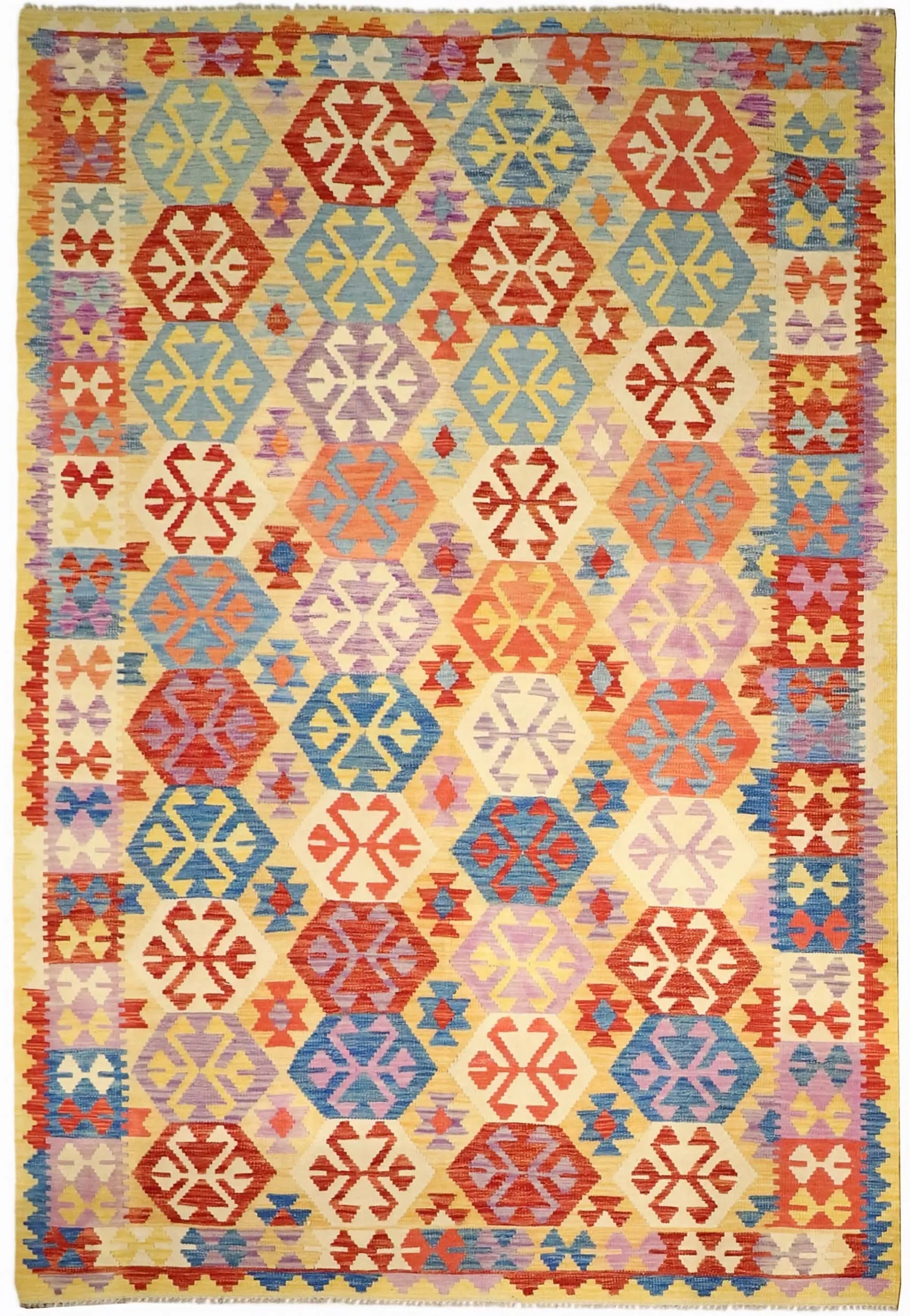

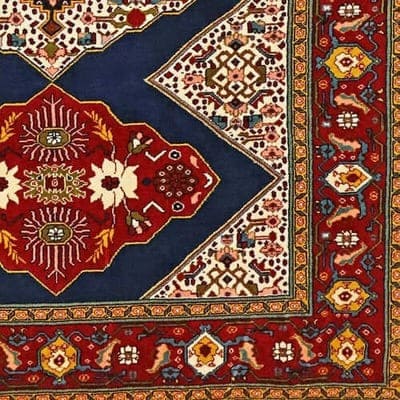
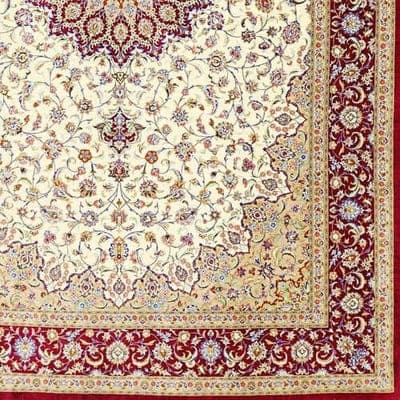
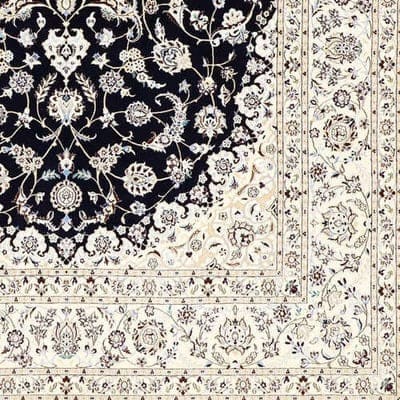
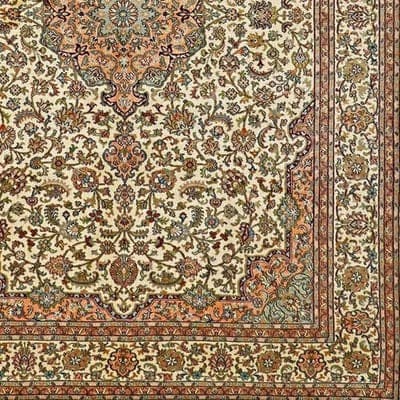













Kilim rugs
Facts
| Origin | Middle East |
| Type | Oriental carpet |
| Frequent knot density | Handwoven |
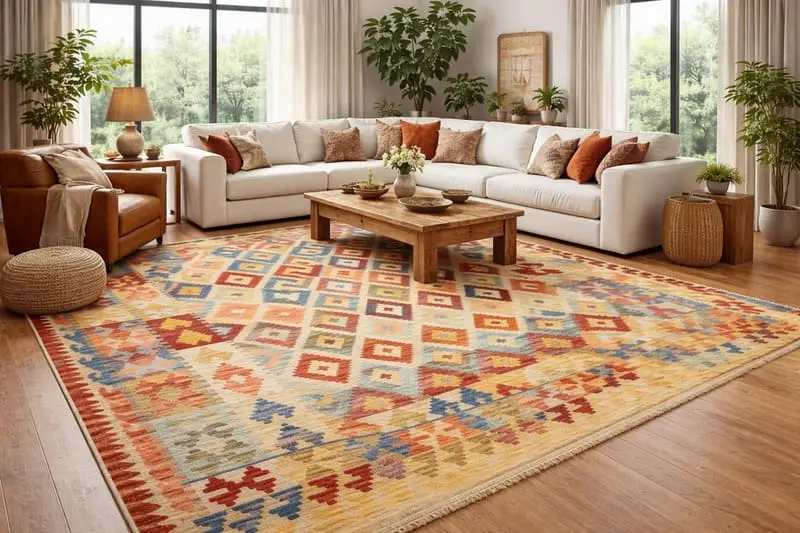
| Properties | Geometric patterns, colourful |
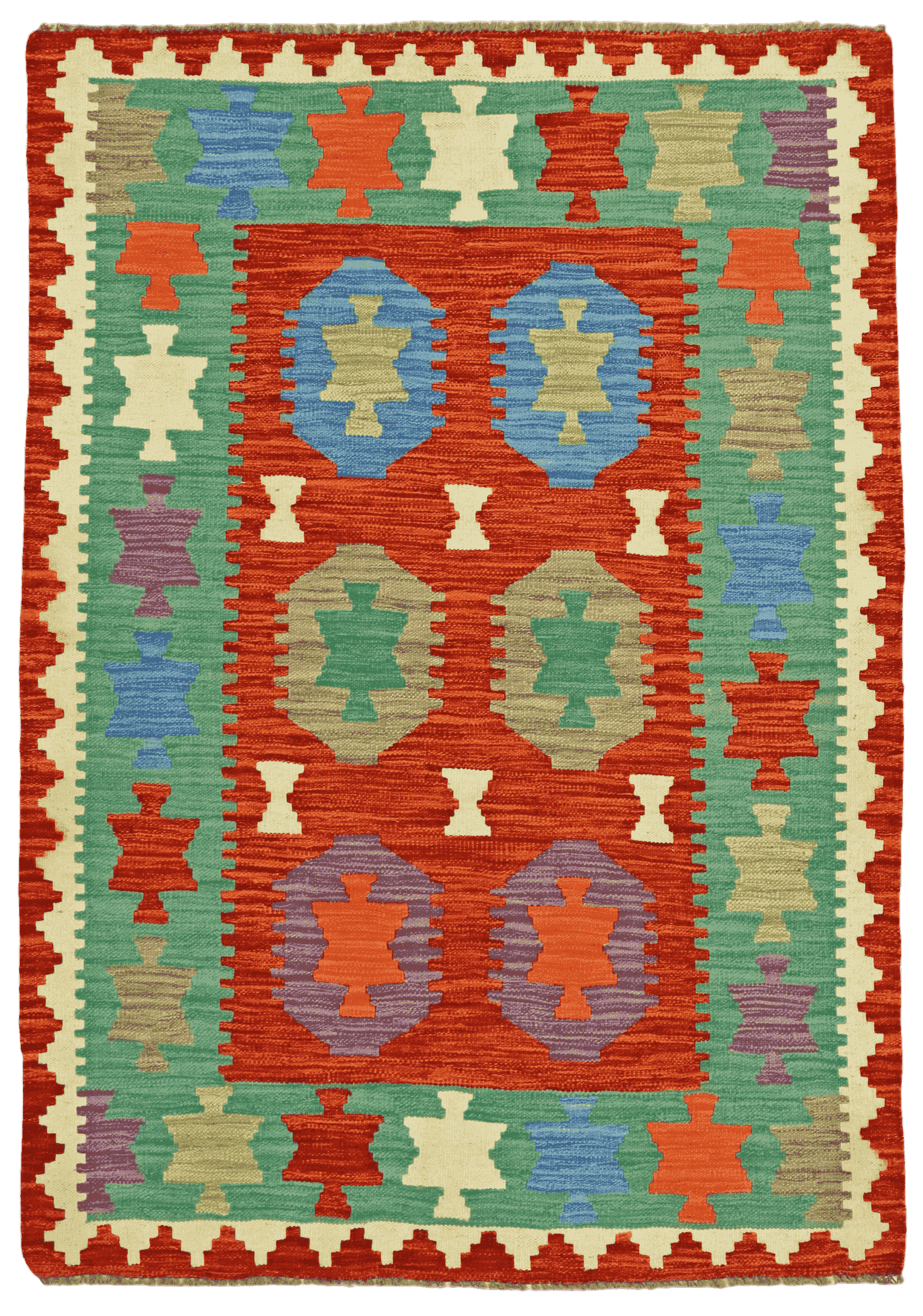
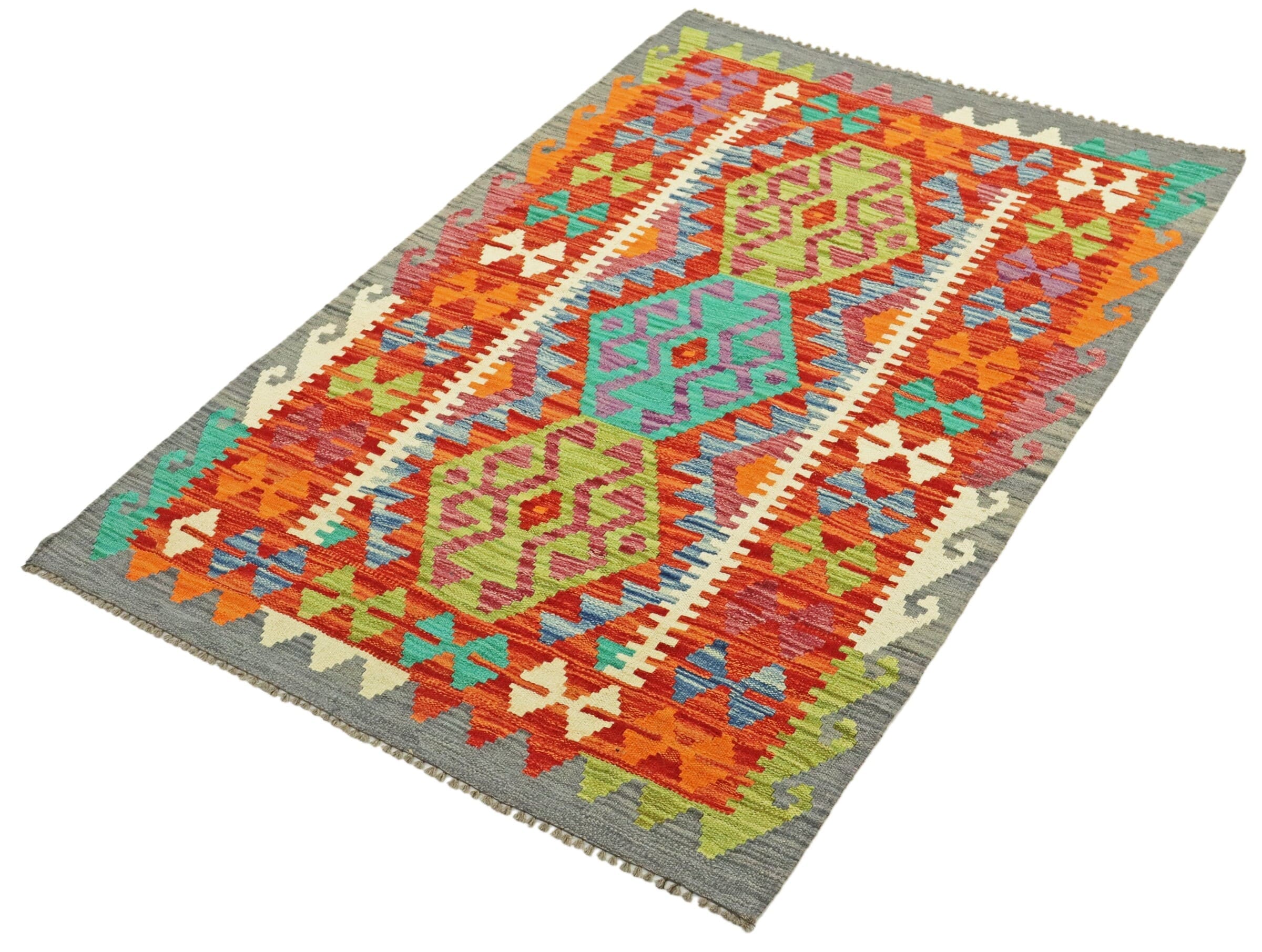
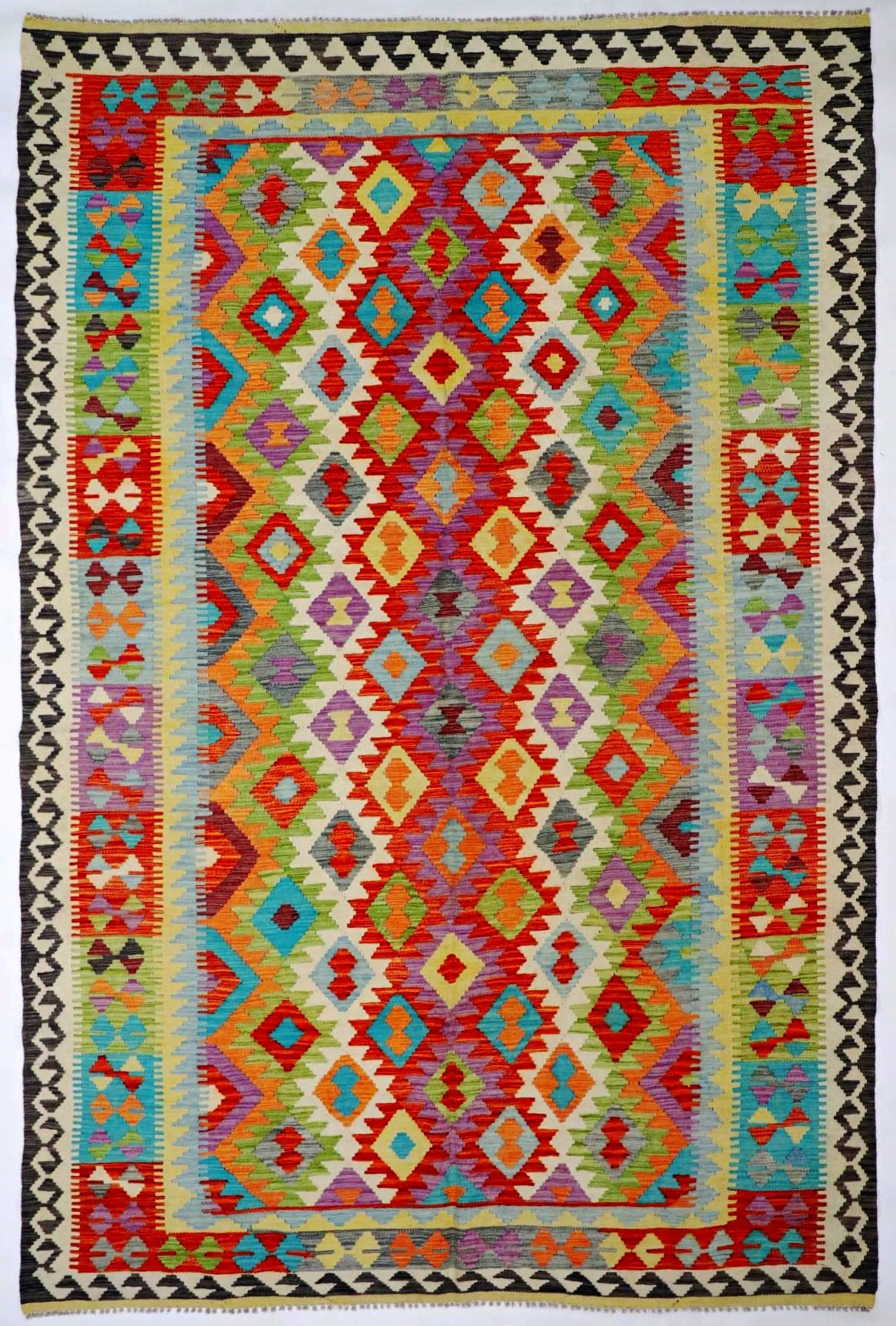
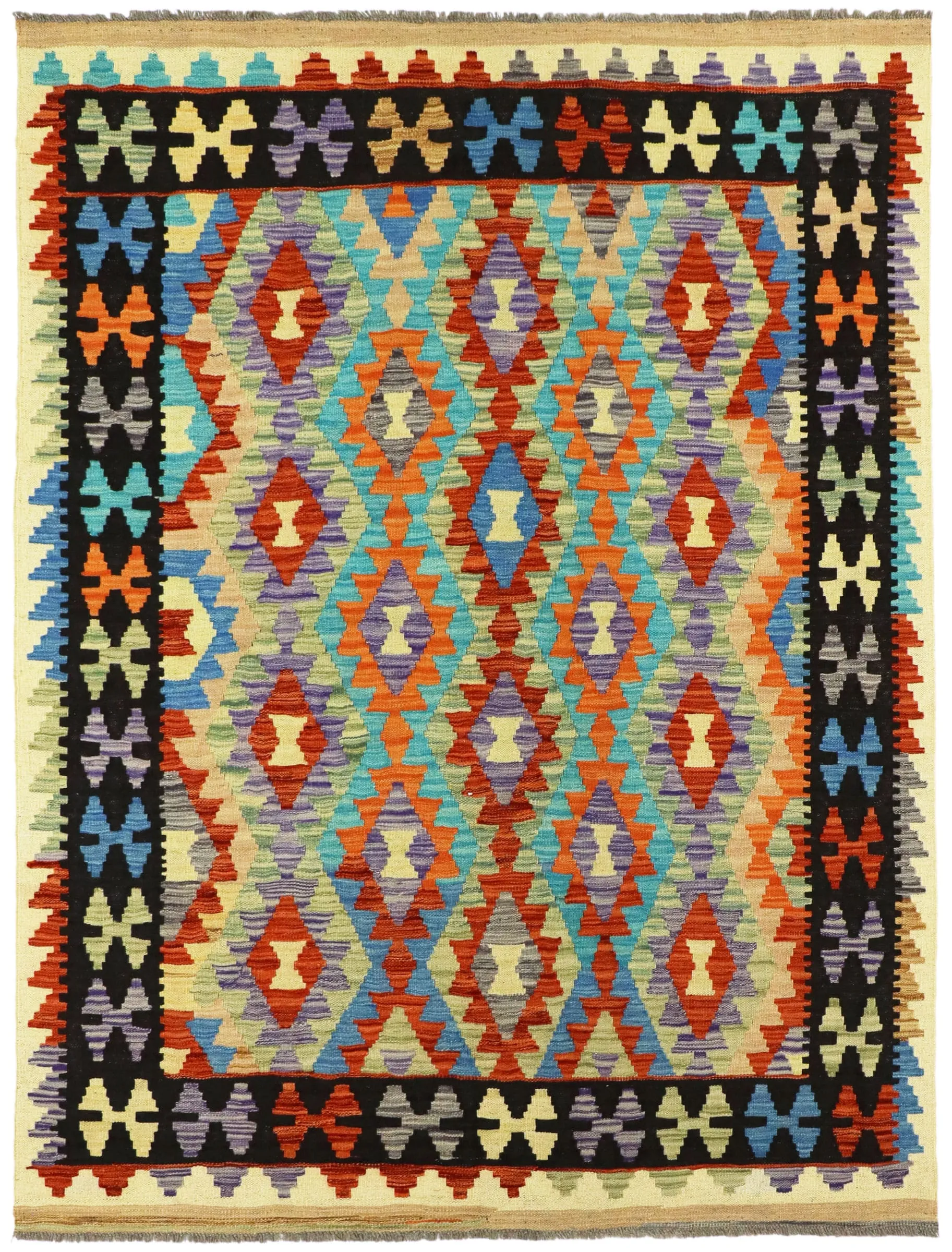
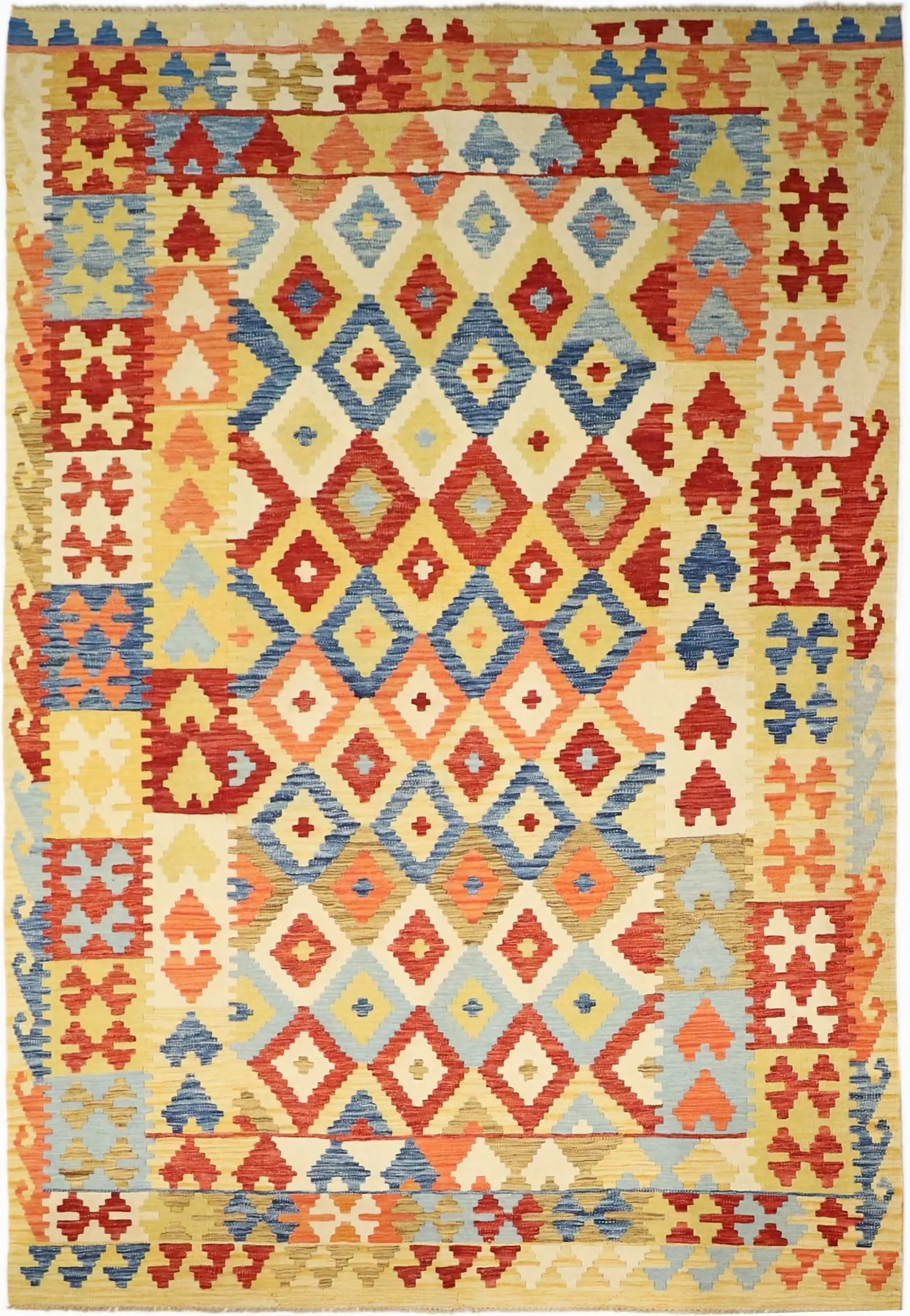
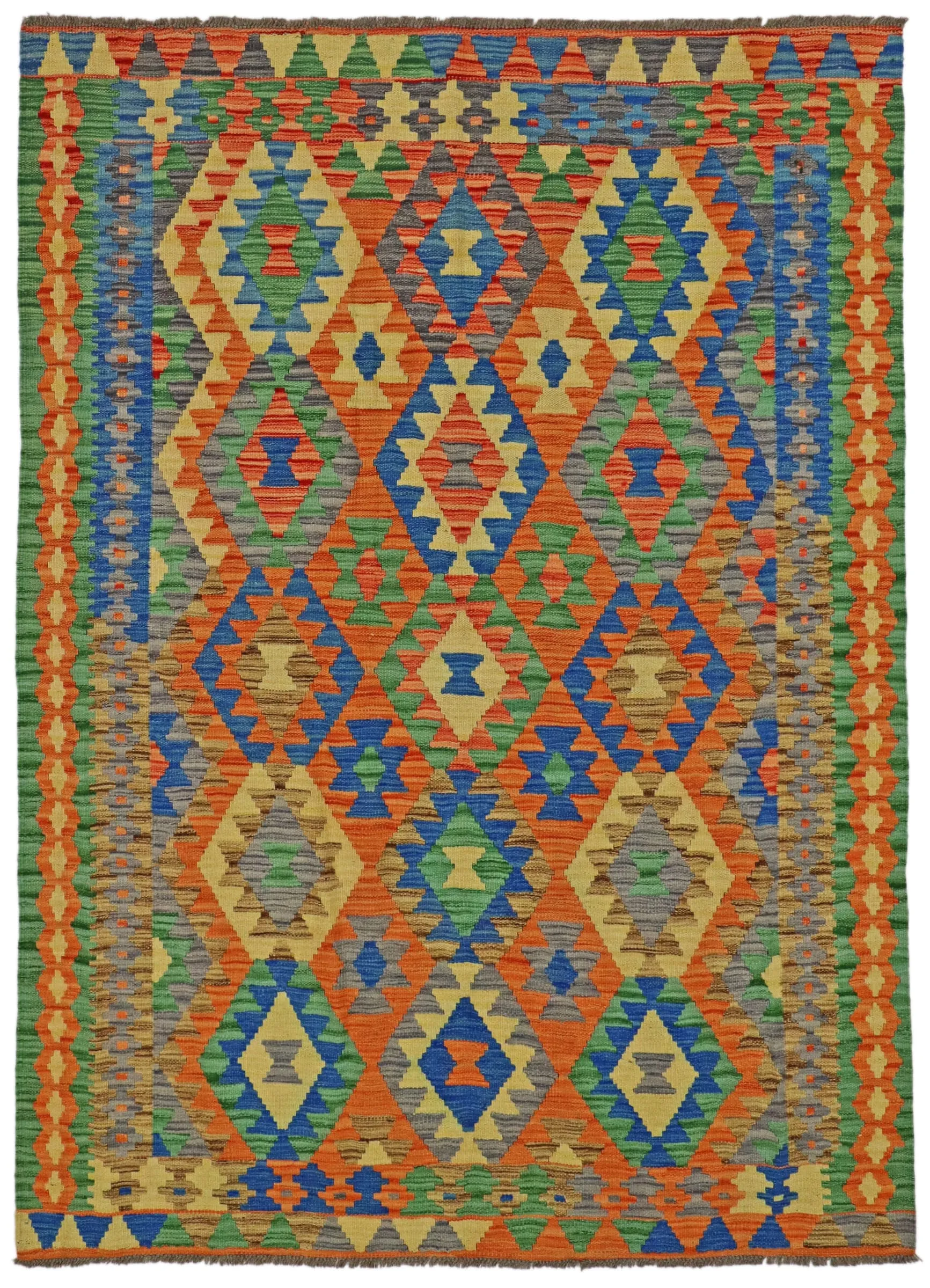
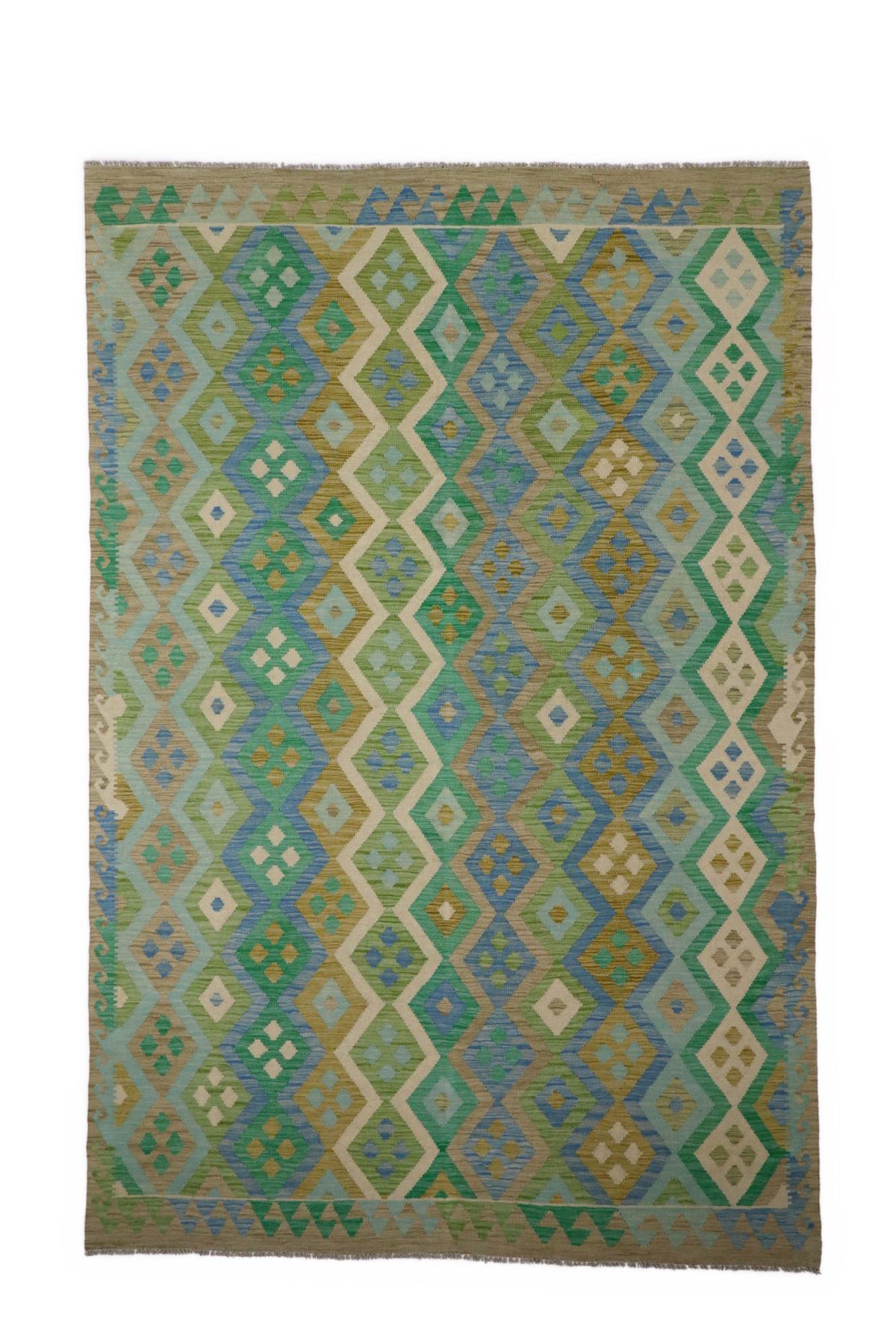
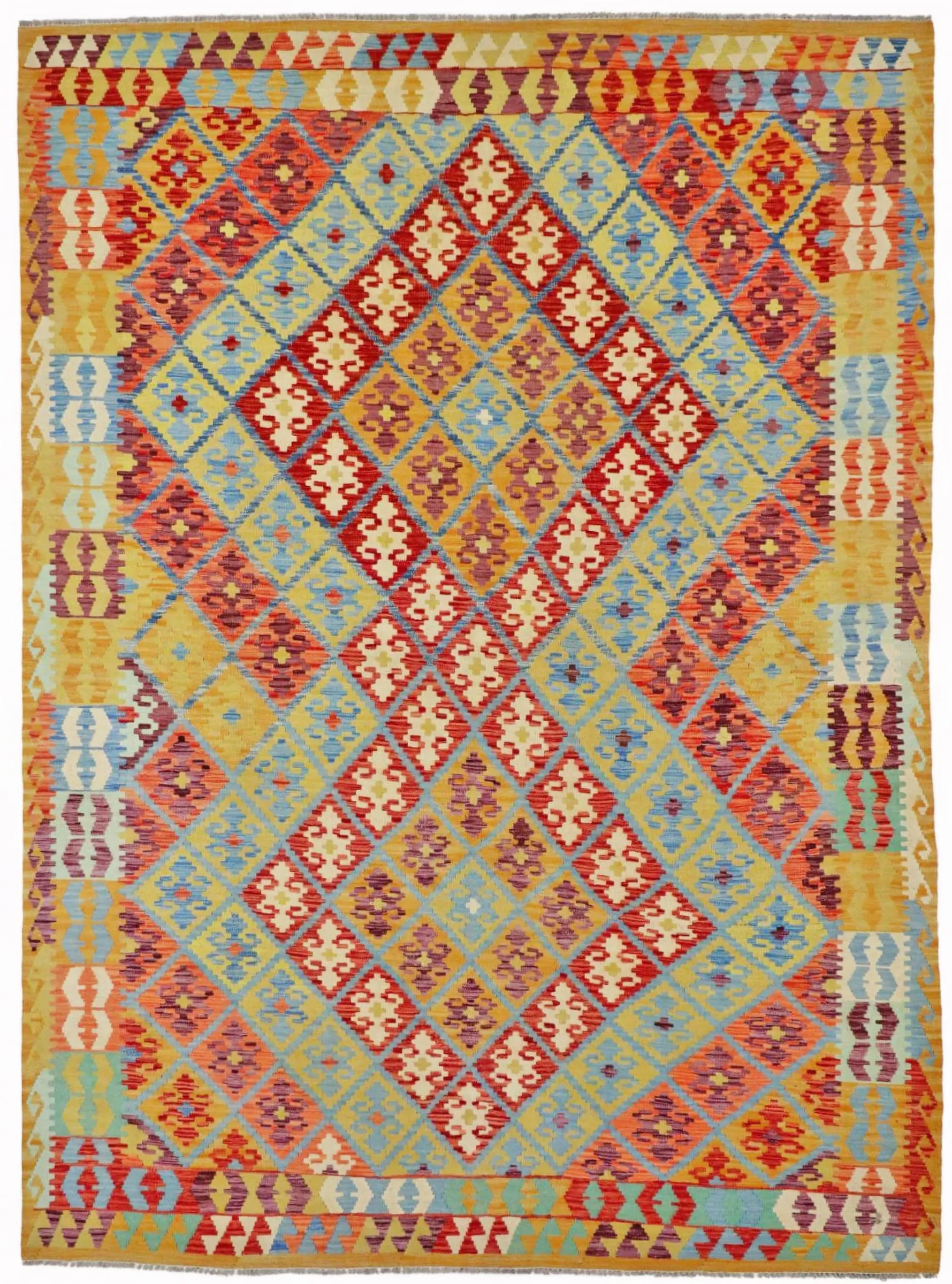
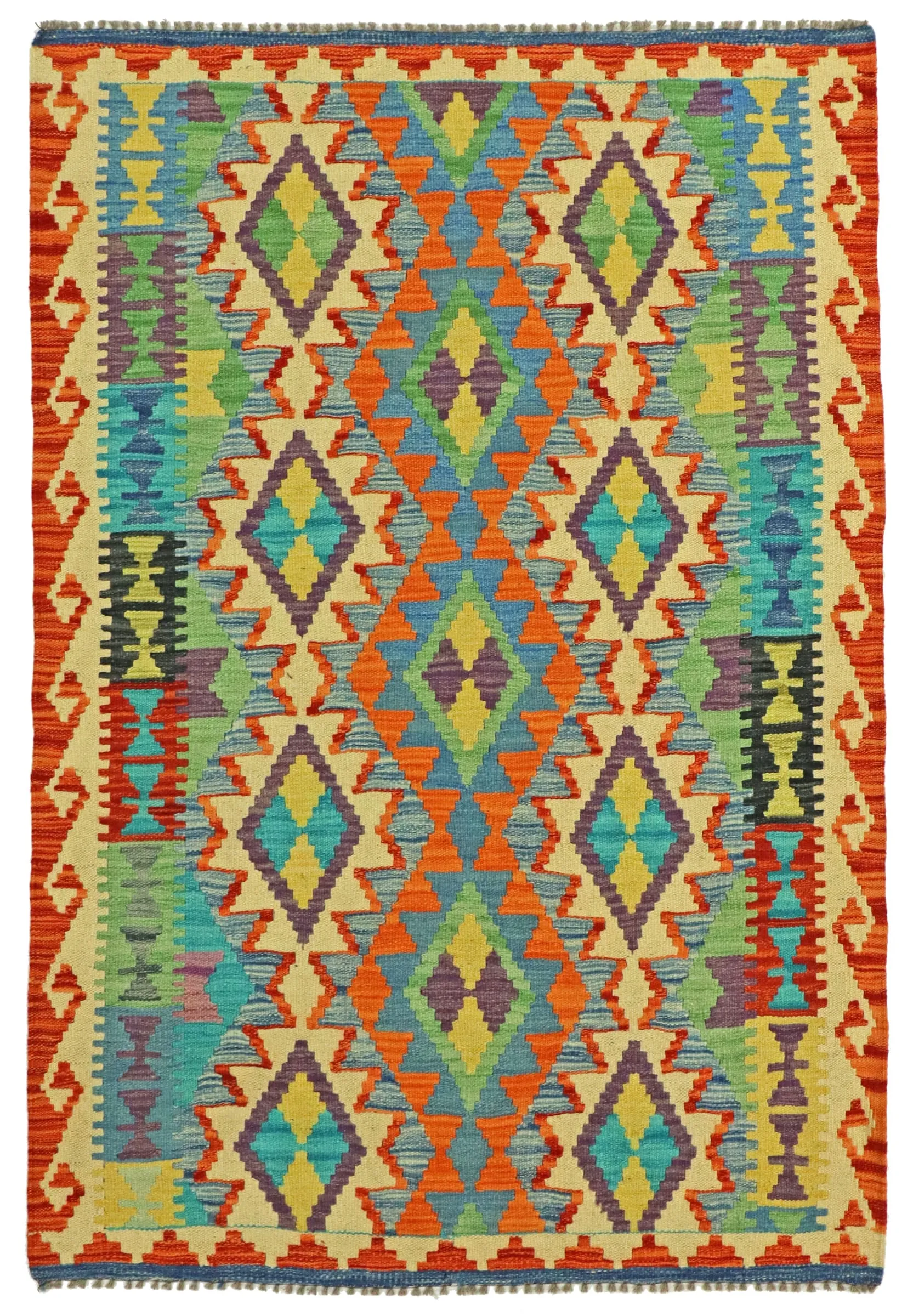
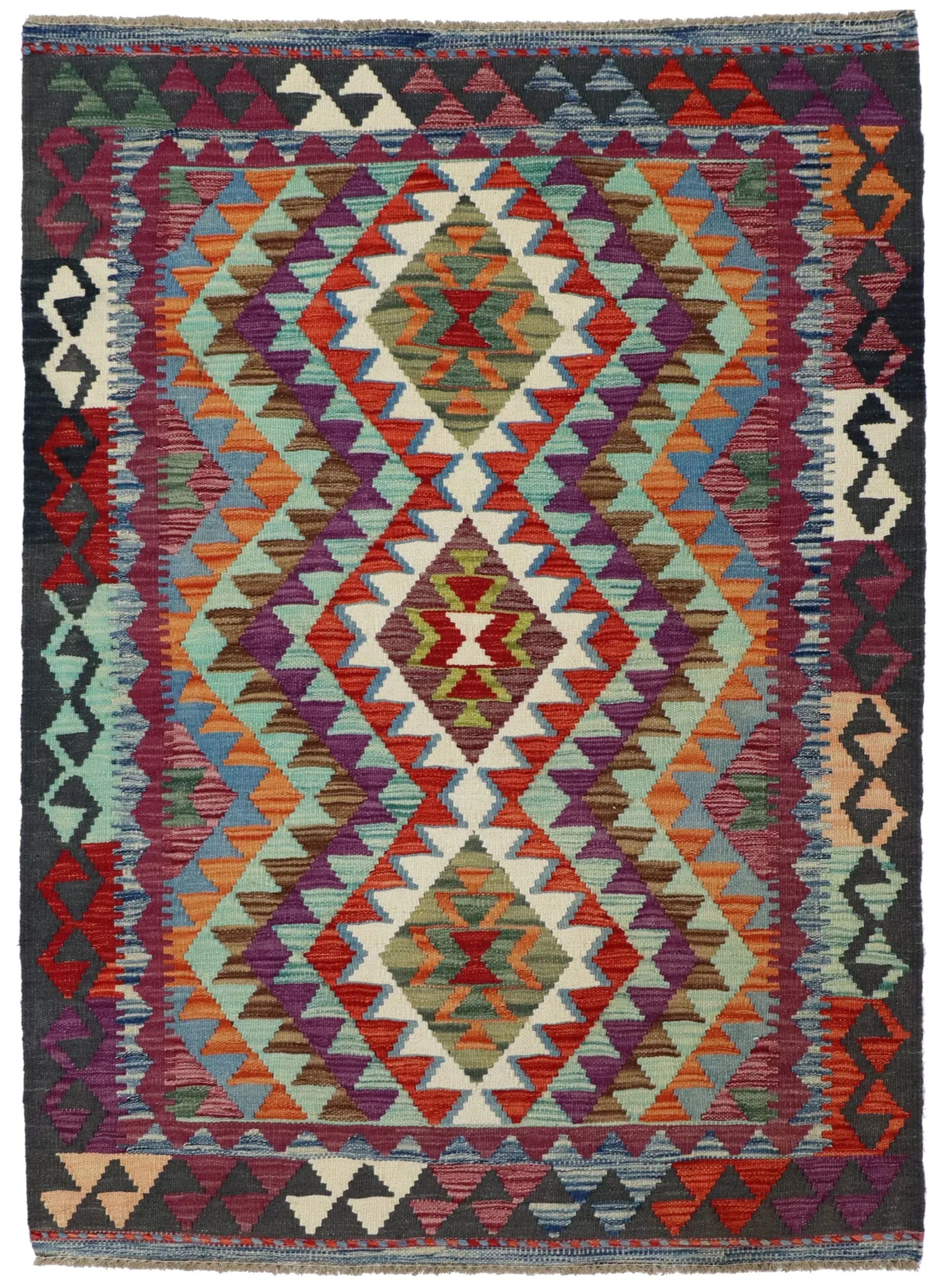
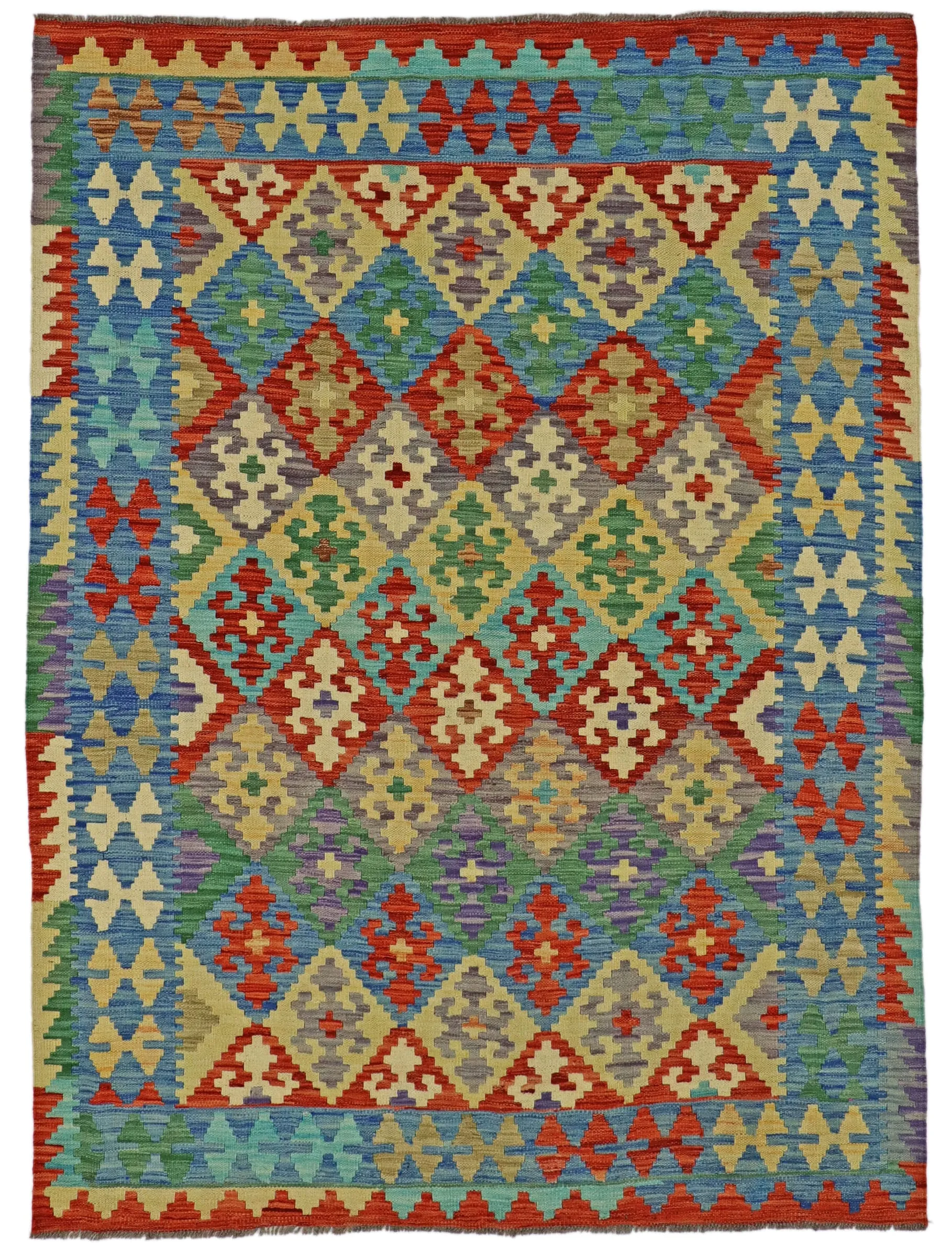
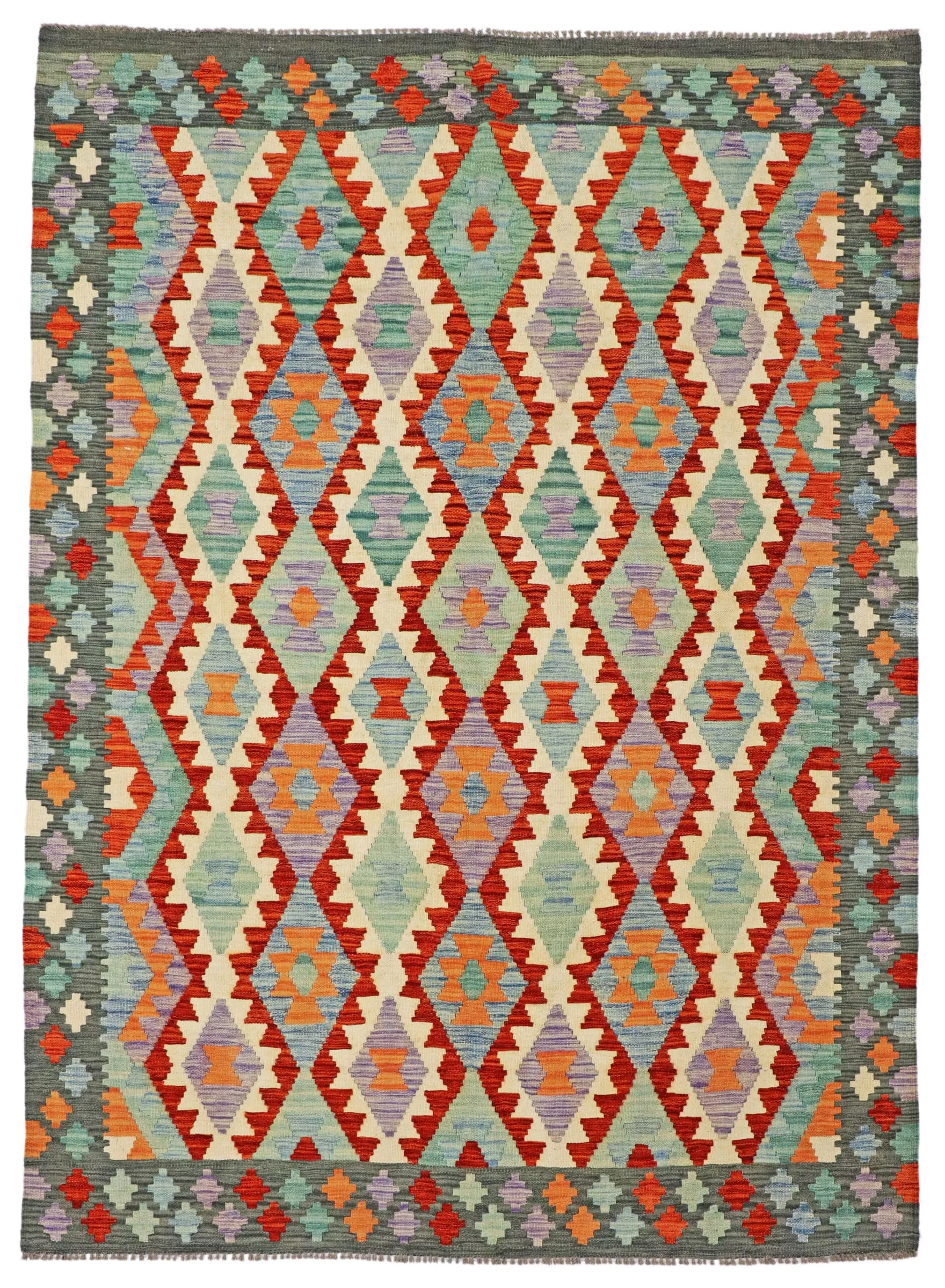
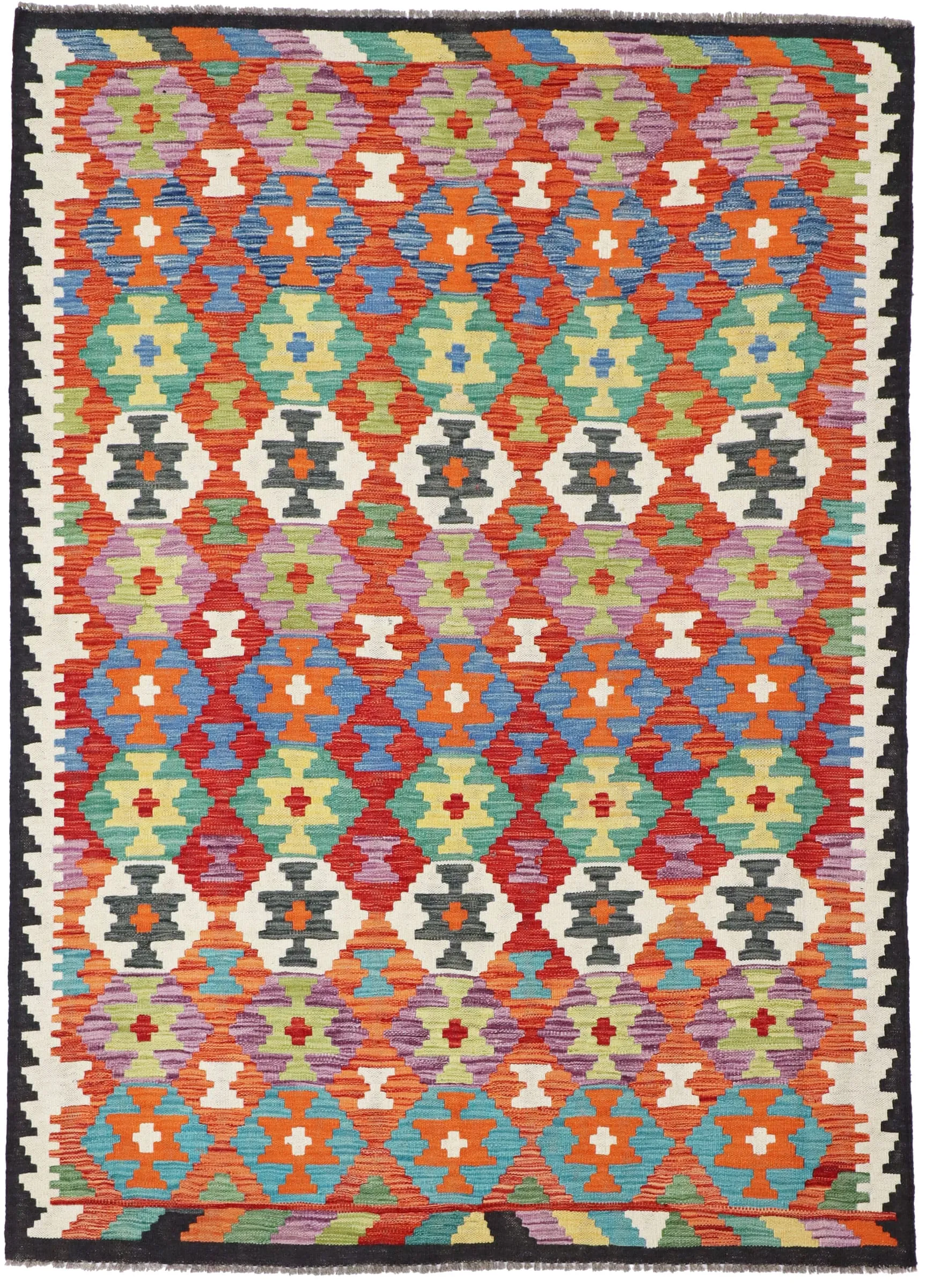
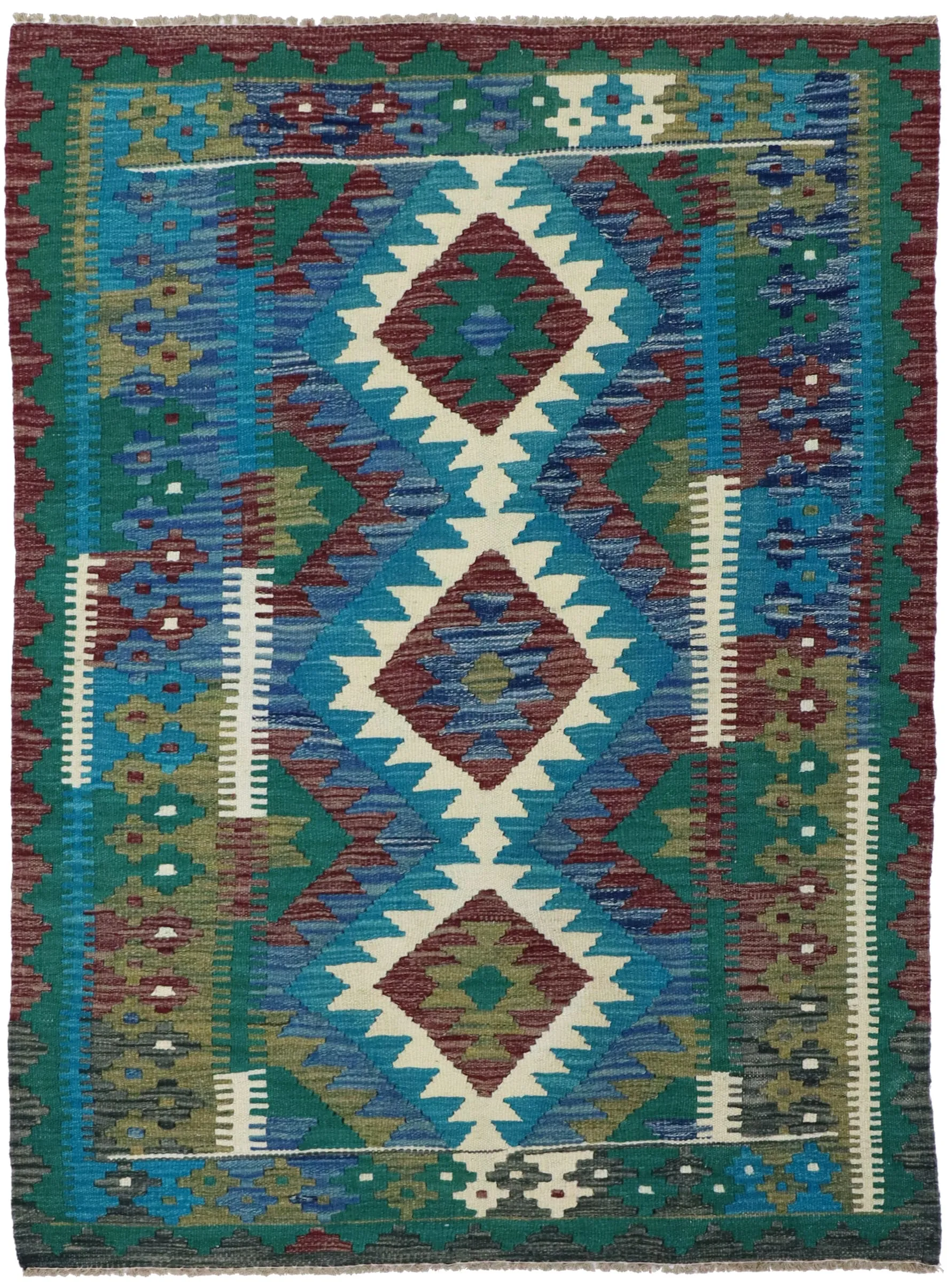
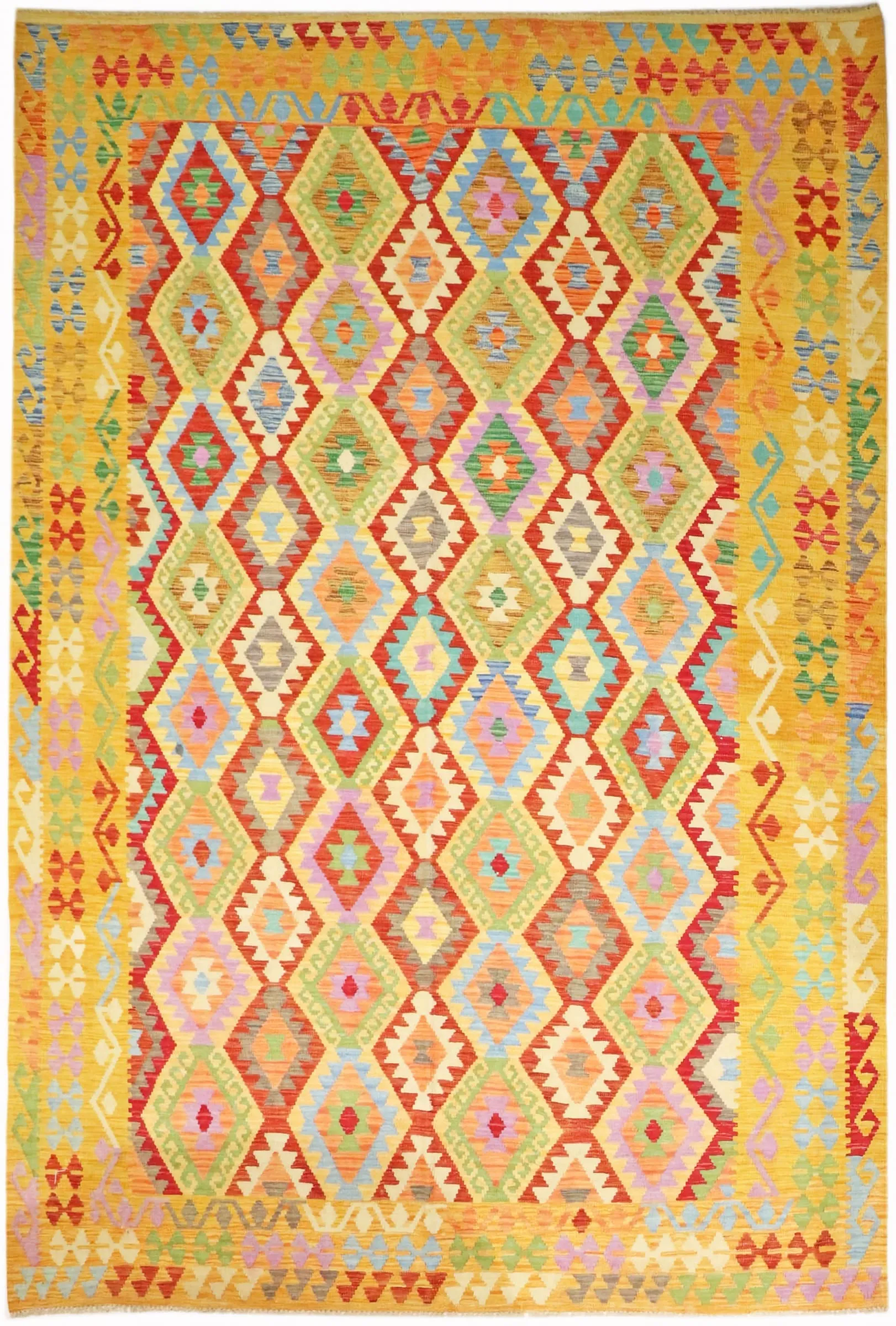
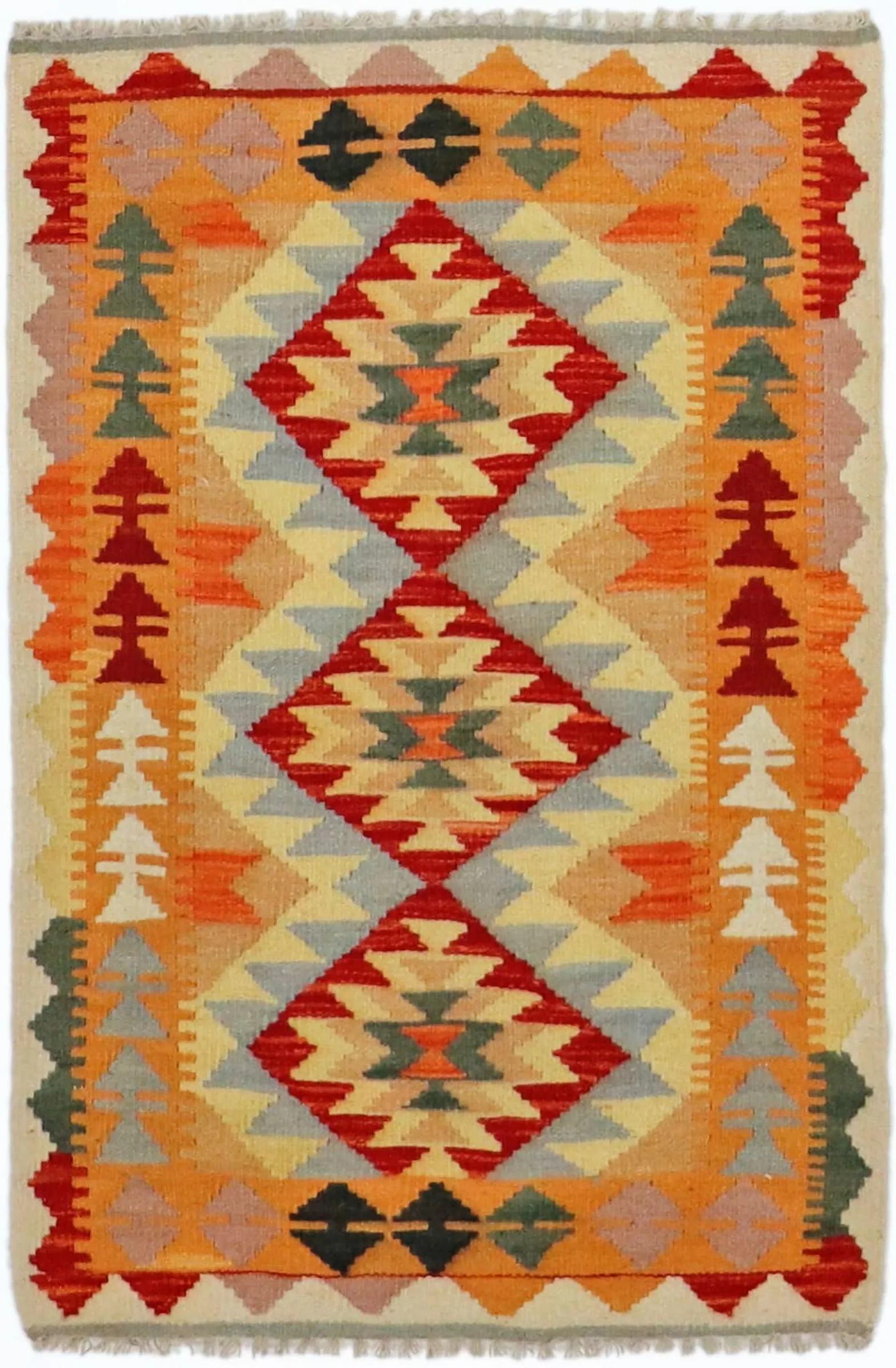
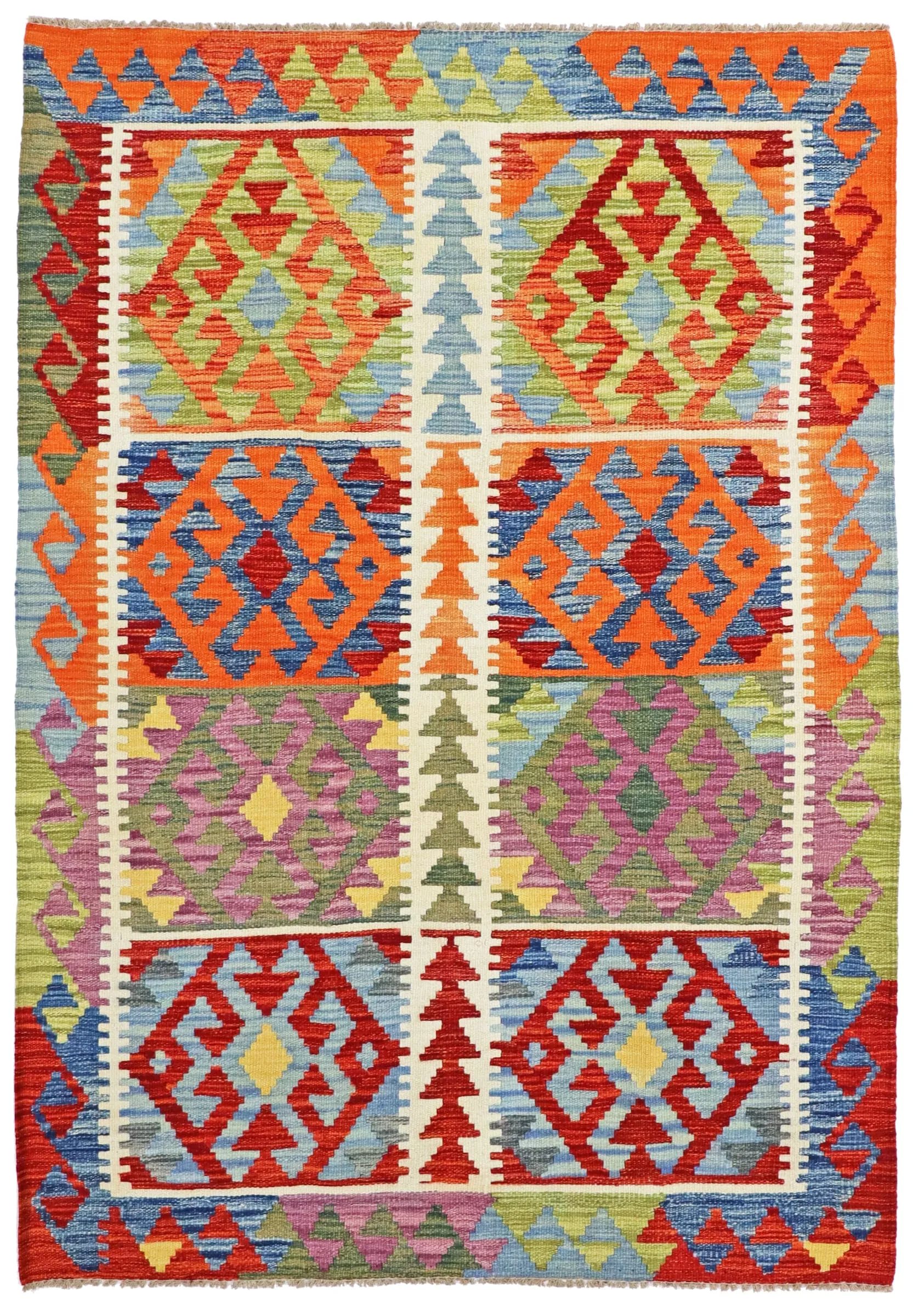
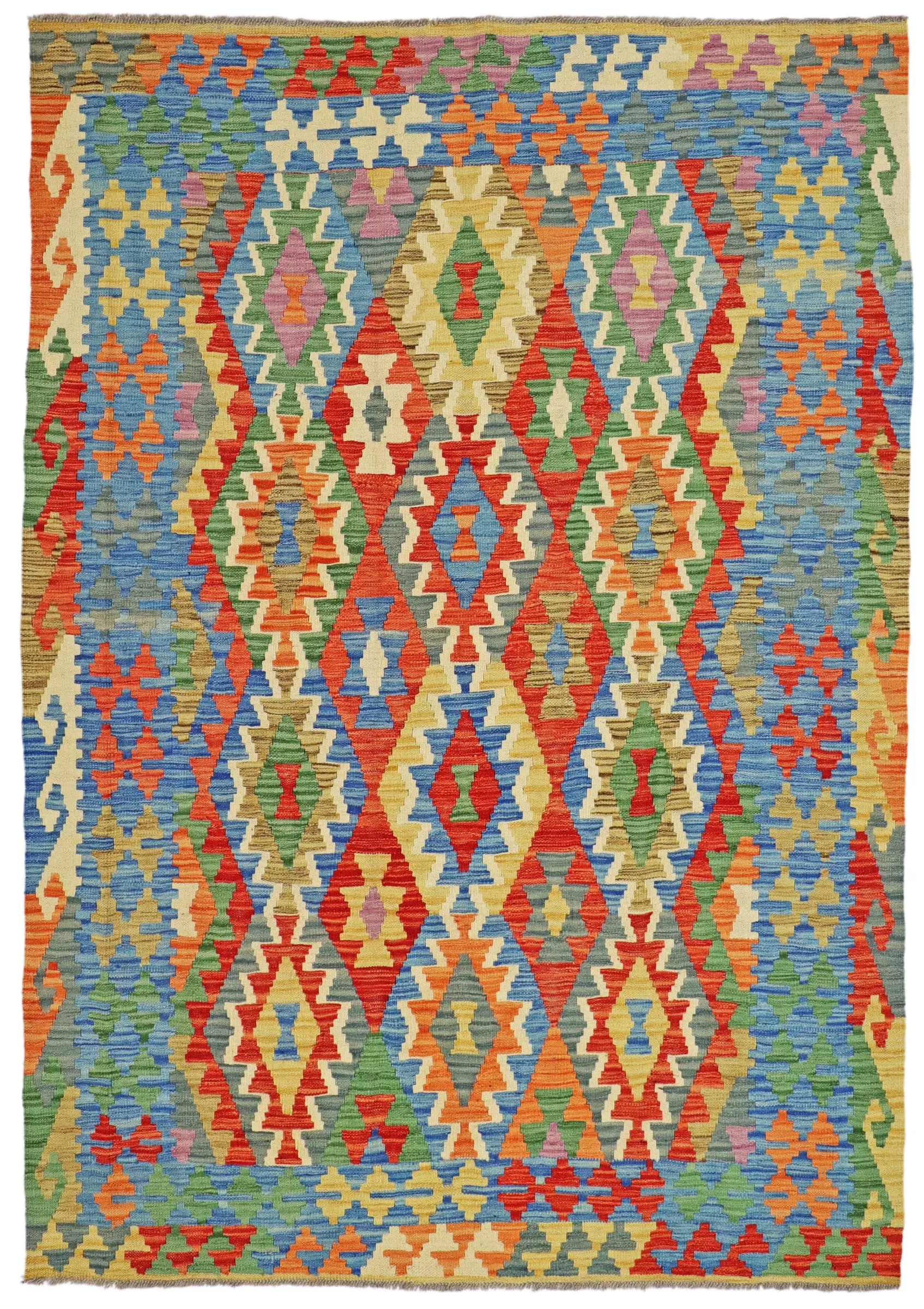
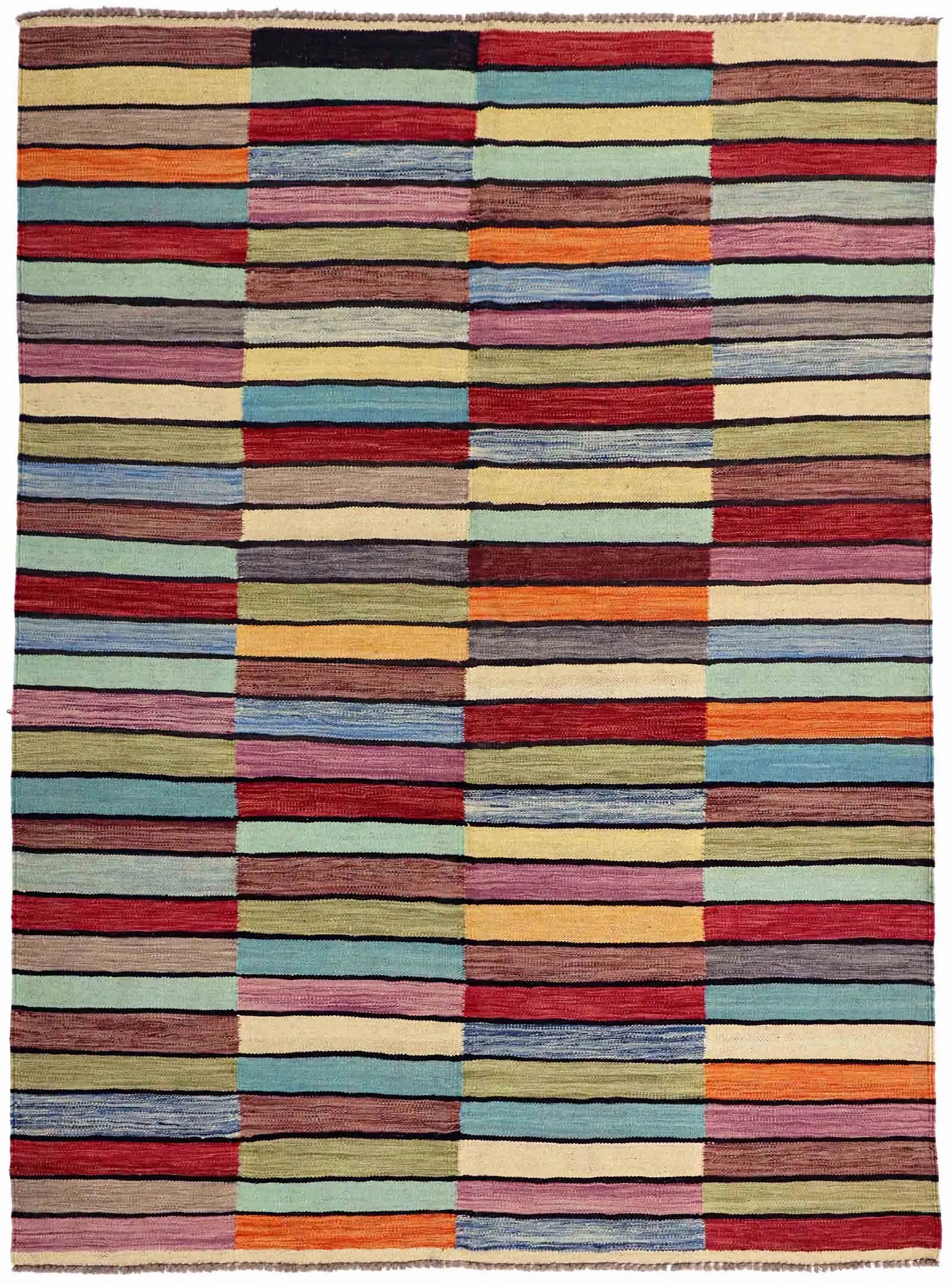
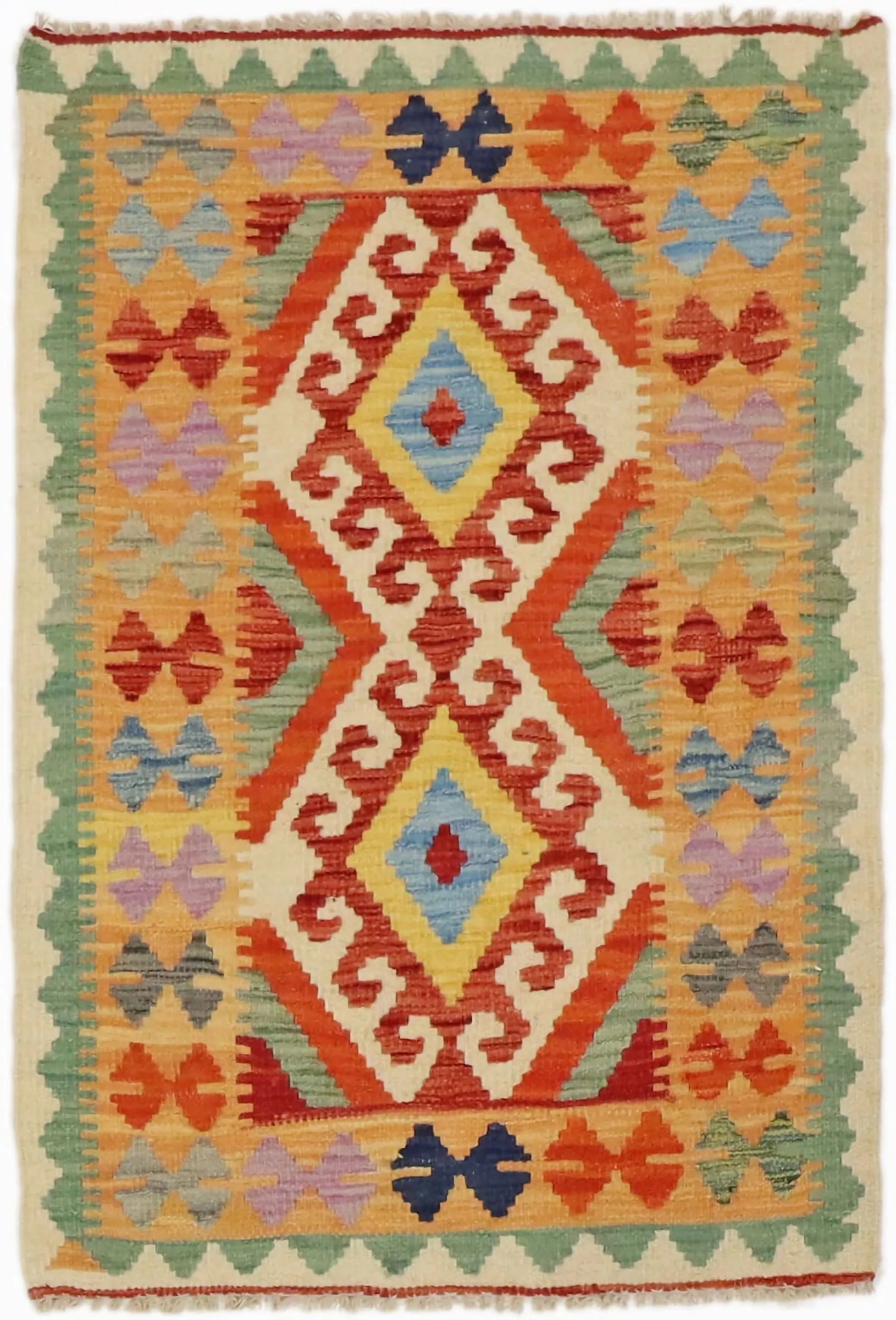
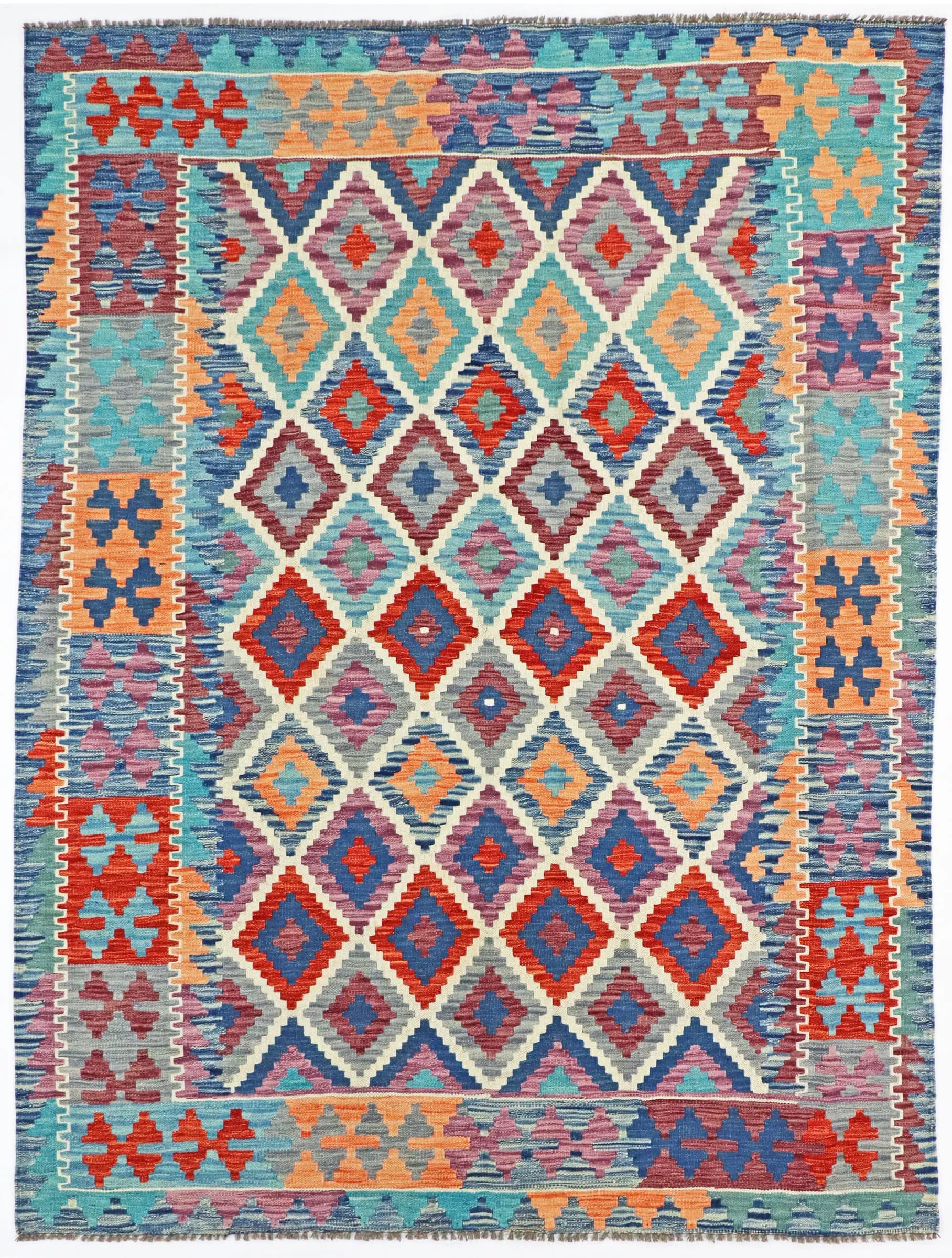
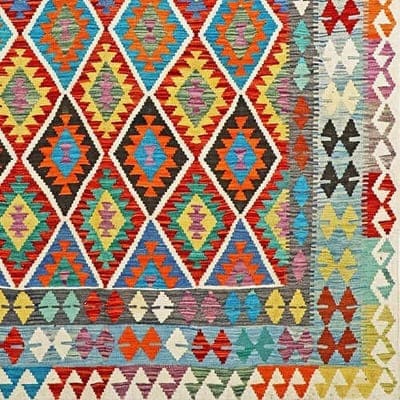
Kilim carpets are traditional woven carpets that originated in various regions of the world, particularly in Middle Eastern countries. Kilims were not only used as carpets by nomads, but also as wall decorations, seat mats or blankets. The production techniques for kilims vary depending on the region and cultural tradition. In general, they are hand-woven on horizontal looms, with colourful threads woven together in specific patterns.
These rugs are known for their diverse designs and patterns, ranging from geometric figures to floral motifs and abstract patterns. What makes kilims special is their flat weave, which sets them apart from other rugs. The top and bottom sides look identical, which means that they can simply be turned over to use the other side if required. This sets kilims apart from other rugs. Traditionally, kilim rugs are made from hand-spun sheep's wool.
Kilim rugs are often associated with cultural meaning and symbolism. They can tell stories and the traditional patterns and motifs often have symbolic meanings. In this way, they provide insights into the way of life and history of the communities that produce them. The production of kilim rugs is an ancient craft that is passed down from generation to generation.