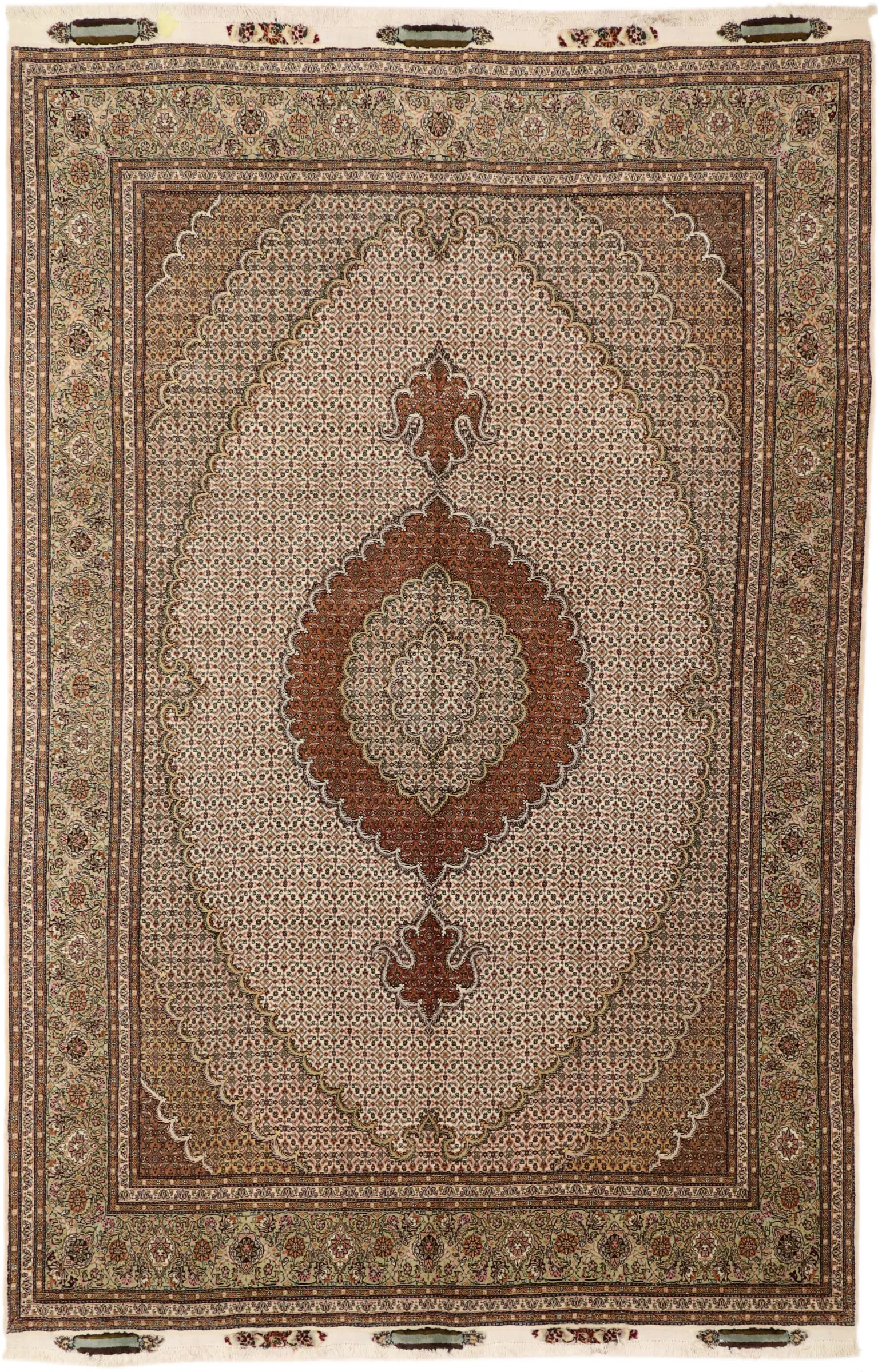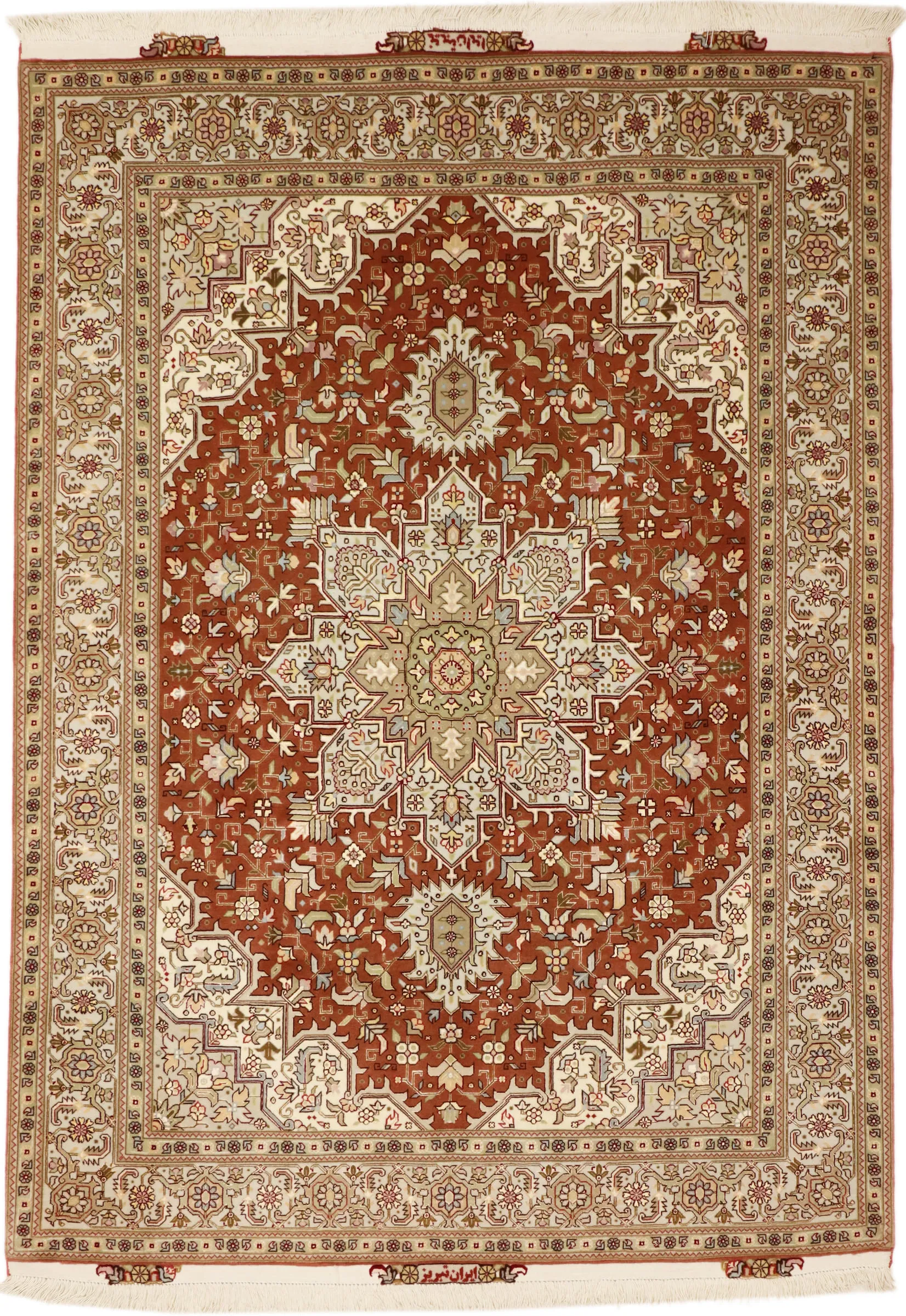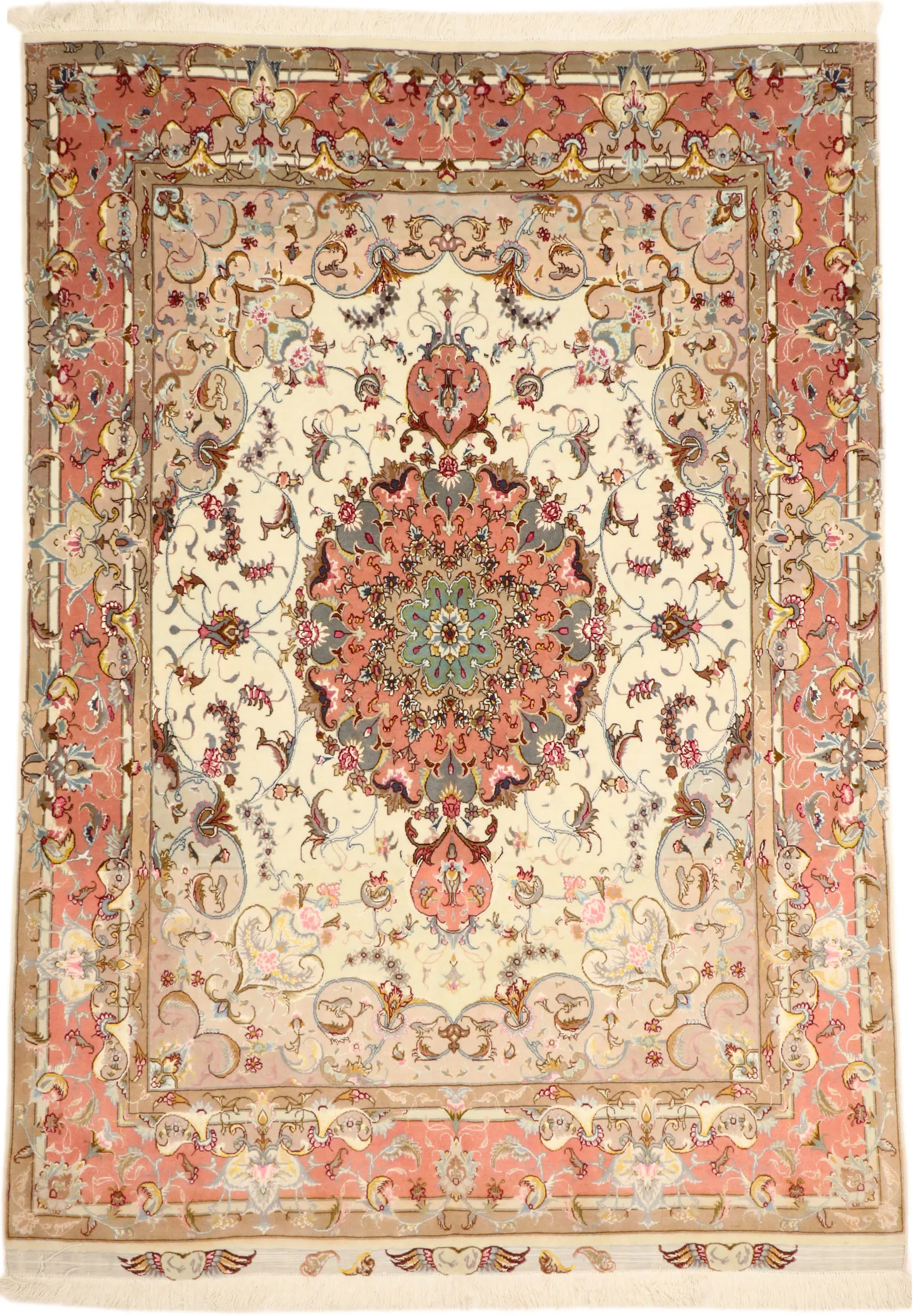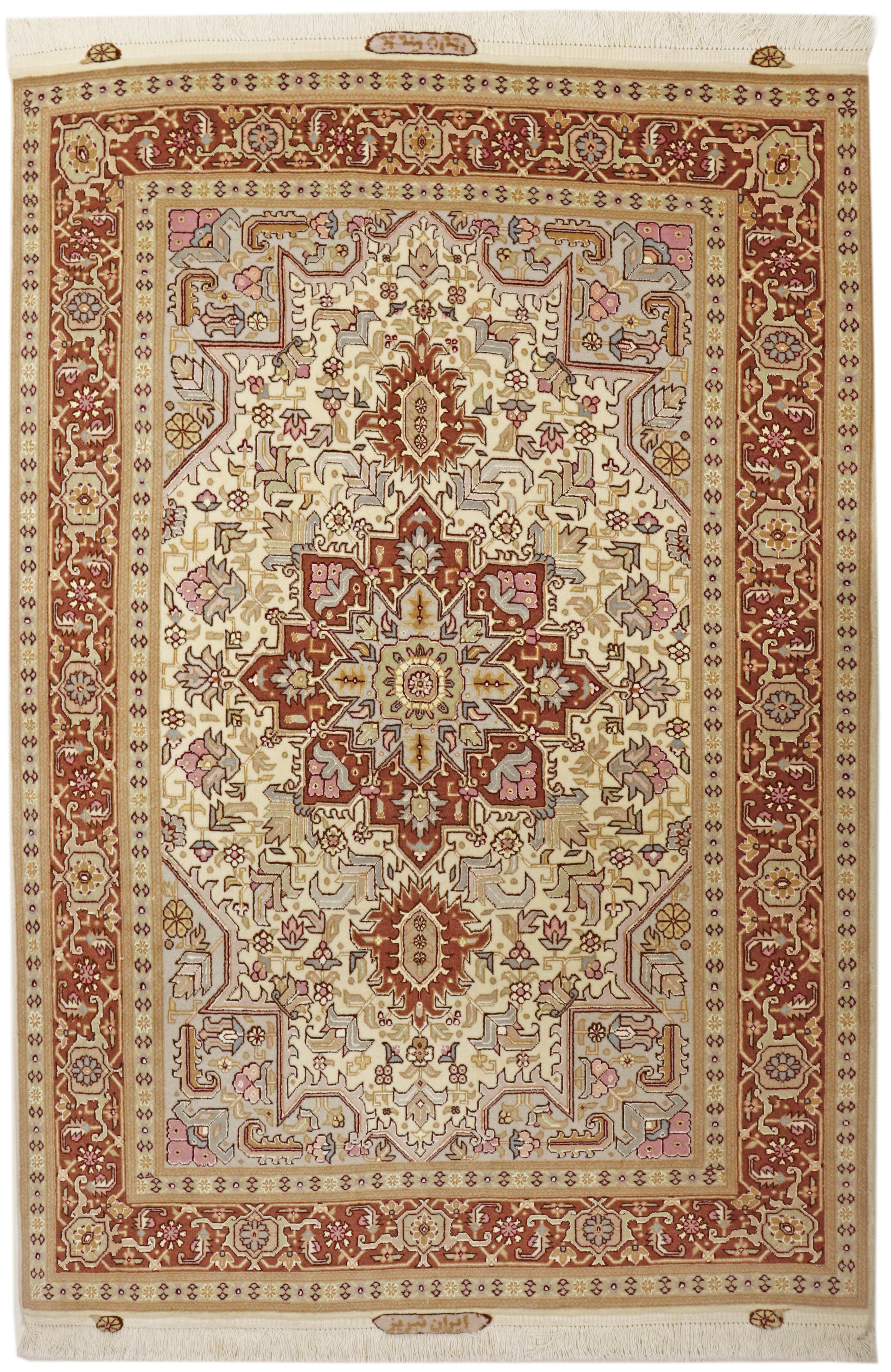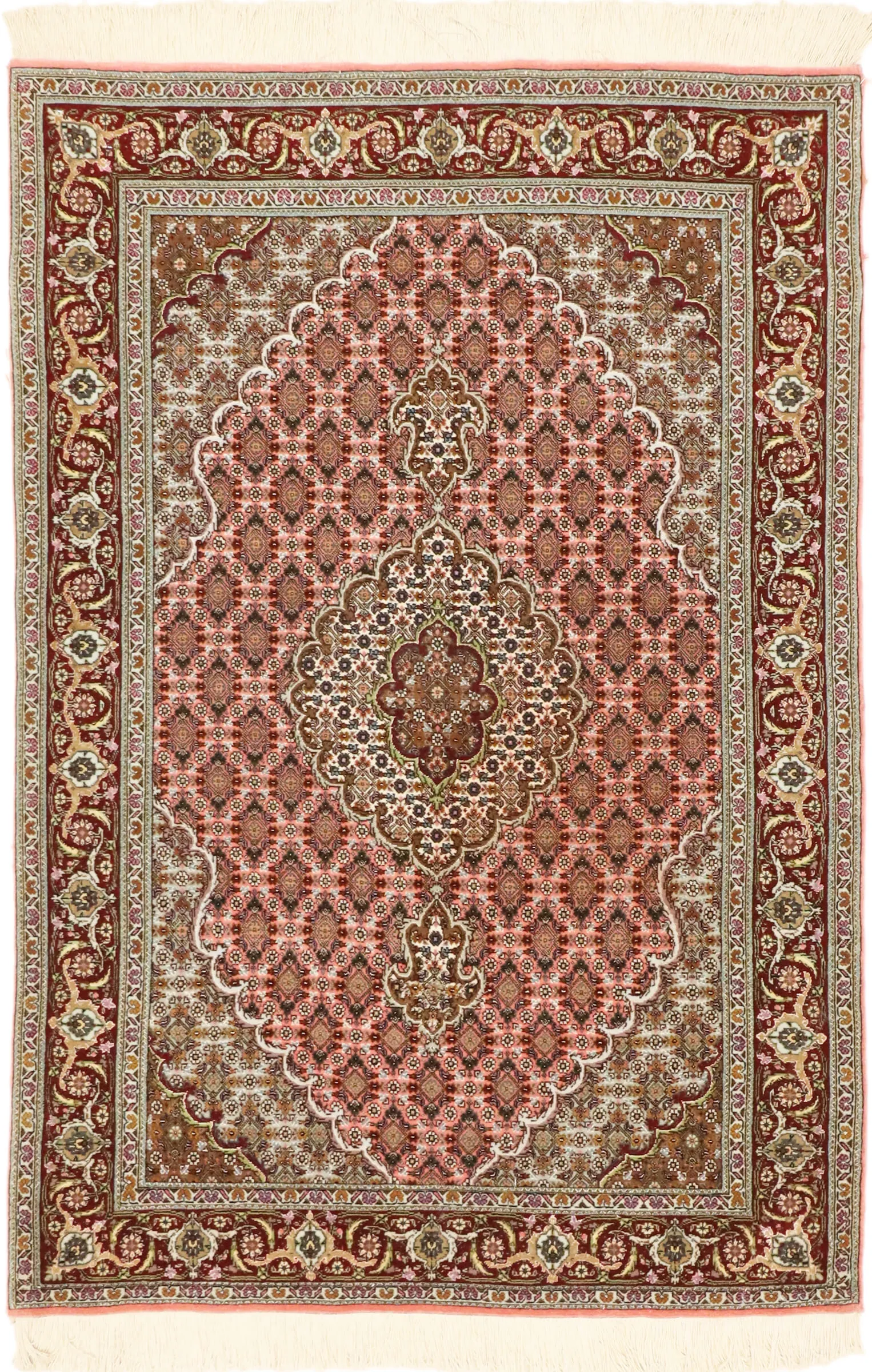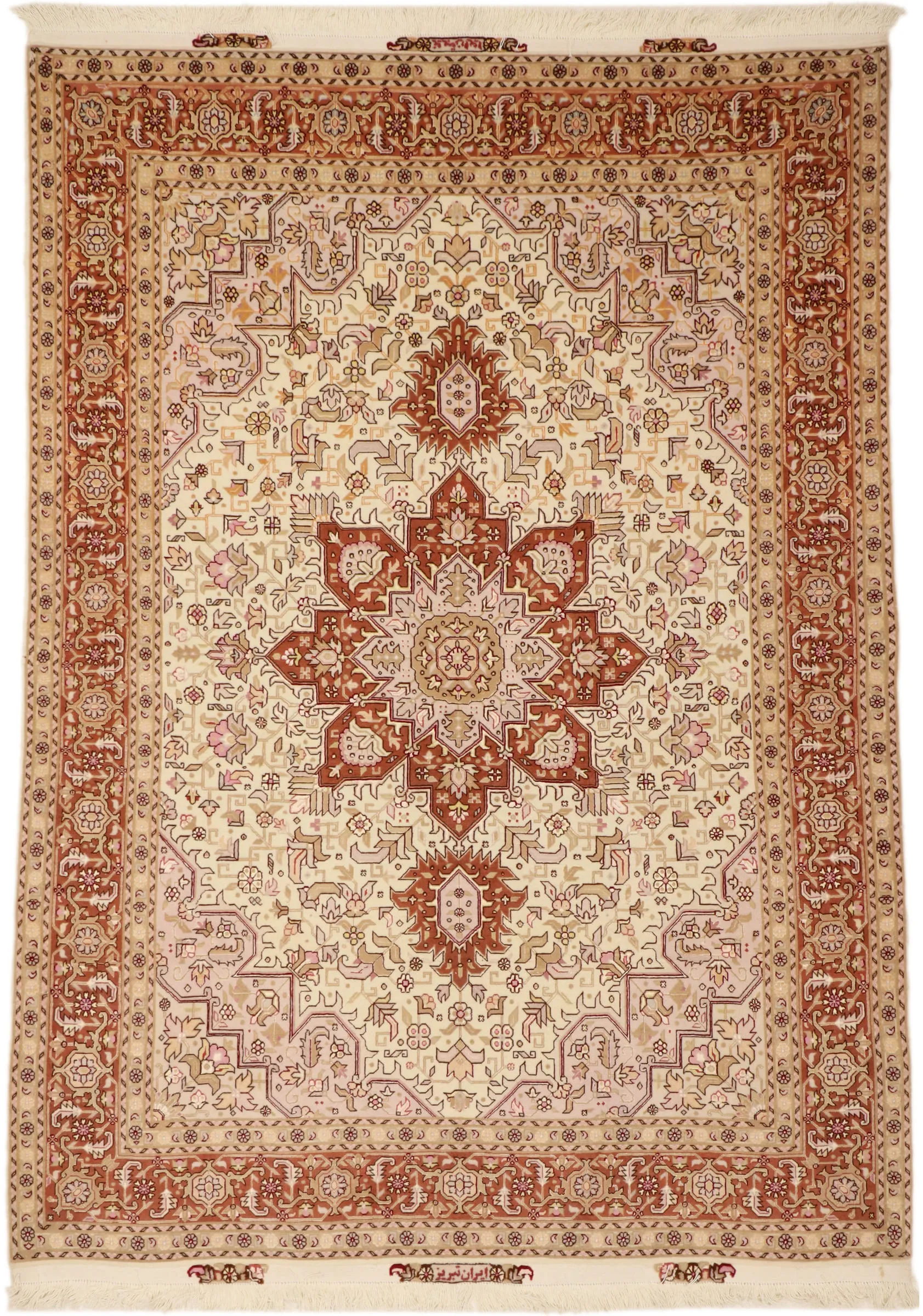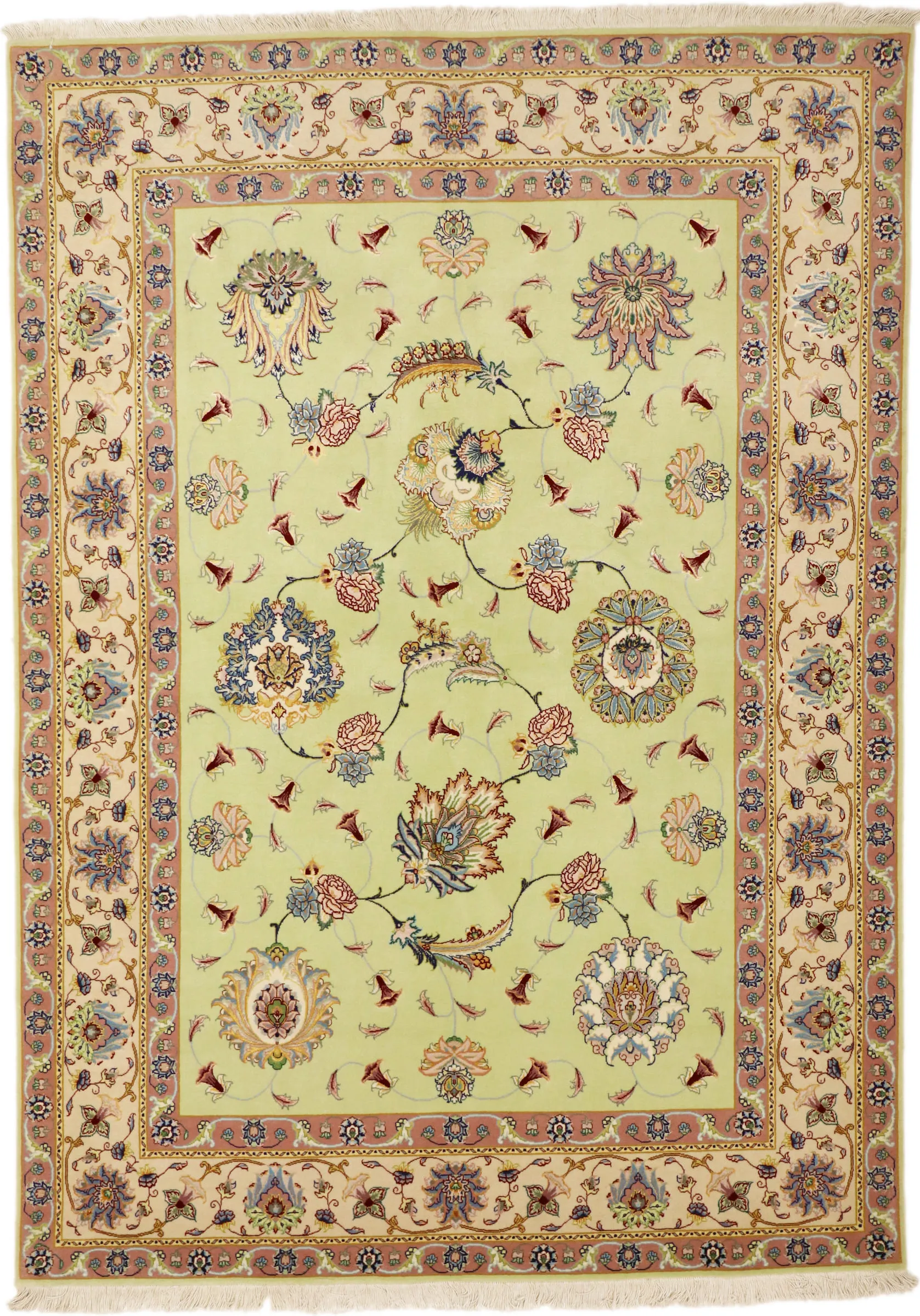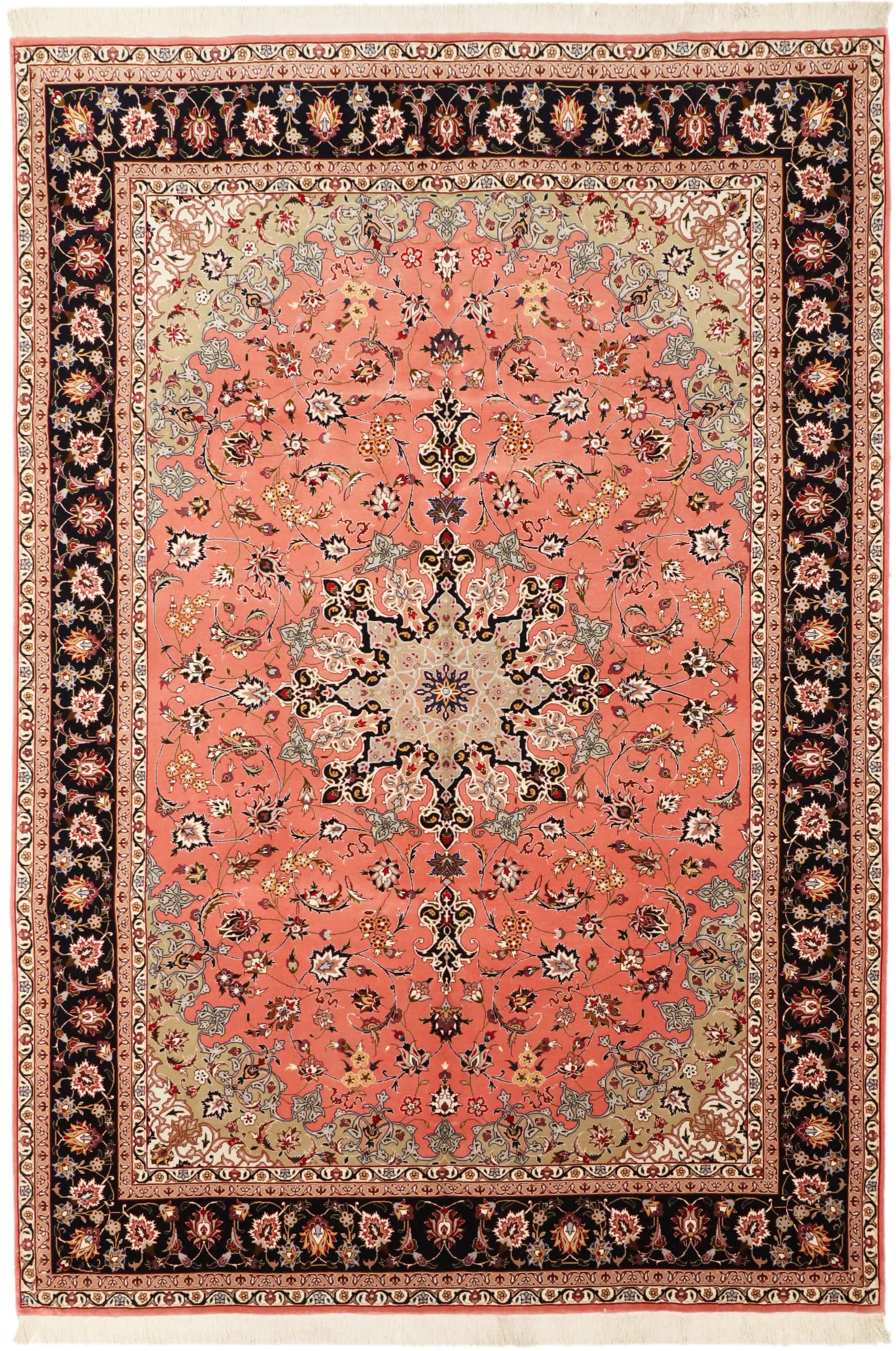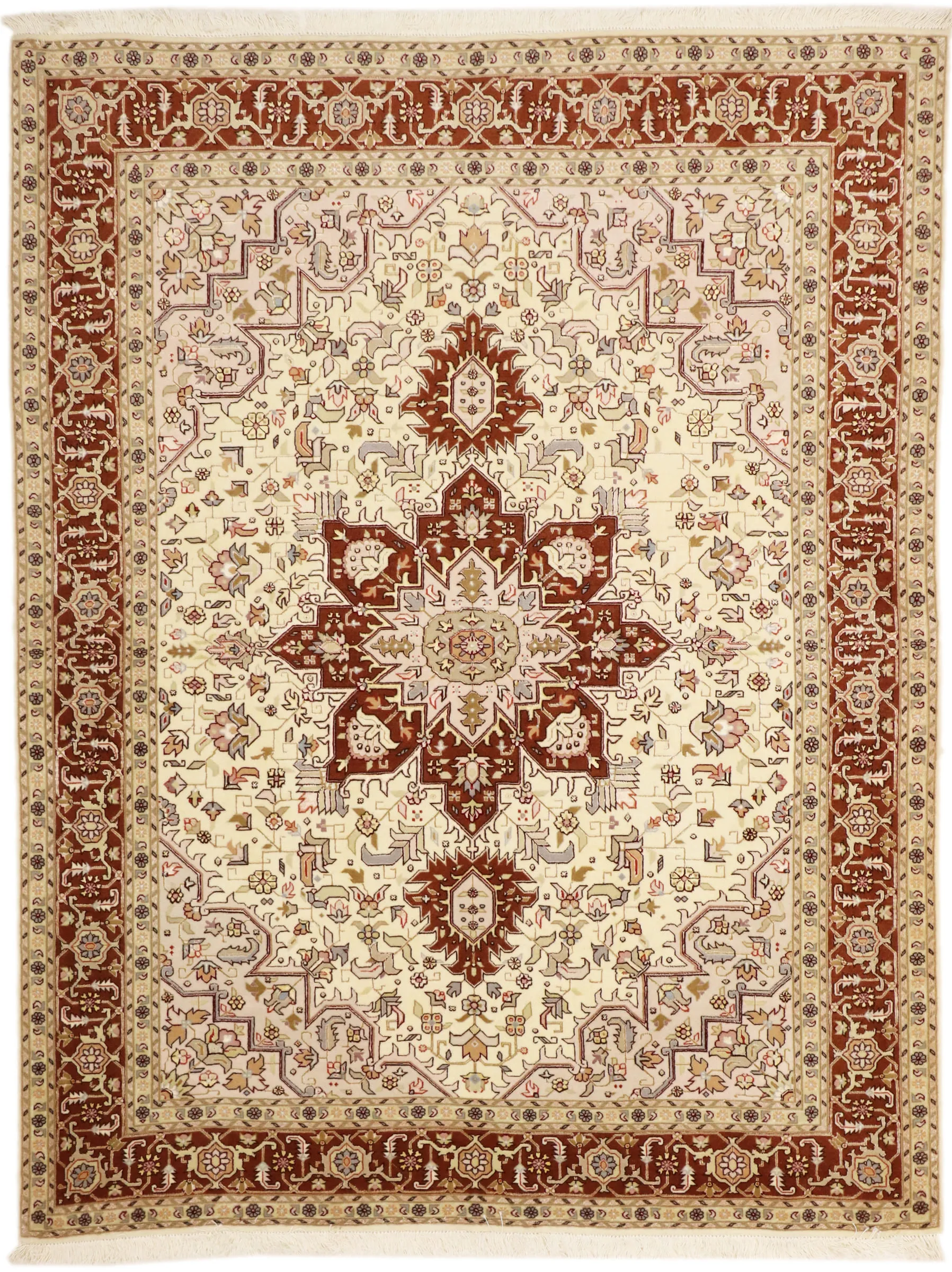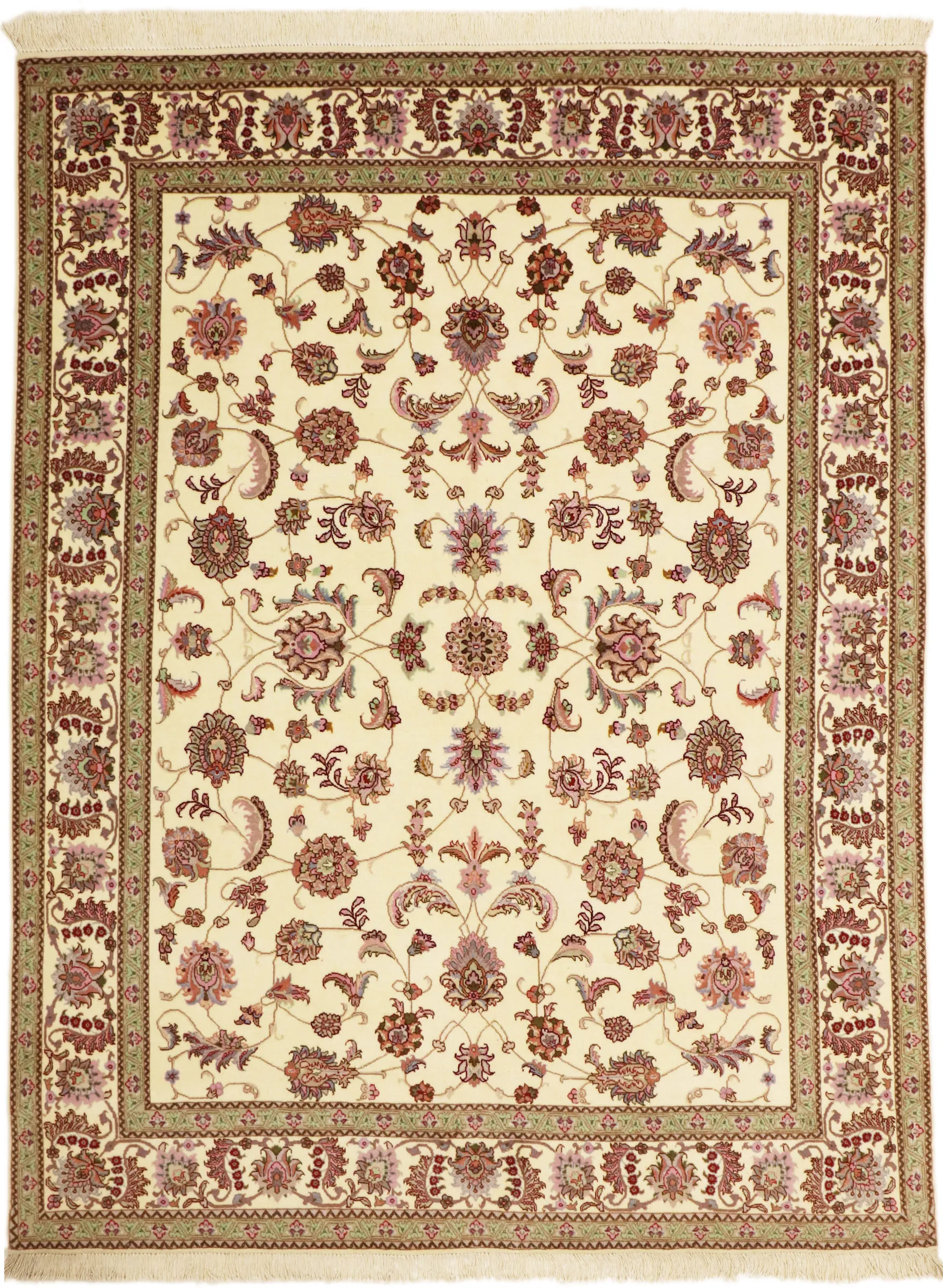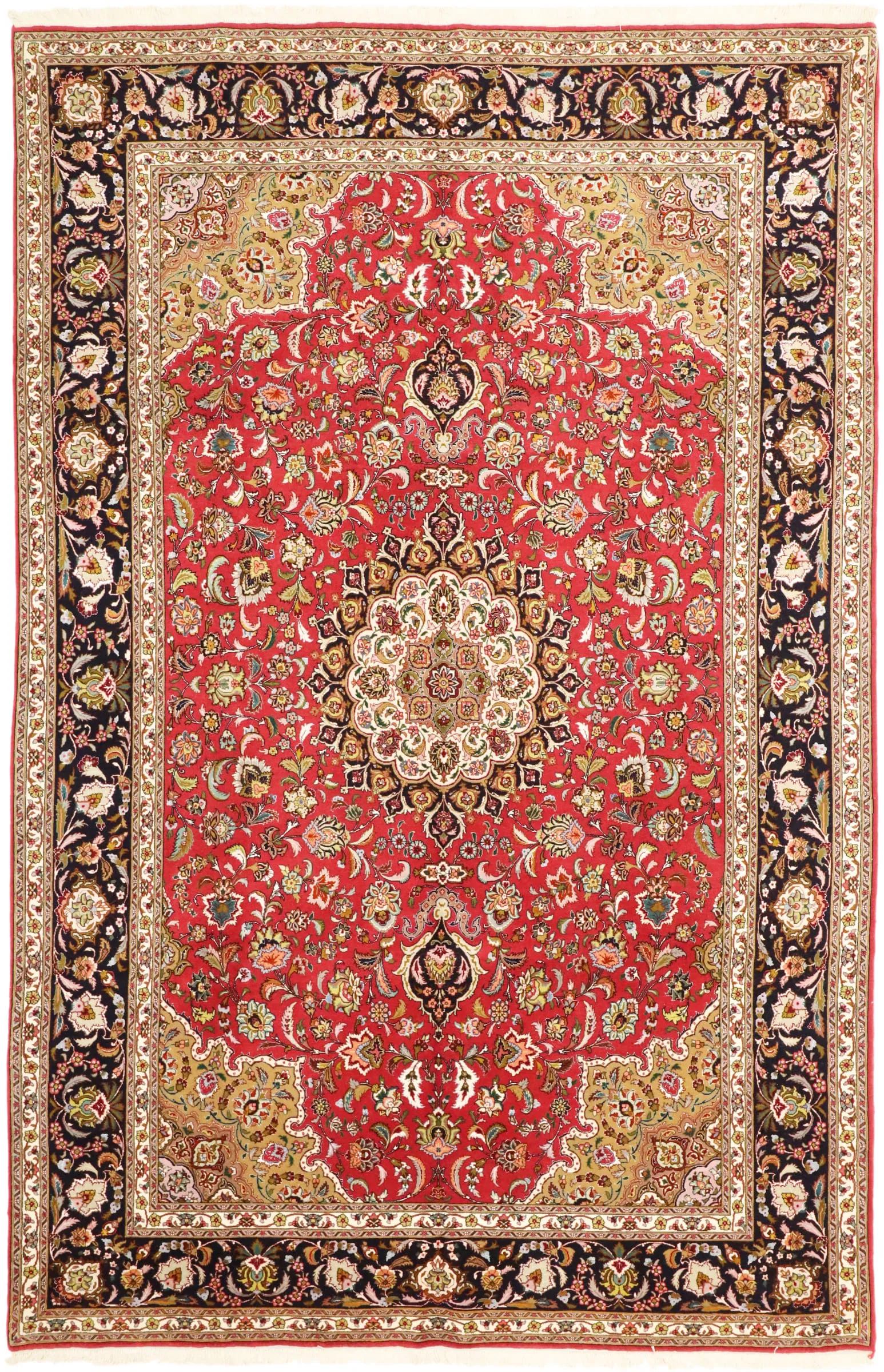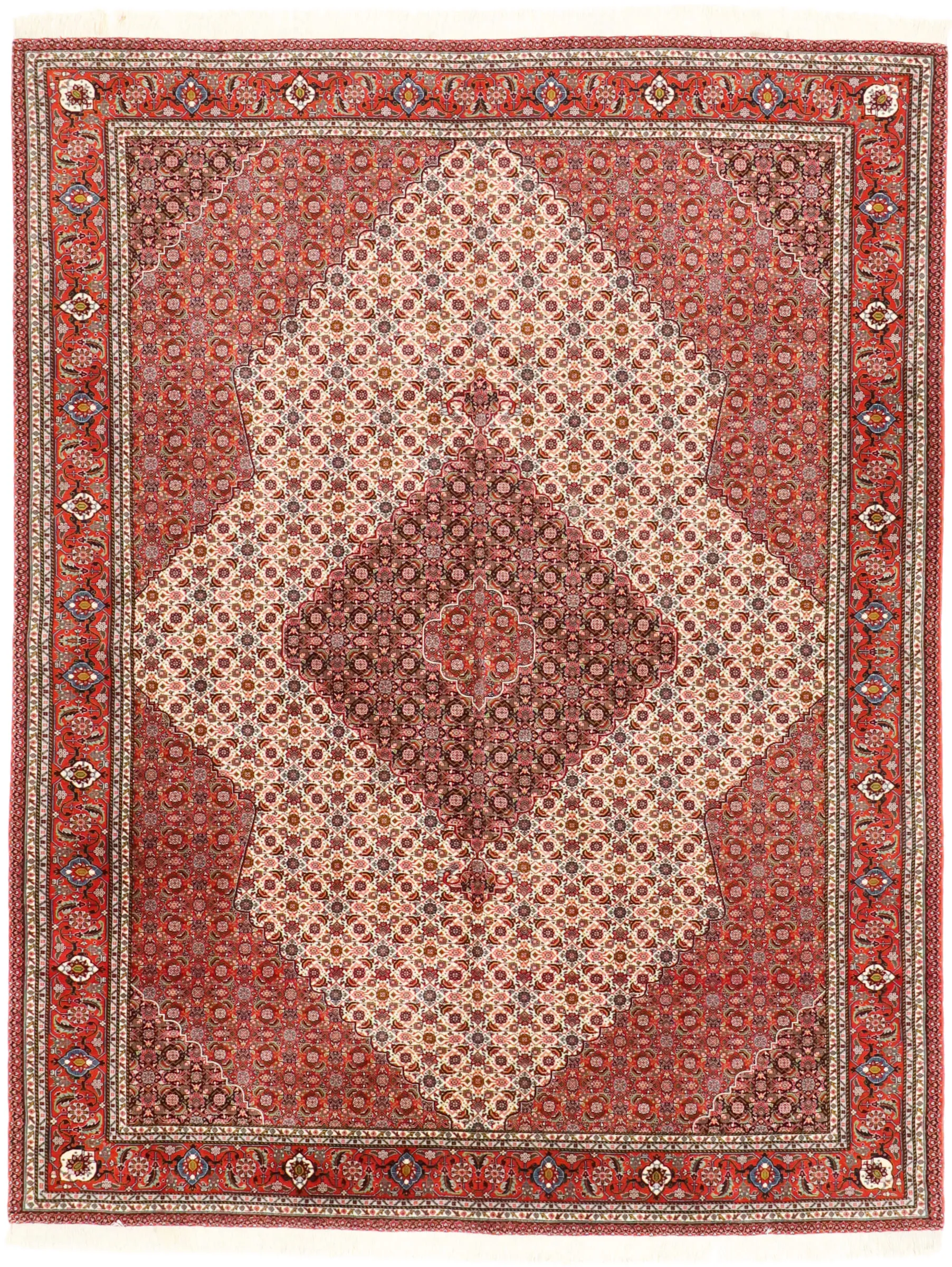










Tabriz rugs
Facts
| Origin | Iran |
| Type | Persian carpet |
| Frequent knot density | 120.000 - 1.000.000 Knot density per square metre |
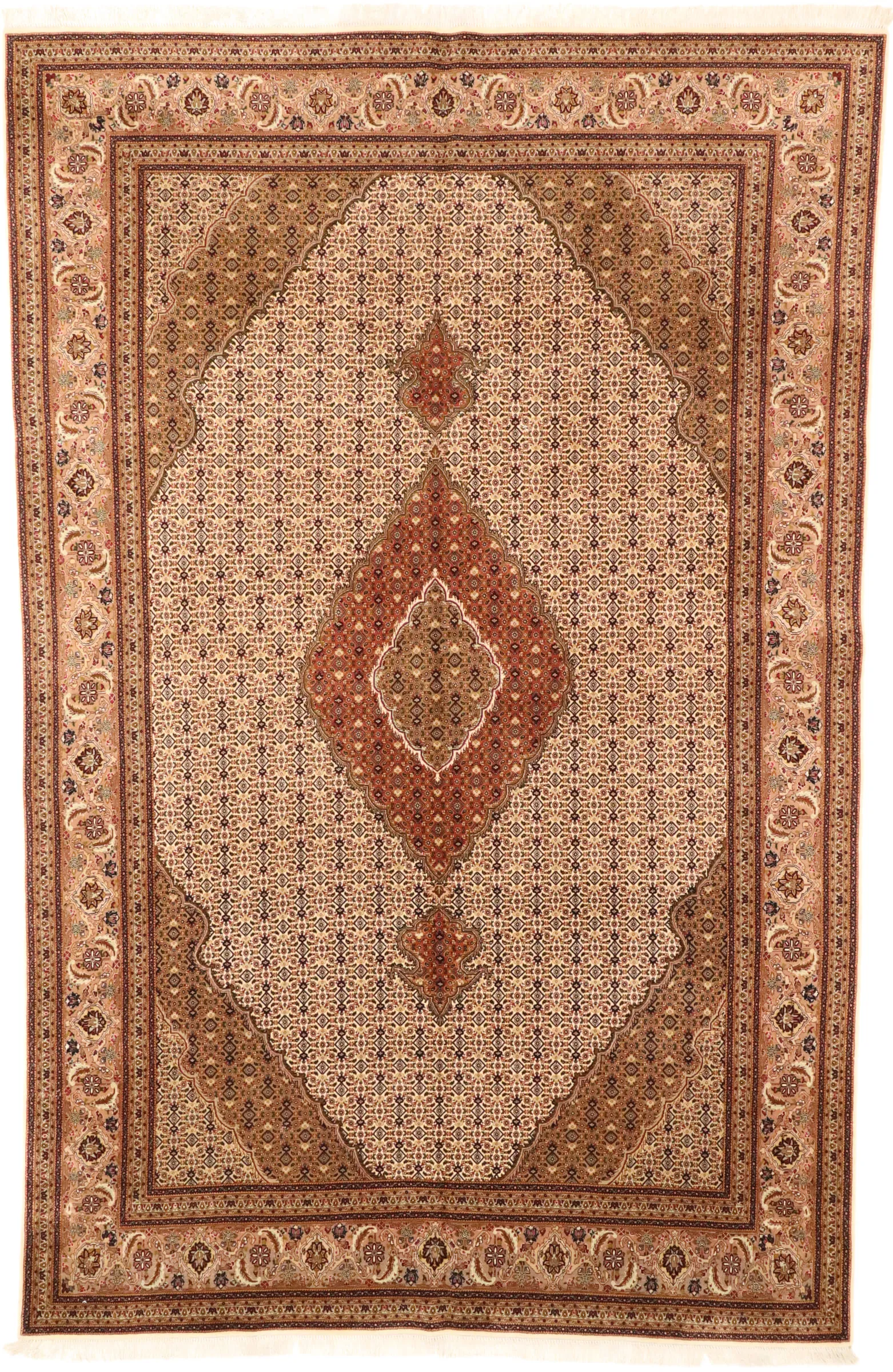
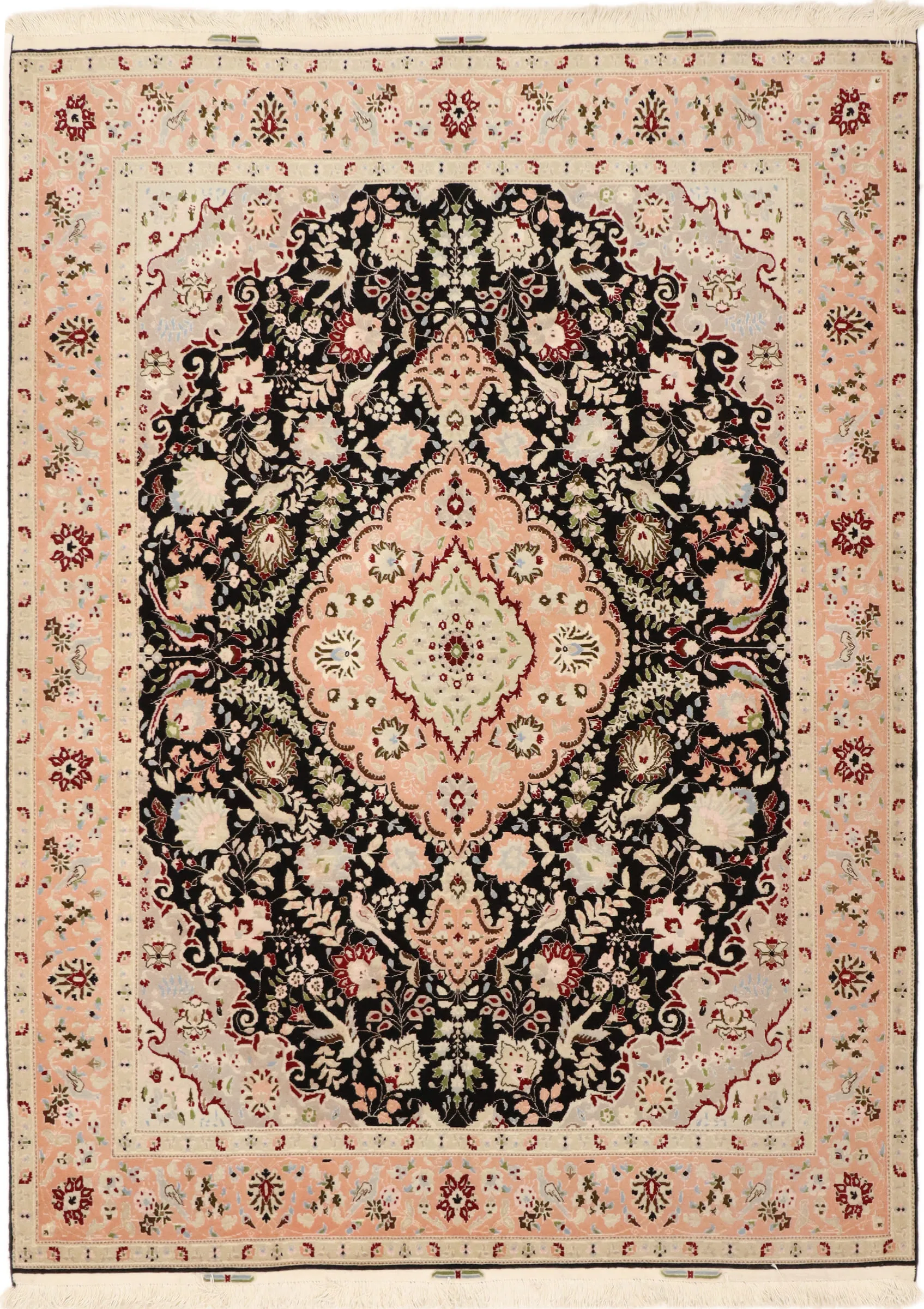
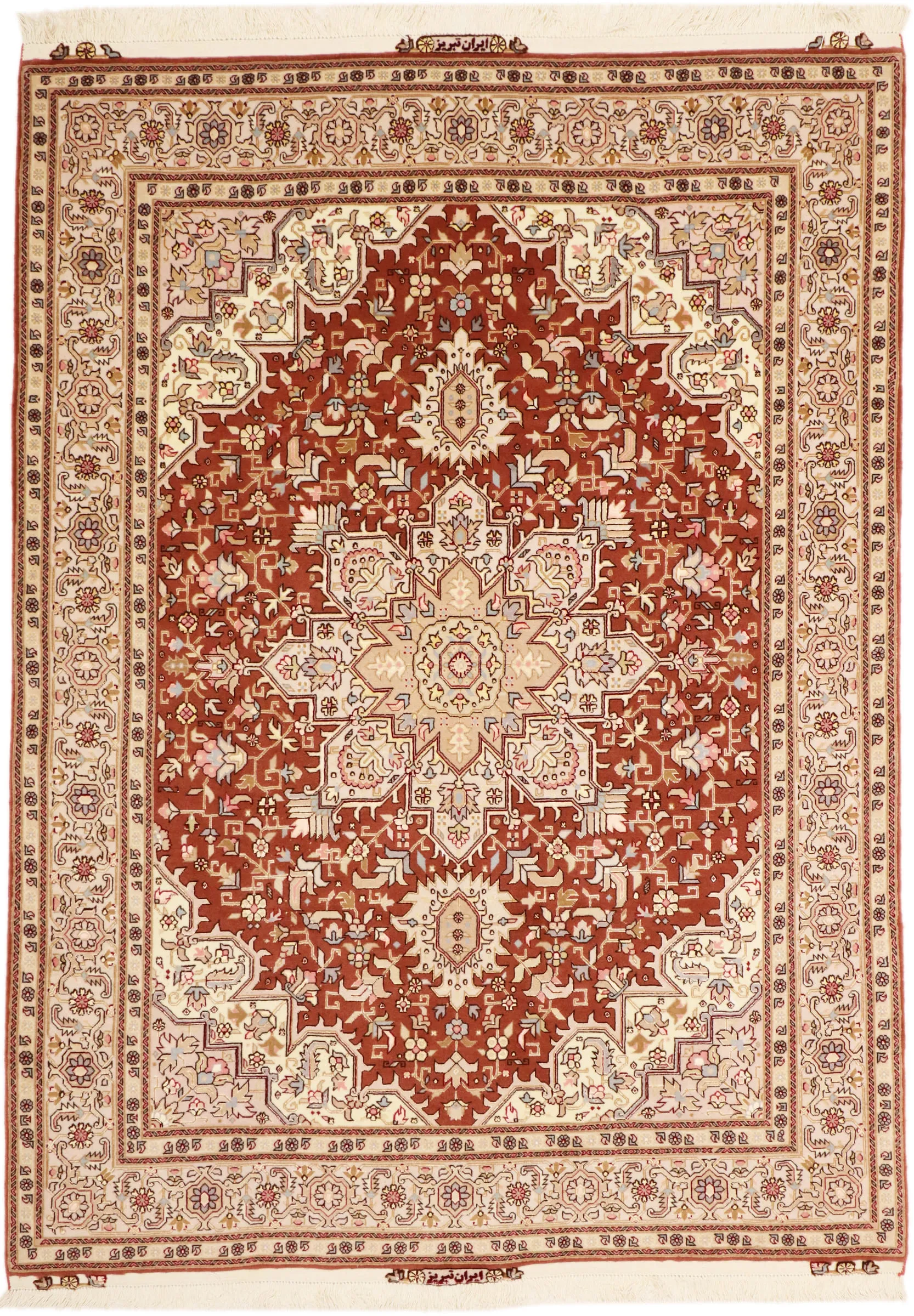
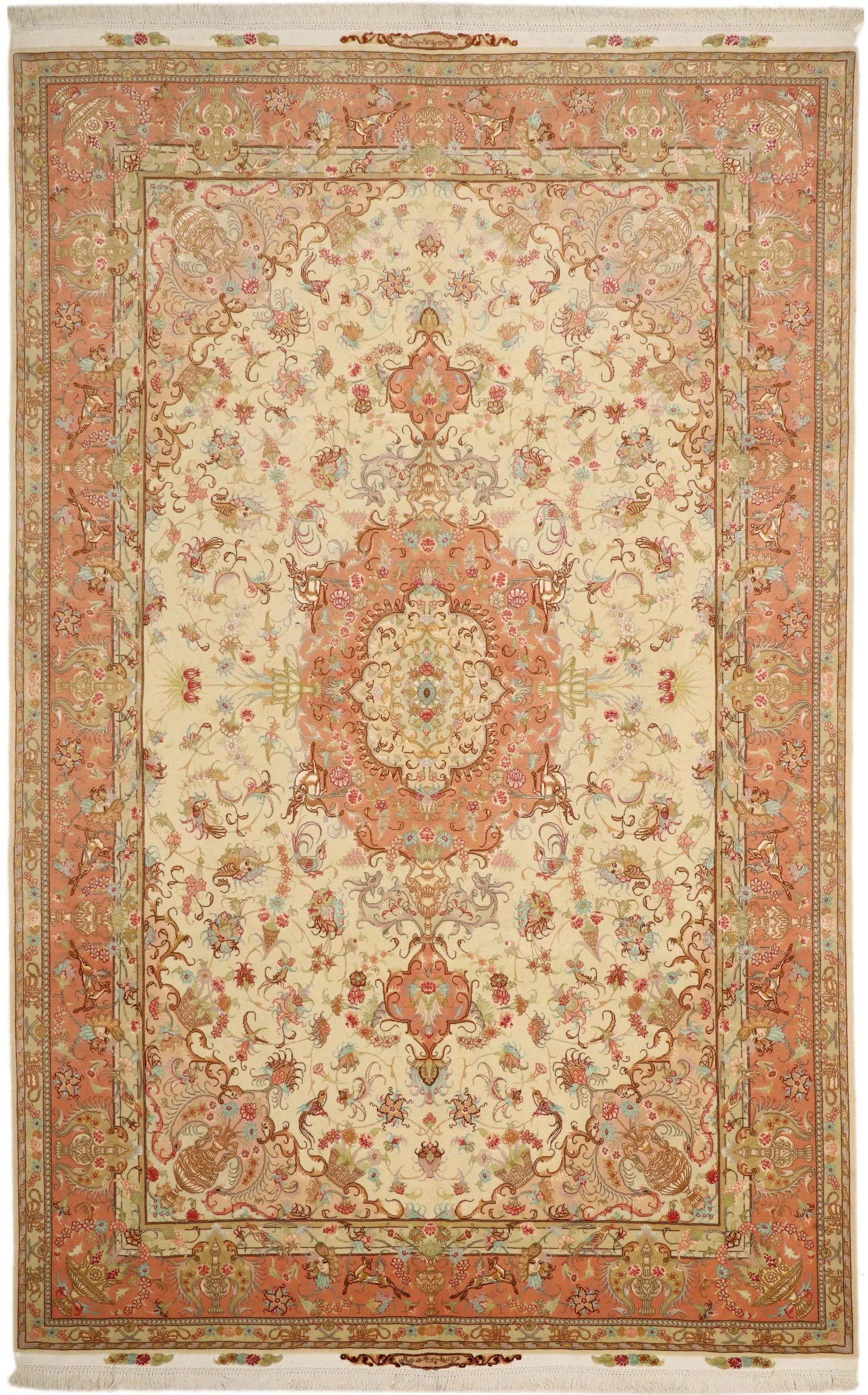
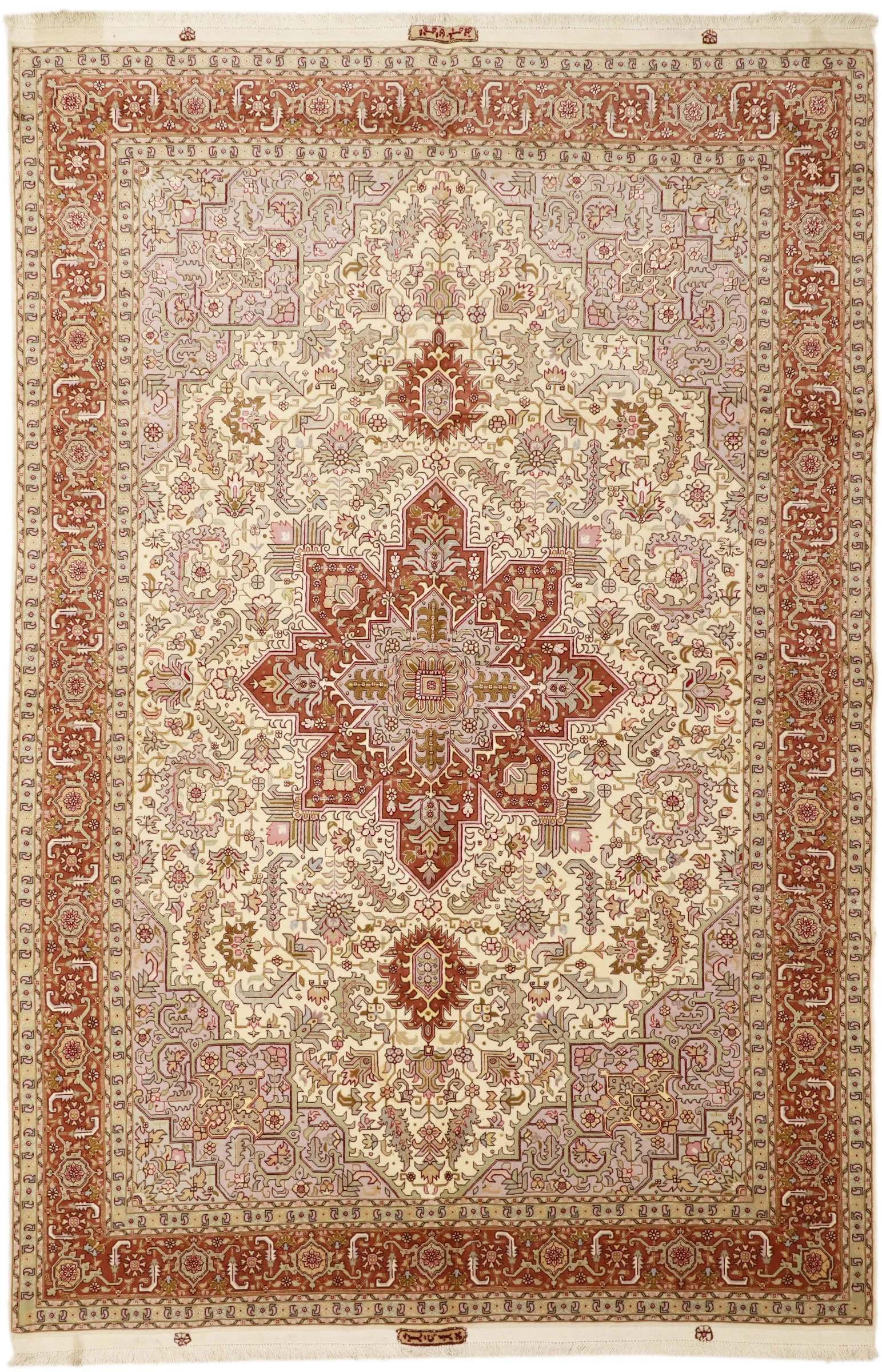
| Properties | High knot density. central medallion, floral pattern |
Tabriz carpets, named after the city of Tabriz in north-western Iran, are among the oldest carpet manufacturing centres and are known for their long tradition of producing high-quality carpets. Knot density is a key factor that determines the quality and value of a Tabriz rug. The finest carpets, labelled as 80Raj, often have well over a million knots, while simple carpets still have a density of 300,000 to 500,000 knots.
Raj is often used as a unit of quality in Iran, with the number of knots being counted at 7 cm along the warp thread on the back of the carpet. Traditionally, Tabriz rugs are made from high-quality wool, occasionally with silk accents. These rugs are characterised by their softness, suppleness and durability.
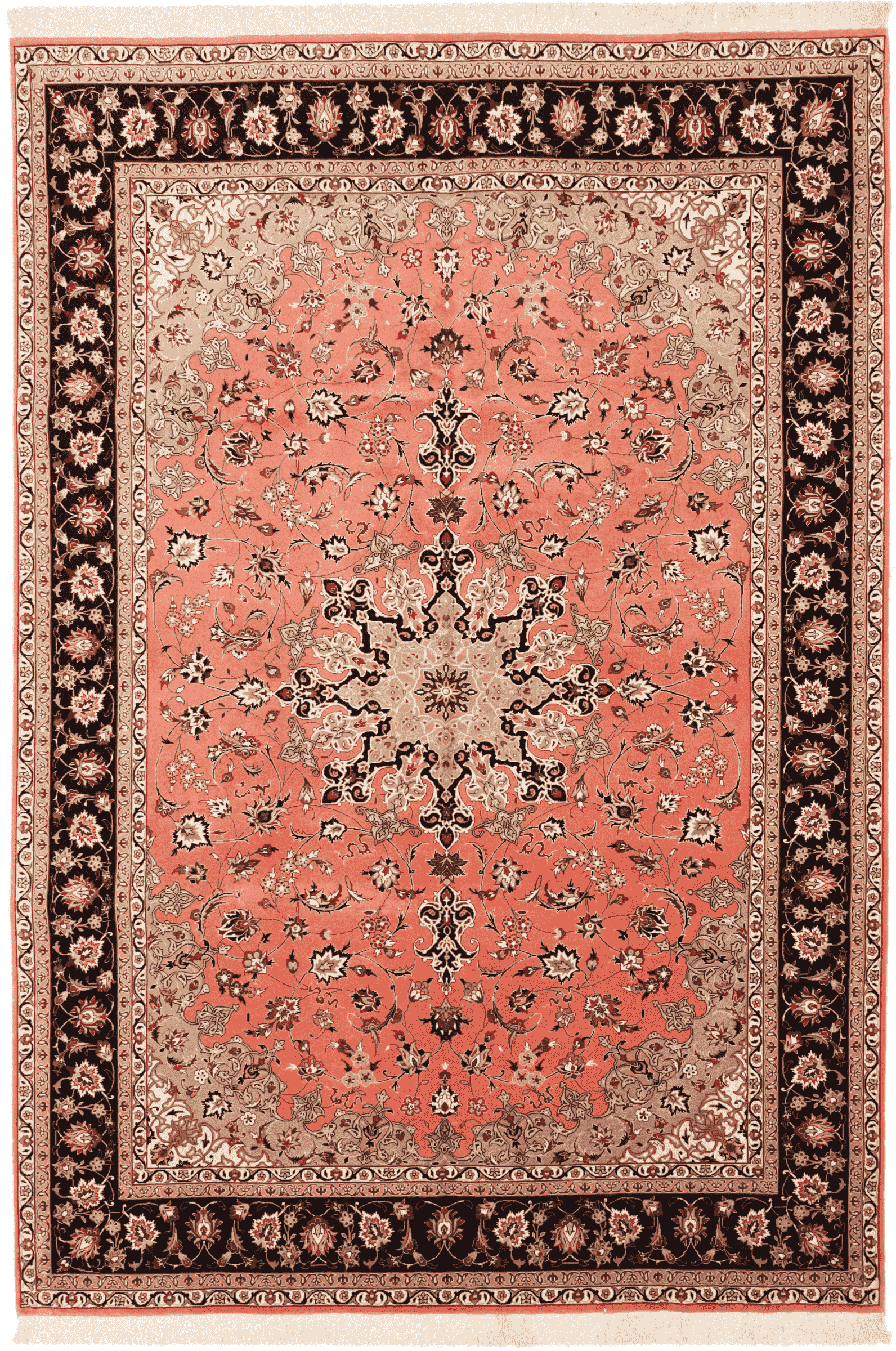
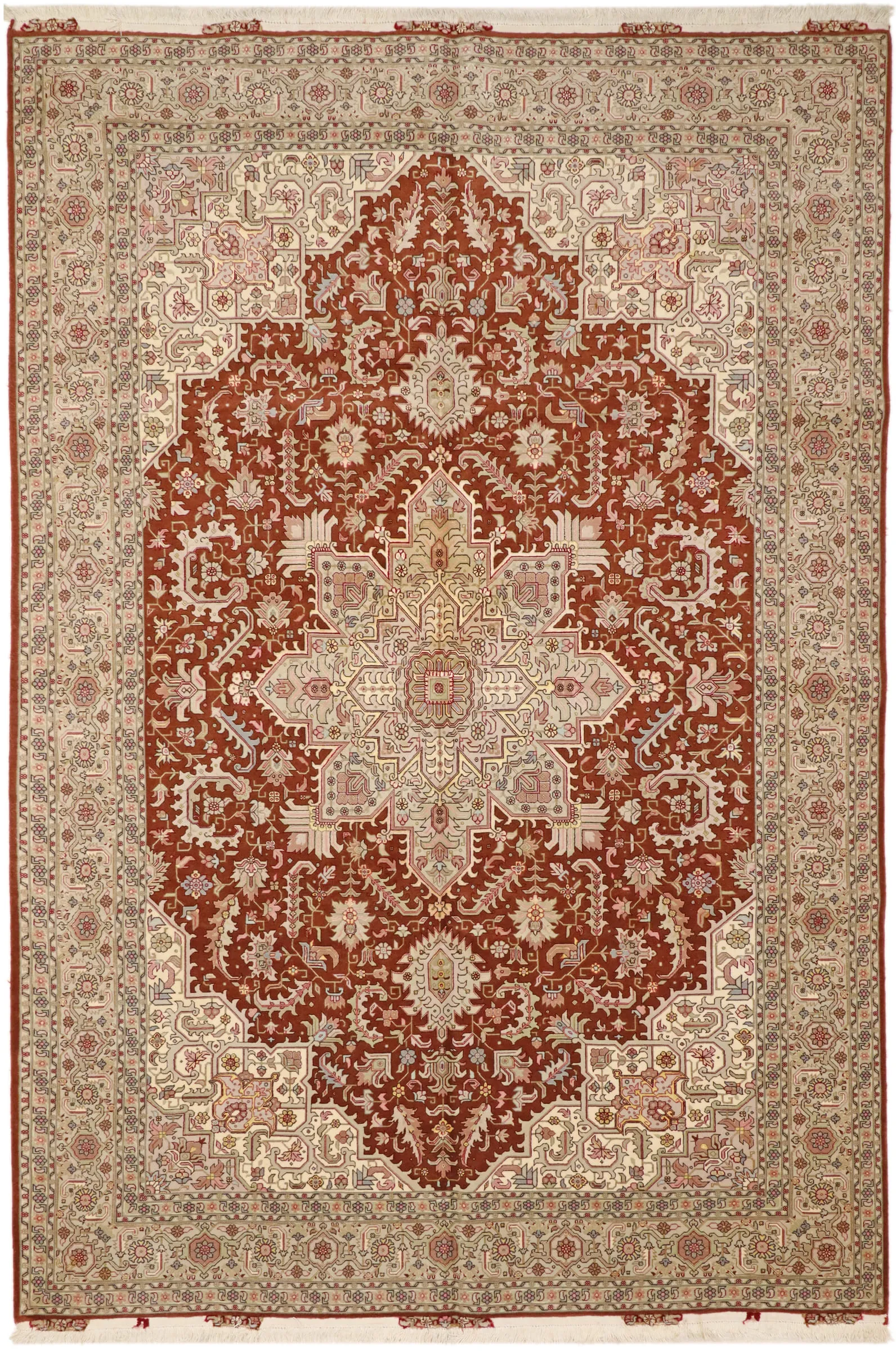
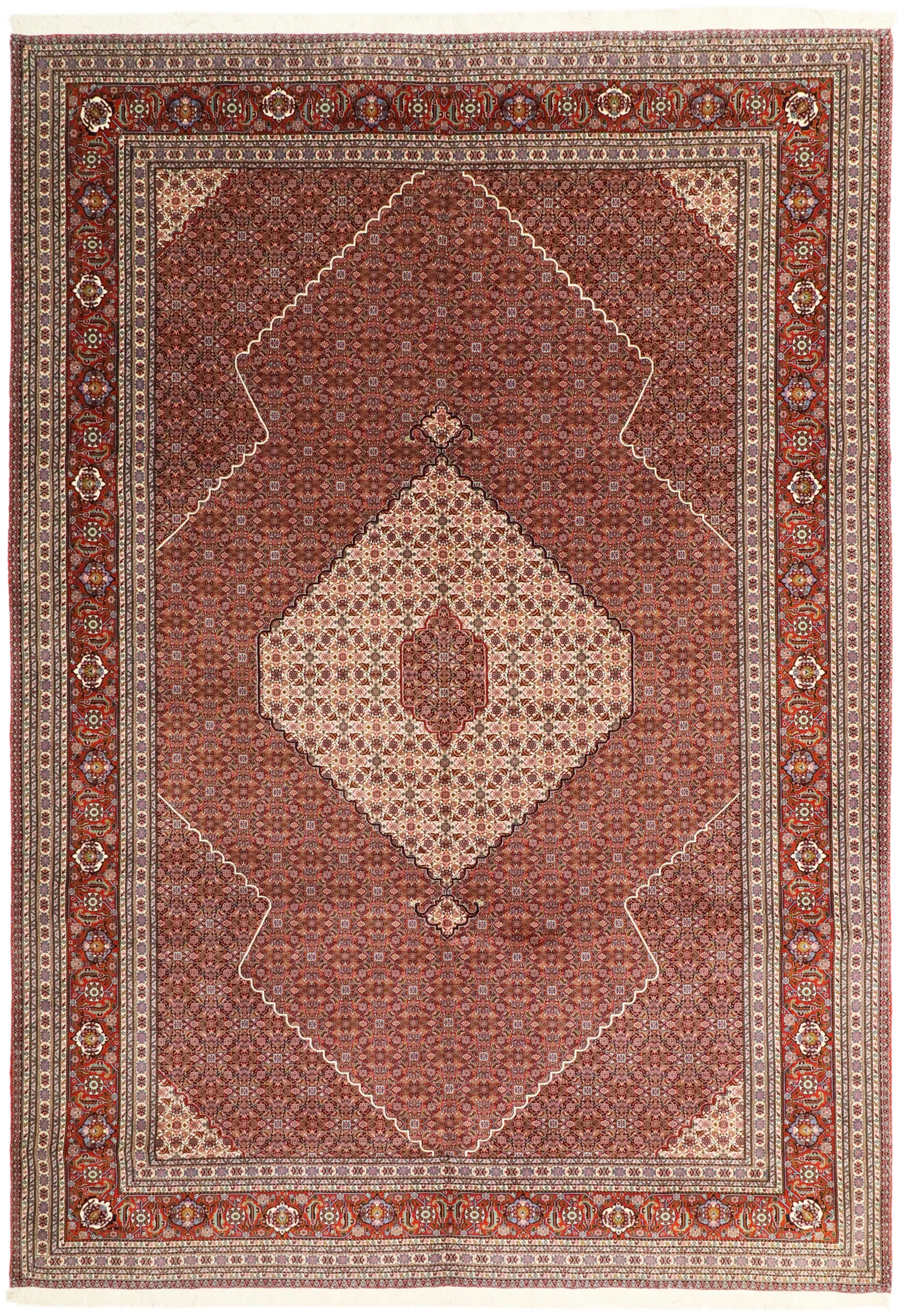
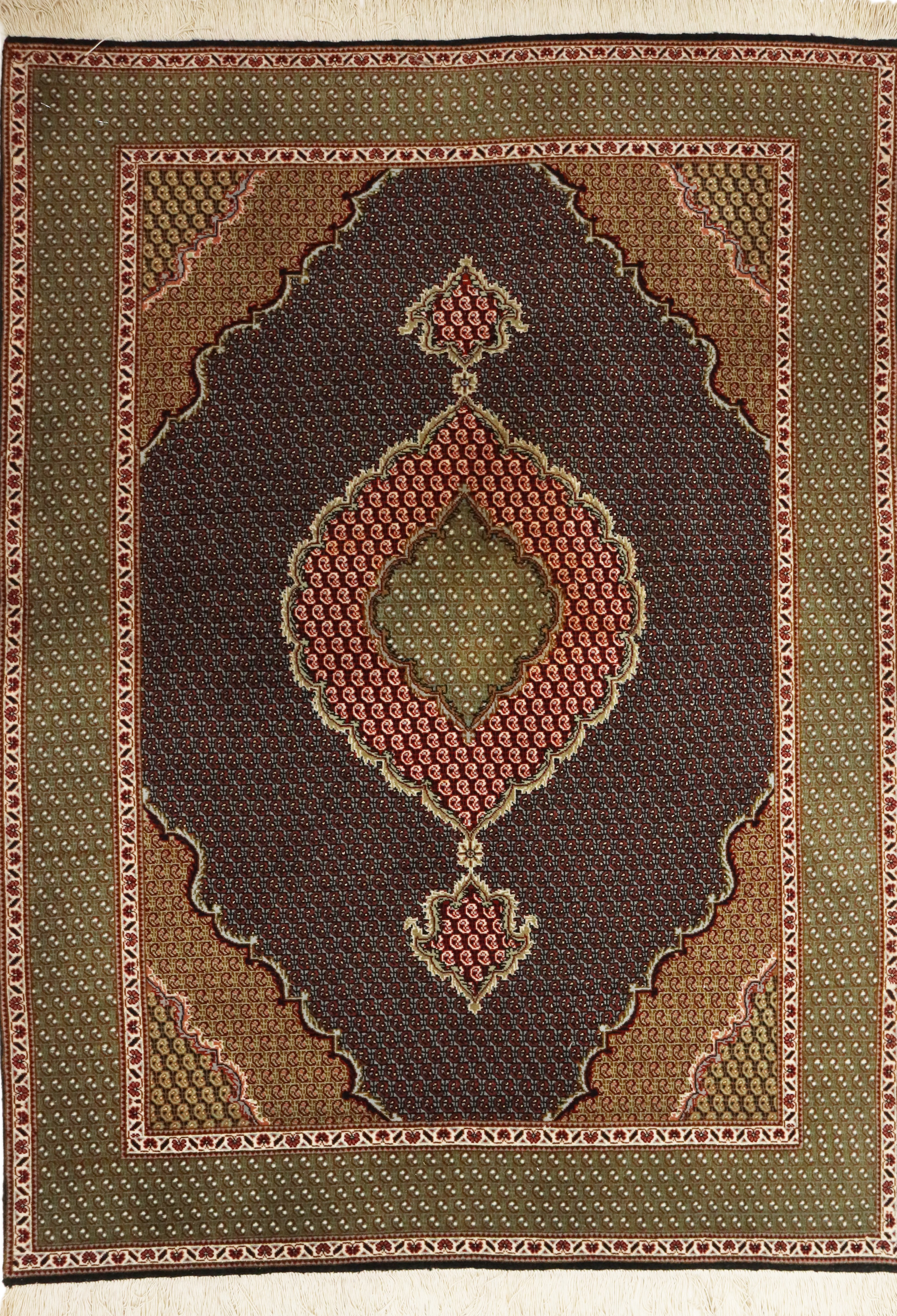
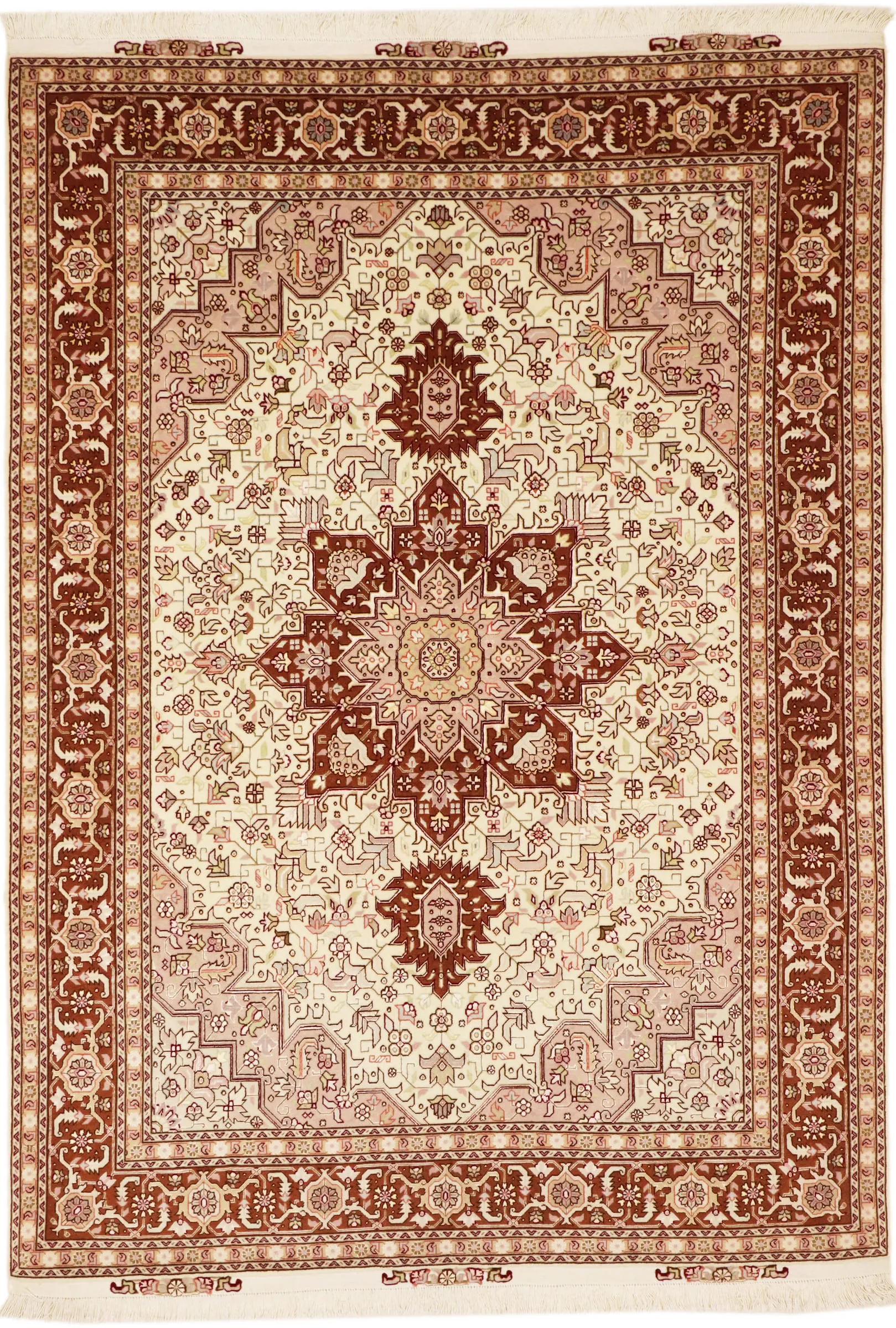
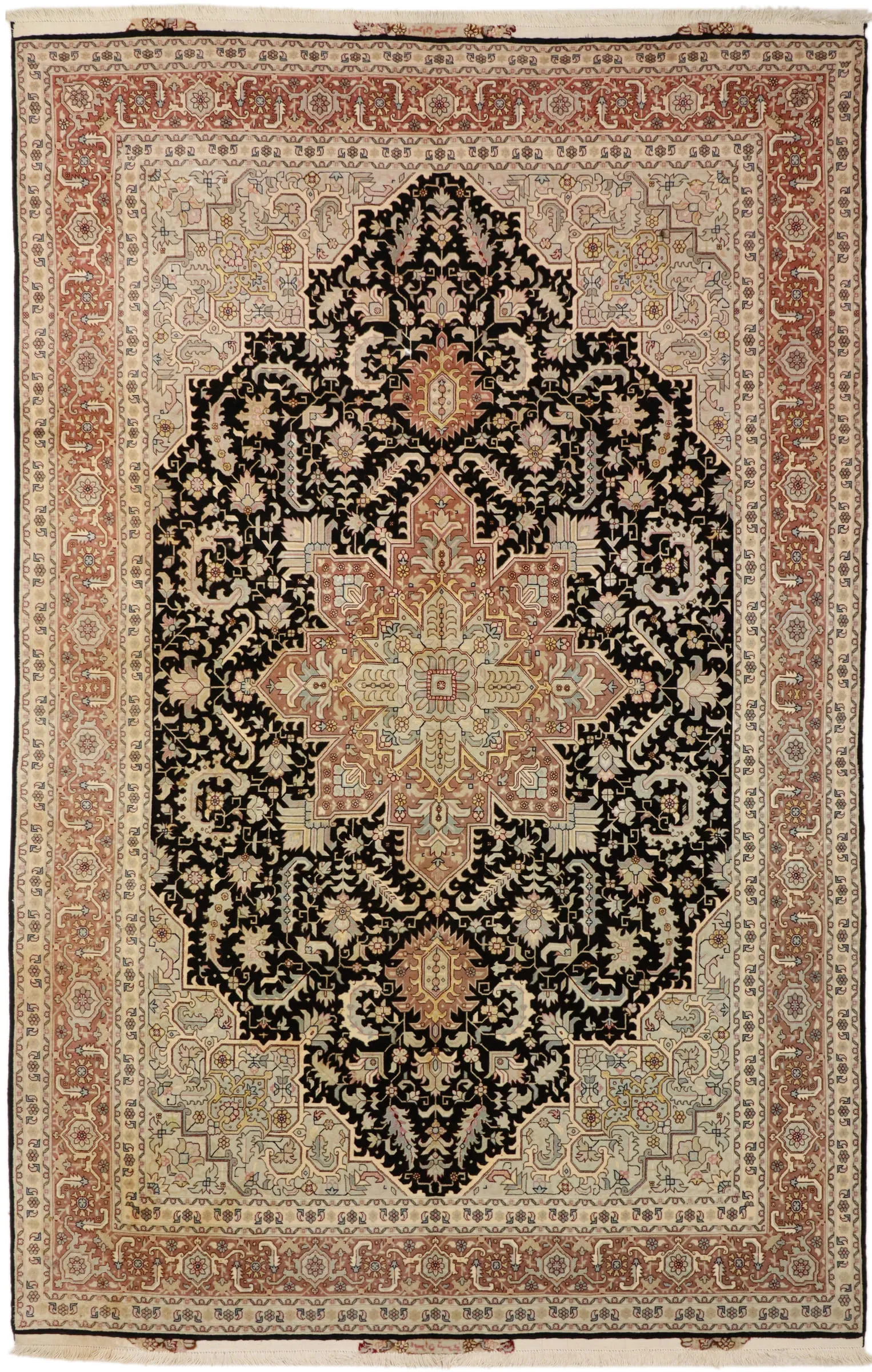
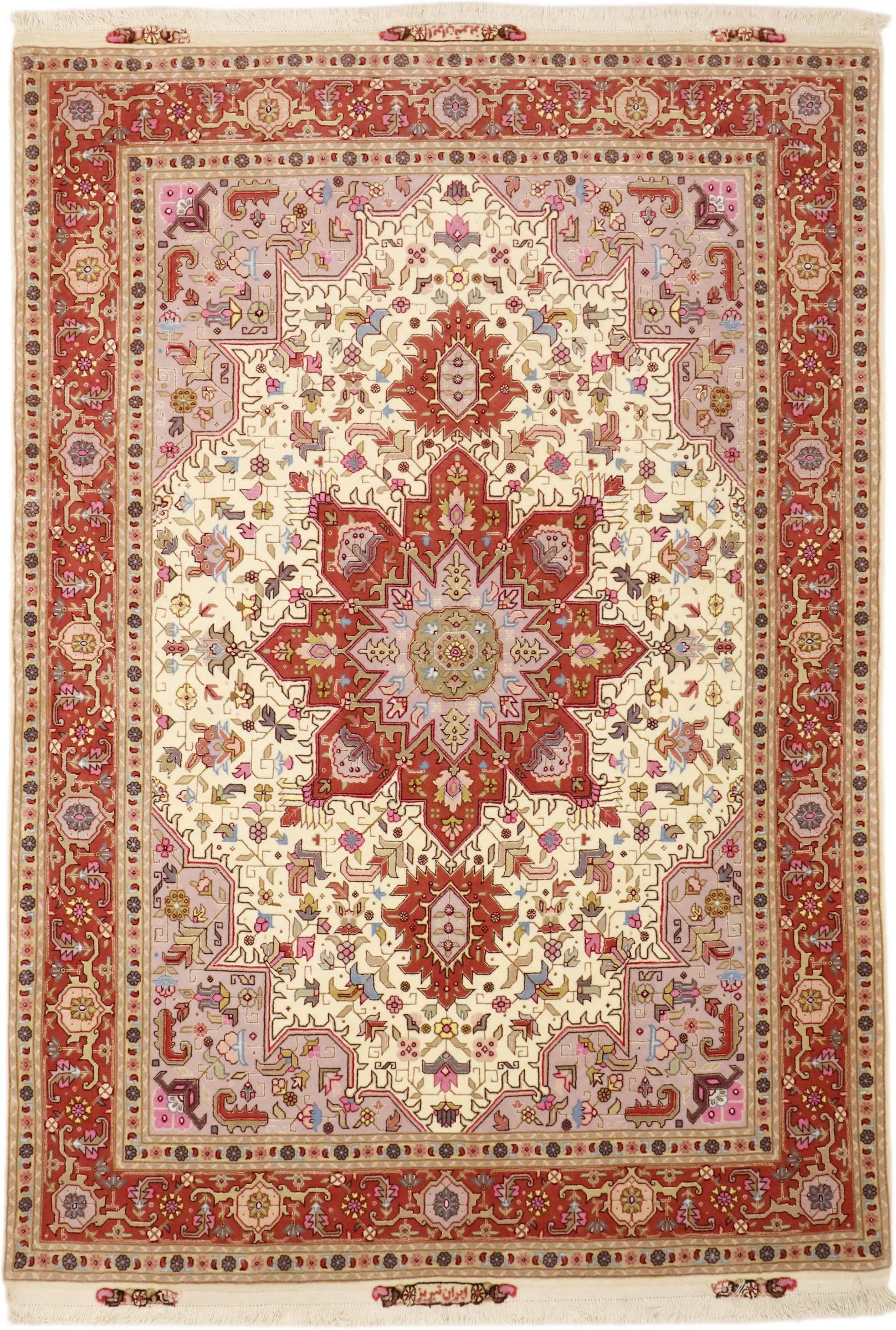
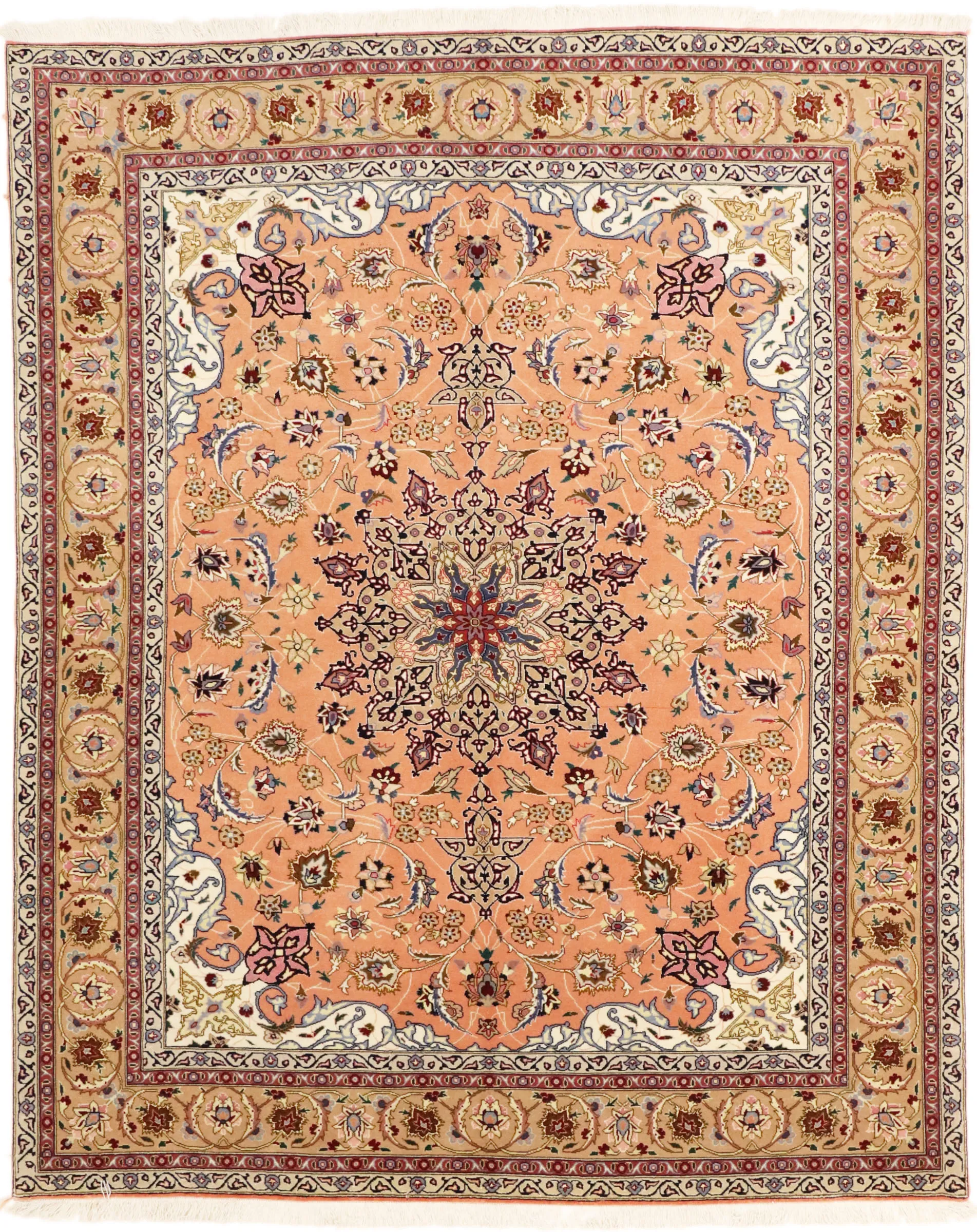
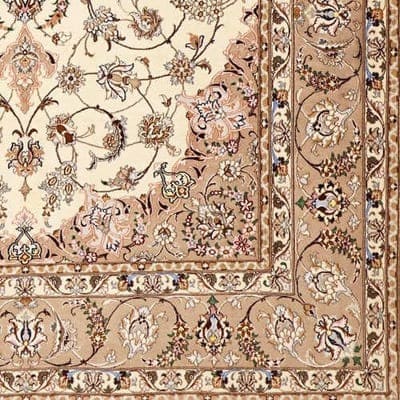
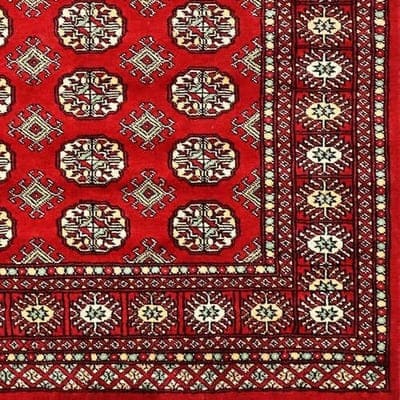
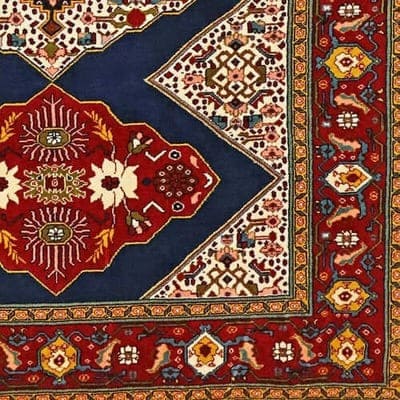
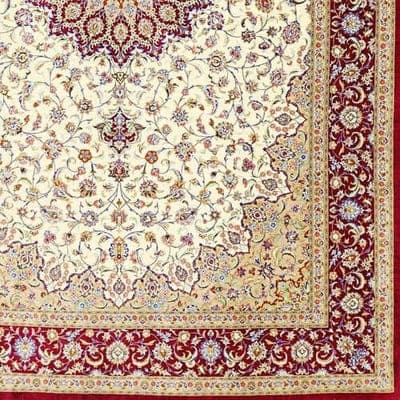
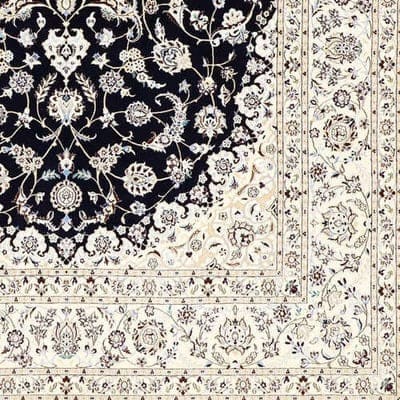
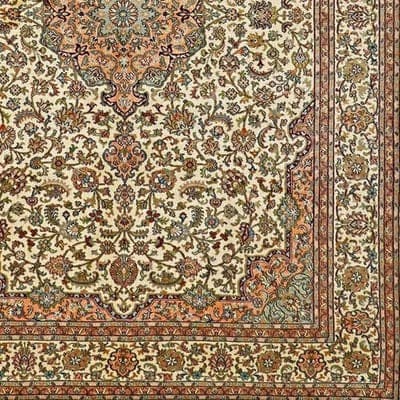
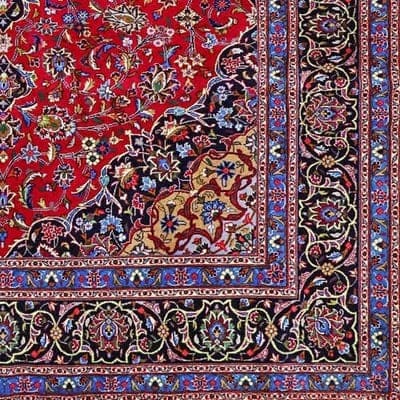
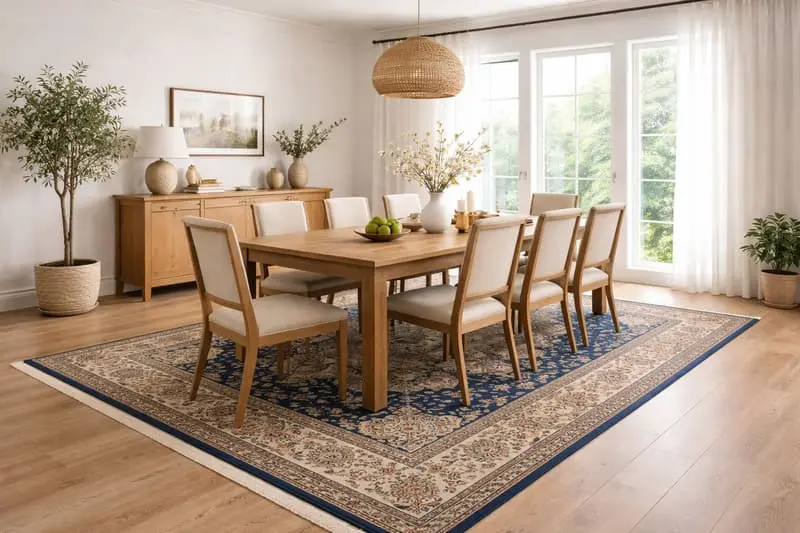
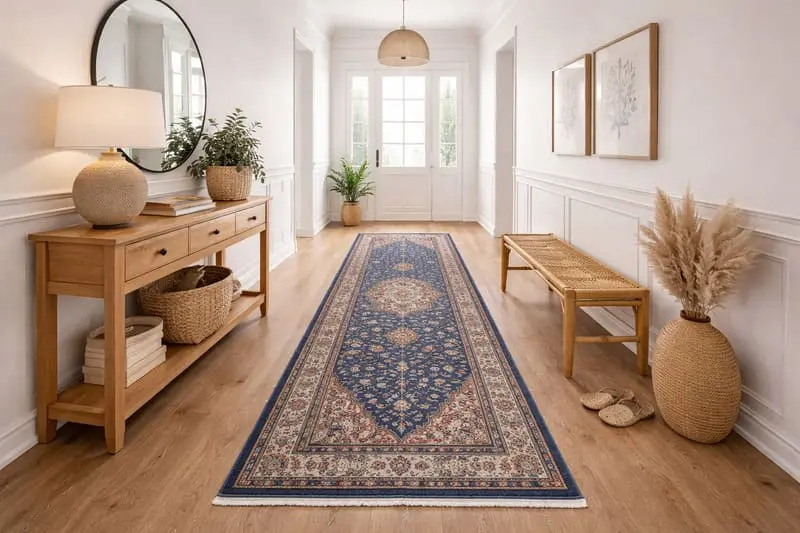
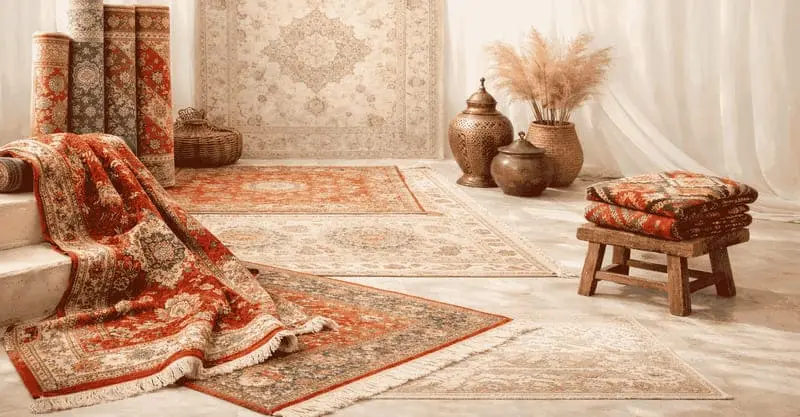
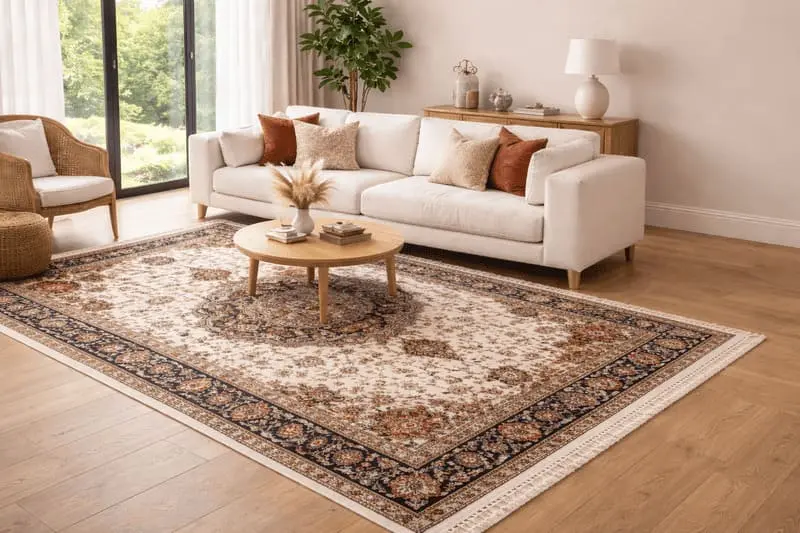
Typical patterns include floral motifs, geometric shapes and medallions. The colour palette ranges from warm earth tones to vibrant colours. High-quality Tabriz rugs are considered extremely valuable and can fetch high prices due to their craftsmanship and quality. They are highly sought after by collectors and lovers of hand-knotted carpets.