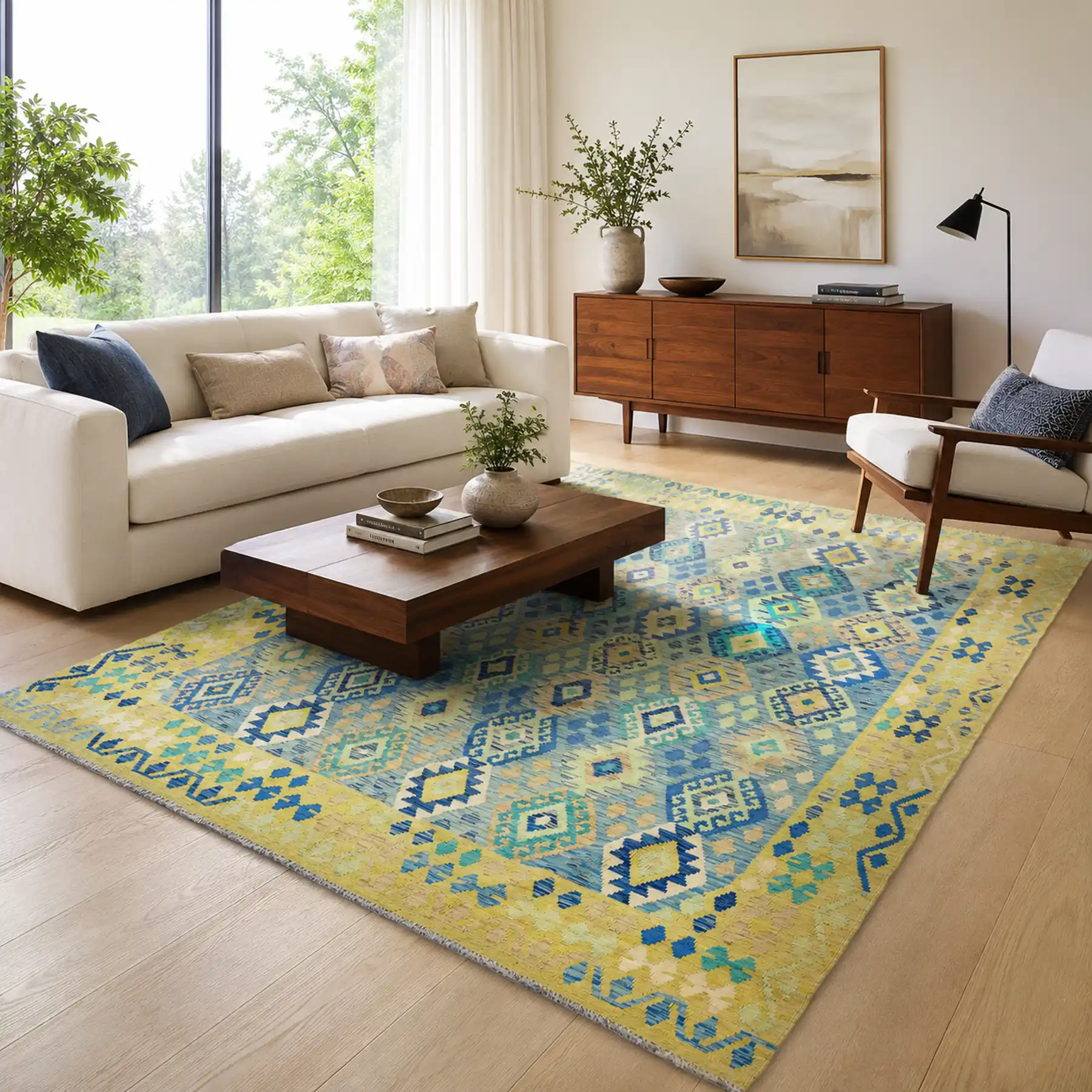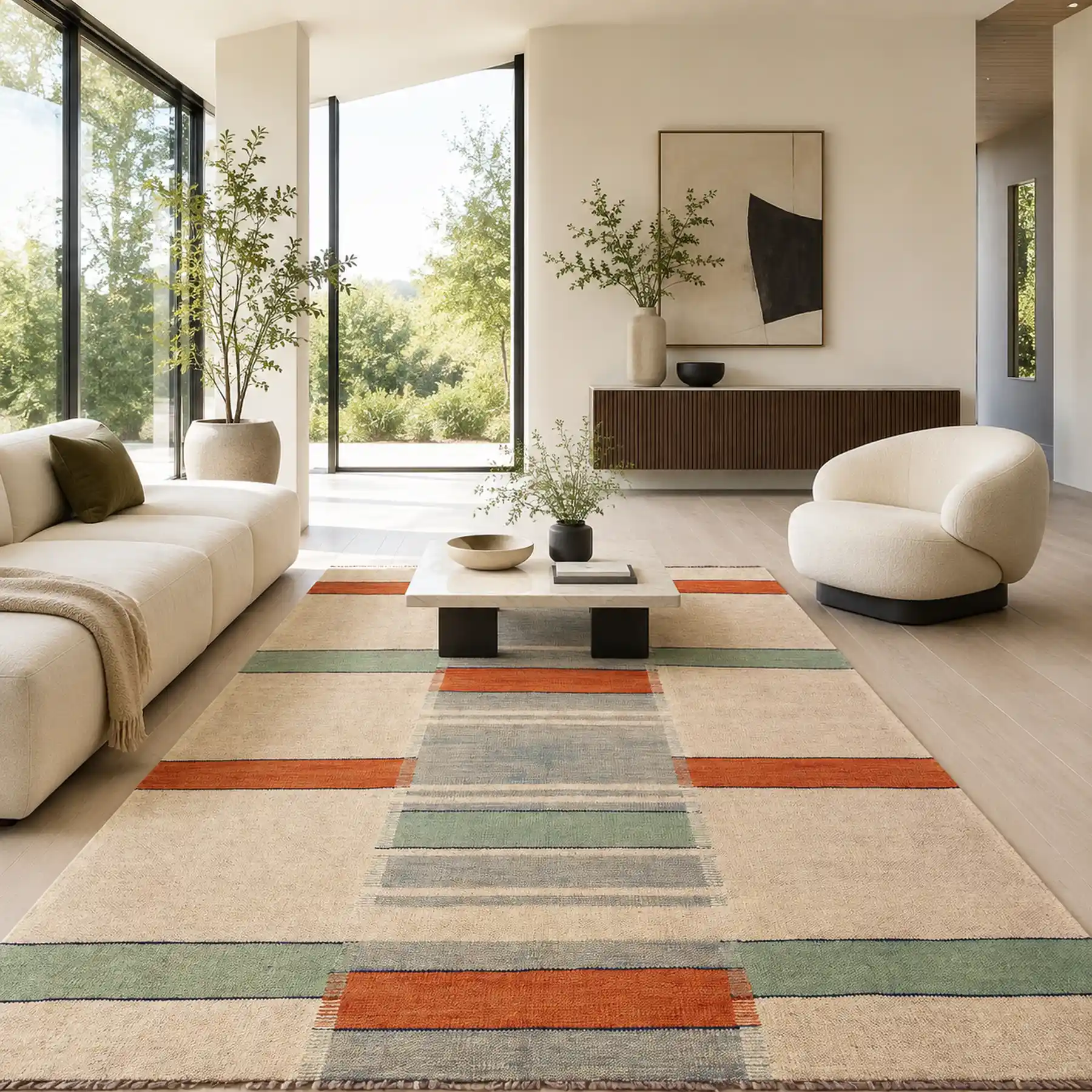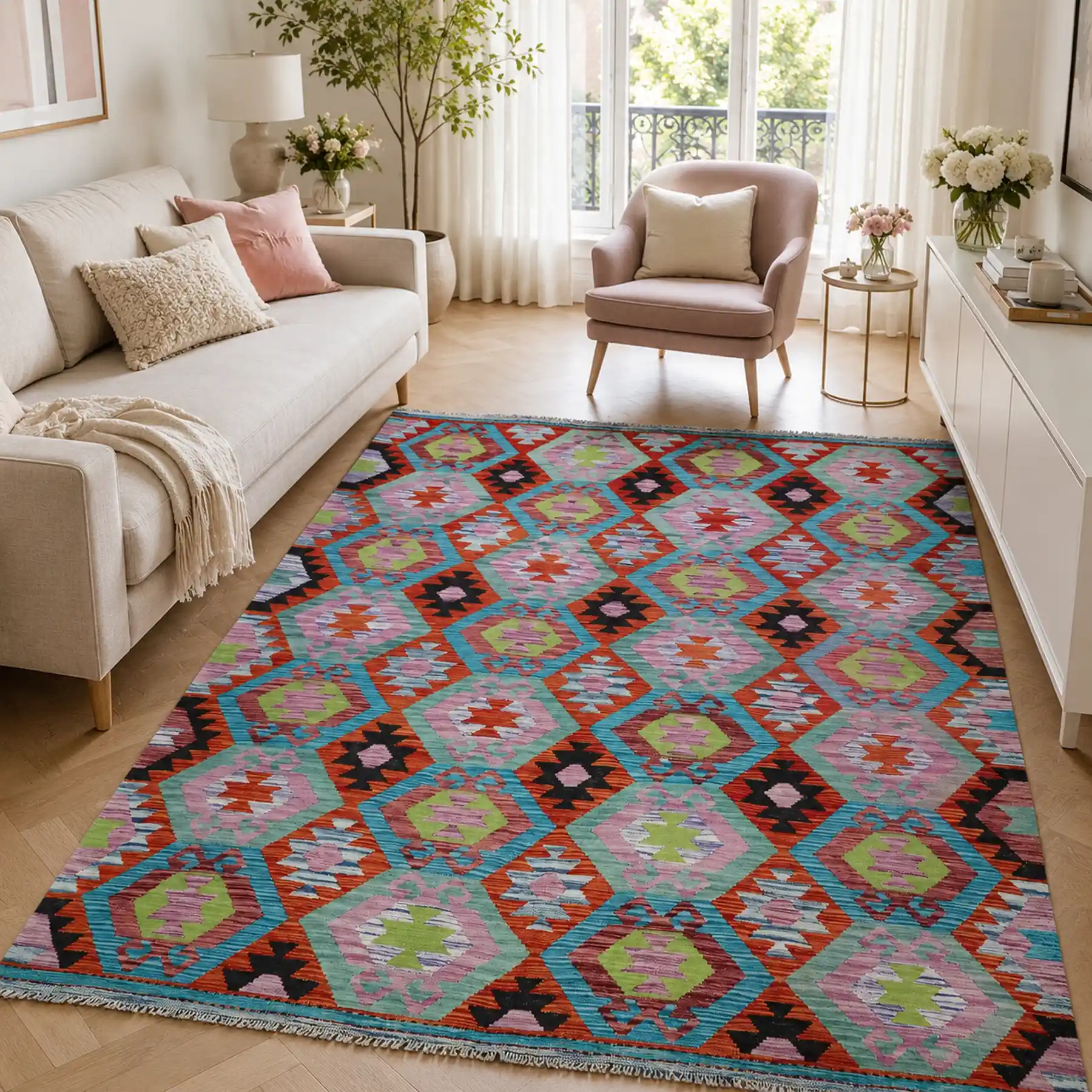
Free shipping and free returns
3-year warranty
31 day money back guarantee
Free shipping & returns 31-day return policy
SUMMER SALE 26 · save an extra 10%
Free shipping & returns 31-day return policy
SUMMER SALE 26 · save an extra 10%
Currency
EN · EUR
Language
Currency

Handwoven Kilim Rugs

Flatwoven textures, geometric motifs and richly balanced colours give traditional kilims a light yet distinctive presence. Using a classic flatweave technique, warp and weft threads are interlaced without a pile, creating durable rugs with a crisp surface and comparatively light construction. Handwoven kilim rugs from Anatolia, Iran, Afghanistan and the Caucasus reflect regional symbols, patterns and colour traditions. Fine wool, careful weaving and their low profile make them versatile beneath a dining table, in a living room or as a decorative focal point. Explore characterful one-of-a-kind pieces that bring authentic textile craftsmanship, warmth and relaxed elegance to contemporary and classic interiors.

Choose colour
-20%
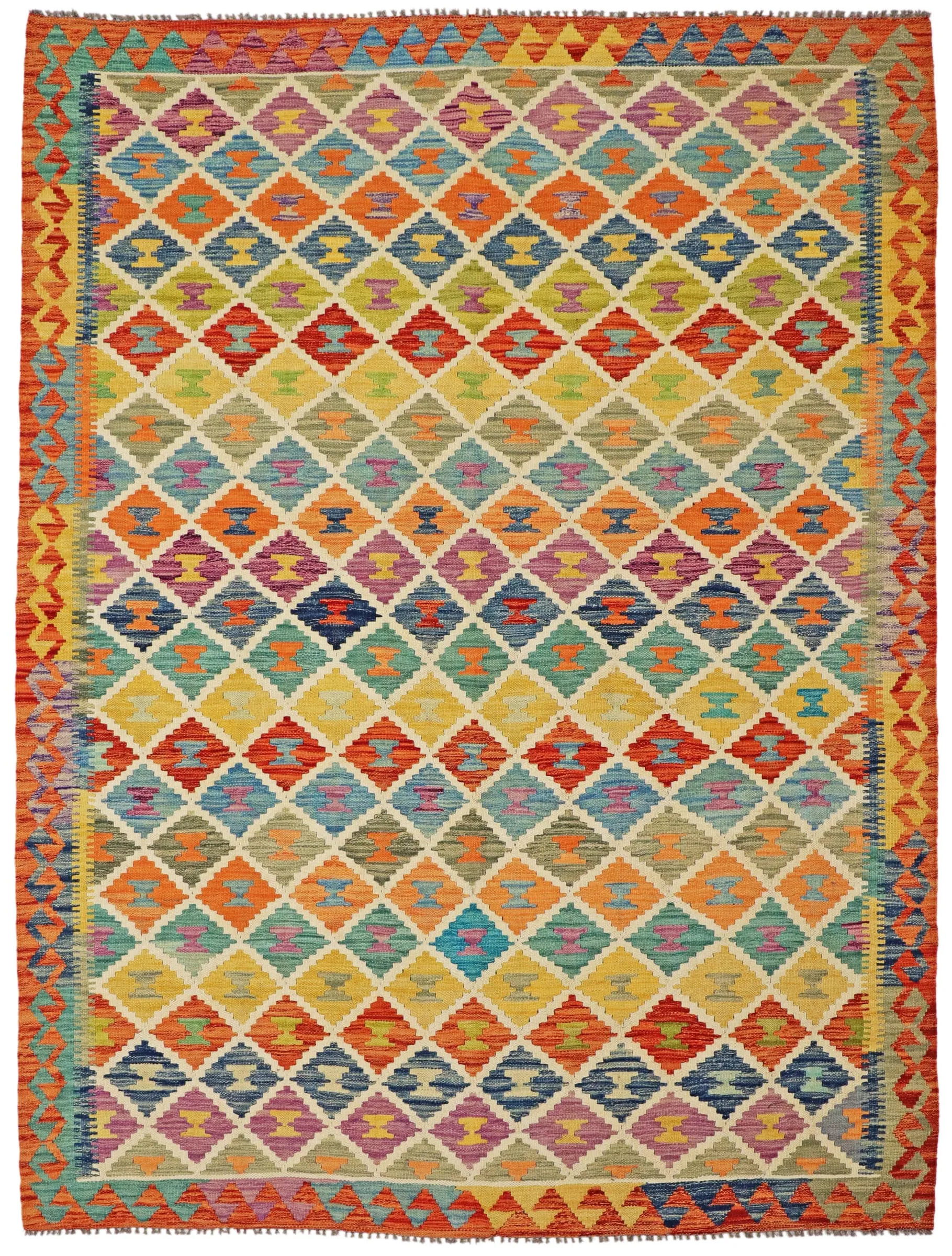
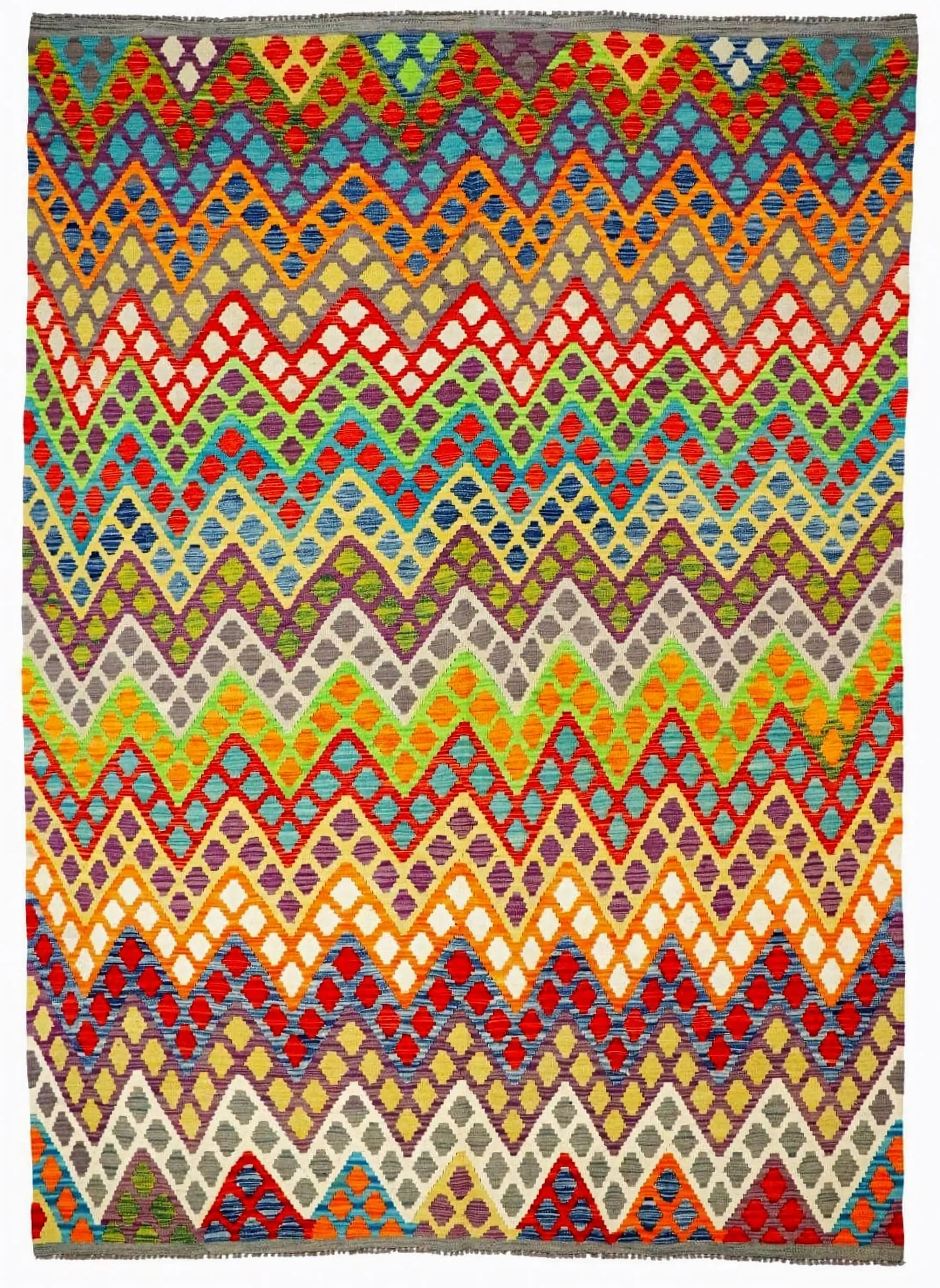
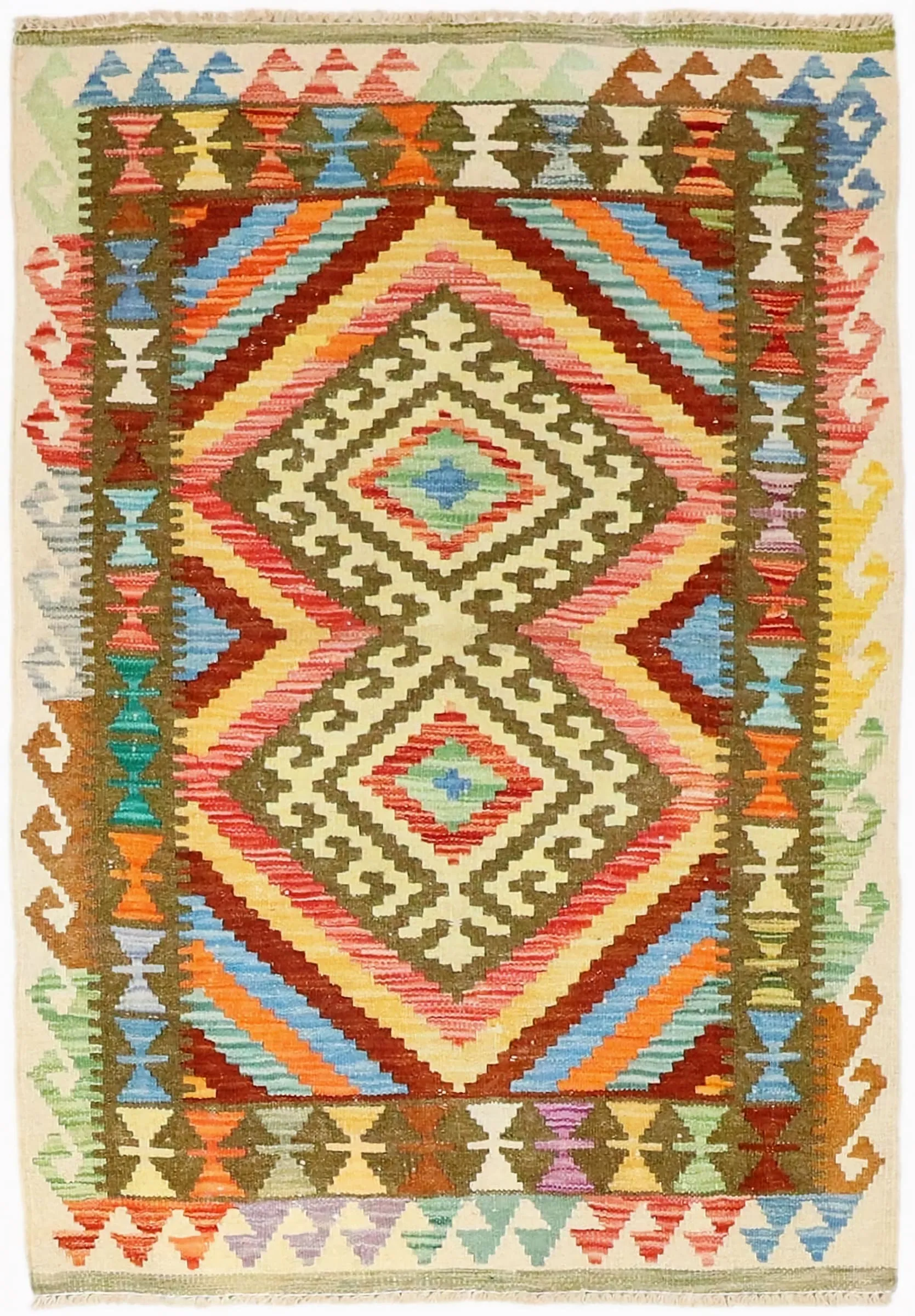
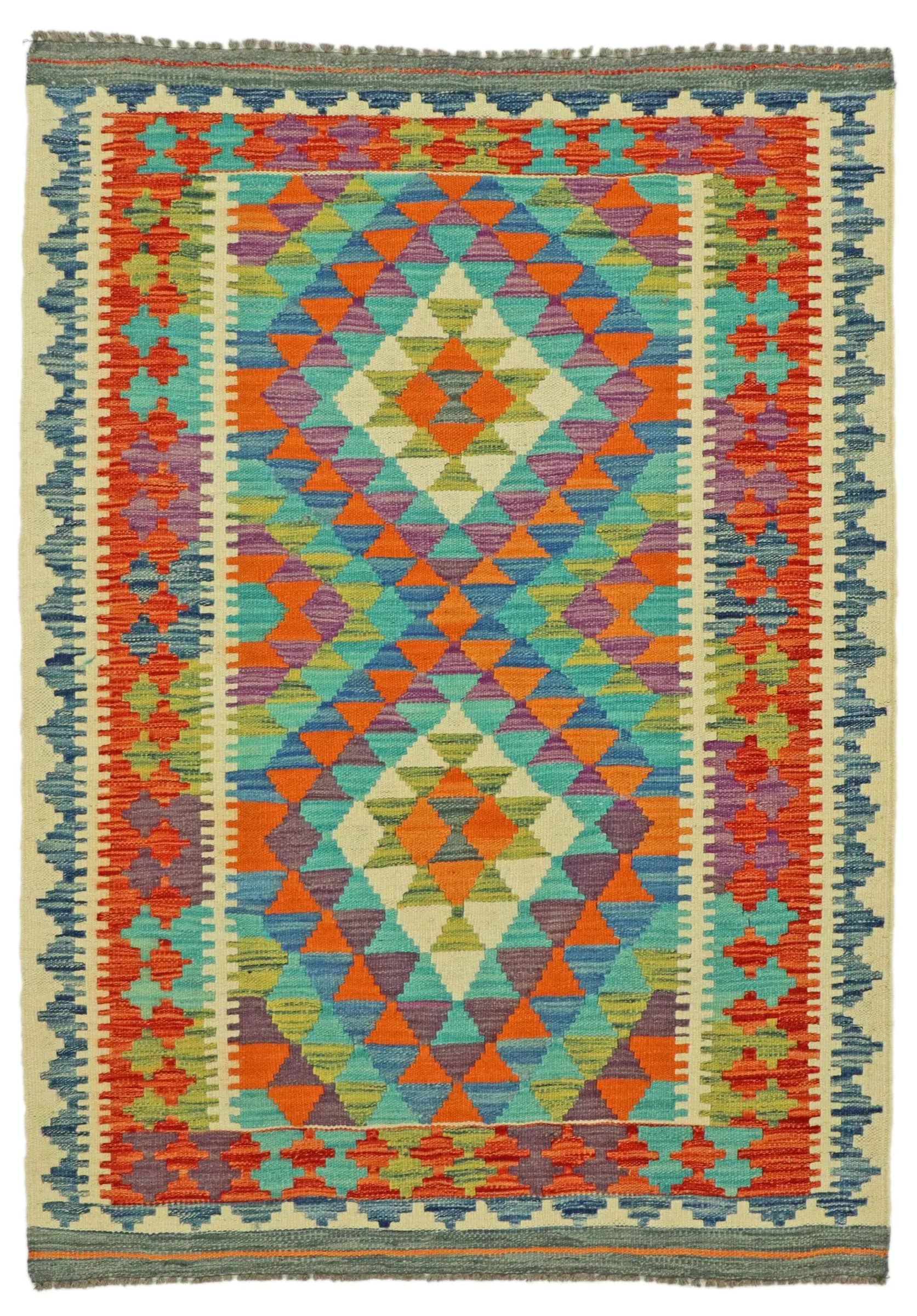
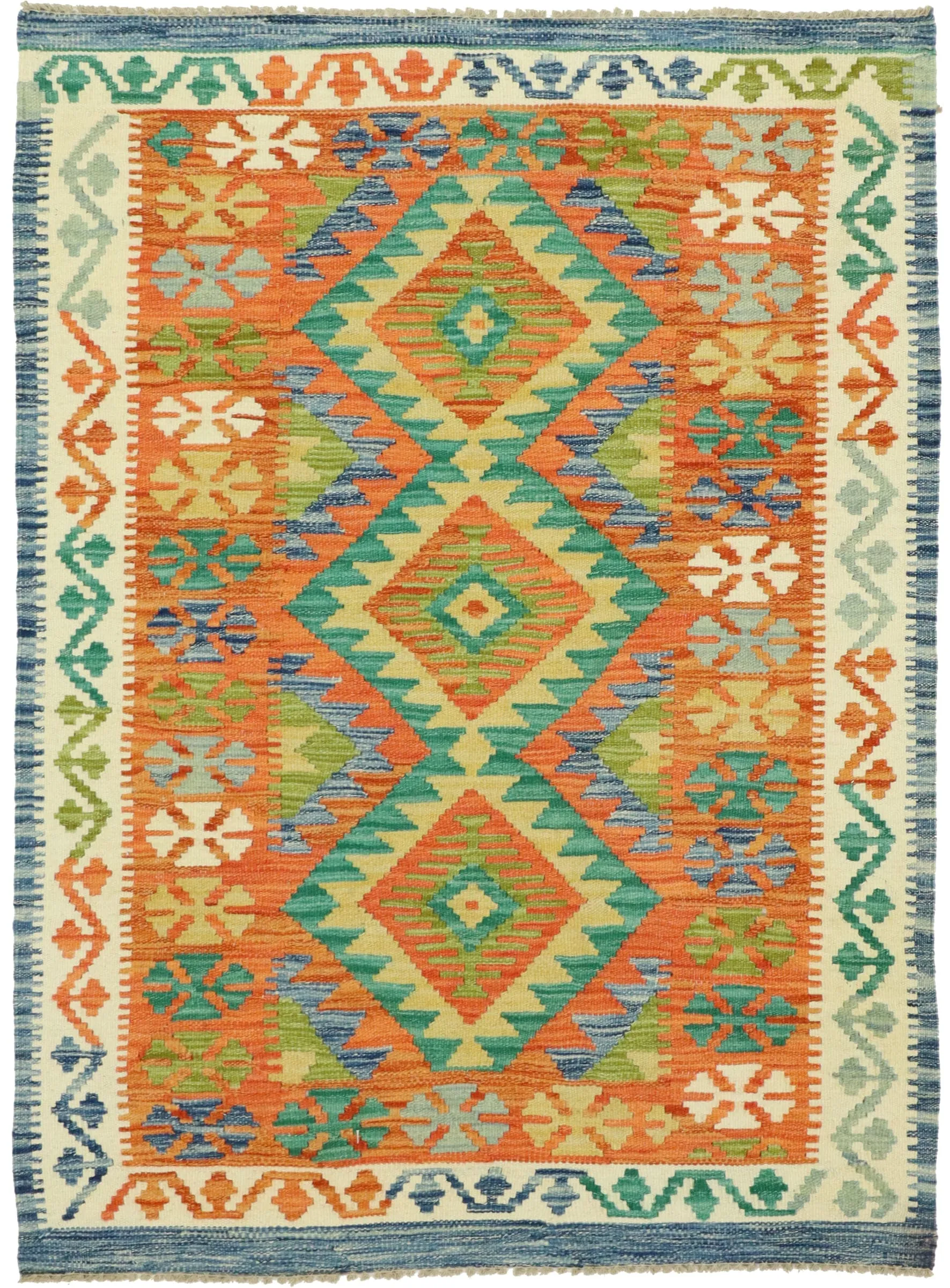
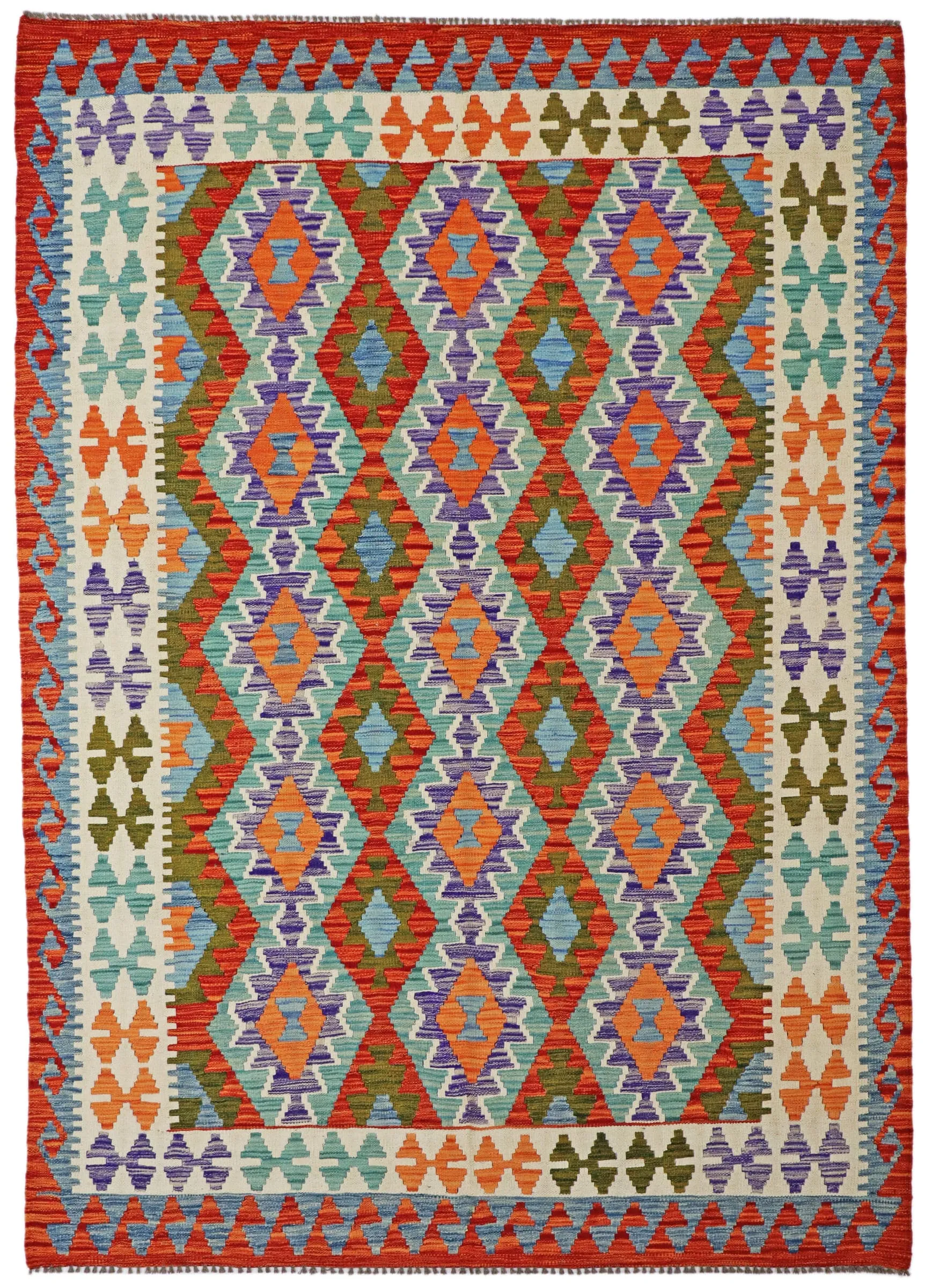
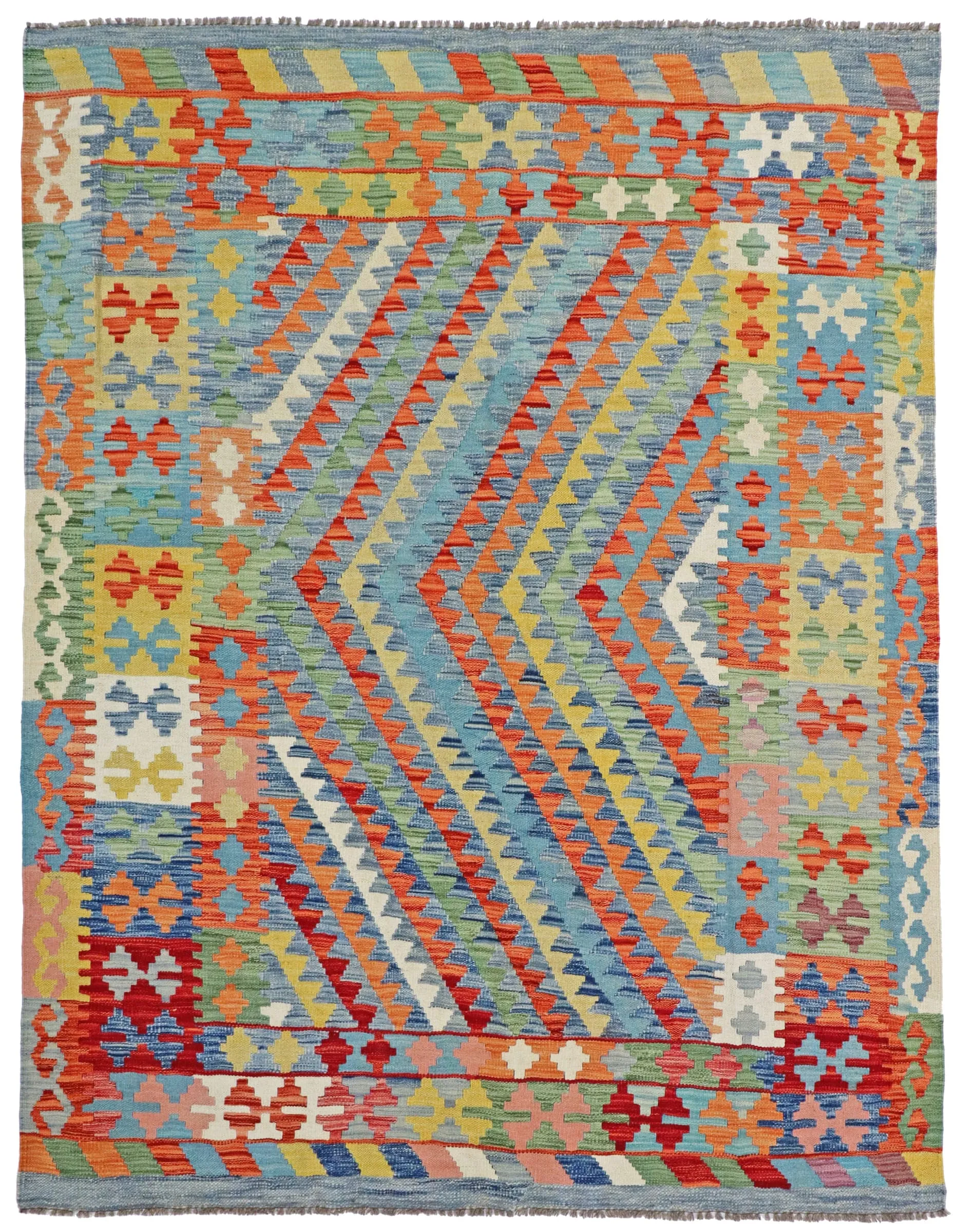
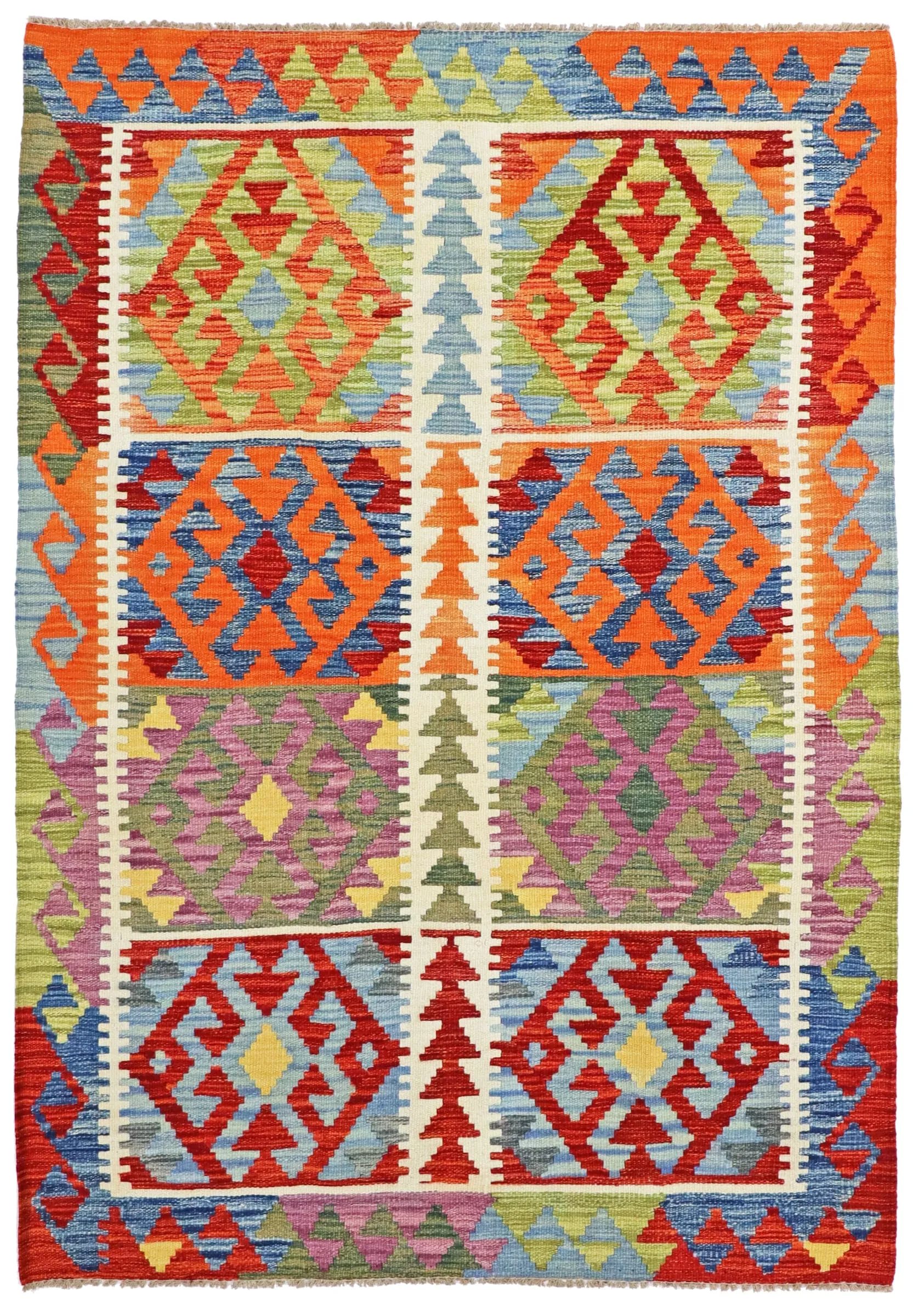
Kilim Afghan Hindu Kush 244 x 184 cm

€392.00 €490.00
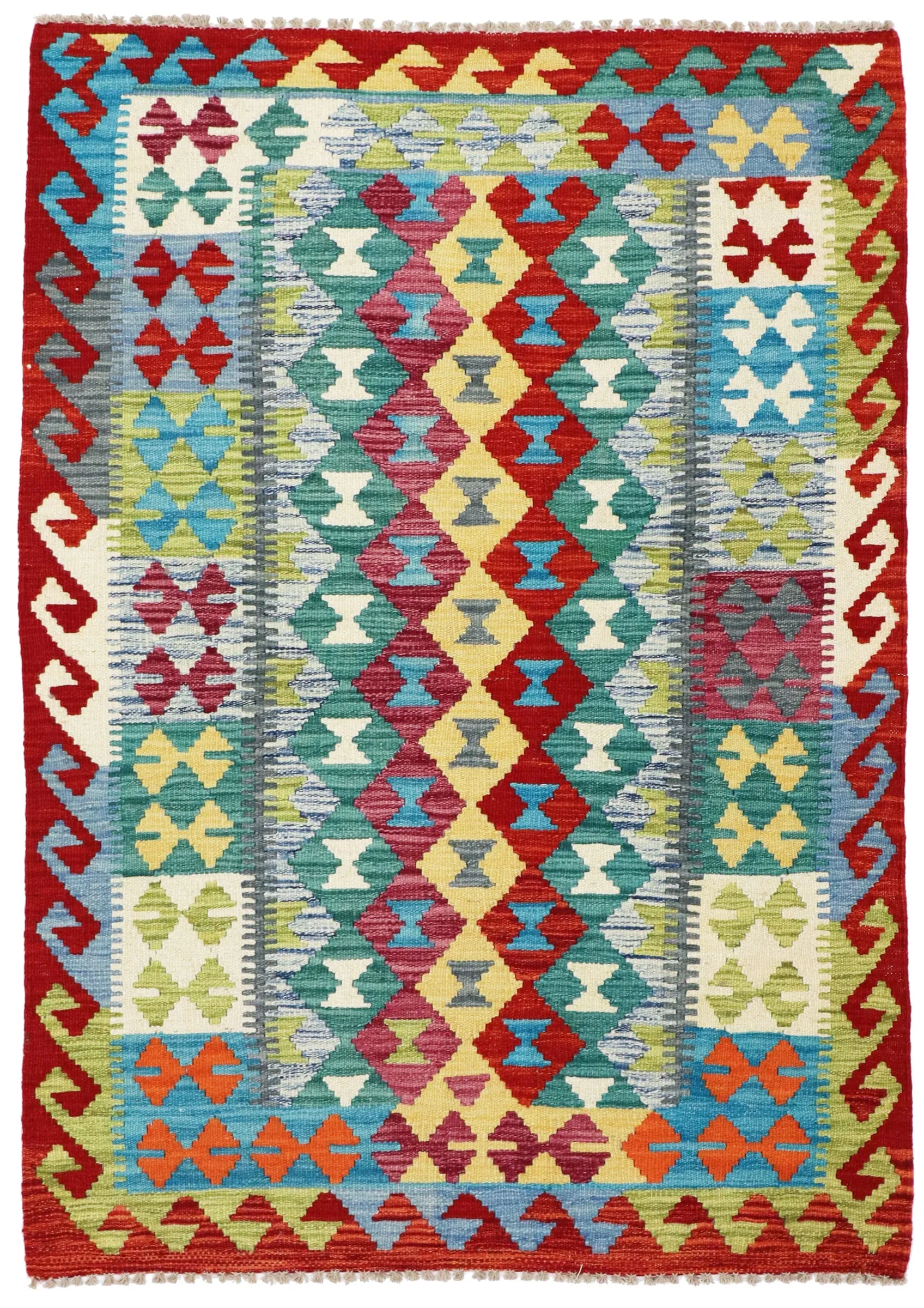
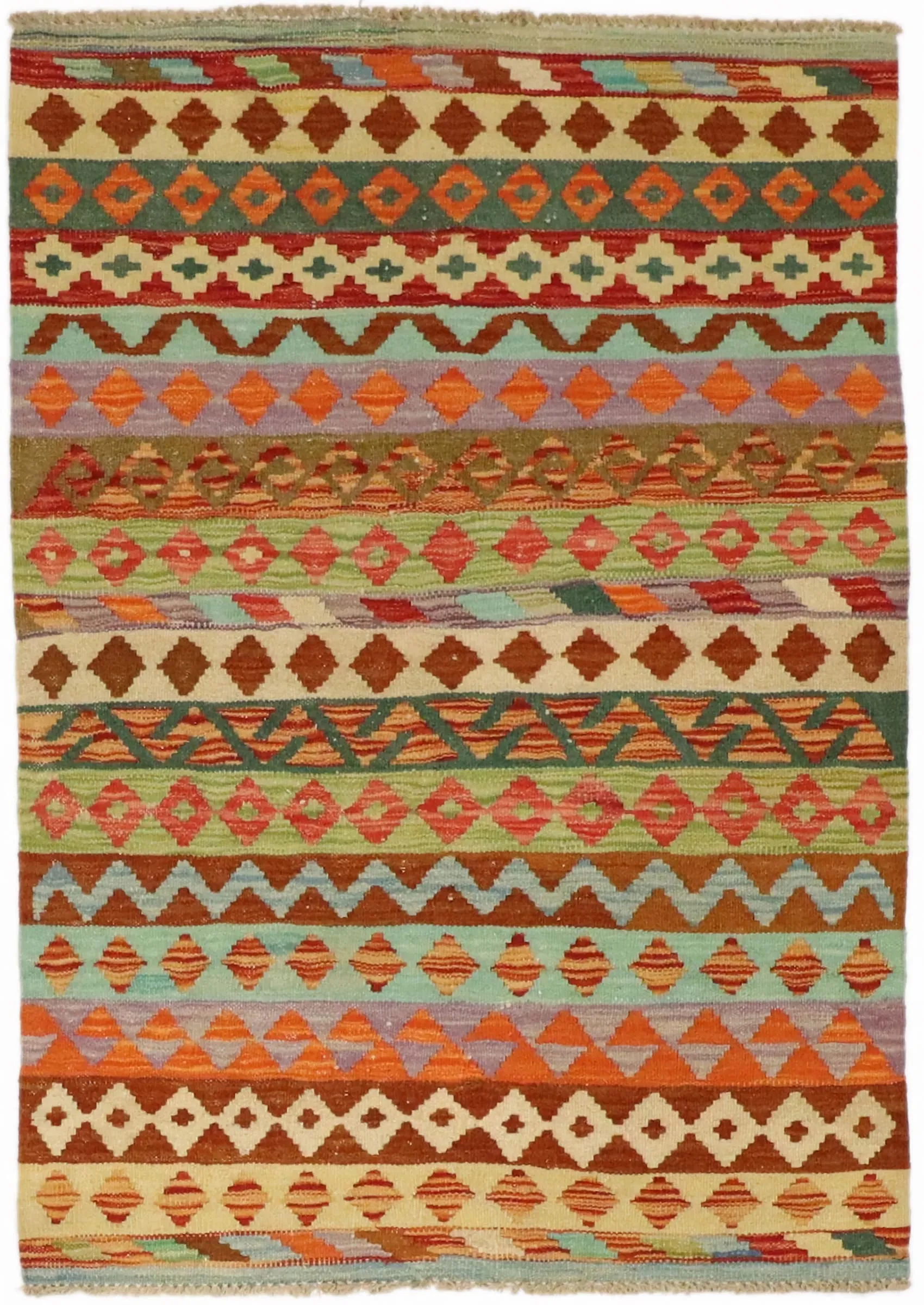
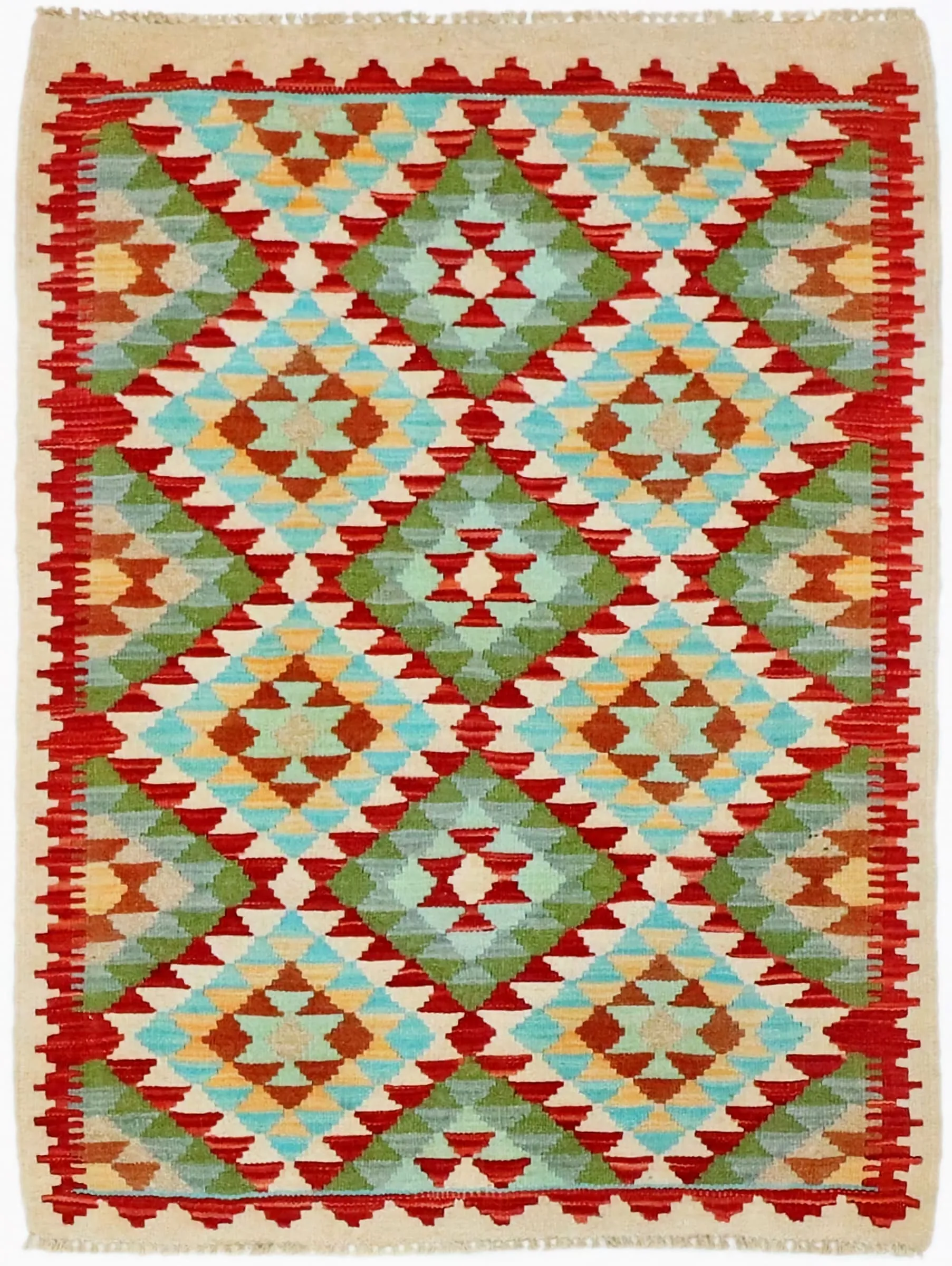
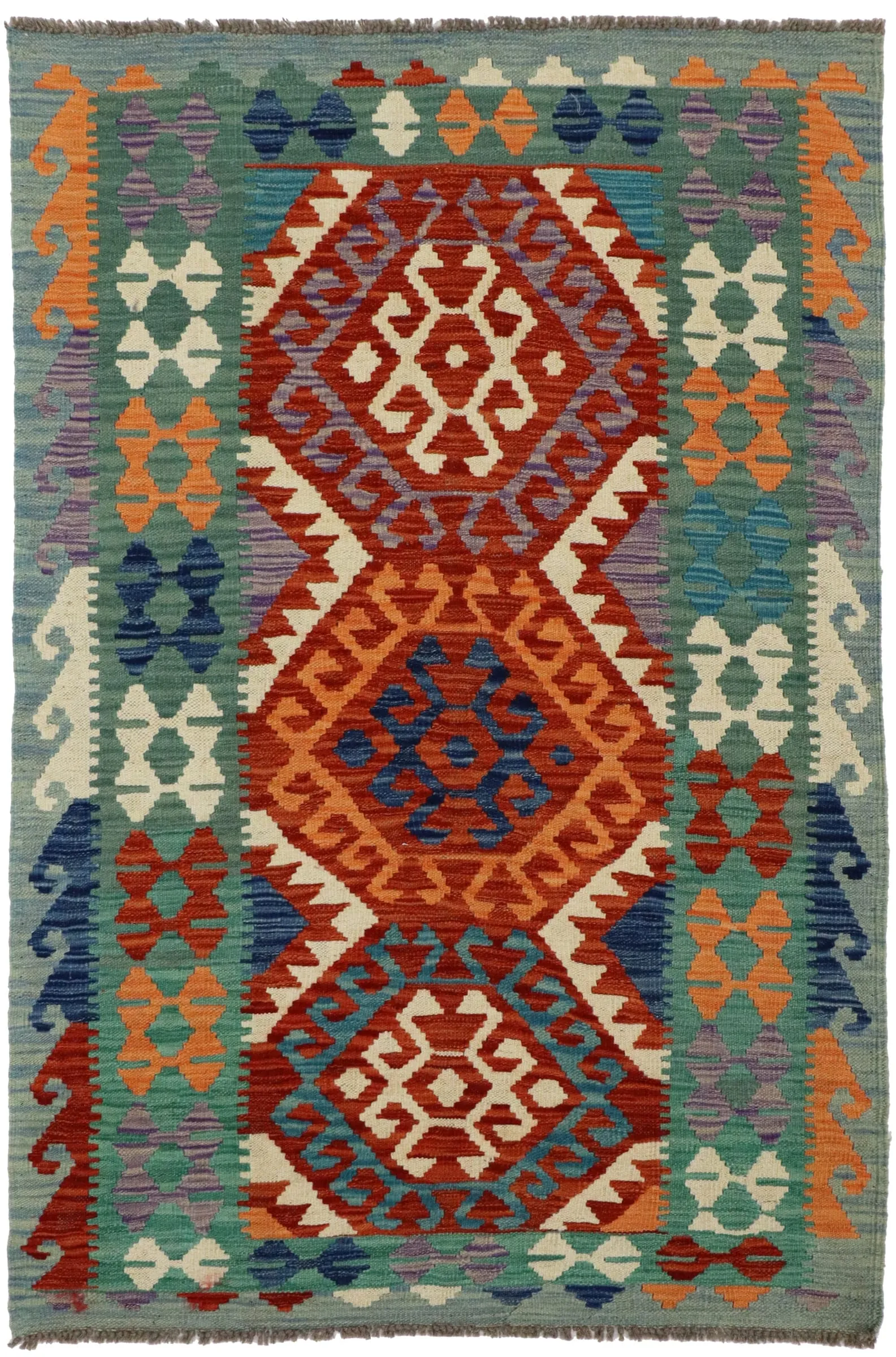
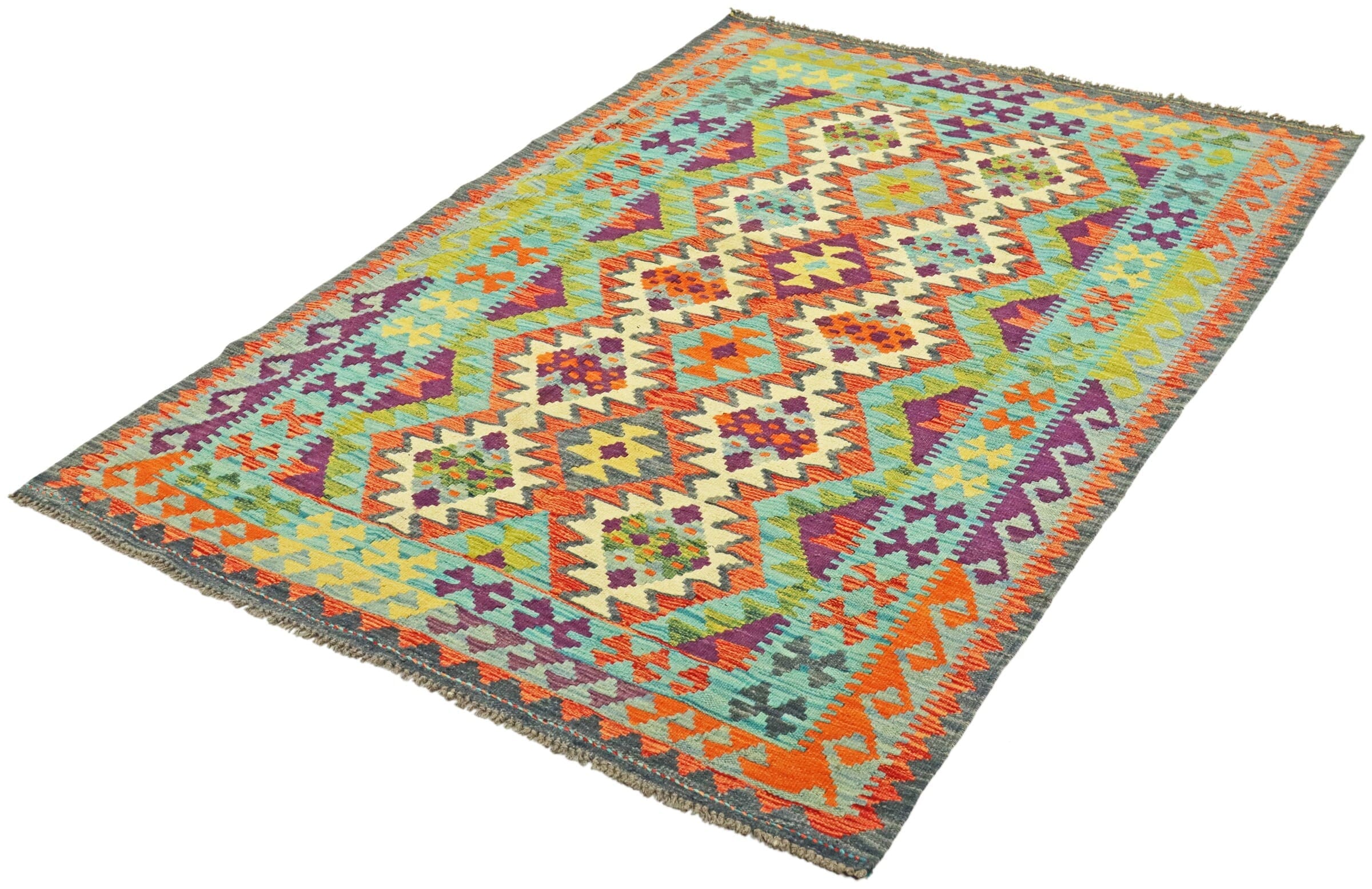
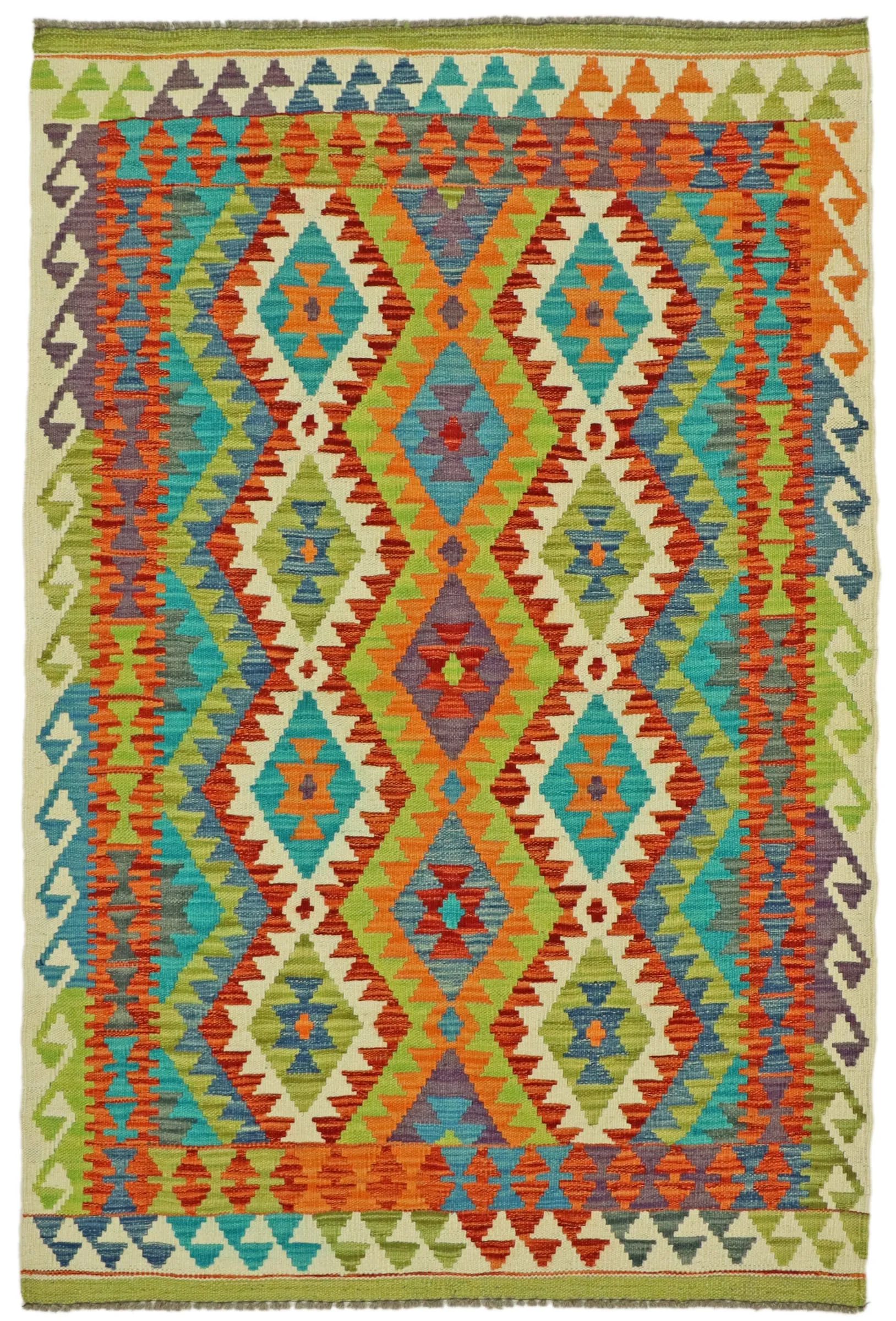
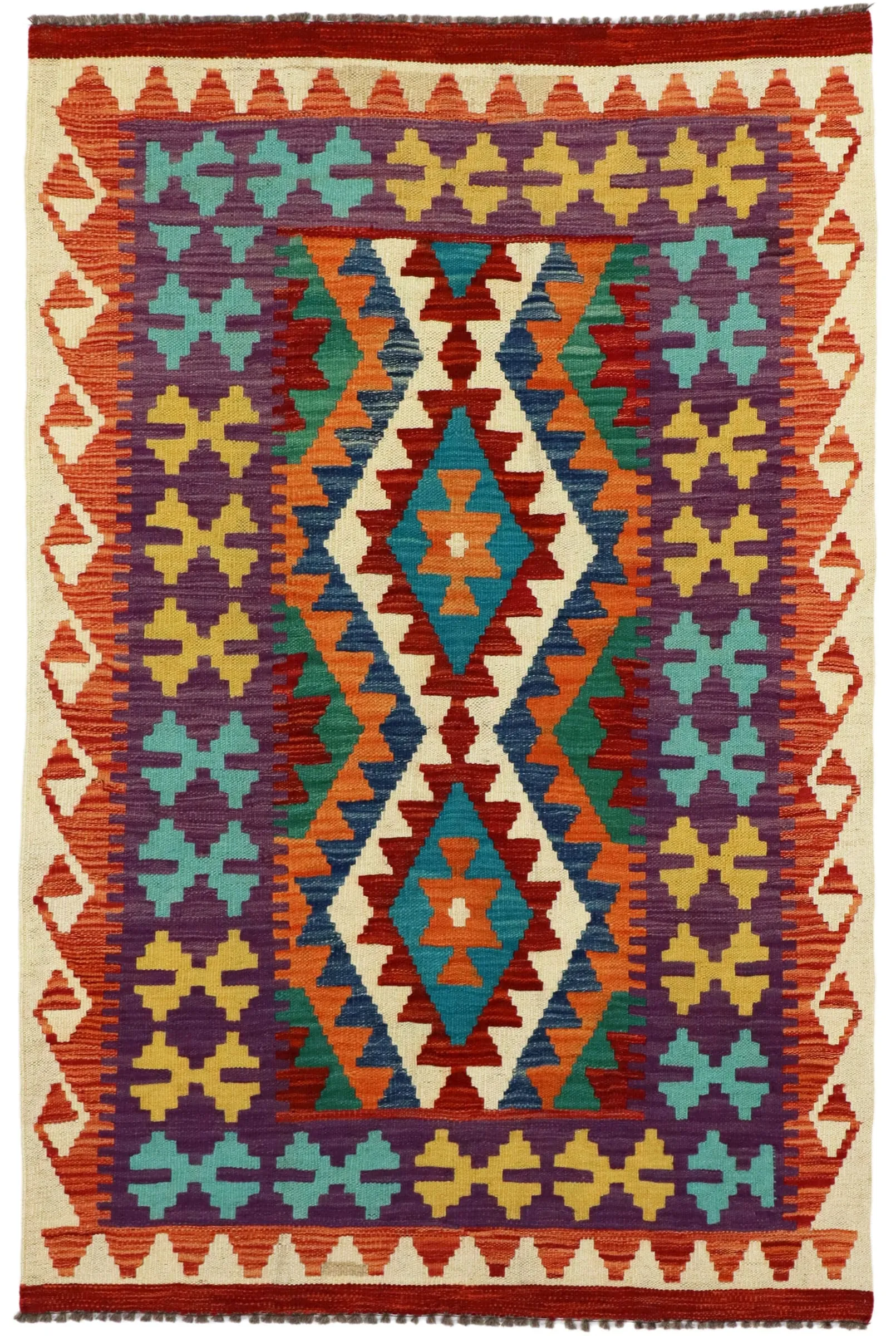
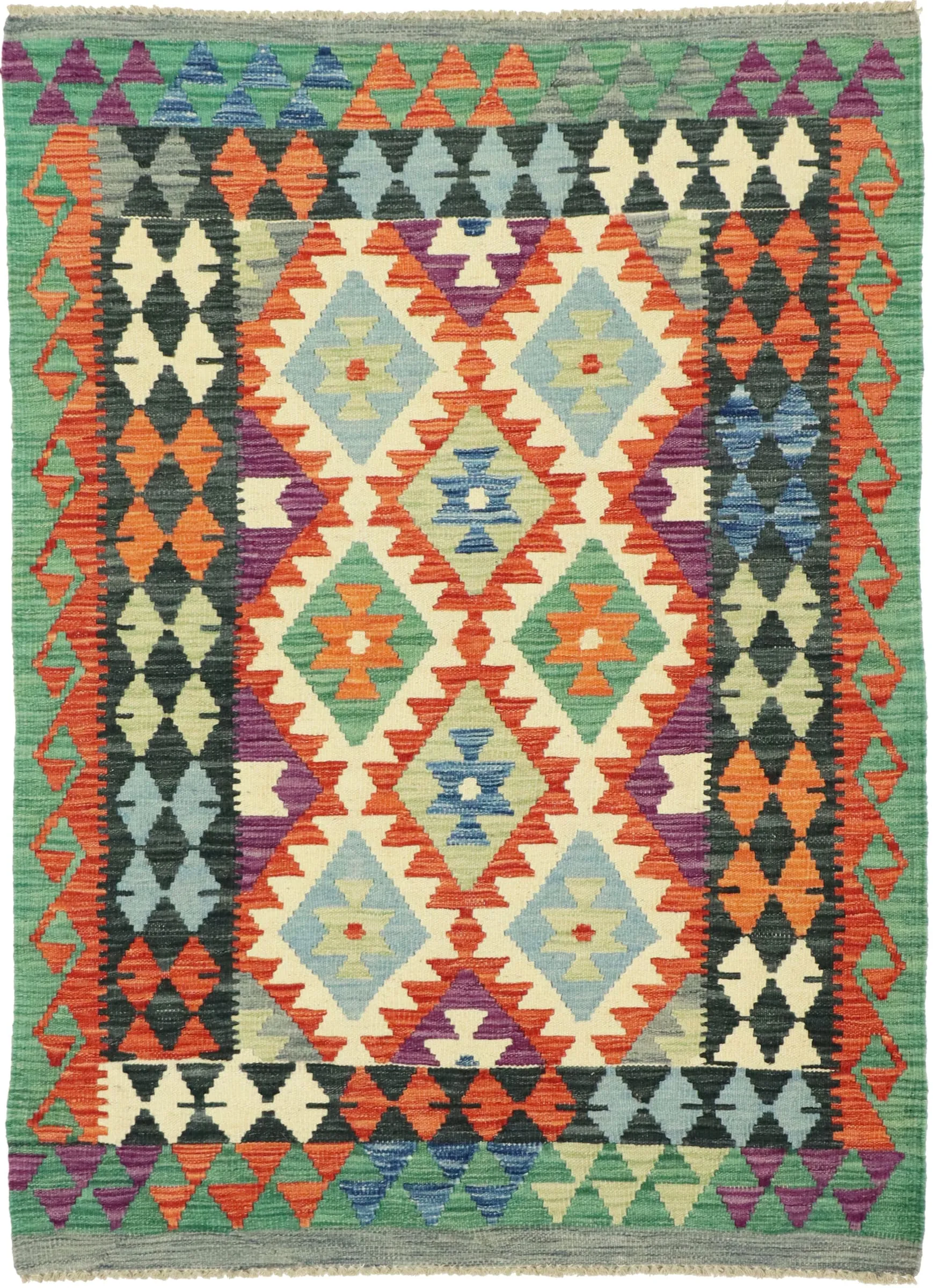
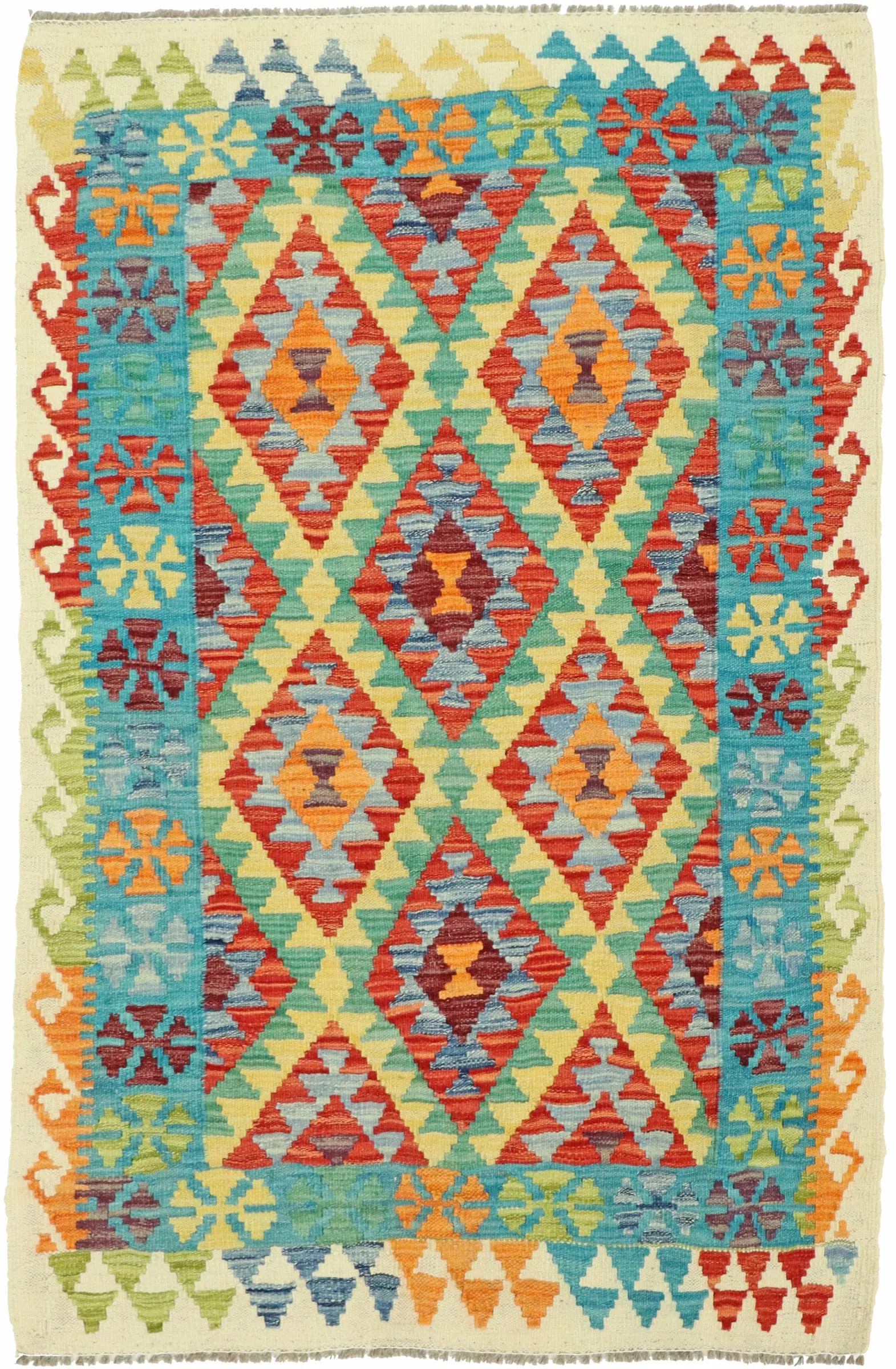
Kilim Afghan Hindu Kush 148 x 106 cm

€140.00
-30%
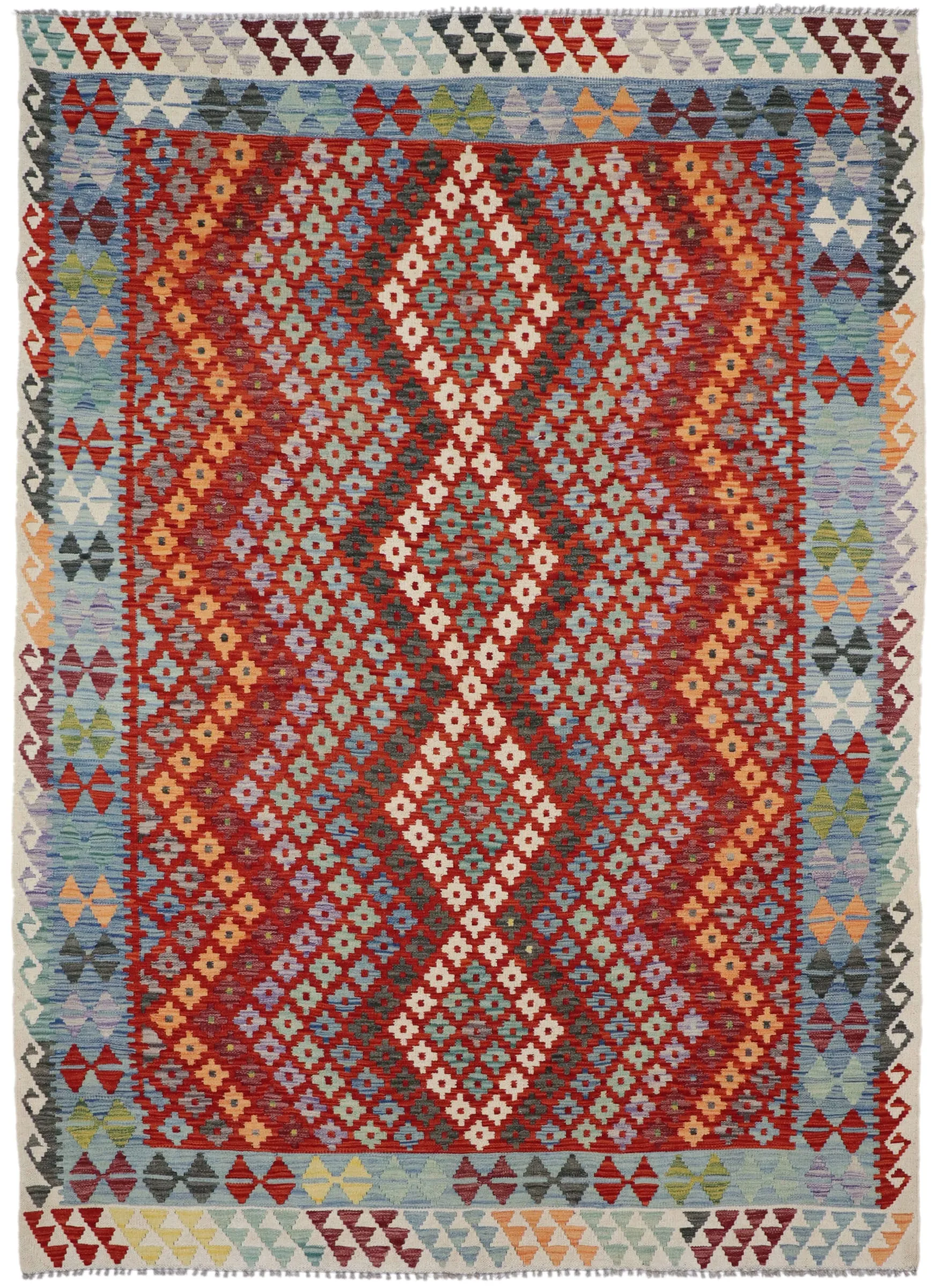
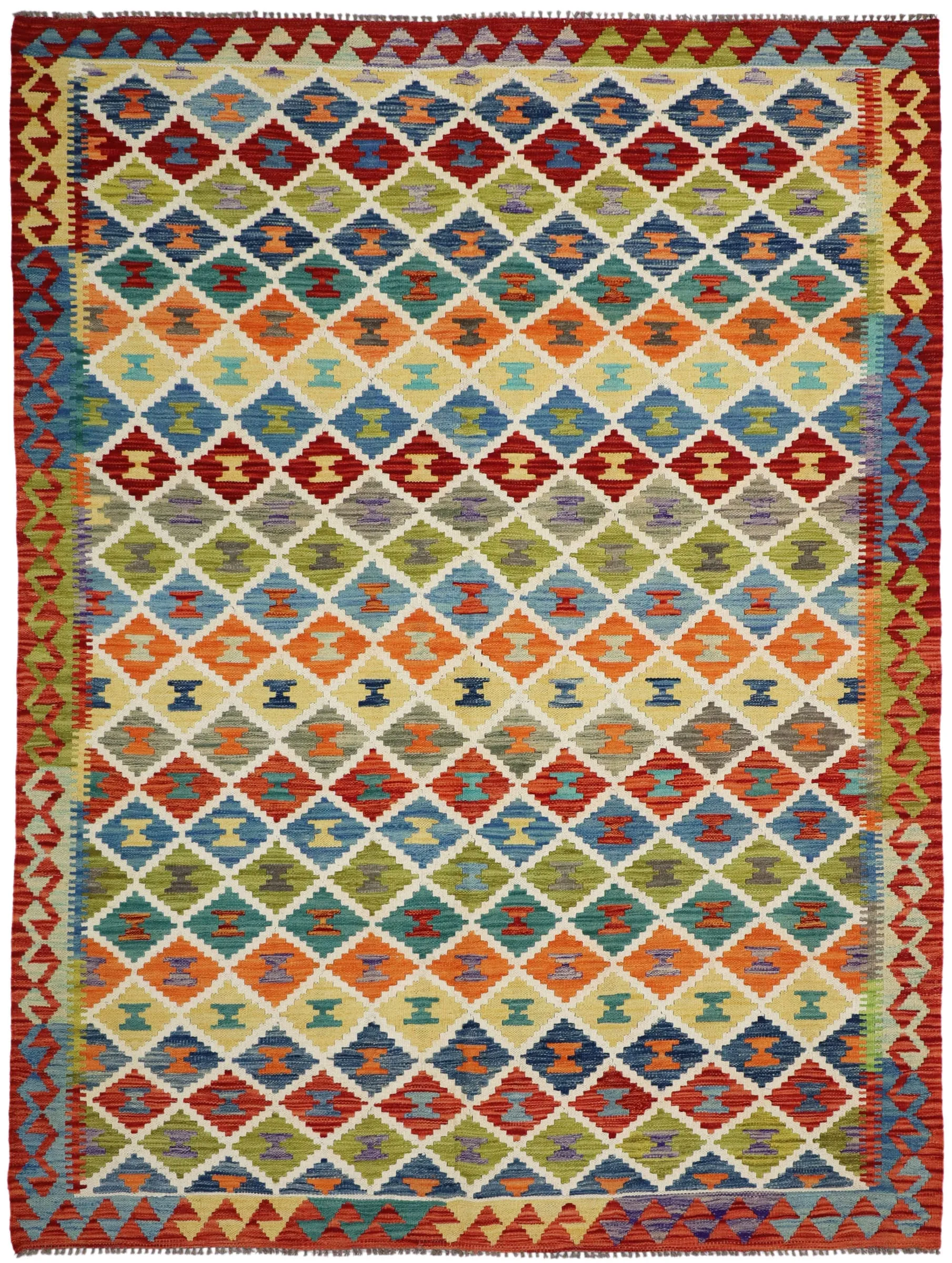
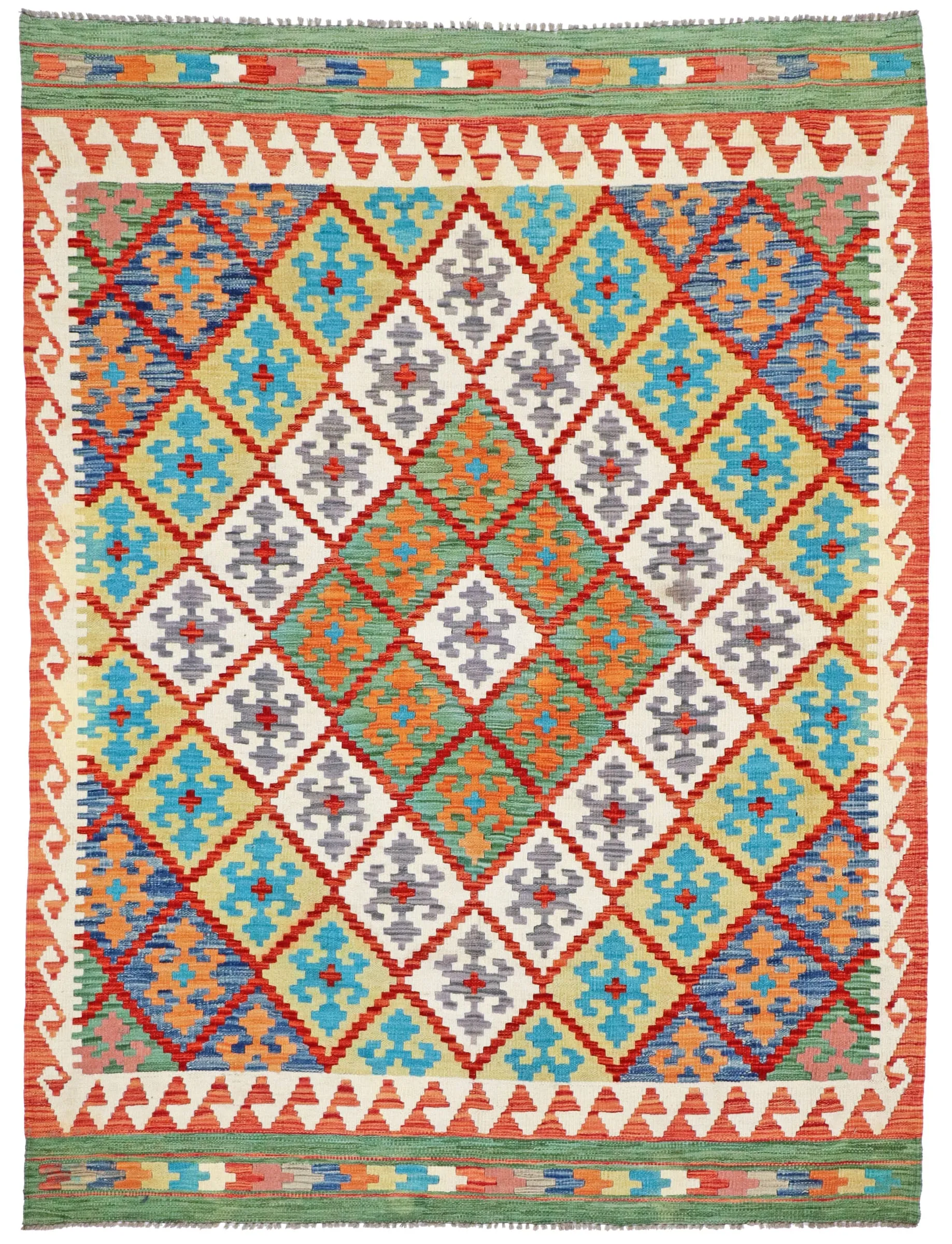
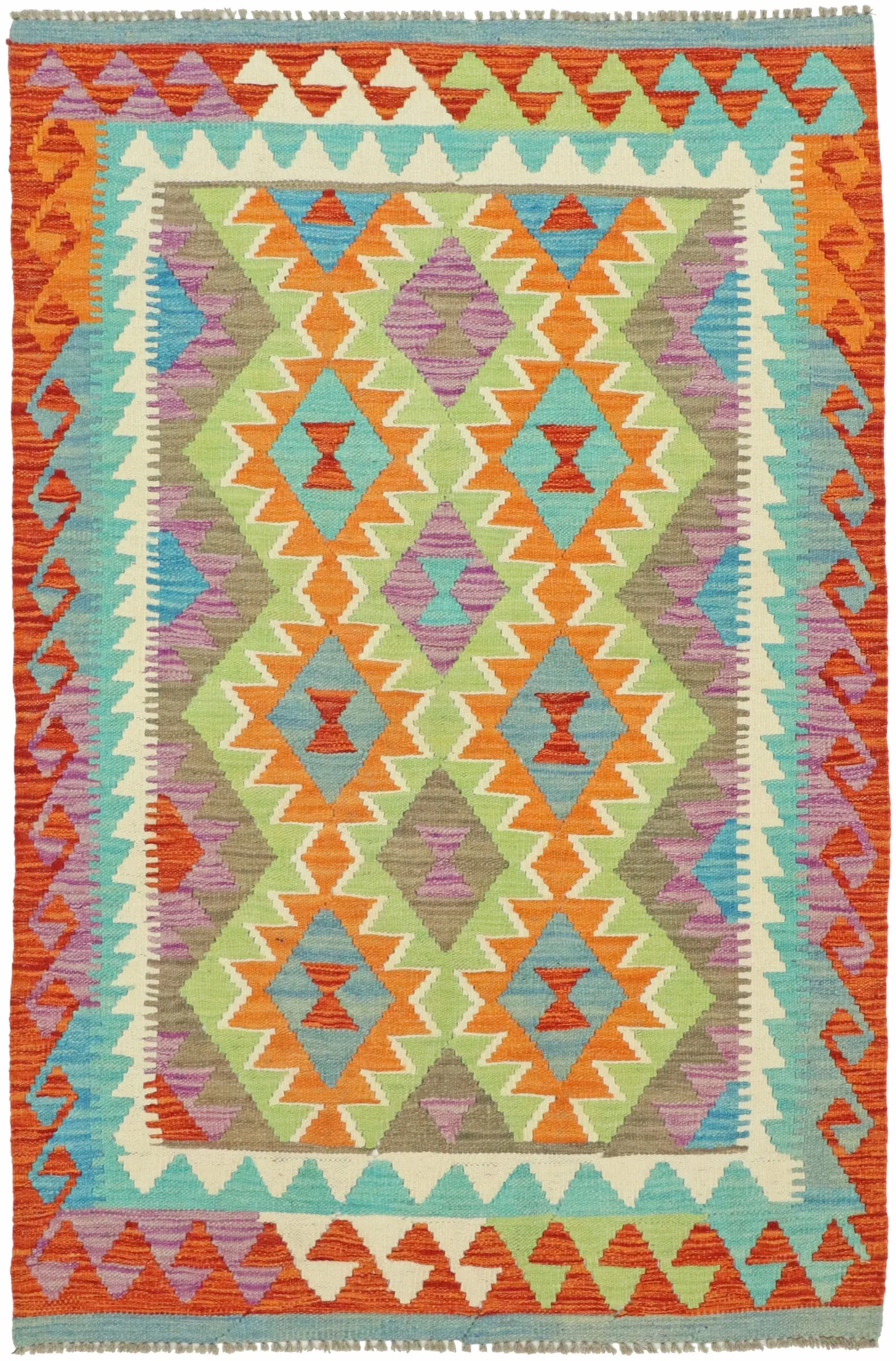
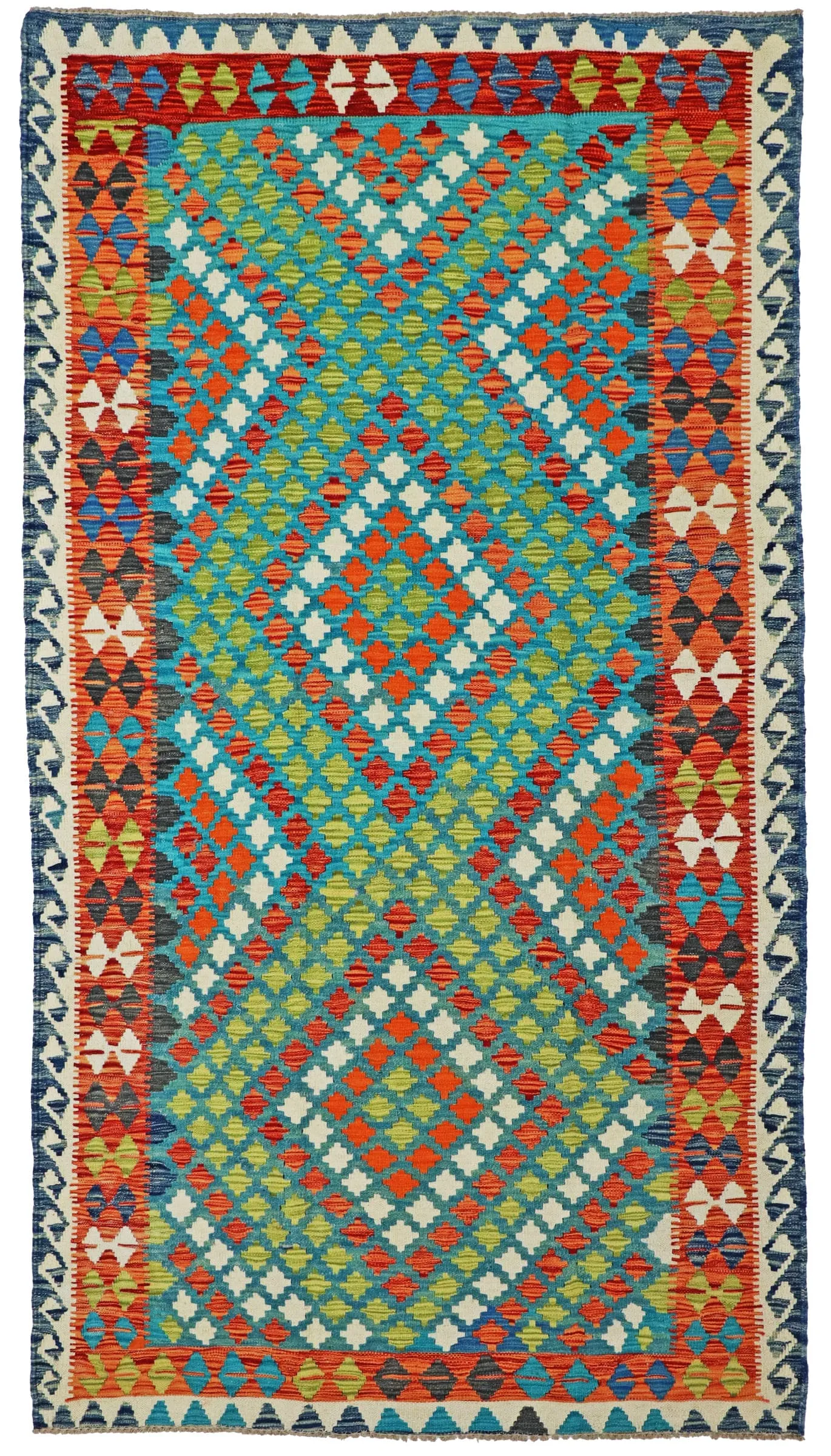
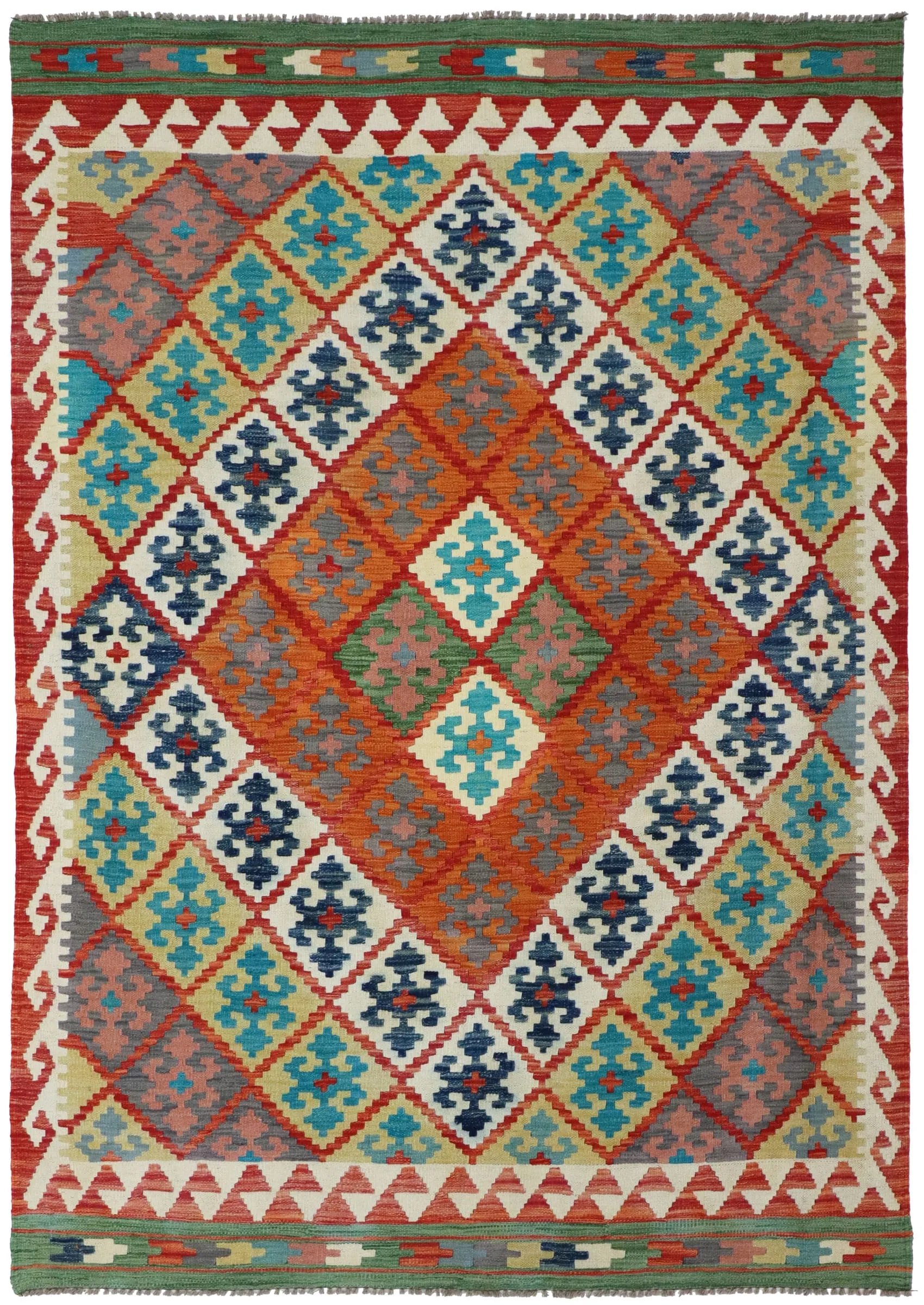
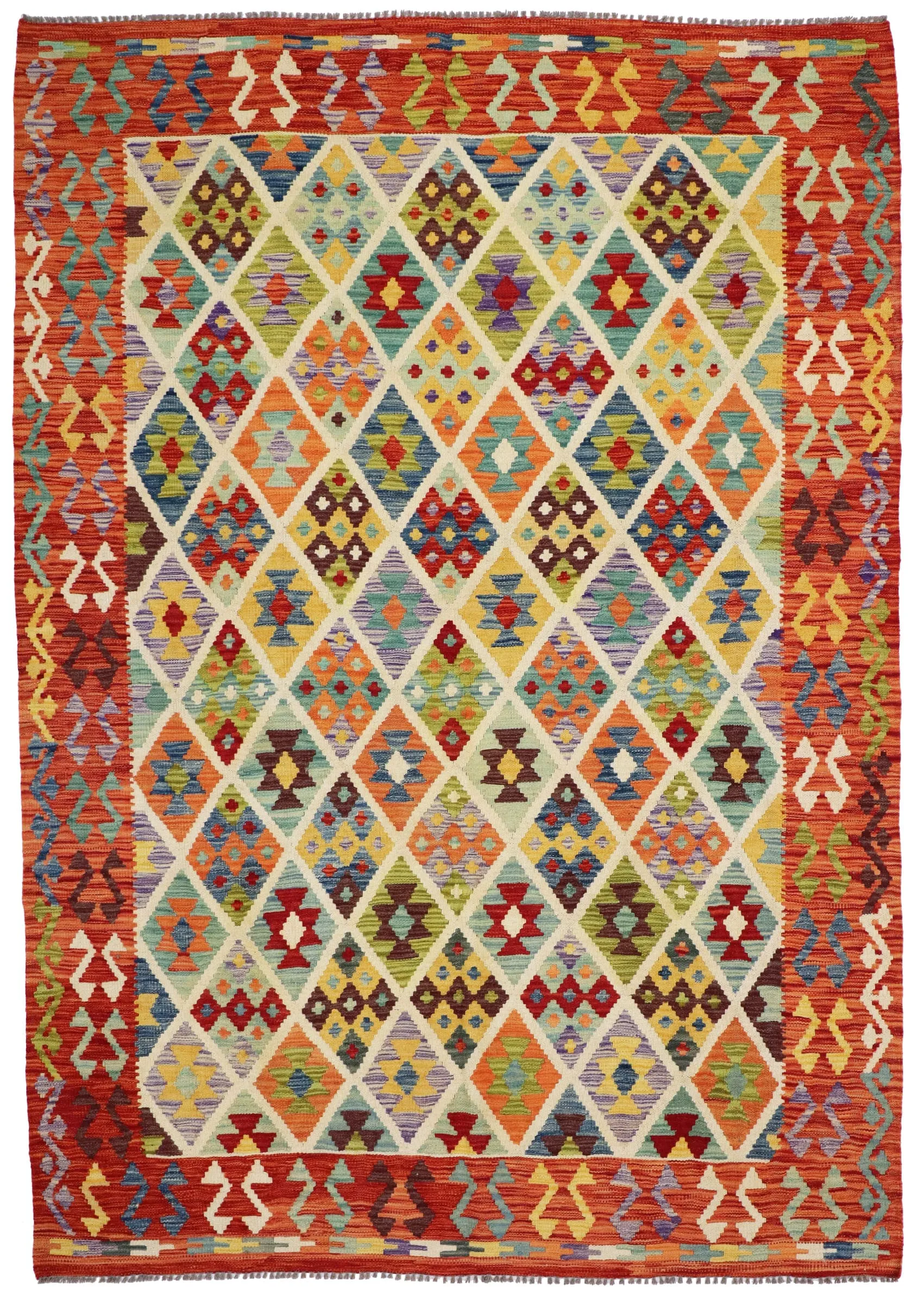
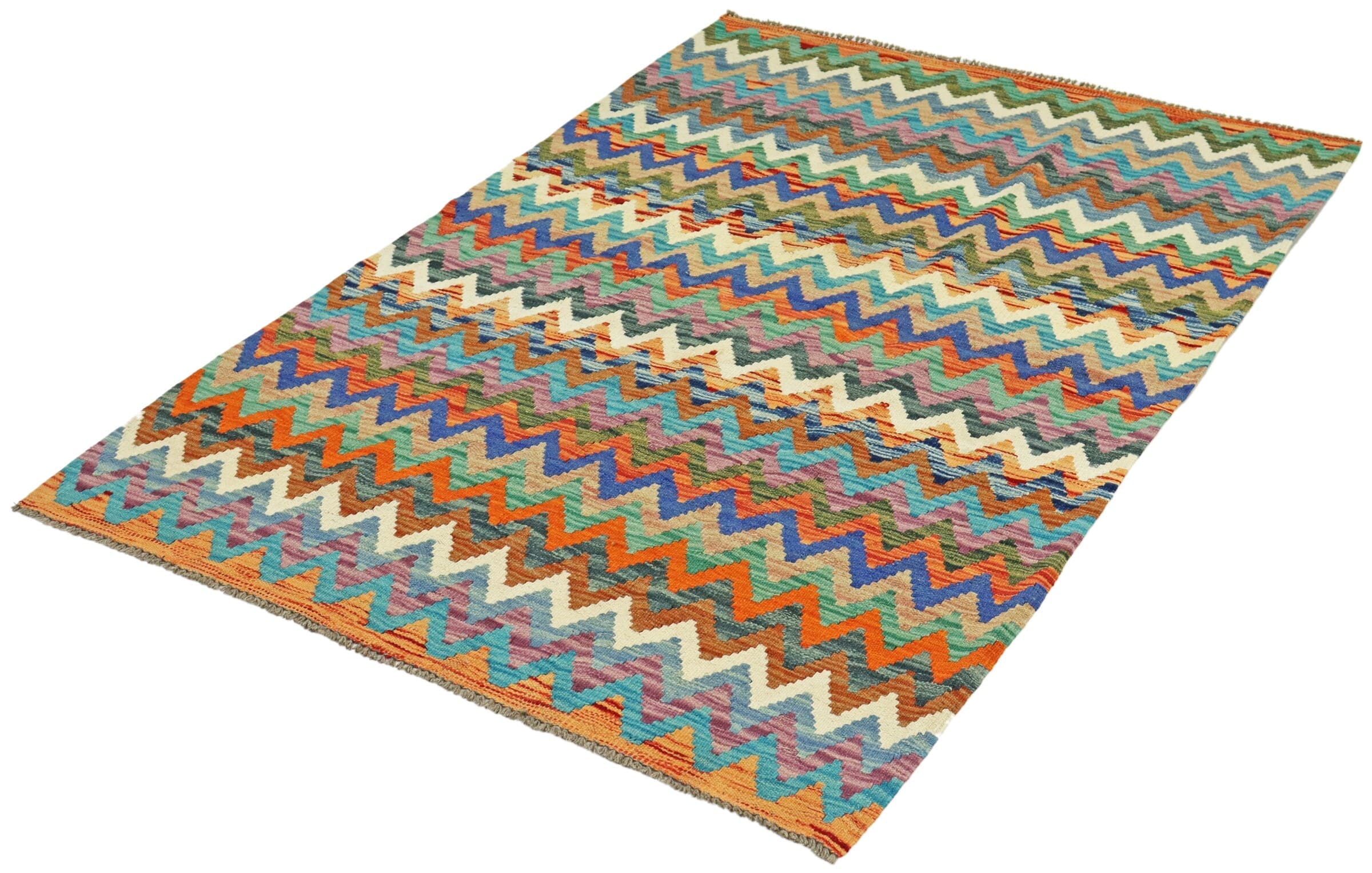
Kilim Afghan Hindu Kush 246 x 183 cm

€406.00 €580.00
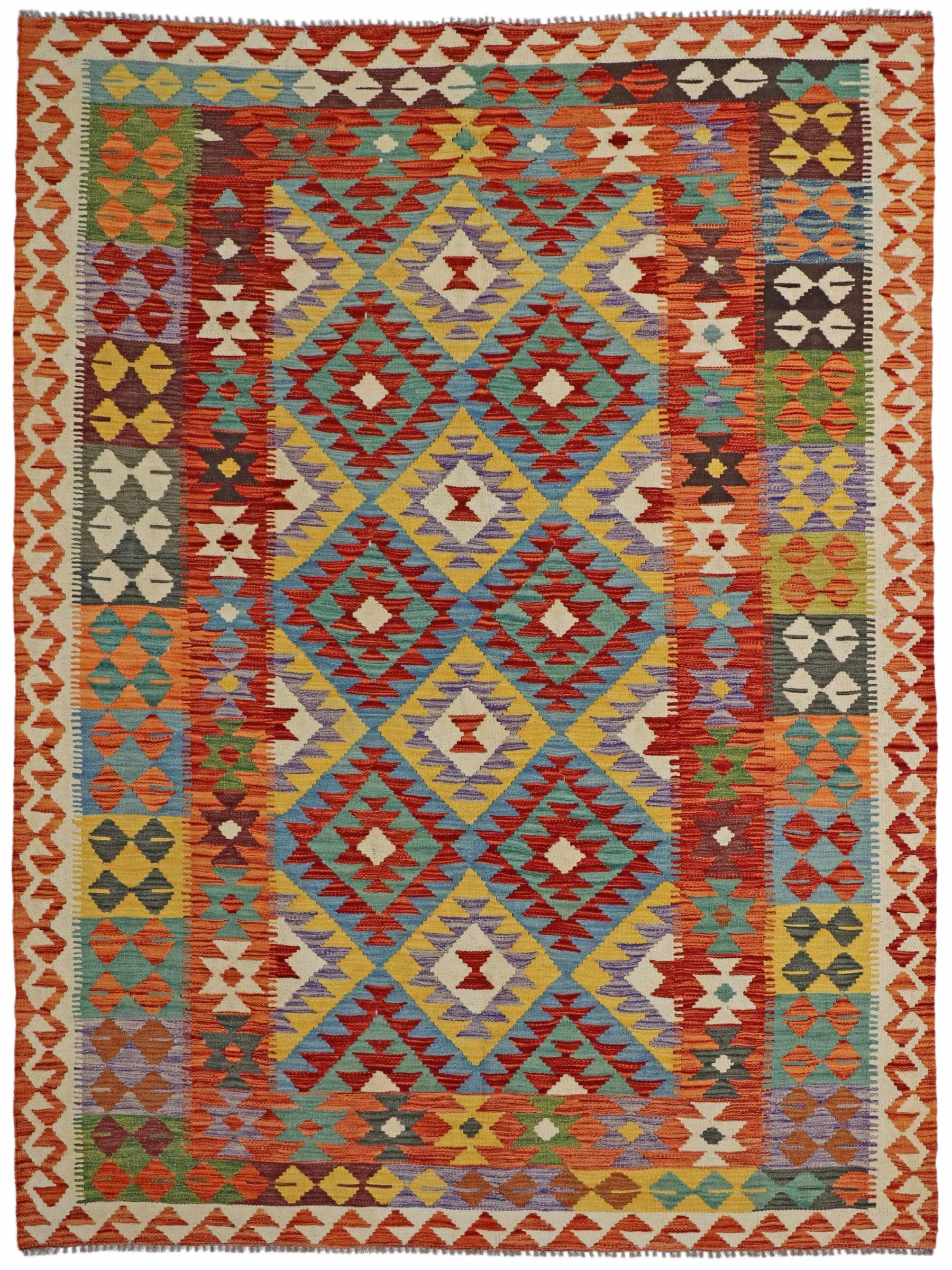
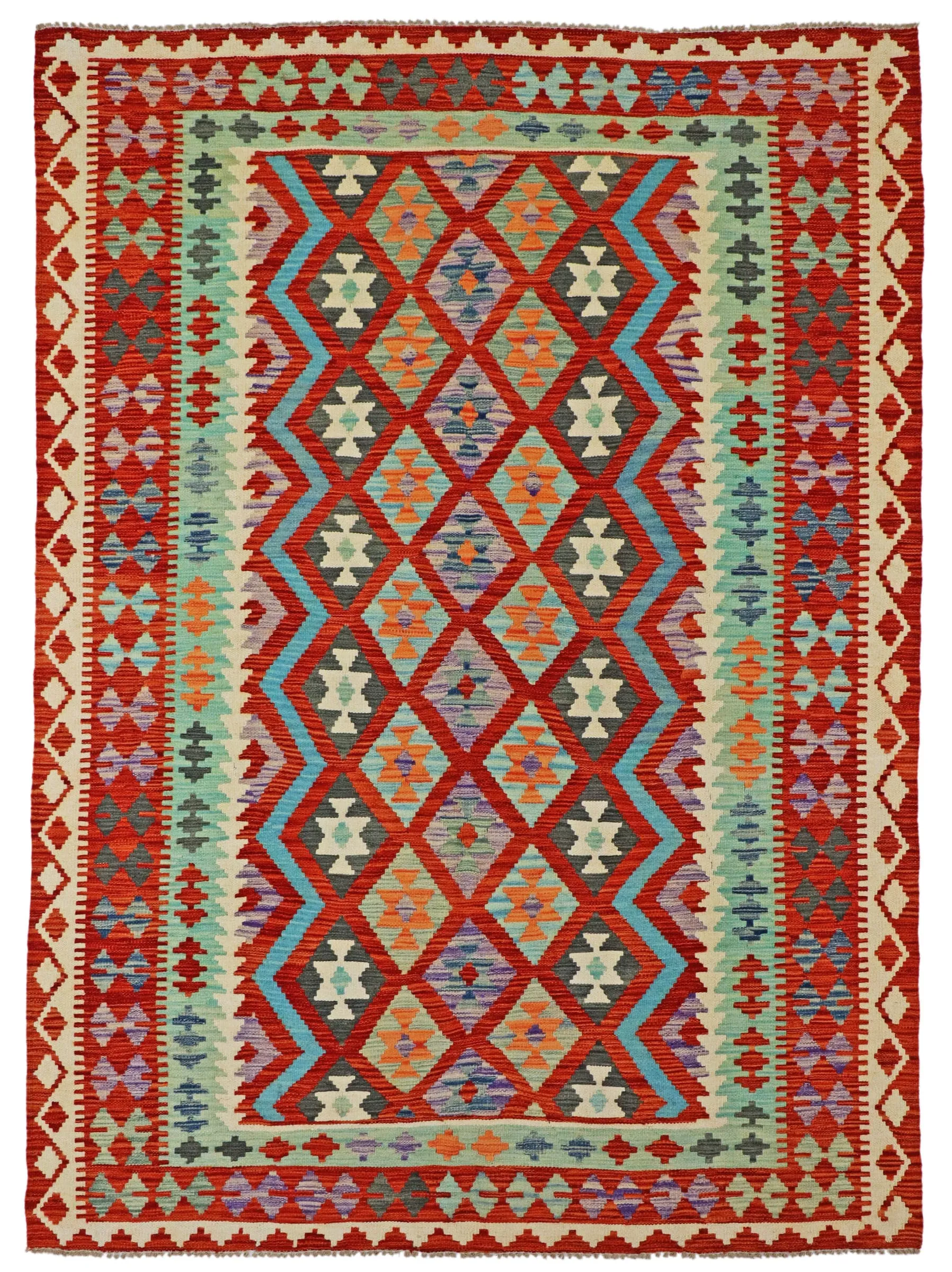
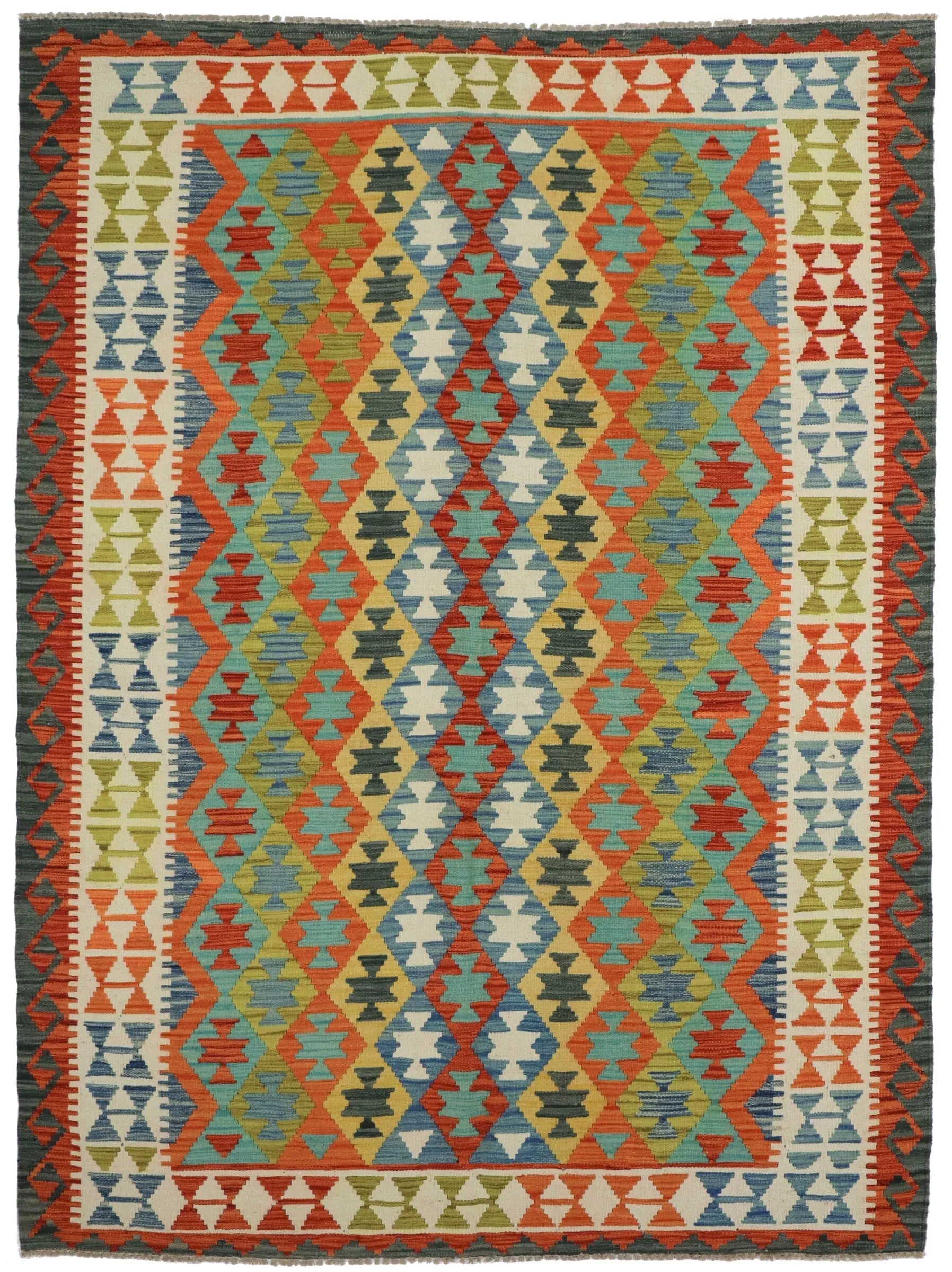
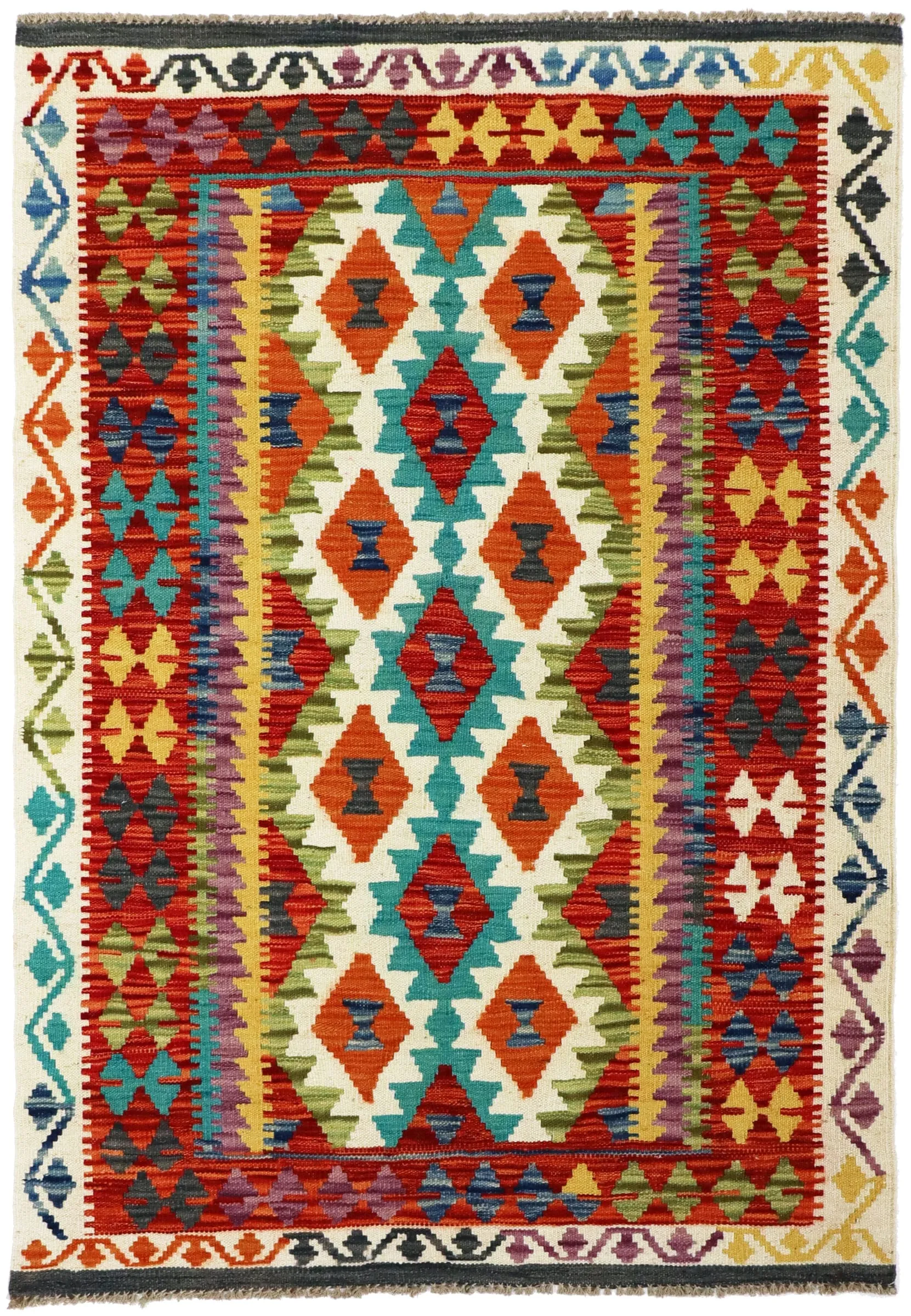
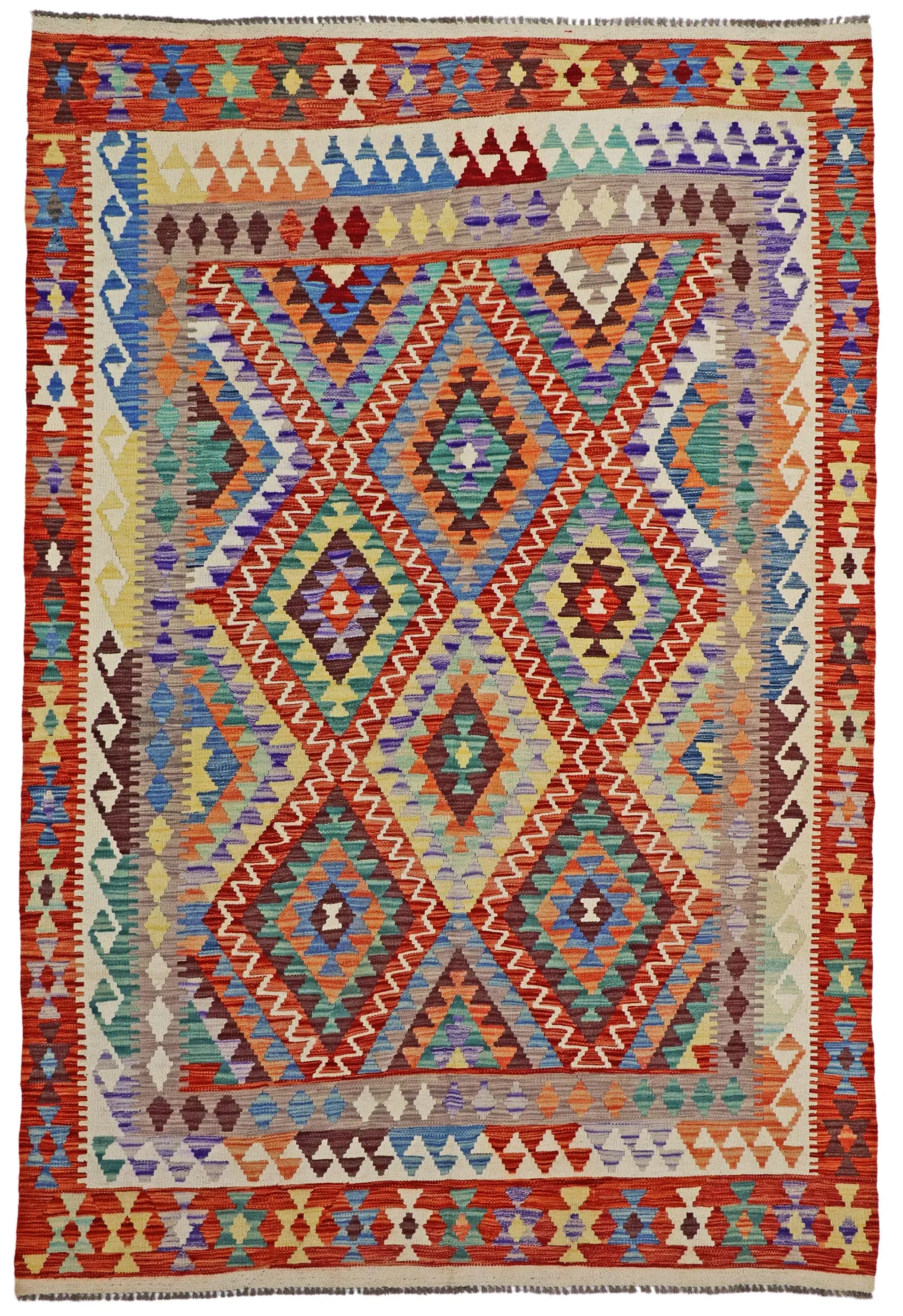
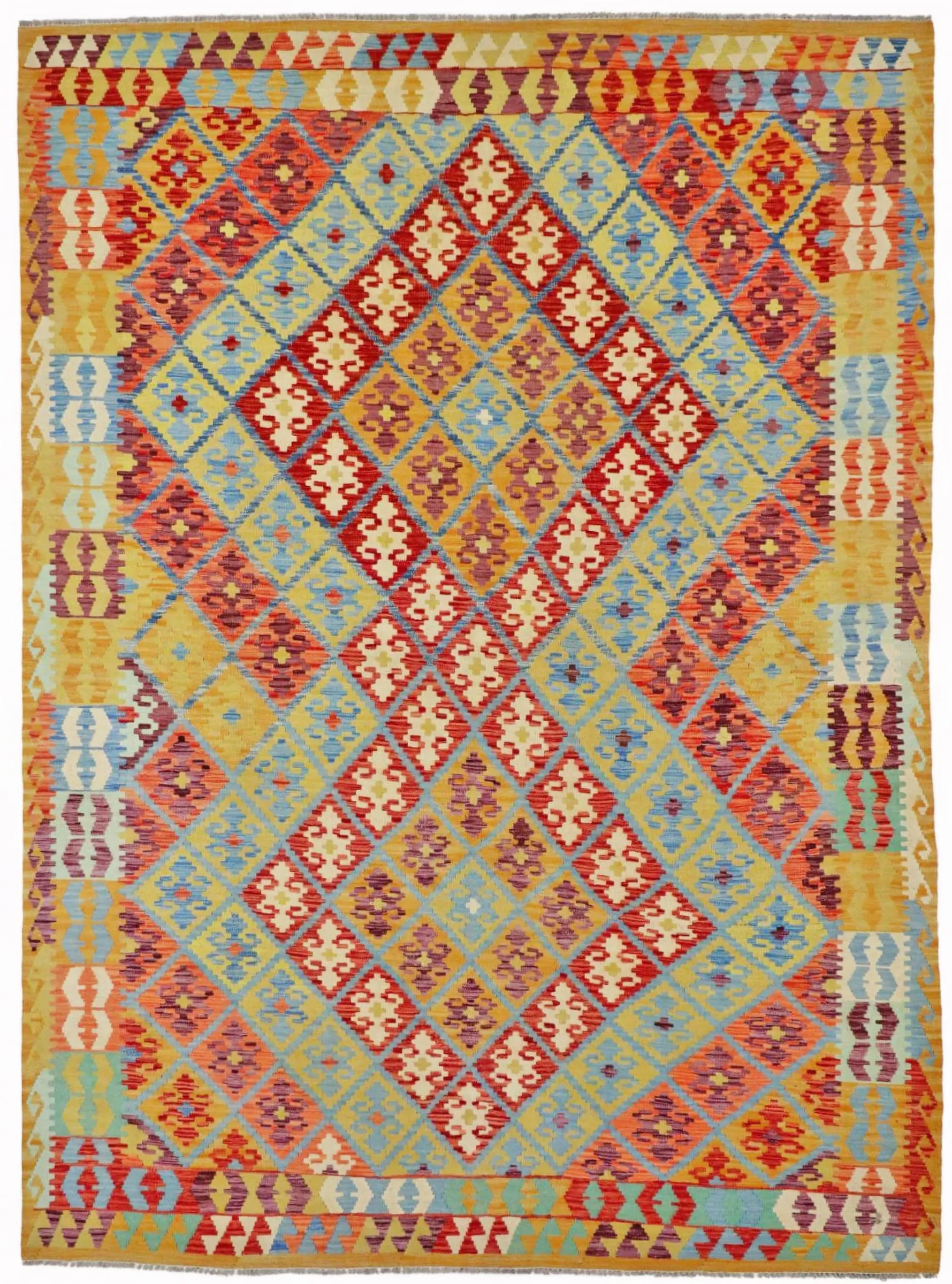
Kilim Afghan Hindu Kush 289 x 207 cm

€705.00
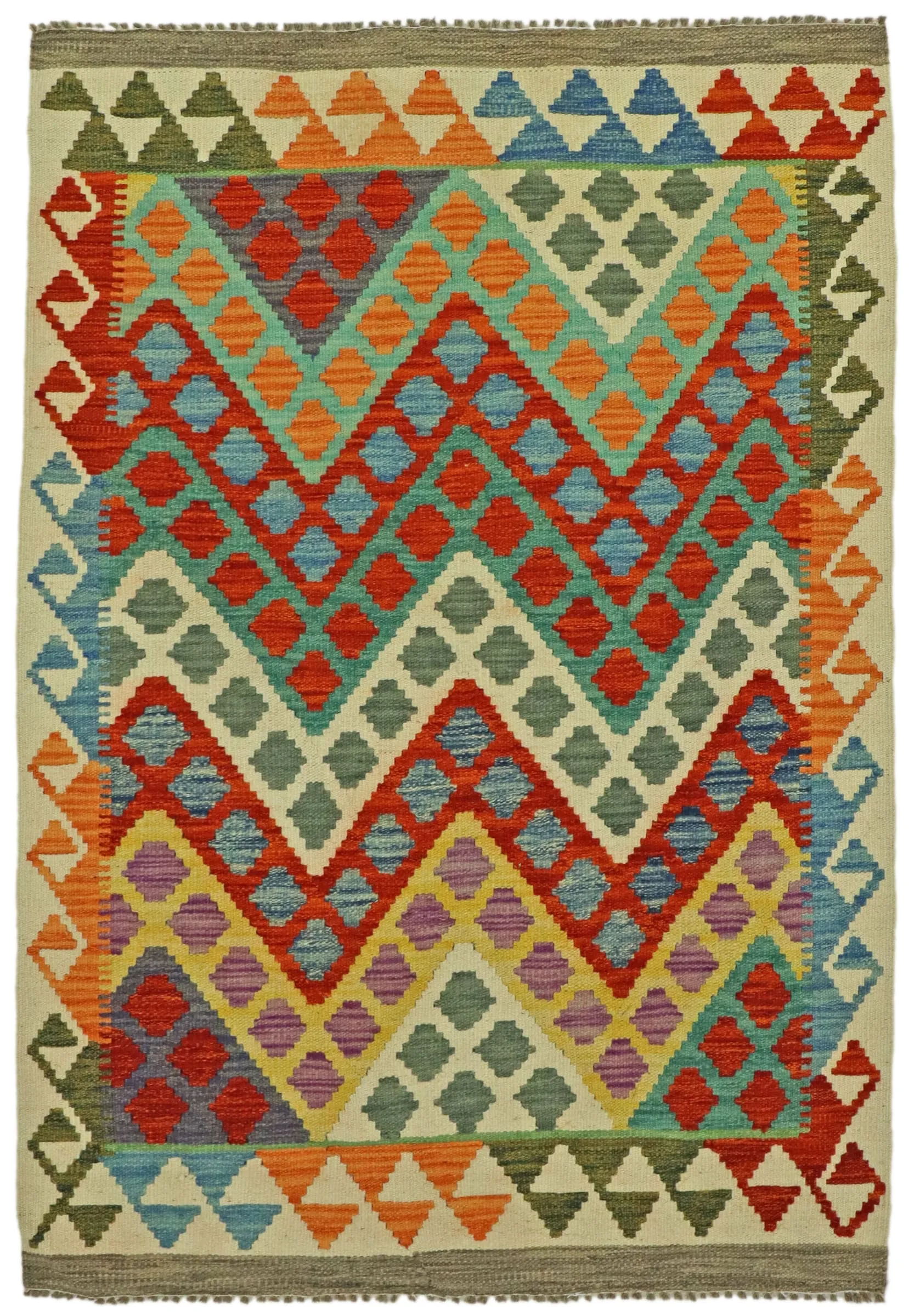
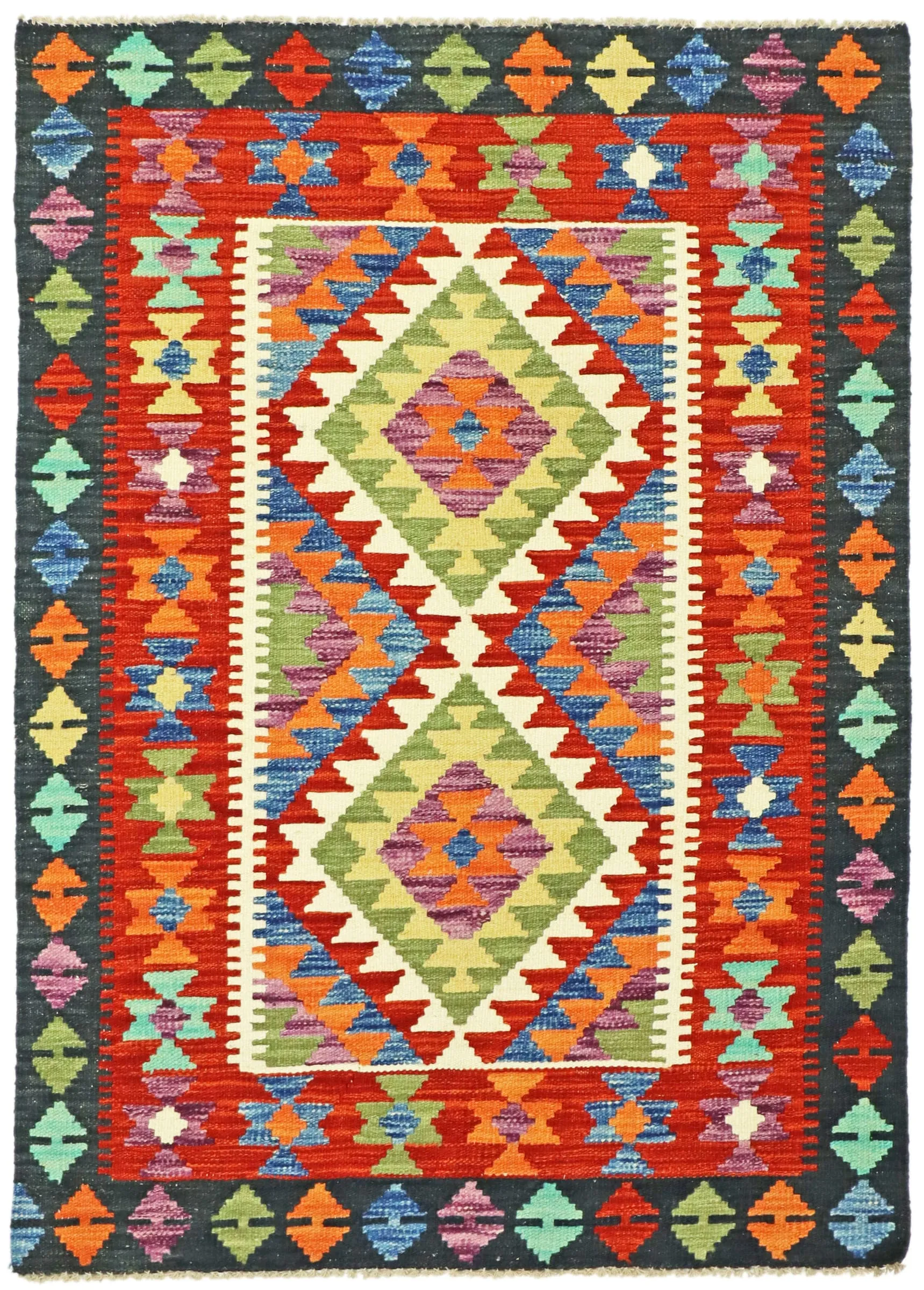
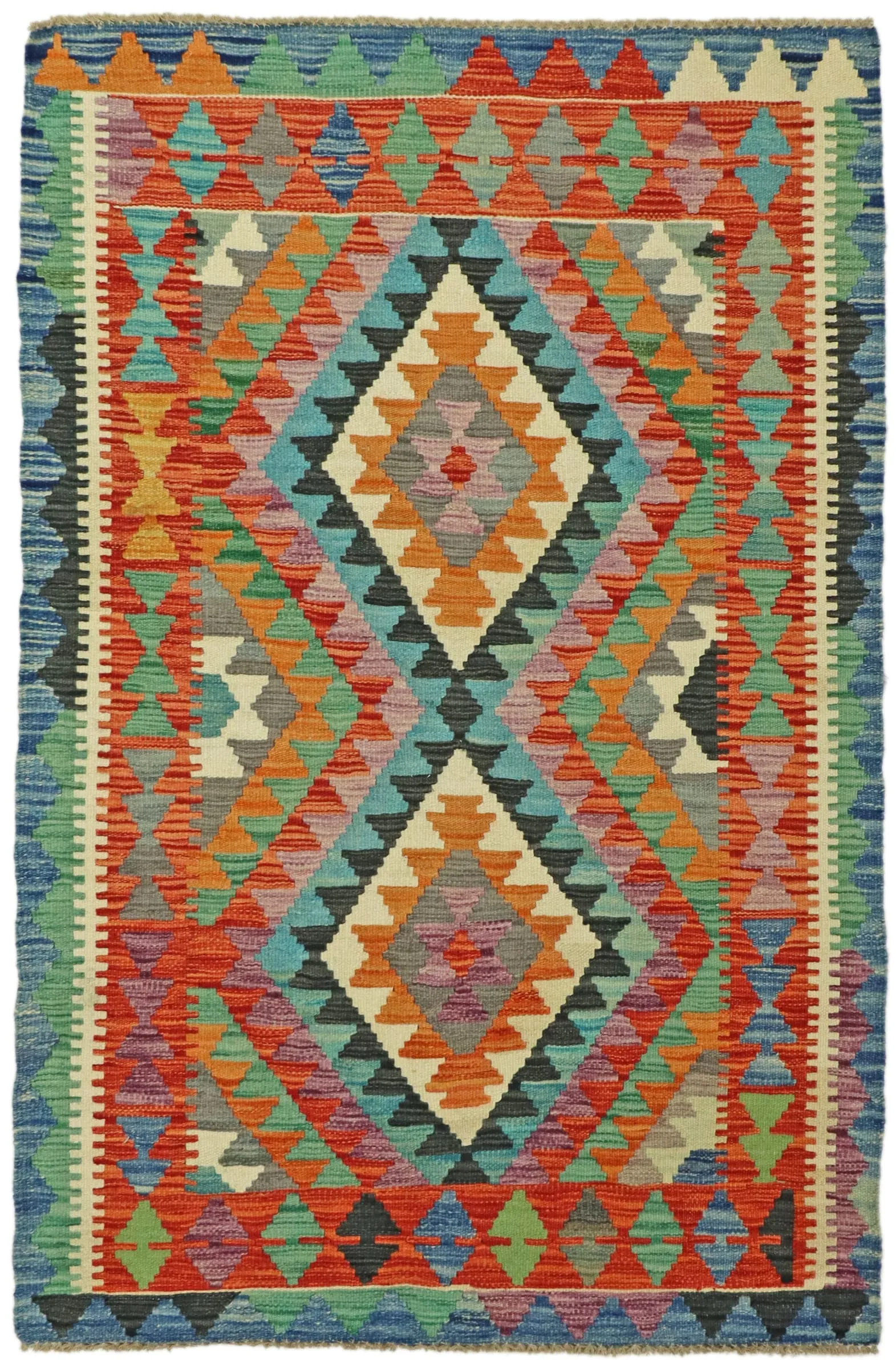
Kilim Afghan Hindu Kush 120 x 85 cm

€120.00
-20%
Kilim Afghan Hindu Kush 243 x 185 cm

€392.00 €490.00
-30%
Kilim Afghan Hindu Kush 247 x 185 cm

€427.00 €610.00
Kilim Afghan Hindu Kush 116 x 89 cm

€120.00
-20%
Kilim Afghan Hindu Kush 247 x 181 cm

€456.00 €570.00
Kilim Afghan Hindu Kush 147 x 102 cm

€145.00
-30%
Kilim Afghan Hindu Kush 203 x 157 cm

€294.00 €420.00
-20%
Kilim Afghan Hindu Kush 119 x 82 cm

€96.00 €120.00
Kilim Afghan Hindu Kush 154 x 106 cm

€180.00
-20%
Kilim Afghan Hindu Kush 154 x 105 cm

€144.00 €180.00
-30%
Kilim Afghan Hindu Kush 235 x 180 cm

€371.00 €530.00
Kilim Afghan Hindu Kush 150 x 105 cm

€150.00
-20%
Kilim Afghan Hindu Kush 187 x 136 cm

€252.00 €315.00
-50%
Kilim Afghan Hindu Kush 245 x 134 cm

€280.00 €560.00
-20%
Kilim Afghan Hindu Kush 149 x 105 cm

€120.00 €150.00
-20%
Kilim Afghan Hindu Kush 142 x 106 cm

€112.00 €140.00
-20%
Kilim Afghan Hindu Kush 160 x 106 cm

€152.00 €190.00
Kilim Afghan Hindu Kush 211 x 148 cm

€430.00
-10%
Kilim Afghan Hindu Kush 153 x 103 cm

€153.00 €170.00
Kilim Afghan Hindu Kush 242 x 175 cm

€545.00
-20%
Kilim Afghan Hindu Kush 153 x 102 cm

€136.00 €170.00
-30%
Kilim Afghan Hindu Kush 252 x 176 cm

€420.00 €600.00
Kilim Afghan Hindu Kush 149 x 103 cm

€140.00
Kilim Afghan Hindu Kush 203 x 156 cm

€440.00
-20%
Kilim Afghan Hindu Kush 148 x 106 cm

€112.00 €140.00
-20%
Kilim Afghan Hindu Kush 179 x 130 cm

€240.00 €300.00
-30%
Kilim Afghan Hindu Kush 252 x 182 cm

€441.00 €630.00
-20%
Kilim Afghan Hindu Kush 178 x 126 cm

€224.00 €280.00
Kilim Afghan Hindu Kush 292 x 212 cm

€873.00
-10%
Kilim Afghan Hindu Kush 153 x 99 cm

€153.00 €170.00
Guide & buying advice

Handwoven Kilim Rugs – Flatweave Craft, Natural Wool & Distinctive Designs

Kilim rugs are fundamentally different from hand-knotted pile rugs. They are woven on a loom by interlacing warp and weft threads, creating a flat, pile-free surface with crisp geometric drawing, relatively low weight and a distinctly textile character.

At Jakobson Carpets, the collection ranges from Afghan Old Tradition and Hindu Kush designs to cleaner, more contemporary kilims. This guide explains the main styles, what to look for in a well-made flatweave and why many kilims offer the practical advantage of being usable from both sides.

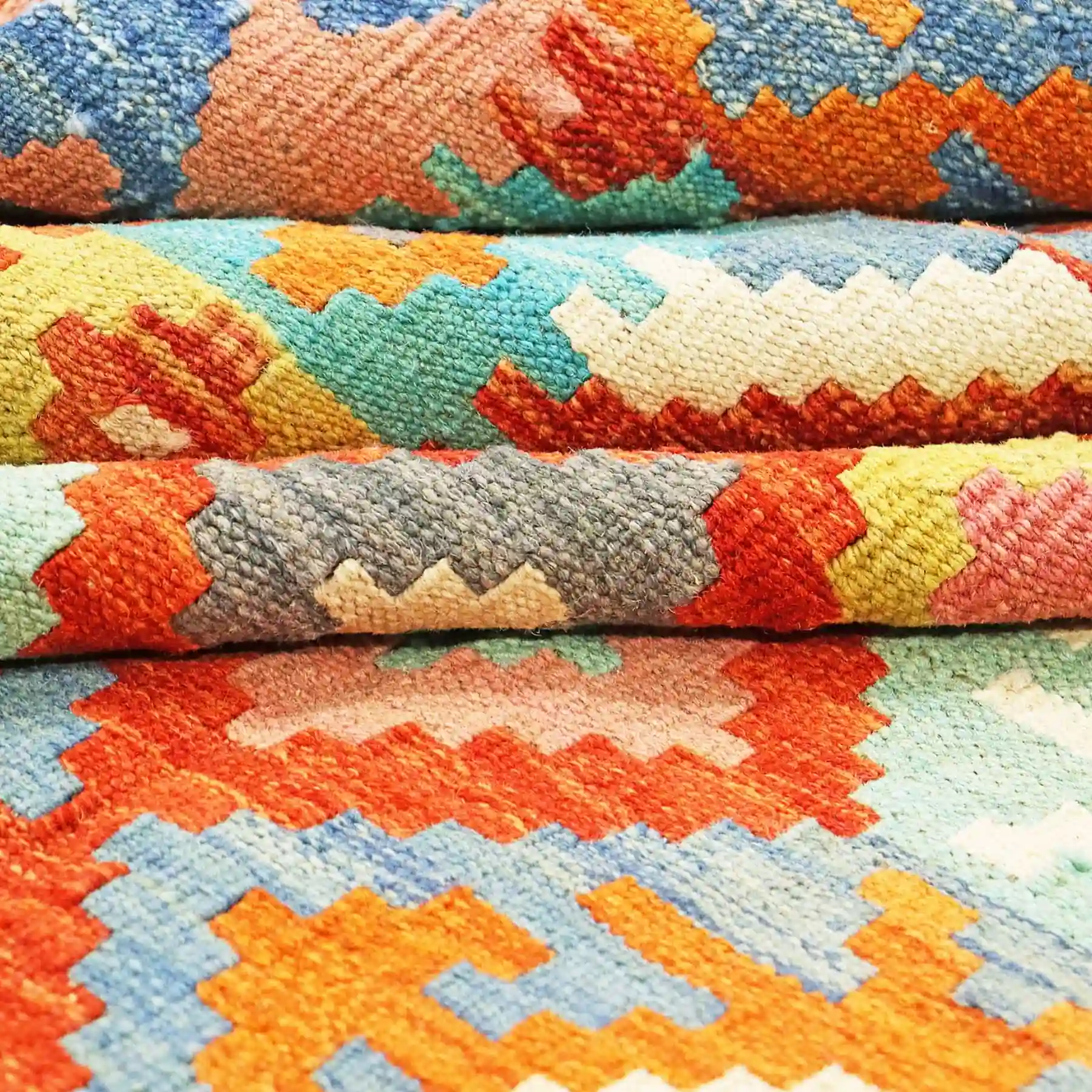
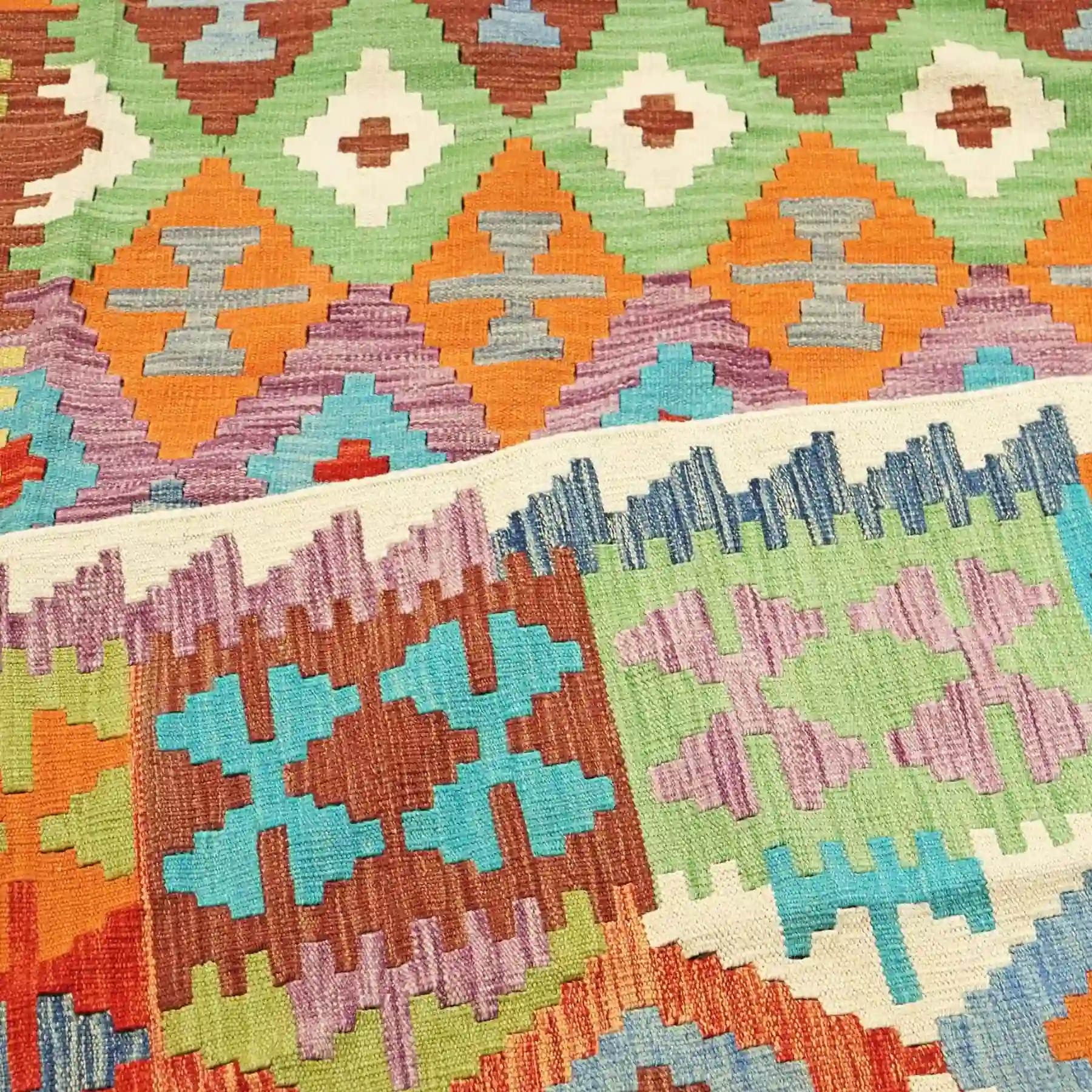
Close-up of a handwoven kilim rug showing its flatweave construction
Woven, not knotted

What Makes a Kilim Rug Different?

In a kilim, the warp and weft are woven together rather than individual knots being tied to form a pile. The result is a low-profile flatweave with a crisp surface, lighter construction and a direct connection between the weaving technique and the visible pattern.

Diamonds, stripes, stepped motifs and other geometric forms work particularly well in this structure. Natural and hand-spun wool give many Afghan kilims warmth, tactile variation and the subtle colour movement associated with handmade textiles.

Because they are thin and comparatively light, handwoven kilim rugs are easy to position beneath furniture and simpler to move or rotate than many deeper-pile rugs. That makes them especially versatile in contemporary interiors.

Our kilim collections

Explore Kilim Rugs by Style & Tradition

Kilims are far from uniform. Afghan Old Tradition, Classic, Hindu Kush, Design and Modern pieces differ noticeably in palette, pattern rhythm and overall mood. Each original image below belongs to the collection it represents.

Kilim Afghan Old Tradition with traditional geometric motifs
Traditional & characterful

Kilim Afghan Old Tradition

Afghan Old Tradition kilims have a particularly authentic textile character. Geometric motifs, natural wool and subtly varied colour give these rugs a warm, time-honoured appearance without making them feel overly formal.

Selected Old Tradition pieces use hand-spun wool and may also be finished with natural plant dyes. As materials and colour techniques vary from rug to rug, the individual product specifications remain the most accurate reference.

Explore Kilim Afghan Old Tradition
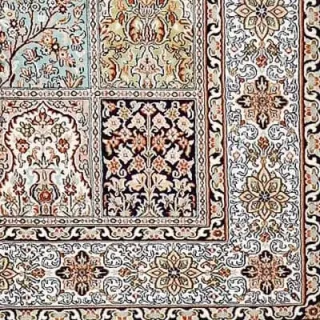
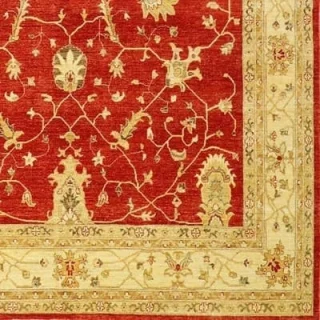
Kilim Afghan Classic with traditional Afghan flatwoven pattern
Classic Afghan flatweave

Kilim Afghan Classic

Afghan Classic combines traditional patterning with a calm, clearly structured appearance. Its flat handwoven construction keeps the rug flexible and relatively light, while wool and geometric ornament bring warmth and an unmistakably handcrafted feel.

Important: unlike many other kilim qualities in our collection, the front and reverse of Kilim Afghan Classic are not visually identical. It should therefore not be treated as a double-sided kilim with the same appearance on both sides.

Explore Kilim Afghan Classic
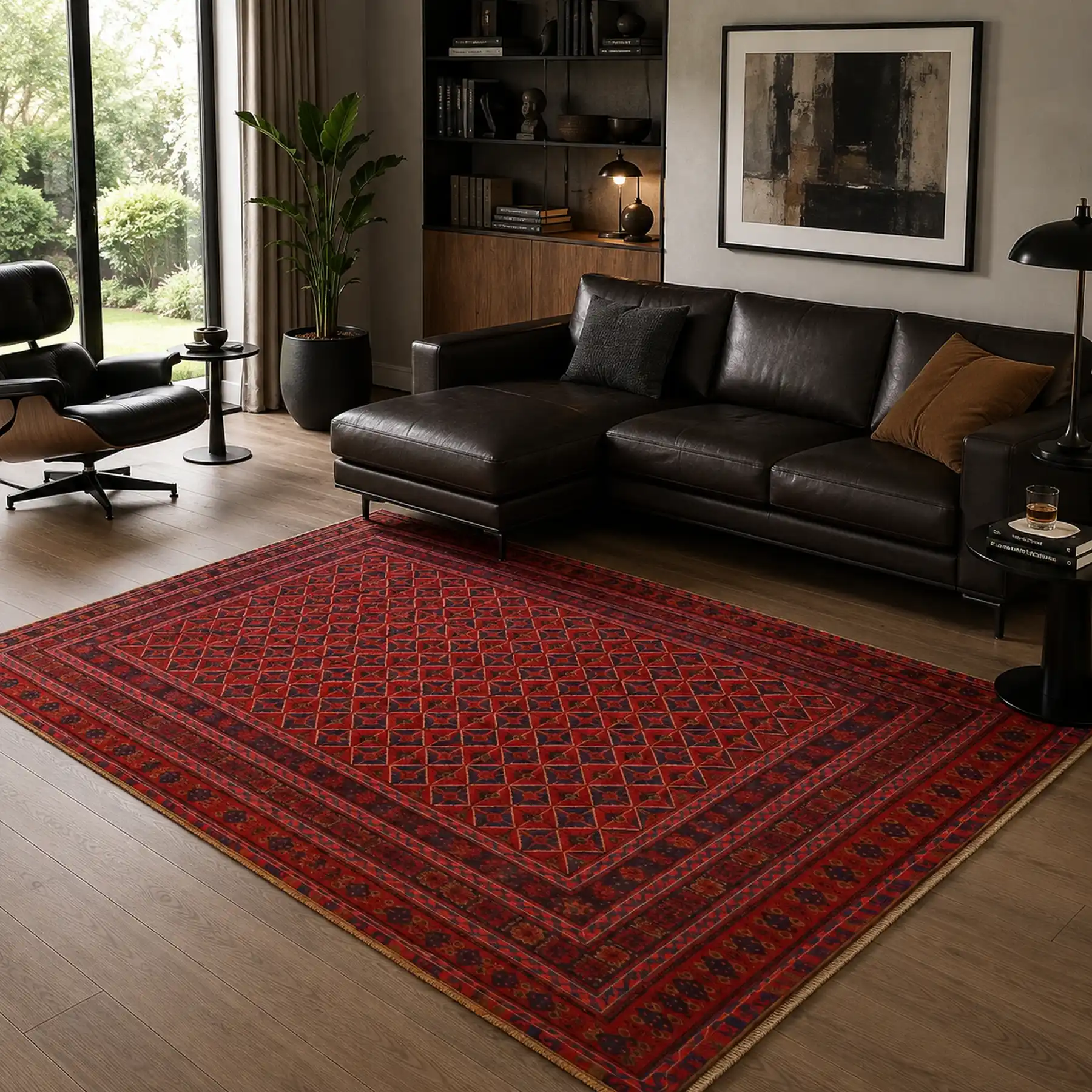
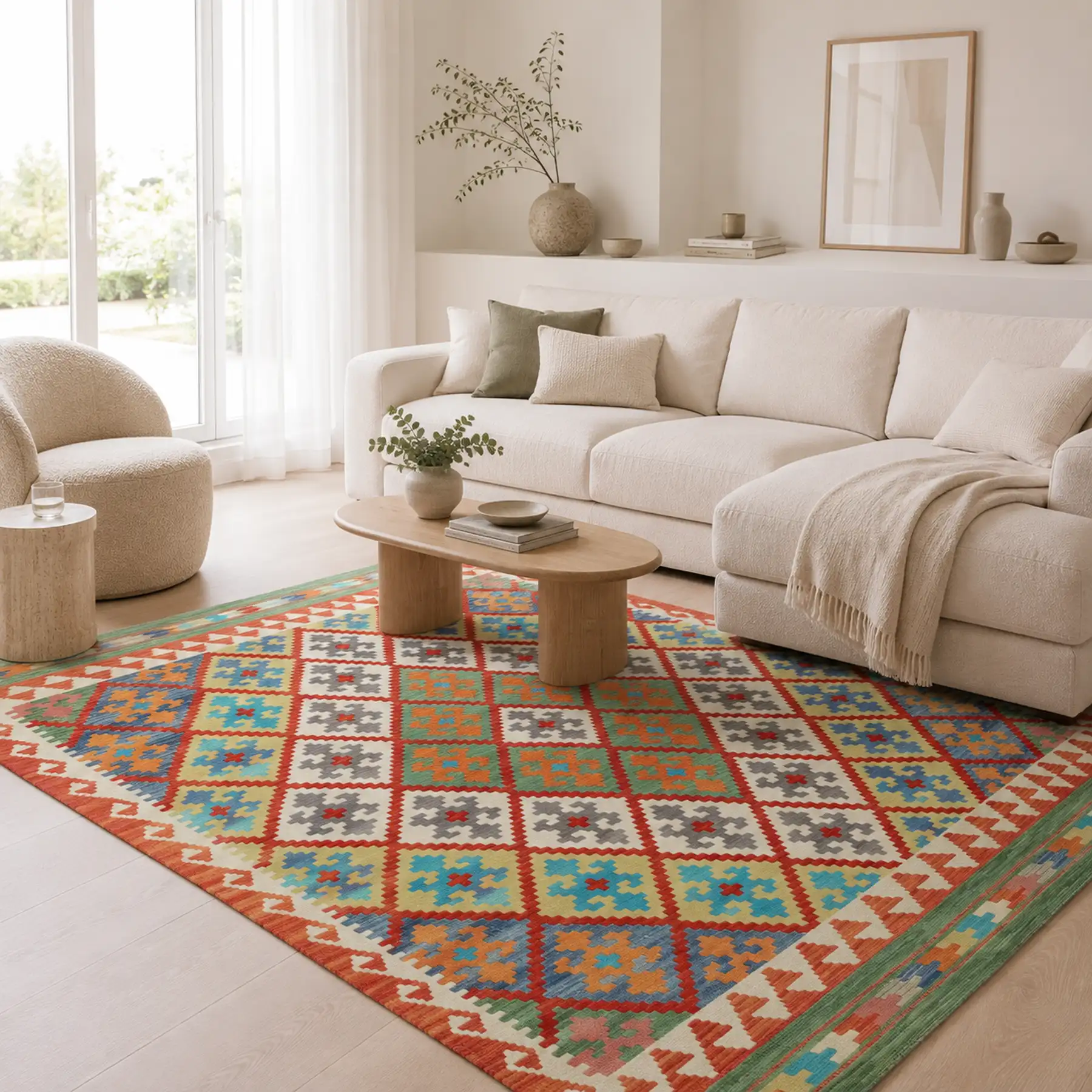
Kilim Afghan Hindu Kush with bold geometric motifs and lively colour
Bold & regionally distinctive

Kilim Afghan Hindu Kush

Hindu Kush kilims often have a stronger pattern and colour presence. Graphic forms and richer accents give them a distinctive Afghan character that works especially well alongside timber, natural materials and more restrained furniture.

Current Hindu Kush examples are handwoven in Afghanistan, typically around 3 mm thick and made using natural or hand-spun wool, depending on the individual piece.

Explore Kilim Afghan Hindu Kush
Kilim Design rug with a clean contemporary flatwoven composition
Traditional technique, modern eye

Kilim Design

Kilim Design puts greater emphasis on clean geometry, decorative colour fields and a more contemporary visual language. The traditional flatweave remains clearly visible, but the finished rug can feel more graphic and architectural in a modern room.

It is a strong choice for interiors where a handmade textile should add pattern and individuality without the visual weight of a deep pile.

Explore Kilim Design
Modern kilim rug with a contemporary pattern and low-profile flatweave
Light, modern & adaptable

Kilim Modern & Afghan Modern

Modern kilims retain the traditional woven construction while using cleaner pattern layouts, more contemporary colour blocking or quieter compositions. Afghan Modern follows the same principle, combining skilled hand weaving with an easier, more current interior aesthetic.

The low profile and comparatively light construction make these rugs particularly easy to combine with modern sofas, dining furniture and natural finishes.

Explore modern kilim rugs
Materials & weaving quality

How to Assess the Quality of a Kilim Rug

With a kilim, quality is not about knot count or pile height. The more useful indicators are wool quality, consistency of the weave, clean edges and a stable, closely constructed flatweave. The reverse can also reveal how carefully the pattern and yarns have been carried through the textile.

01

Handwoven construction

Warp and weft threads are interlaced on a loom. This flat, pile-free structure is one of the defining characteristics of a traditional kilim rug.

02

Natural wool

Many Afghan kilims are made from natural or hand-spun wool. The fibre gives the rug warmth, tactile character and the durability expected from an everyday flatwoven textile.

03

Light & flexible

Many kilims are only a few millimetres thick. Their low profile makes them easier to move, rotate and reposition than many heavier pile rugs.

Front and reverse of a reversible handwoven kilim rug
A practical advantage of many kilims

Reversible Kilim Rugs – Use Both Sides

With many kilim qualities, the flatweave construction means the front and reverse look almost identical or very similar. These rugs can be used on both sides, giving you extra flexibility in everyday use and in the way the rug is positioned within a room.

Turning a reversible kilim can also help distribute everyday wear more evenly. For anyone who likes to rearrange a room or rotate textiles regularly, this is a genuinely practical advantage over rugs with one clearly defined pile side.

Exception in our collection: the front and reverse of Kilim Afghan Classic are not visually identical. The same double-sided appearance therefore does not apply to every kilim. Always refer to the individual product description.

Choosing for your room

Which Kilim Rug Is Right for Your Home?

Because kilims have a light, low-profile construction, colour, pattern intensity and room scale often matter more than pile depth. Three common settings make it easier to narrow down the right piece.

01

Living room

Larger Old Tradition, Design and Modern kilims can anchor a seating area while keeping the room visually light and allowing furniture to sit naturally over the flat surface.

02

Dining room

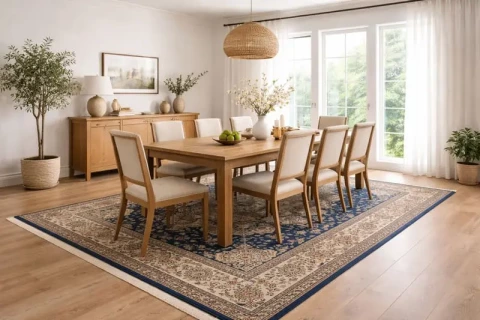
The low profile is particularly practical beneath a dining table. Allow enough rug around the table for chairs to remain on the textile as far as possible when pulled back.

03

Bedroom & hallway

A lighter kilim adds warmth and colour without much height. In busier circulation areas, consider the exact wool quality, size and construction of the individual rug before choosing.

History and traditional flatweave craftsmanship associated with kilim rugs
A centuries-old weaving tradition

Kilim Rugs and the Heritage of Oriental Flatweaving

Flatwoven textiles have formed part of everyday material culture across regions stretching from Anatolia and Iran to the Caucasus and Central and South Asia for centuries. Patterns and colour languages developed locally, serving both decorative and practical purposes in domestic and nomadic life.

The Afghan kilims in today’s collection continue this handweaving tradition through natural wool, geometric ornament and work on traditional looms. The technique is historic, but its crisp surface and lightweight structure remain remarkably well suited to contemporary interiors.

Buy with confidence

Buy Handwoven Kilim Rugs Online at Jakobson Carpets

When buying a kilim online, look for exact dimensions, materials, origin, weaving method and detailed photographs of the individual rug. These details make it easier to compare colour, pattern, thickness and flatweave quality rather than judging a piece from style alone.

Free shipping & free returns

Lay the kilim out in the intended room and assess its real scale, colours and pattern alongside your own furniture without additional shipping costs.

31-day return policy

You have time to view the rug under different lighting conditions and decide whether its proportions, colour balance and pattern feel right in your home.

Handwoven one-of-a-kind pieces

Each handwoven kilim has individual colour, pattern and weaving characteristics. The precise features of the particular piece are shown in its product details.

Frequently asked

Frequently Asked Questions About Kilim Rugs

Clear answers on flatweave construction, materials, reversibility, room suitability and care.

What is a kilim rug?

A kilim is a traditional flatwoven rug. Warp and weft threads are interlaced rather than knotted to create a pile, giving the rug a flat, relatively light structure and a crisp pattern surface.

What is the difference between a kilim and a hand-knotted Oriental rug?

A hand-knotted rug is constructed by tying individual knots into a foundation and normally develops a pile. A kilim is woven instead, producing a flat surface without a high pile.

Are kilim rugs handwoven?

The kilim qualities offered here are handwoven. Many Afghan examples are made on traditional looms using natural or hand-spun wool.

What are kilim rugs made from?

Many kilims in the collection are made from natural or hand-spun wool. Materials and exact construction can vary by style and individual piece, so the product specifications should always be used as the definitive reference.

Are the front and reverse of a kilim identical?

With many of our kilim qualities, the flatweave technique creates a front and reverse that look almost identical or very similar, allowing the rug to be used on both sides. Kilim Afghan Classic is an exception: its two sides are not visually identical.

What is a double-sided or reversible kilim?

A reversible kilim is woven so that both sides can be used. The exact appearance and construction vary between kilim types, so always check the individual product description before assuming both sides are identical.

Which rooms are kilim rugs suitable for?

Kilims work particularly well in living rooms, dining rooms and bedrooms. Their low profile also makes them practical beneath furniture. In hallways or busier areas, consider the exact wool quality, size and weave of the individual rug.

How should I care for a kilim rug?

Vacuum gently and regularly without an aggressive rotating brush. Avoid heavy rubbing and excessive moisture. For stubborn marks, use a professional cleaner experienced with handwoven wool rugs.