




-320.webp)
-320.webp)
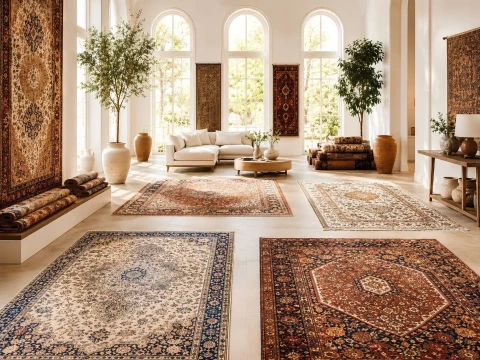
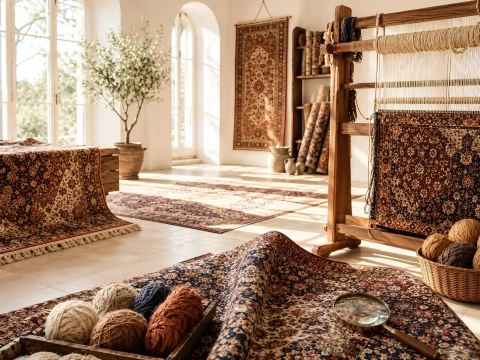
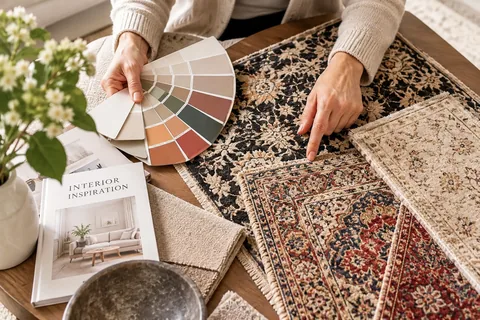
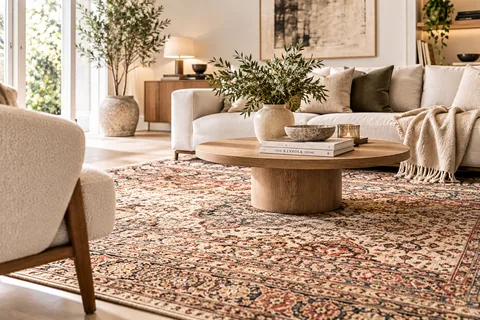
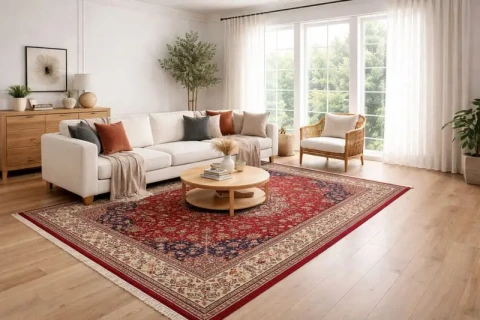
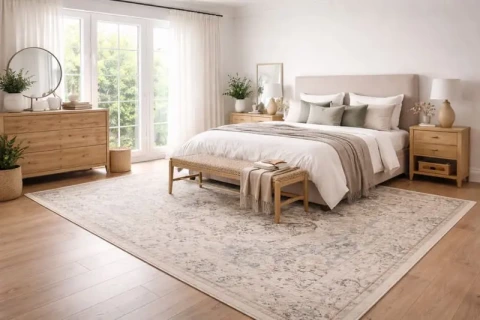
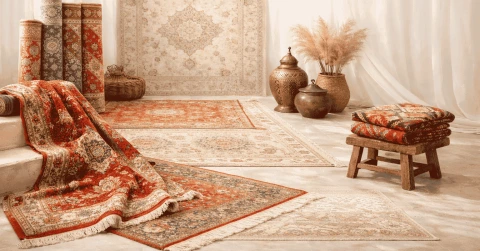

Knotted by hand
An authentic Oriental rug is created knot by knot, making every piece a unique work of craftsmanship.
 Free shipping & returns
 31-day return policy
Free shipping & returns
31-day return policy
Free shipping & returns
31-day return policy
Free shipping & returns
31-day return policy
Free Shipping & Returns
31-Day Returns
31-day return policy
Free shipping & returns
31-day return policy
Free shipping & returns
31-day return policy
Free shipping & returns
31-day return policy
Free Shipping & Returns
31-Day Returns
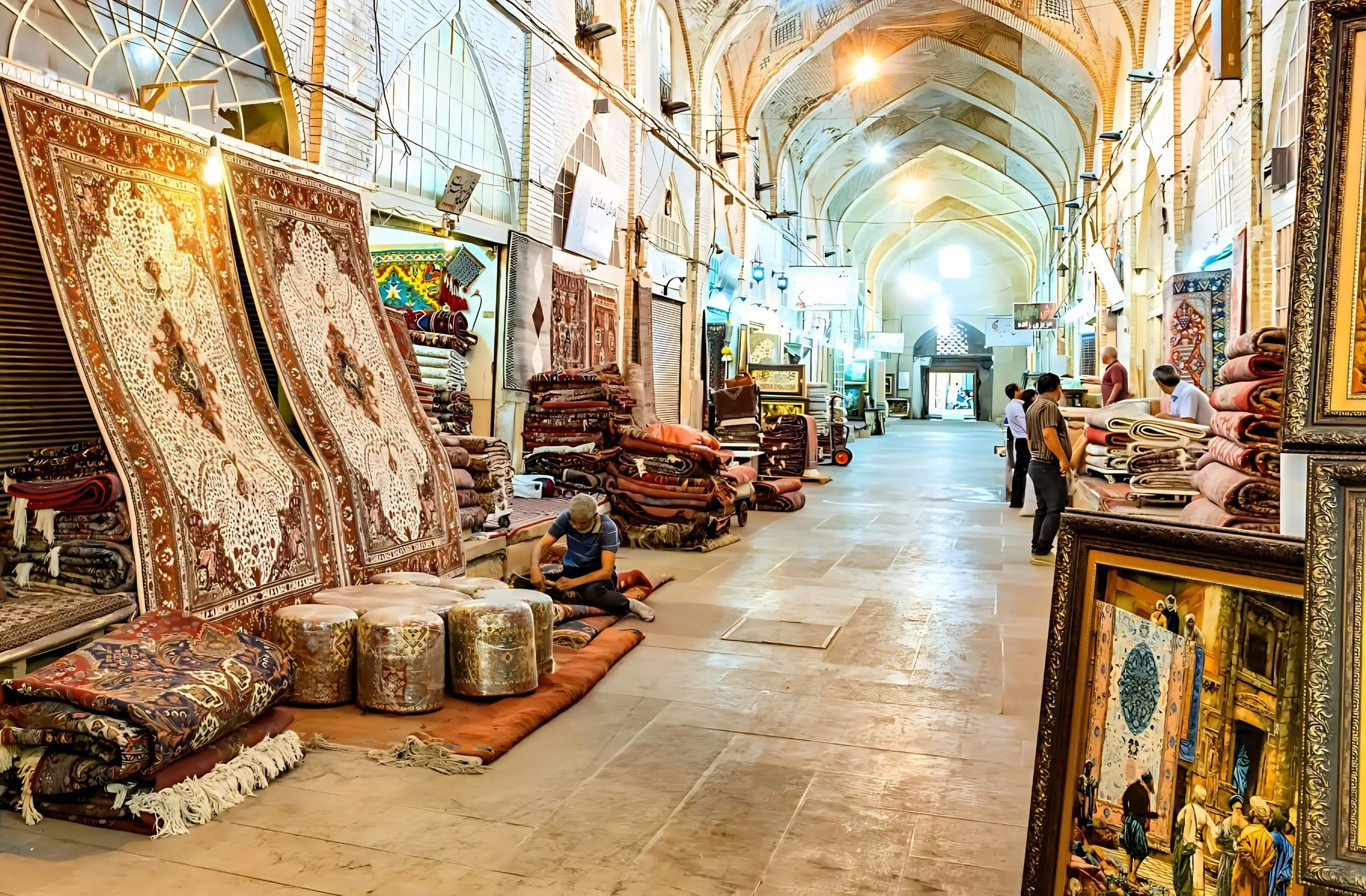
An authentic Oriental rug is far more than a decorative furnishing. Its materials, knotting, provenance and handcrafted details shape its quality, its presence in a room and its long-term value.
This guide gives you a clear overview of what to look for in hand-knotted Oriental rugs – from regional rug-making traditions and knot density to the tell-tale signs of genuine craftsmanship.
Knowing the key characteristics makes it much easier to assess a hand-knotted rug. The material, reverse side, knot structure and subtle signs of genuine handwork are particularly revealing.
An authentic Oriental rug is created knot by knot, making every piece a unique work of craftsmanship.
Wool, cotton and silk influence the feel, sheen, durability and overall character of a rug.
The reverse side reveals a great deal about the knotting, pattern and handcrafted character of a rug.
Small variations in the pattern or knot structure are typical of genuine handwork rather than a flaw.
Oriental rugs differ not only in colour and pattern, but also in provenance. Individual cities and regions have developed their own motifs, material combinations and distinctive knotting traditions.
Some rugs therefore appear particularly fine and elegant, while others feel bolder, more geometric or deliberately rustic. Understanding these differences makes it easier to find a rug style that genuinely suits your home.
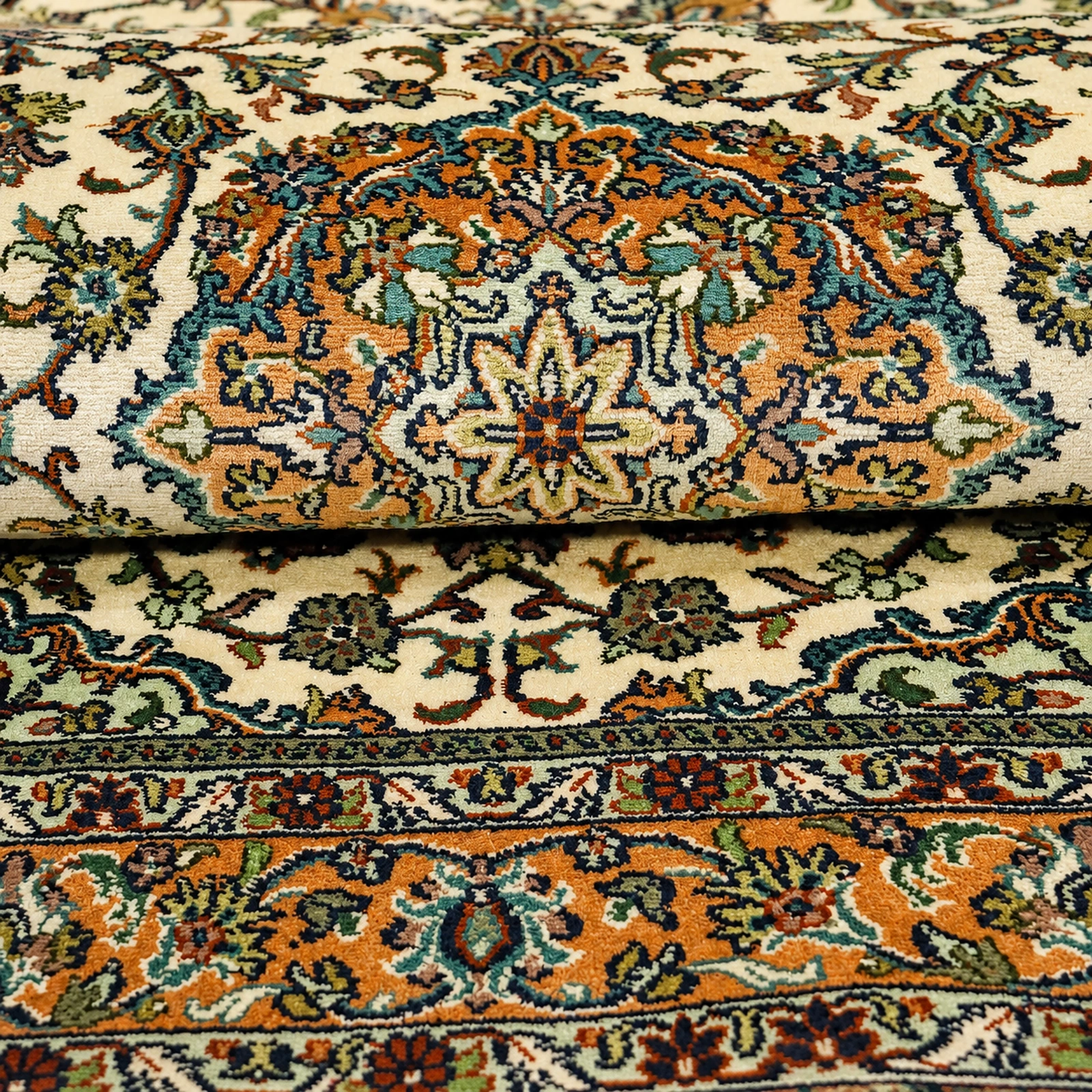
An Oriental rug is more than its visible surface. The pile, warp, weft and fringes together determine its feel, structural stability and suitability for everyday use.
Wool often feels warm and resilient, cotton adds stability to the foundation, and silk can provide exceptional sheen and fine detail depending on the type of rug. It is the interplay of these materials that helps distinguish one rug tradition from another.
Knot density is an important characteristic because it affects how finely a pattern can be rendered. On its own, however, it does not determine the overall quality of a rug.
A very finely knotted Nain or Qom follows a different craft tradition from a more coarsely knotted but highly expressive nomadic or village rug. What matters is whether knot density, materials, design and rug type work together as a coherent whole.
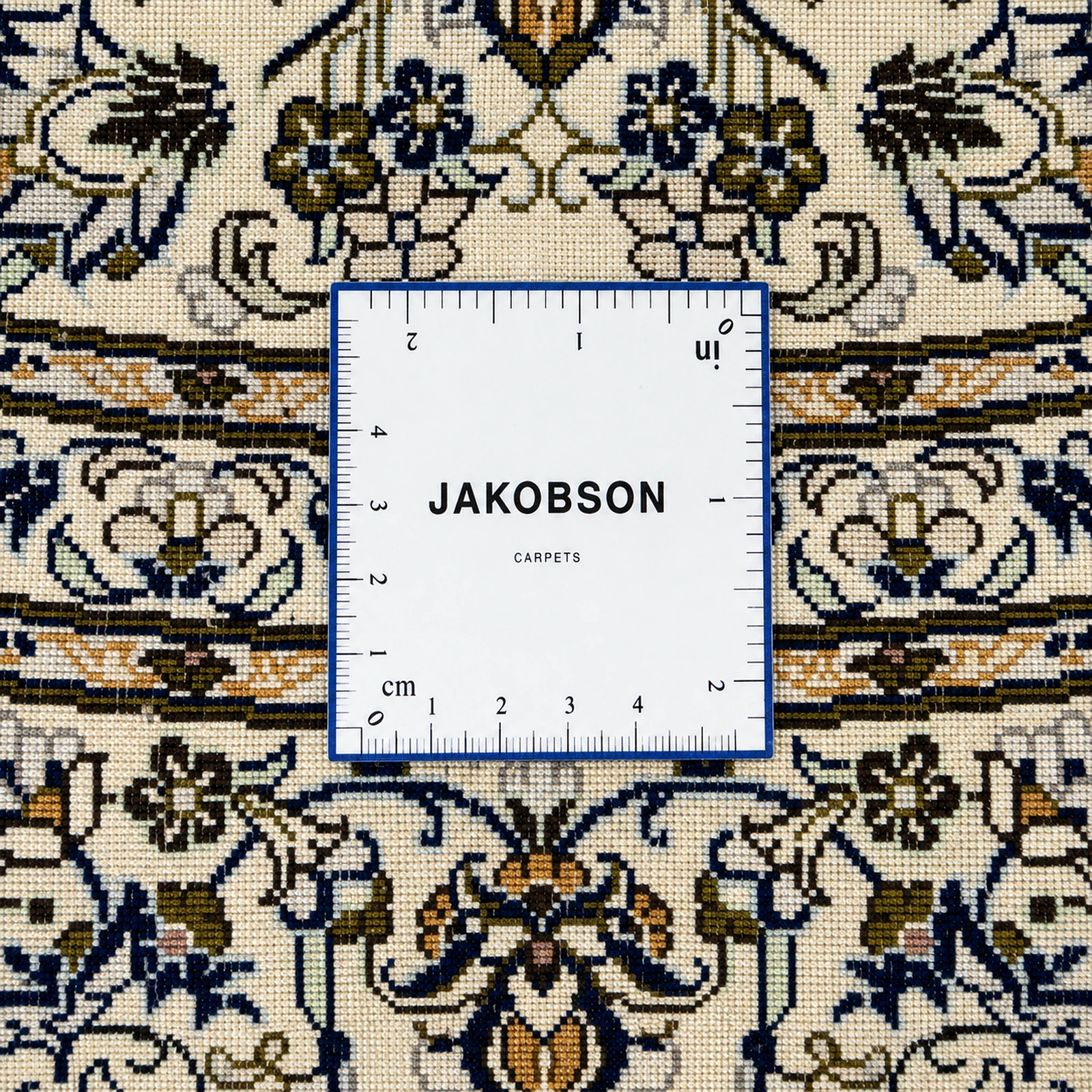
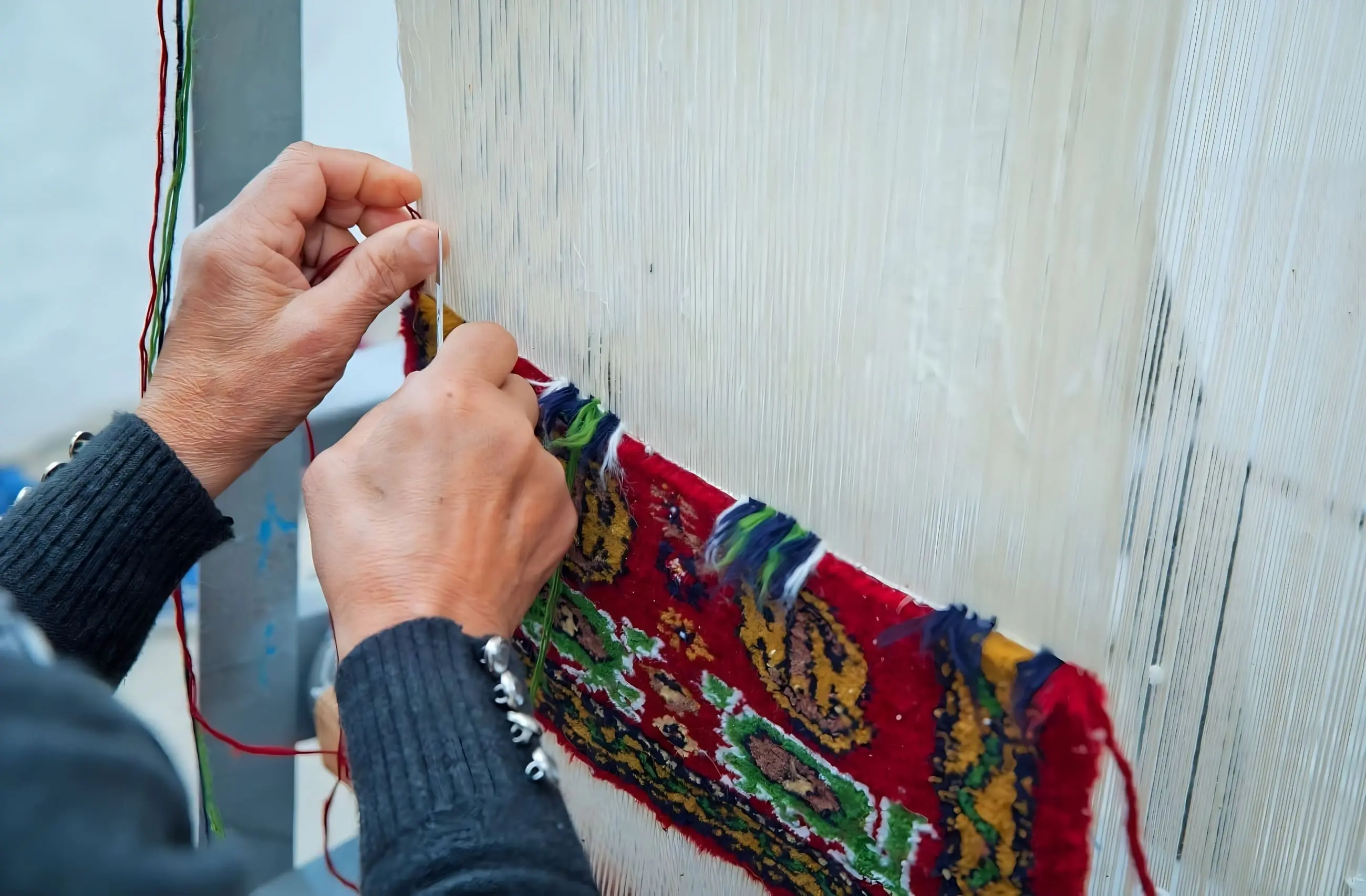
A genuinely hand-knotted Oriental rug reveals its handcrafted origin in many small details. These include the reverse side, the way the fringes form part of the foundation, the knot structure and the natural character of the materials used.
The aim is not to look for perfect symmetry, but to understand the signs of genuine craftsmanship. Small variations, subtle individual details and a lively pattern are precisely what give authentic one-of-a-kind rugs their character.
At Jakobson Carpets, we assess a rug not simply as an attractive design, but as an individual piece of craftsmanship. A reliable evaluation takes provenance, materials, knotting, structure and visible workmanship into account.
Especially when choosing between different rug types or trying to understand the character of a particular piece, this expert assessment can be more useful than any single product specification.
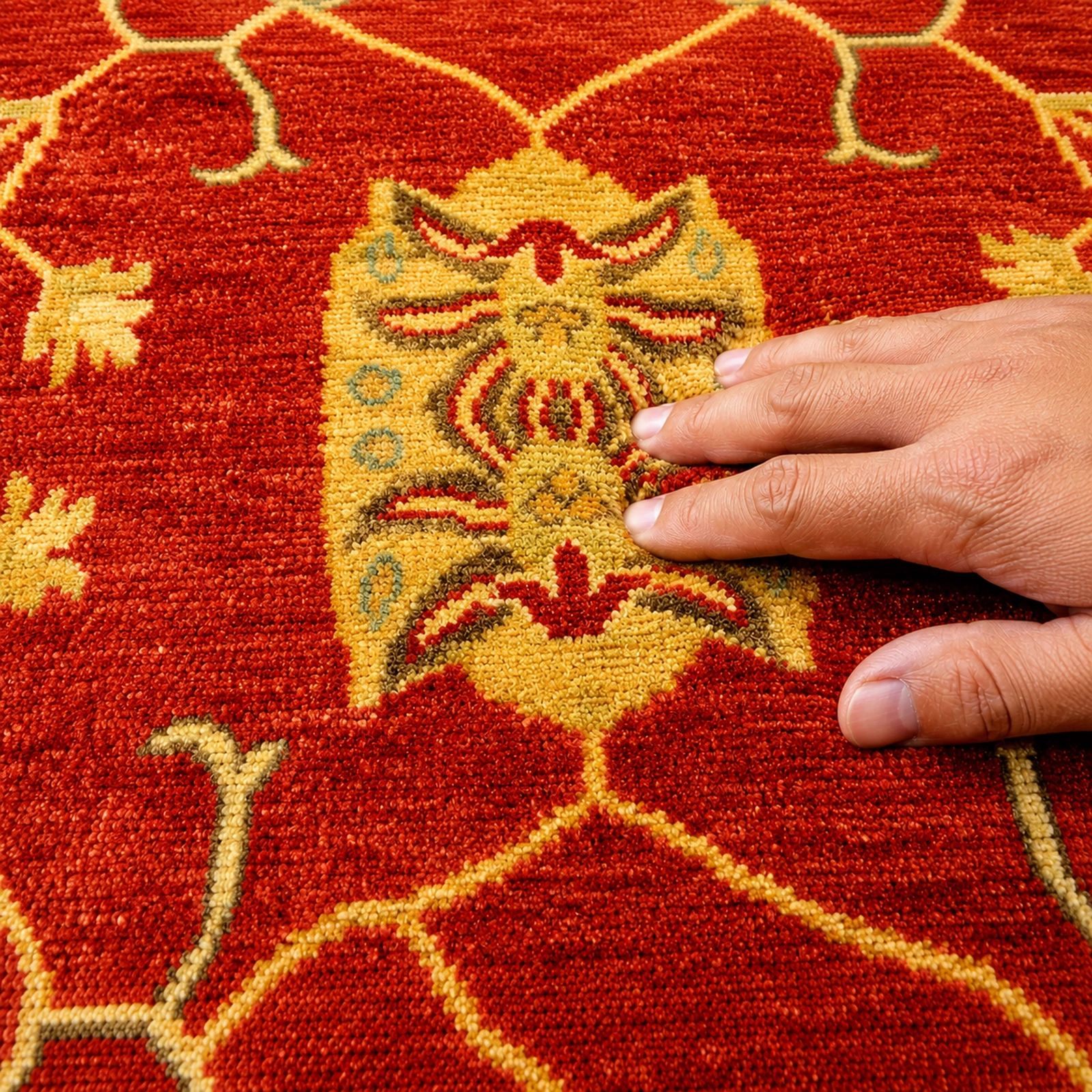
A high-quality Oriental rug is never defined by a single characteristic. It is the combination of materials, knotting, design and workmanship that creates a convincing overall result.
It indicates how finely a pattern can technically be rendered, but should always be considered in the context of the rug type and style.
Wool, cotton and silk influence the feel, sheen, durability and everyday character of a rug.
The reverse side and the construction of the fringes provide useful clues about how the rug was made and its handcrafted structure.
Precision, proportions, edges and the overall balance of the design reveal how carefully a rug has been made.
Concise answers to the most important questions about authenticity, quality and choosing the right rug.
An authentic Oriental rug is generally hand-knotted and characterised by natural materials, a recognisable knot structure and design features associated with its regional tradition.
Persian rugs are part of the wider family of Oriental rugs. The term Oriental rug is broader and also includes rugs from other countries and rug-making regions.
No. A high knot density can allow finer patterns, but it is only one characteristic. Materials, workmanship, rug type and the overall quality of the craftsmanship are equally important.
On a hand-knotted rug, the pattern is usually visible on the reverse as well. The structure also tends to appear more natural and individual than on a machine-made rug.
Small variations are normal in genuine handwork. They are not a sign of inferior quality, but often a natural result of manual production.
Materials affect feel, sheen, durability and care. Wool is often more robust, while silk can allow exceptionally fine detail and an elegant surface.
On hand-knotted rugs, the fringes normally form part of the warp and therefore the rug’s actual construction. This distinguishes them from many machine-made rugs.
A certificate of authenticity documents key characteristics such as provenance, materials, knotting technique and dimensions, providing a clear record of the individual rug.
Our team can help you understand a rug’s materials, knotting and provenance. Tell us what kind of rug you are looking for and we will show you suitable one-of-a-kind pieces and explain what matters when making your choice.