




-320.webp)
-320.webp)
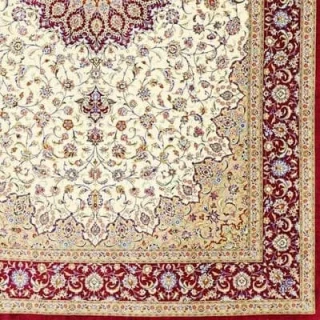
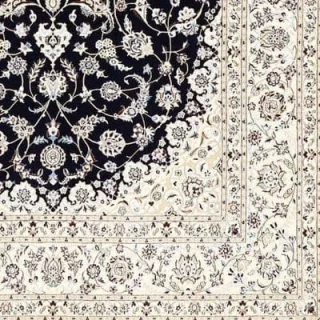
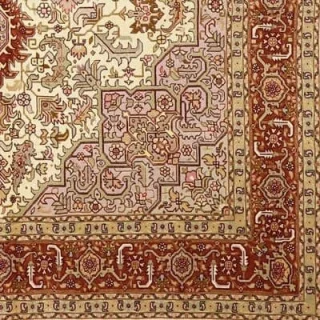
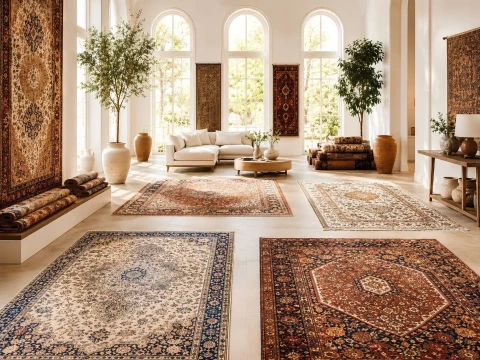
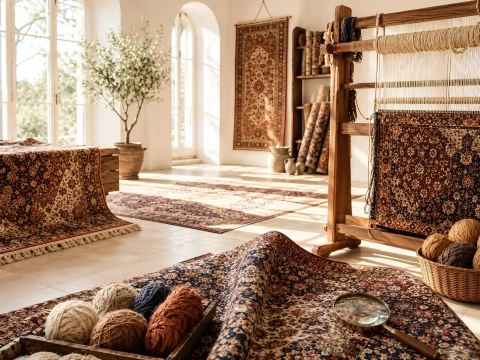
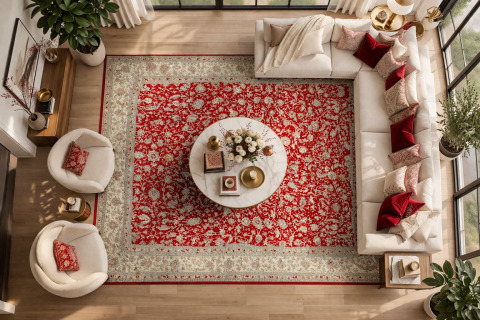
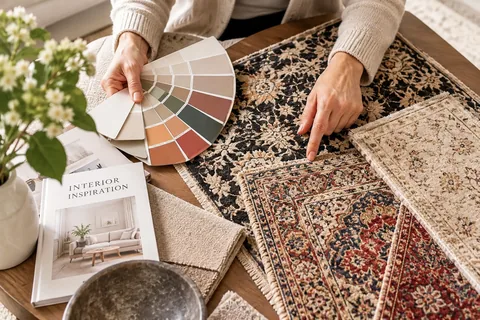
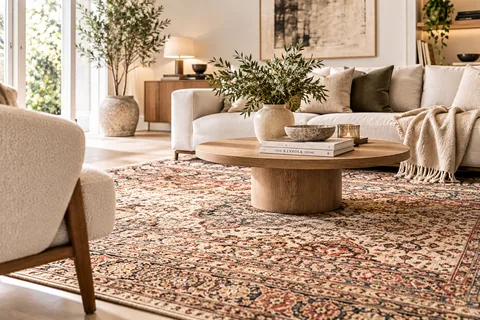
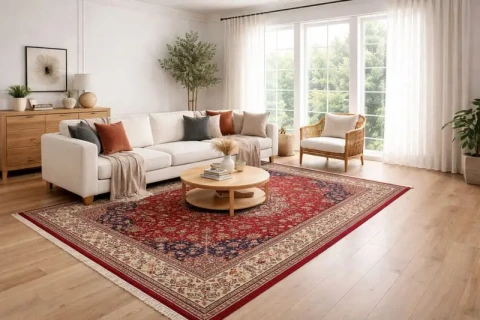
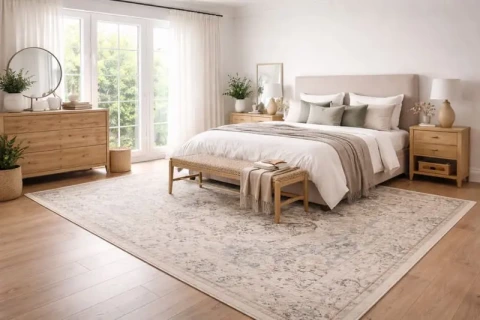
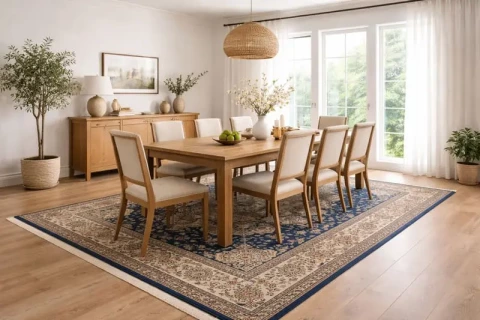
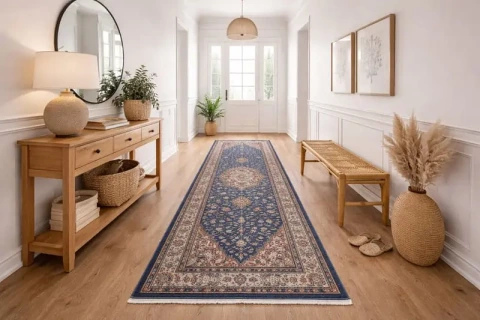
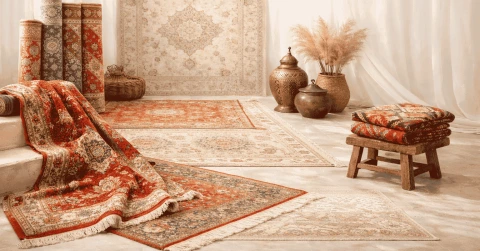
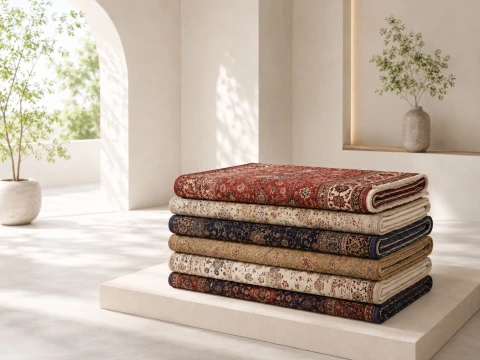

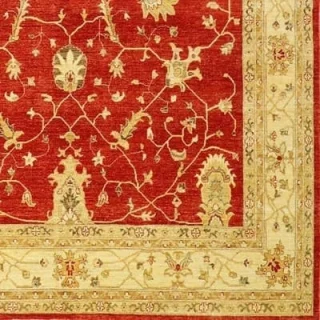
Refined and distinguished
For an elegant, intricate and refined interior.
 Free shipping & returns
 31-day return policy
Free shipping & returns
31-day return policy
Free shipping & returns
31-day return policy
Free shipping & returns
31-day return policy
Free Shipping & Returns
31-Day Returns
31-day return policy
Free shipping & returns
31-day return policy
Free shipping & returns
31-day return policy
Free shipping & returns
31-day return policy
Free Shipping & Returns
31-Day Returns
Provenance names tell the story of cities, regions and long-established rug-making traditions. They offer an initial indication of craftsmanship, materials and visual character – but they never replace a close look at the individual piece.
This guide helps you understand twelve well-known provenances and quickly identify the rug tradition that best suits your home and personal style.
A rug tradition shaped by history
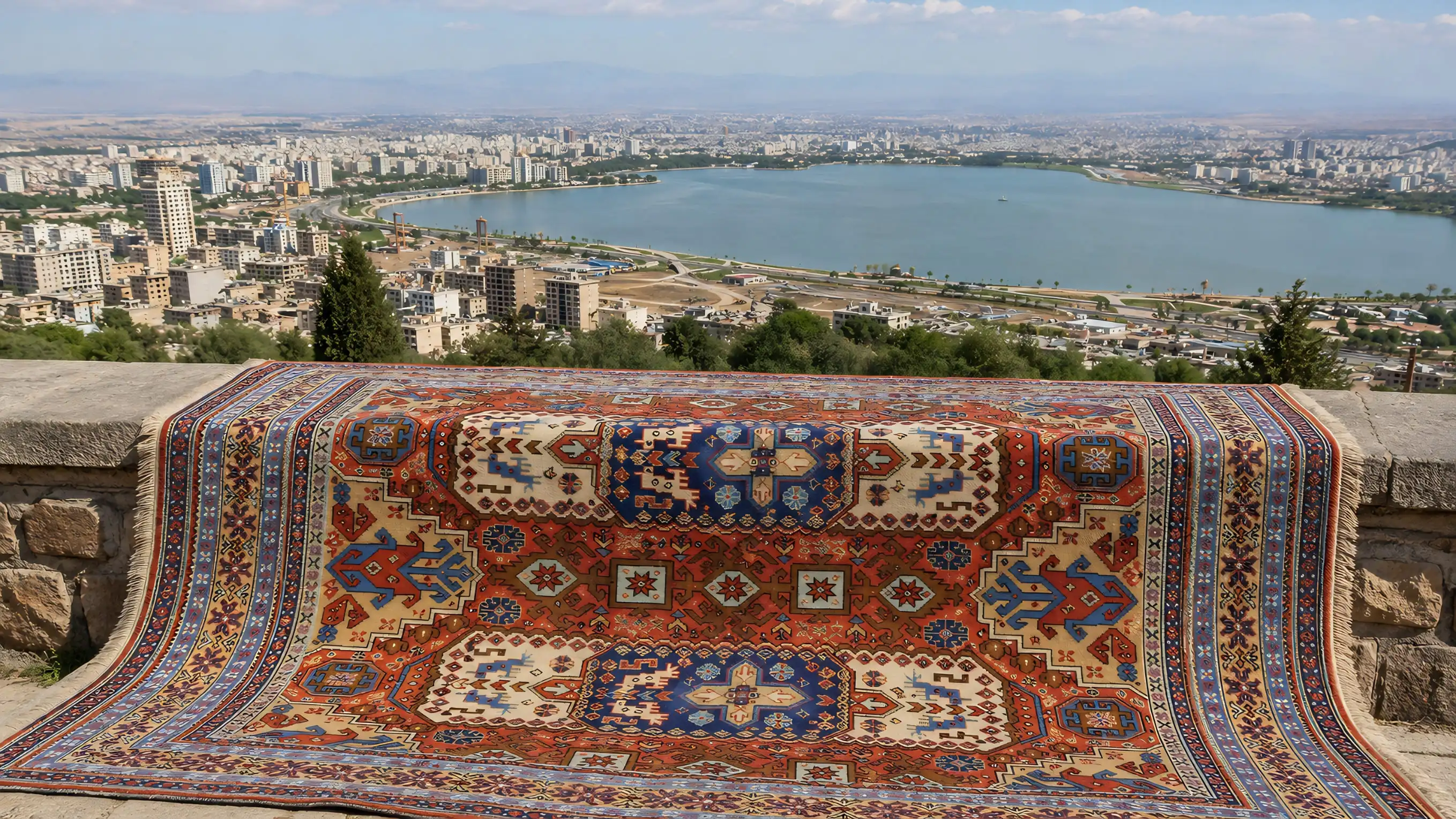
Ardabil lies in northwestern Iran and for centuries was connected to important trade routes and cultural developments. This long history continues to shape the region’s reputation as a centre of Persian craftsmanship and rug-making tradition.
Ardabil is a useful point of reference for those looking for classic Persian character with a sense of history. The individual rug remains decisive, however, with its particular knotting, colour palette and finish.
Shaped by the Silk Road
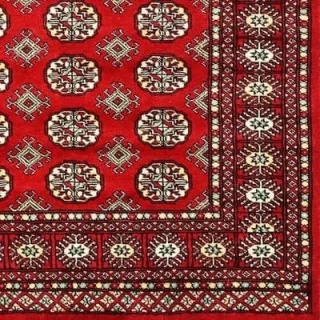
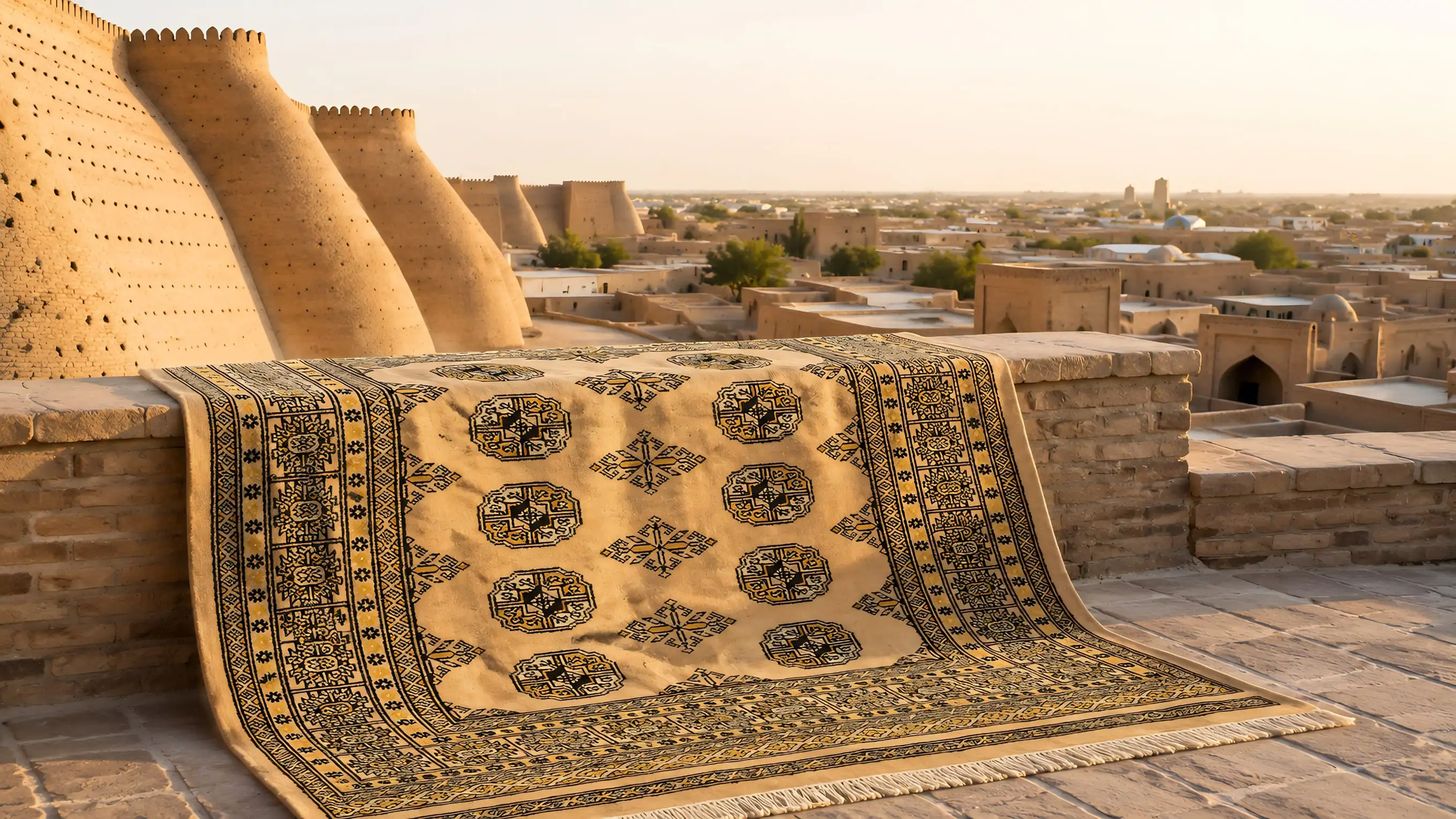
Bukhara is one of Central Asia’s most important historic cities. As a trading centre on the Silk Road, it connected people, goods, knowledge and different craft traditions for centuries.
The provenance therefore carries a particularly rich cultural and historical association. Bukhara rugs appeal to those who value a clear, timeless look and a connection to Central Asian rug-making history.
Renowned centre for silk rugs
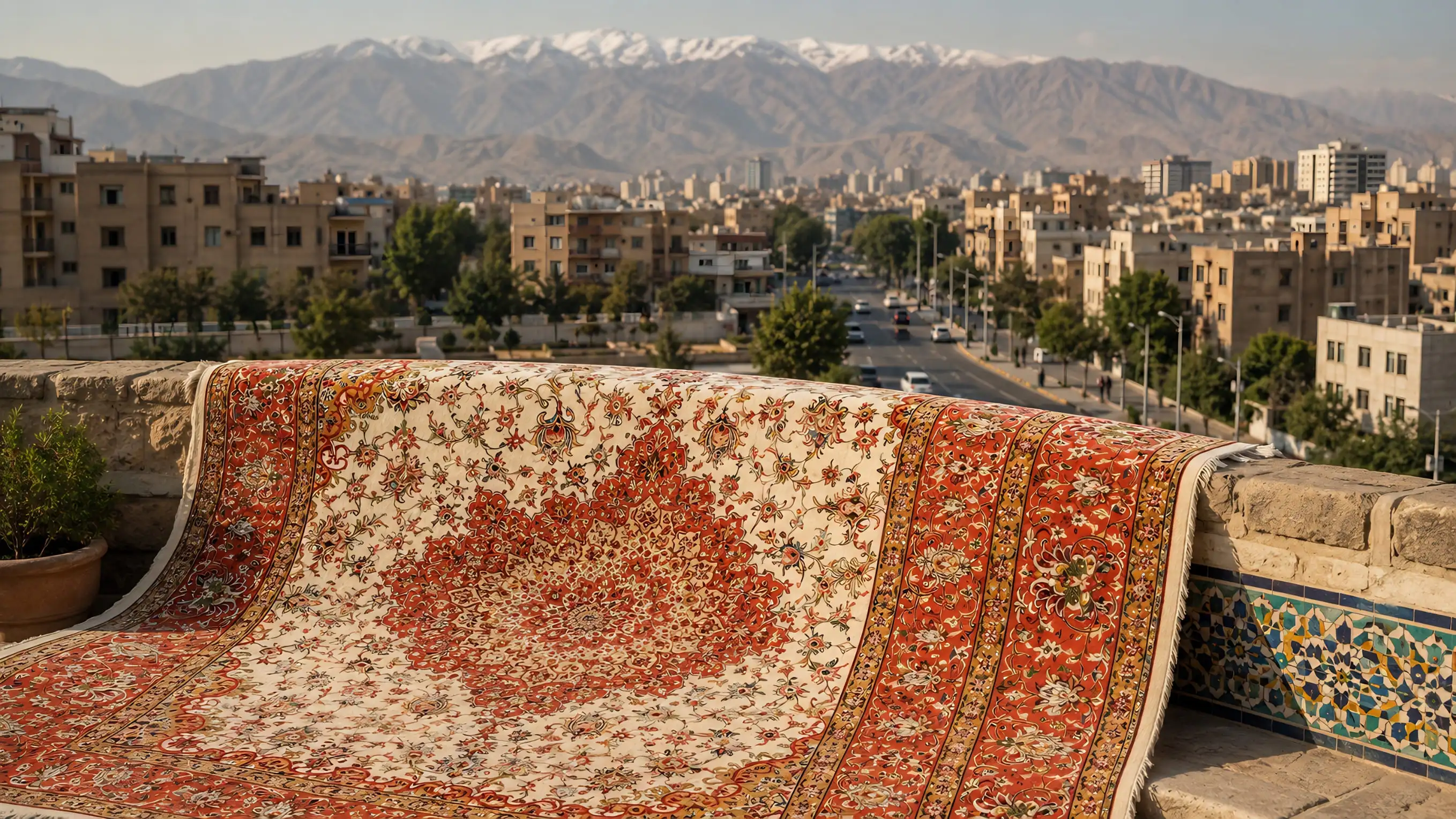
Qom, also known as Ghom, is one of Iran’s well-known rug-making centres. The city is particularly associated with fine hand-knotted rugs and high-quality silk craftsmanship.
This provenance is a useful guide for those seeking an especially fine, intricate and distinguished one-of-a-kind piece. With Qom rugs, the material, knot density and precision of the craftsmanship all play a central role.
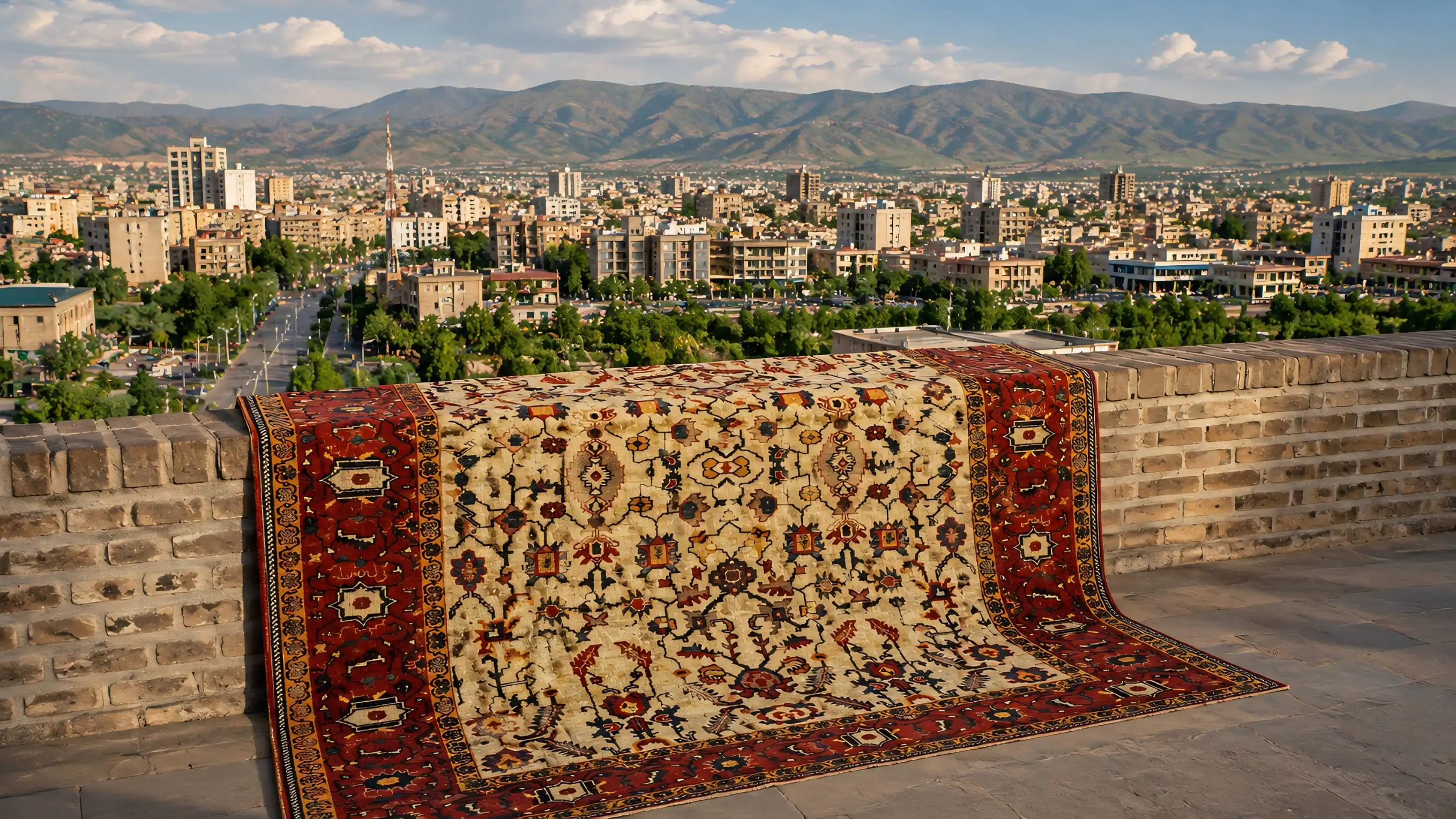
Craftsmanship between Iran and Central Asia
Quchan lies in northeastern Iran and historically served as a link between Iran, Central Asia and the Caucasus. Trade, agriculture and regional craftsmanship all helped shape the city’s cultural development.
Quchan rugs appeal to those who prefer a lively, distinctive character and a clearly recognisable connection to regional handcraftsmanship.
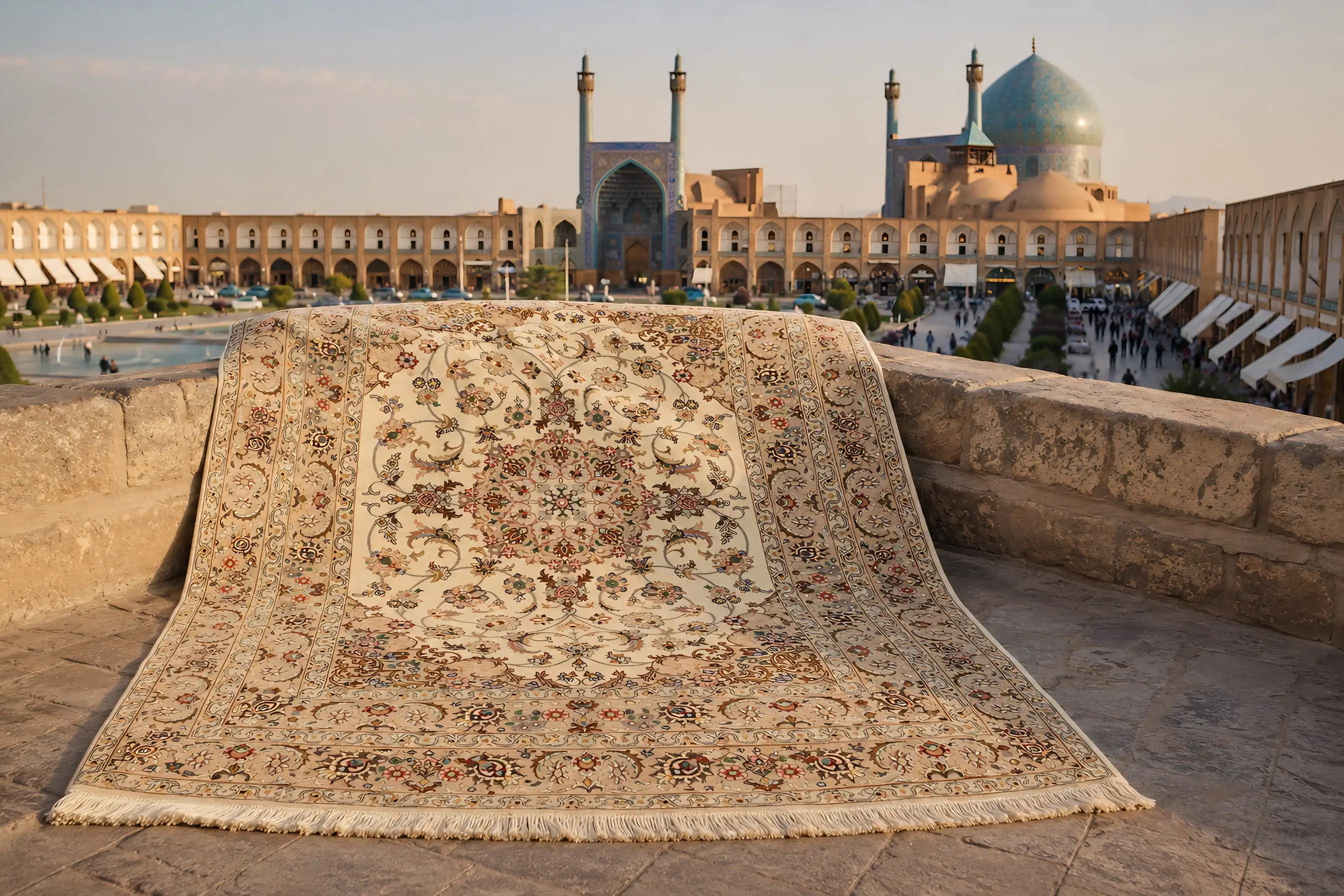
Persian city of art and royal heritage
Isfahan is one of Iran’s great cultural cities. Its palaces, squares, bridges and ornate architecture reflect a long-standing connection between craftsmanship, design and the refined culture of Persia.
Rugs from this provenance are especially valued by those looking for an elegant, refined presence and exceptionally careful craftsmanship. The harmonious interplay of wool, silk details and finely drawn ornament is often central to their appeal.
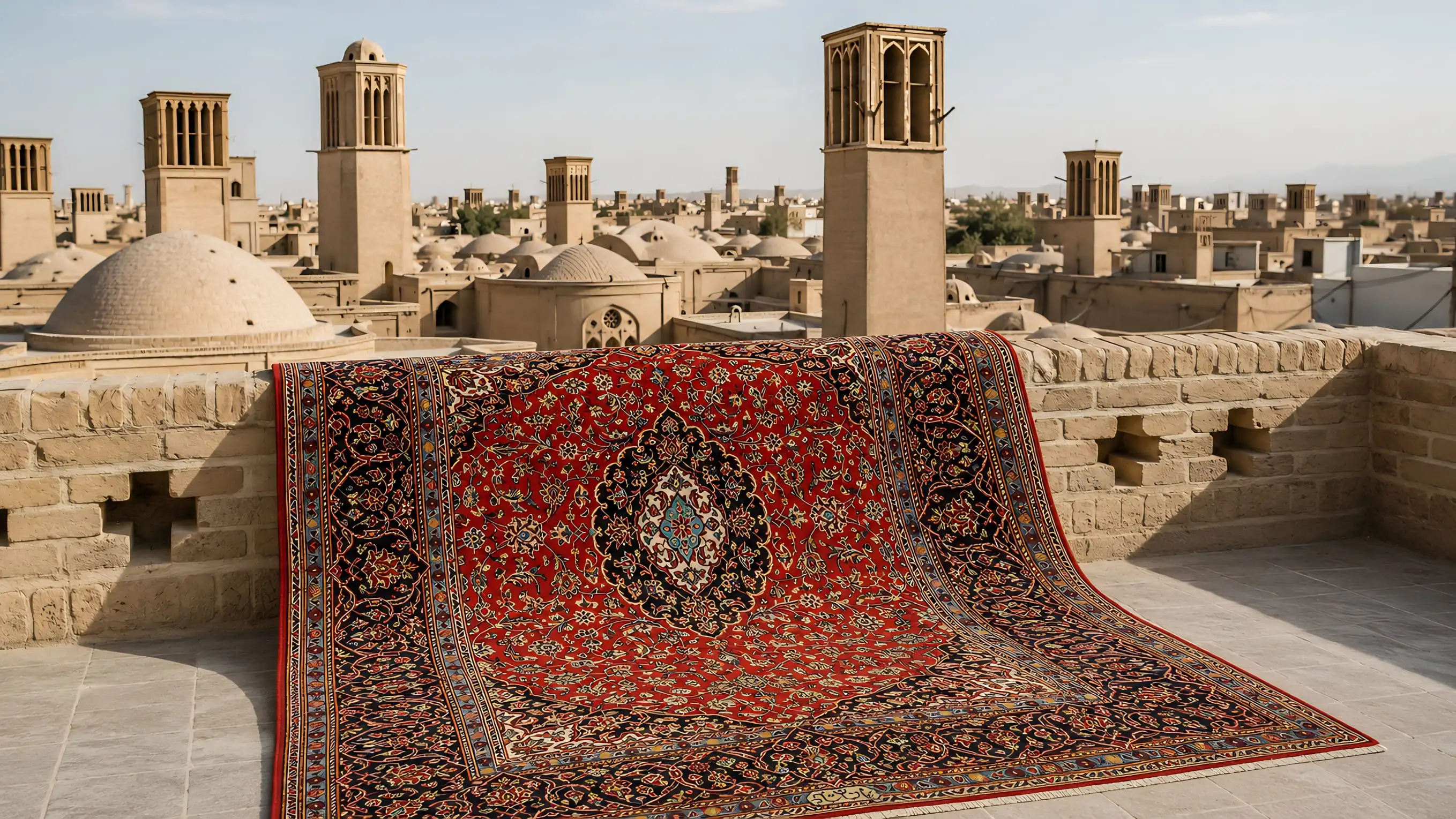
Traditional centre of textile art
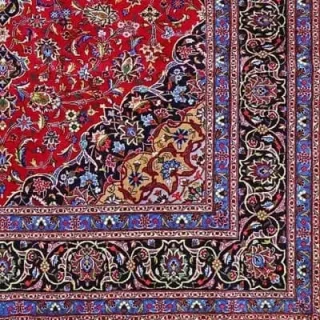
Kashan has a long history as a centre of trade and craftsmanship. The region is particularly associated with textile art, ceramics and a design tradition passed down through generations.
Kashan is a helpful point of reference for those seeking a classic Persian rug with a strong decorative presence. The provenance combines historic craftsmanship with an inviting yet distinguished character.
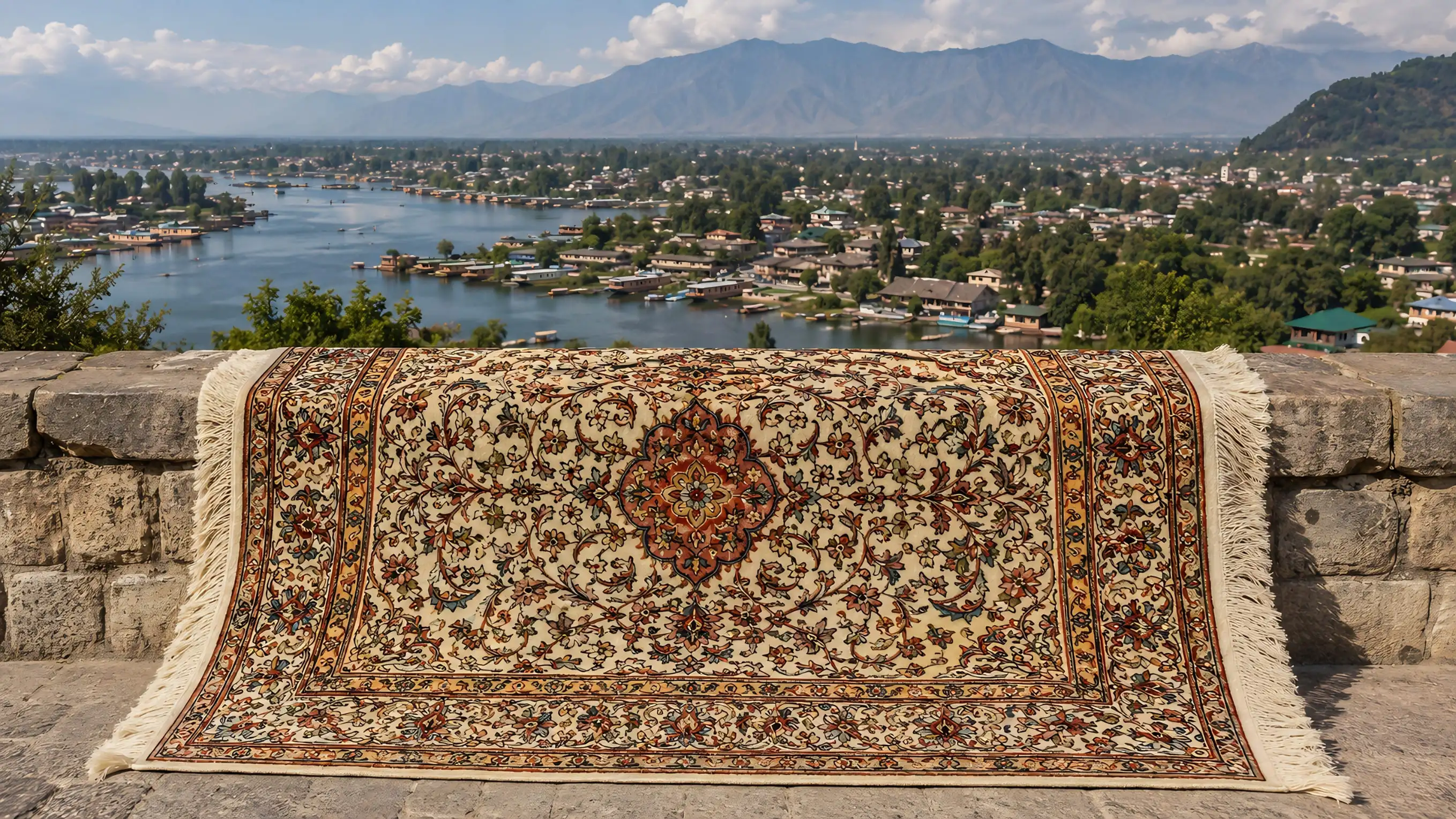
Fine silk and pashmina tradition
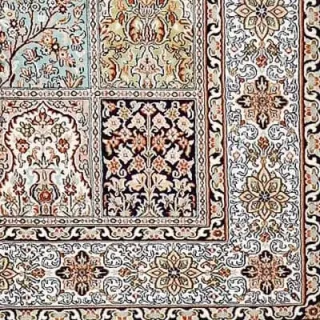
Kashmir is a culturally diverse region in the north of the Indian subcontinent. Over the centuries, it developed into an important centre for art, literature and especially fine forms of textile craftsmanship.
Kashmir silk appeals to those who prefer a smooth, subtly lustrous surface and an intricate, luxurious appearance. The name refers to the rug-making tradition; in our pieces, the pile is silk and the warp is cotton.
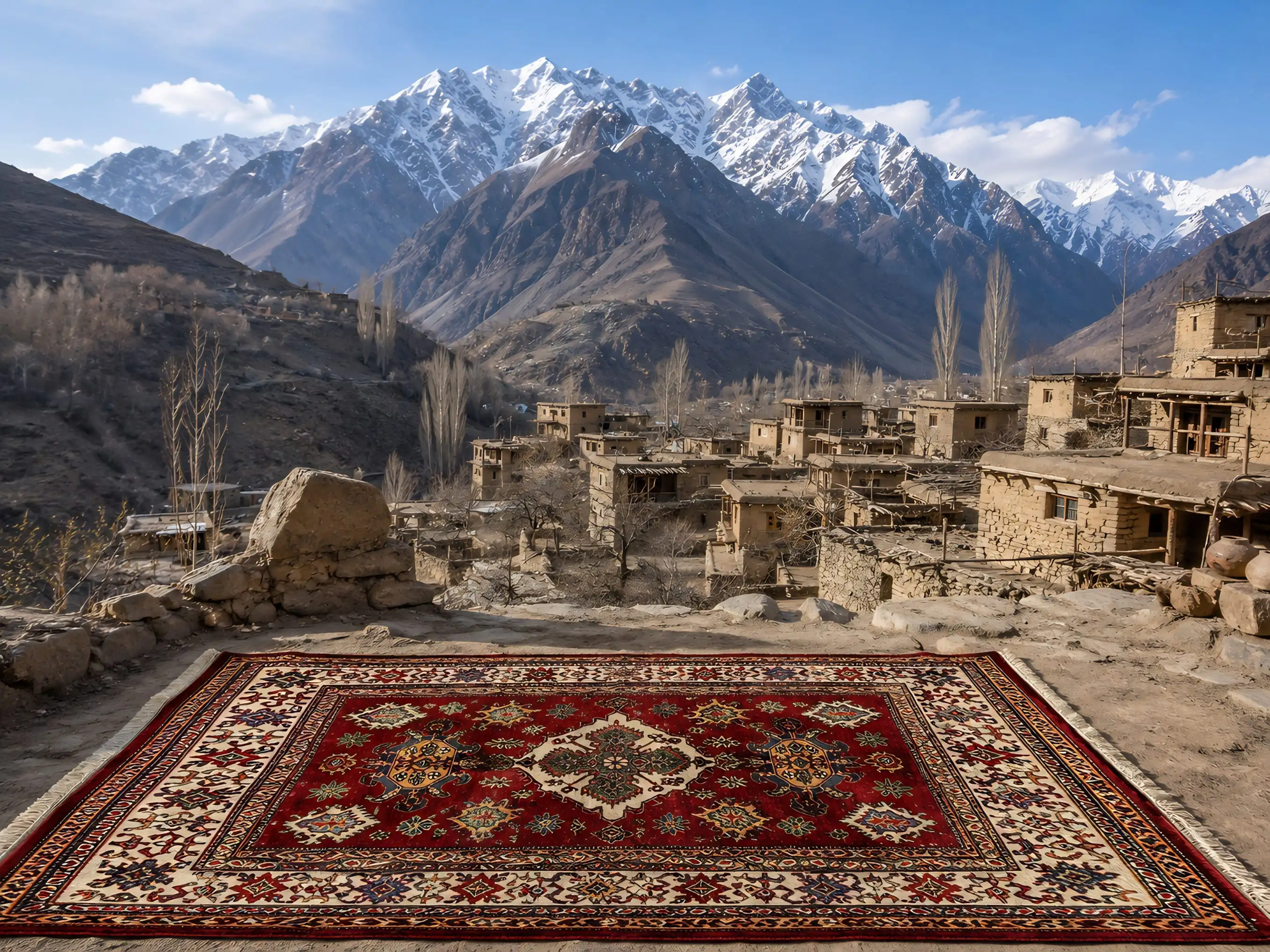
A bold geometric tradition
Kazak refers to a rug tradition associated with the Caucasus and Central Asian influences. Nomadic ways of life and cultural exchange along historic trade routes helped shape its development.
Its character is bold, clear and geometric. Kazak rugs are particularly appealing to those looking for an expressive piece with an authentic feel and a strong pattern presence.
Lightweight rugs with nomadic roots
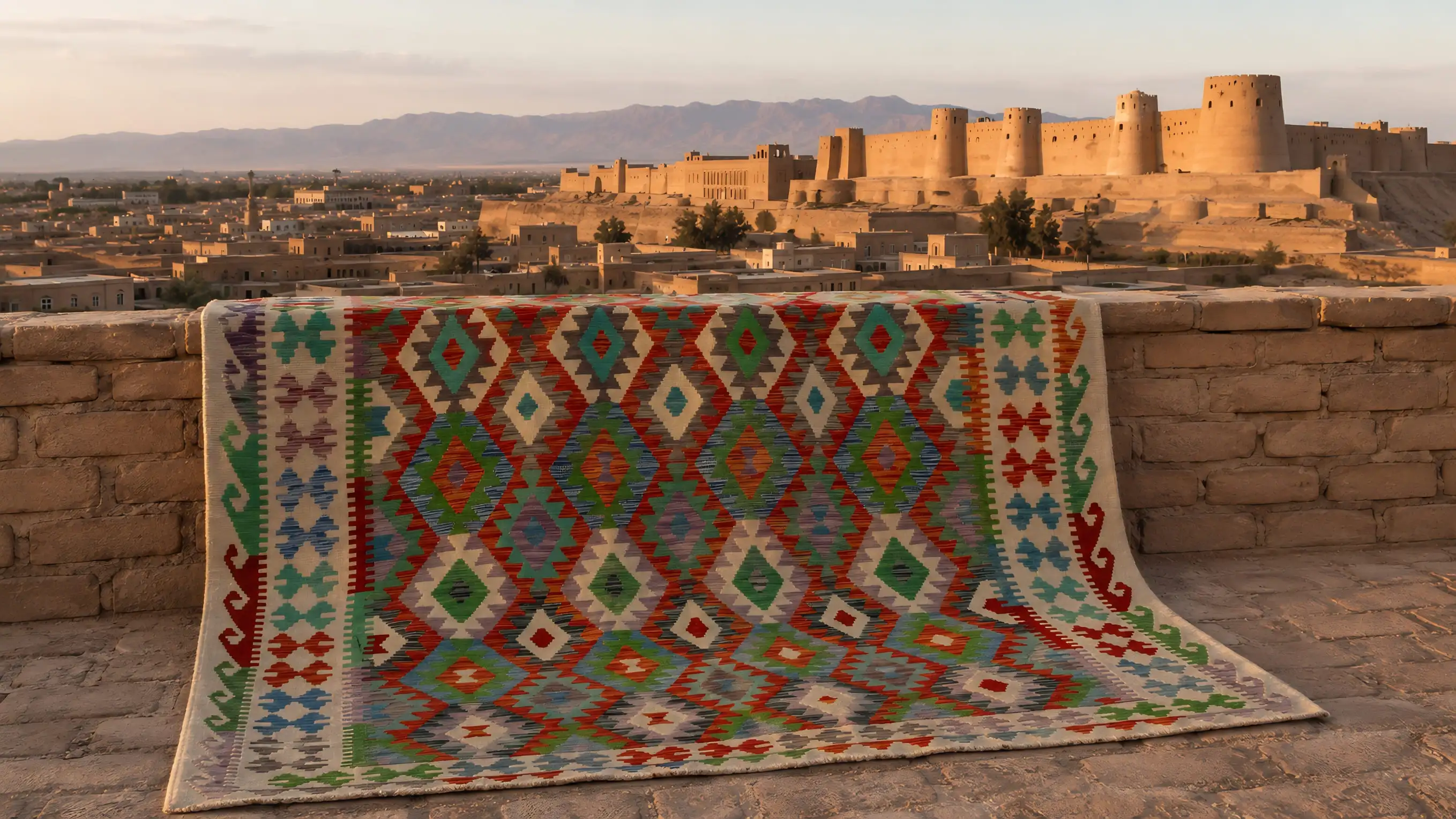
Afghan kilims are closely connected to nomadic and regional craft traditions. Unlike knotted rugs, they are woven as flatweaves, giving them a lighter and more immediate character.
Afghan kilims suit those looking for a graphic, easy-going rug with a strong sense of tradition. Their flat structure makes them highly versatile, while each weave displays its own individual craftsmanship.
Fine knotting and understated elegance
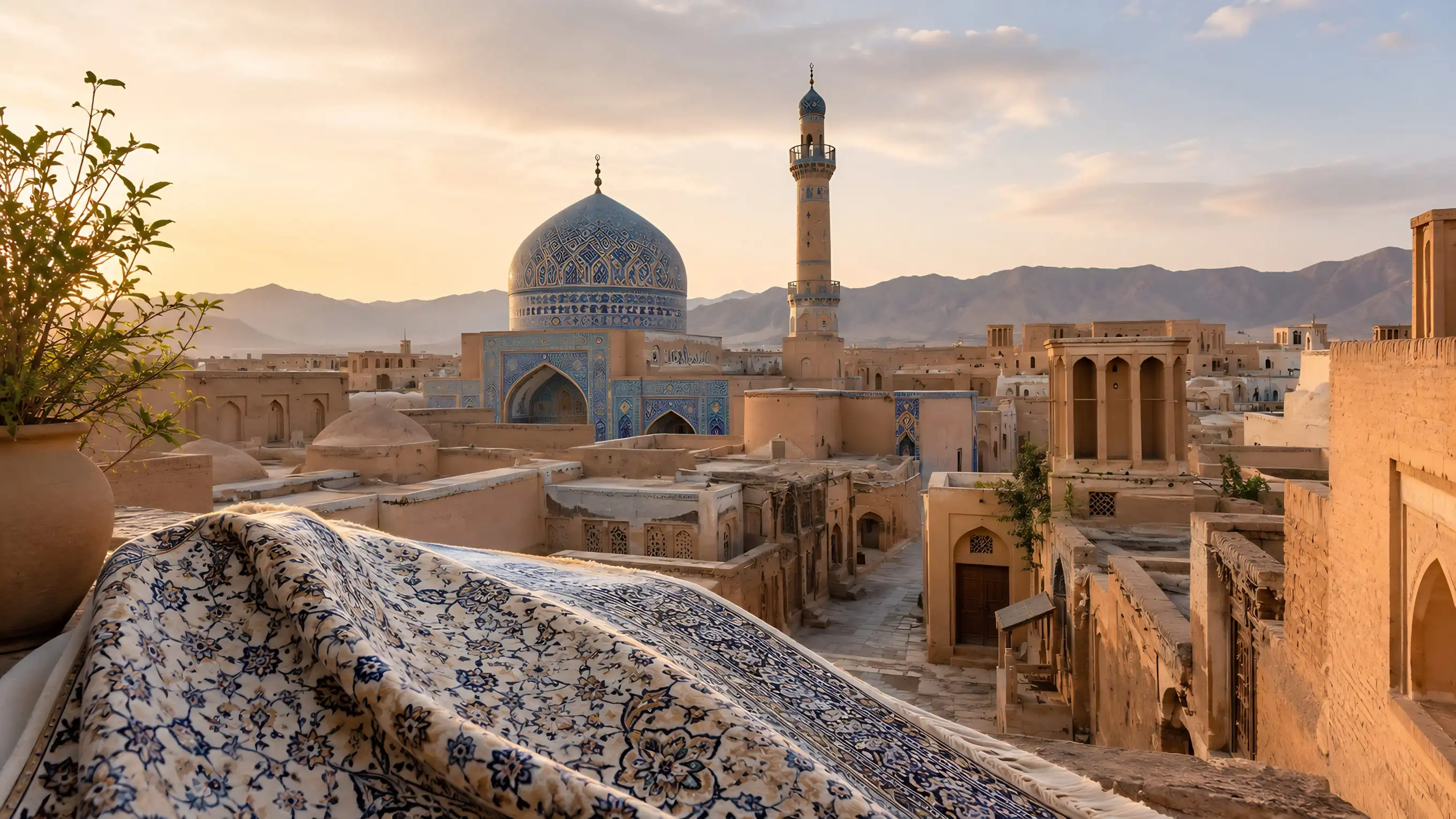
Nain lies in central Iran and is now especially renowned for high-quality, finely knotted rugs. The city combines a long textile tradition with a strong commitment to precise craftsmanship.
Nain rugs are well suited to those seeking a calm, balanced and elegant presence. Fine knotting and carefully structured designs make this provenance particularly versatile in classic interiors.
Versatile rug art shaped by historic trade routes
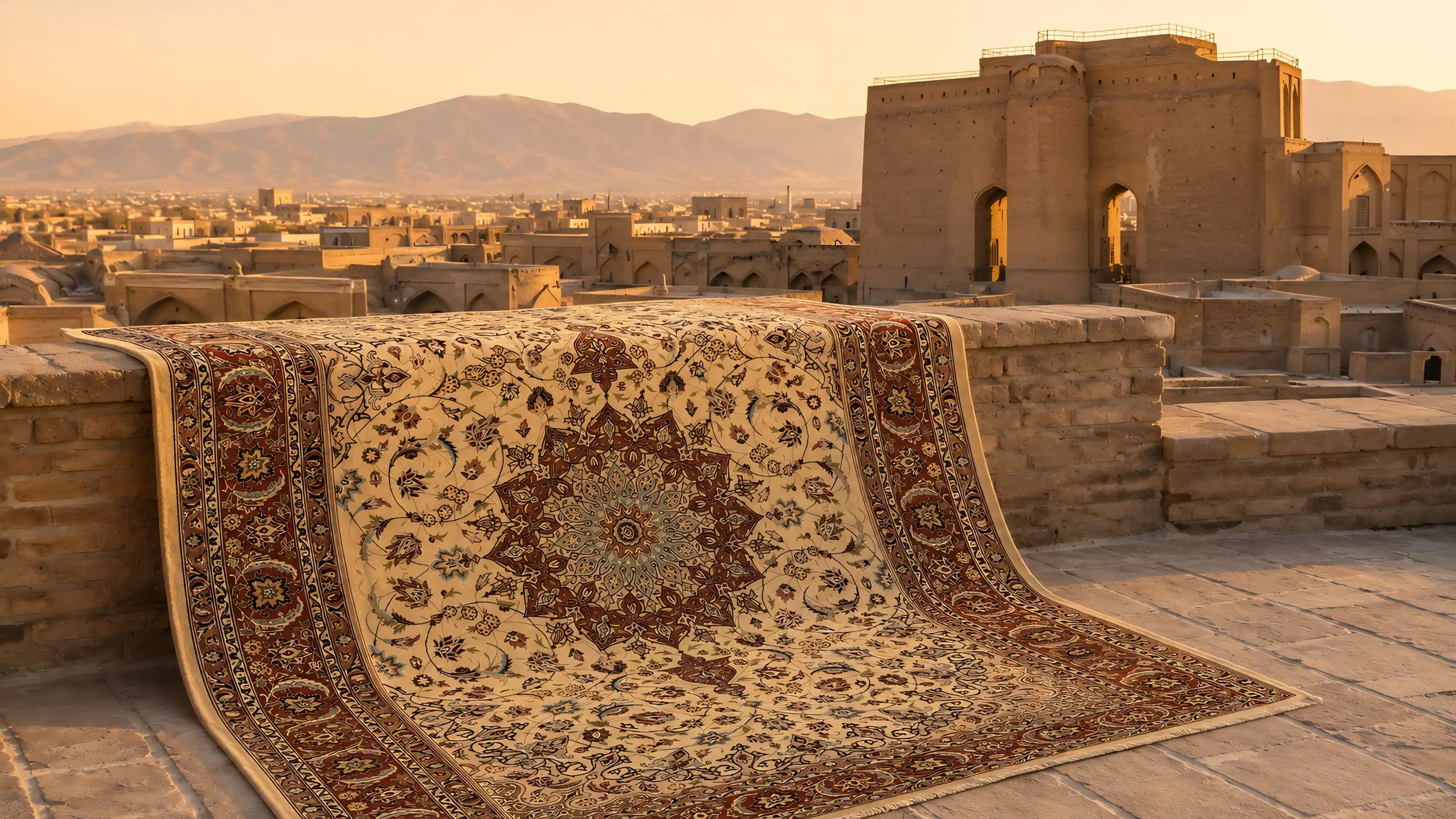
Tabriz was an important trading hub between East and West for many centuries. Different cultural and craft influences made the city one of the most versatile centres of Persian rug-making.
This provenance is particularly interesting for those who value classic rug-making with a broad range of designs. Depending on the individual piece, Tabriz rugs can appear understated, distinguished or exceptionally intricate.
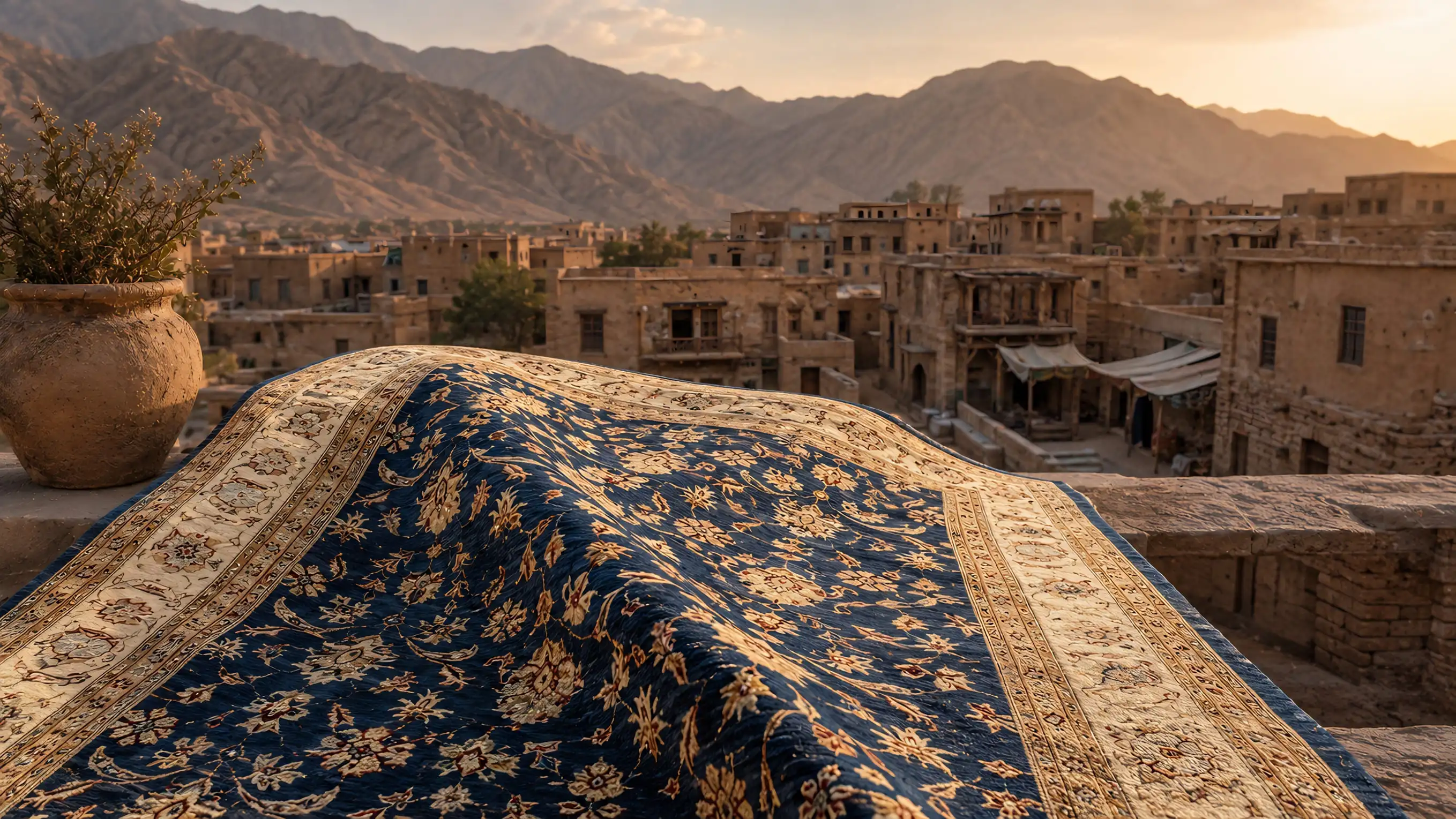
Oriental craftsmanship for European interiors
The Ziegler tradition emerged in the late 19th century from the combination of Oriental rug-making craftsmanship and designs created for the European market. Today, Ziegler rugs are hand-knotted primarily in Afghanistan and Pakistan.
Muted colours, classic patterns and a soft patina make Ziegler rugs especially inviting modern classics. They are ideal for those who want to integrate Oriental craftsmanship into a calm, contemporary interior.
This overview is deliberately simplified and intended as an initial guide. Colour, pattern, material and the individual rug remain just as important when making your choice.
For an elegant, intricate and refined interior.
For those who value historic craftsmanship and a traditional character.
For a clear, graphic or especially distinctive presence.
For harmonious interiors and a subtle blend of Oriental tradition and contemporary design.
Key guidance for understanding provenance names, rug traditions and choosing the right piece.
Provenance refers to the origin or historic rug-making tradition to which a rug is attributed. The name may refer to a city, a region or an established tradition of design and manufacture.
Not always. Some names refer very directly to a city or region, while others now describe a recognised rug-making tradition more broadly. Ziegler, for example, is a historic design and production tradition whose rugs today are made primarily in Afghanistan and Pakistan.
Qom, Isfahan, Nain and Kashmir are often associated with fine craftsmanship and an elegant appearance. The material, knot density, condition and execution of the individual rug nevertheless remain decisive.
Ziegler rugs are particularly easy to integrate thanks to their often muted, inviting character. A restrained Nain or a graphic kilim can also create a clear accent in a modern interior.
Persian rugs originate in Iran or belong to Iranian rug-making traditions. The term Oriental rug is broader and also includes rugs from other regions such as Afghanistan, Pakistan, India and Central Asia.
Provenance is a valuable guide, but it should not be the only criterion. Size, colours, pattern, material, intended use and the atmosphere you want to create in the room are also important.
Not every provenance can be judged by its name alone. Tell us which colours, patterns and atmosphere you are looking for – we will show you suitable provenances and selected one-of-a-kind rugs from our collection.