







-320.webp)
-320.webp)

Tips for buying a rug – choosing the right size, material, colour and style
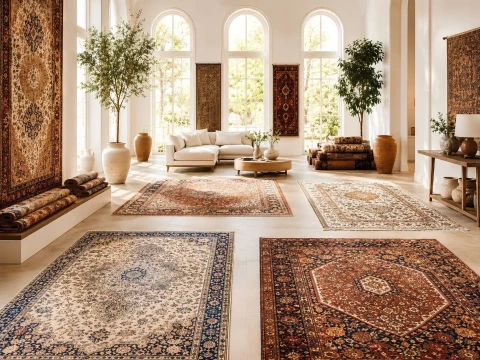
A rug gives a room warmth, structure and character. Oriental rugs, Persian rugs and high-quality carpets in particular have been valued for centuries as stylish home accessories that impress with their patterns, colours and craftsmanship.
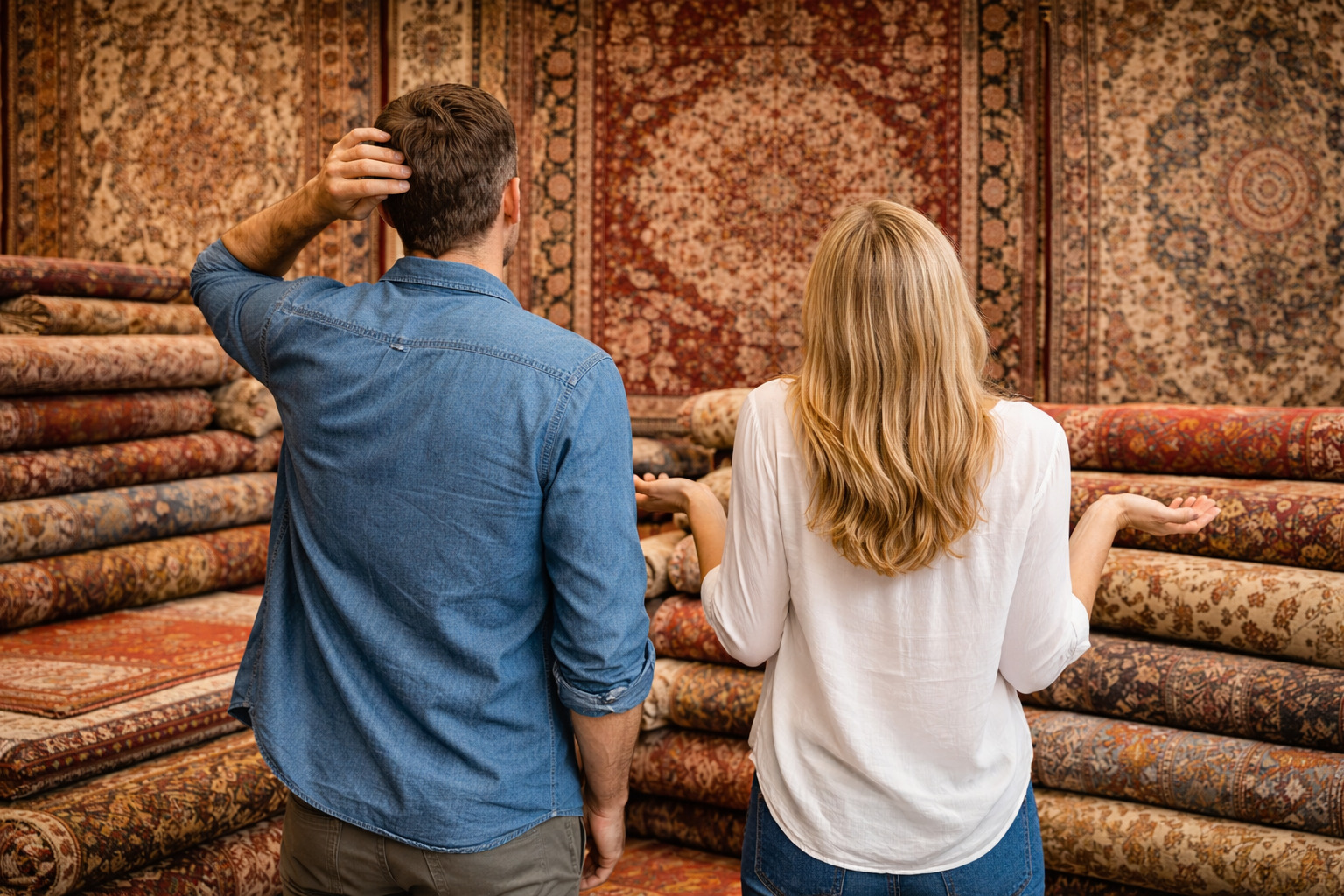
What you should consider when buying a rug
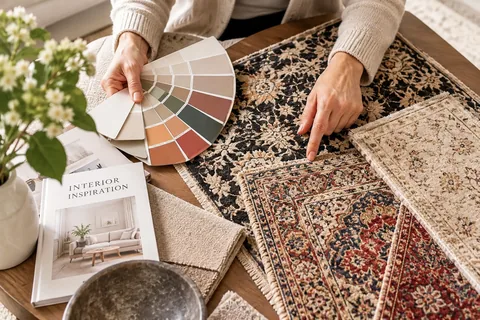
Before buying a rug, it is worth considering a few important aspects. The right size, suitable material, colour and pattern should be chosen carefully so that the rug fits the room and the interior perfectly.
The way the room is used also matters. In high-traffic areas, robust and easy-care rugs make sense, while especially fine and decorative pieces can find their place in living rooms or bedrooms.
.jpg)
Materials in oriental rugs: wool, silk and cotton
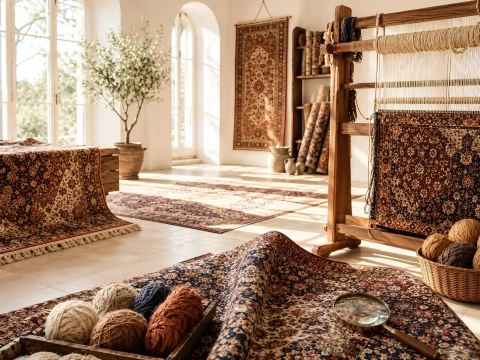
The choice of material plays a central role in the quality and longevity of a rug. Traditional oriental rugs are usually made from natural materials valued for their robustness, pleasant feel and natural appearance.
Wool is the most commonly used material in hand-knotted rugs. It is hard-wearing, dirt-repellent and creates a warm, soft surface. Many classic Persian rugs are made from high-quality virgin wool.
Silk is often used for especially fine rugs. It gives the rug an elegant sheen and allows very detailed patterns. Cotton is often used as a stable foundation and provides additional stability.
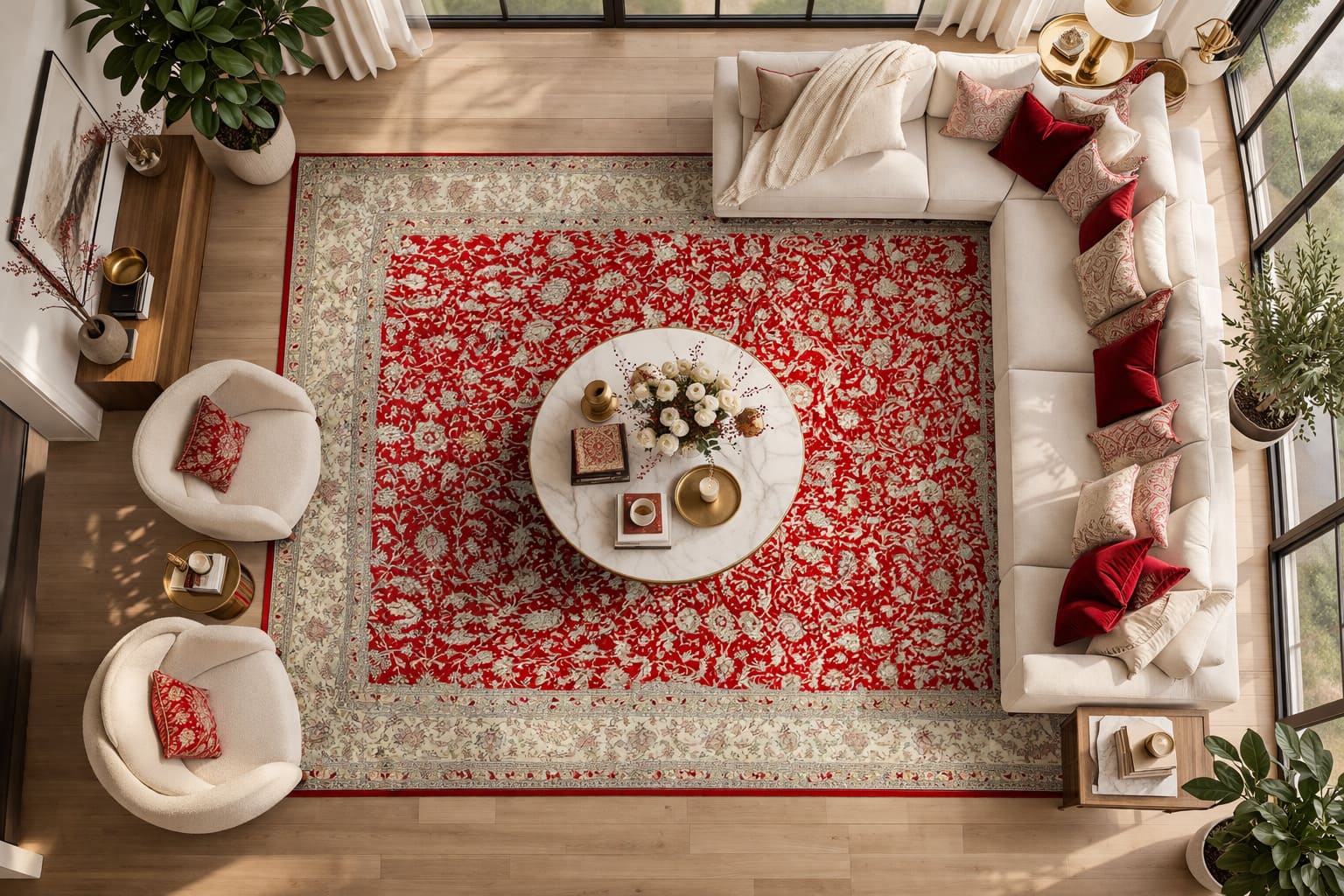
Consider style and décor when buying a rug
When choosing a rug, the interior style of the room plays an important role. A rug should blend harmoniously with the existing décor and underline the character of the room. Whether modern, classic, rustic or Scandinavian – the right rug can significantly enhance the overall look of a living space.
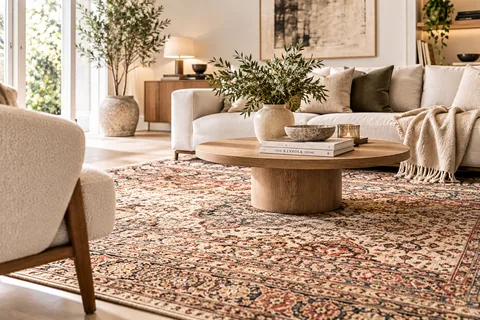
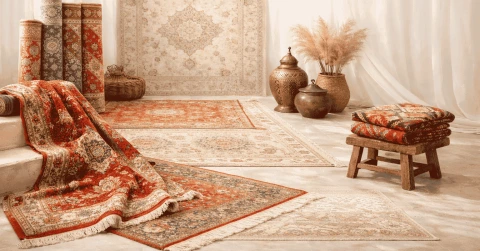
Oriental rugs in particular offer many design possibilities through their diverse patterns and colours. They can serve as a calm design element or be used deliberately as a decorative focal point.
- Choose a rug style that matches the furniture, materials and overall room effect.
- Make sure colours and patterns harmonise with curtains, sofas and décor.
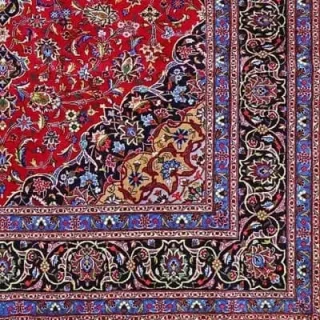
- A central medallion works especially well when it is not completely covered by furniture.
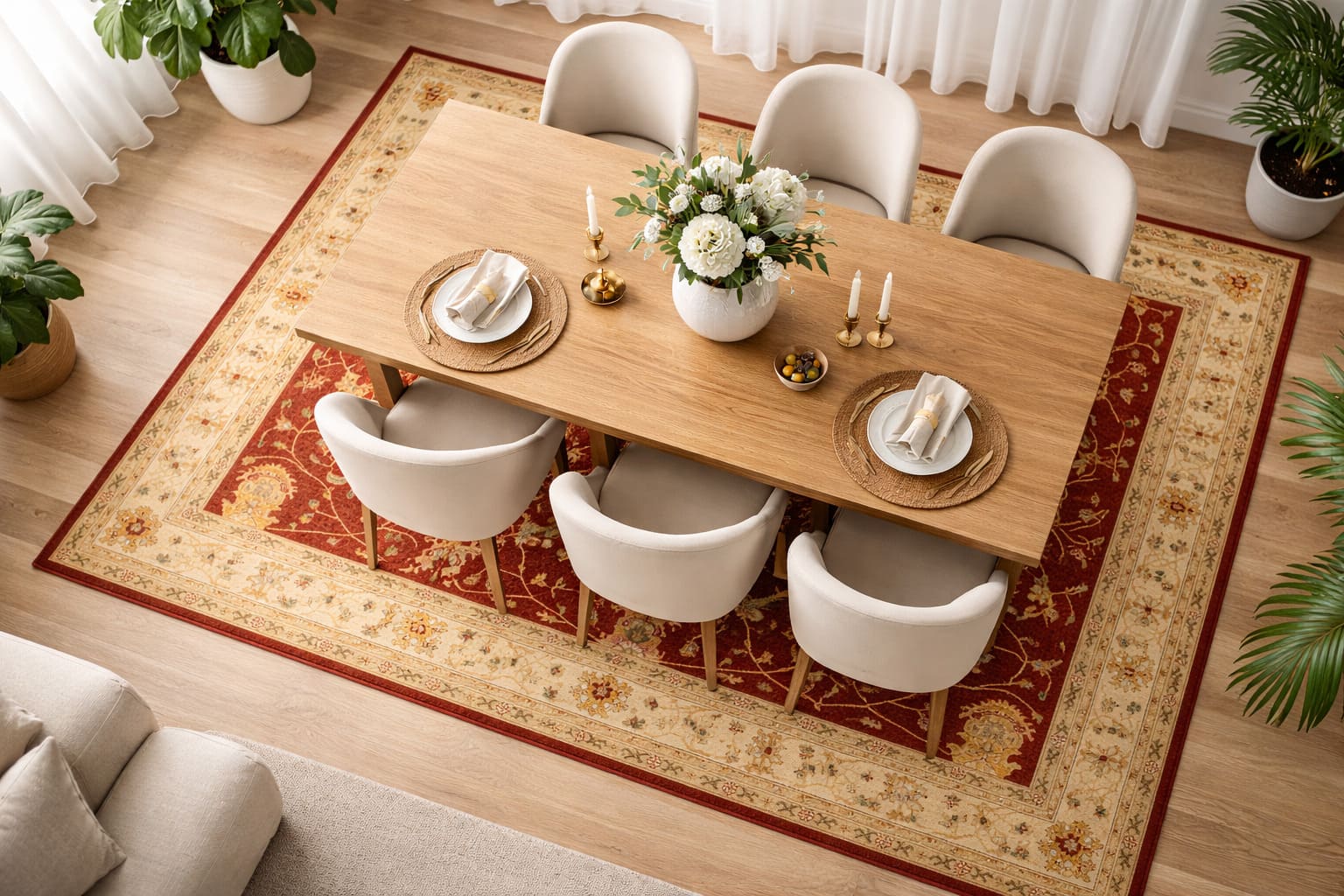
The optimal rug size and placement in the living space
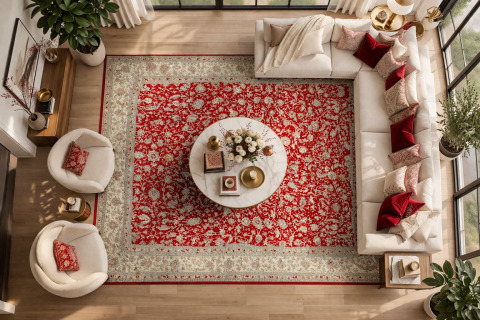
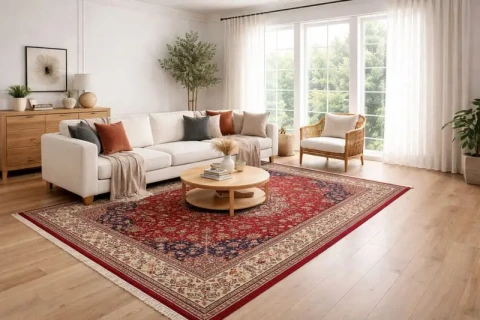
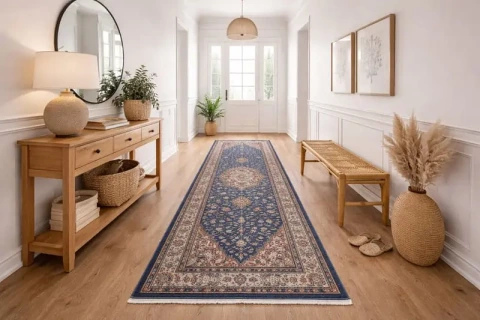
The right rug size plays a crucial role in the effect of a room. A rug often serves as a connecting element between pieces of furniture and creates structure in the living area.
If the rug is too large, it can visually overload the room. If it is too small, it can quickly look lost and fail to unfold its full effect. Especially with high-quality oriental rugs, it is worth planning size and placement carefully.
- Measure the room precisely before buying and consider the furniture arrangement.
- Pay attention to the pile direction, as it can influence the colour effect and brightness.
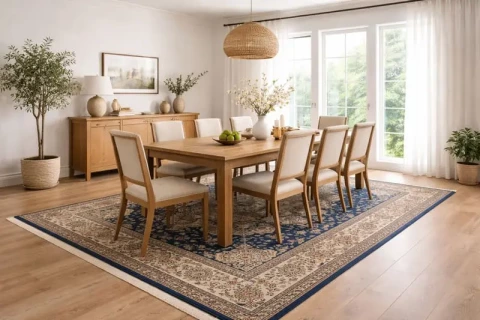
- In the dining room, the rug should be large enough so that chairs remain on the rug when pulled back.
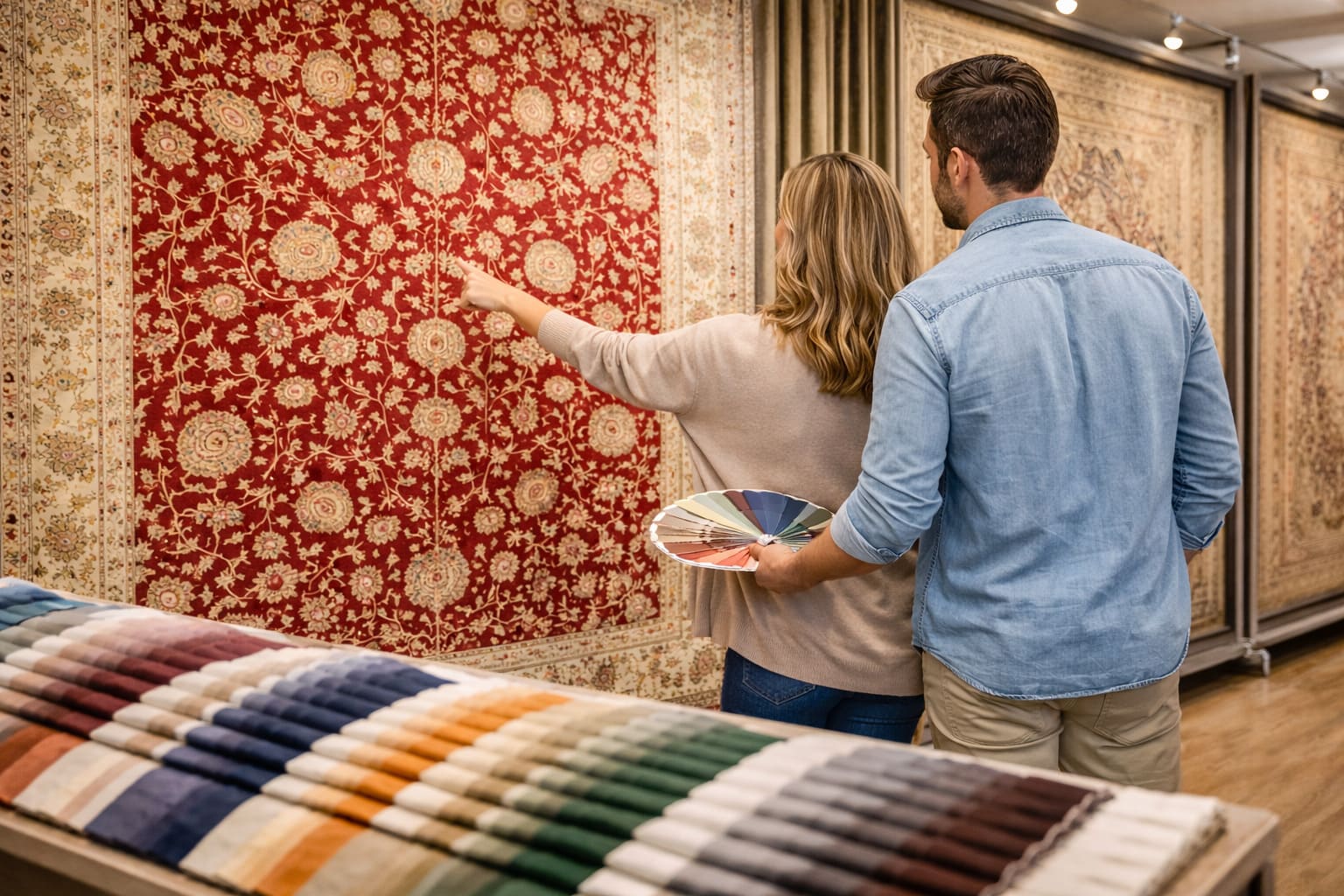
Choosing the right rug colour for the living space and interior
The colour of a rug has a strong influence on the atmosphere of a room. It should match the existing interior style as well as the room size and lighting conditions.
While light rug colours can make a room appear more open and spacious, darker tones create depth and a cosy, elegant atmosphere. With oriental rugs especially, colours strongly shape the effect of patterns and ornaments.
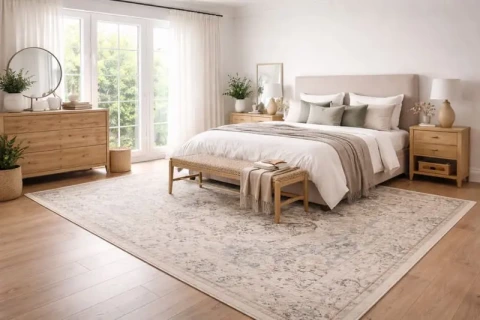
- Neutral colours such as beige, grey or cream often work well with modern interiors.
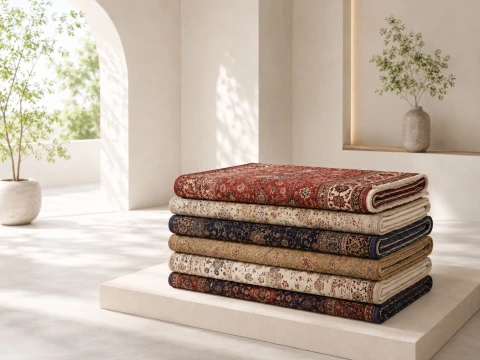
- Darker tones such as burgundy, dark blue or olive green appear classic and expressive.
- Multicoloured oriental rugs can be flexibly combined with different interior colours.
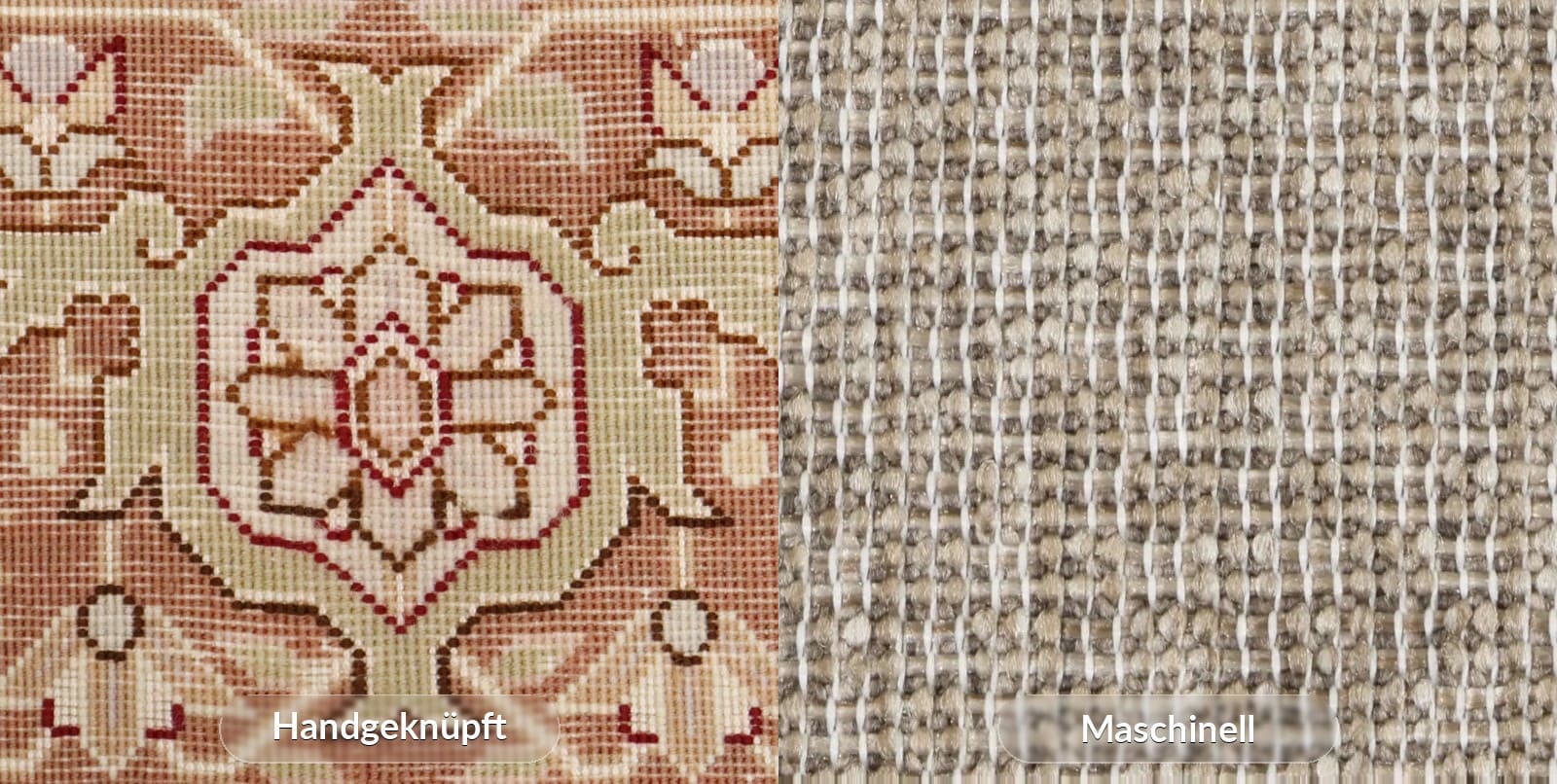
Hand-knotted vs. machine-made rugs in comparison
When buying a rug, the question often arises whether a hand-knotted rug or a machine-made rug is the better choice. Both options have their own advantages and are suitable for different requirements.
Hand-knotted oriental rugs are made using traditional craftsmanship. Each knot is tied individually, creating unique patterns and particularly high quality. These rugs are often considered long-lasting unique pieces and can retain their value and radiance for many years.
Machine-made rugs are usually more affordable and available in large quantities. They are especially suitable for heavily used areas or modern living concepts, while hand-knotted rugs stand out above all through their individuality, craftsmanship and value.
- Hand-knotted rugs often stand for individuality, longevity and traditional craftsmanship.
- Machine-made rugs are usually more affordable and practical for heavily used living areas.
- Those who want to invest long-term in quality and character often choose hand-knotted rugs.
Choose the right rug according to room and use
Anyone who wants to buy a rug should always consider size, material, colour, pattern and area of use together. Especially with oriental rugs, Persian rugs and high-quality carpets, the interaction of these factors determines how harmoniously a rug works in the room and how long it will bring joy.
A conscious choice ensures that the rug not only looks convincing, but also suits the use, interior and atmosphere of the room in the long term.
Frequently asked questions about buying rugs
Here you will find answers to common questions about size, material, colour and choosing between hand-knotted and machine-made rugs.
What rug size is ideal for the living room?
That depends on the room size and furniture arrangement. A rug should visually connect the seating area and appear neither too small nor oversized.
Which material is especially recommended for a high-quality rug?
Wool is especially popular because it is robust, pleasantly soft and durable. Silk looks very elegant, while cotton is often used as a stable foundation.
How do I find the right rug colour?
The rug colour should match the furniture, lighting conditions and room size. Light colours usually feel airier, while darker colours appear warmer and more elegant.
Are hand-knotted rugs better than machine-made rugs?
Hand-knotted rugs often impress with individuality, quality and longevity. Machine-made rugs are often more affordable and more practical for heavily used living areas.
What should I pay particular attention to with an oriental rug?
Important factors are material, knotting, colour effect, pattern, rug size and how well the rug fits the interior and use of the room.
Would you like to choose a rug? We would be happy to advise you.
If you have questions about our oriental rugs or would like personal advice, we are always happy to help – by phone or via the contact form.