


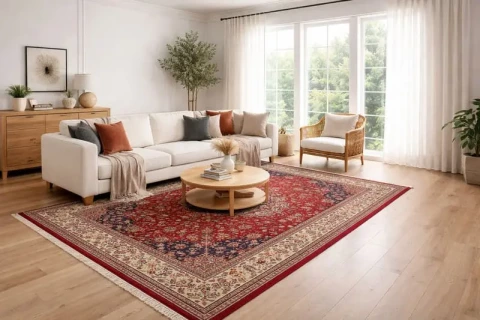

Early knotting techniques
Surviving finds show that knotted pile rugs were already known in antiquity.
 Free shipping & returns
 31-day return policy
Free shipping & returns
31-day return policy
Free shipping & returns
31-day return policy
Free shipping & returns
31-day return policy
Free Shipping & Returns
31-Day Returns
Oriental rugs tell stories of trade routes, courtly art, regional workshops and skills passed down through generations. Their history cannot be traced to a single place – it is precisely the diversity spanning Persia, Central Asia, Anatolia and later rug-making centres that gives this tradition its remarkable richness.
This guide takes you through the key periods in the history of Oriental rugs and shows how historic patterns, materials and knotting traditions continue to live on in hand-knotted rugs today.
The history of knotted rugs is complex, and the earliest periods are not documented with complete certainty. This overview highlights the most important stages without presenting uncertain attributions as established fact.
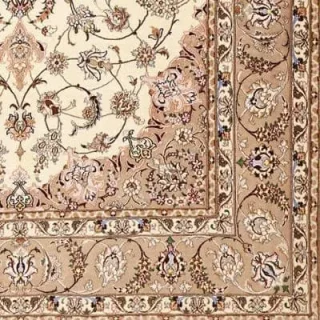
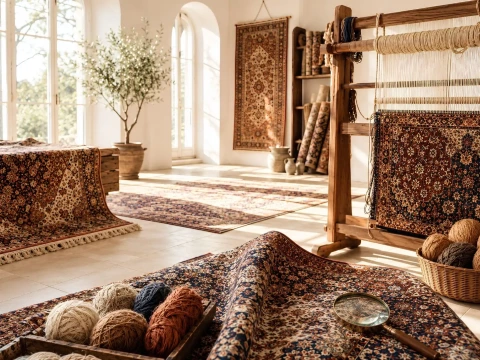
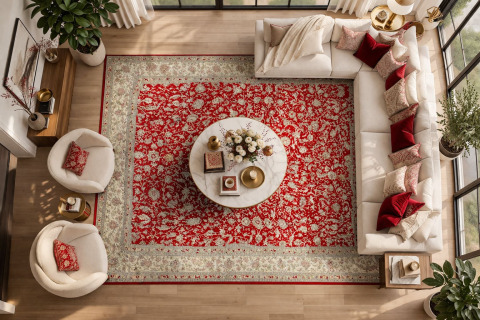
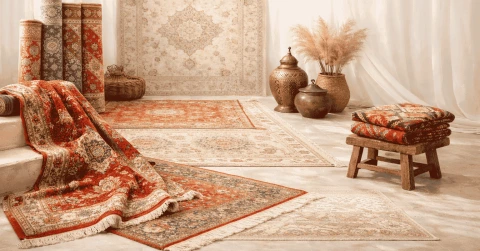
Surviving finds show that knotted pile rugs were already known in antiquity.
Workshops, villages and nomadic communities developed their own distinctive pattern and material traditions.
Courtly patronage, professional designers and specialised workshops significantly refined Persian rug making.
Demand from Europe and North America drove a marked increase in production and exports.
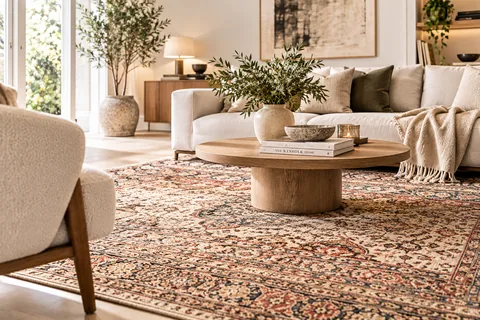
Historic motifs and traditional techniques continue to find a place in contemporary interiors.

The precise origin of the knotted rug cannot be attributed to one single place. Archaeological finds do, however, show that pile rugs were already being made in antiquity, pointing to a textile tradition that reaches back many centuries.
Distinct regional traditions later developed in Persia, Central Asia and Anatolia. Rugs provided protection from the cold, furnished homes and tents, and increasingly became carriers of ornament, symbolism and cultural identity.
Under the Safavids, Persian rug making reached one of its most important artistic peaks. Courtly patronage, specialised workshops and the influence of professional designers led to exceptionally refined compositions.
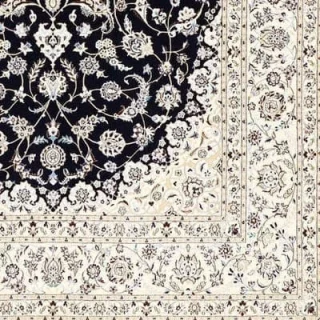
Medallions, scrolling vines, palmettes, animals and garden motifs were brought together in elaborate compositions. Alongside wool and cotton, silk was used for particularly precious pieces. Centres such as Tabriz, Kashan and Isfahan became closely associated with this art, although individual historic rugs cannot always be attributed with certainty to a specific place of production.


During the 19th century, demand for Persian and Oriental rugs rose sharply in Europe and North America. Production and exports increased, and some sizes, colours and patterns were adapted more closely to international interiors and tastes.
At the same time, regional, village and nomadic traditions endured. Today, hand-knotted rugs continue to be made in countries including Iran, Afghanistan, India and Pakistan. Historic patterns are preserved, reinterpreted and combined with contemporary colour palettes.
Many motifs were more than decoration. They organised the surface, drew on nature, architecture and regional identity, and were reinterpreted again and again across generations.
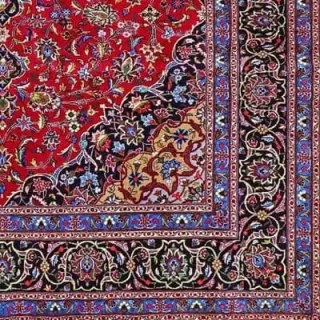
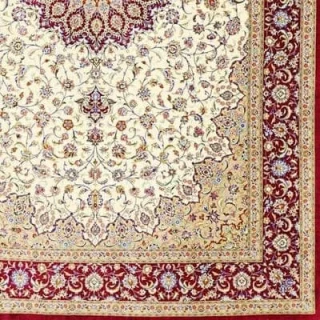
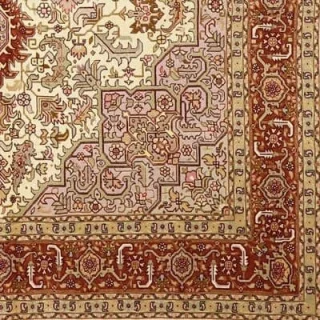
A central medallion draws the eye towards the centre and can echo domes, manuscript illumination and carefully structured court designs.
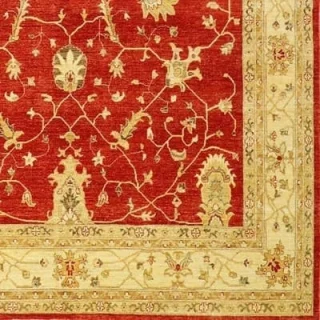
View medallion rugs →Blossoms, palmettes and flowing vines are especially associated with the refined urban rug-making traditions of Persia.
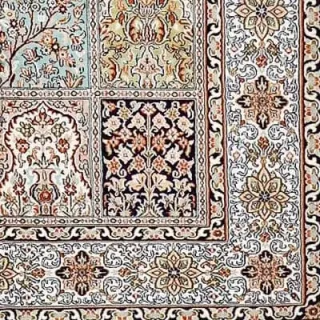
View floral rugs →Ordered panels evoke gardens, waterways and cultivated landscapes as images of calm and harmony.
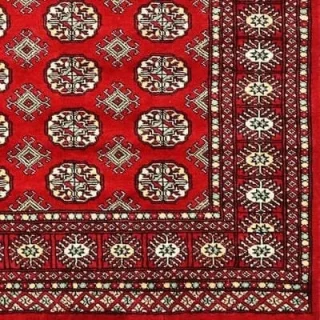
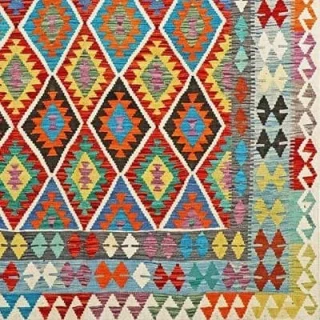
View garden and panel rugs →Bold diamonds, hooked forms and repeated symbols characterise many village, tribal and Caucasian rugs.
View geometric rugs →Animals and human figures appear in courtly scenes, hunting motifs and simplified regional interpretations.
View rugs with animal motifs →Historic knotting traditions are not a closed chapter. Patterns, materials and regional styles continue in today’s rugs, giving every one-of-a-kind piece its own distinctive character.
Discover rugs from renowned Iranian weaving regions – from finely detailed and elegant to bold and classically styled.
View Persian rugs →Explore hand-knotted rugs from different countries of origin, materials and design traditions.
View Oriental rugs →Learn what distinguishes Nain, Isfahan, Qom, Kazak, Ziegler and other established rug-making traditions.
Explore rug-making regions →Clear answers to the most important historical questions, without oversimplified myths.
The famous Pazyryk carpet is generally dated to the 5th or 4th century BC. It shows that the technique of the knotted pile rug was already highly developed in antiquity.
There is no single, conclusively documented place of origin. Early knotting traditions developed across several regions, including Persia, Central Asia and Anatolia.
Under the Safavids, courtly patronage, professional designers, high-quality materials and a growing international market came together. The result was a period of exceptionally sophisticated and influential rug making.
They reached Europe through trade routes, diplomatic gifts and international merchants. At first, they were often displayed as precious furnishings on tables and chests or used in prestigious interiors.
Persian rugs are often associated with asymmetrical knots and particularly refined courtly designs. In Anatolia, the symmetrical knot was widespread, while regional patterns and colour palettes developed along different lines as well.
Some motifs have cultural or regional associations, but not every symbol has one universal meaning. Interpretations often depend on provenance, period and weaving tradition.
Yes. Hand-knotted rugs are still produced in a number of countries. Historic patterns are both preserved in traditional forms and reinterpreted for contemporary interiors.
No. Age alone does not determine value. Important factors include provenance, rarity, materials, knotting, condition, quality of design and current demand.
Interested in a particular provenance, traditional pattern or hand-knotted rug with distinctive character? Our team will help you explore suitable regions, styles and selected one-of-a-kind pieces from our collection.