




-320.webp)
-320.webp)
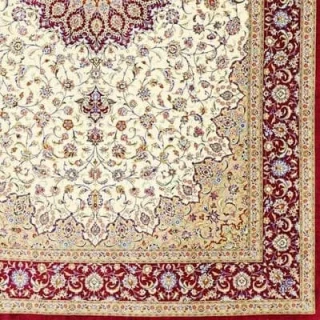
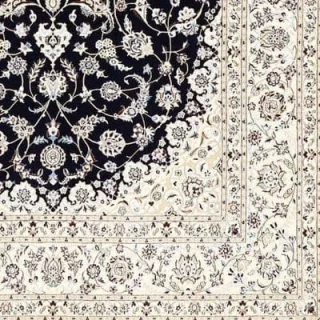
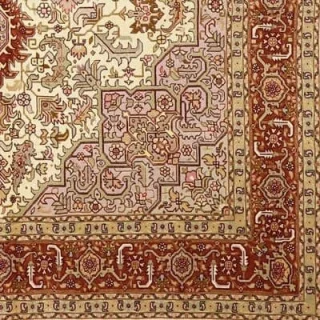


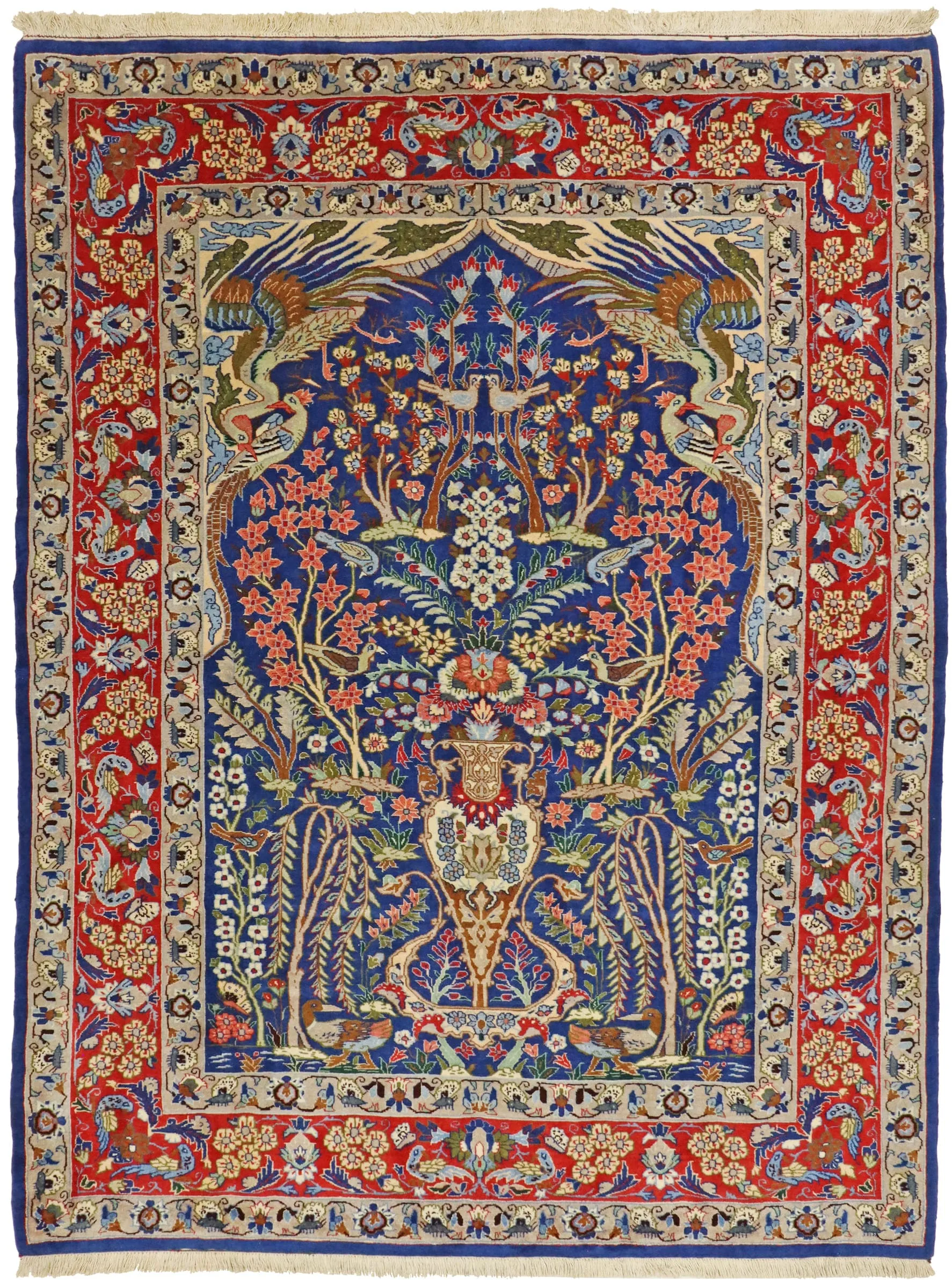
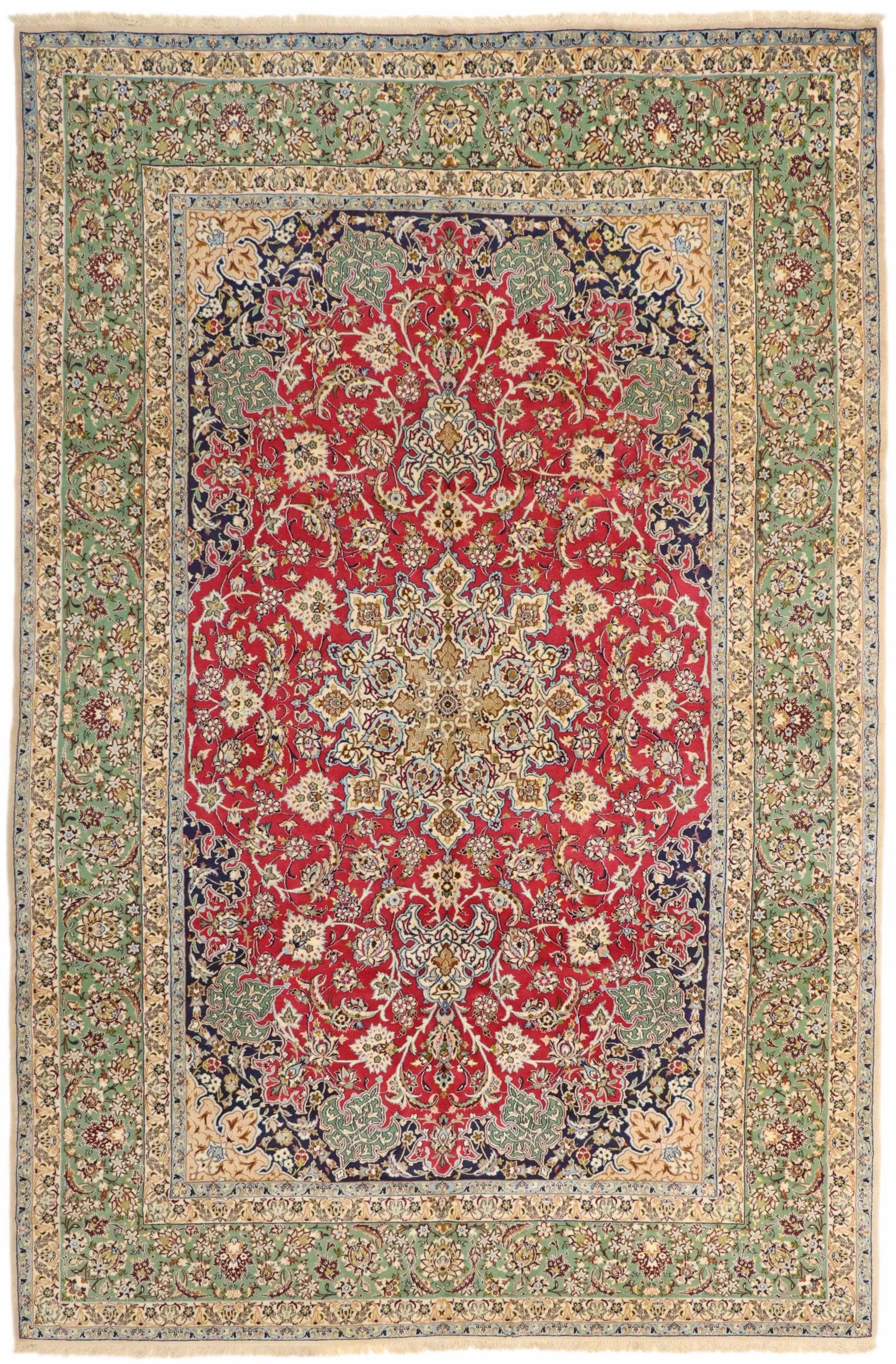
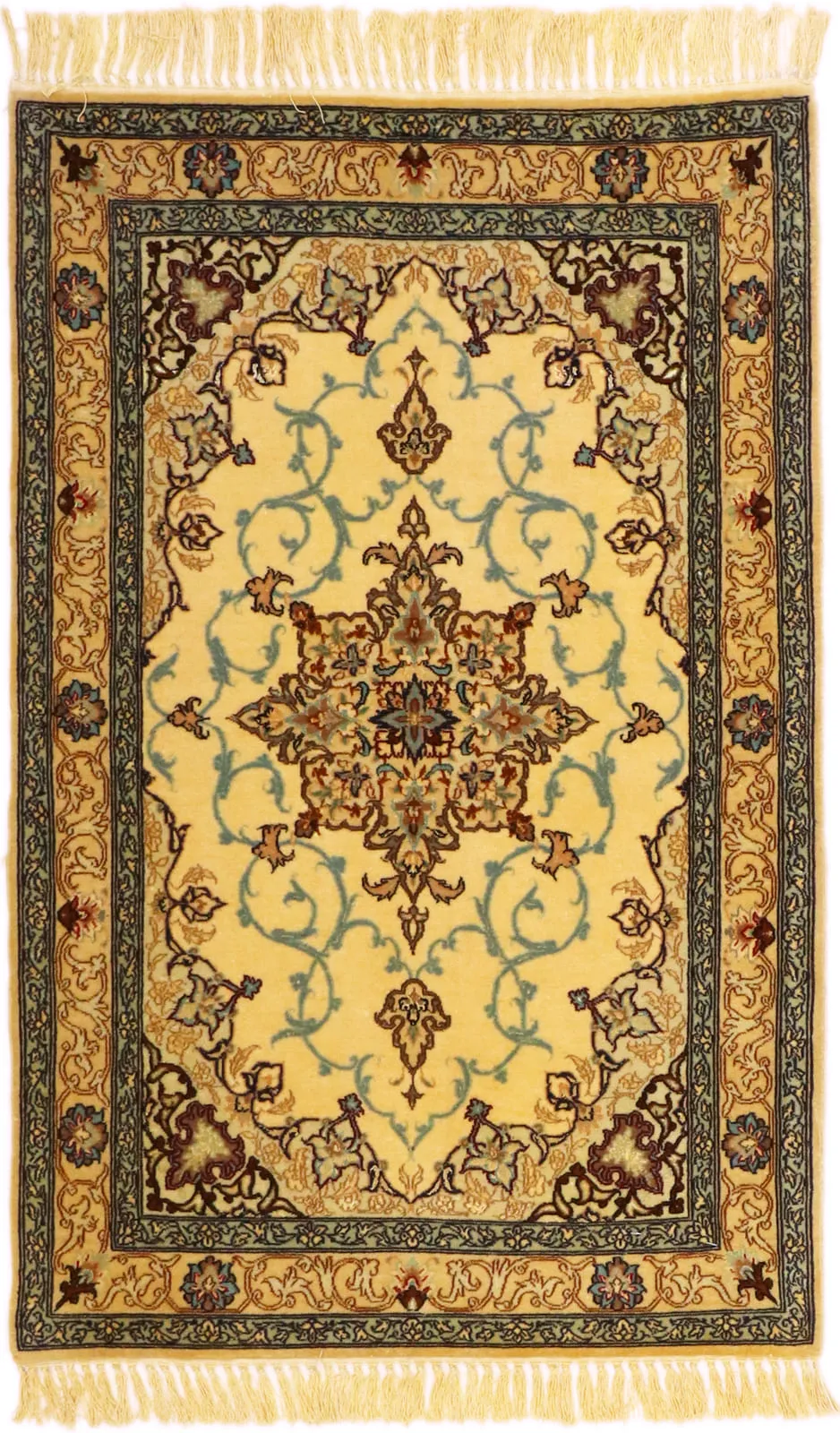
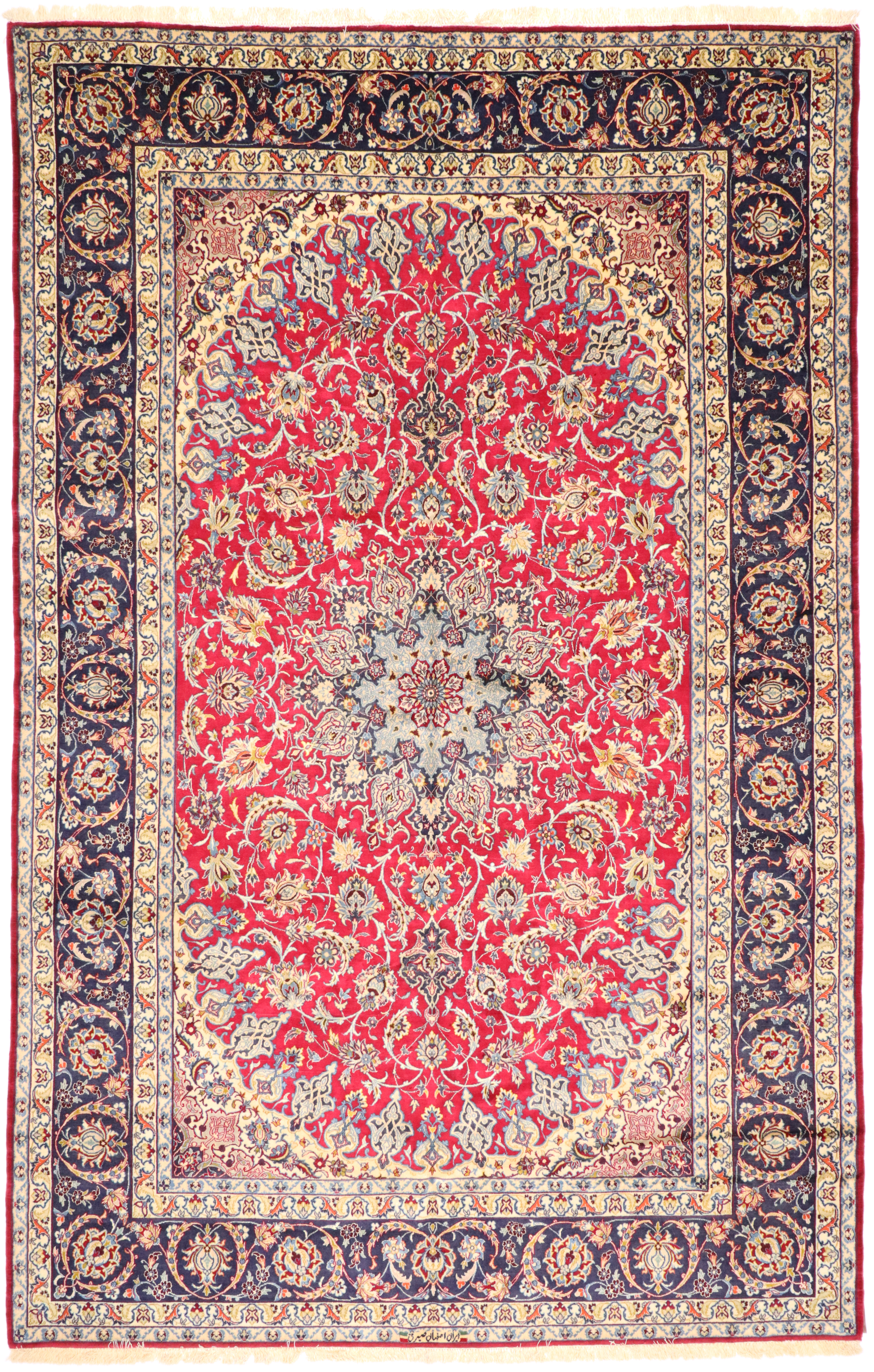
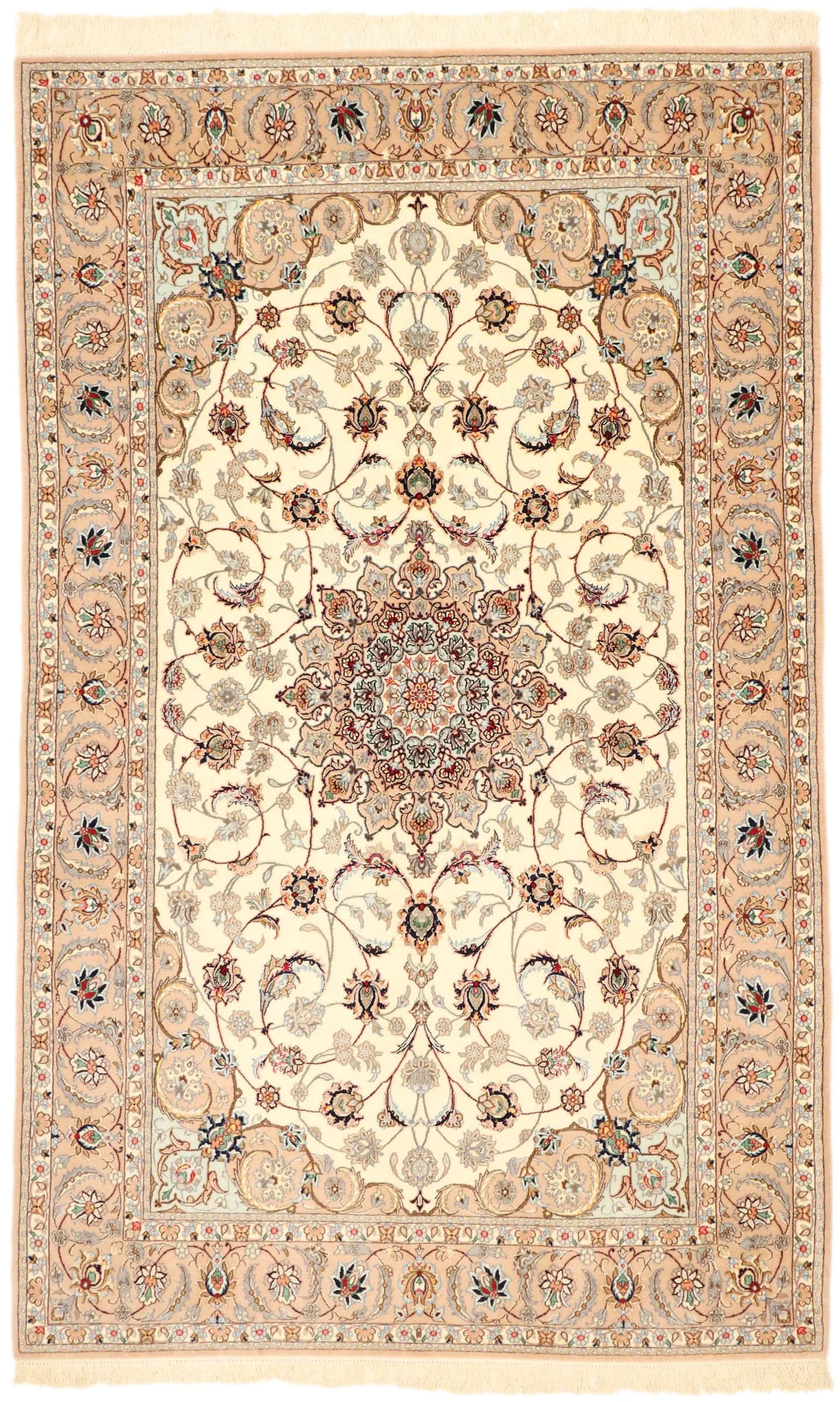
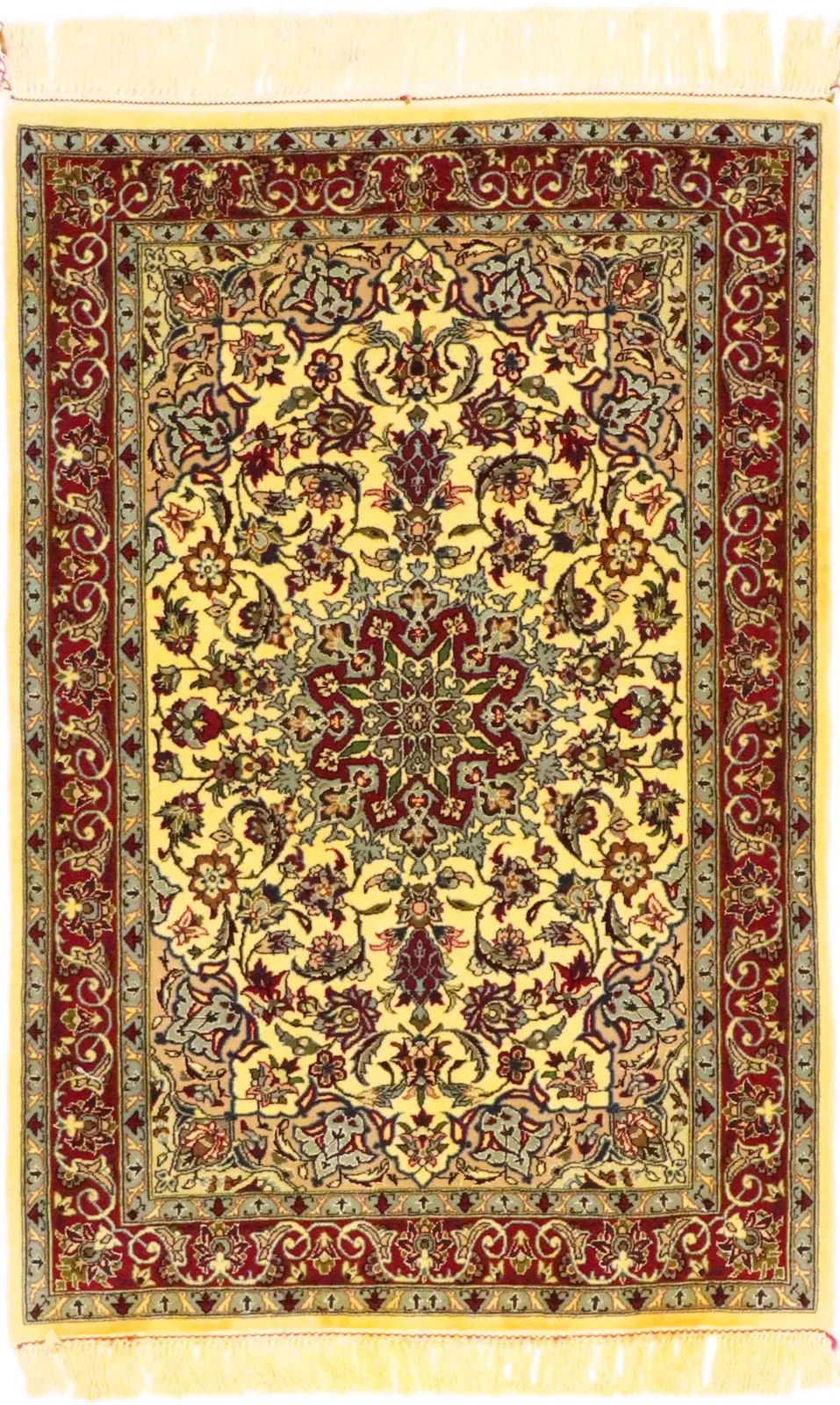
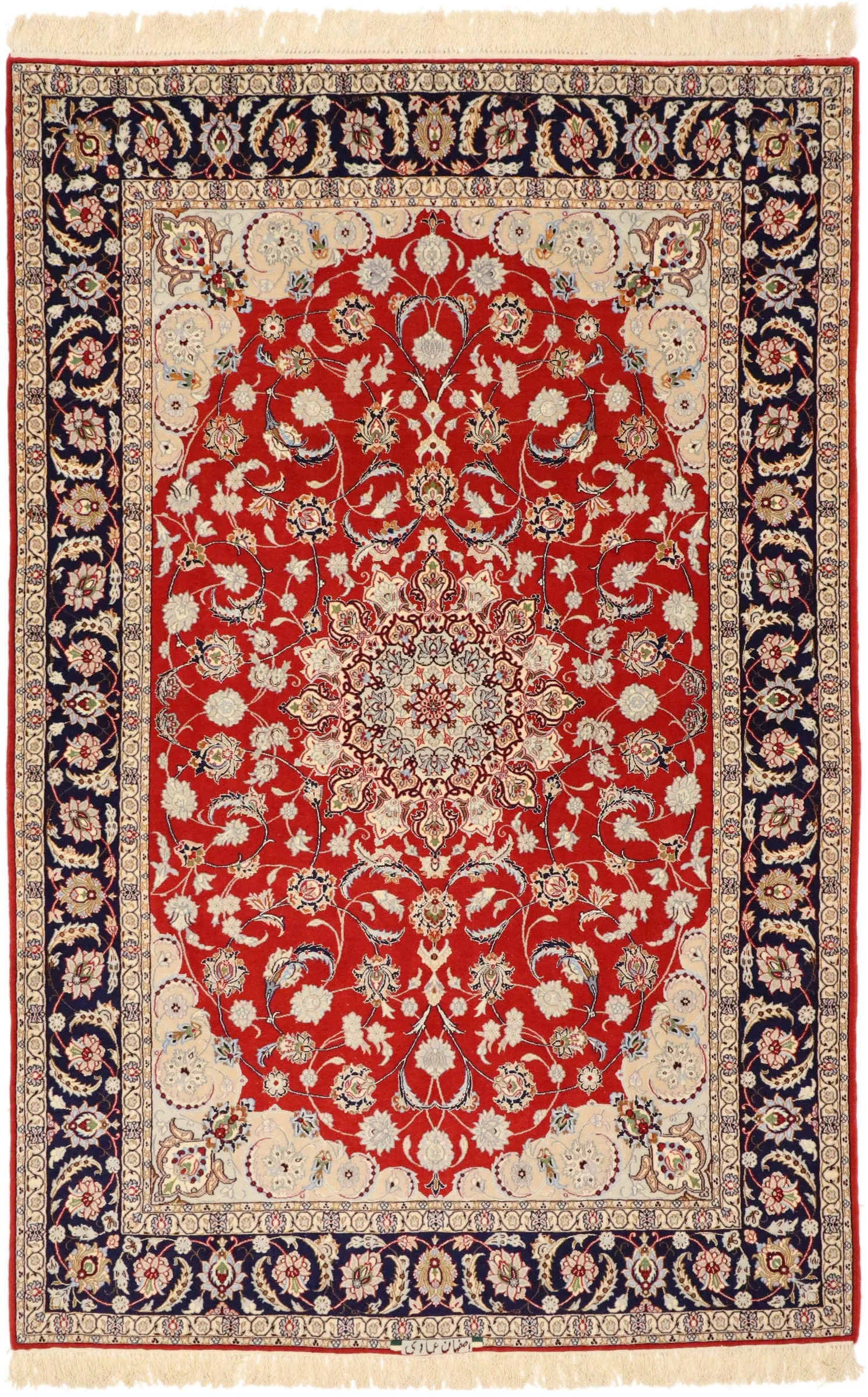
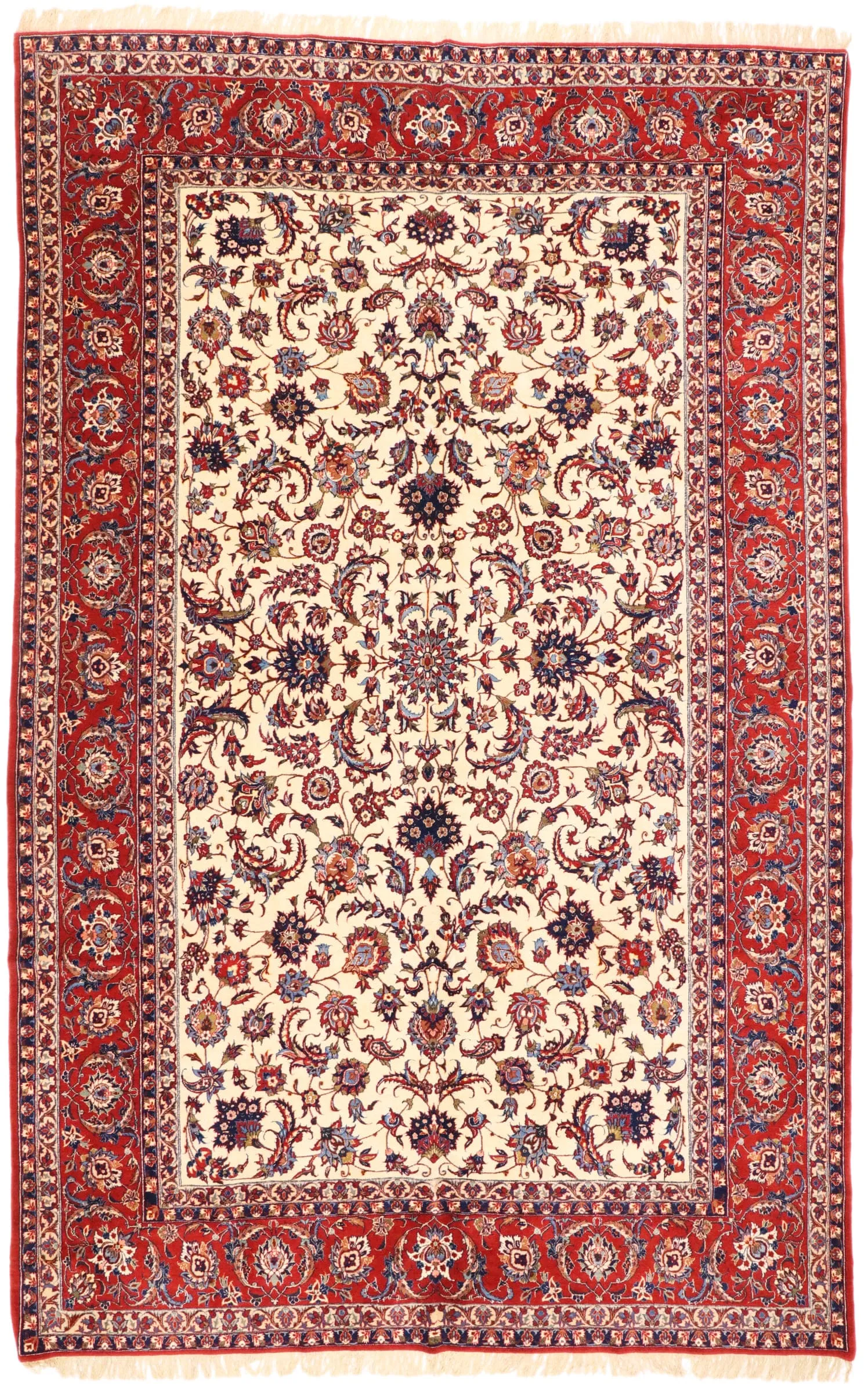
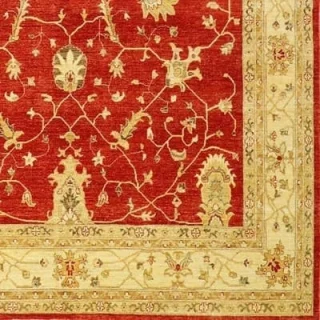
Wool pile
Fine wool creates a pleasant feel and forms the warm, comfortable foundation of the pile. Fibre quality and preparation influence handle, resilience and the way colours appear.
 Free shipping & returns
 31-day return policy
Free shipping & returns
31-day return policy
Kostenloser Versand & Rückversand
31 Tage Rückgaberecht
Free shipping & returns
31-day return policy
Free shipping & returns
31-day return policy
Free Shipping & Returns
31-Day Return Policy
31-day return policy
Free shipping & returns
31-day return policy
Kostenloser Versand & Rückversand
31 Tage Rückgaberecht
Free shipping & returns
31-day return policy
Free shipping & returns
31-day return policy
Free Shipping & Returns
31-Day Return Policy

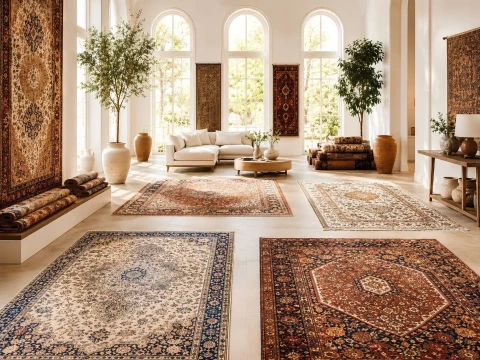
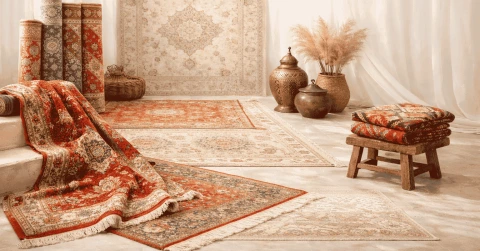
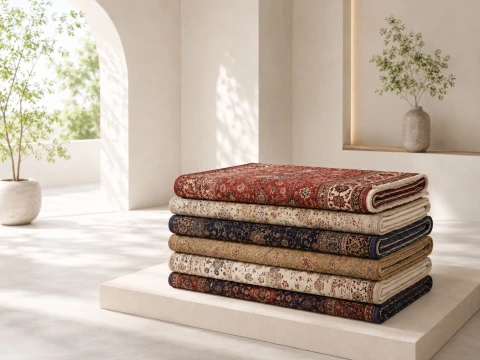
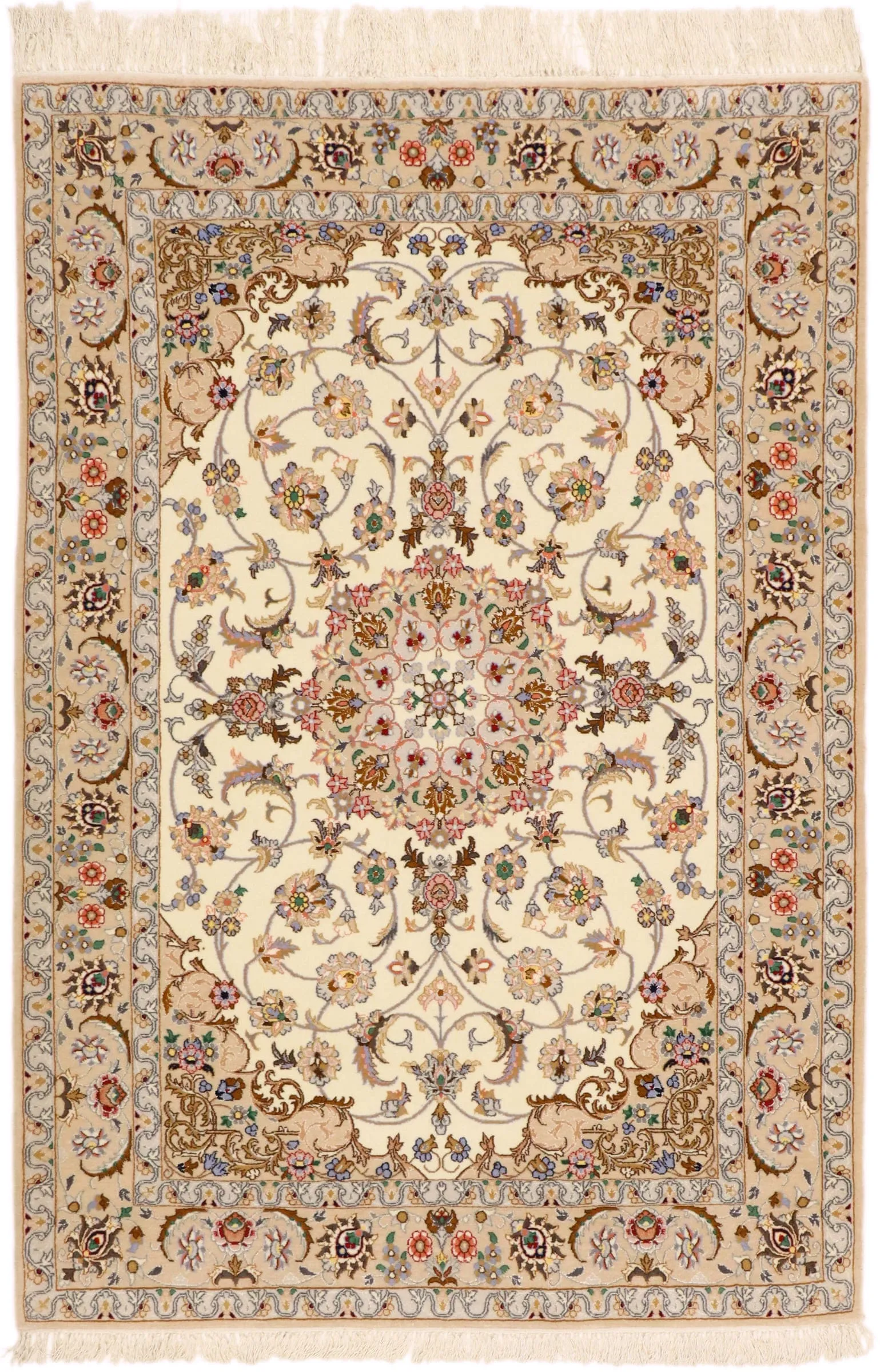
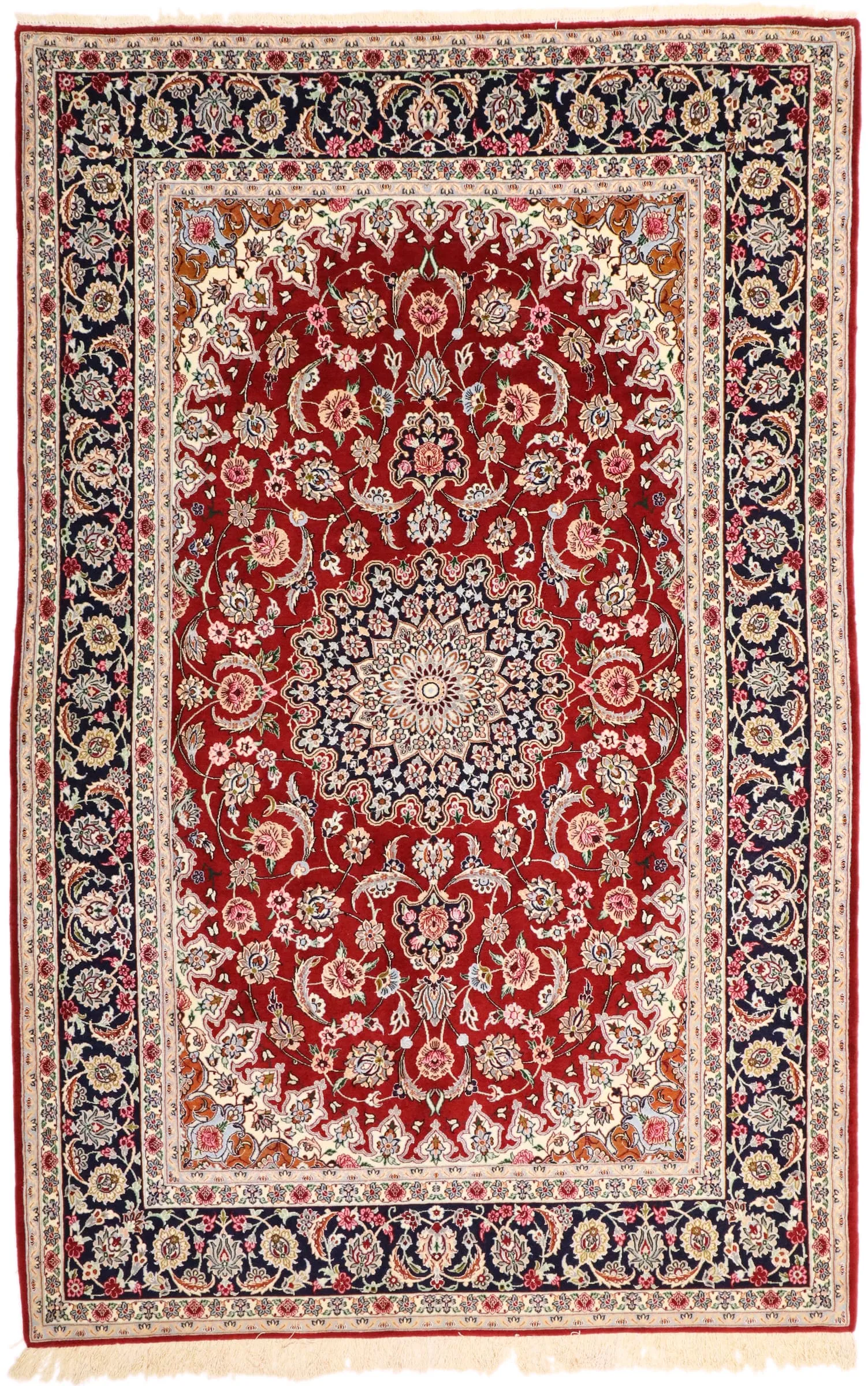
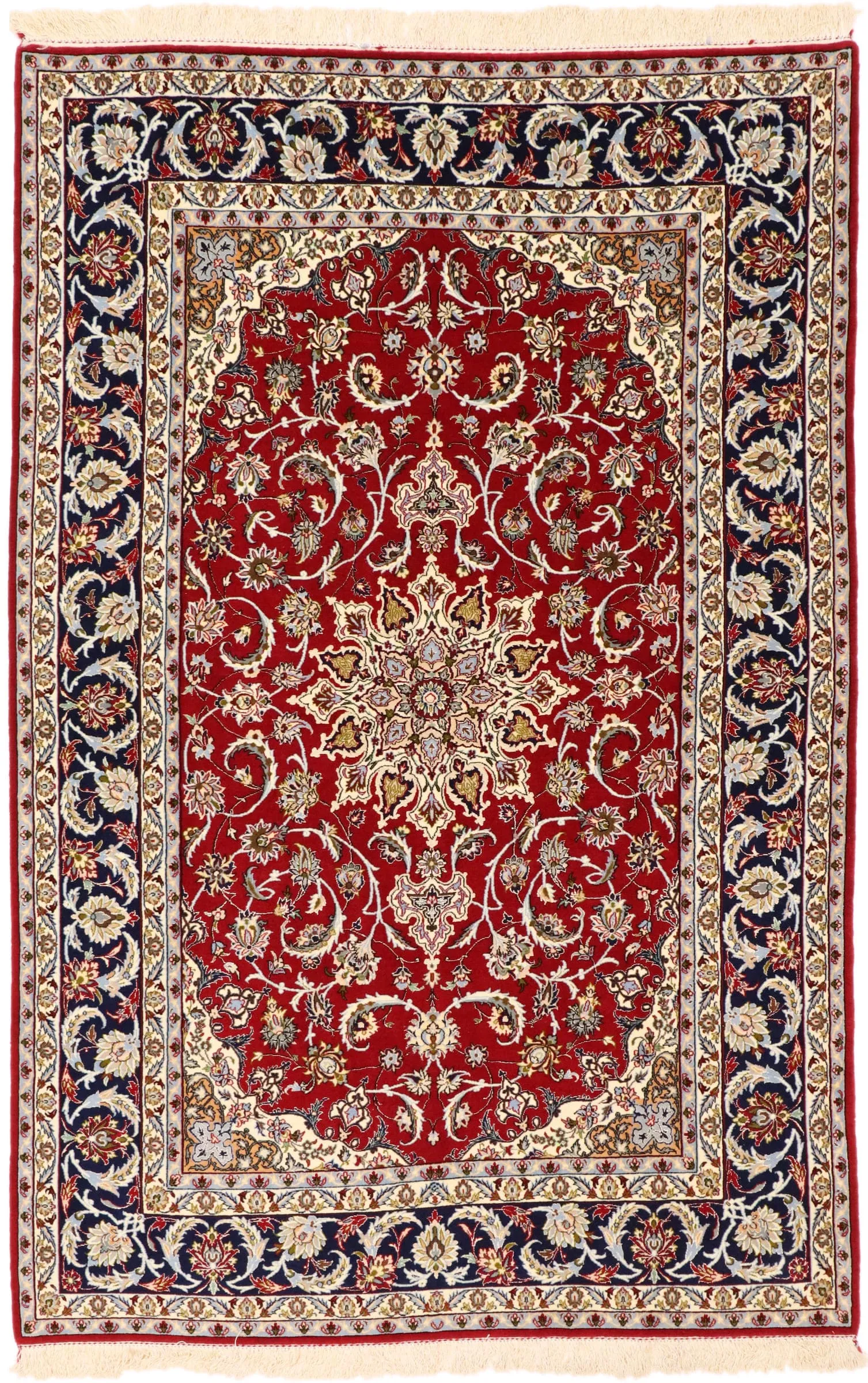
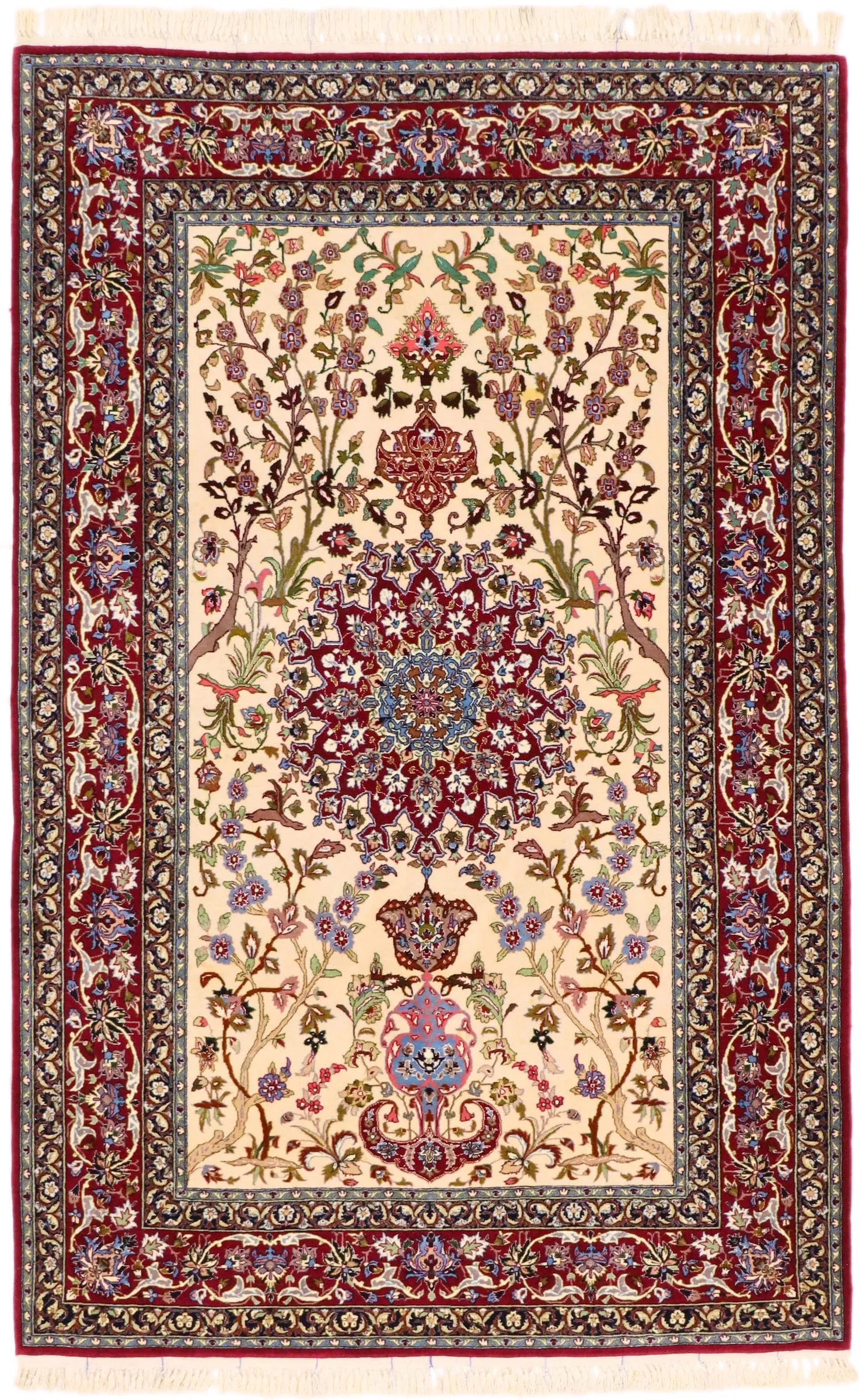
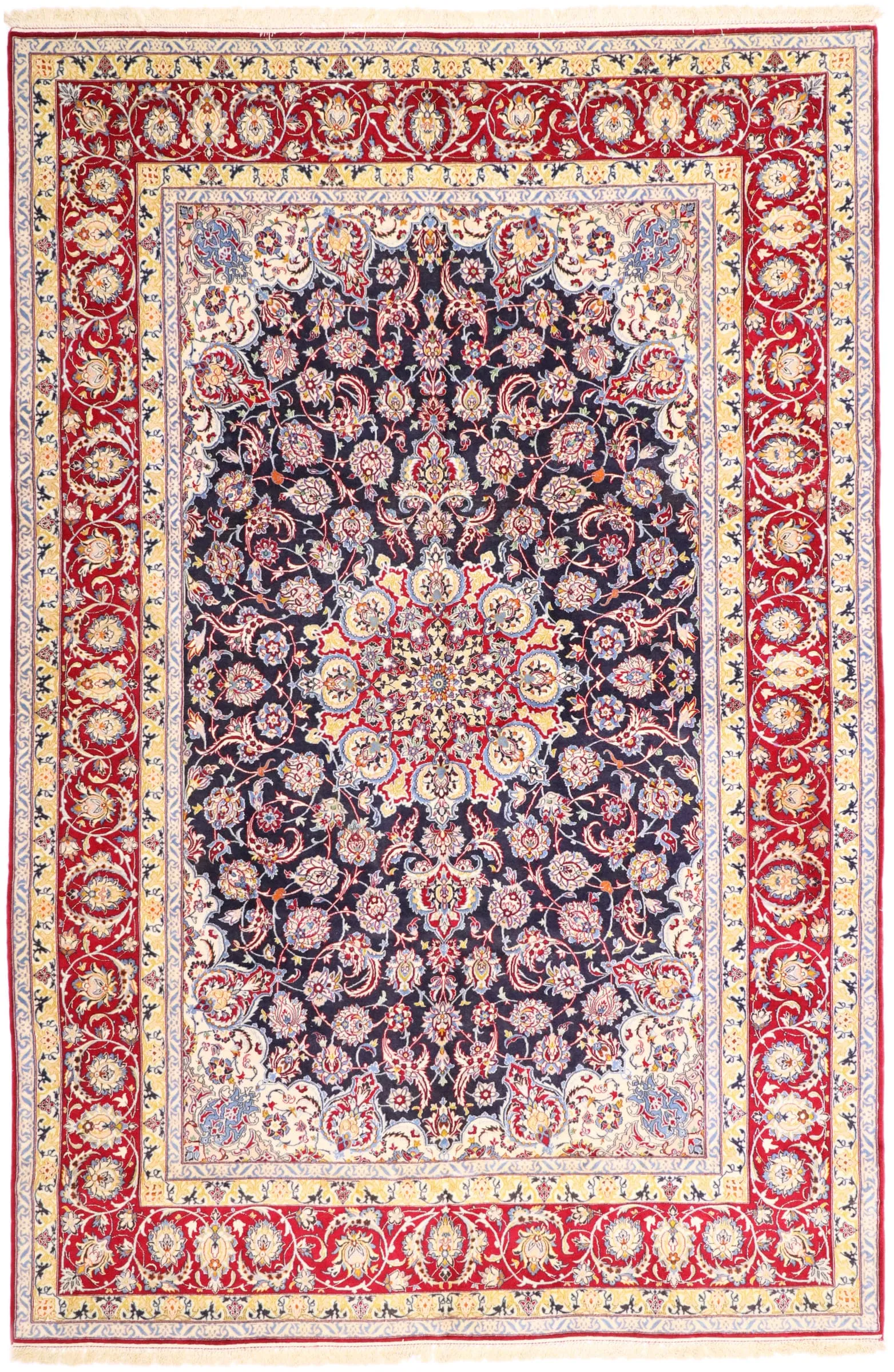
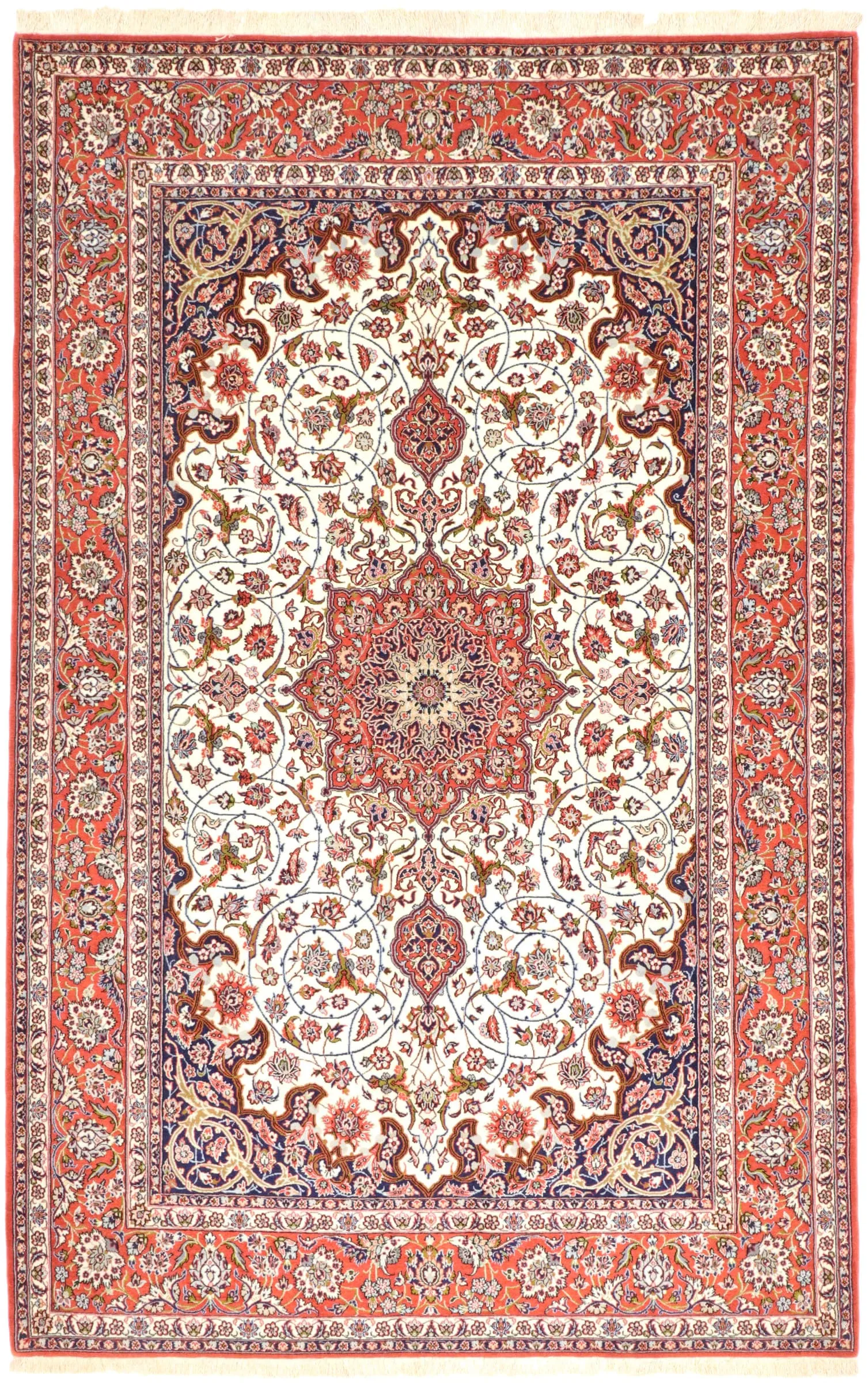
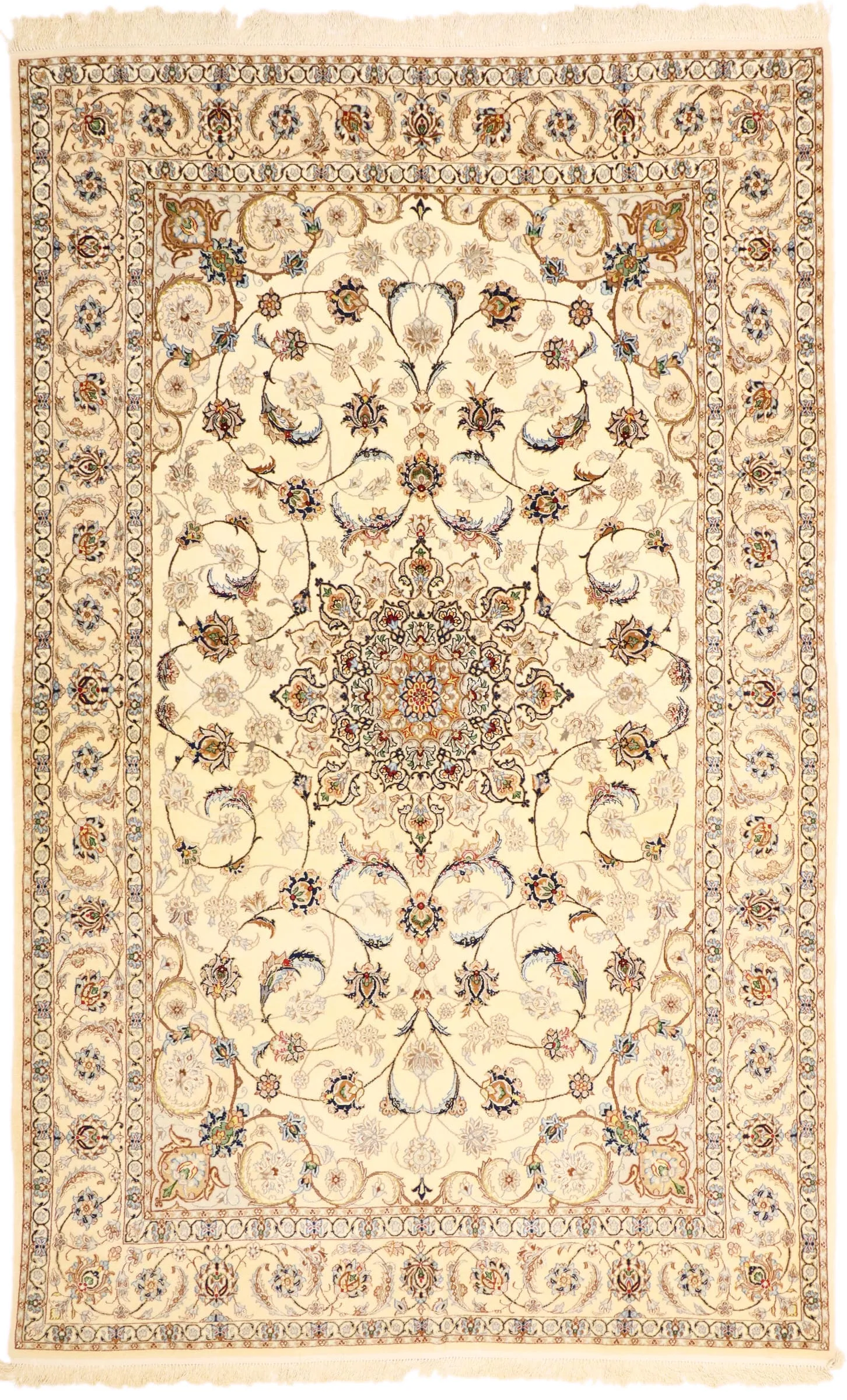
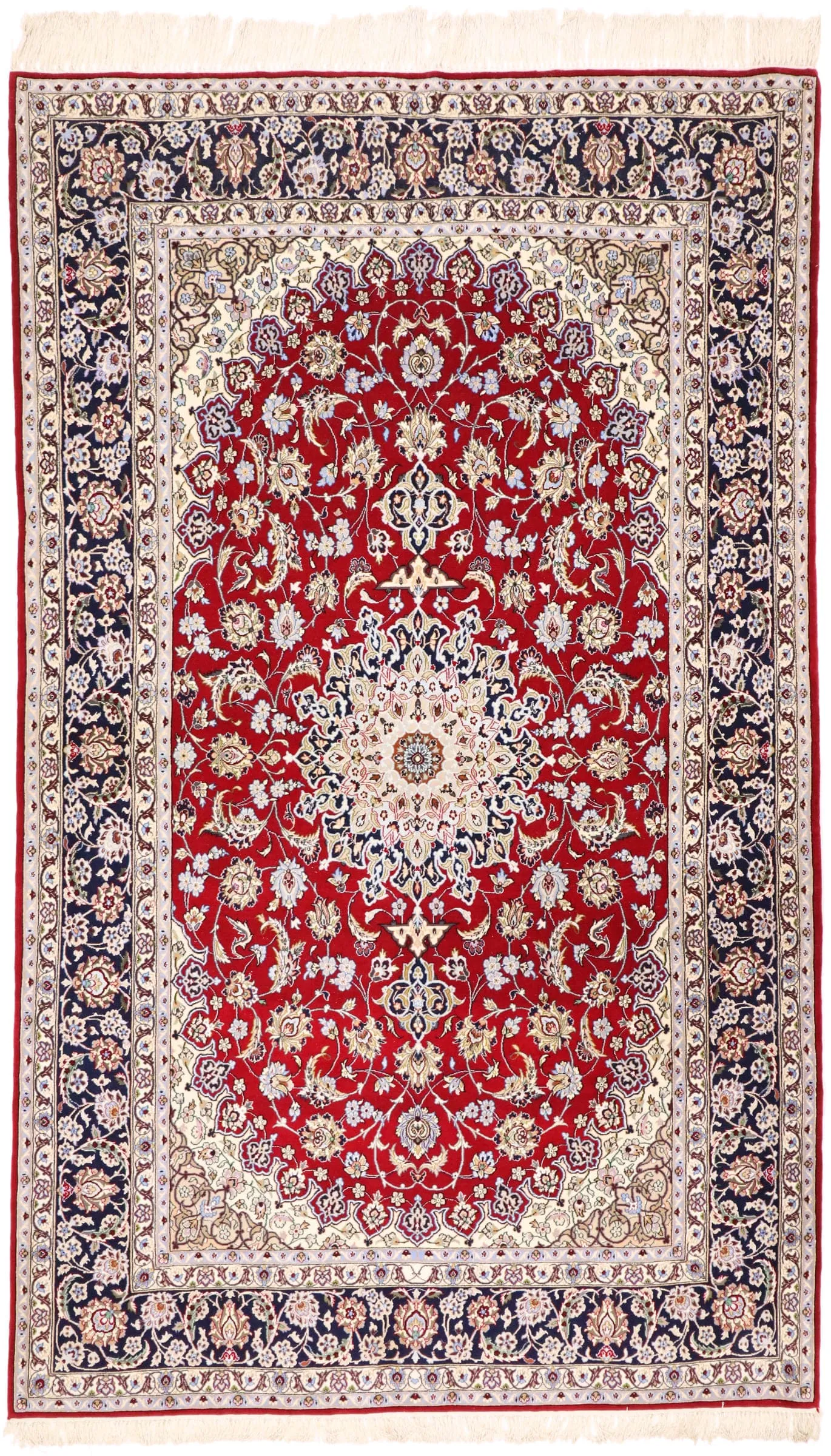
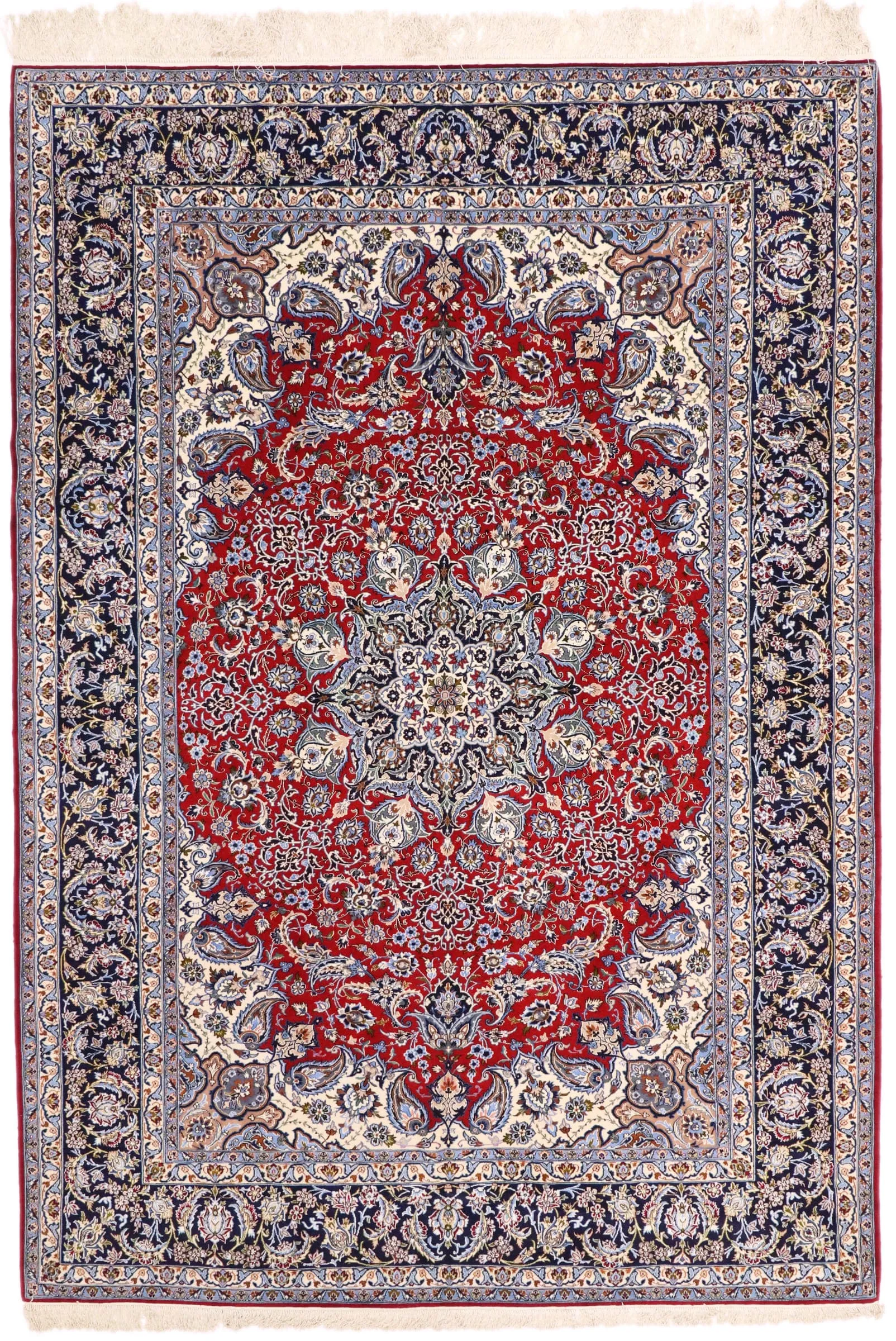
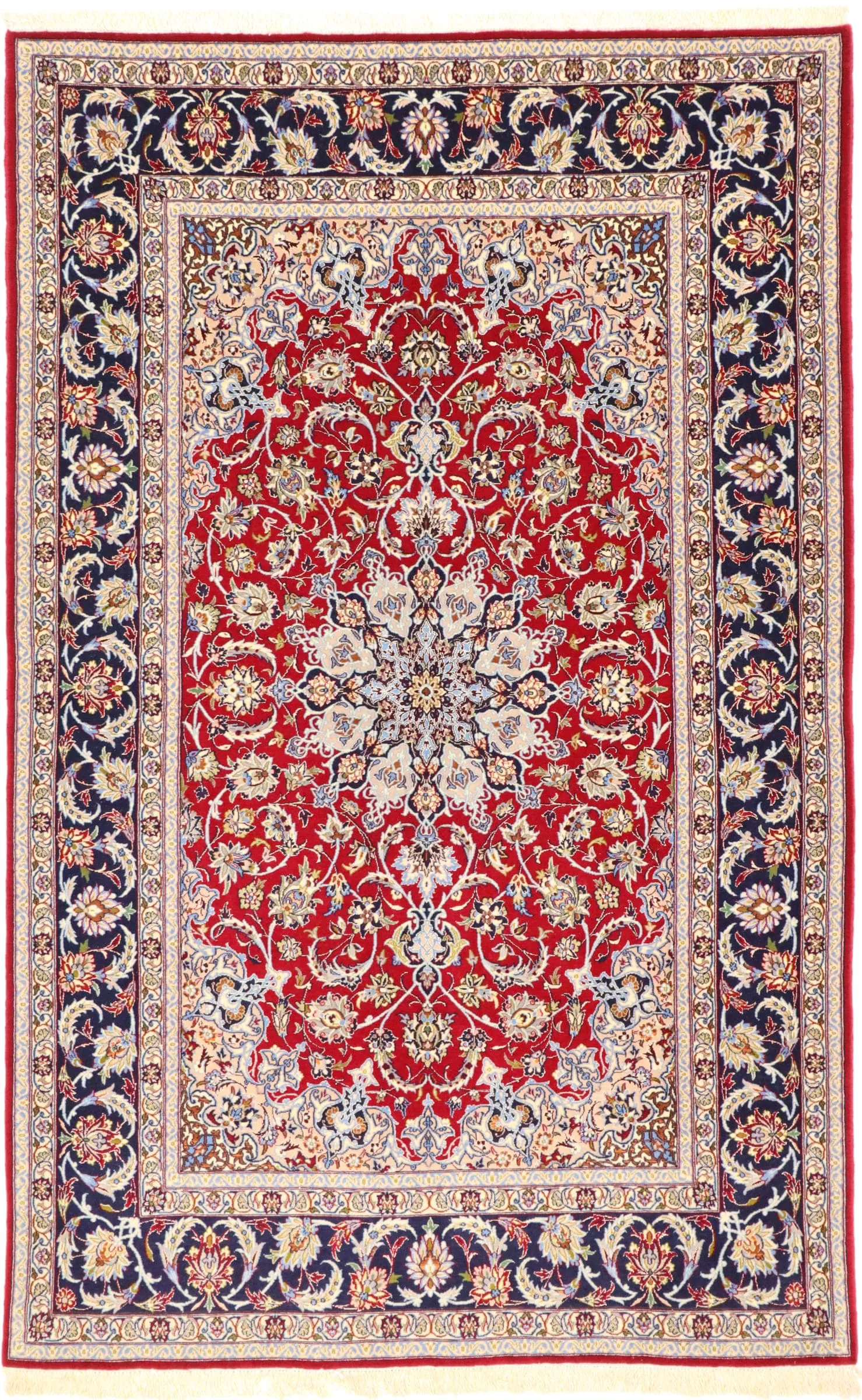
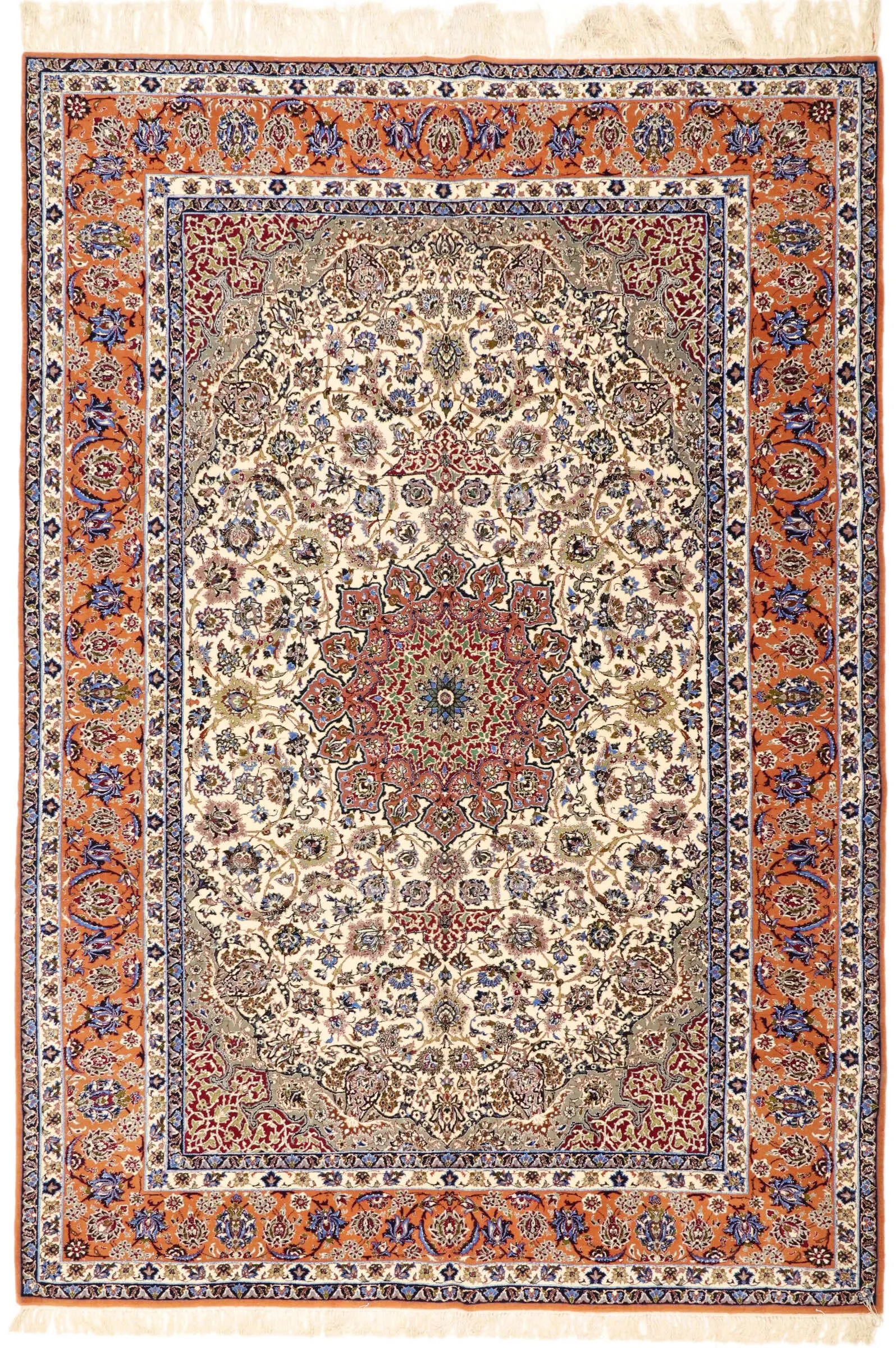
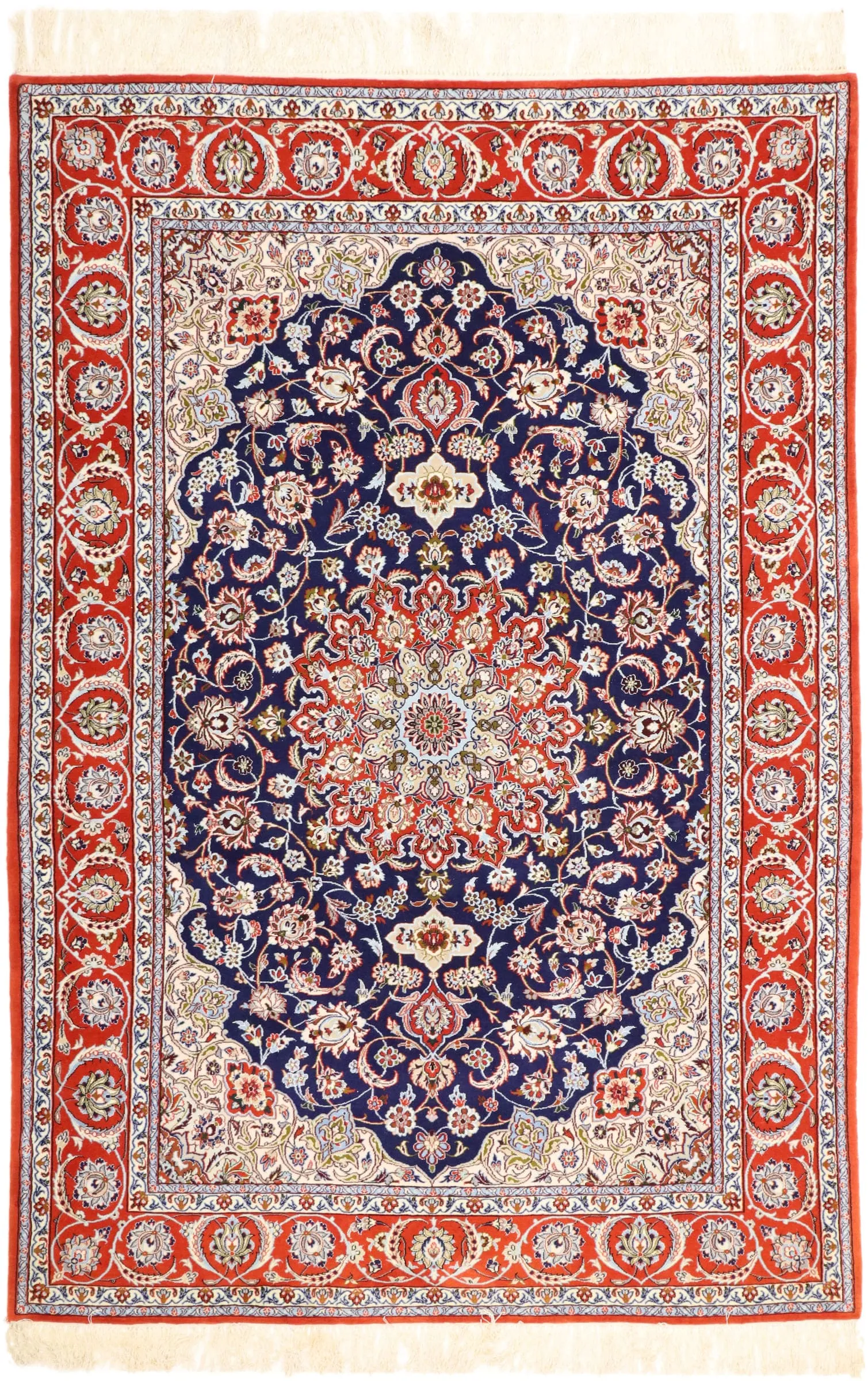
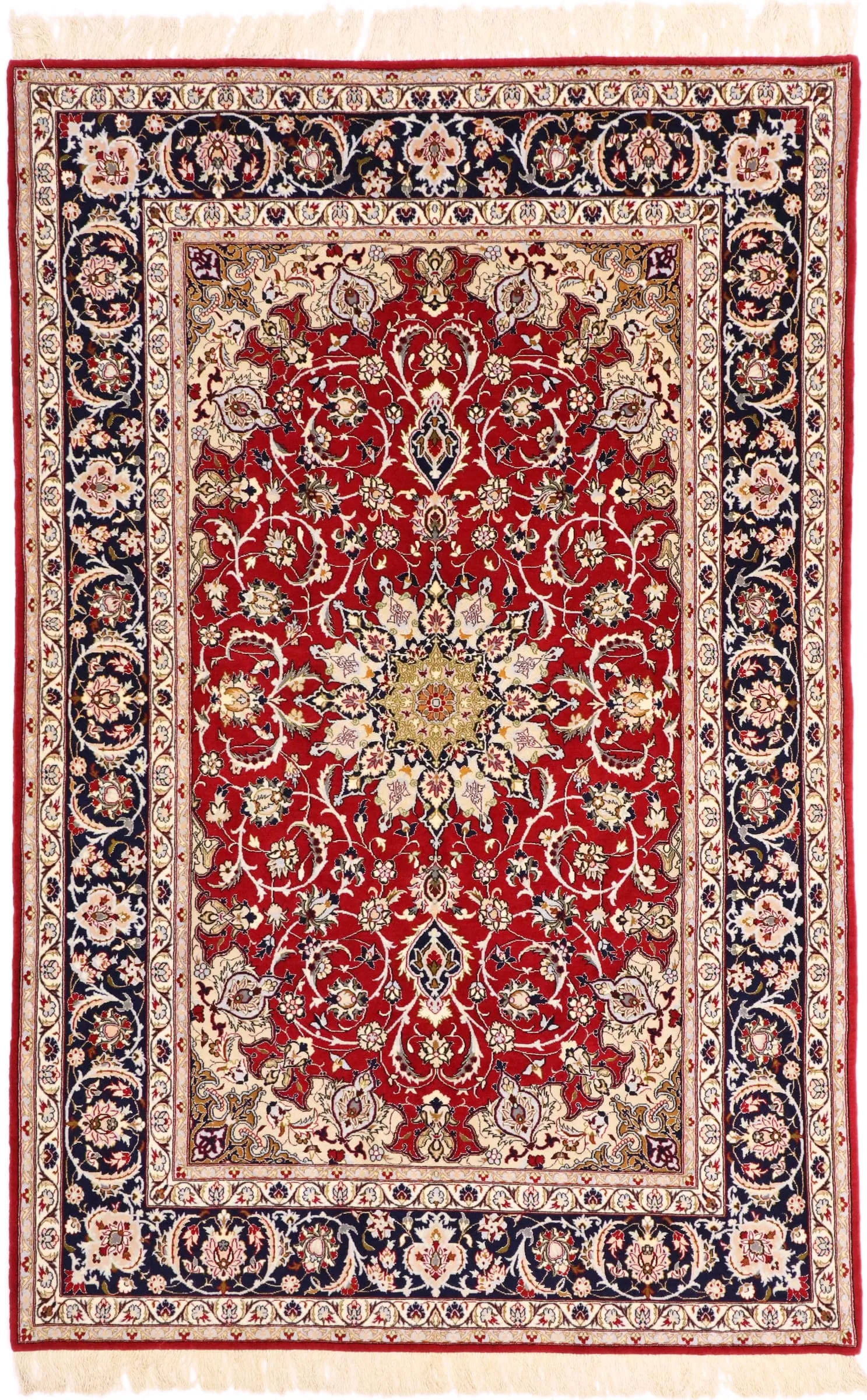
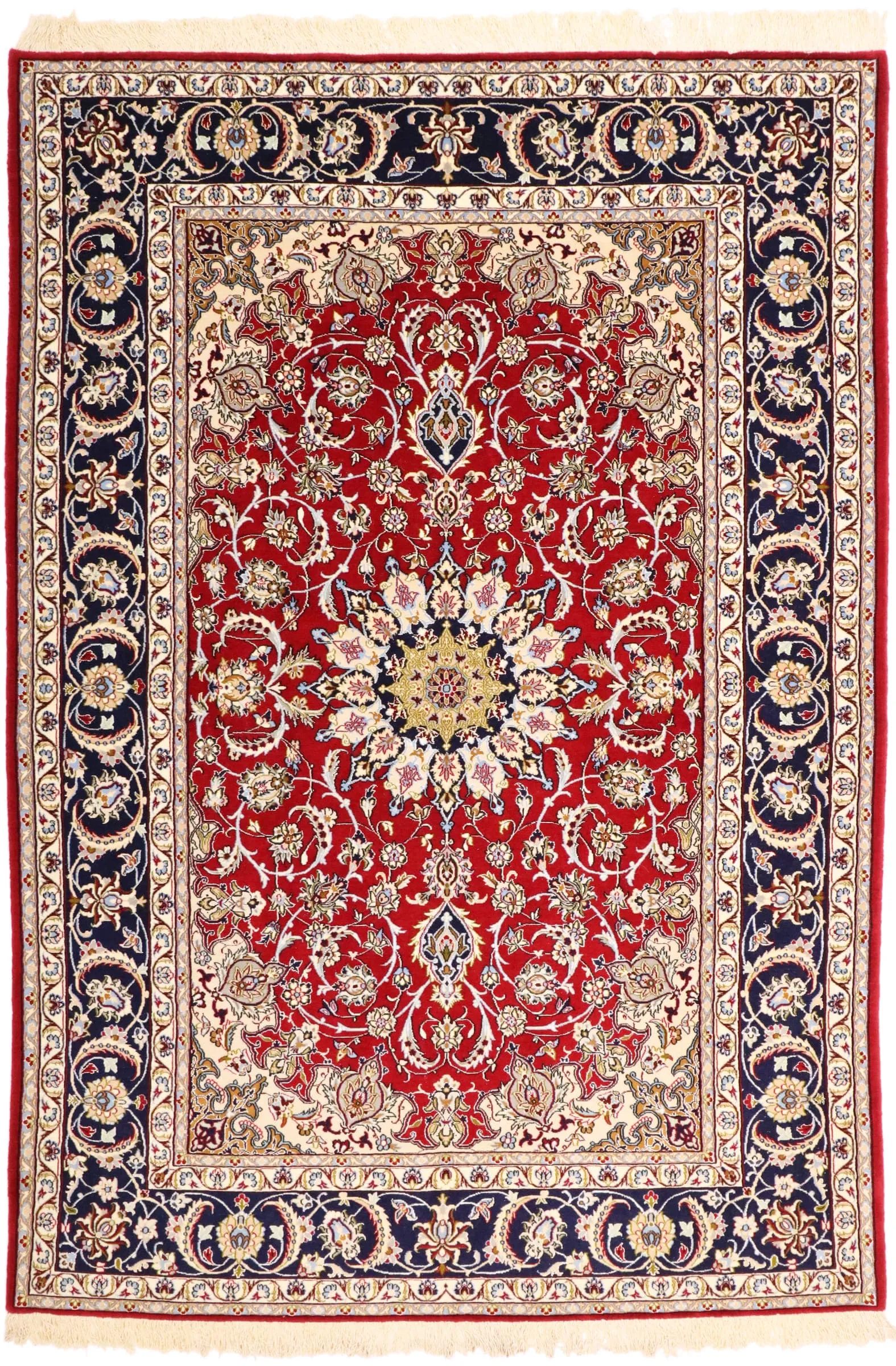
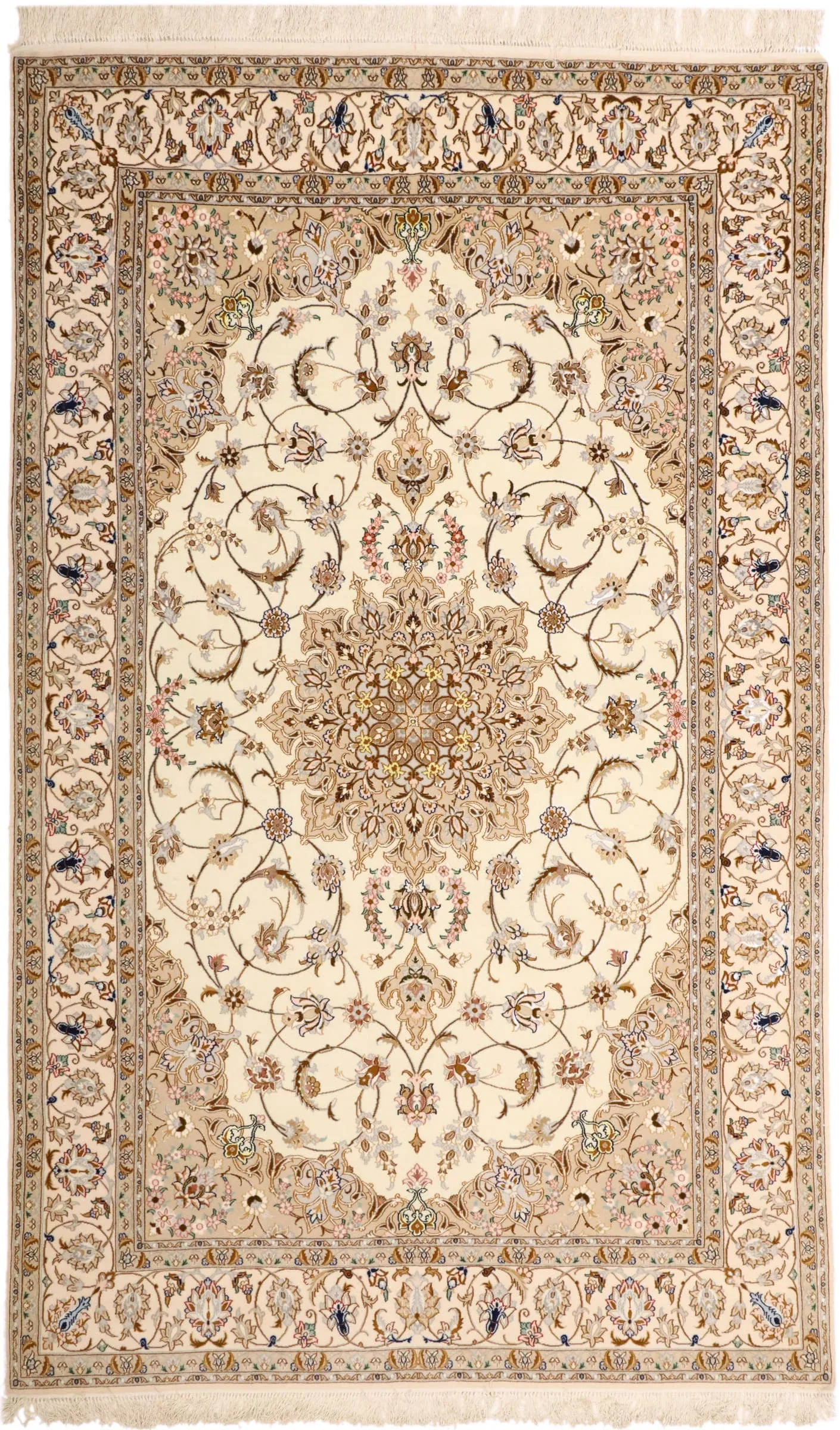
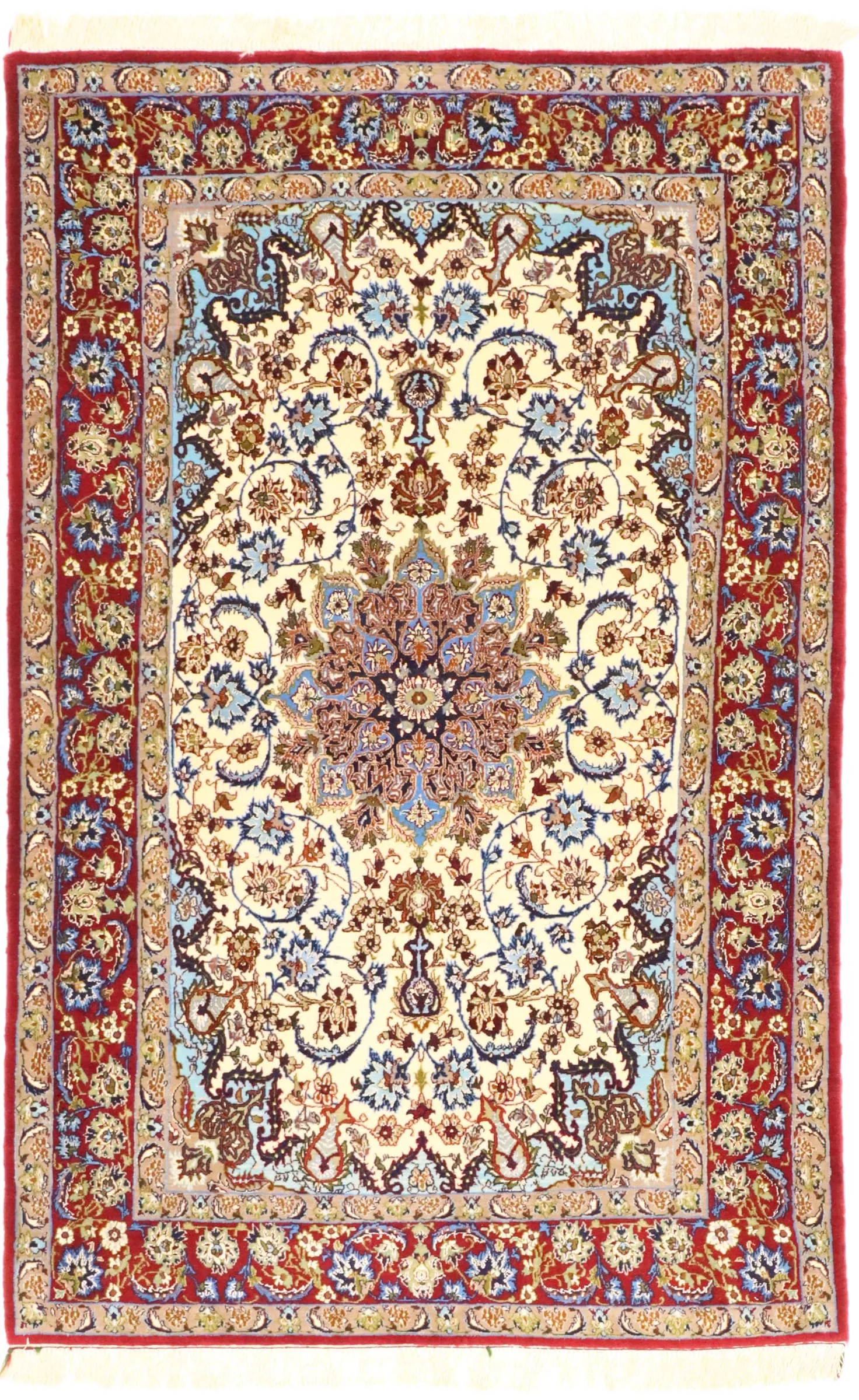
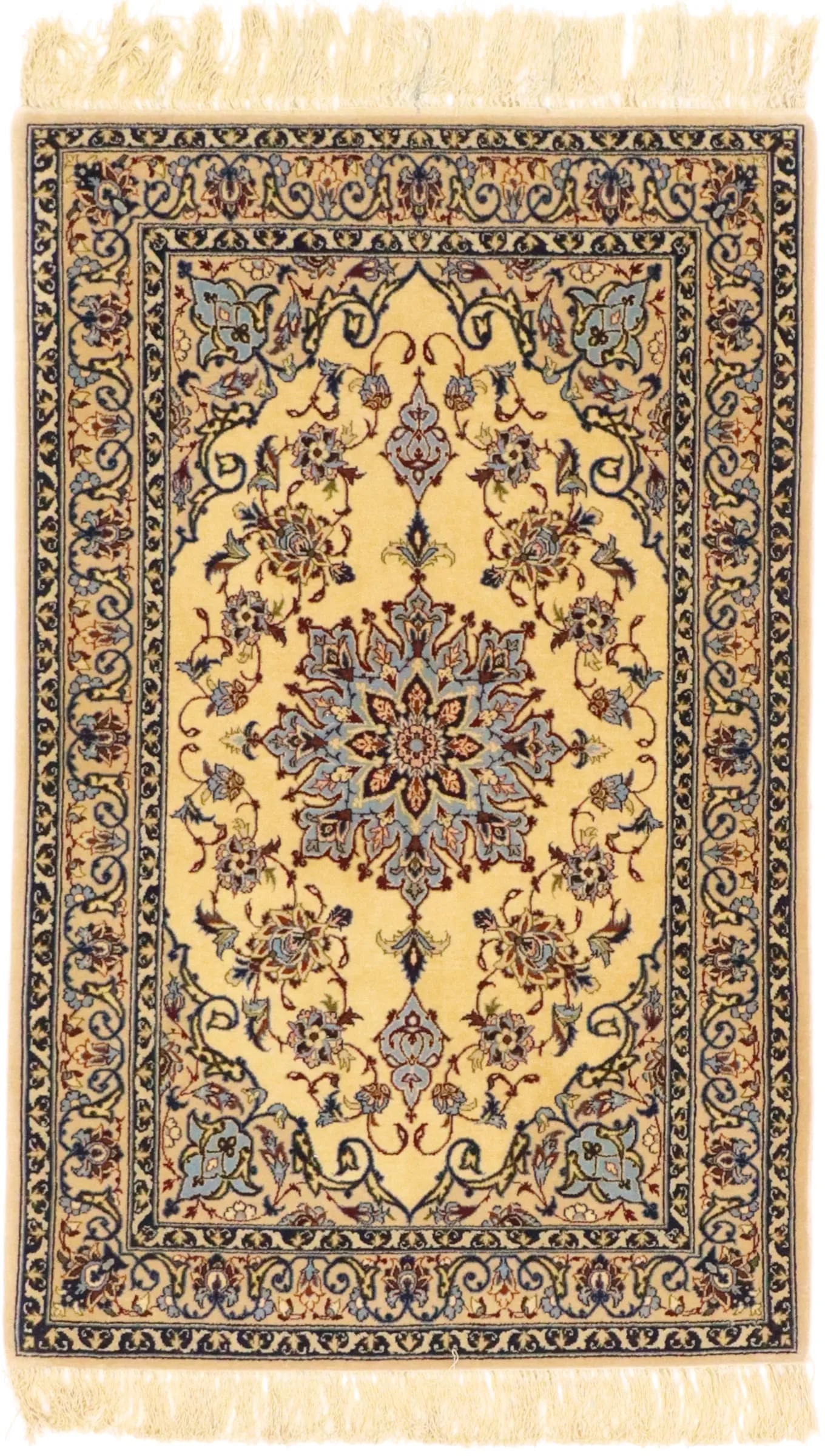
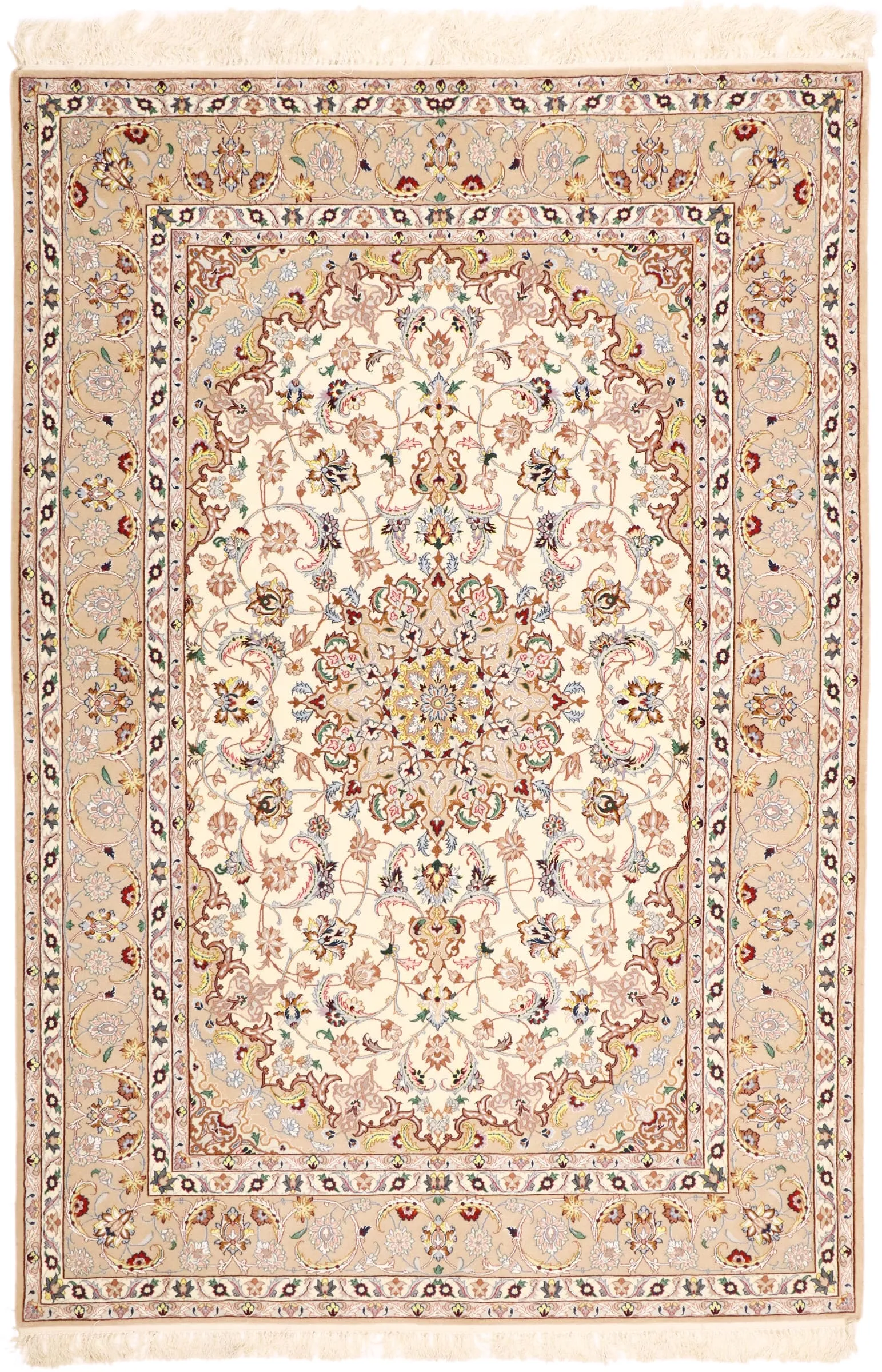
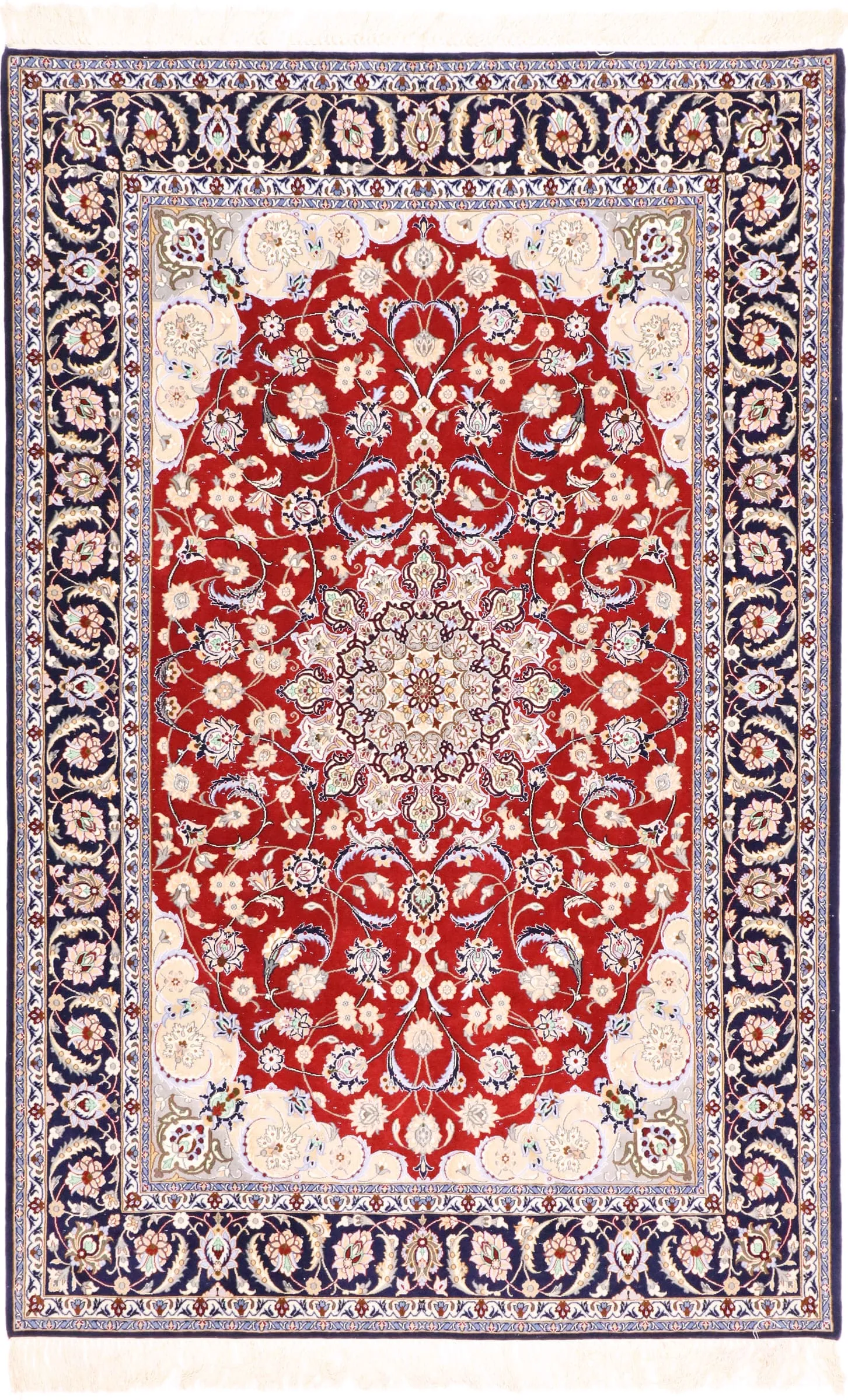
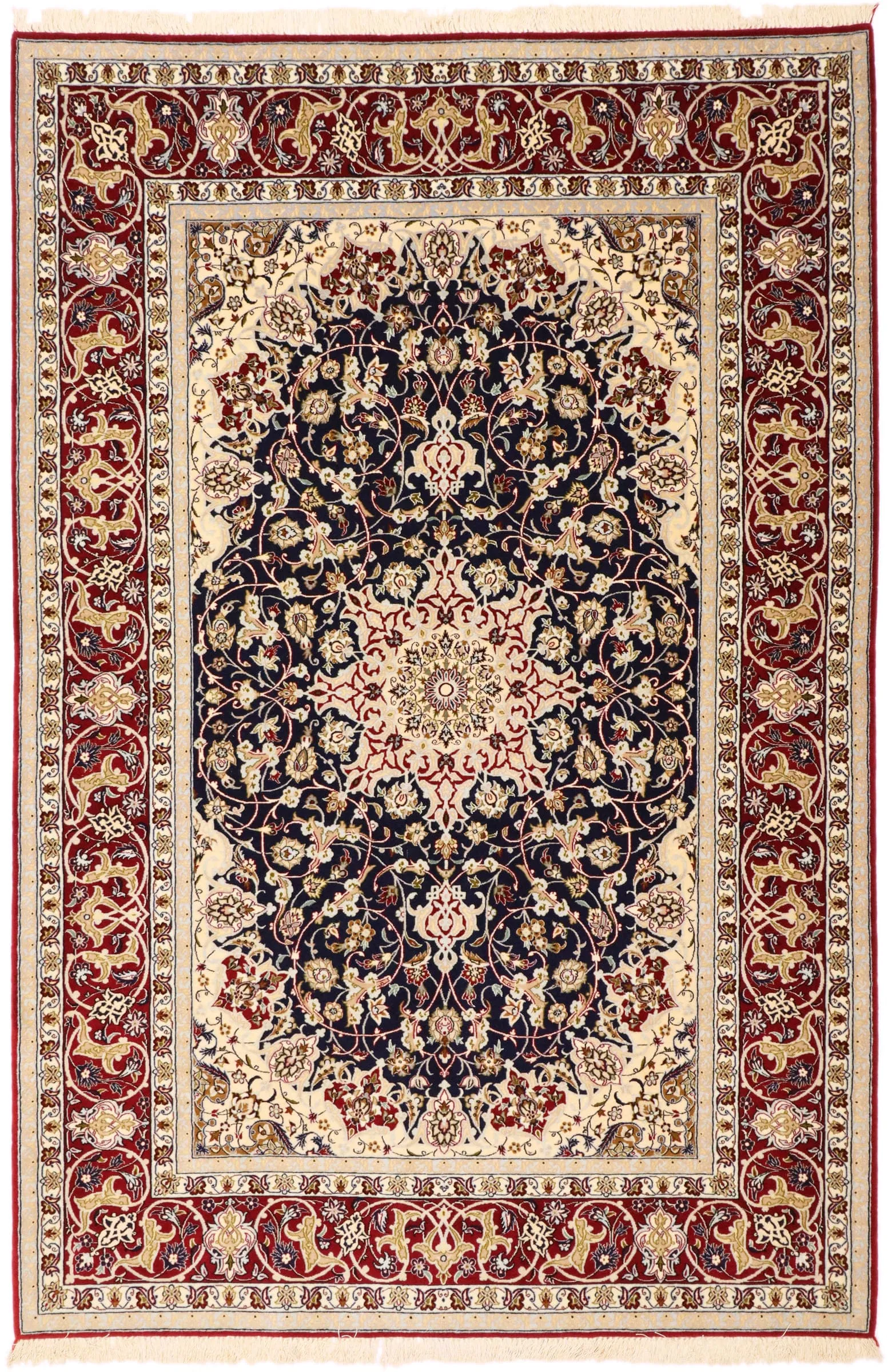
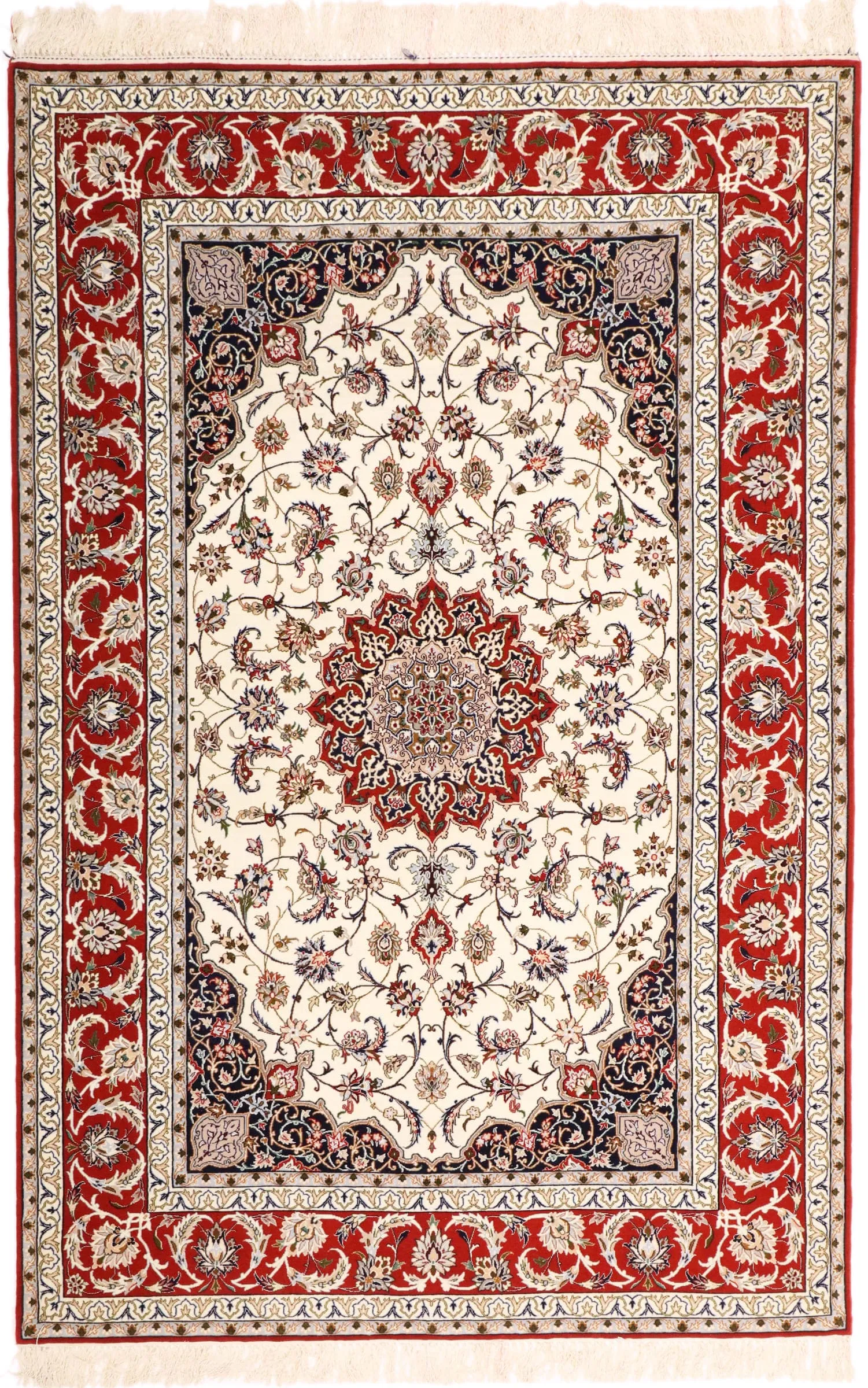
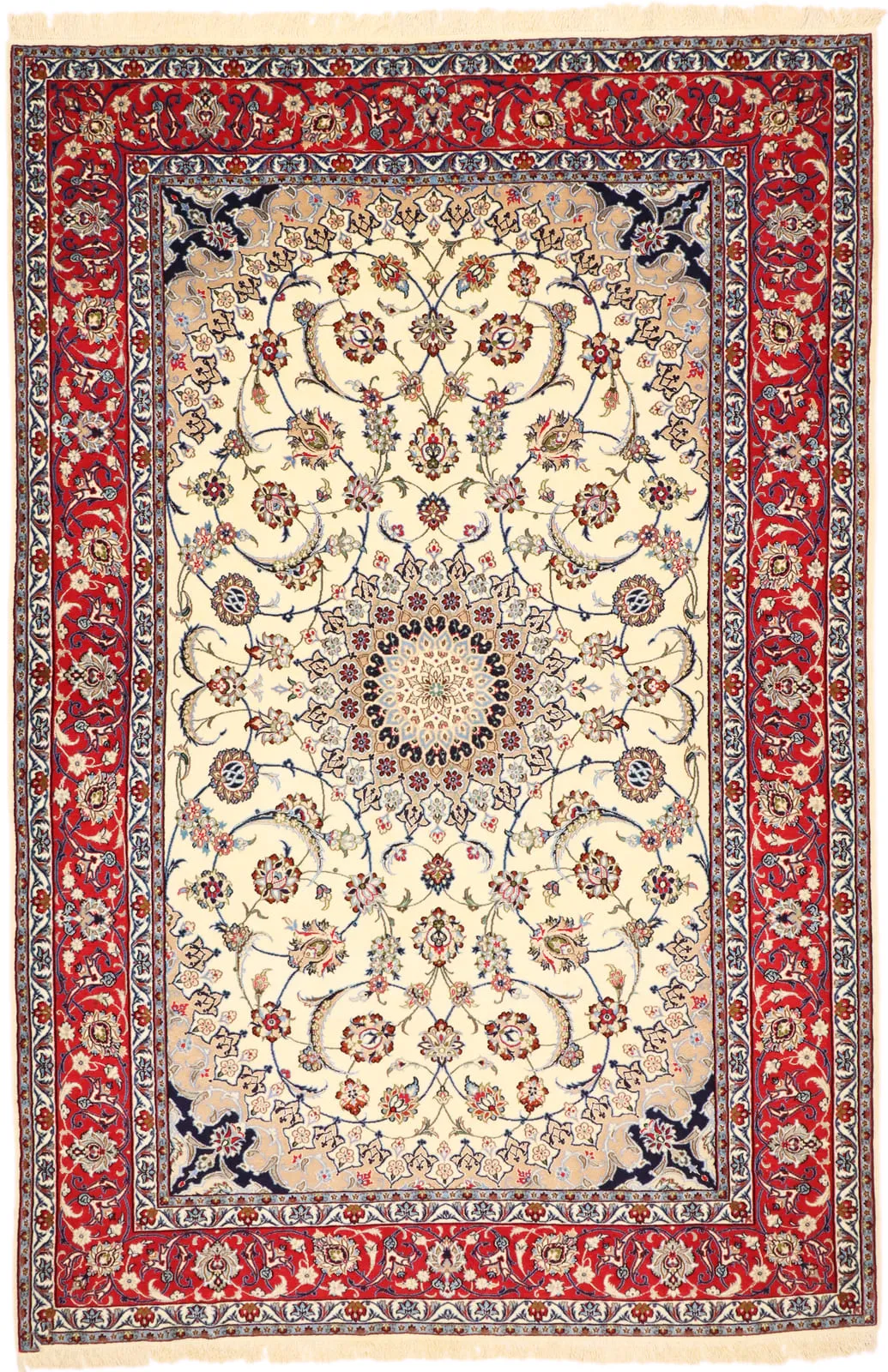
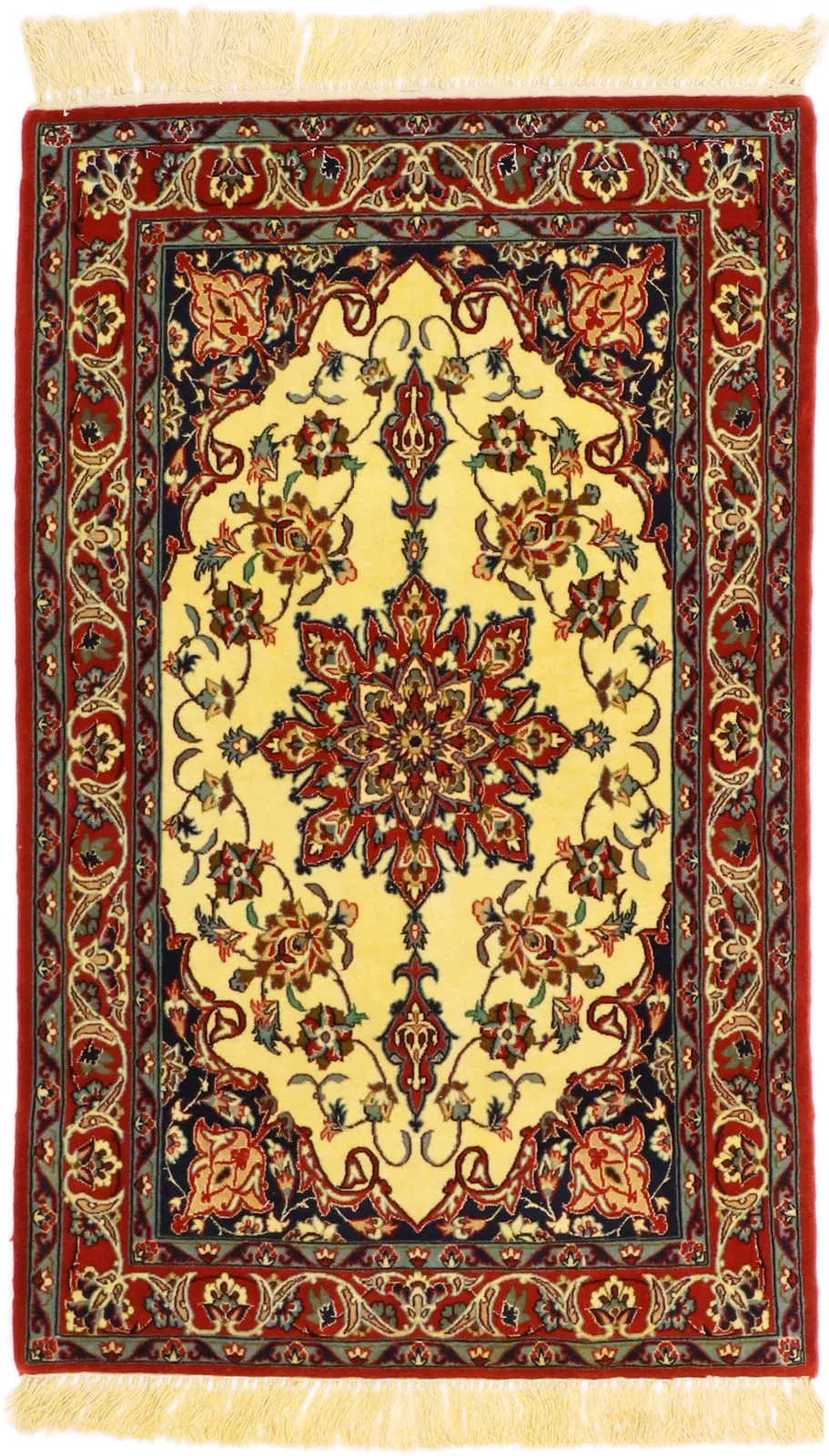
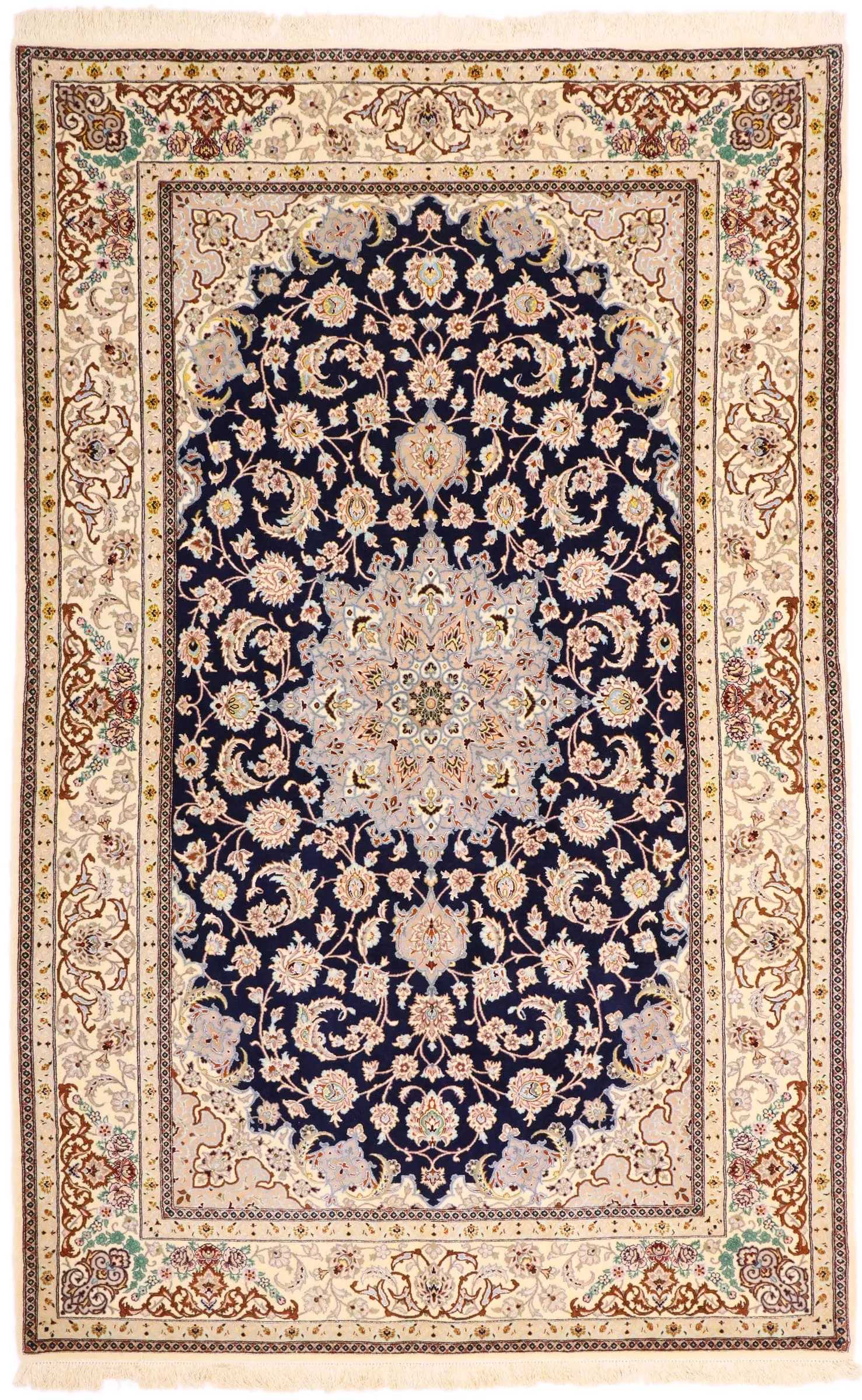
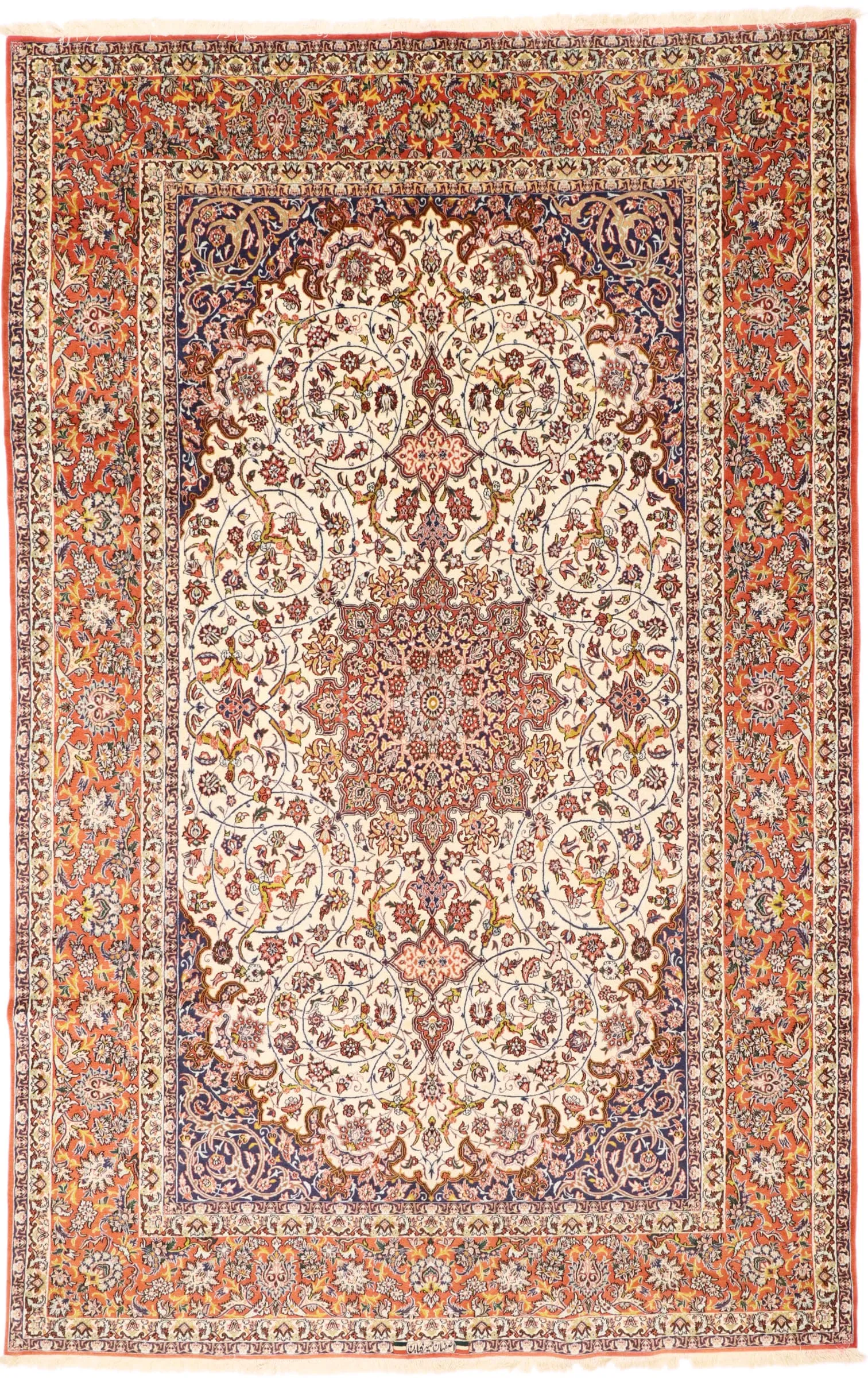
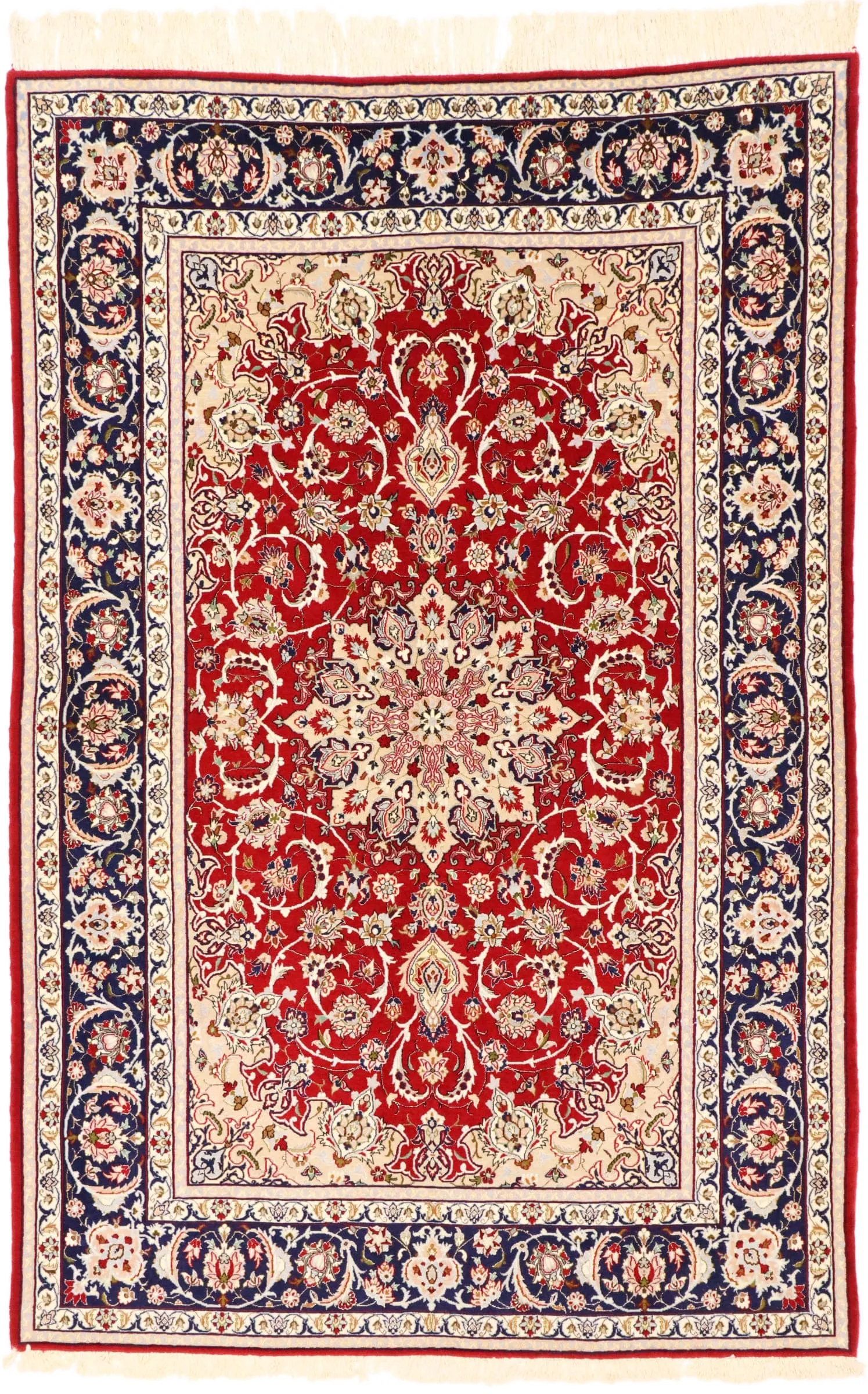
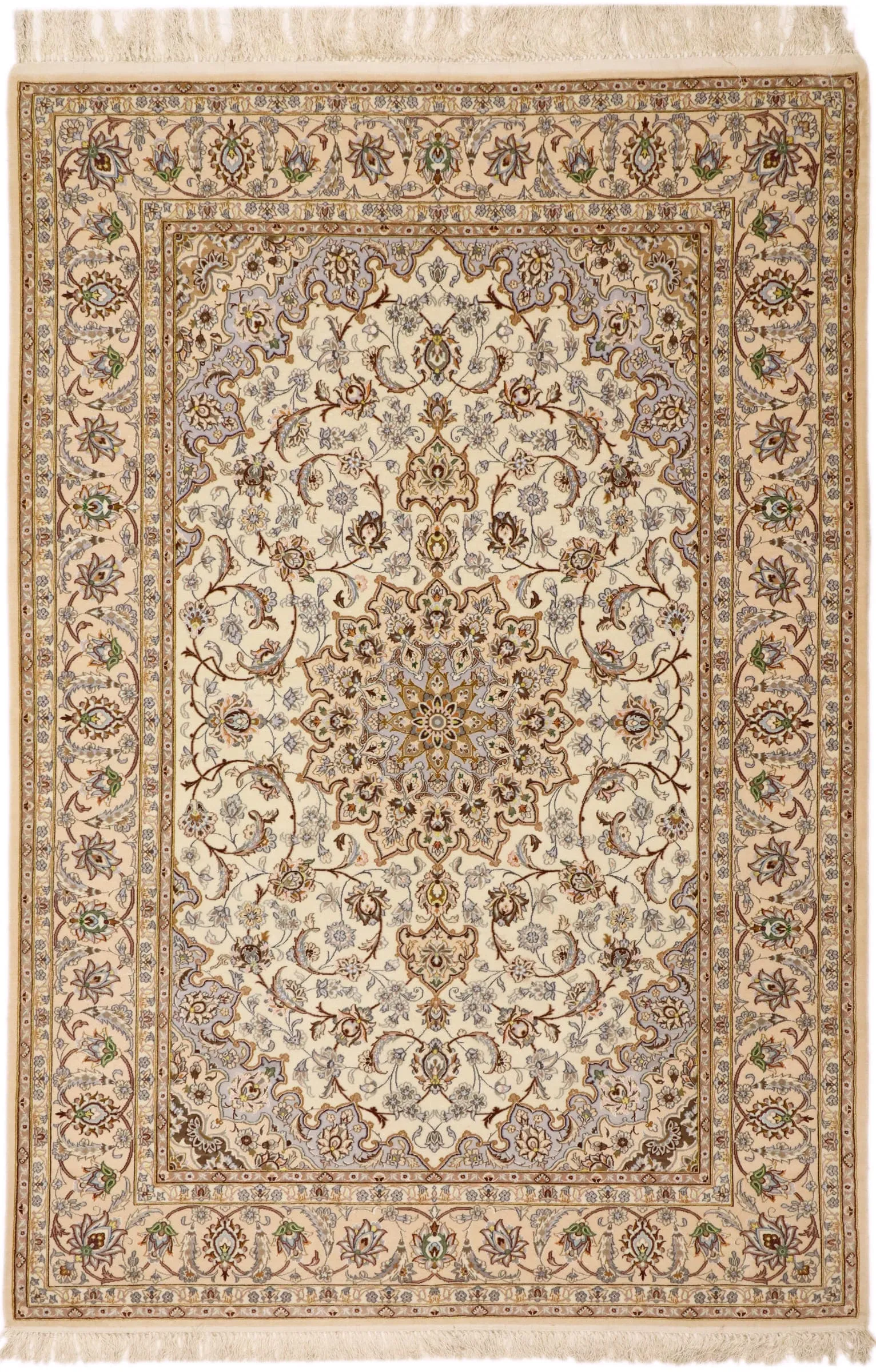
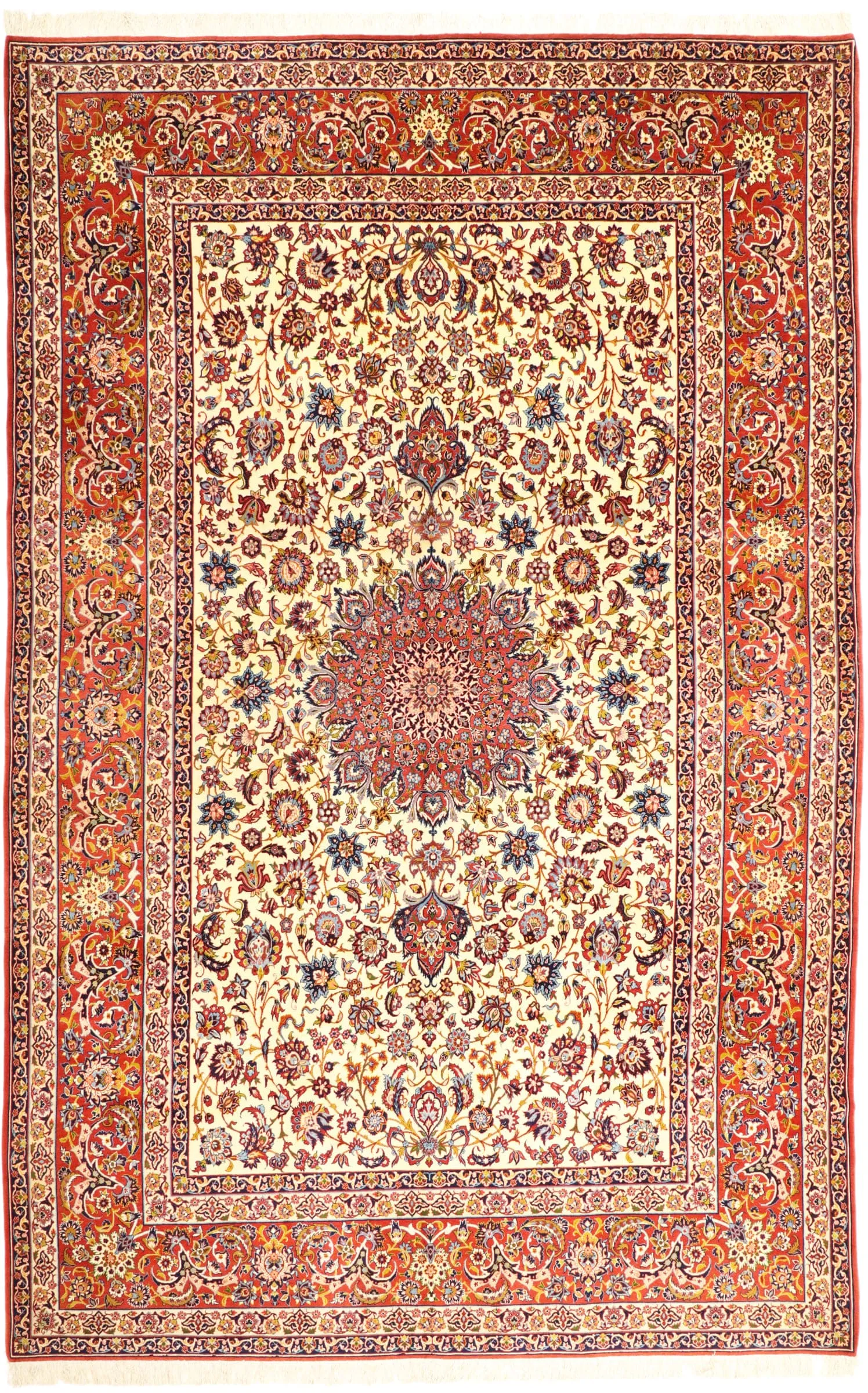
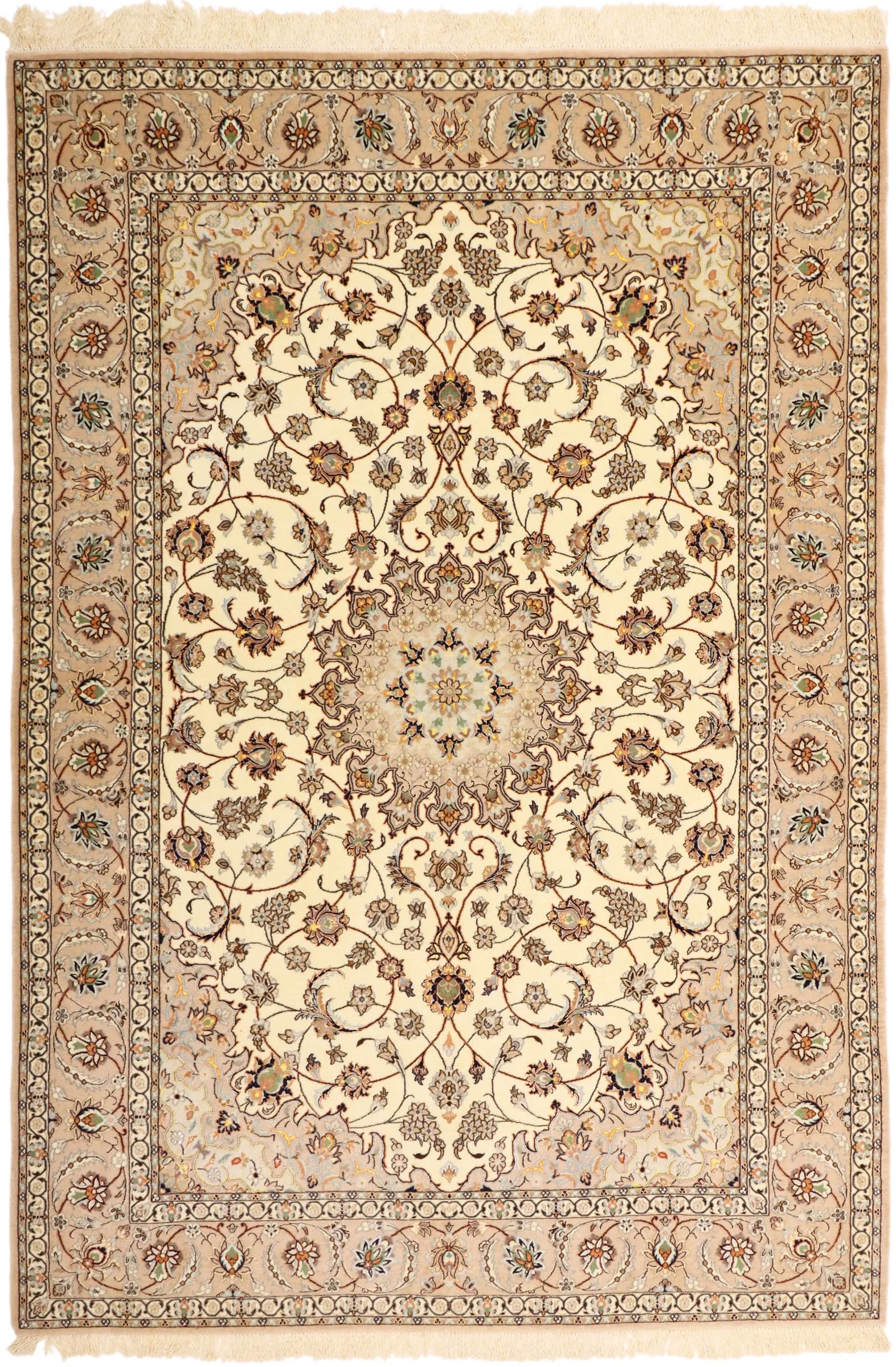
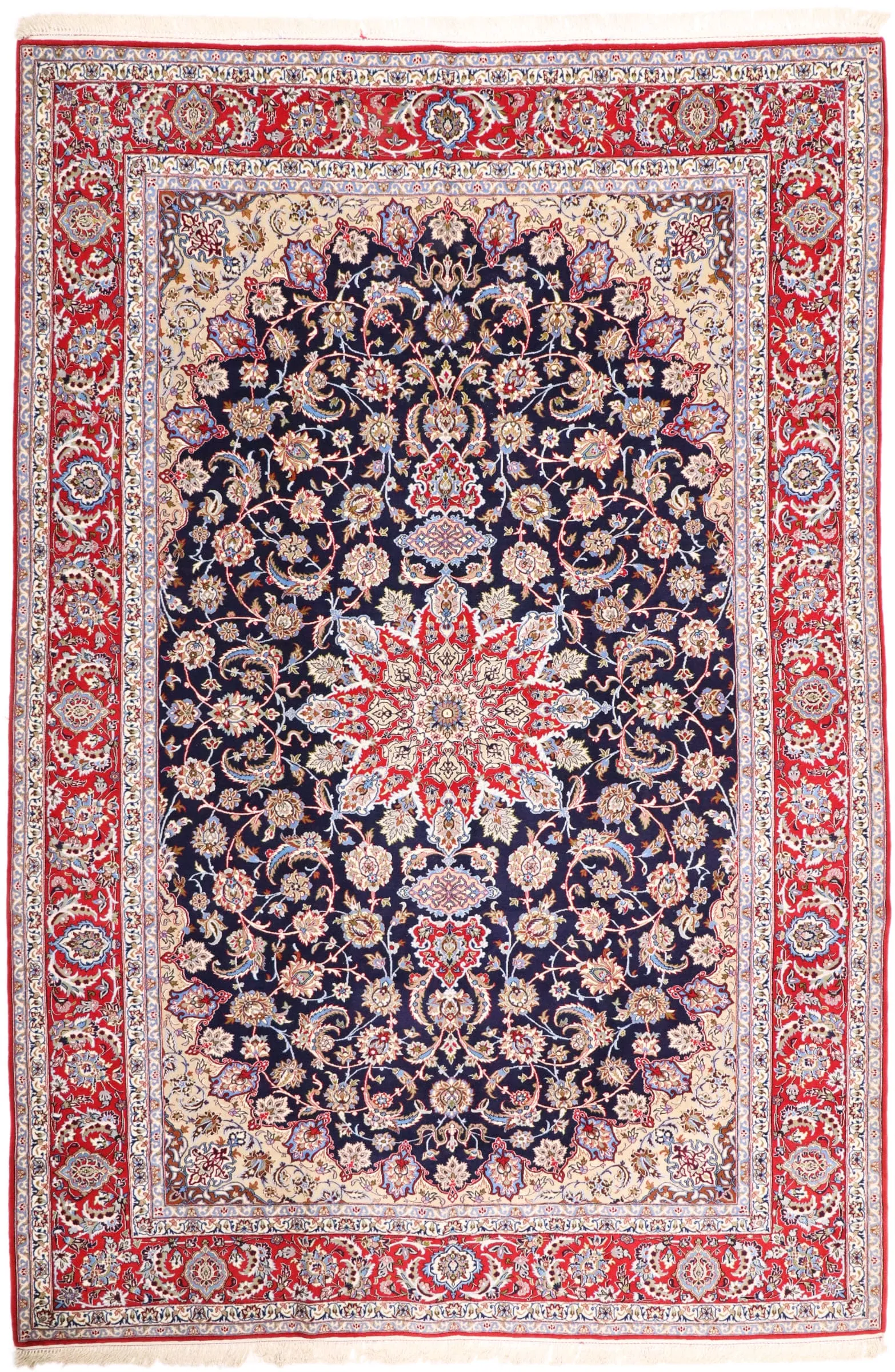
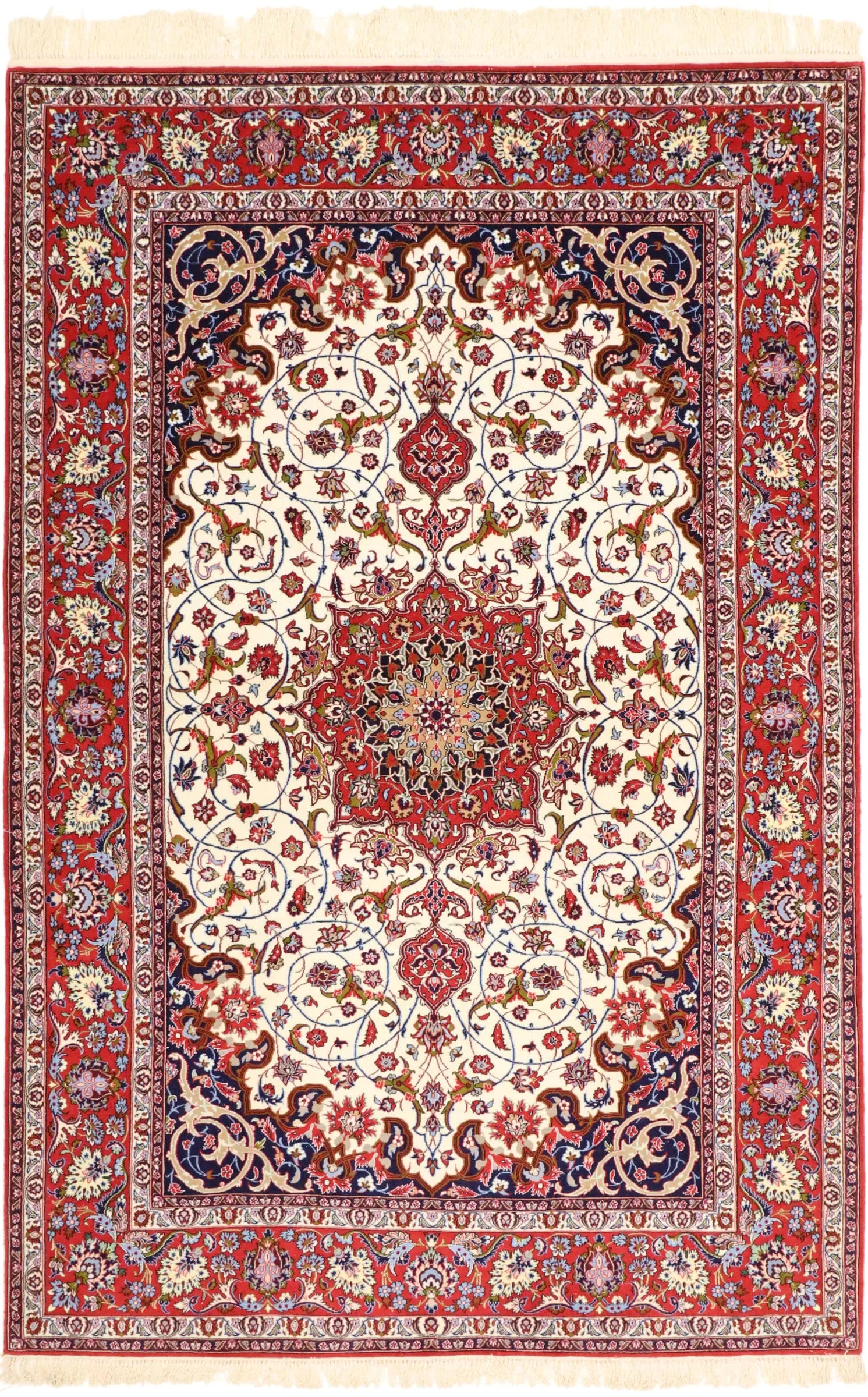
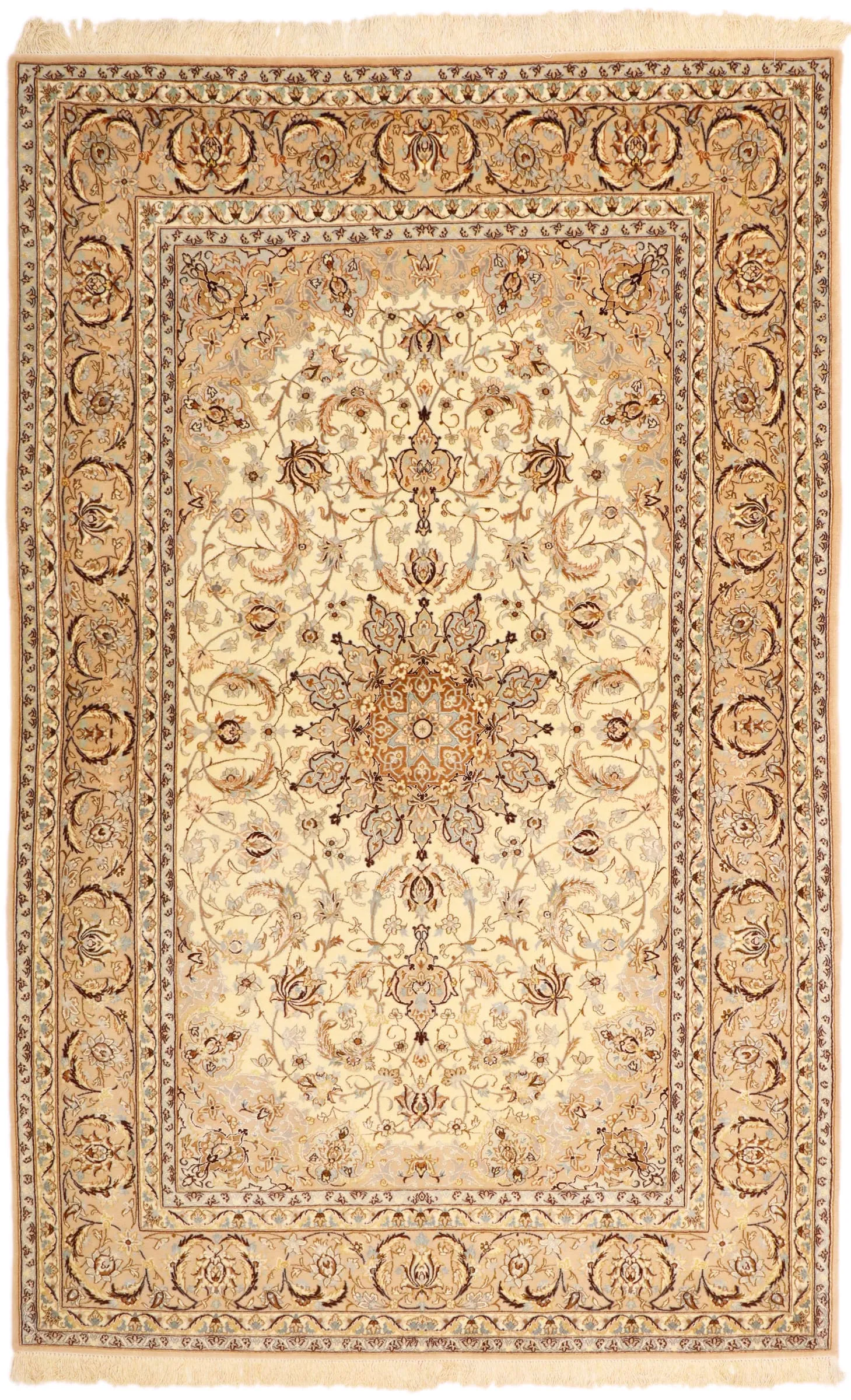
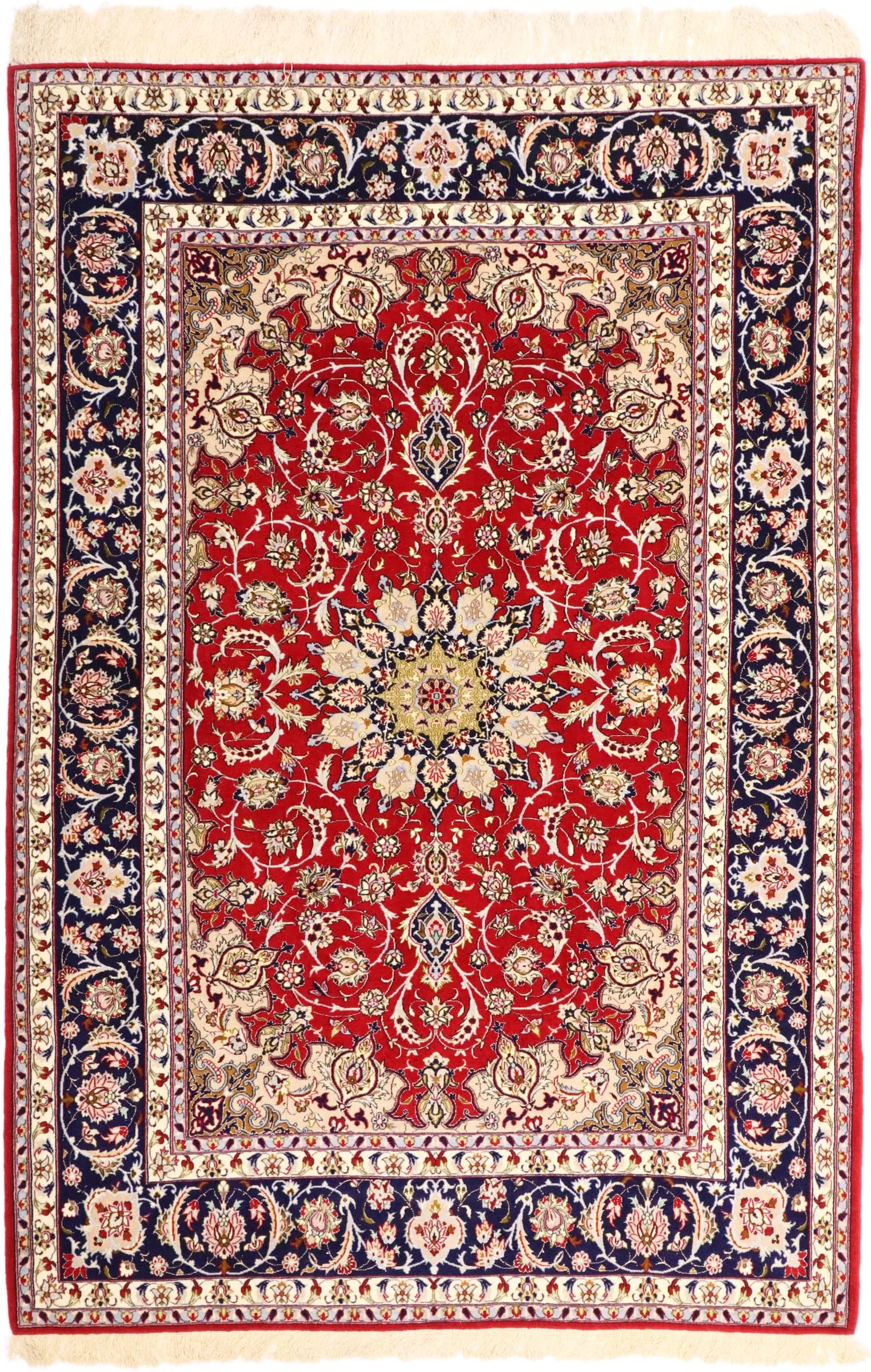
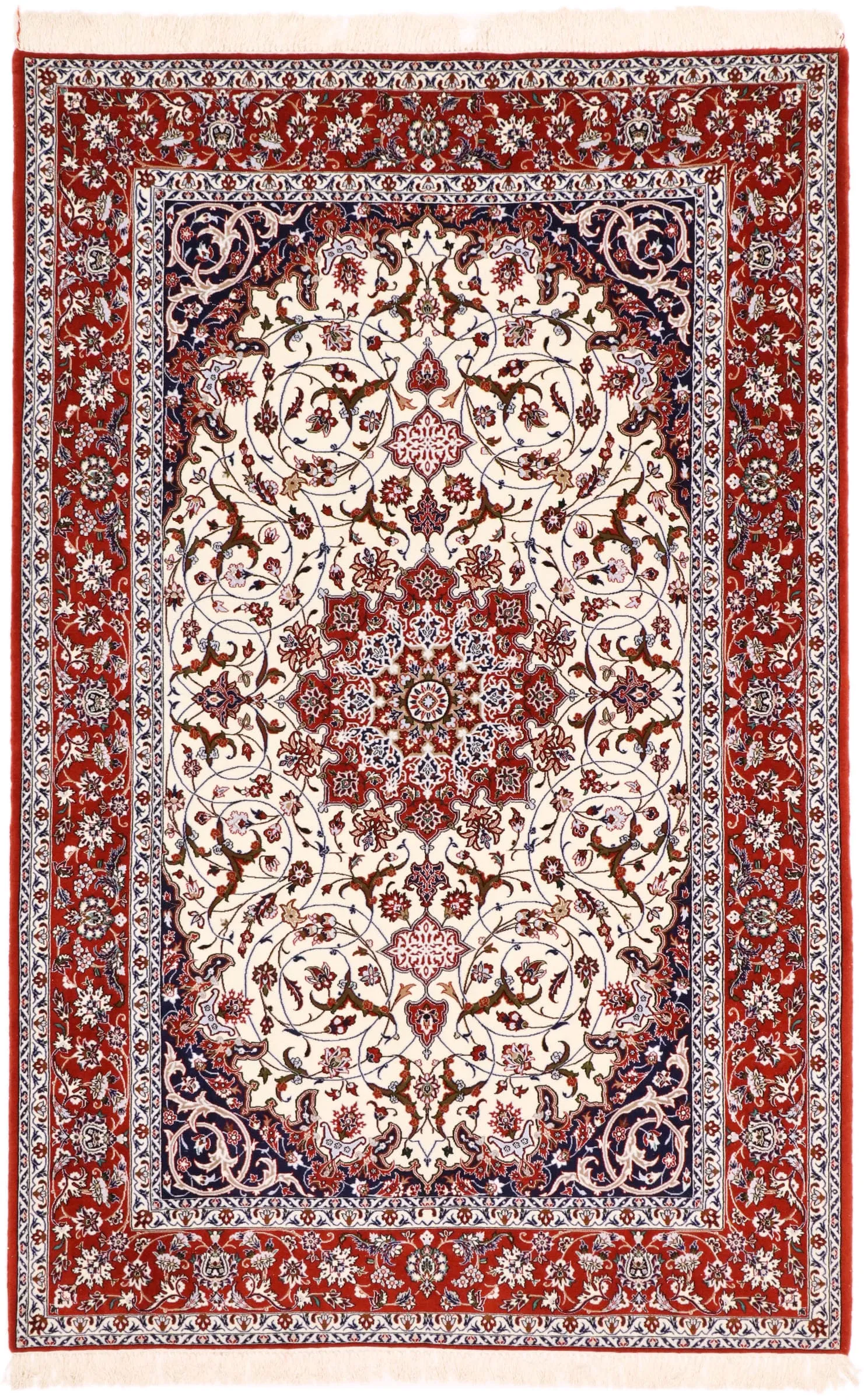
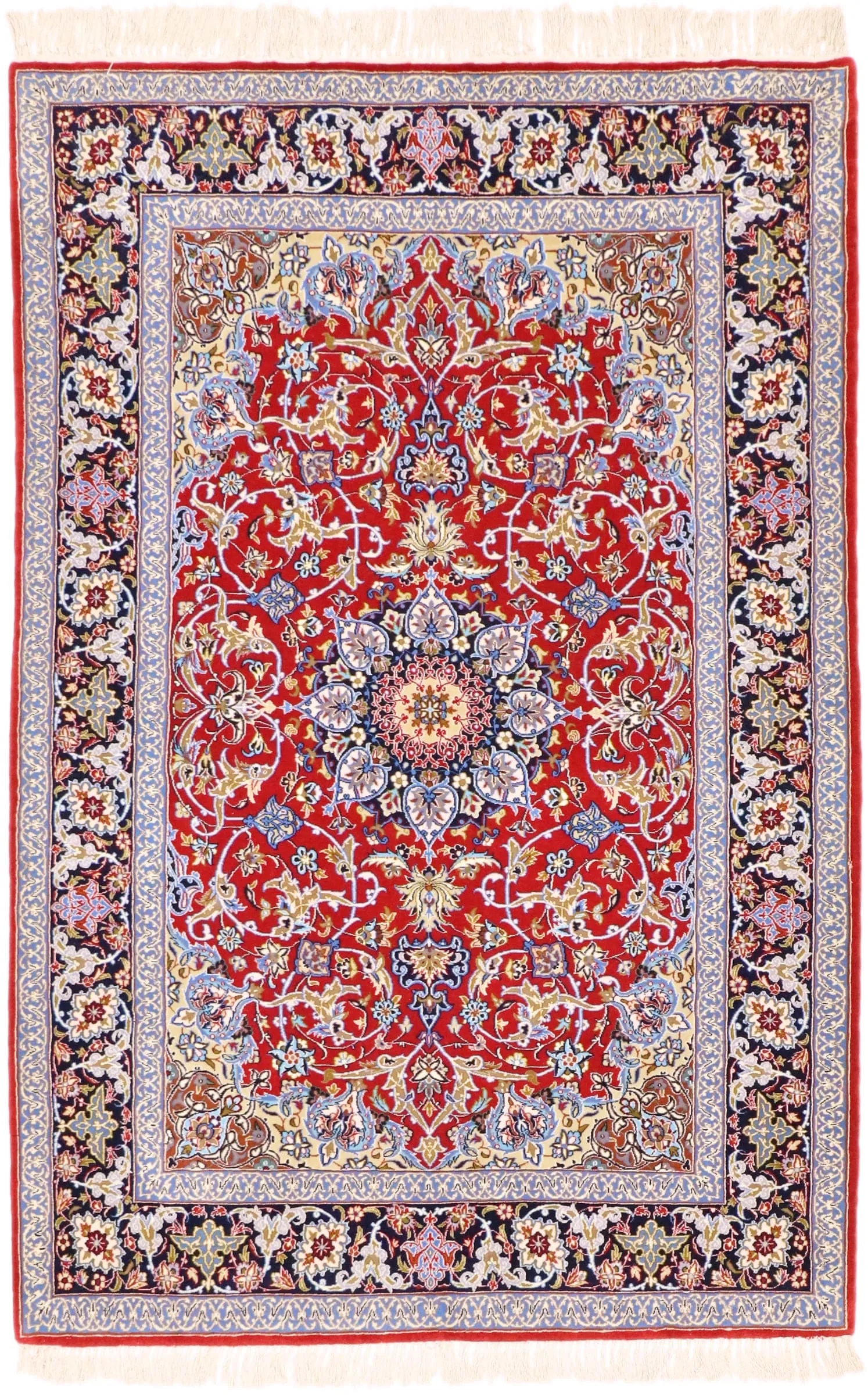
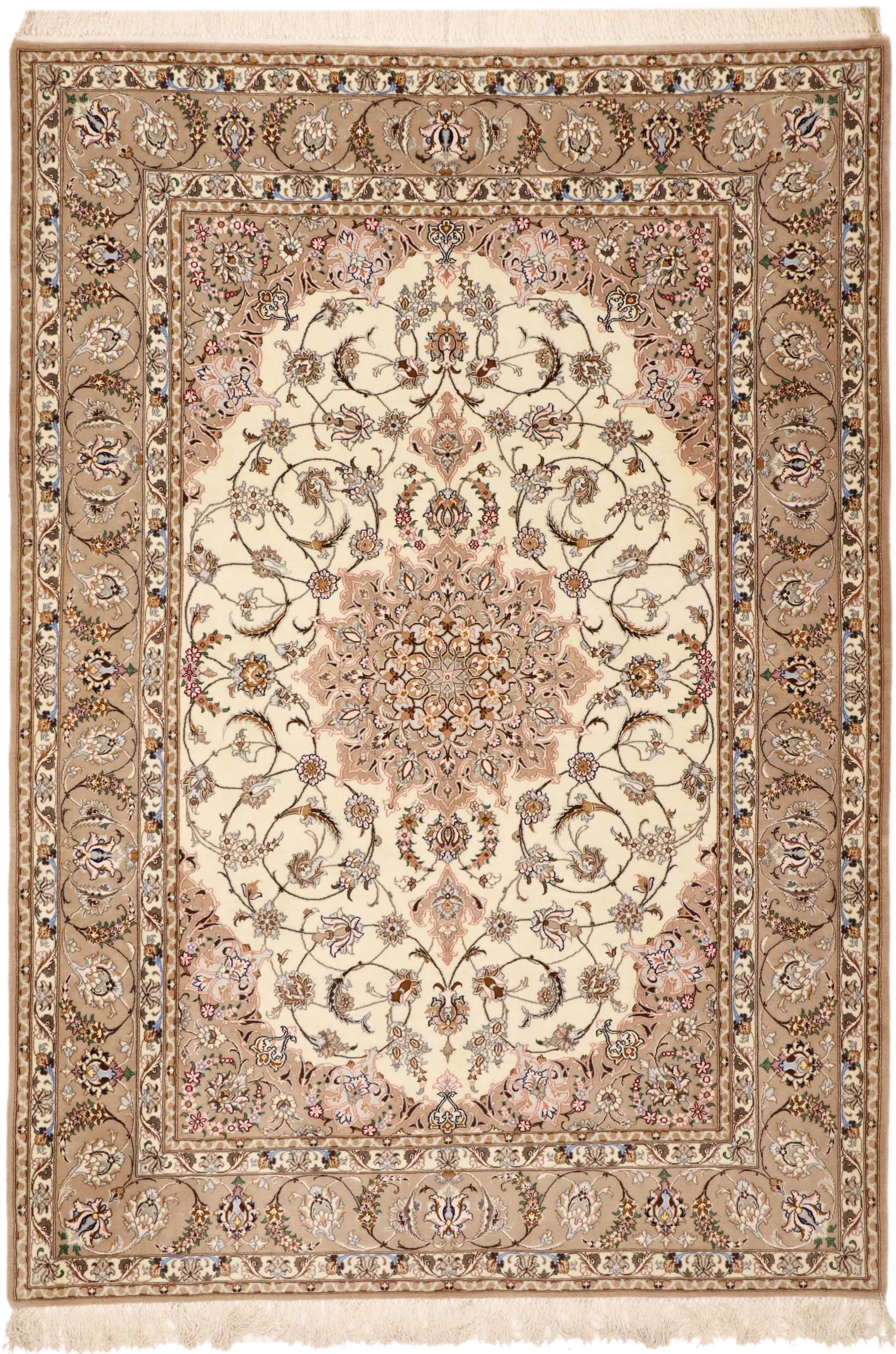
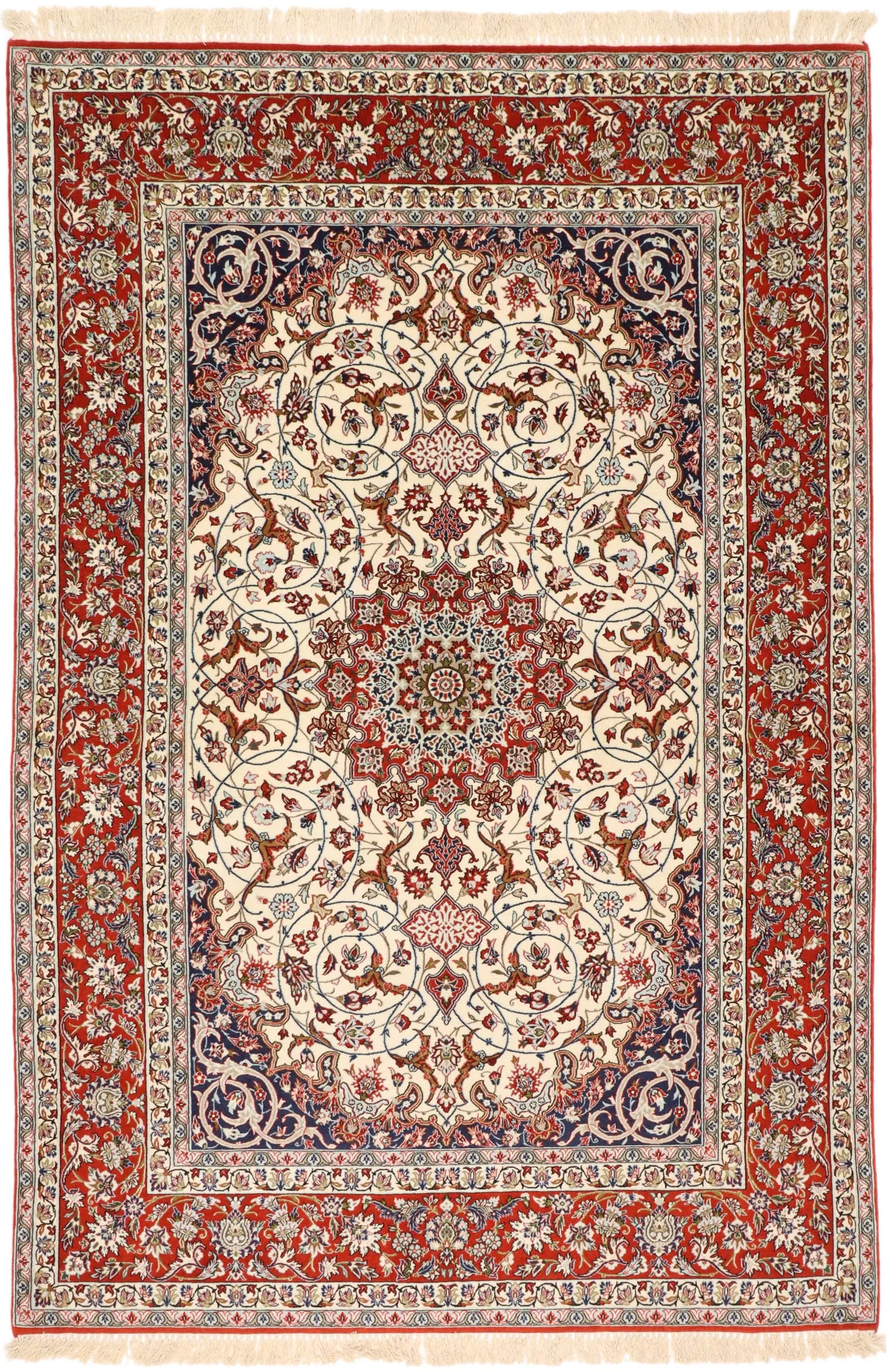
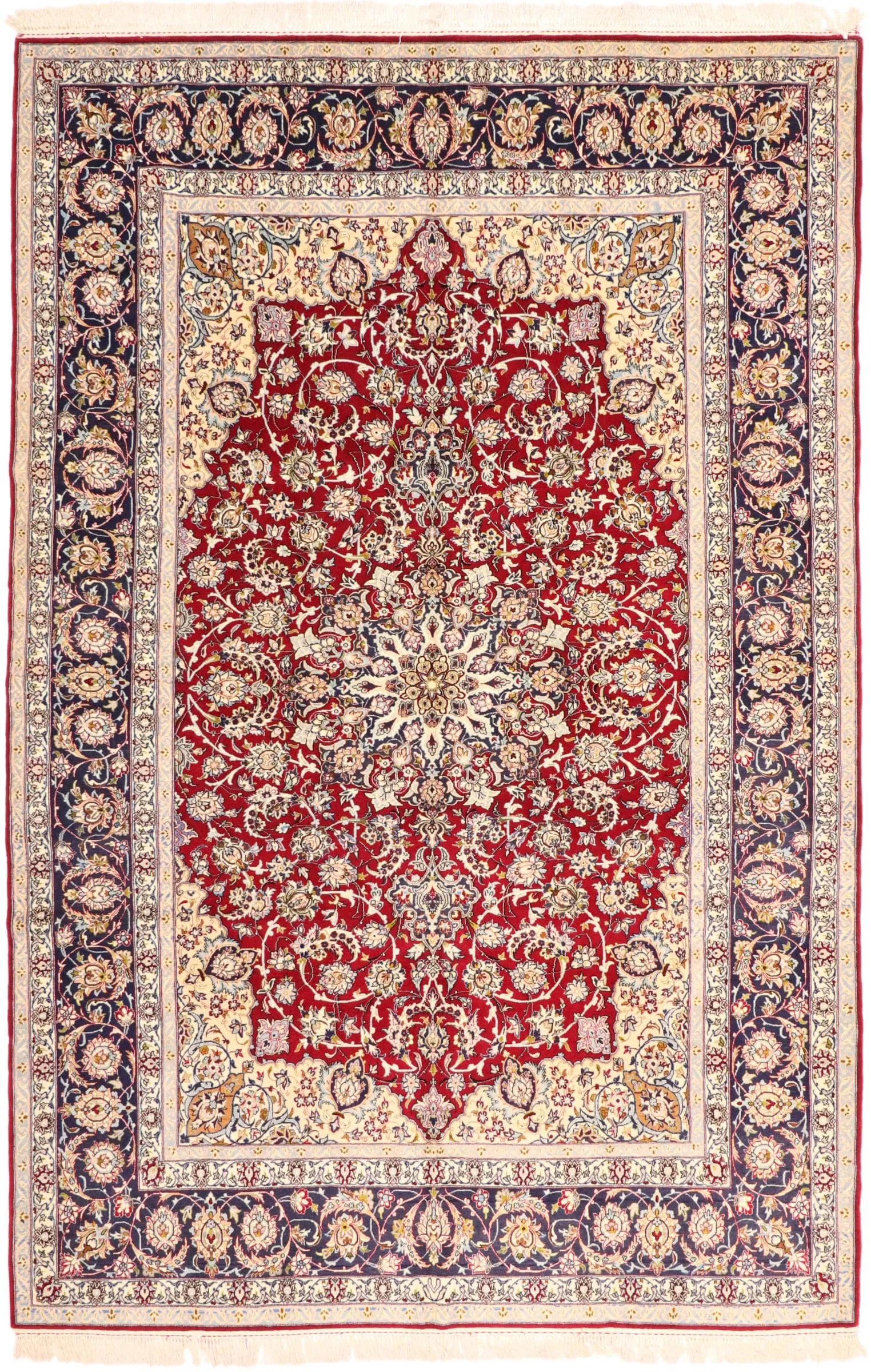
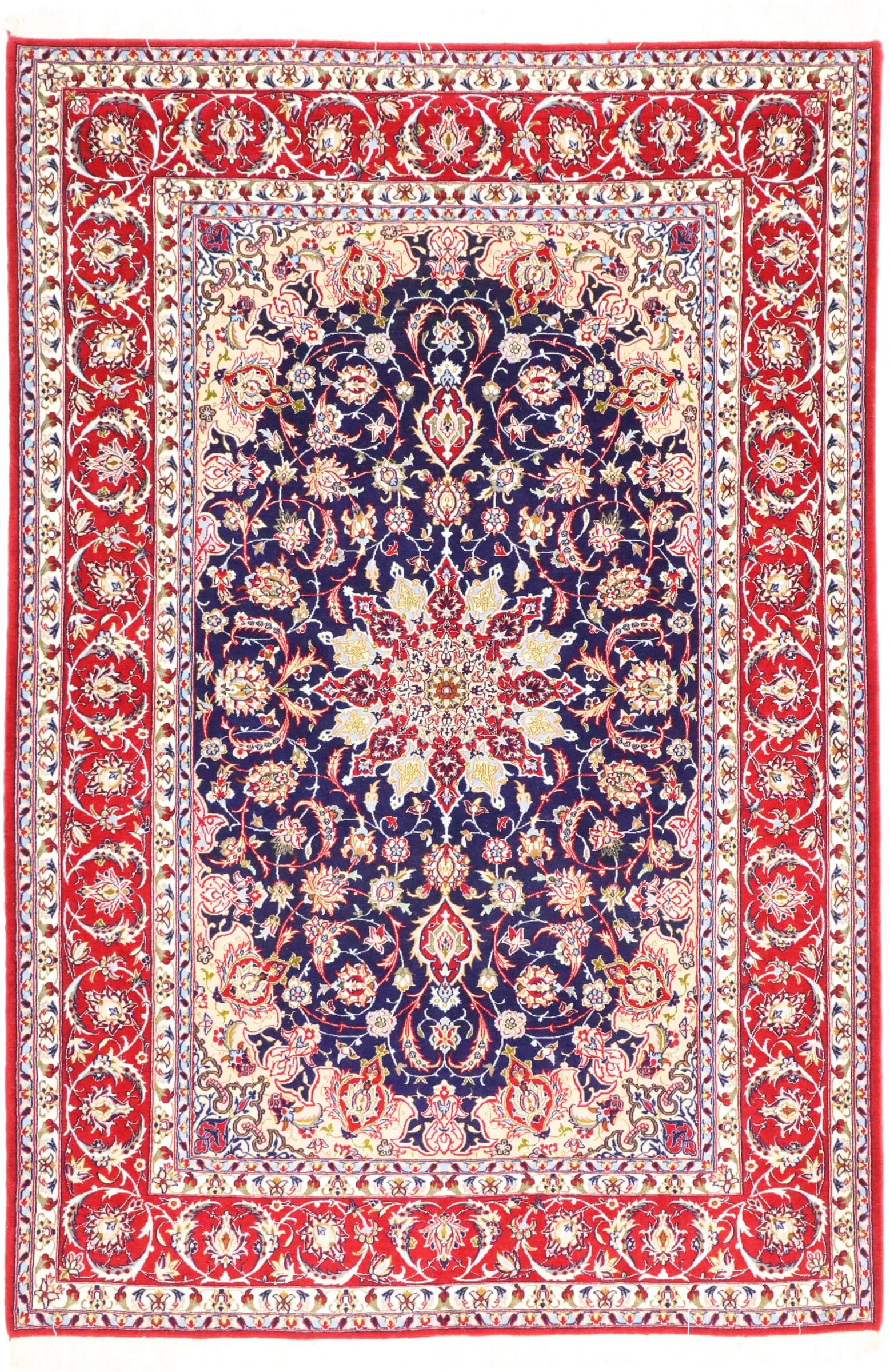
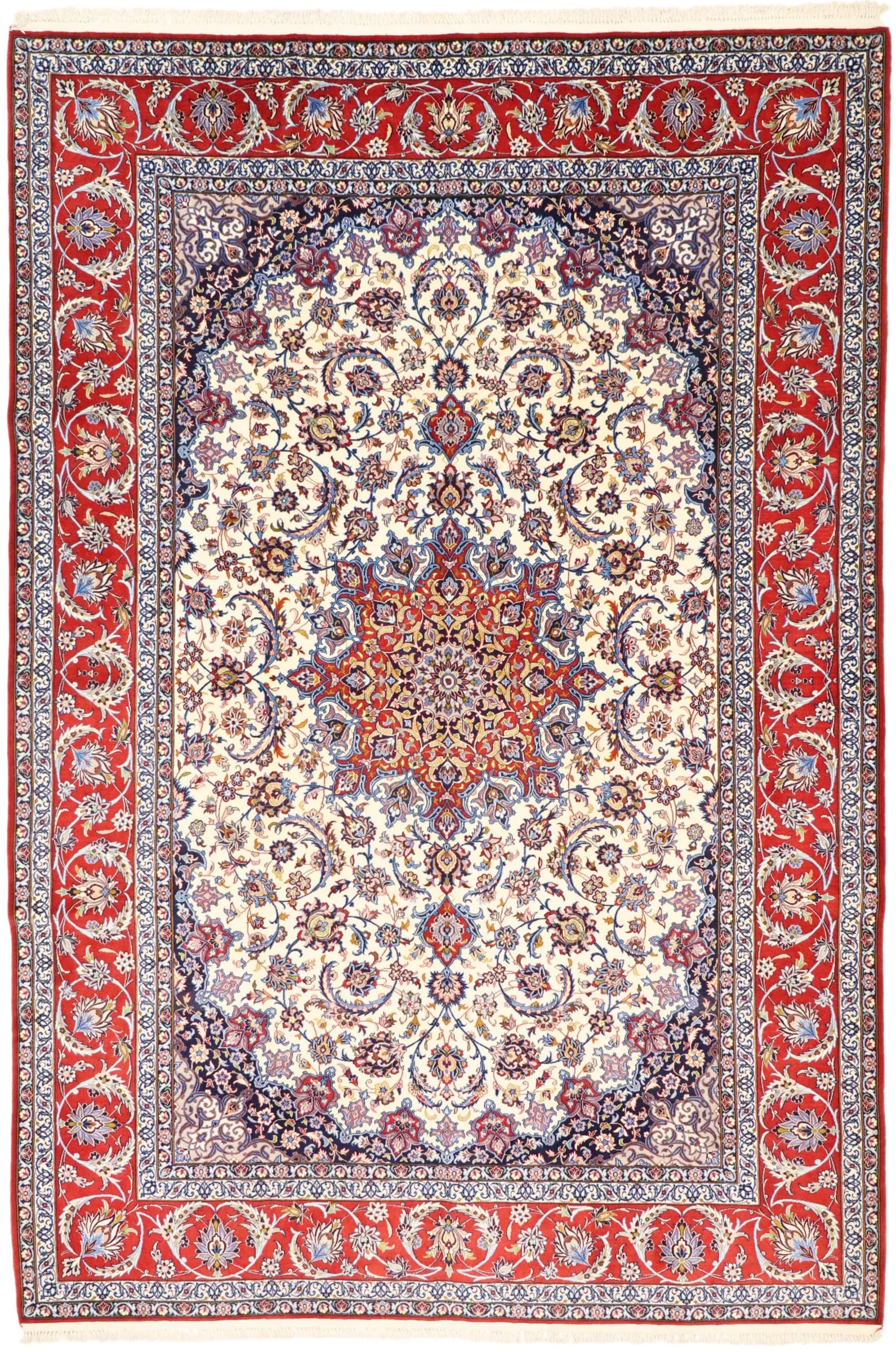
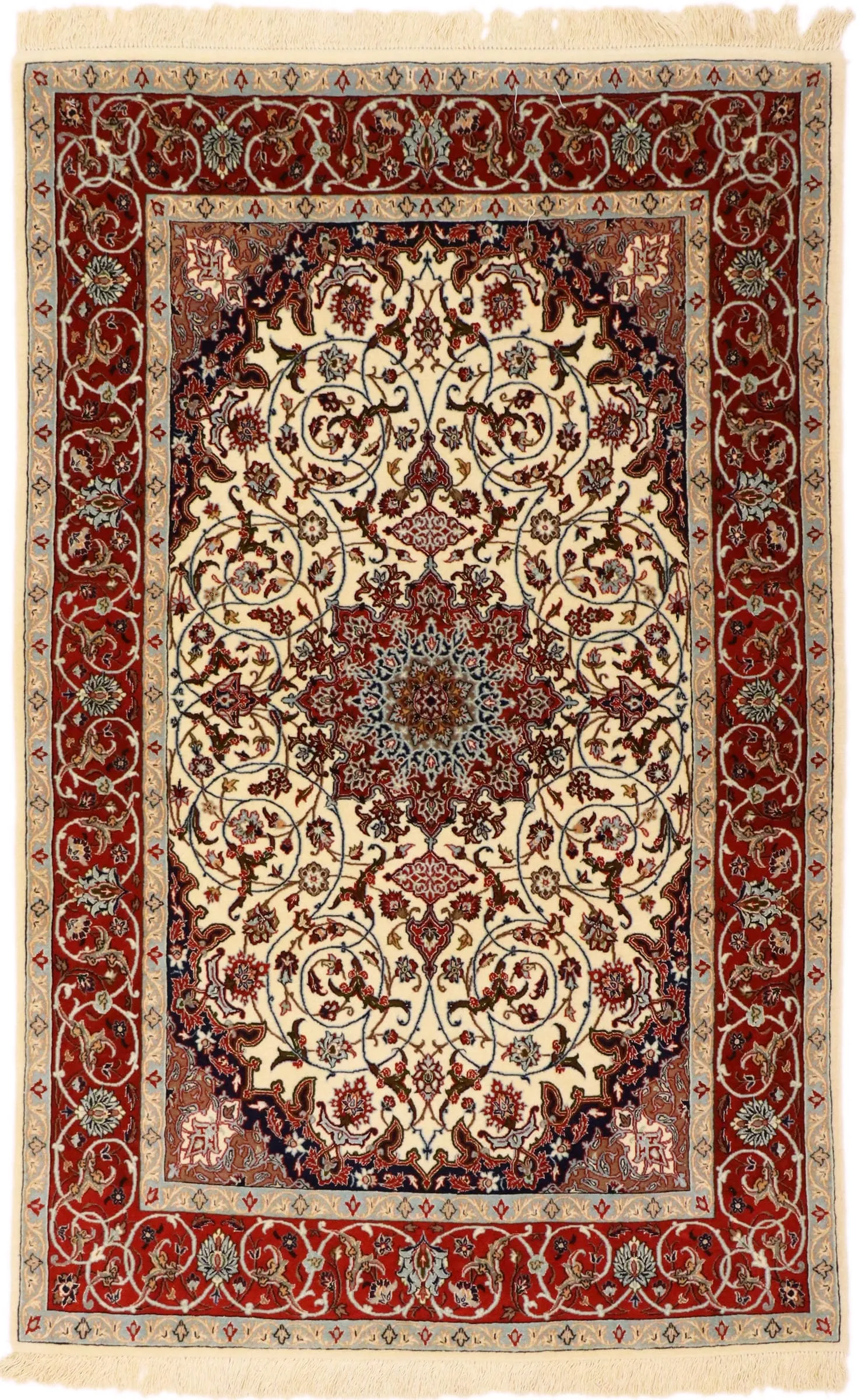
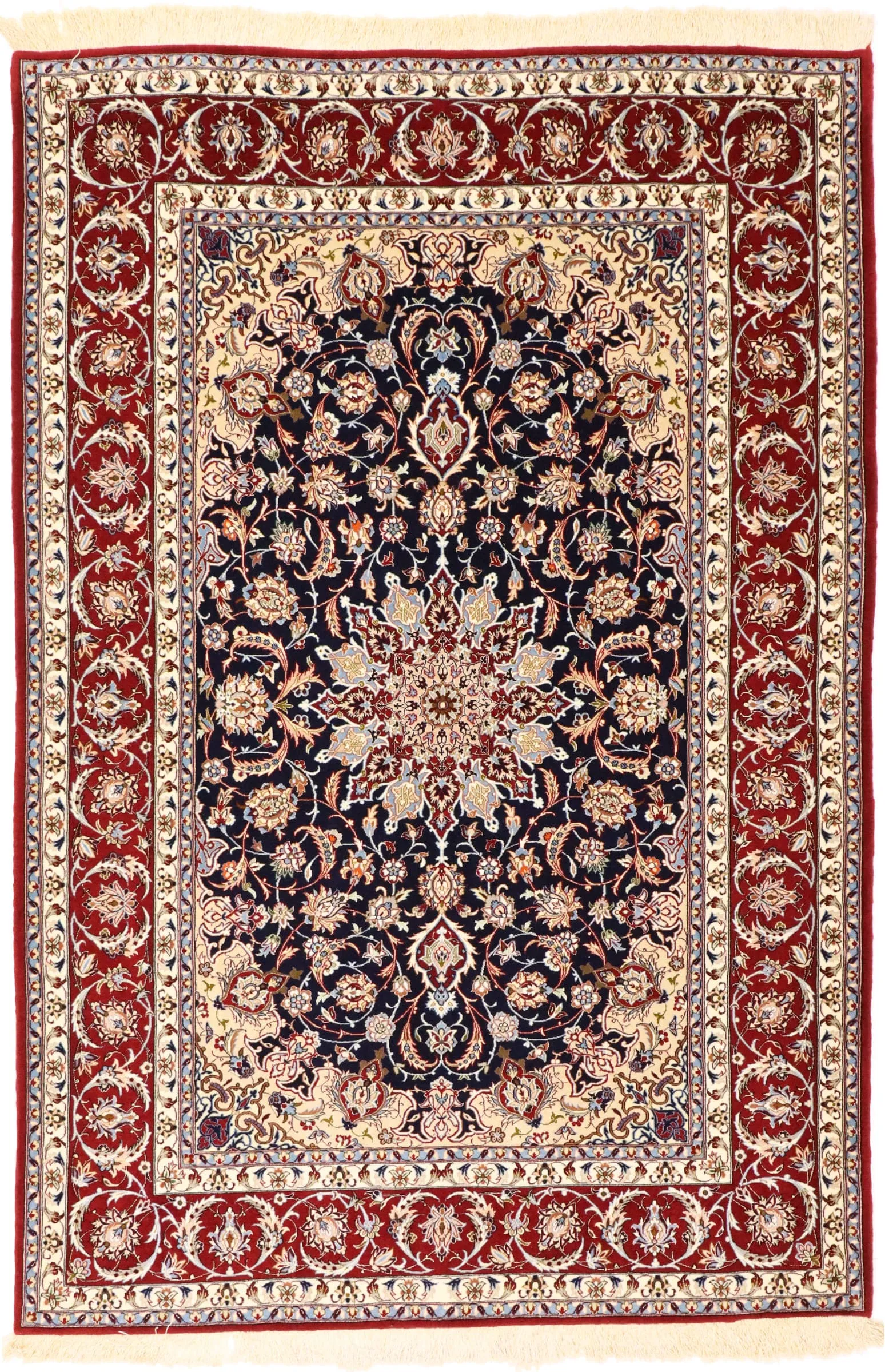
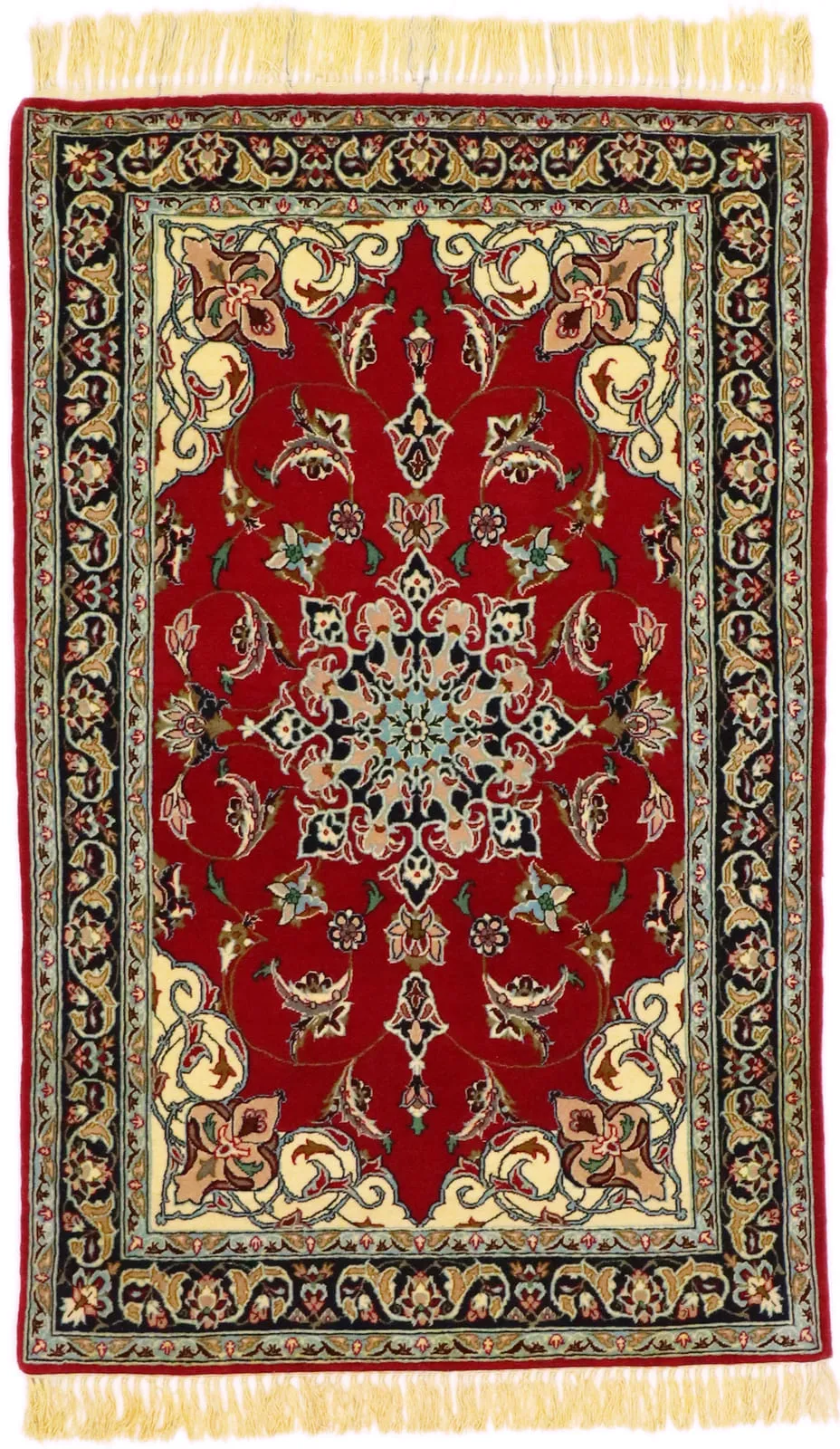
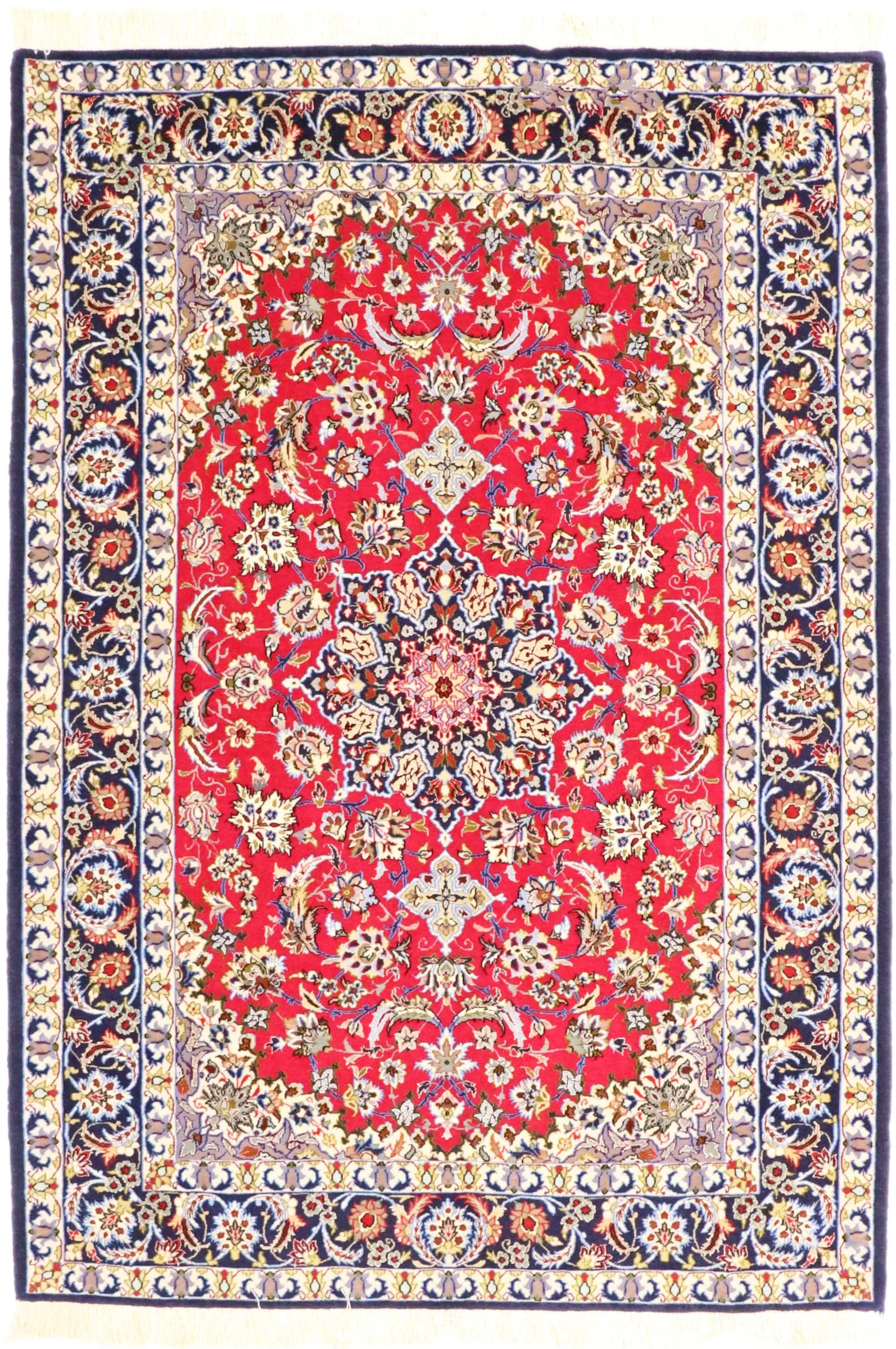
Buy Isfahan rugs at Jakobson Carpets as hand-knotted Persian one-of-a-kind pieces made from fine wool and silk – with elegant medallions, floral ornaments and subtly shimmering silk details. Hand-knotted Isfahan rugs combine a high-quality wool pile with finely worked silk highlights; in the qualities offered here, the warp is made entirely from silk. This traditional construction allows exceptionally precise contours and makes medallions, floral vines and arabesques catch the light with subtle brilliance. As classic Persian rugs from Isfahan, they represent refined Iranian craftsmanship, balanced colour palettes and an elegant yet inviting presence. In a living or dining room, they create a sophisticated focal point with lasting character.
Isfahan is one of the historic centres of Persian rug making. Finely drawn ornament, balanced medallions and harmonious colour palettes are characteristic of the style, combining classical Persian design with an especially refined and elegant presence.
This guide explains how materials, knotting, pattern structure and room placement shape the character of a hand-knotted Isfahan rug – and what to consider when choosing a piece for the living room, dining room or bedroom.
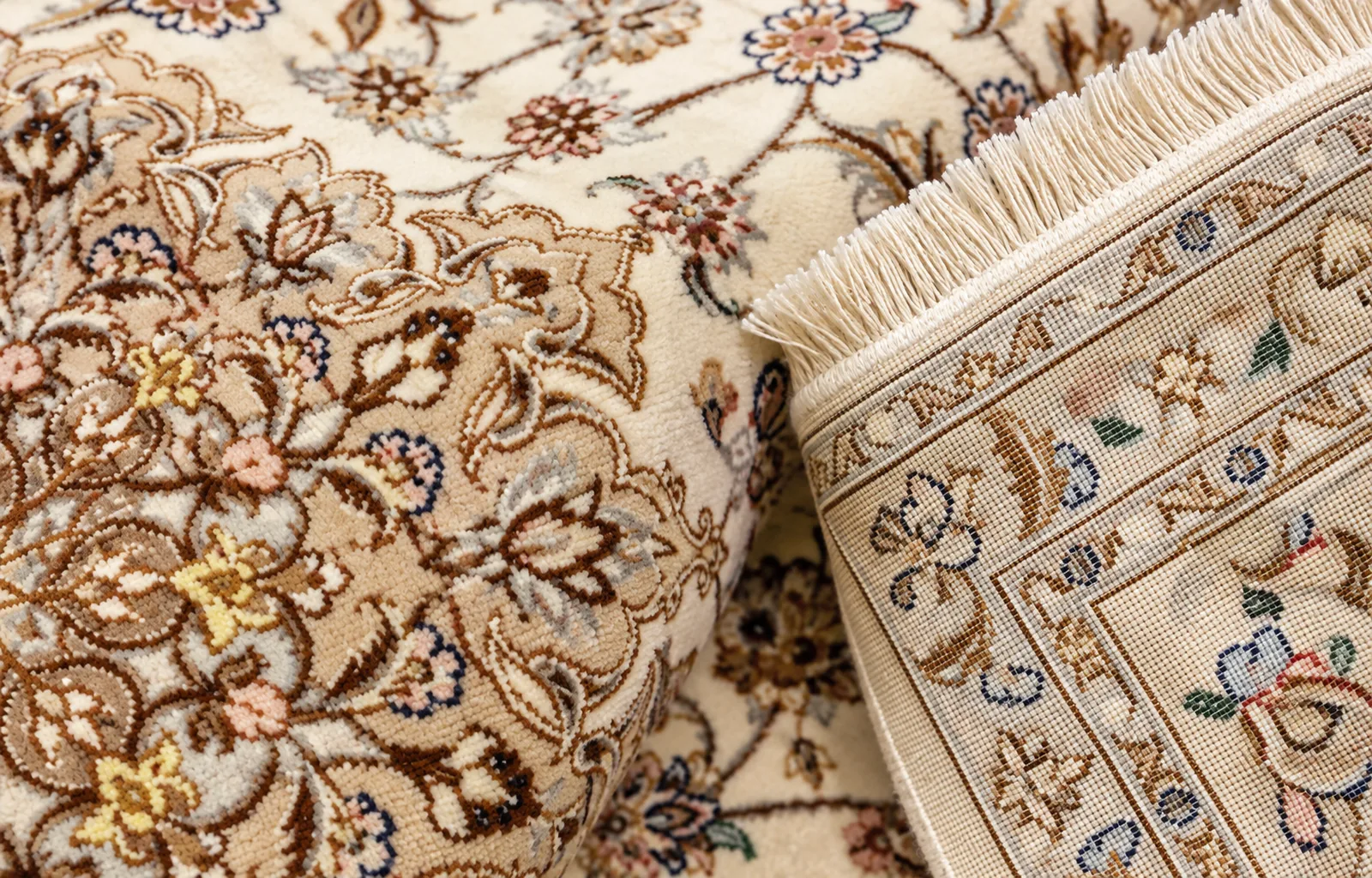
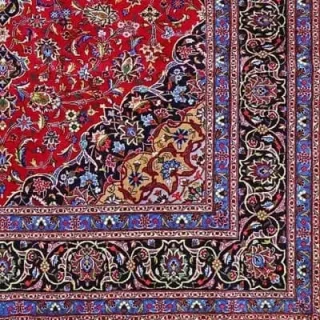
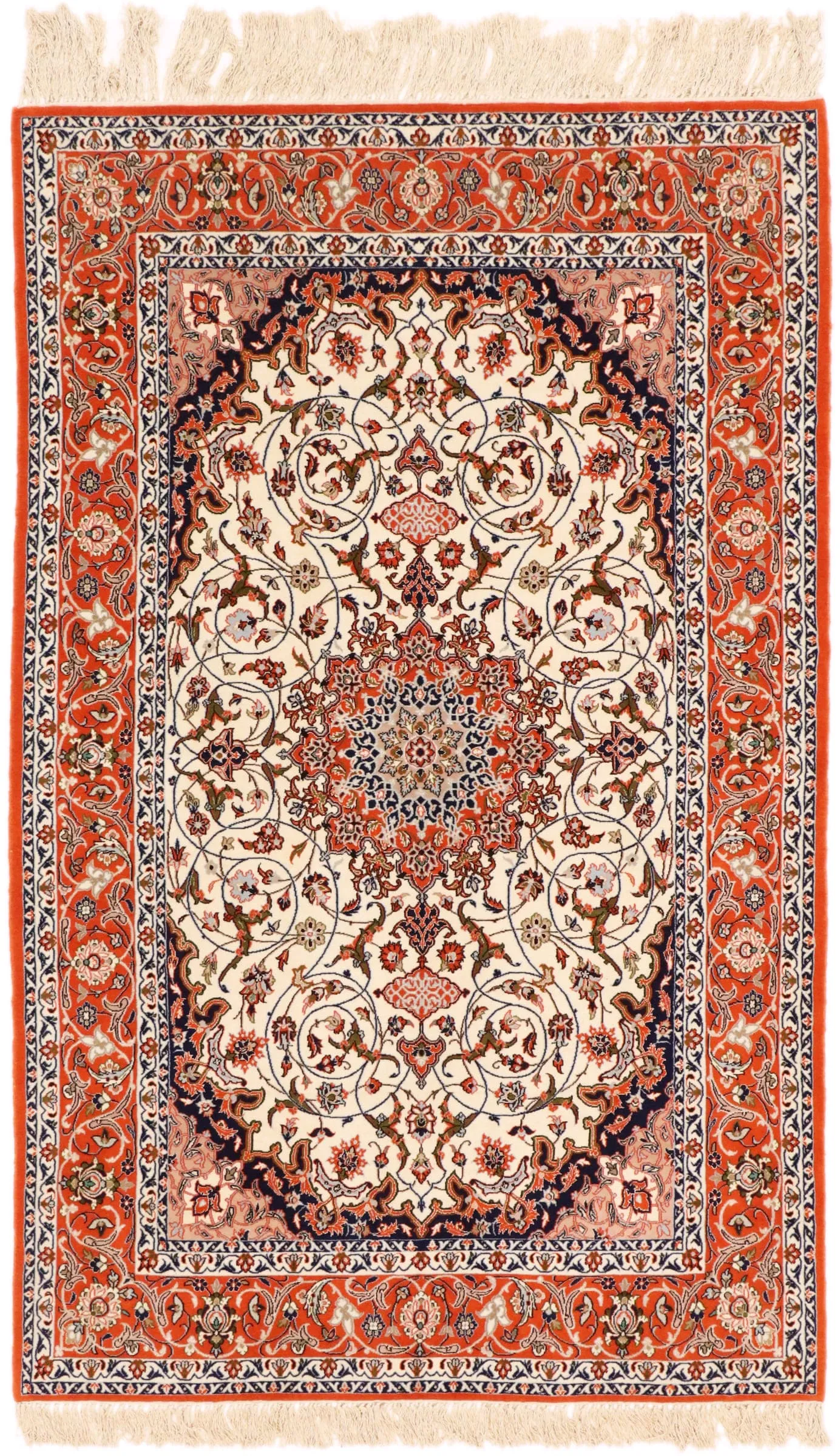
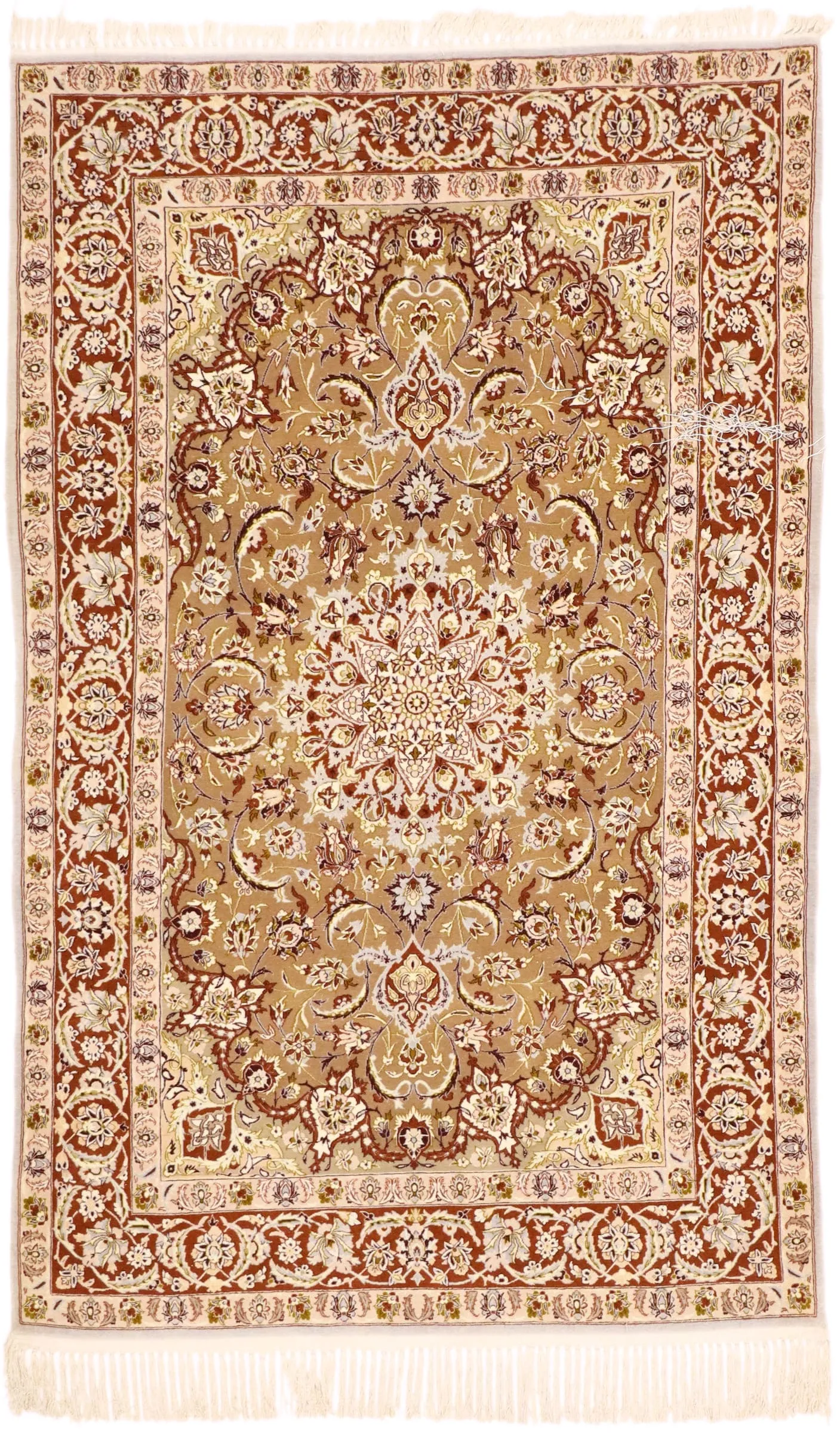
Isfahan rugs are known for precise, carefully balanced compositions. A finely drawn central medallion is common, often surrounded by floral vines, arabesques and clearly structured borders. The designs can be highly detailed while still retaining a calm, harmonious overall appearance.
In the selection offered here, a fine wool pile is combined with carefully worked silk highlights, while the warp of these qualities is made from silk. This construction allows outlines and smaller ornaments to appear especially crisp, with selected details developing a subtle sheen as the light changes.
The character of an Isfahan rug comes from the interaction of material, knotting, drawing and craftsmanship. A finer knot structure can make intricate motifs possible, but knot density should never be viewed as the only measure of quality.
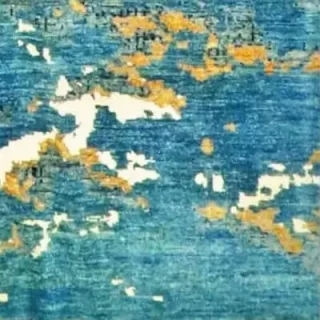
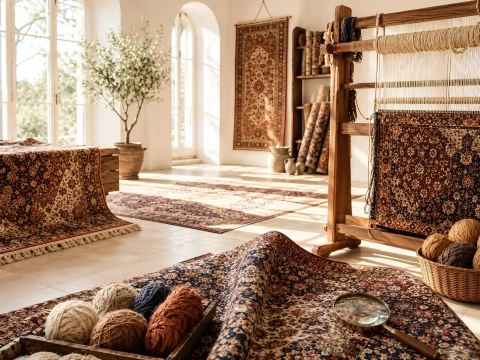
Fine wool creates a pleasant feel and forms the warm, comfortable foundation of the pile. Fibre quality and preparation influence handle, resilience and the way colours appear.
Silk can be used to accent outlines, blossoms and ornamental details. These areas may appear lighter, deeper or more luminous depending on the direction of the light.
Finer knotting makes more precise lines and smaller motifs possible. It becomes meaningful only when considered together with the materials, pattern quality, condition and consistency of the workmanship.
The hand-knotted structure can be examined on the reverse. Neat edges, balanced tension and an even, appropriate pile all contribute to a well-rounded assessment of craftsmanship.
The refined patterning of an Isfahan rug can complement both classical furniture and clean contemporary interiors. The key is to match the size, colour palette and visual presence of the design to the function and proportions of the room.
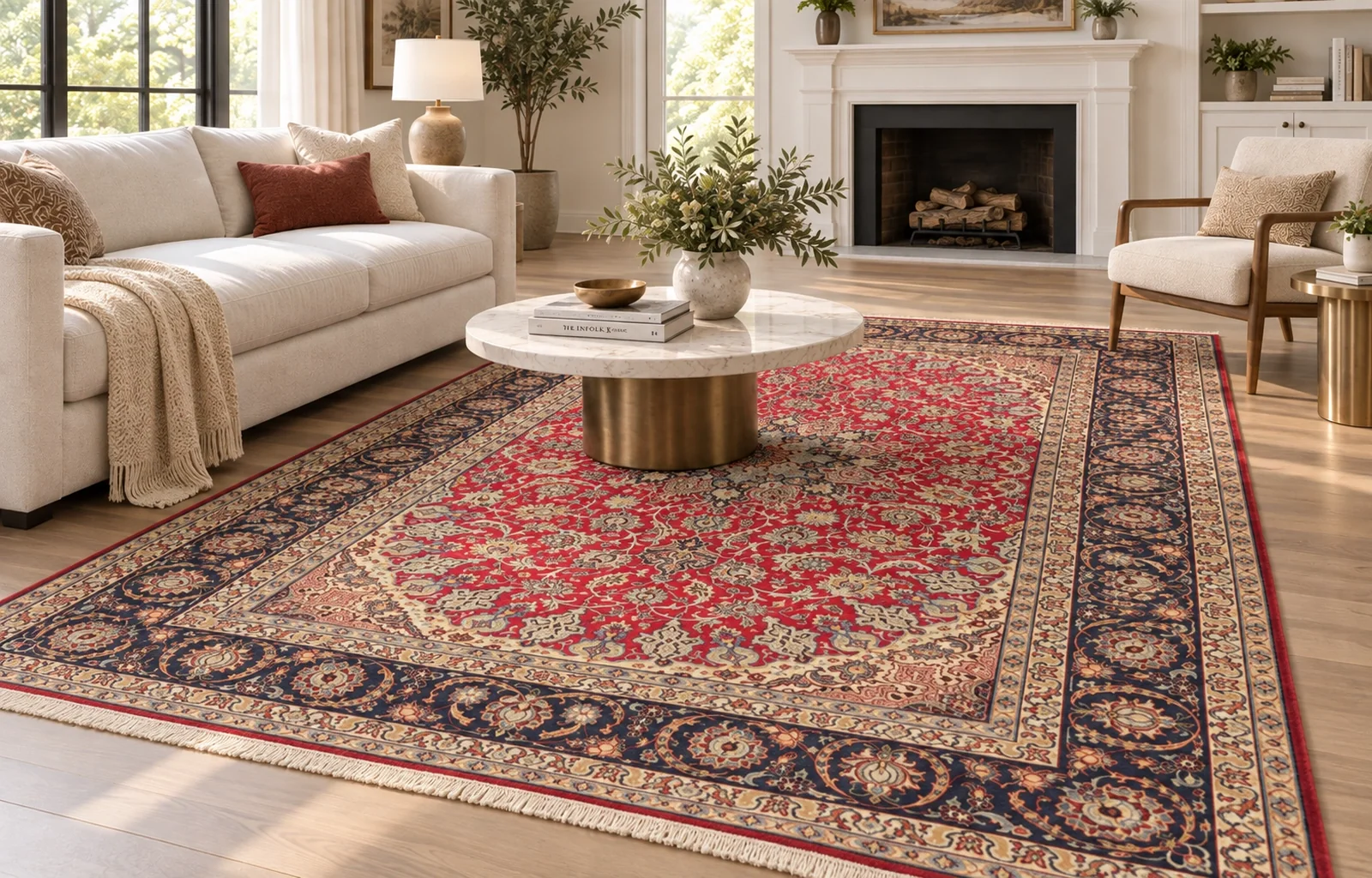
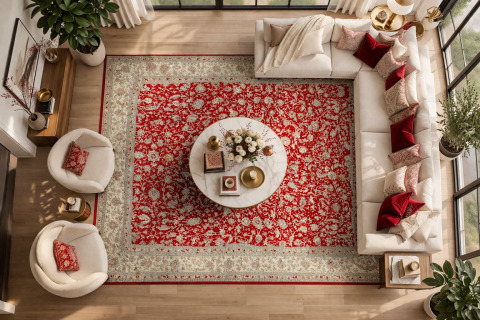
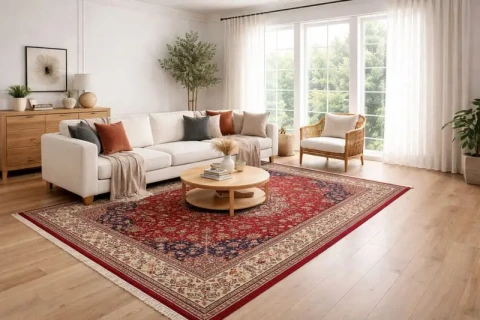
In a living room, an Isfahan rug can visually connect sofas and armchairs while giving the seating area a clear structure. The arrangement usually feels most balanced when the furniture has an intentional relationship to the rug rather than sitting completely apart from it.
In a restrained interior, a central medallion can become a deliberate focal point. If the room already contains several patterns or strong colours, a quieter palette often creates the more harmonious result.
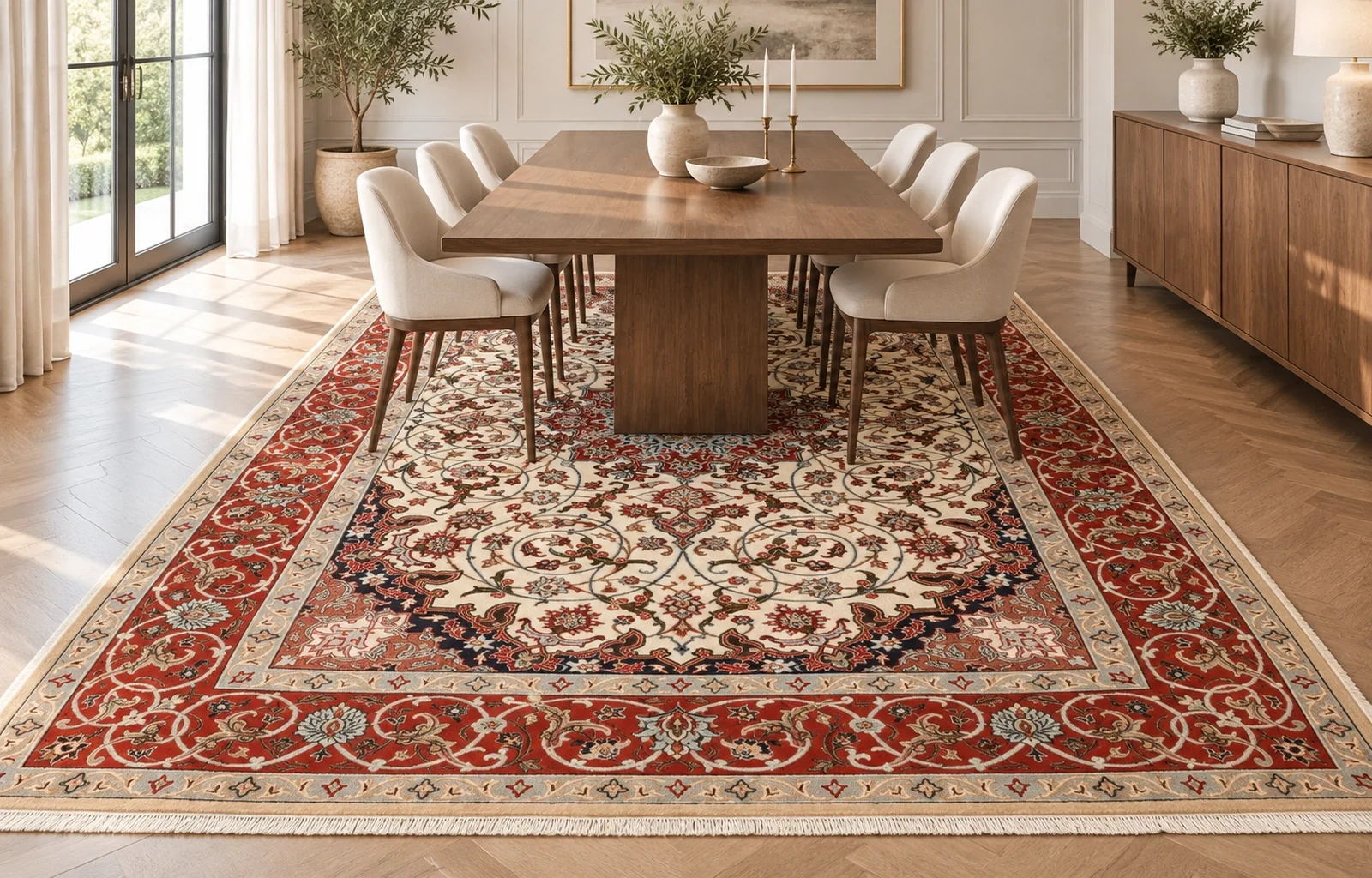
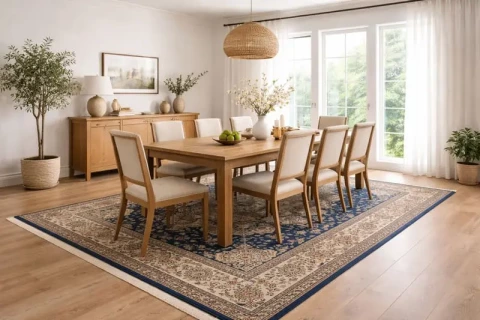
Beneath a dining table, the rug should be large enough for the chairs to remain on the rug as far as possible when pulled back. As a practical guide, allowing around 60 to 70 cm of additional rug surface on each side of the table is often suitable.
A central medallion may be partly covered by the table. If keeping more of the design visible is important, an all-over composition or a pattern with less emphasis on the centre can be worth considering.
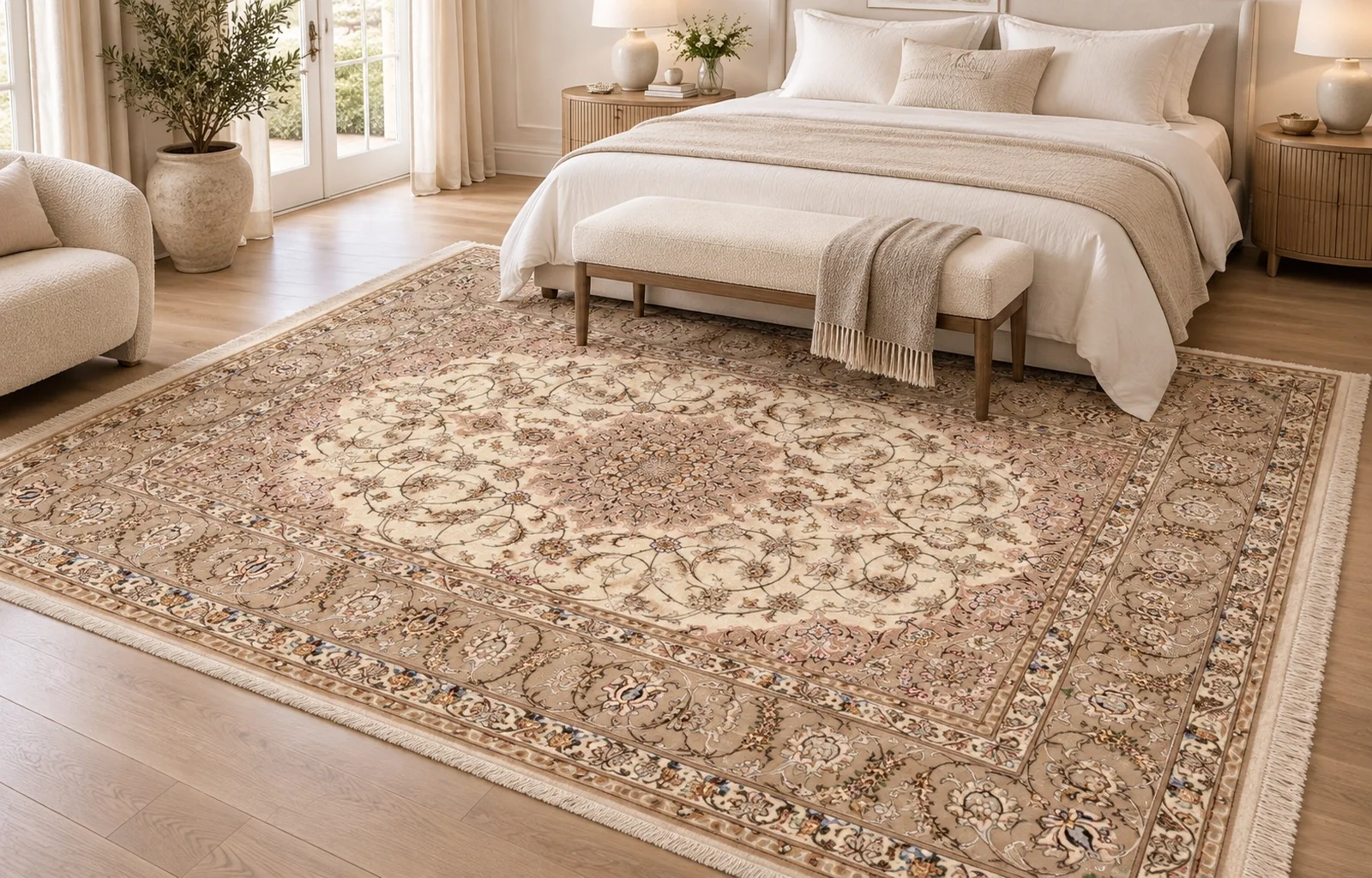
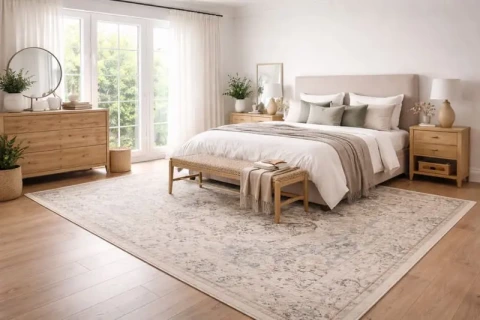
Light and balanced colour schemes can look particularly serene in a bedroom. A larger rug beneath the bed can visually frame the sleeping area while providing a comfortable transition from bed to floor.
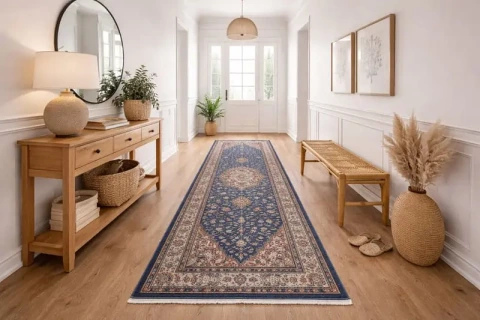
Alternatively, smaller formats or runners can be positioned alongside the bed. This keeps more of the fine drawing visible without allowing the rug to dominate the room.
Before choosing a rug, measure the intended area and take the furniture layout into account. With finely drawn Persian rugs, it is also worth considering how much of the pattern will remain visible once the room is furnished.
The rug should be proportioned deliberately around the furniture group. A format that is too small can look detached, while the right dimensions help connect the room visually.
Lighter tones can make a room feel more open, while stronger accents create greater presence. Silk details may also alter the appearance of colours according to daylight and viewing direction.
For more frequently used areas, the condition and structure of the pile should be considered alongside the design. Regular, gentle vacuuming supports the long-term care of a hand-knotted rug.
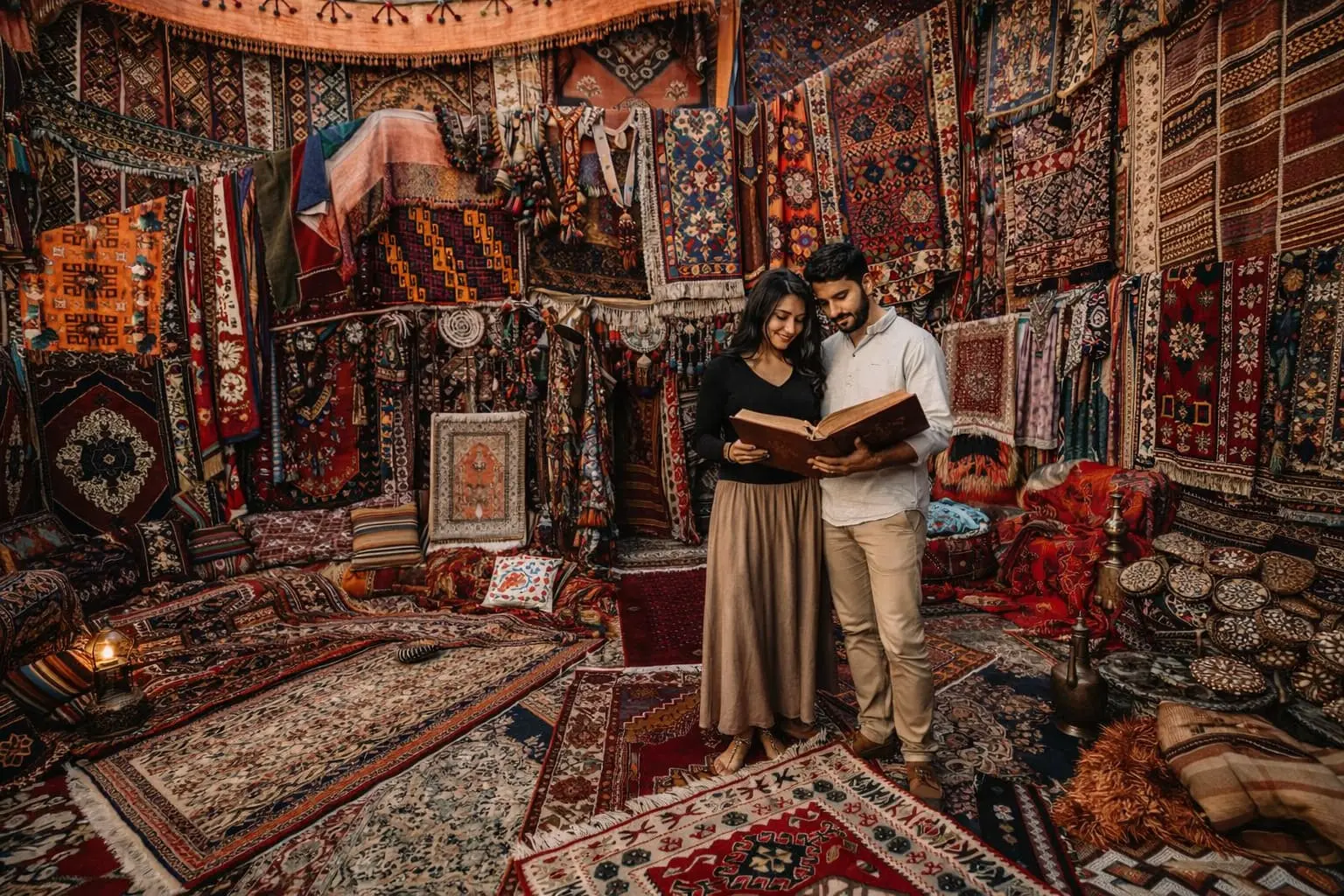
Over the centuries, Isfahan developed into an important centre of Persian art and craftsmanship. The city gained particular importance as a royal centre during the Safavid period, when court culture, specialist workshops and sophisticated ornamental design contributed to a major flowering of Persian textile art.
The name Isfahan remains closely associated with finely executed Persian rug making. Contemporary pieces continue to draw on traditional medallions, floral vines and arabesques, interpreted in different colour palettes and levels of fineness. Learn more about the wider development of Persian weaving traditions in our history of Oriental rugs.
Since 1995, Jakobson Carpets has specialised in hand-knotted rugs, careful selection and personal advice. This gives you the opportunity to assess the colour, pattern and effect of a rug in your own home at your own pace.
View the rug in your own home and assess how its colours, proportions and pattern work in the intended room.
You have time to compare size, colour and pattern without unnecessary pressure and decide whether the piece truly suits your interior.
The three-year warranty applies exclusively to hand-knotted rugs in accordance with the stated warranty conditions.
For eligible hand-knotted rugs priced at €300 or more, you receive a certificate of authenticity containing key information about the individual piece, including its origin, materials, knotting technique and dimensions.
Key answers about origin, materials, silk details, interior styling and choosing the right piece.
Isfahan rugs originate from the Iranian city of Isfahan and its rug-making tradition. The city is one of the historic centres of Persian art, architecture and skilled craftsmanship.
Fine wool is typical, with silk often used in more refined qualities to highlight selected details. In the selection offered here, the pile combines wool with silk accents, while the warp of these qualities is made from silk.
Silk reflects light differently from wool. As a result, selected ornaments can appear lighter, darker or more luminous depending on the direction of the light and the viewing angle.
Common designs include finely drawn central medallions, floral vines, arabesques and multi-part borders. The exact composition, colours and level of detail vary from one hand-knotted piece to another.
Yes. In a clean, contemporary room, classical Persian ornament can create a deliberate and sophisticated contrast. Balanced colours and the right size help the rug feel elegant rather than visually overwhelming.
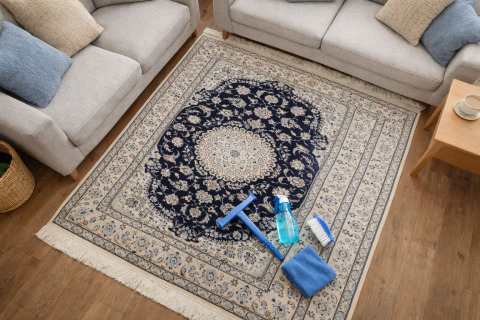
Vacuum gently and regularly without aggressive rotating brushes to protect the pile and silk details. Blot liquids as quickly as possible, and use professional rug cleaning for stubborn stains or a deeper clean.