




-320.webp)

-320.webp)
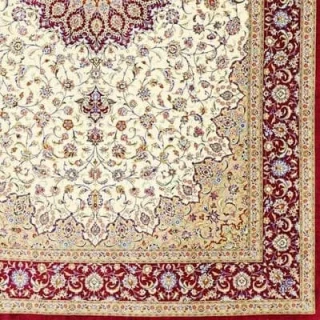
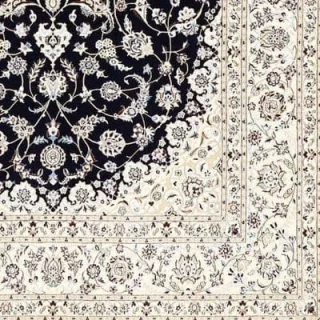
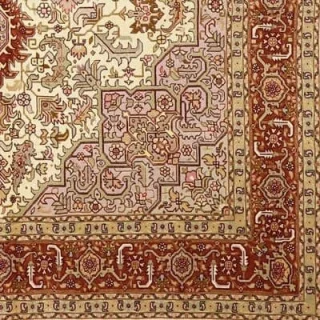
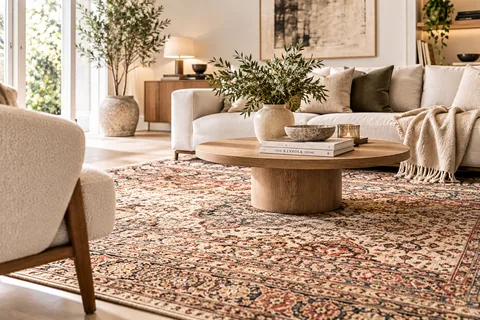
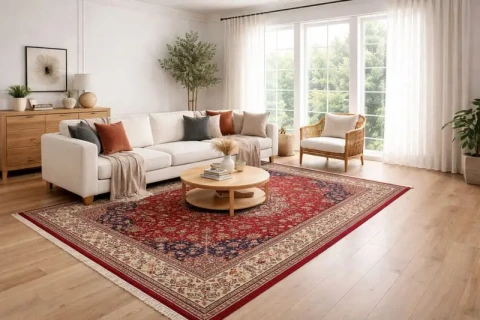
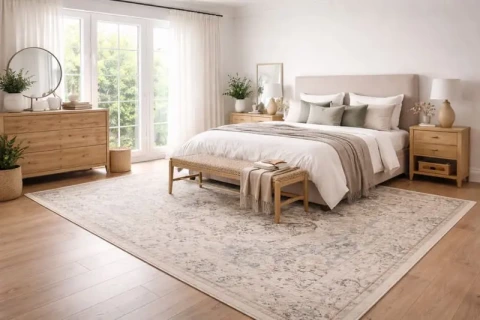
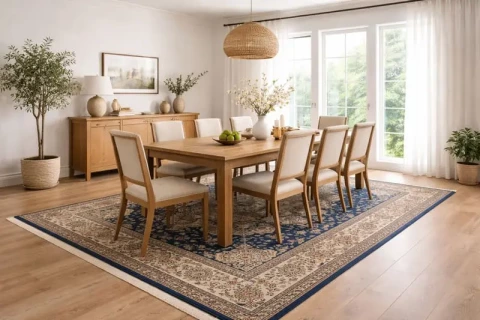

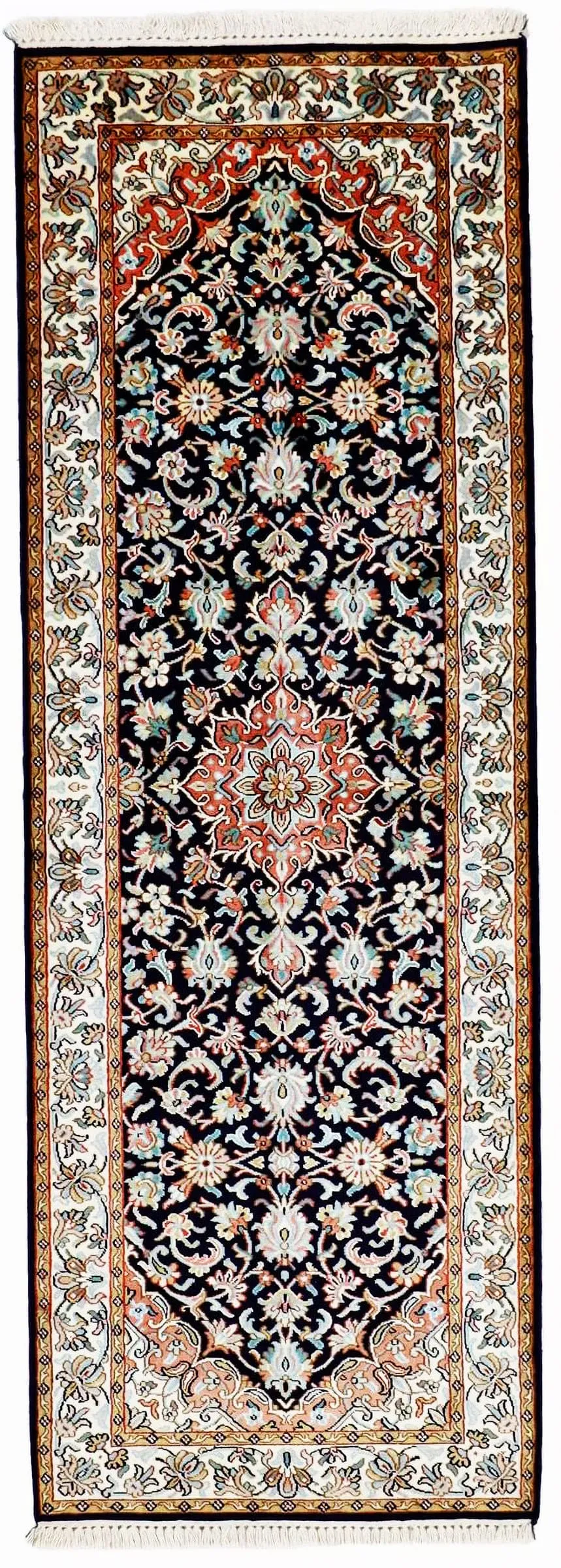
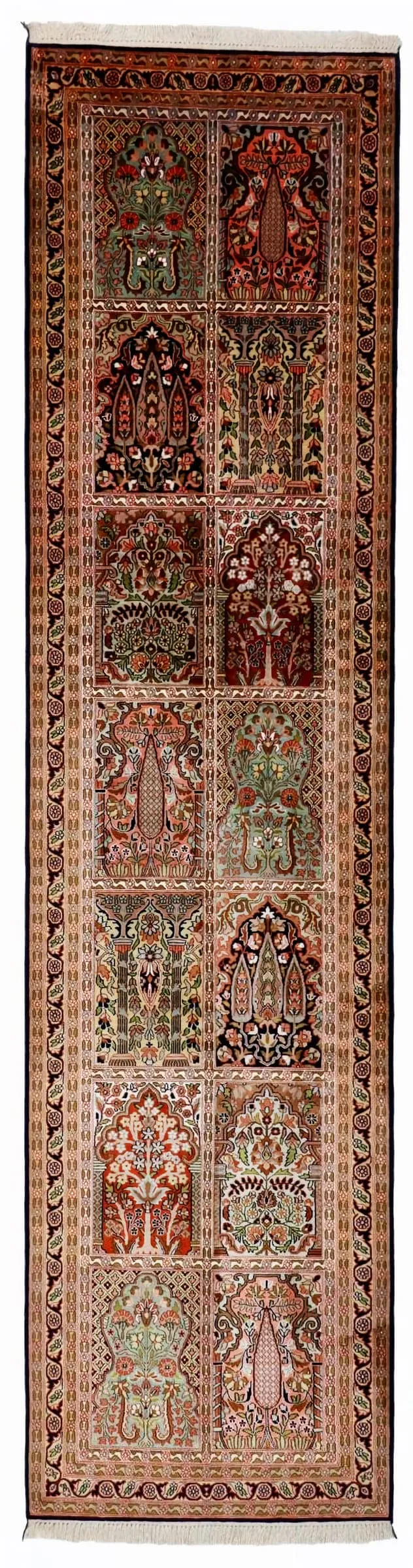
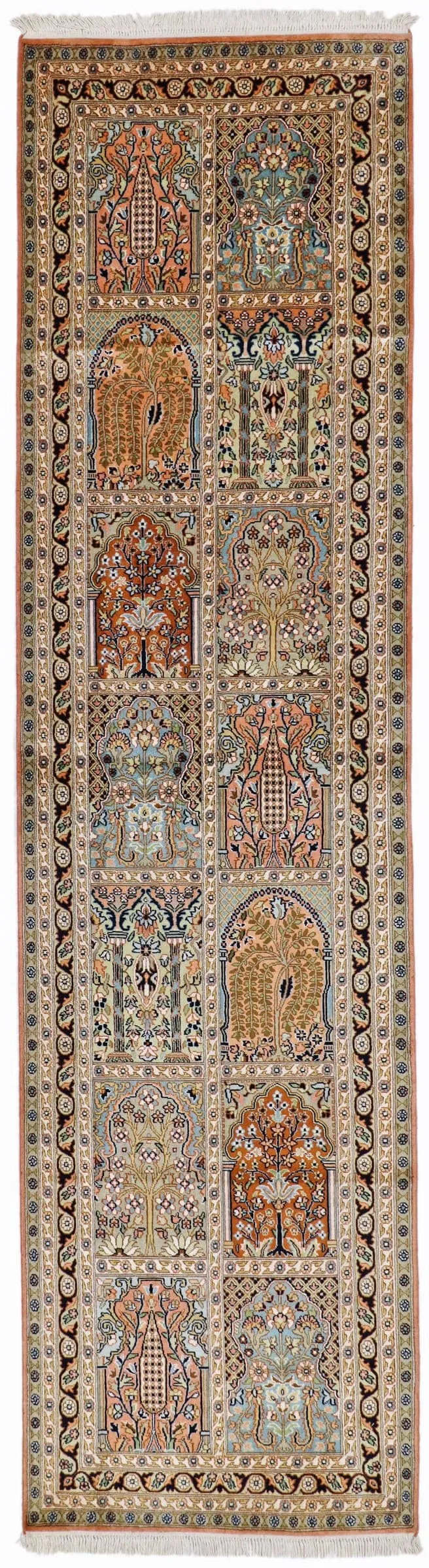
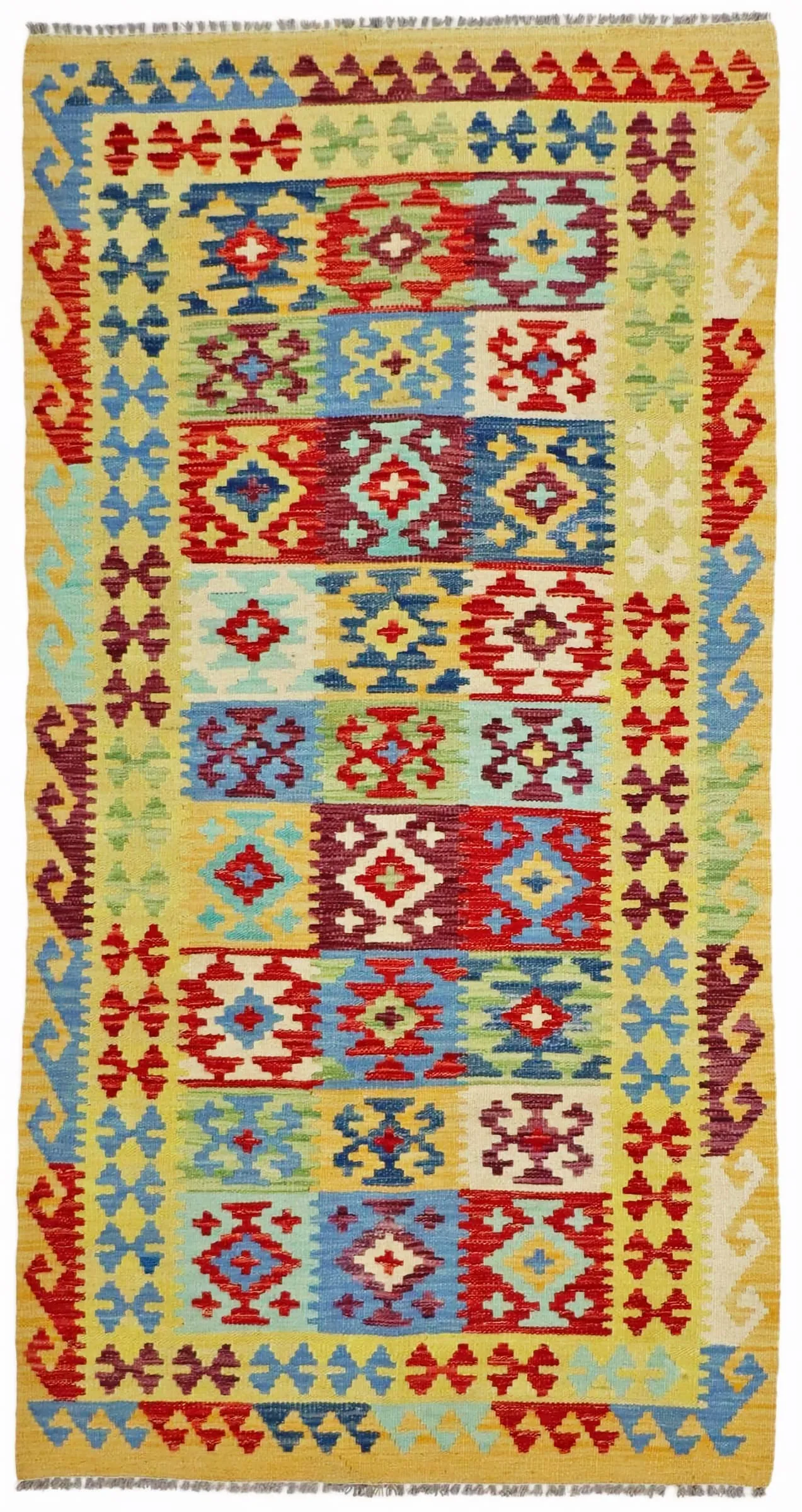
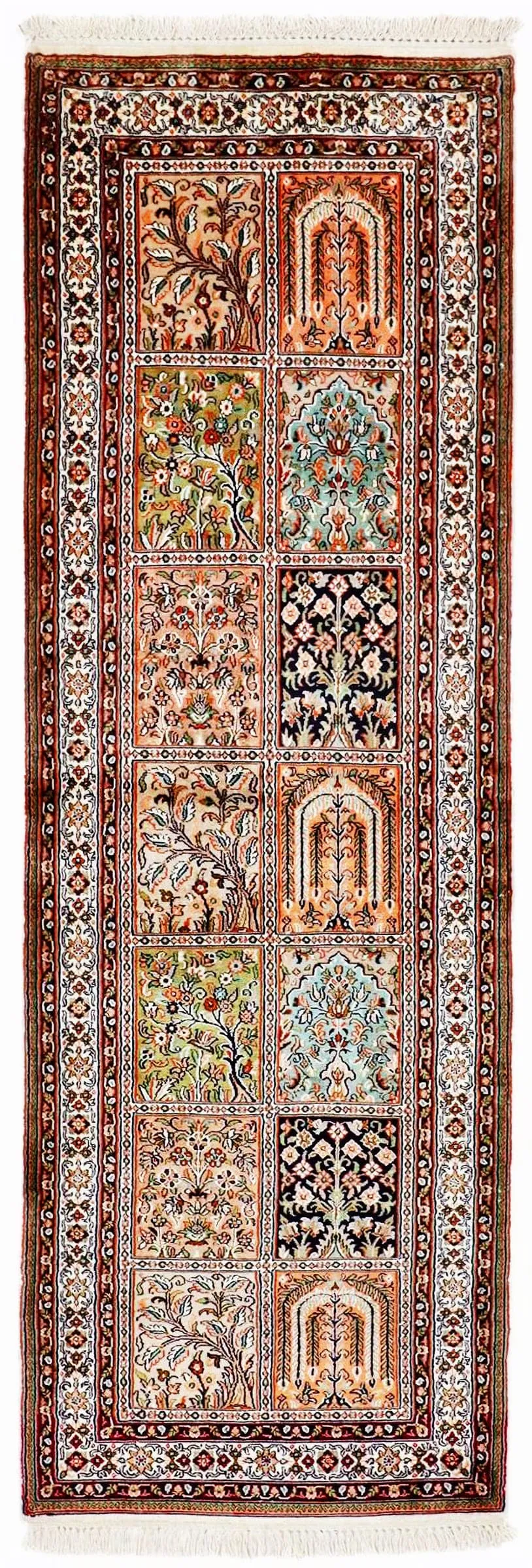
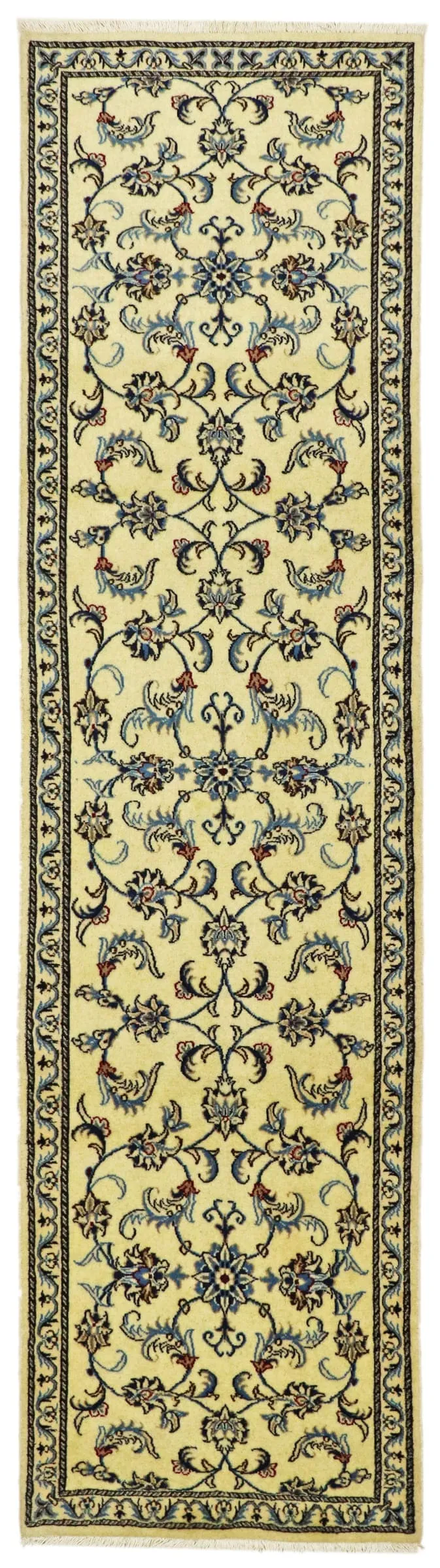
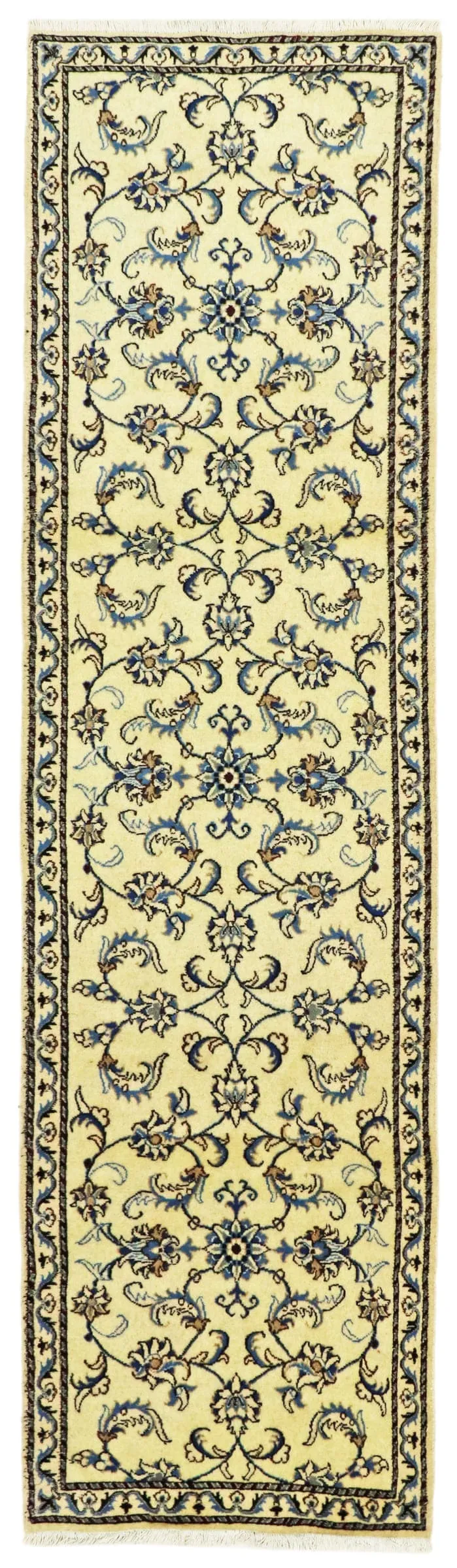
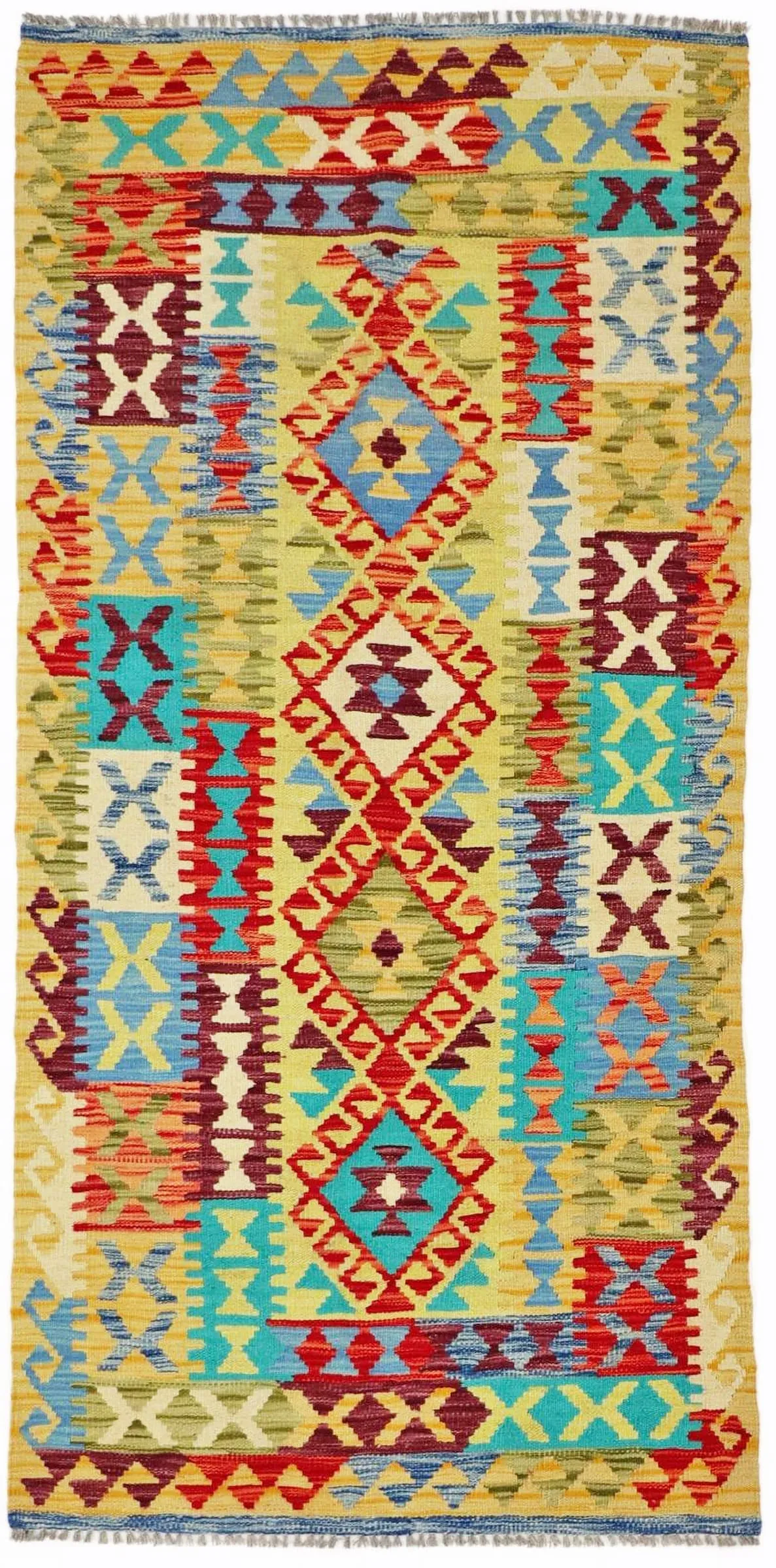
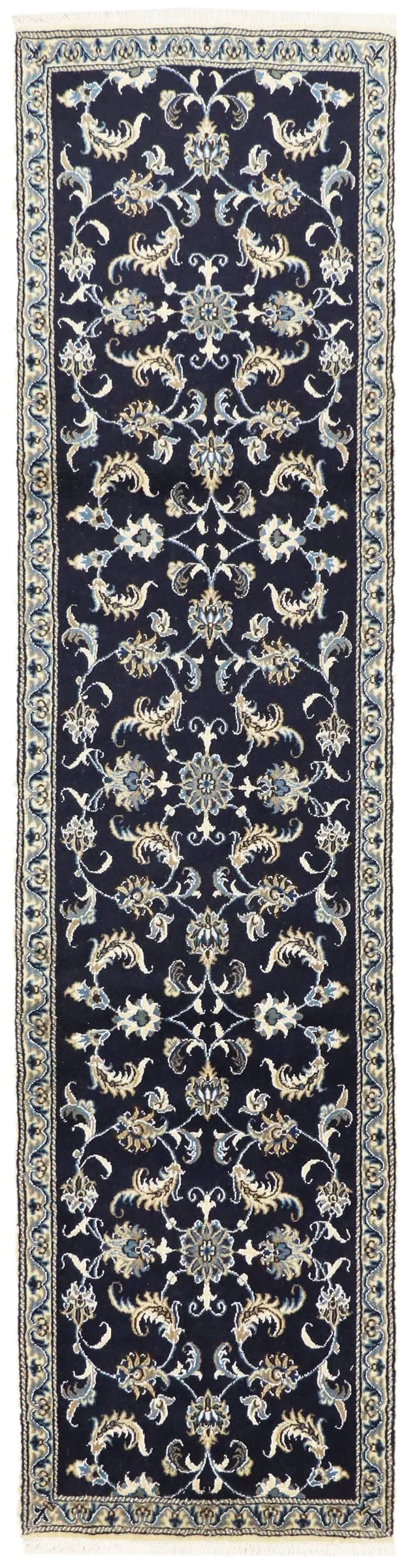
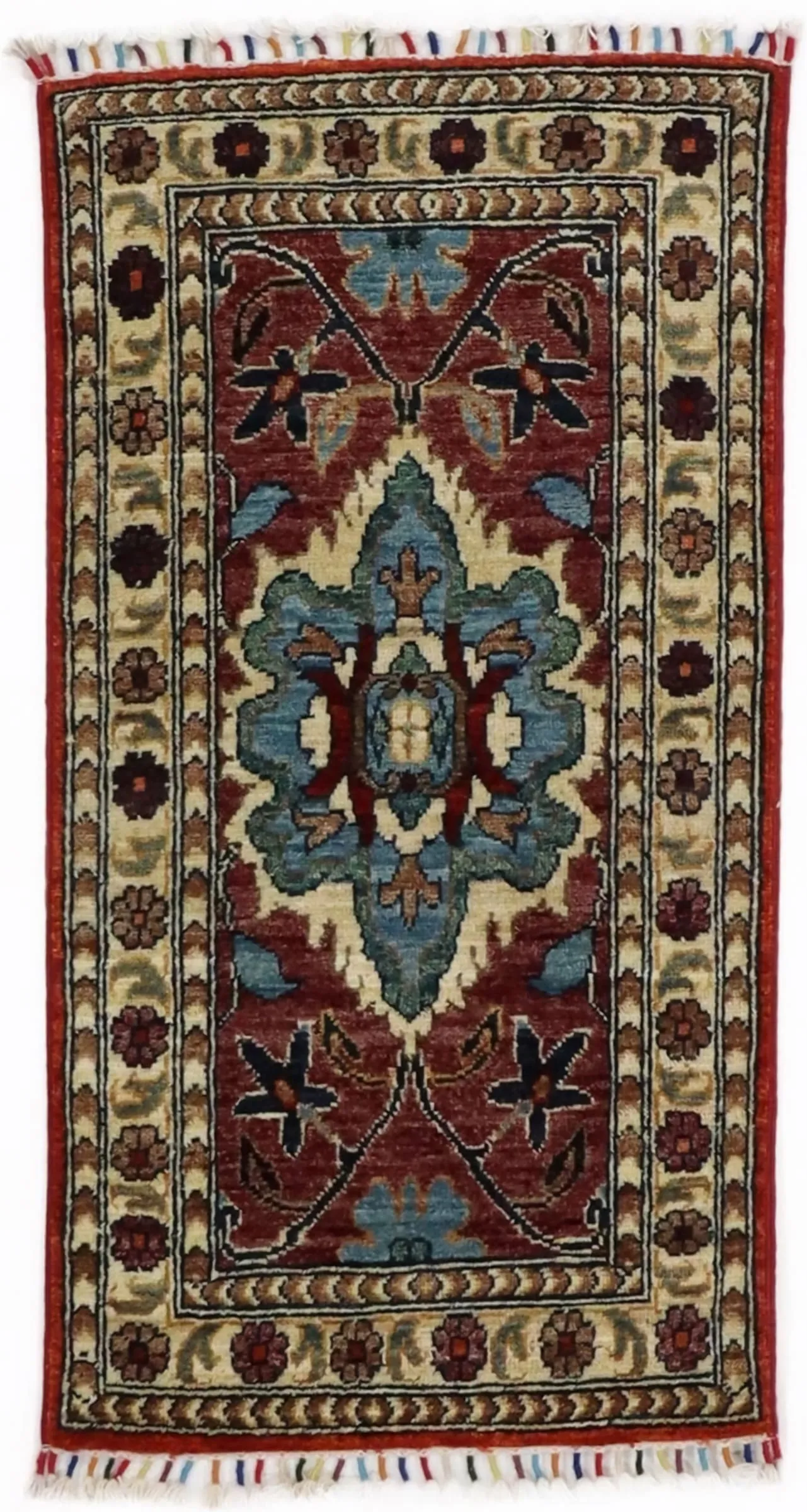
Width in Relation to the Hallway
A narrow runner should sit centrally and in proportion to the clear hallway width. Even strips of flooring on both sides make the corridor feel calmer and more spacious.
 Free shipping & returns
 31-day return policy
Free shipping & returns
31-day return policy
Free shipping & returns
31-day return policy
Free shipping & returns
31-day return policy
Free Shipping & Returns
31-Day Return Policy
31-day return policy
Free shipping & returns
31-day return policy
Free shipping & returns
31-day return policy
Free shipping & returns
31-day return policy
Free Shipping & Returns
31-Day Return Policy

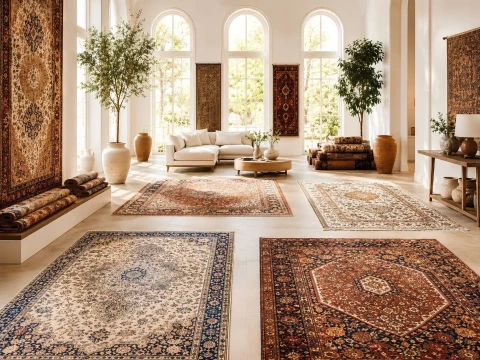
In a hallway, a hand-knotted Oriental rug can define the entrance area, guide the eye along longer passageways and bring warmth to the space from the moment you enter. At Jakobson Carpets, you can buy selected one-of-a-kind rugs in narrow, compact and more generous sizes. Runners are especially well suited to narrow hallways, while more compact Oriental rugs can create a defined accent in entrance areas or near doorways. Hand-knotted hallway rugs made from high-quality wool combine a comfortable feel with traditional craftsmanship and work naturally with timber, stone and contemporary flooring. Whether you prefer a classic Persian rug, a softly coloured Ziegler or a geometric Oriental rug, the key is to choose proportions that suit the passageway and a colour and pattern balance that does not overwhelm the space. This makes it easier to select a rug that gives the hallway clear structure while complementing the character of the interior.
In a hallway, a rug needs to fit the circulation route particularly well. A well-proportioned runner can guide the eye through a long corridor, define an entrance area and add a comfortable textile surface between doors, walls and furniture.
This guide explains how to plan the width and length of a hallway rug, what to consider around doors and narrow passages, and how material, pile, colour, pattern, non-slip support and care can be matched to a frequently used hallway.
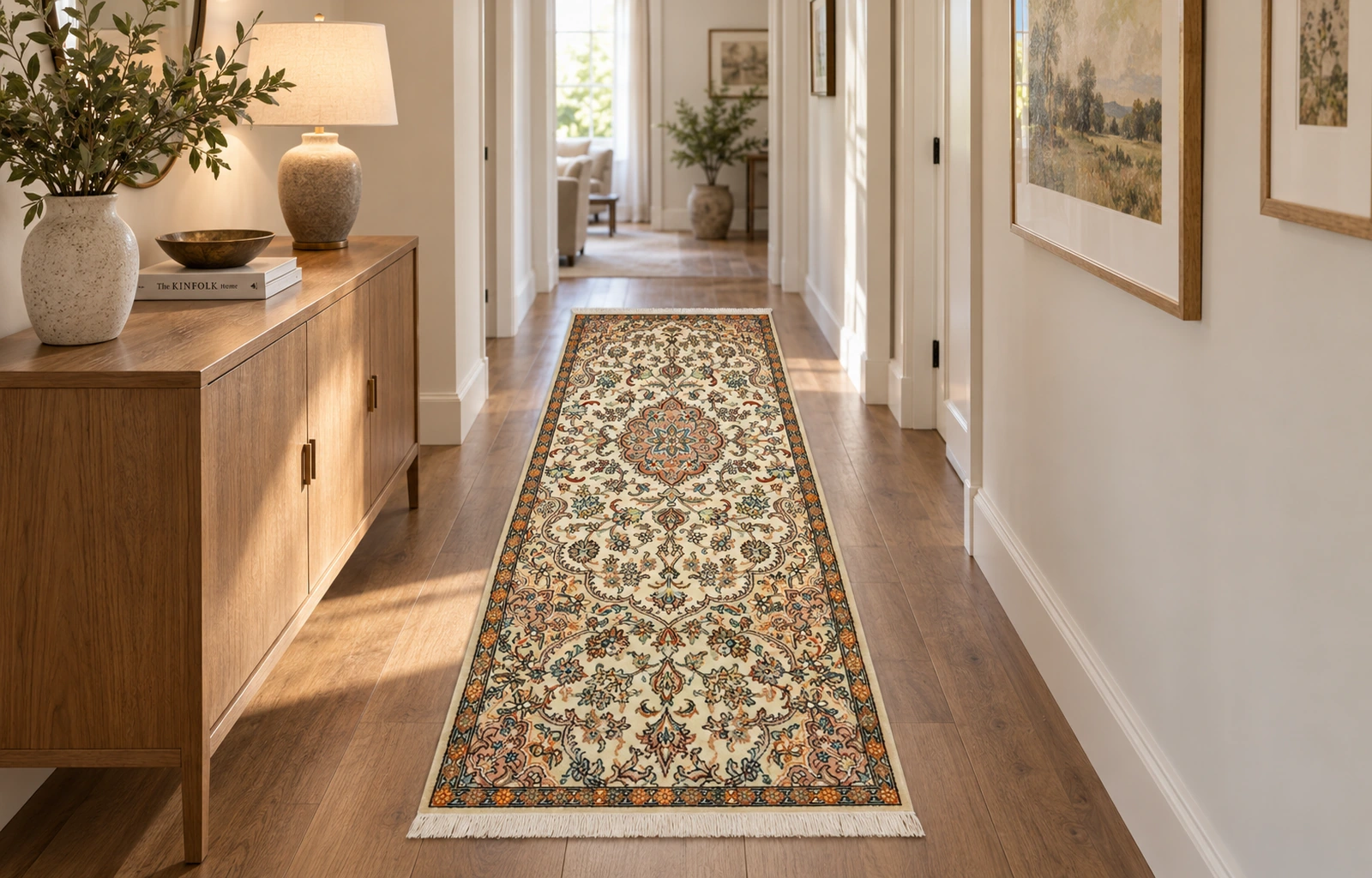
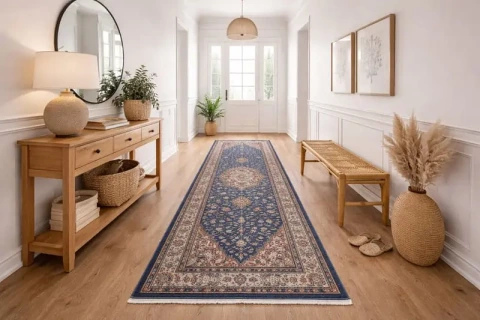
A hallway rug feels most balanced when its width suits the clear walking route and some flooring remains visible on both sides. In long hallways, the length should also be planned around doors, junctions and furniture.
Measure not only the total floor area, but the space that can actually be used. In narrow layouts, just a few centimetres can determine whether a runner feels generous or cramped.
For a harmonious hallway, a runner should neither stretch from wall to wall nor look lost in the middle. The key is balanced visible flooring, clear door movement and a walking route without awkward rug edges.
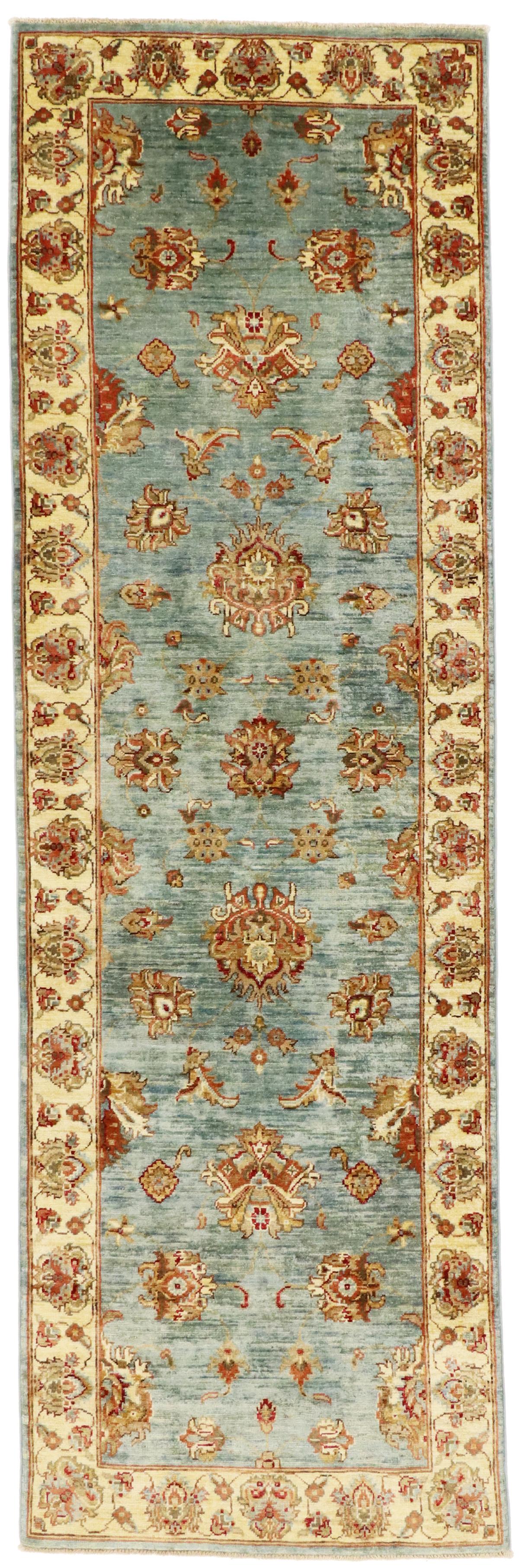
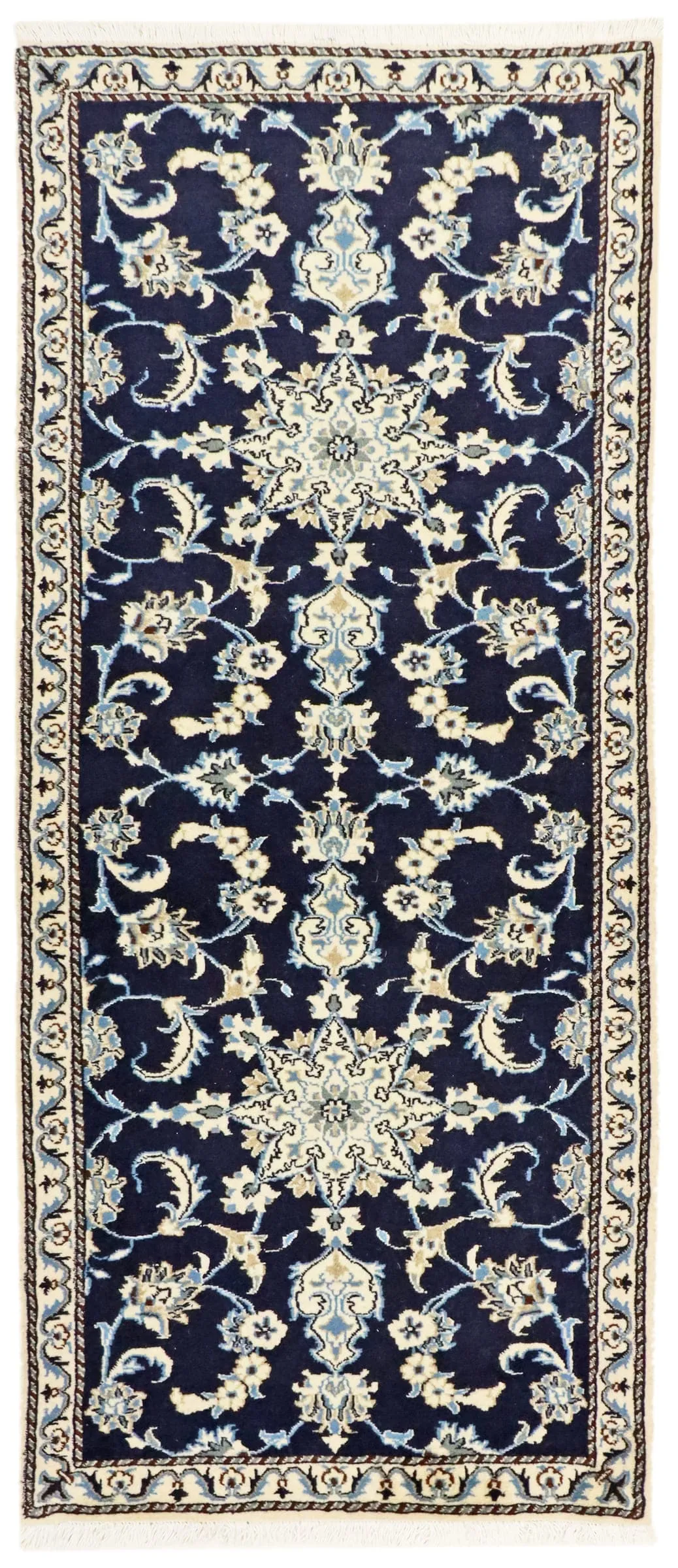
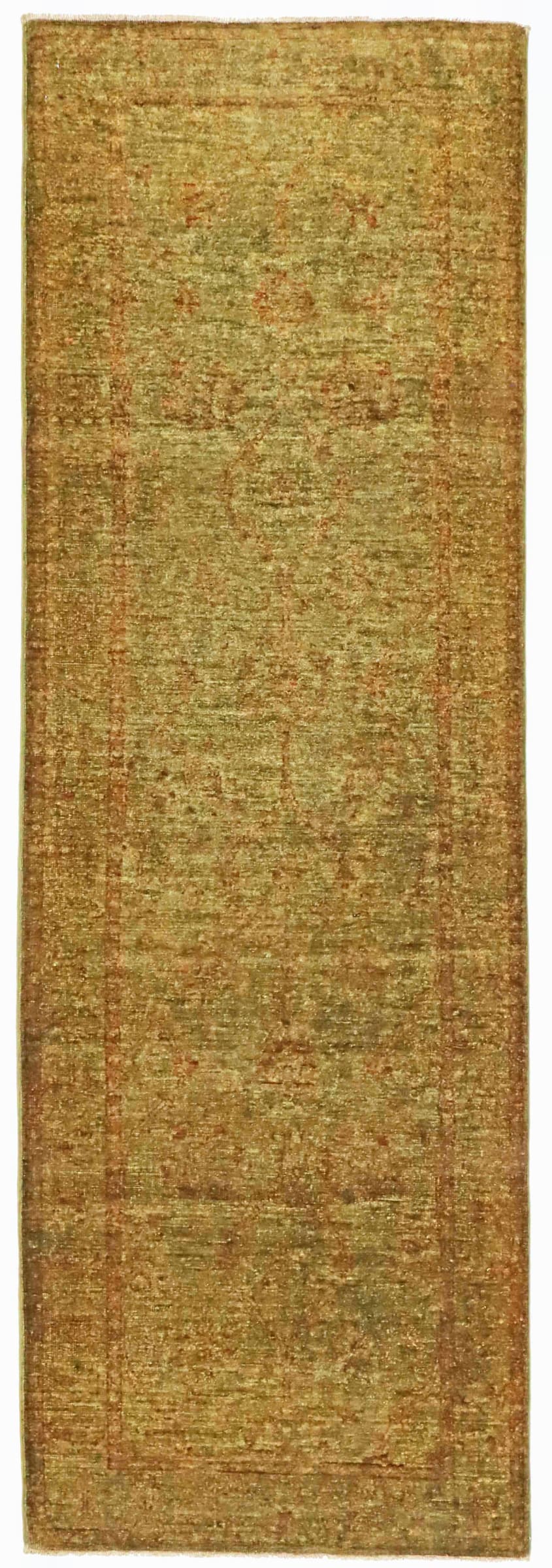
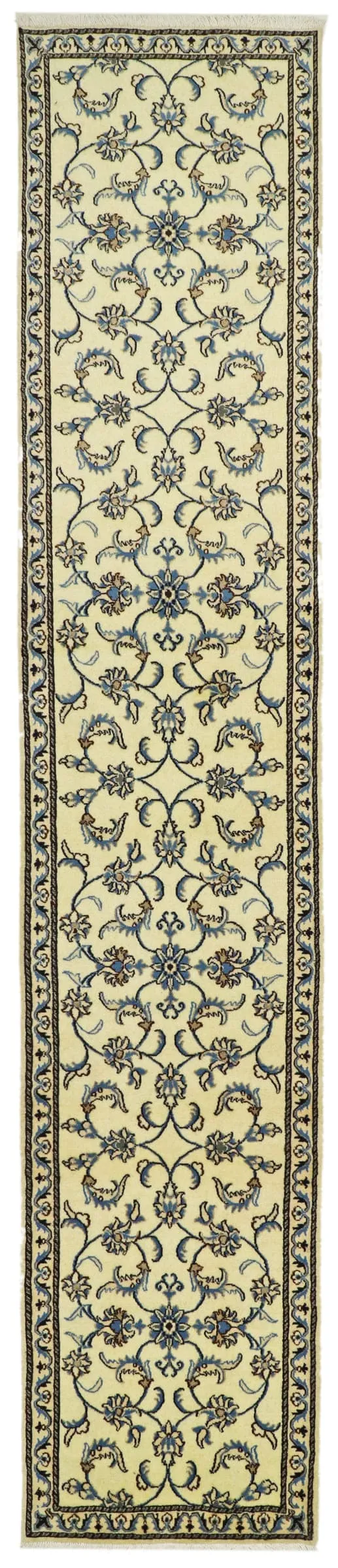
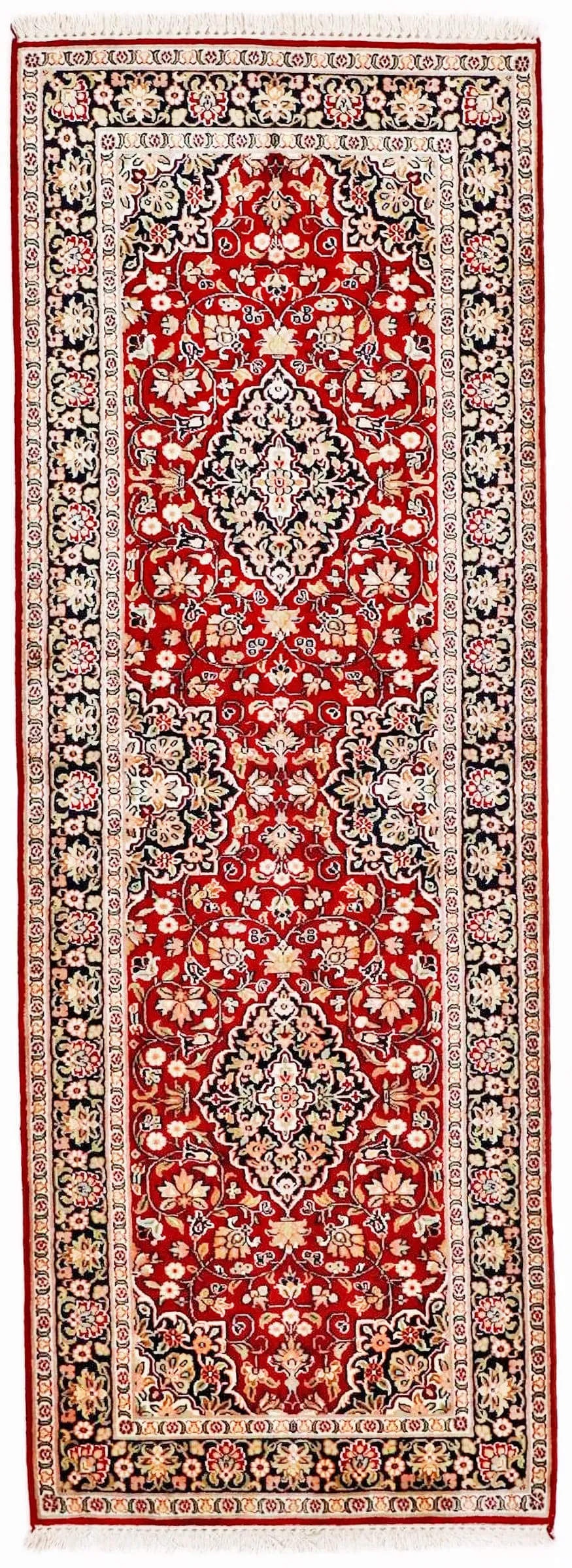
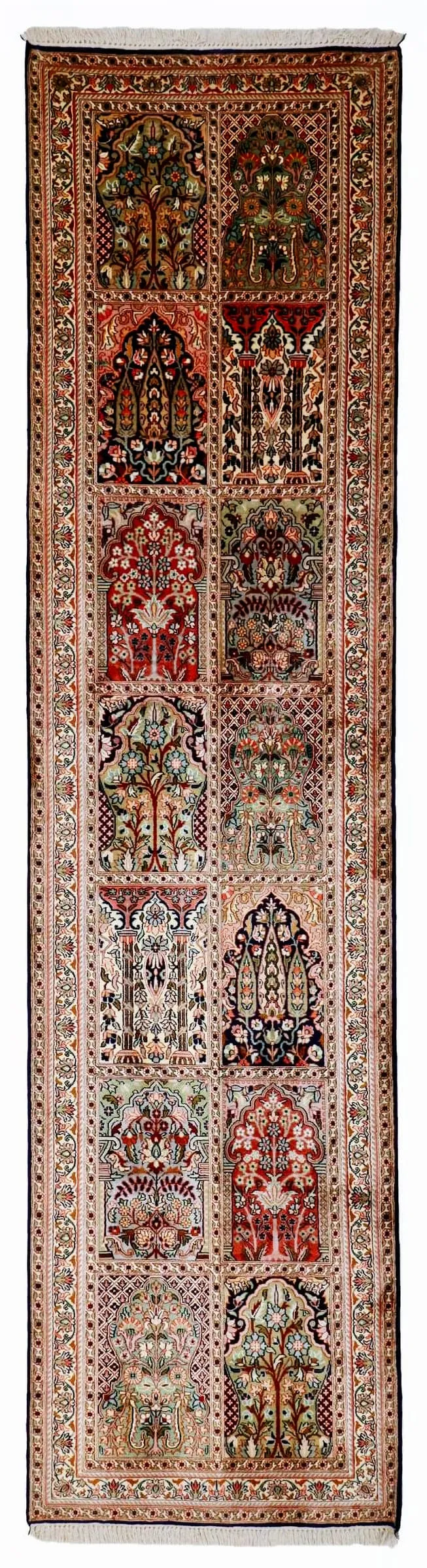
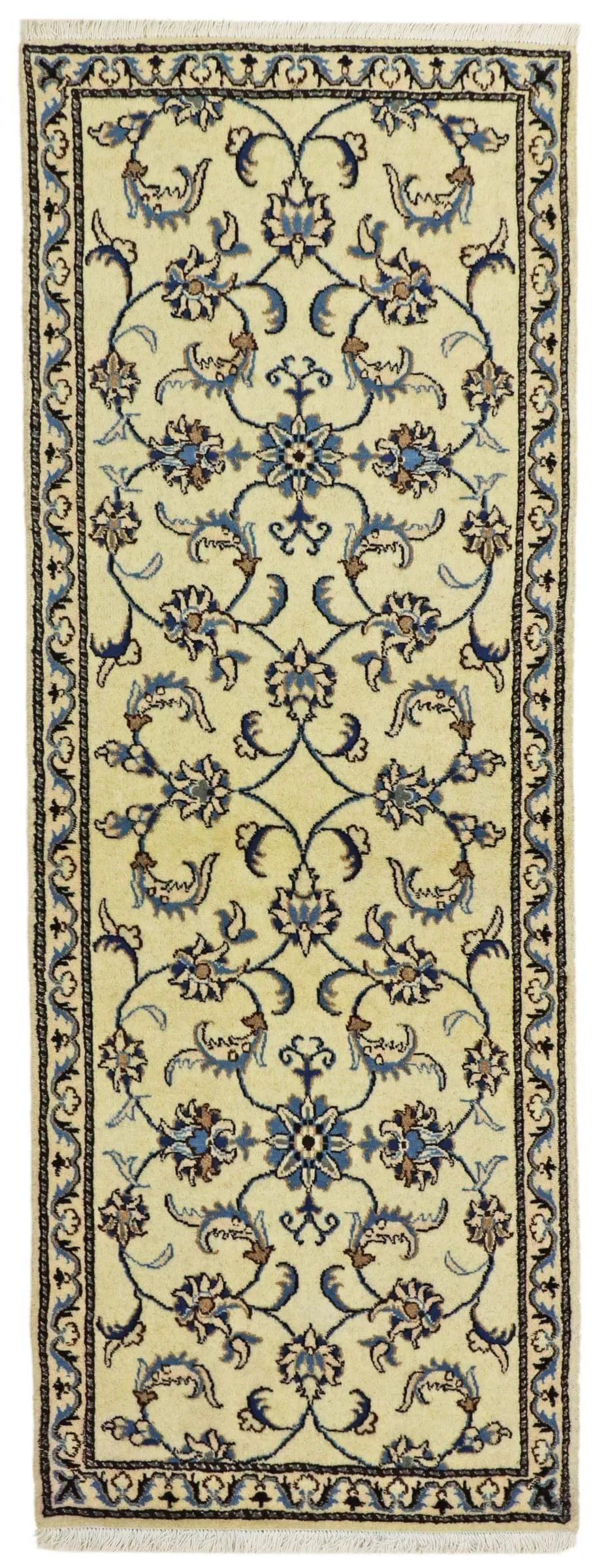
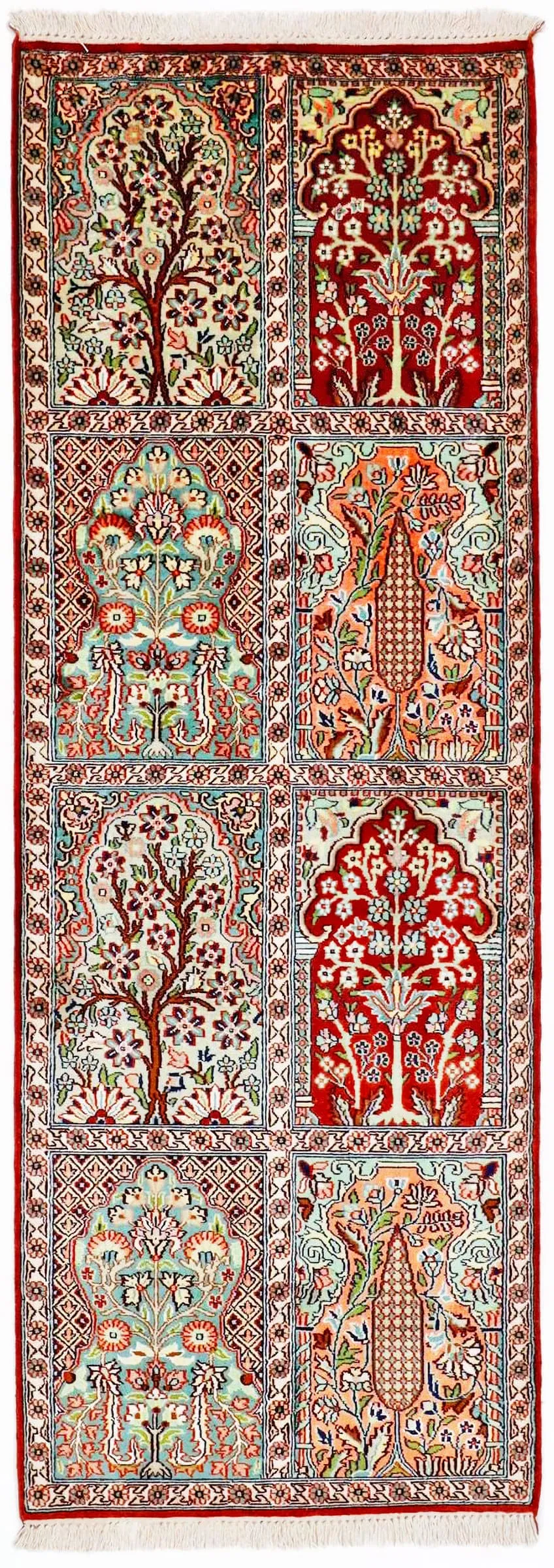
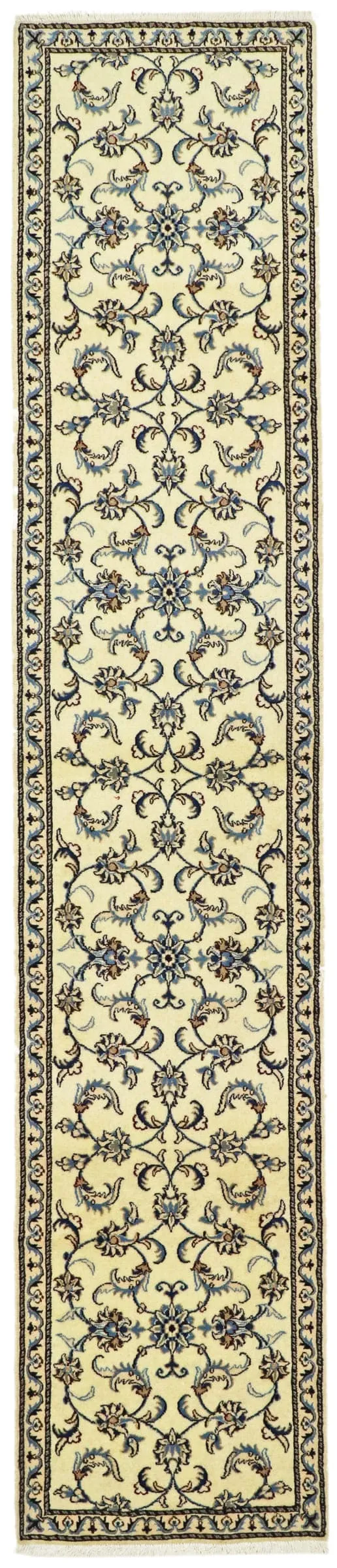
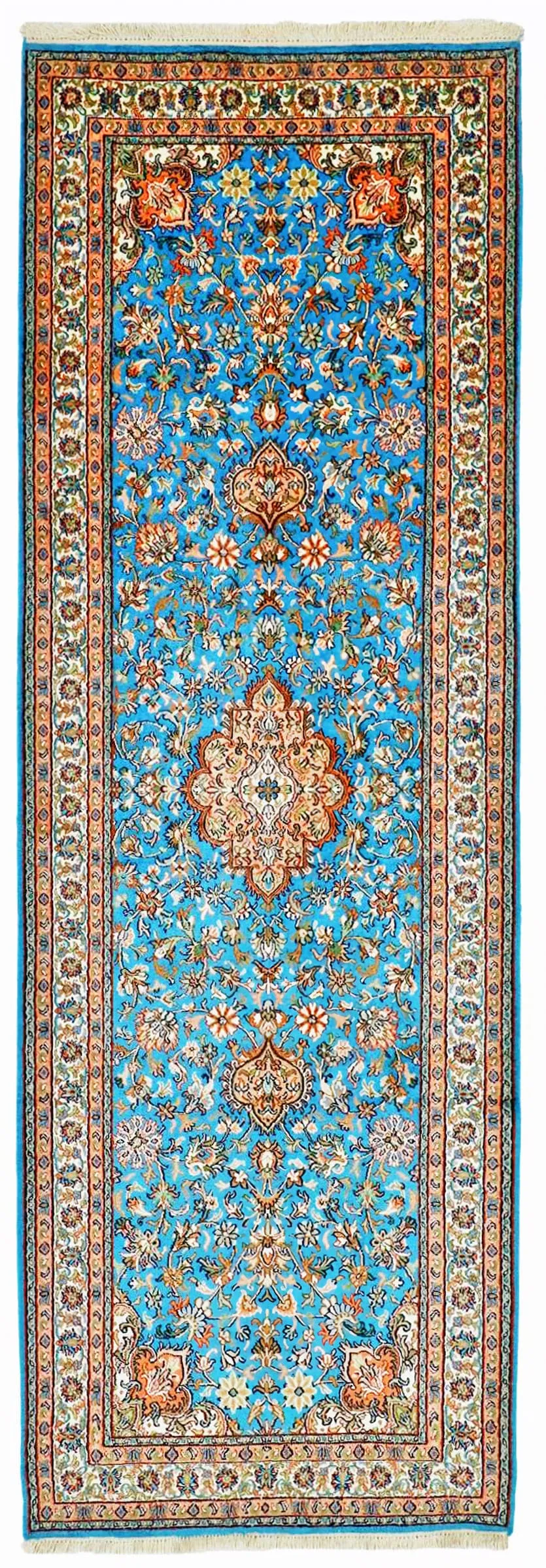
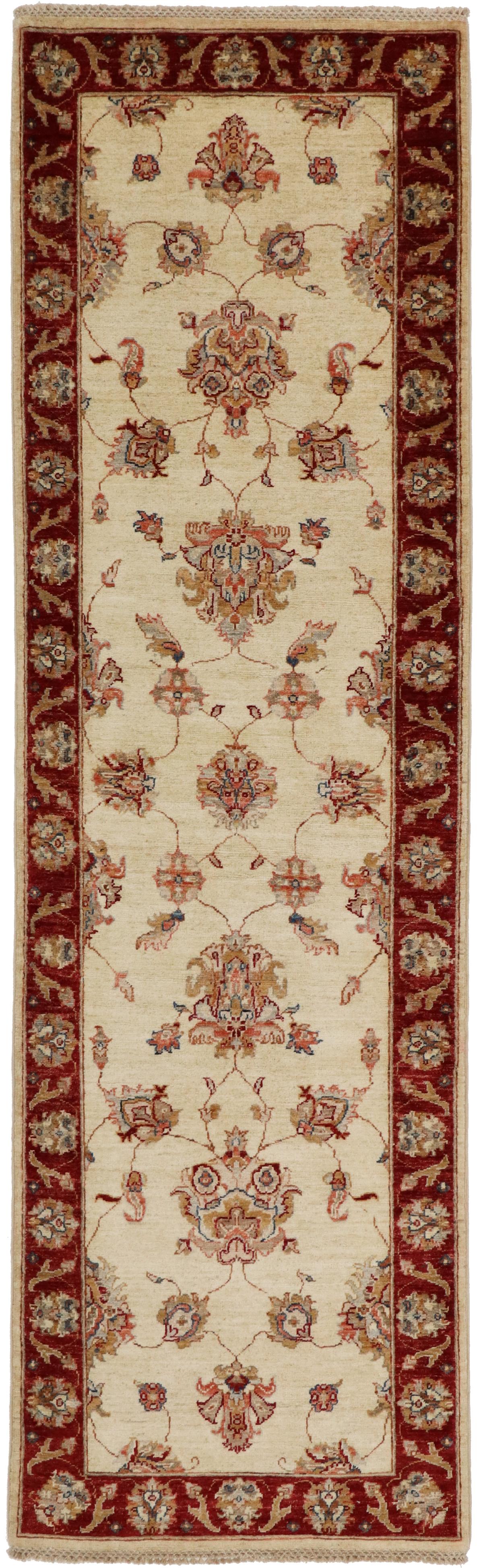
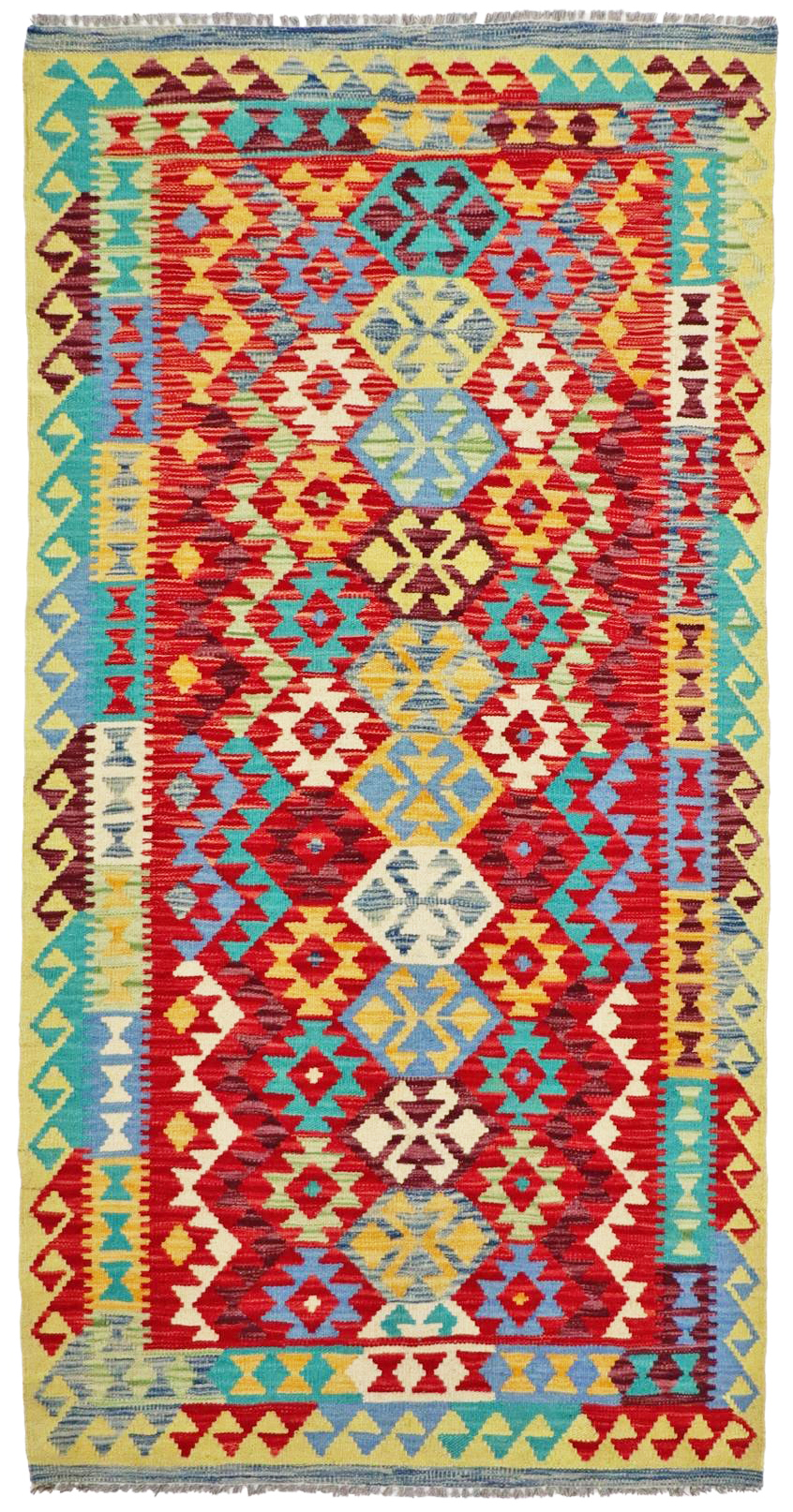
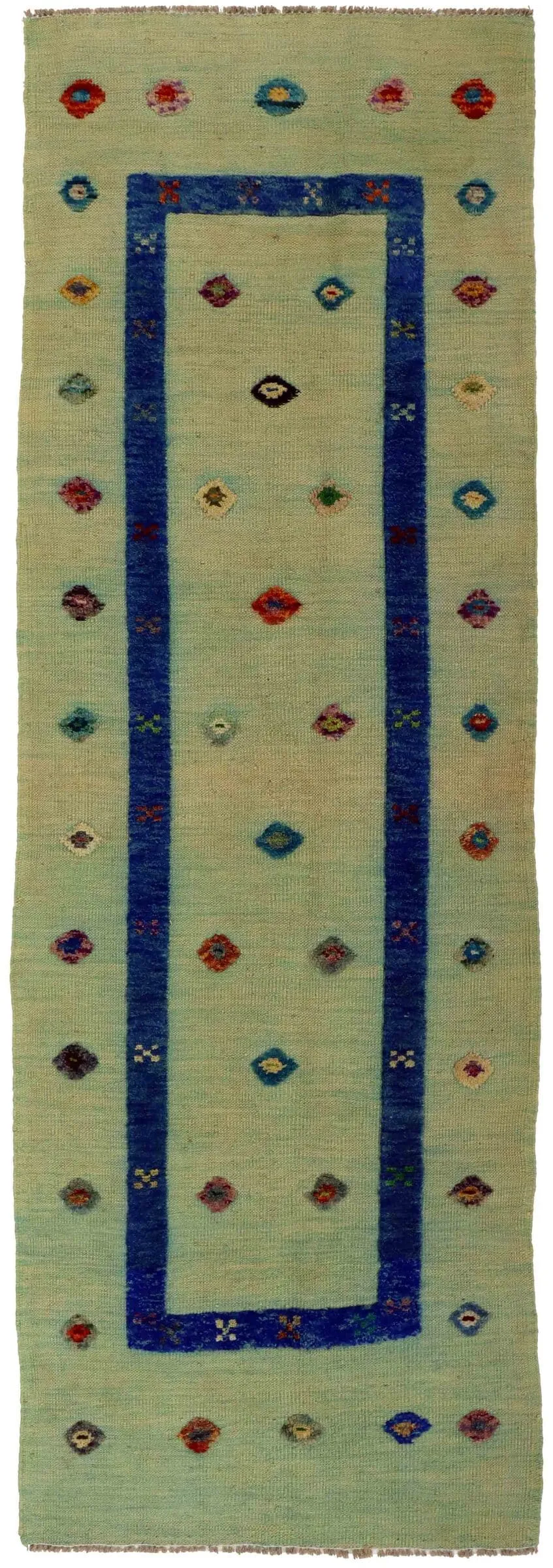
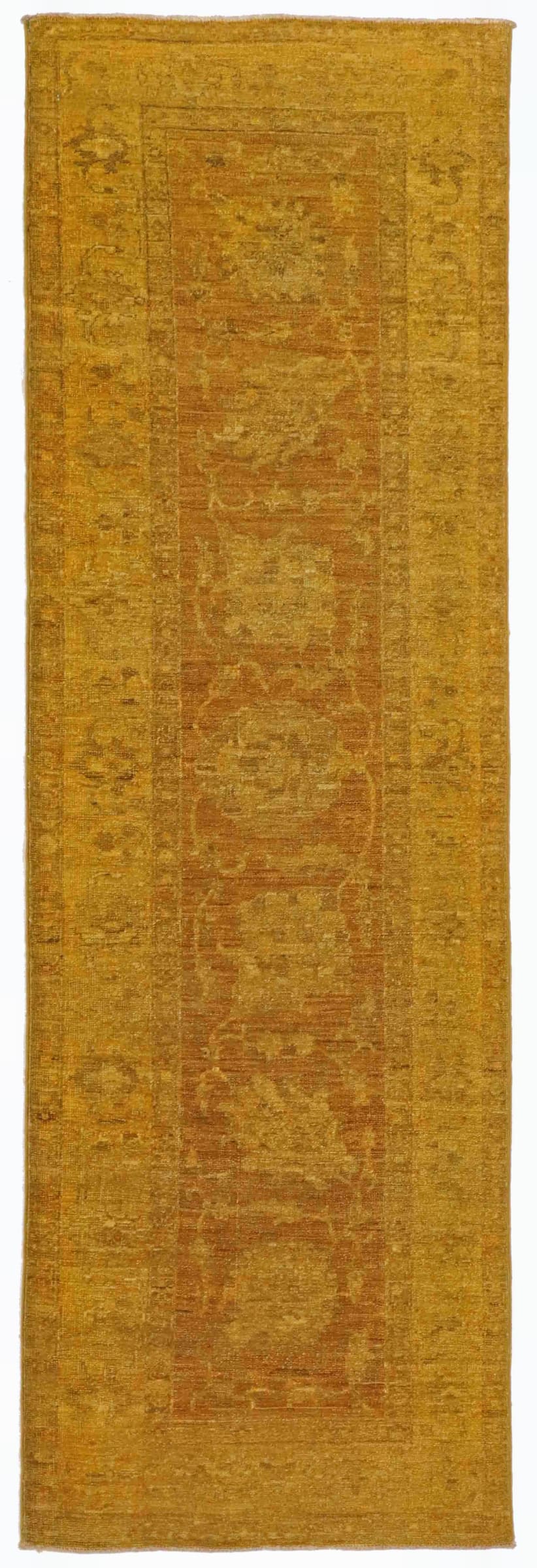
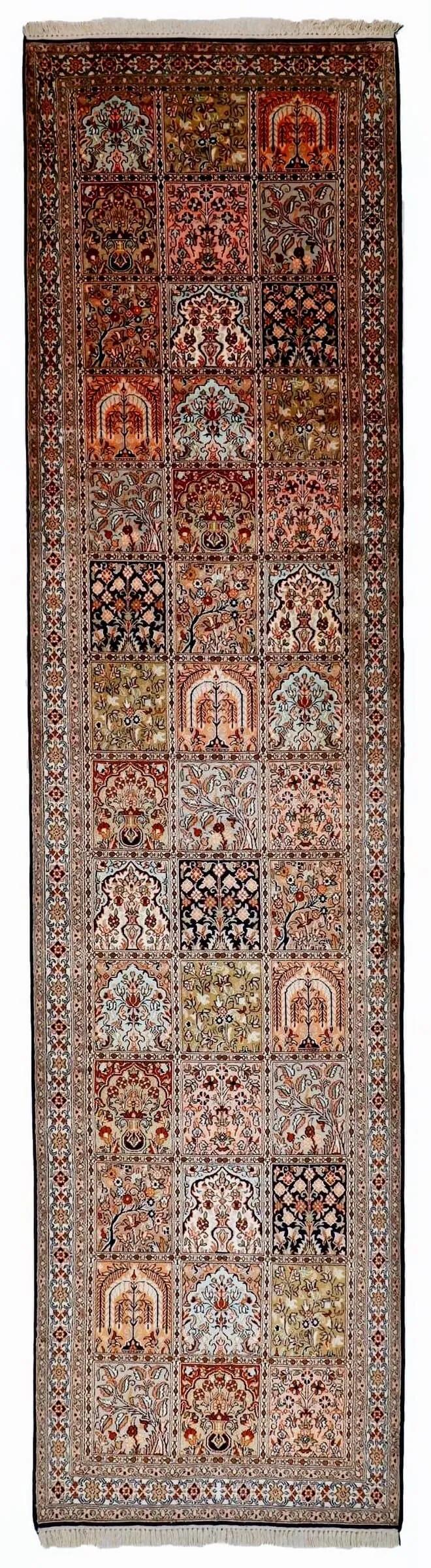
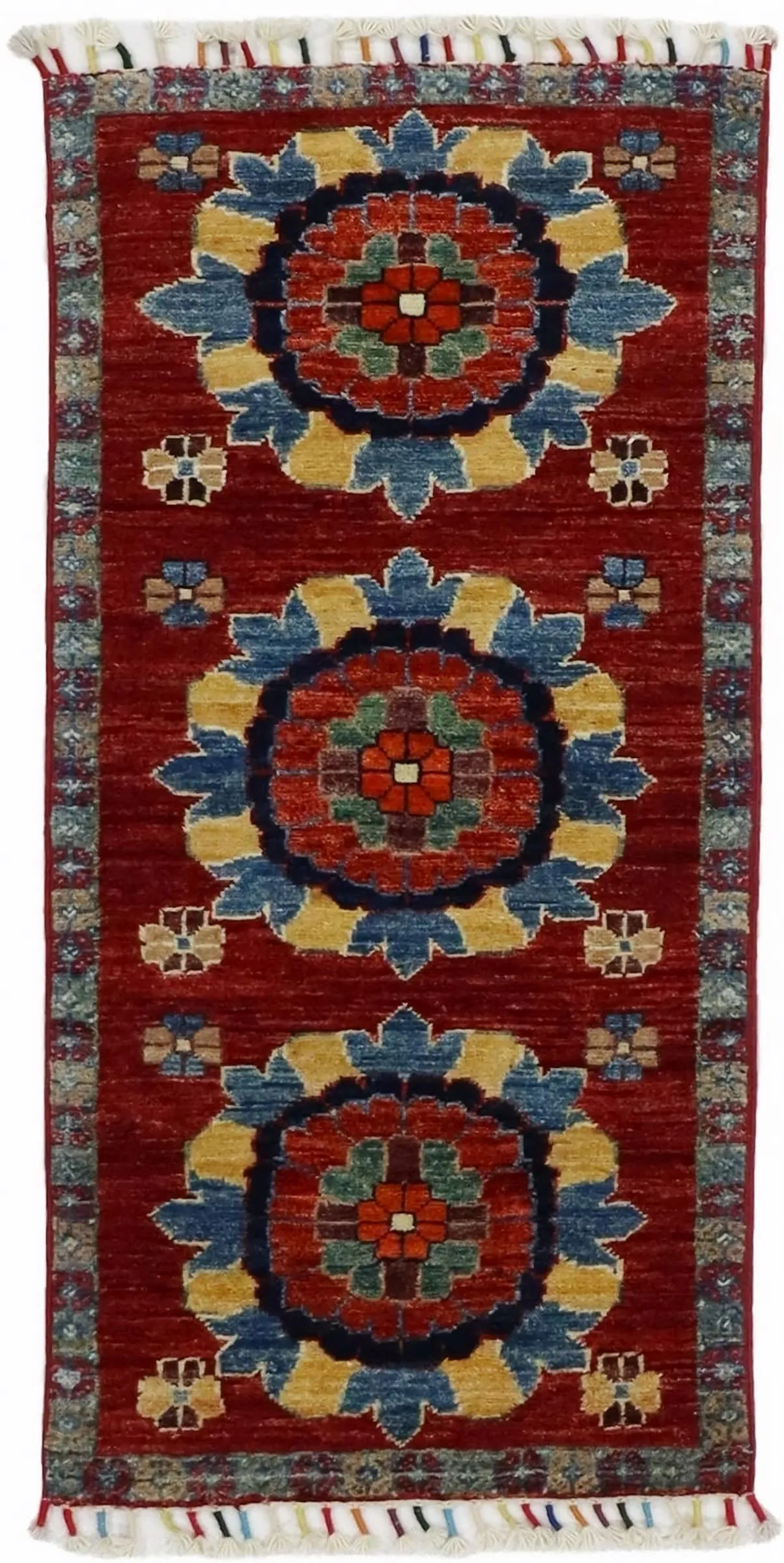
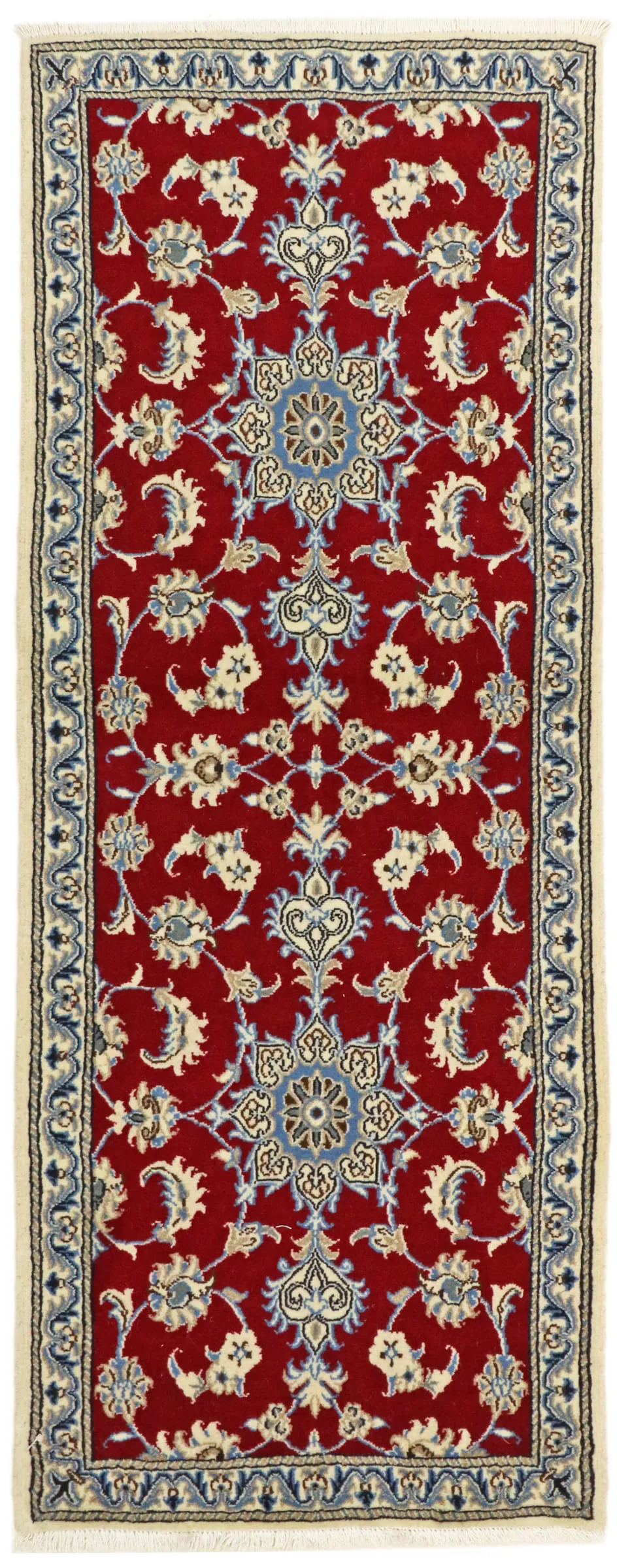
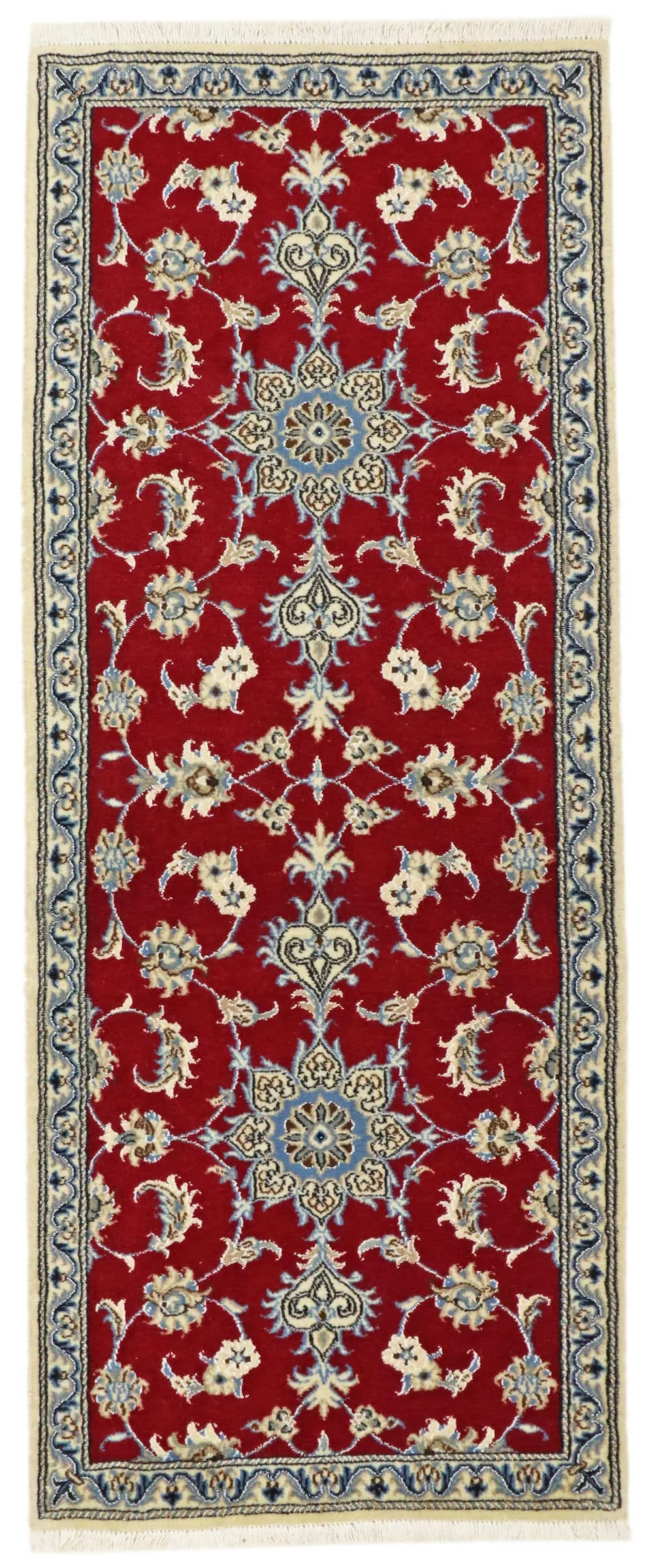
A narrow runner should sit centrally and in proportion to the clear hallway width. Even strips of flooring on both sides make the corridor feel calmer and more spacious.
The runner length can guide the eye through the hallway, but it does not need to cover the entire route. Leaving deliberate areas of exposed flooring near doors, stairs, junctions or furniture can work very well.
Check in advance that doors can swing freely over the rug and that thresholds or level changes leave enough clearance. A compact pile is often more practical in these areas than a very high surface.
On smooth floors, a non-slip underlay suited to both the rug and the flooring can be useful. It should lie flat, avoid lifting the rug edges and not damage the floor surface.
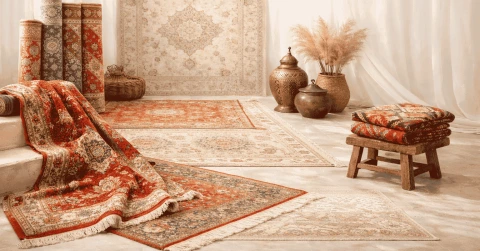
Not every hallway needs the same type of rug. Length, width, light, doors and the function of the area determine whether a compact rug or a longer runner creates the better overall effect.
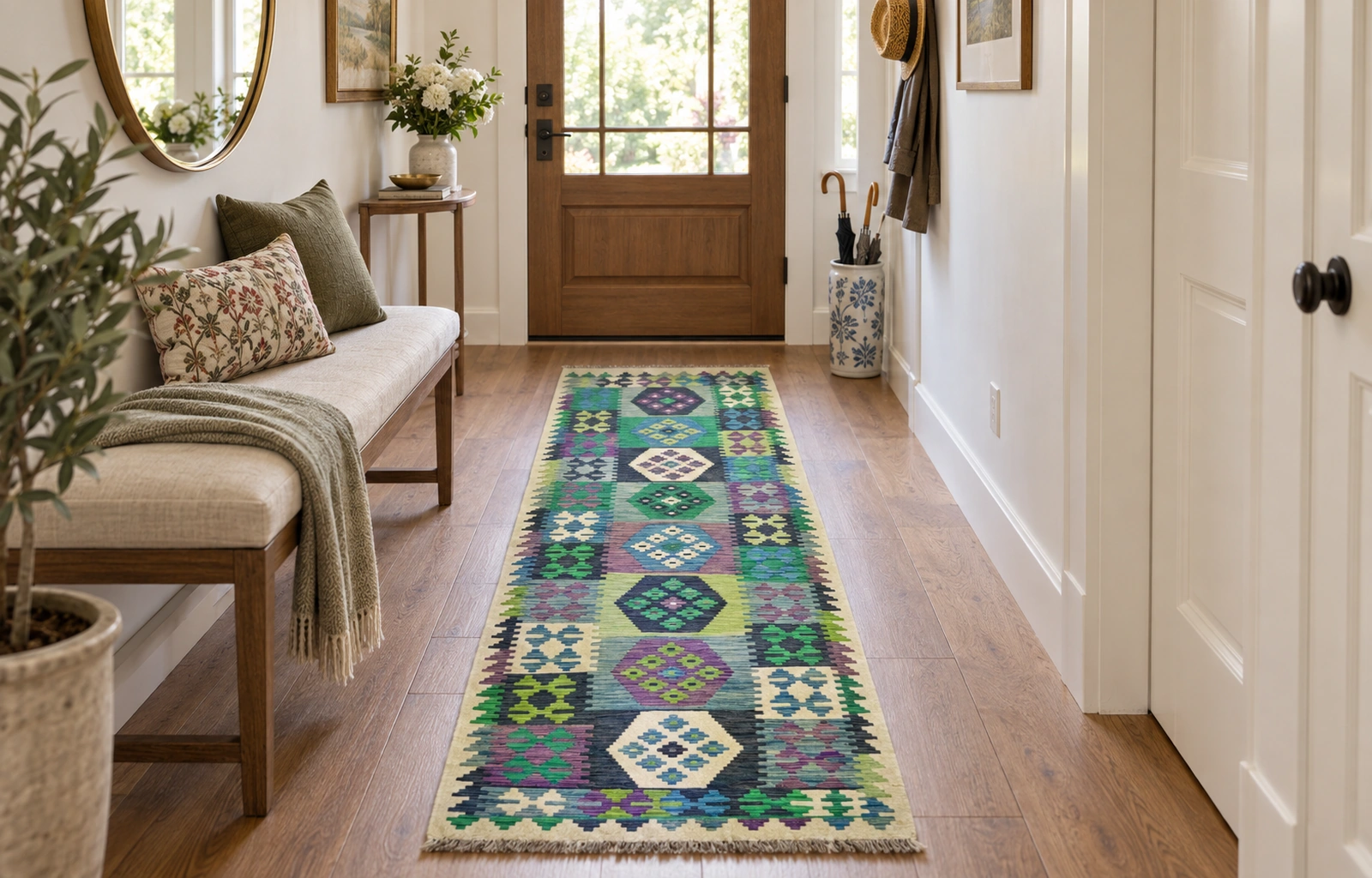
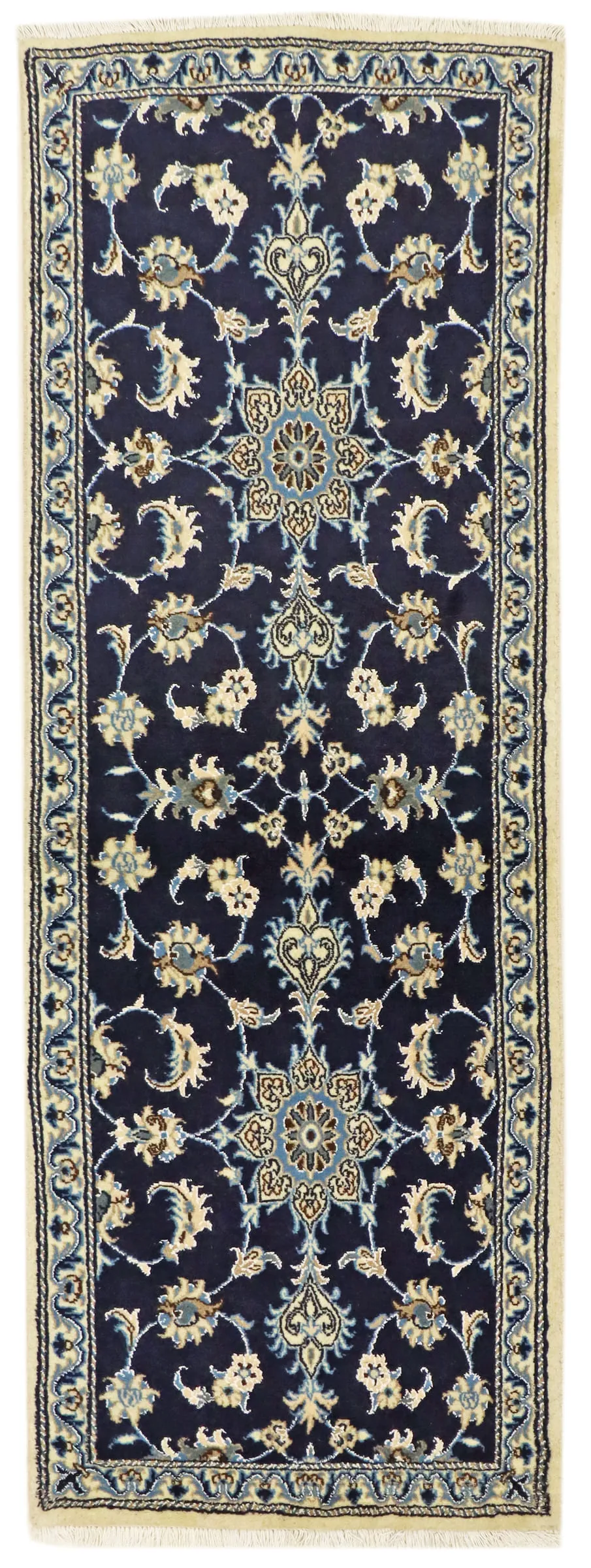
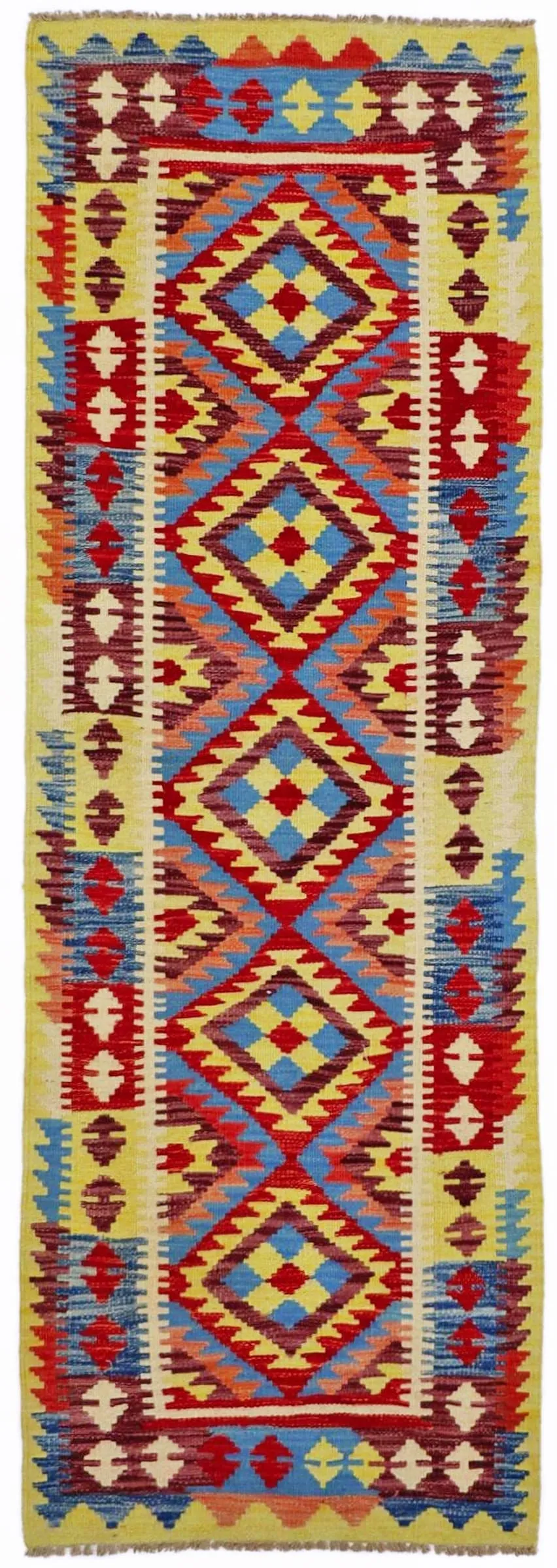
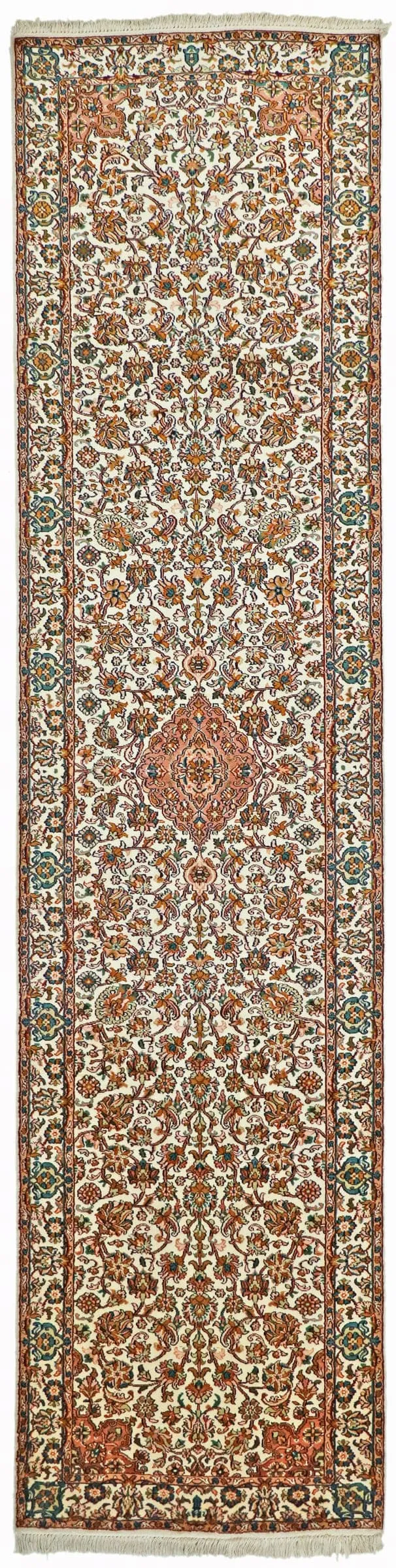
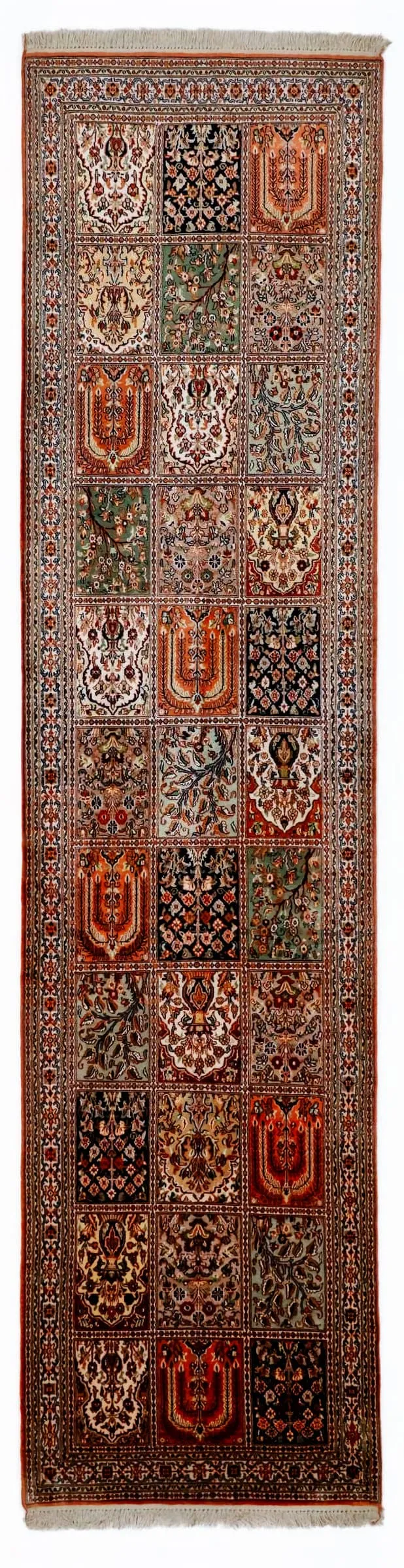
In a narrow corridor, a long runner reinforces the natural direction of the space. Its width should still leave enough flooring visible on both sides so the route does not feel restricted.
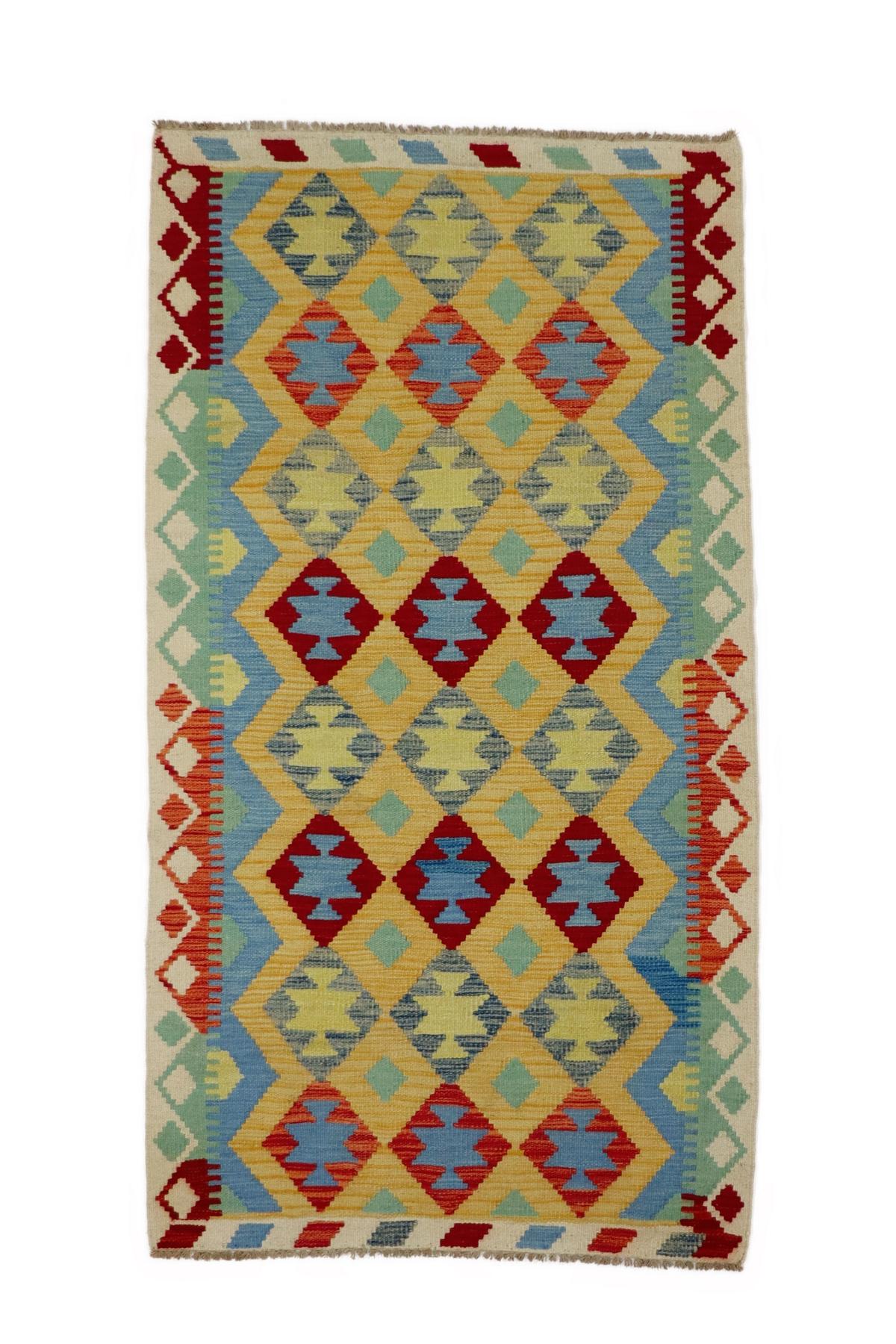
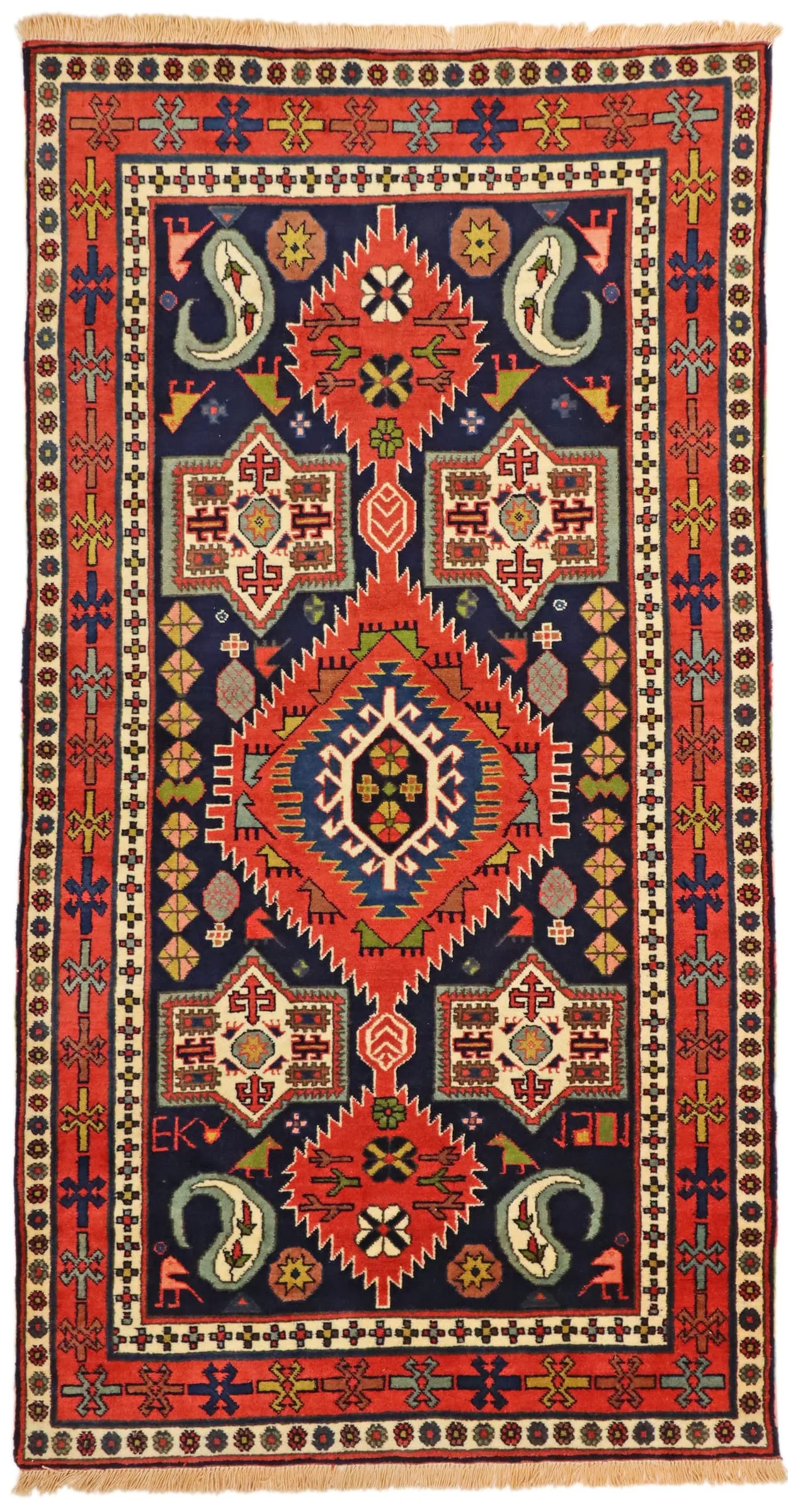
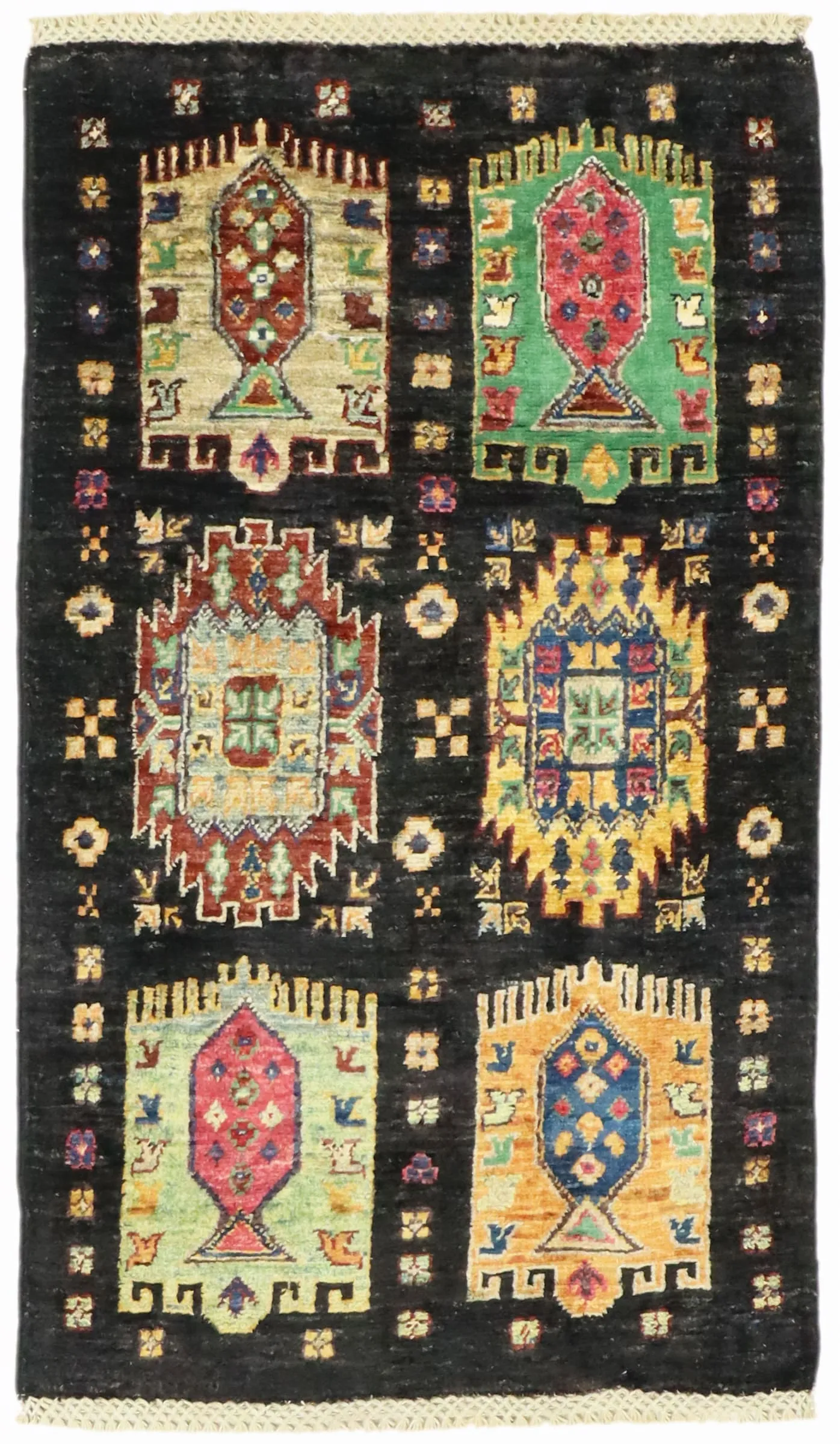
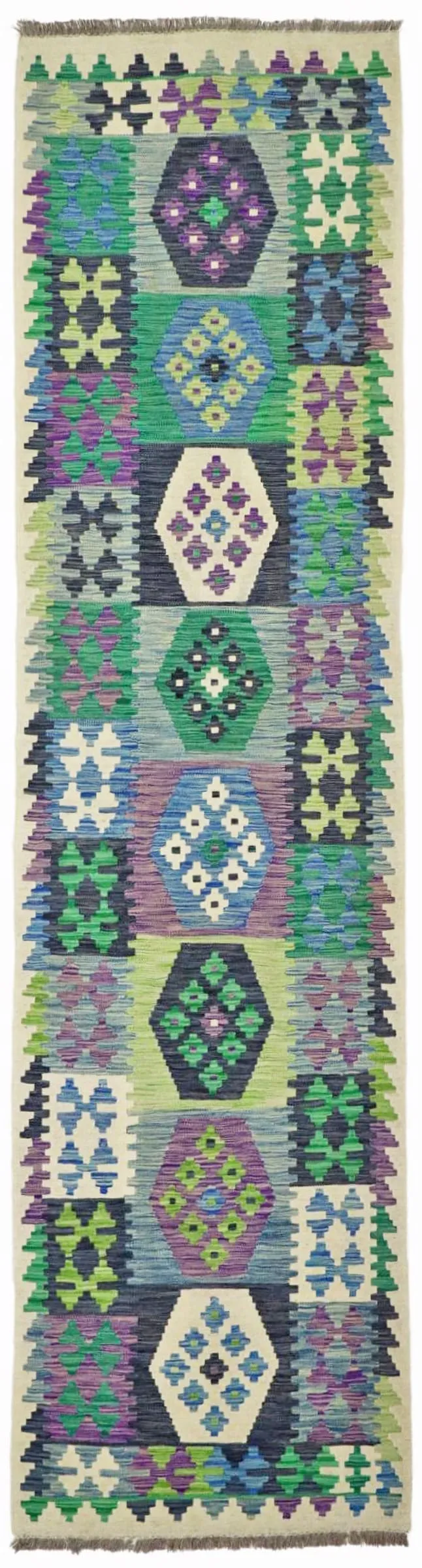
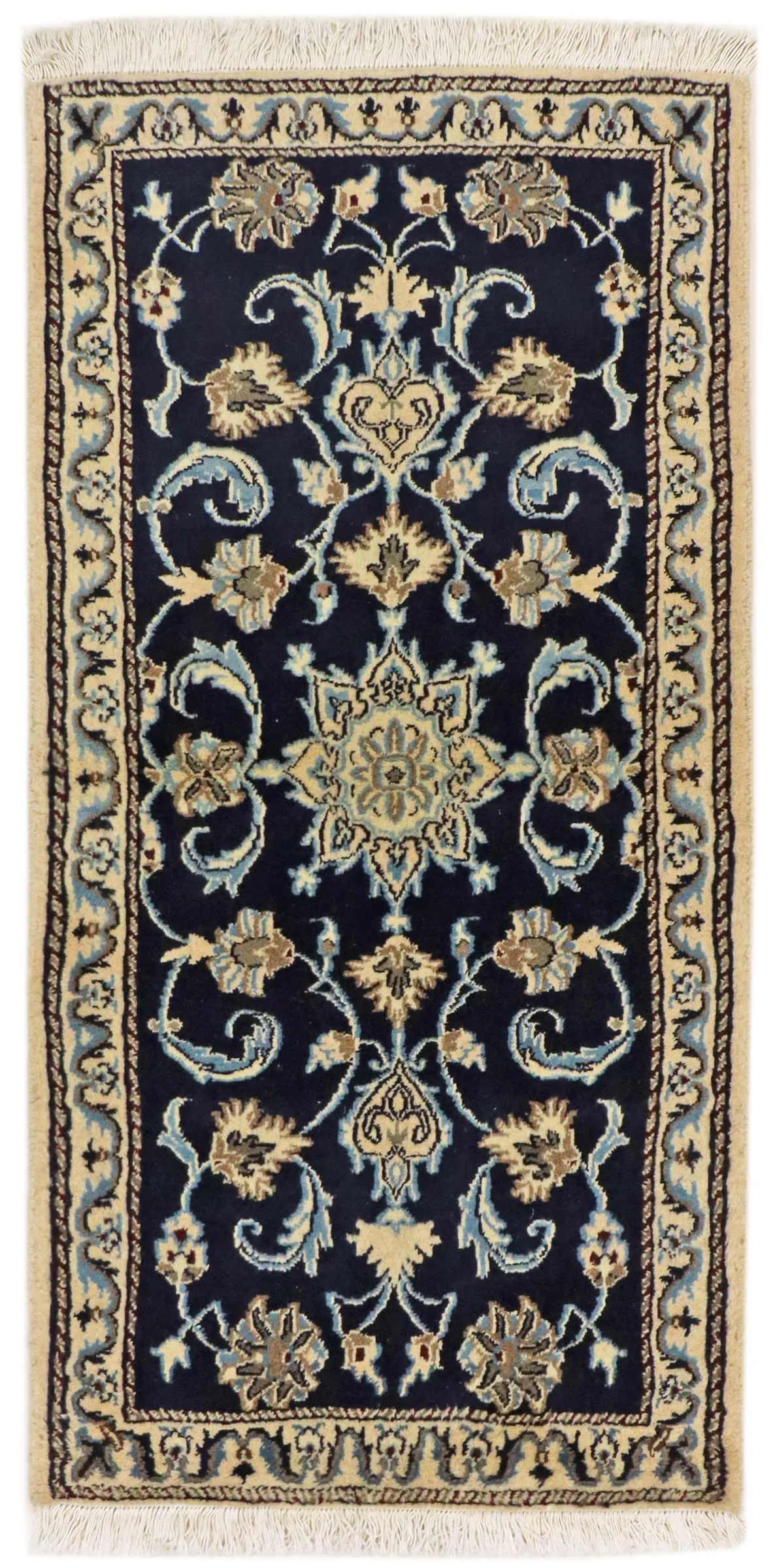
Multicoloured or geometric patterns can add character to a simple hallway. Where daylight is limited, lighter areas within the design can help keep the floor from feeling too heavy.
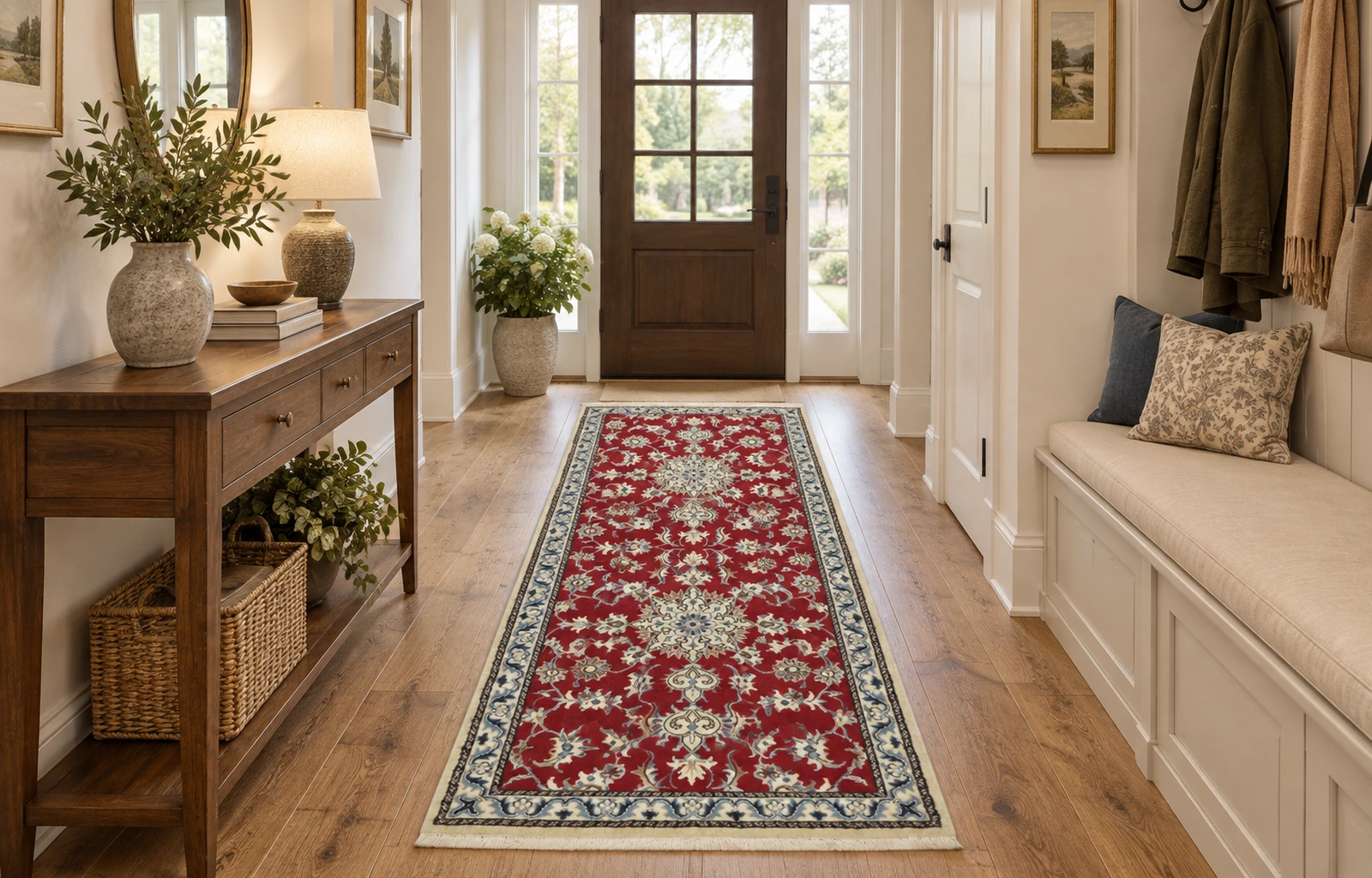
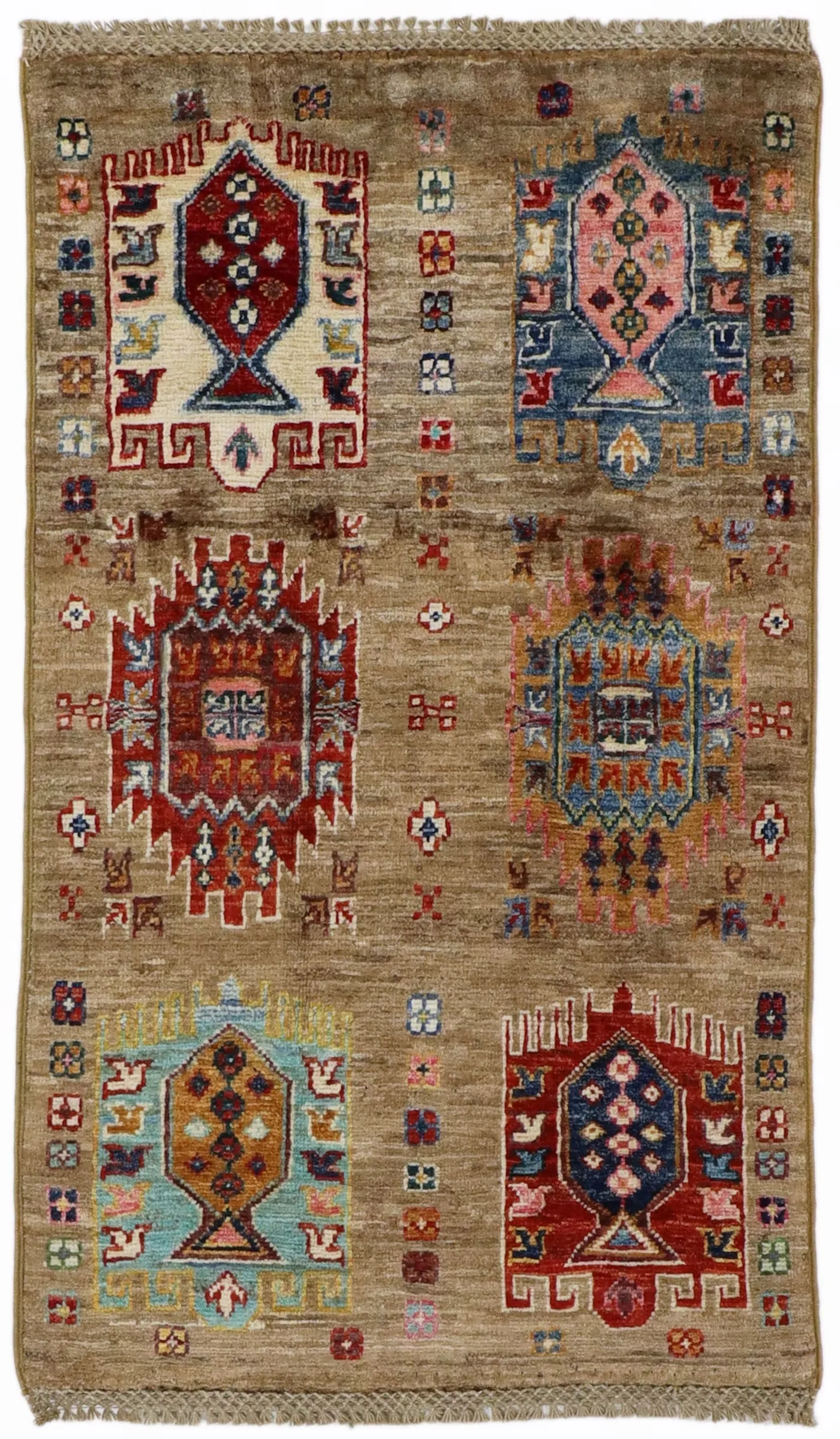
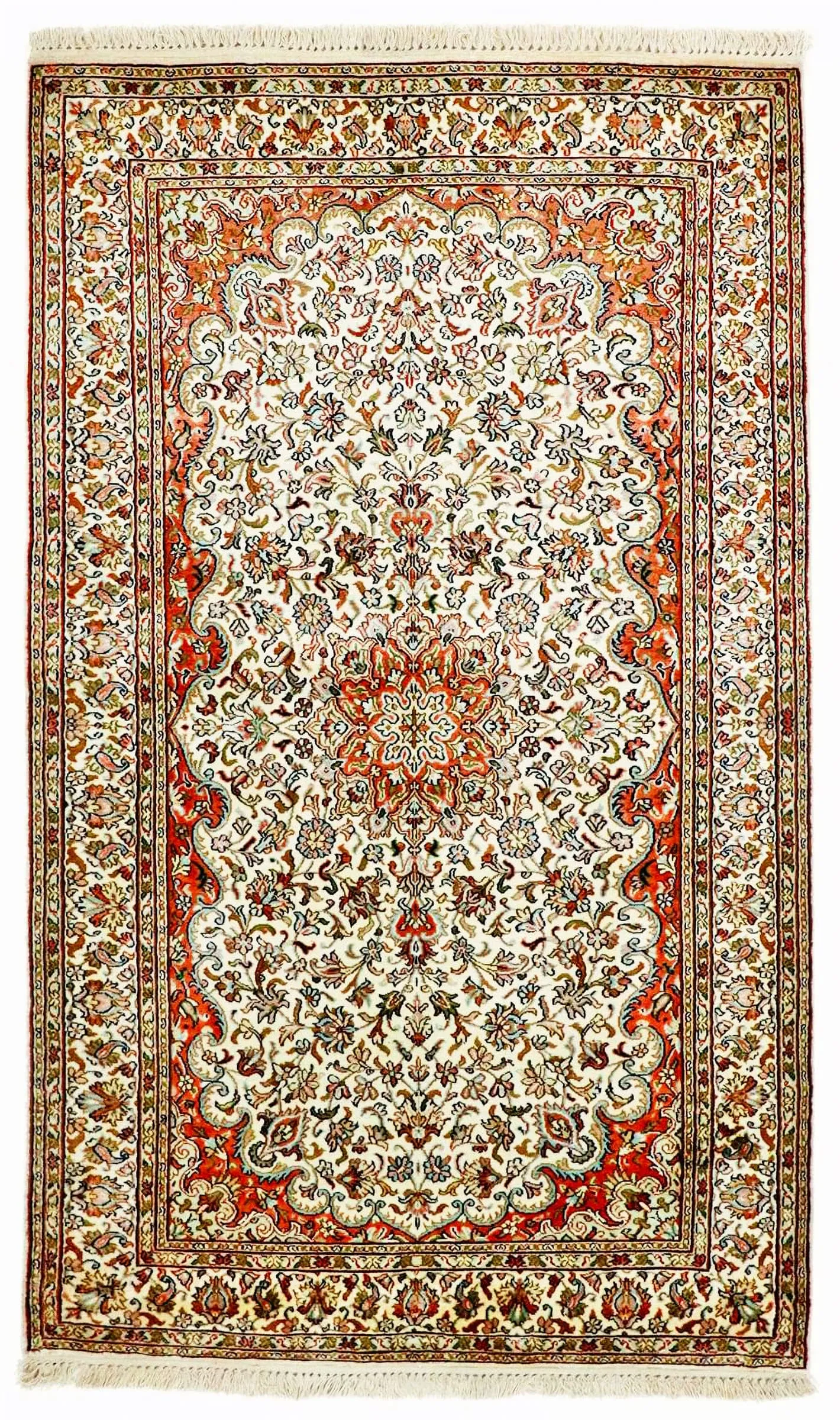
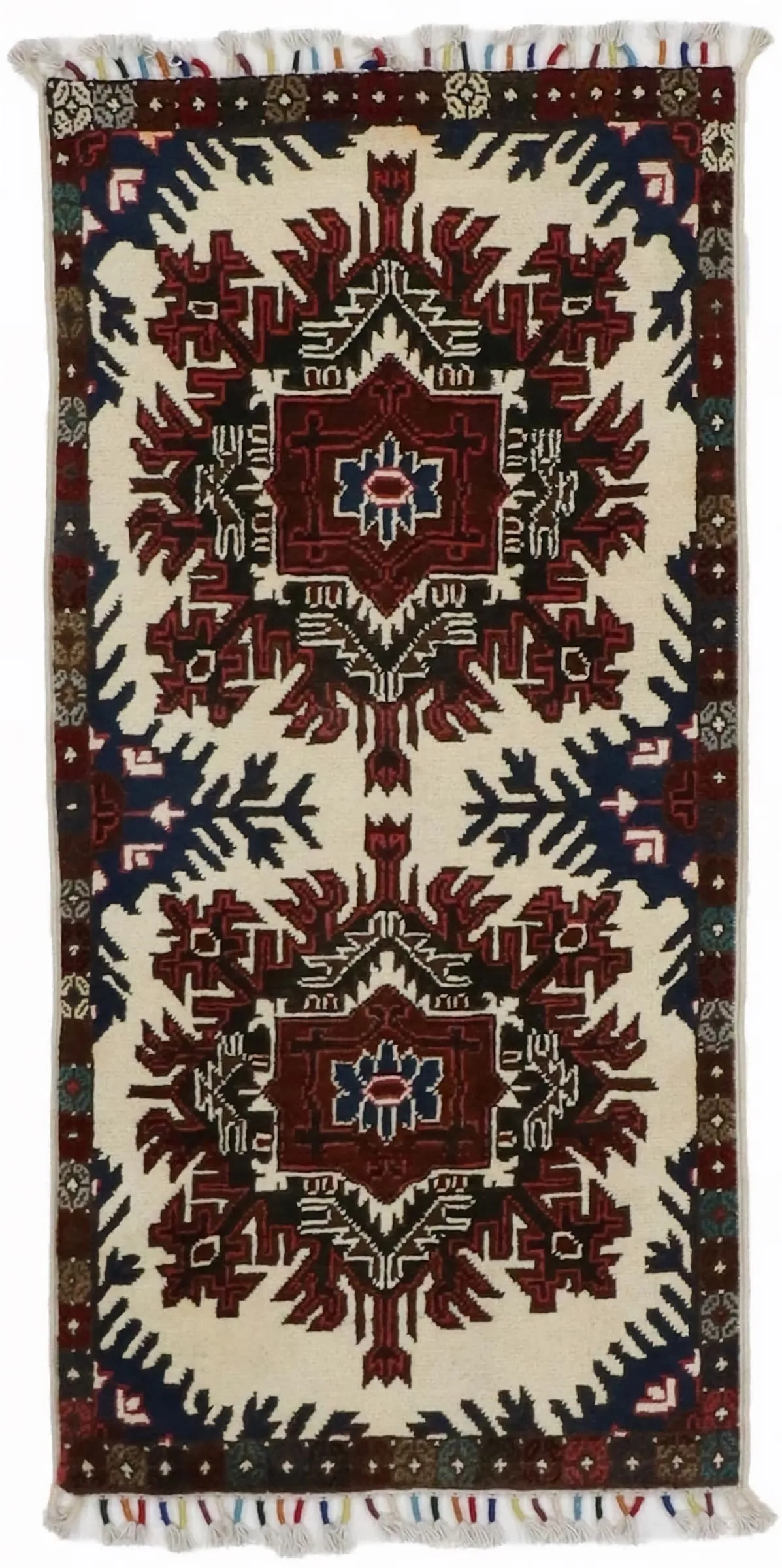
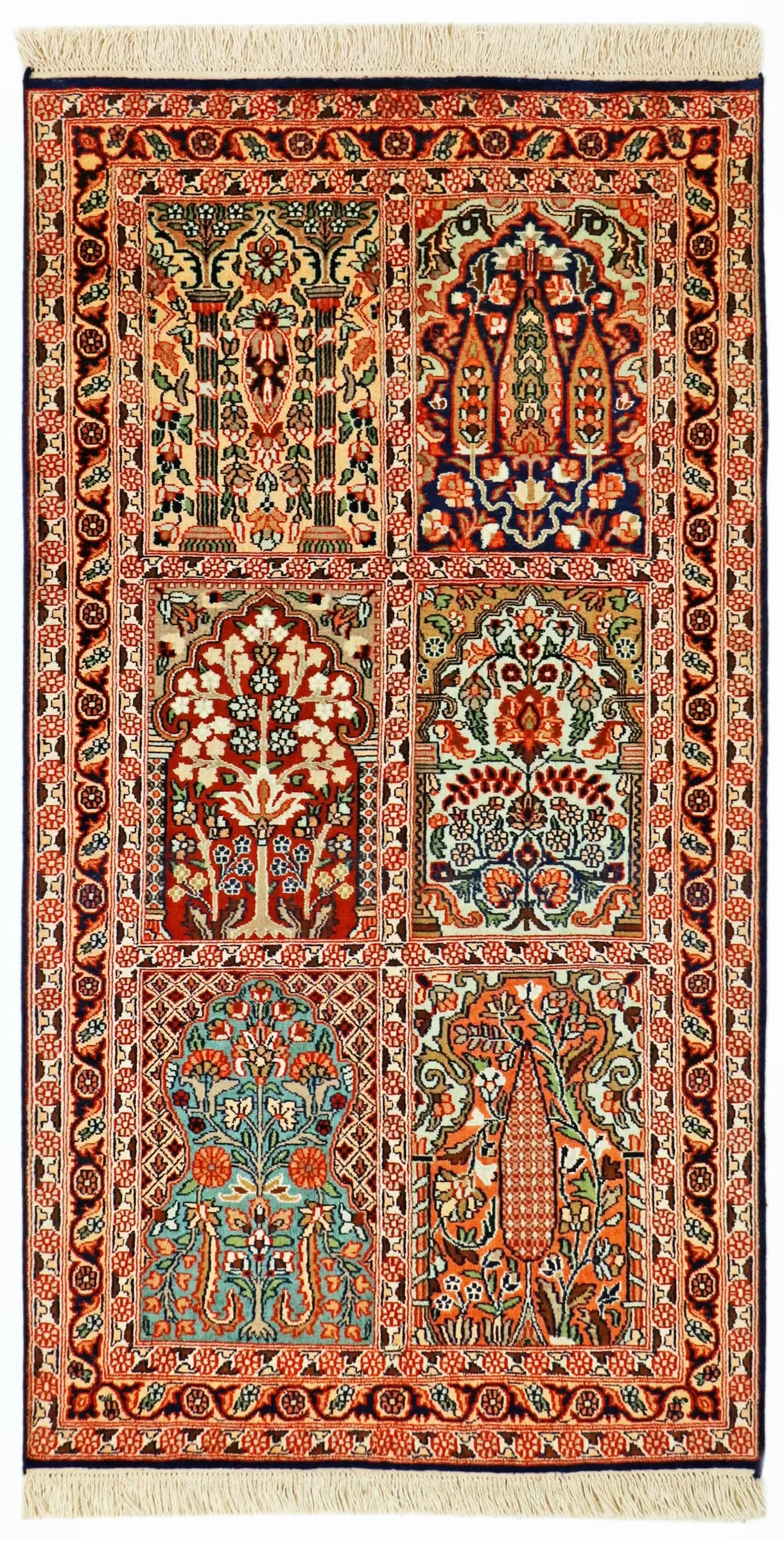
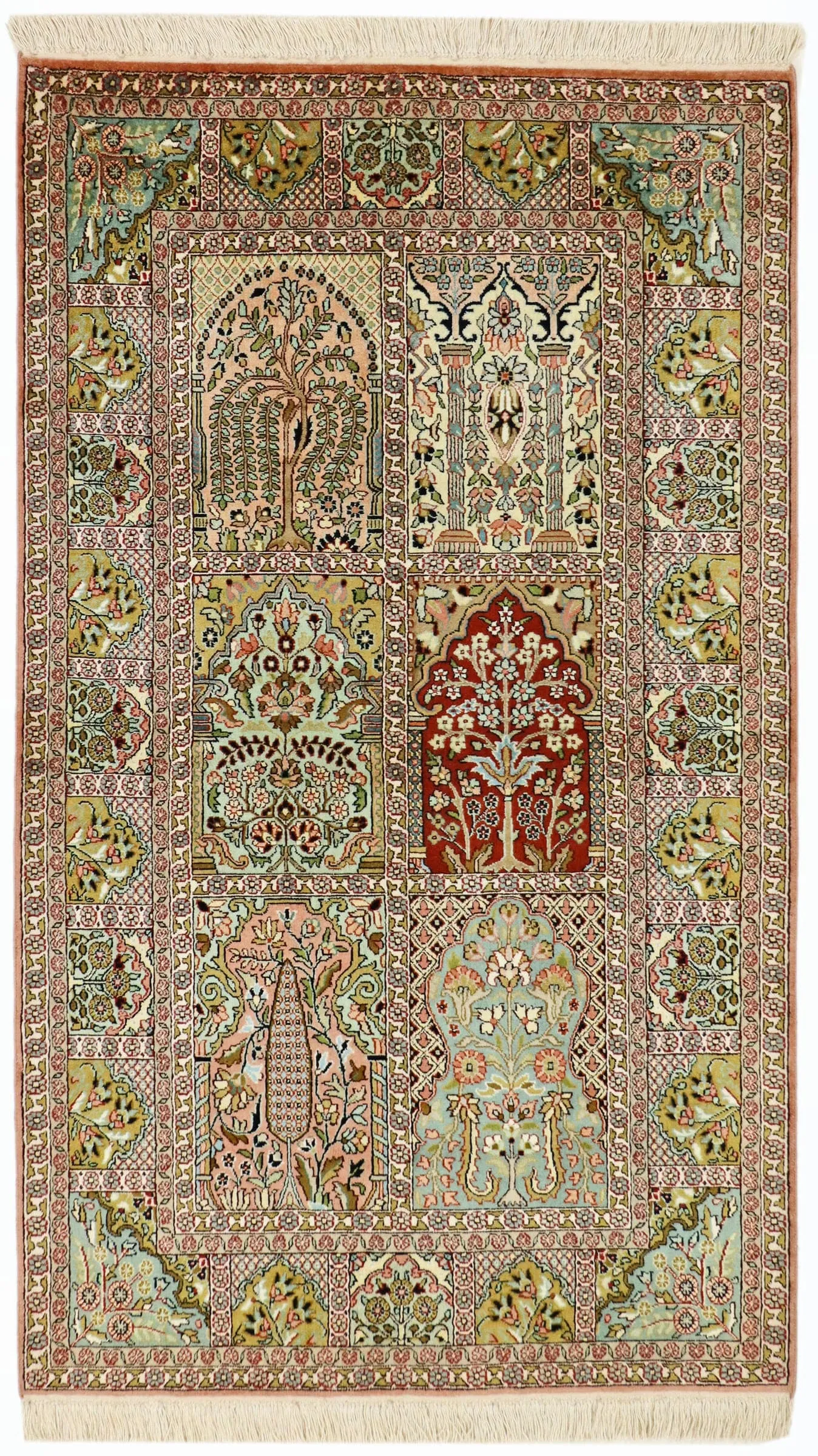
In an entrance area, a shorter or more compact rug can define its own zone without covering the entire hallway. This works especially well between the front door, coat storage and the corridor beyond.
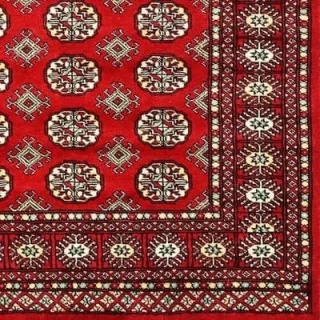
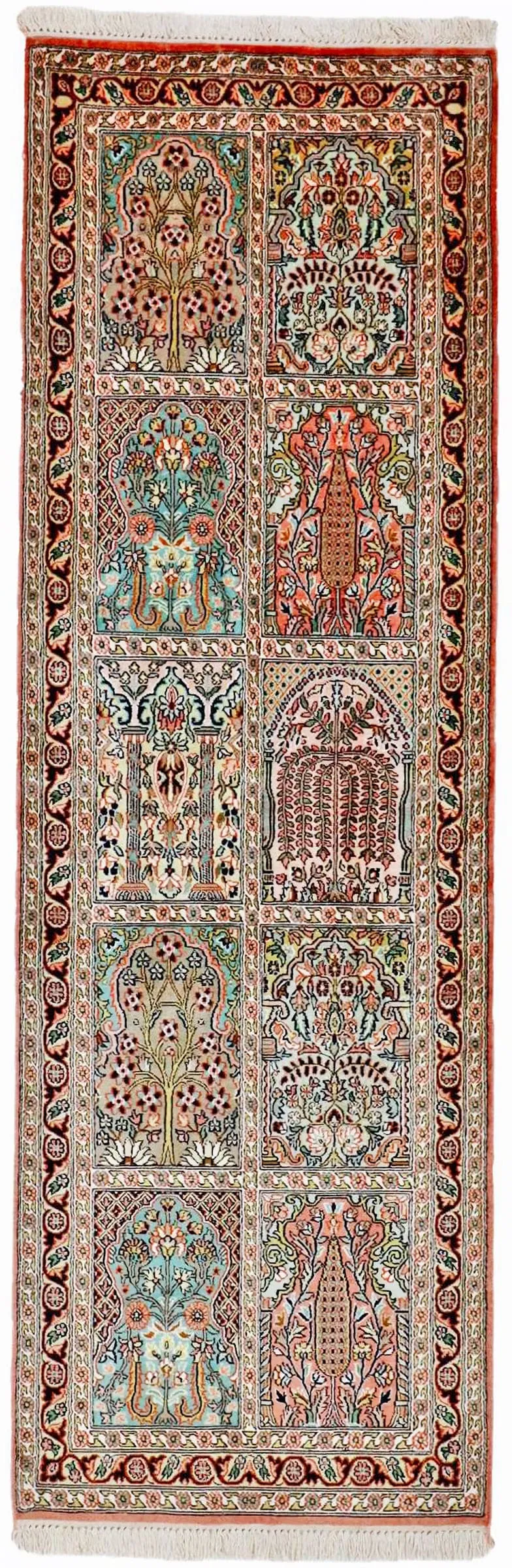
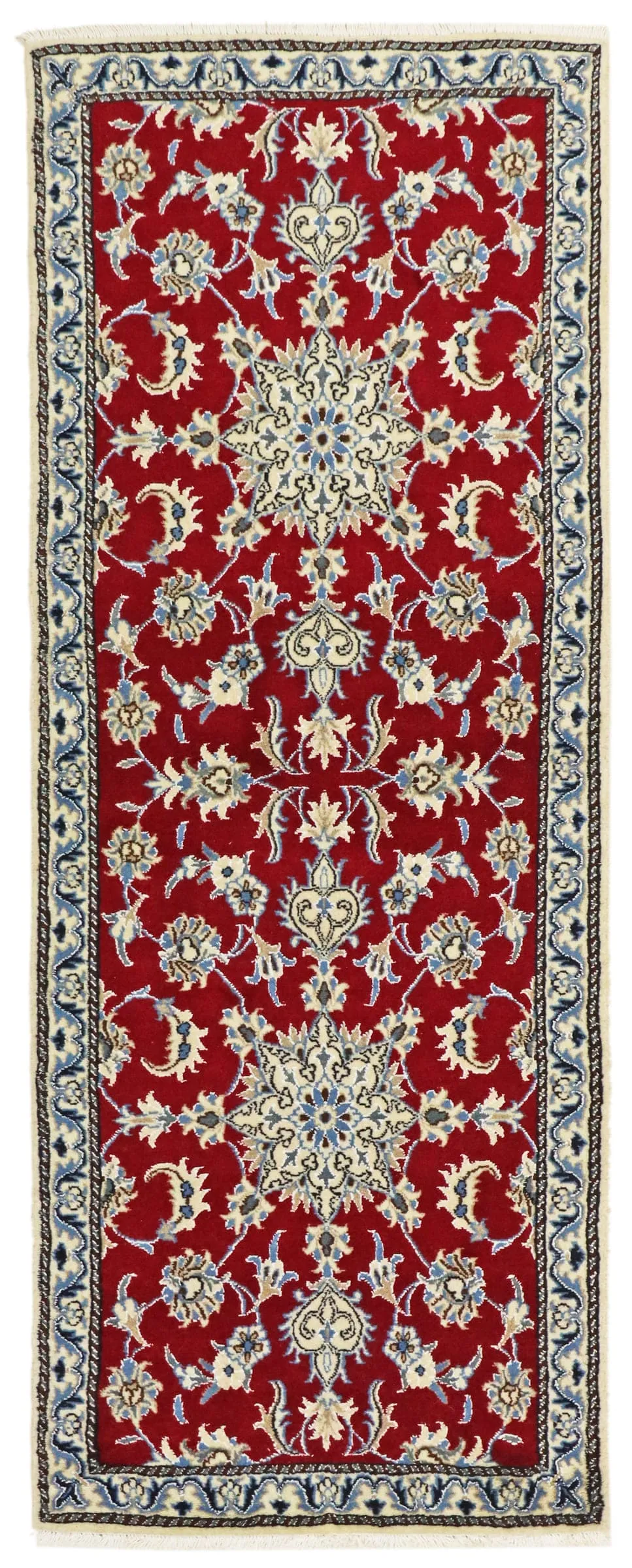
Strong reds and natural tones create a clear accent as soon as you enter. Enough clearance should still be left around door leaves and heavily soiled zones.
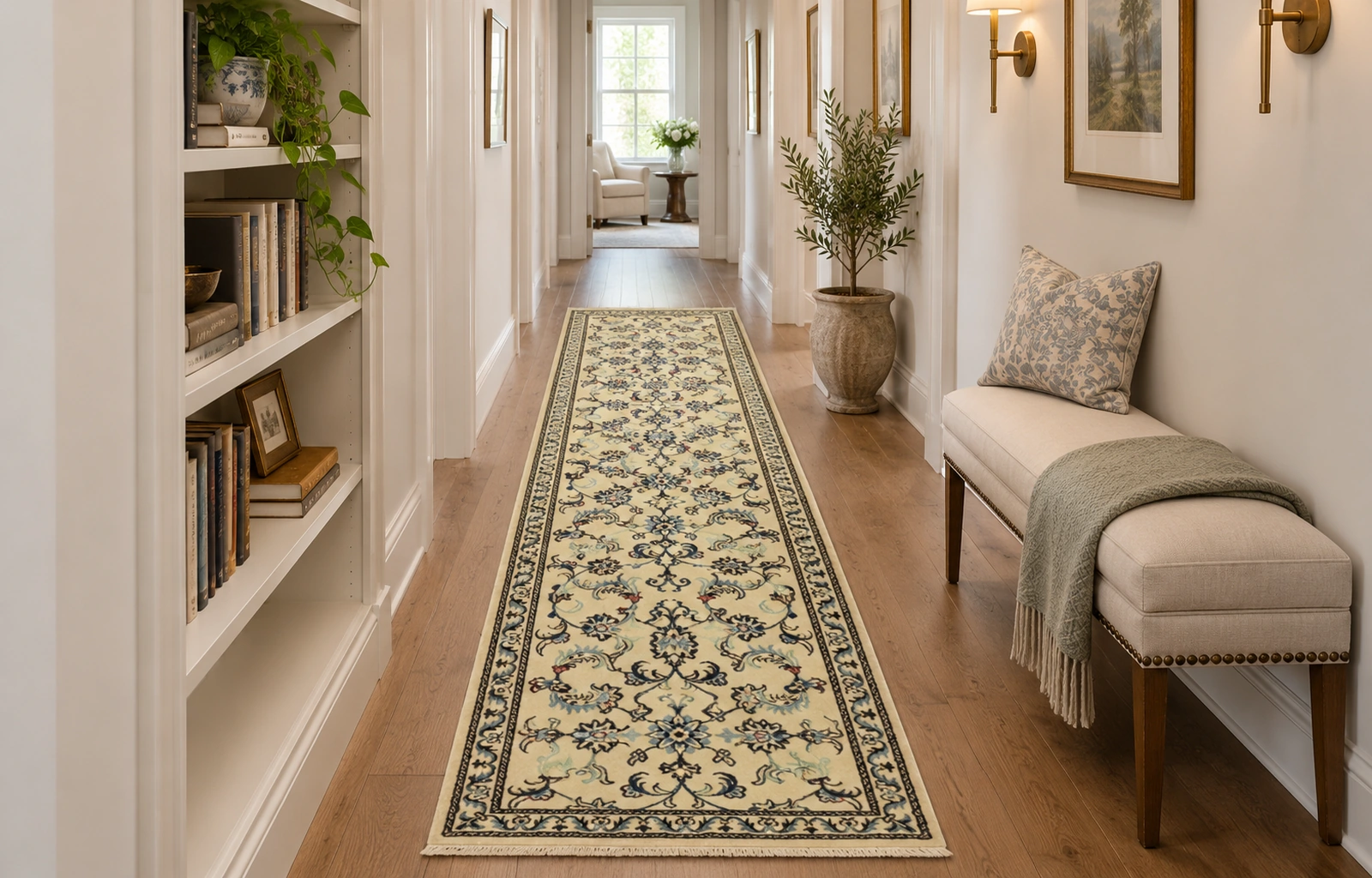
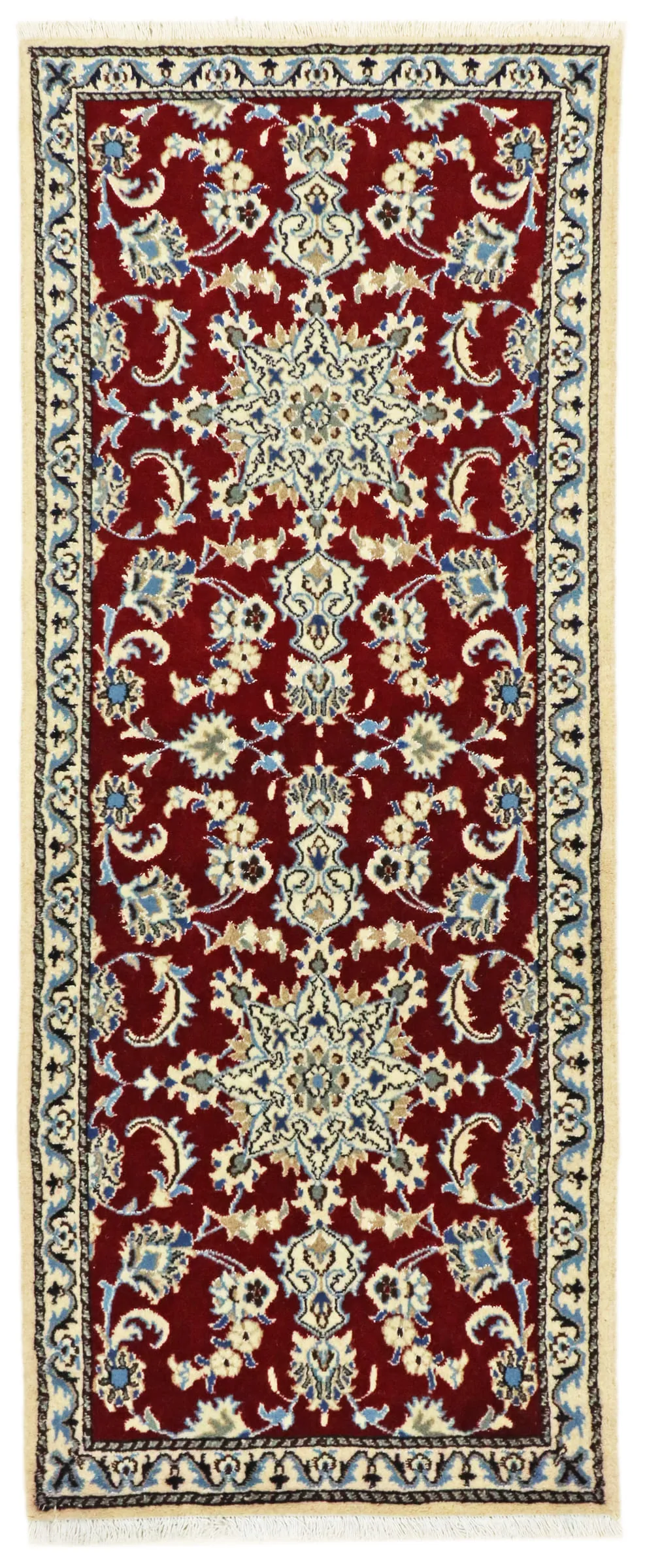
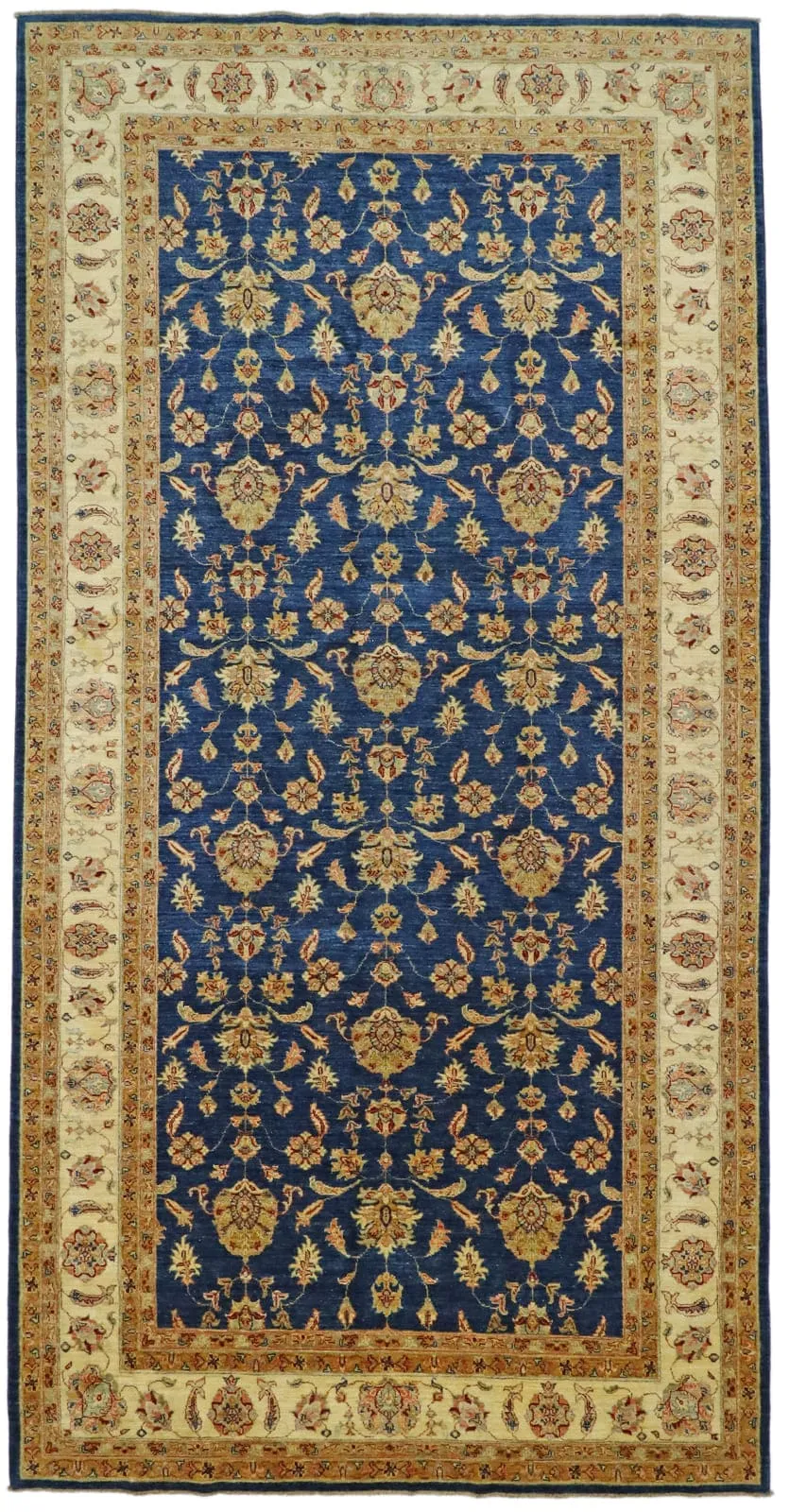
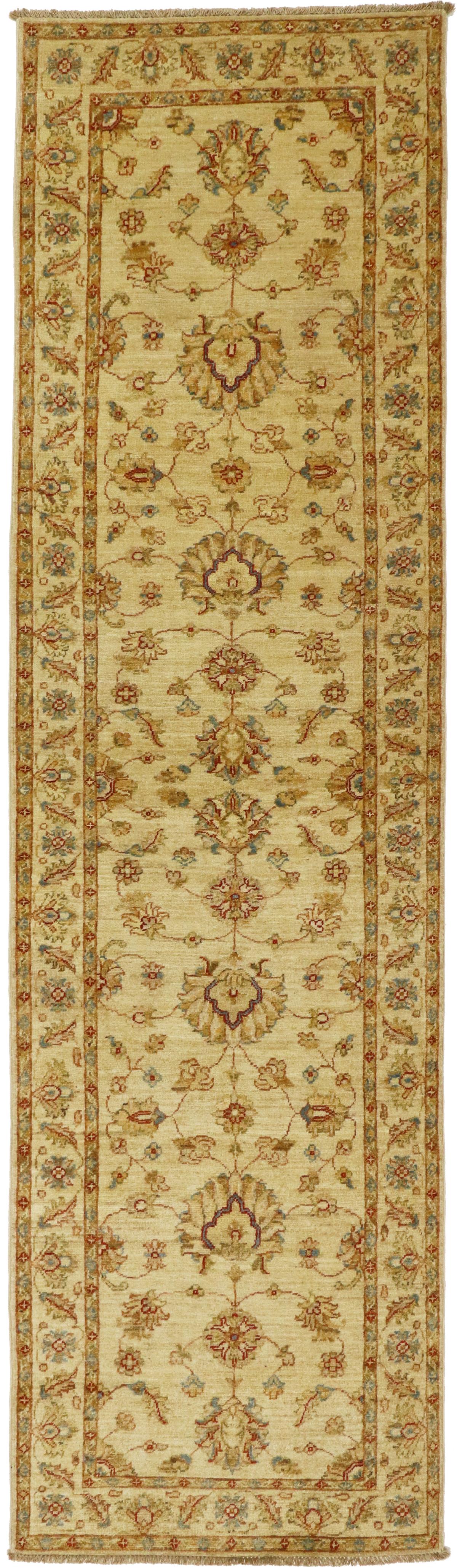
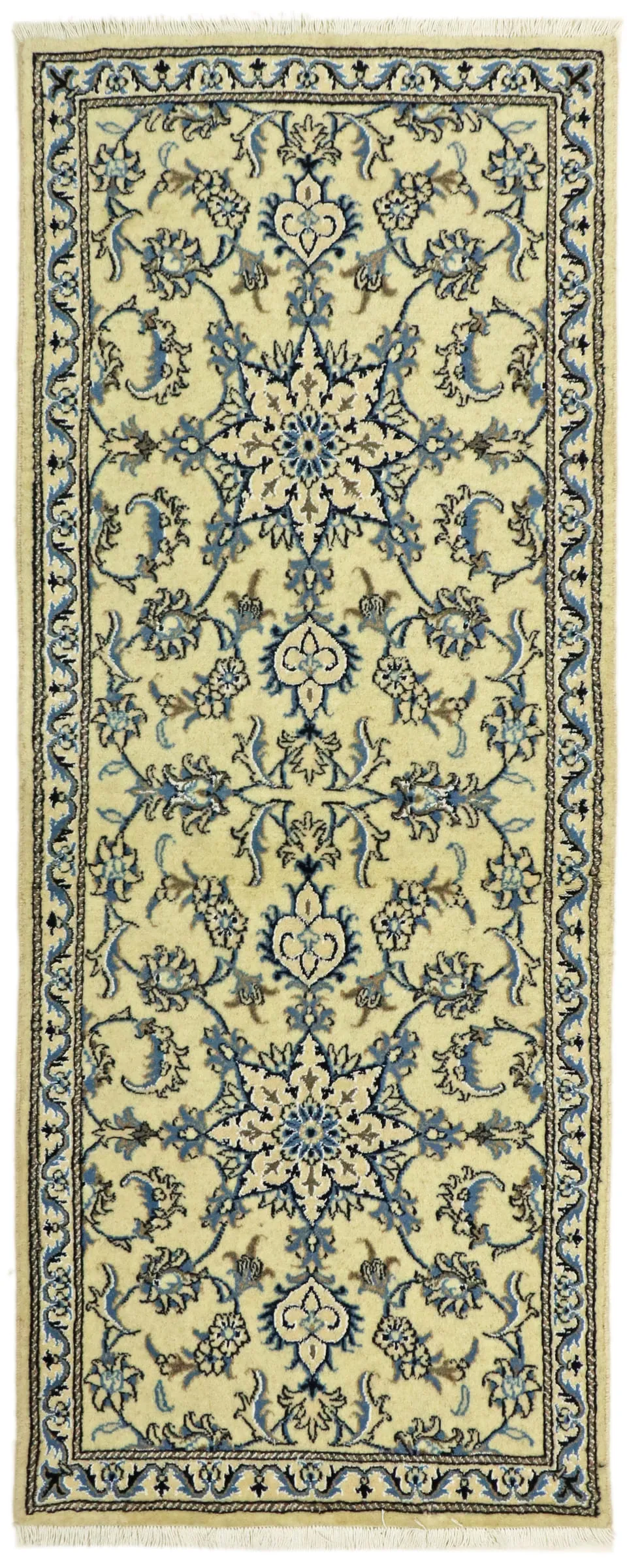
In longer hallways, a runner can focus the line of sight and visually connect areas that are far apart. It still does not need to fill every corner; deliberate open flooring at the beginning and end can look especially refined.
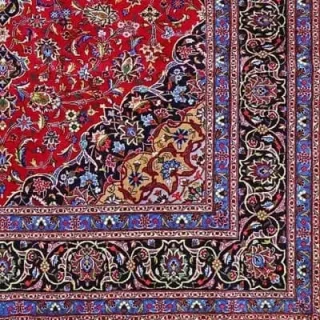
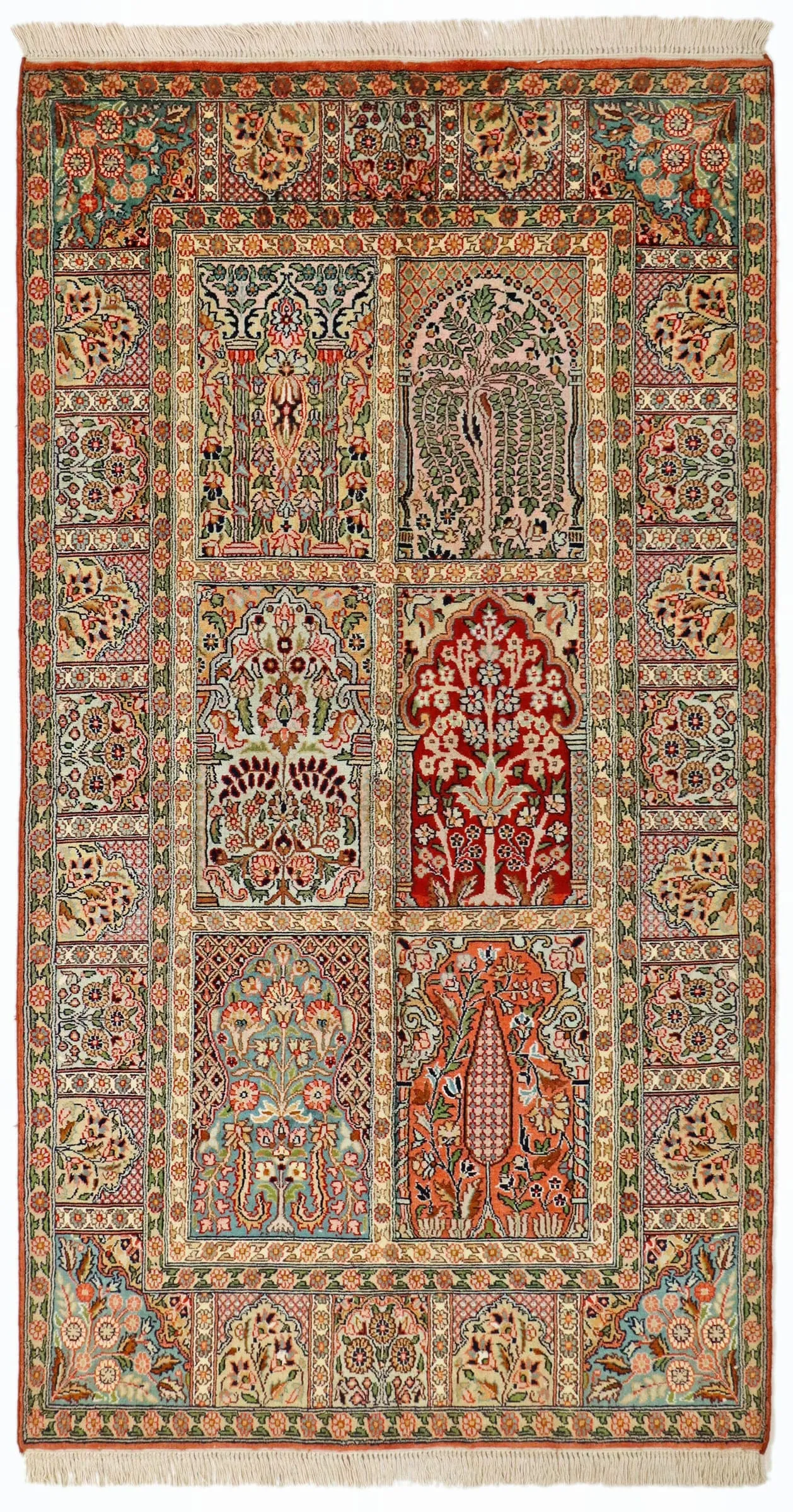
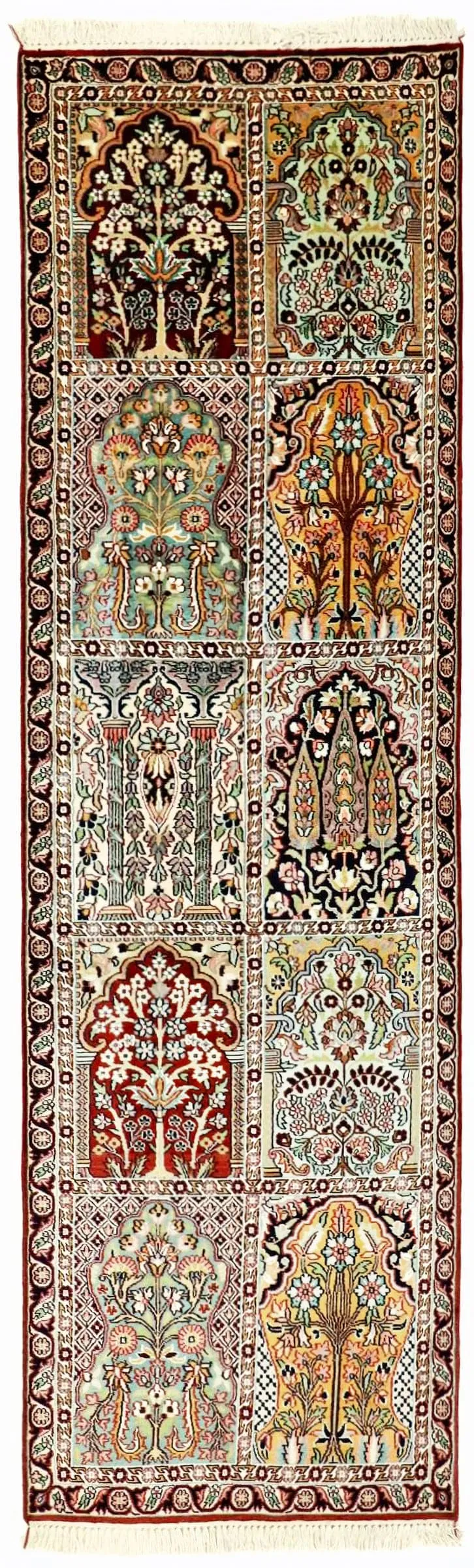
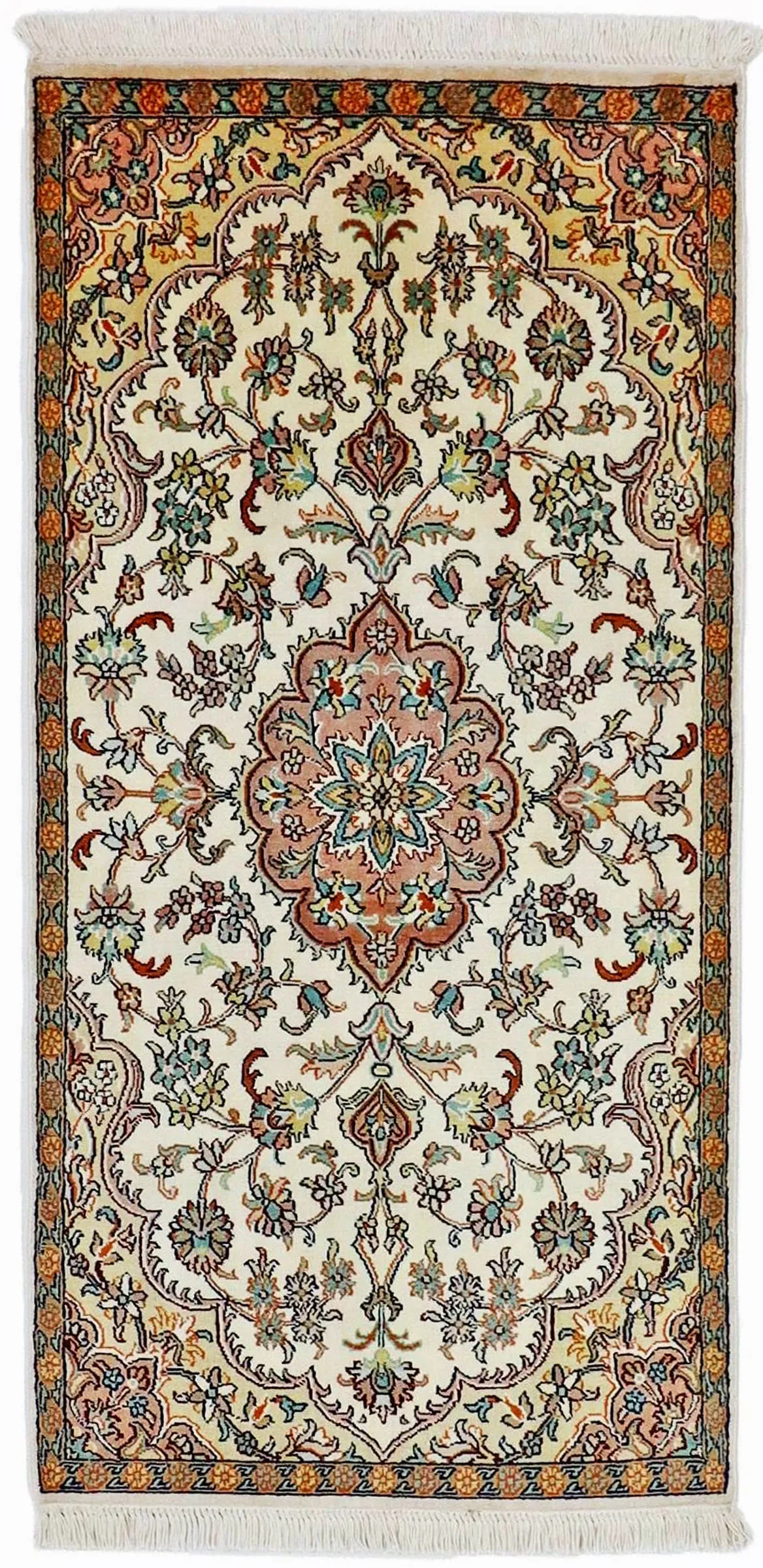
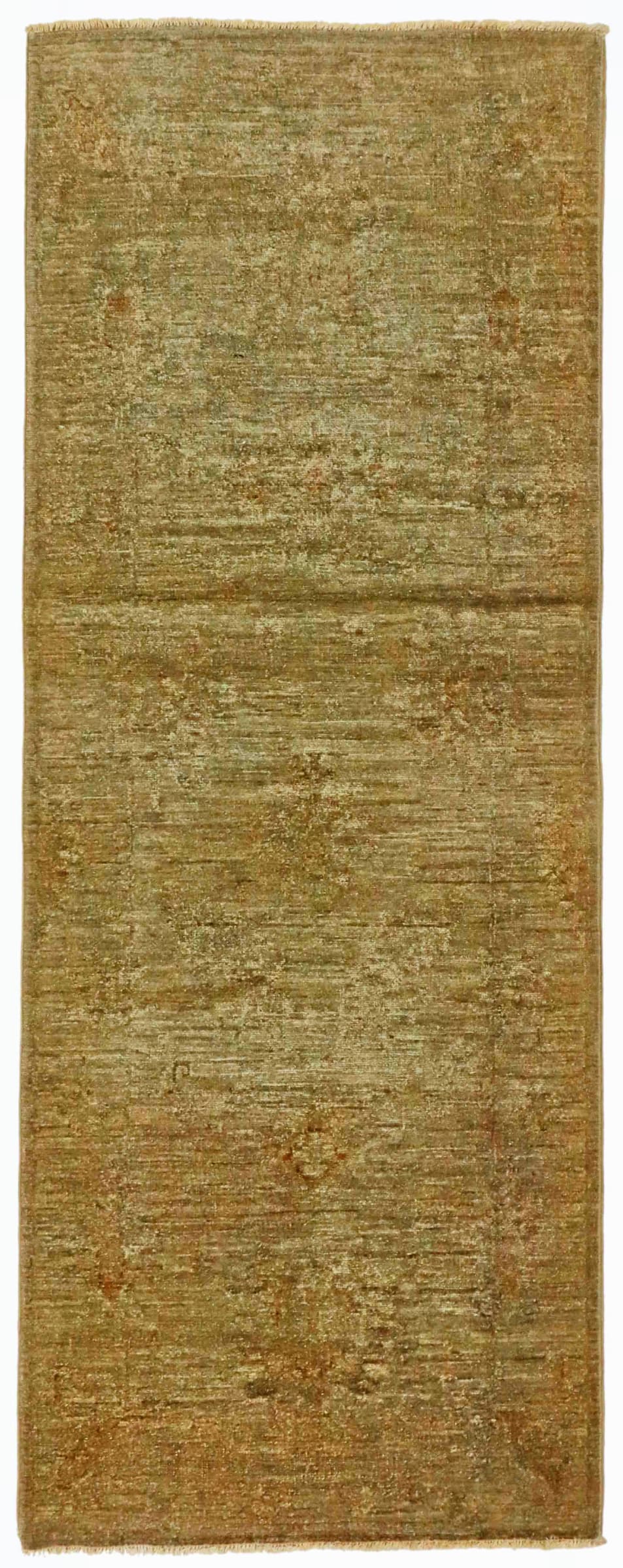
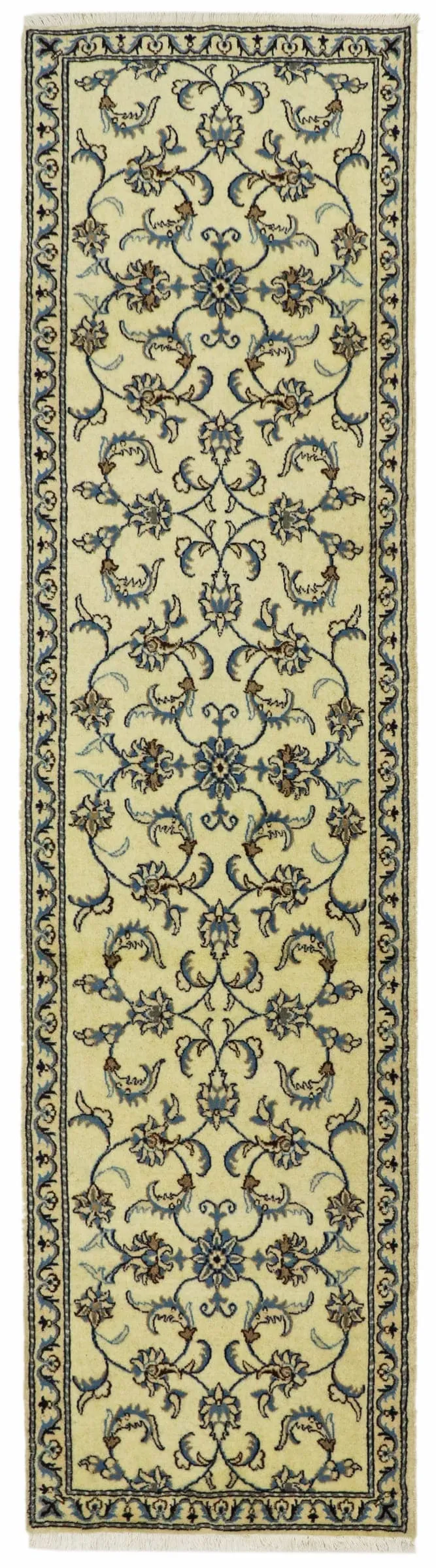
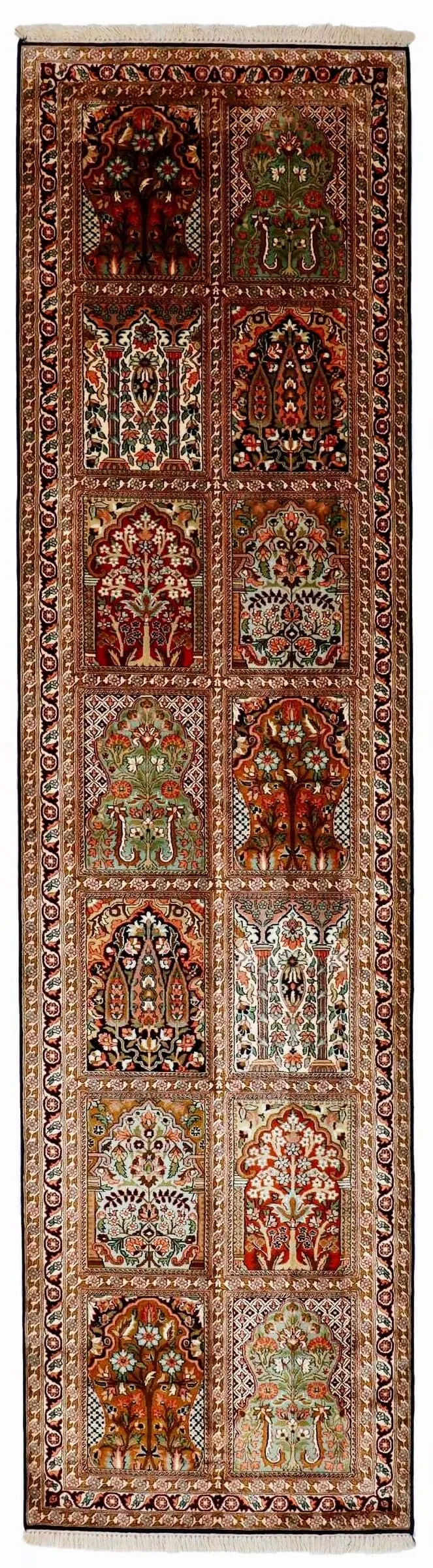
Vintage-inspired designs and finer patterns can add depth to long, functional hallways. The calmer the walls and furniture, the more expressive the rug pattern can be.
Hallways are usually among the more heavily used areas of a home. Material, pile height, cleaning requirements and the floor surface should therefore be considered just as carefully as colour and pattern.
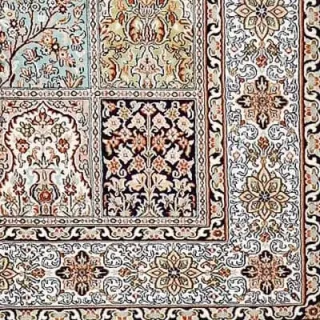
Durable wool qualities are particularly well suited to many hallways because they are comfortable, resilient and comparatively practical for everyday use. Very fine silk rugs are better suited to quieter hallway areas with less foot traffic.
A compact or lower pile is practical when doors sit close to the floor or the rug is walked on frequently. Before use, check that doors and furniture can move freely over the rug surface.
Mid-tone, variegated or patterned surfaces can make small everyday marks less noticeable. Regular gentle vacuuming and quickly blotting moisture help preserve the structure and pile over time.

For generations, hand-knotted runners and Oriental rugs have combined practical function with decorative design. Wool creates a warm textile surface, while regional patterns, colours and knotting traditions give each one-of-a-kind piece its own character.
In today’s hallway, the rug also performs a clear spatial role: it guides the eye, structures long walkways and can make the transition from entrance to living areas feel more welcoming. This combination of traditional craftsmanship and modern space planning makes high-quality one-of-a-kind rugs especially versatile. For more historical background, see our history of Oriental rugs.
Since 1995, Jakobson Carpets has stood for hand-knotted rugs, careful selection and personal advice. In a hallway especially, the effect of a rug is best judged where floor width, doors, light, walking routes and existing furniture actually come together.
View the rug comfortably at home and see how it works in the space for which it is intended.
You have ample time to compare size, colour and pattern without unnecessary pressure.
The three-year warranty applies exclusively to hand-knotted rugs in accordance with the stated warranty terms.
For appropriately marked hand-knotted rugs with a purchase value of €300 or more, you receive a Certificate of Authenticity. It records key details about the individual rug, including origin, materials, knotting technique, dimensions and other essential characteristics.
Key answers about runner width, length, doors, material, pile, non-slip support and hallway care.
The right size depends on the clear hallway width, usable length, doors and furniture. A runner usually feels most balanced when some flooring remains visible on both sides and the length supports the route without covering every open area.
The width should be chosen in proportion to the clear corridor. A balanced margin on both sides matters more than one fixed standard size, so the runner feels neither cramped nor too narrow.
No. Leaving exposed flooring can be particularly useful near doors, stairs, junctions or open transitions. A well-placed runner can guide the route without covering it completely.
Durable wool rugs are a strong choice for many hallways because wool is resilient and comparatively practical for everyday use. Very fine or delicate materials are better suited to areas with less foot traffic.
A low to compact pile is often advantageous because doors can swing over it more easily and the rug is simpler to vacuum in everyday use. Where door clearance is tight, the actual height should be checked on site.
On smooth floors, a suitable non-slip underlay can be useful. It should suit both the rug and floor surface, lie flat and avoid pushing up the edges. The rug should also be checked regularly for folds or shifted areas.