






-320.webp)
-320.webp)
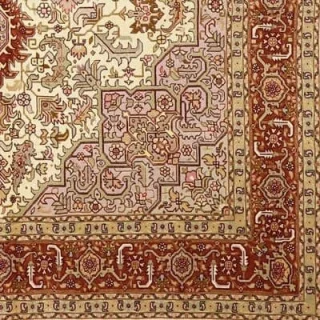
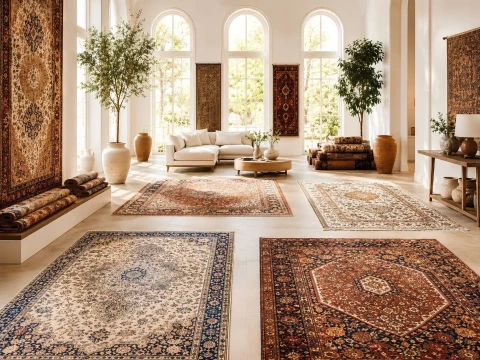
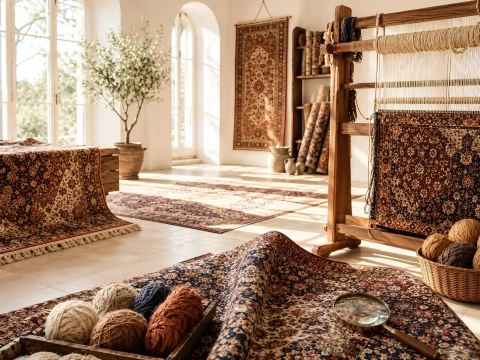
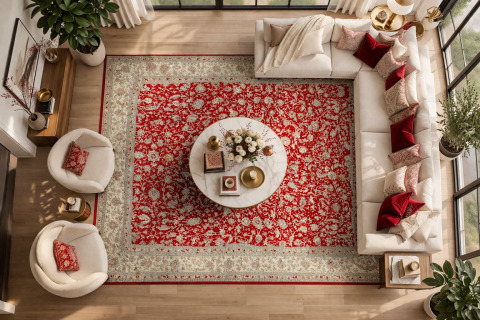
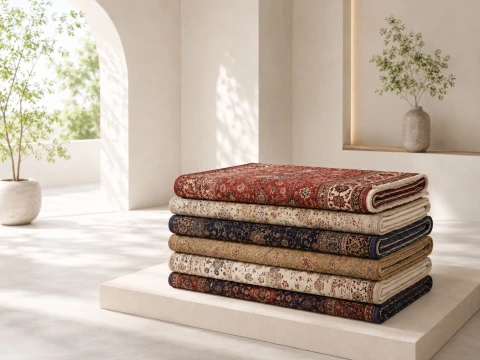

Rug Materials Compared – Wool, Silk & Cotton
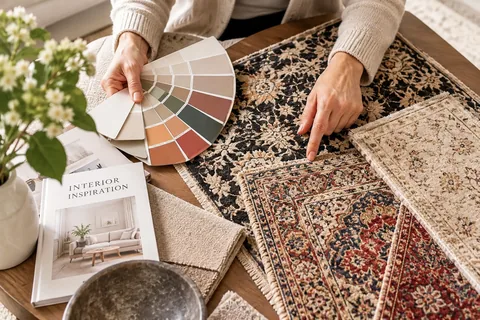
The material determines how a rug feels, how it responds to light and how well it suits everyday life. This guide helps you compare cotton, different types of wool and silk in a clear and practical way.
You will learn what distinguishes each material, what to consider in everyday use and care, and which rugs you can explore directly in our collection.
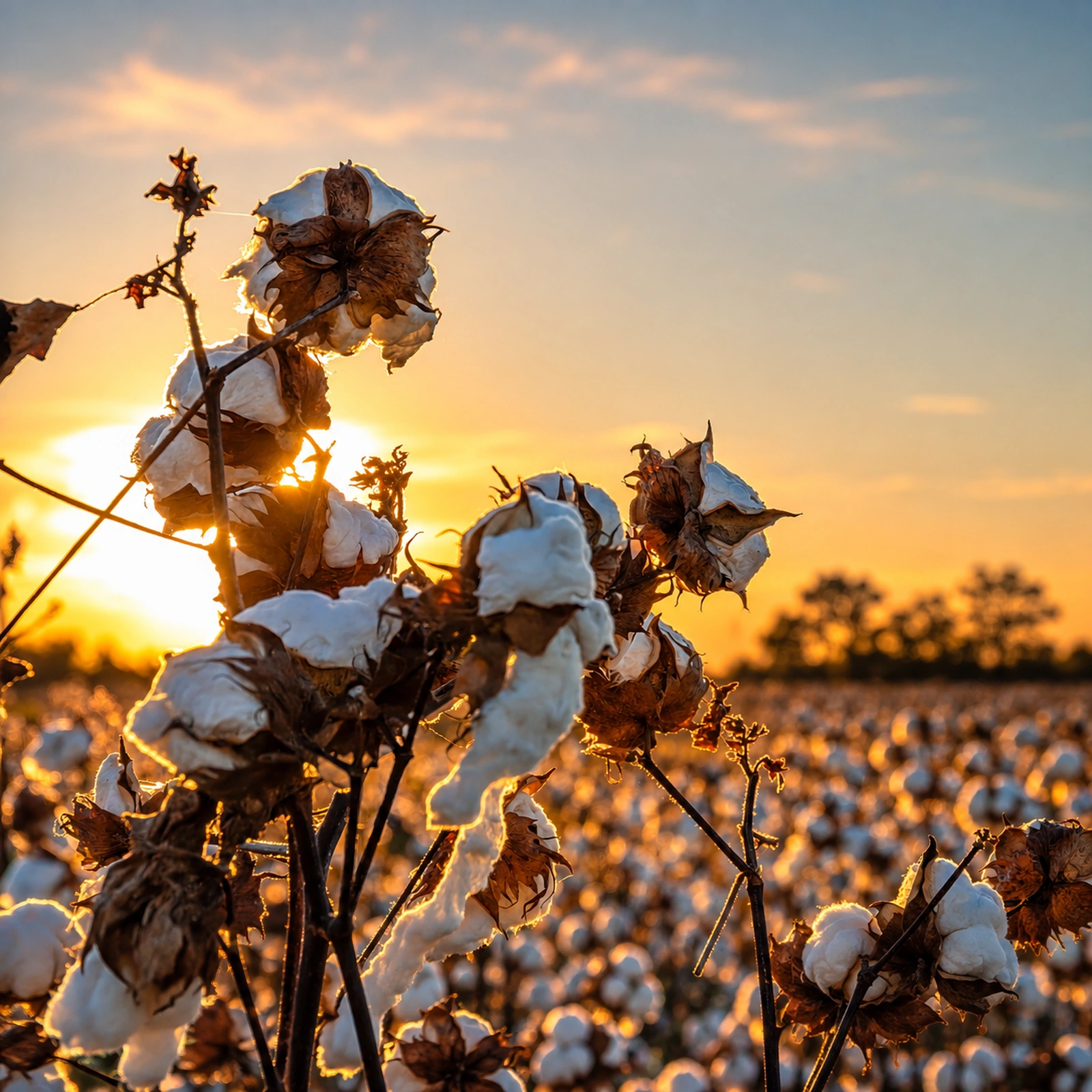
Light, Easy-Care & Versatile
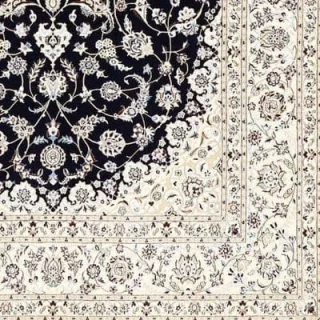
Cotton has a smooth, relatively light feel and is often used as a strong warp in Oriental rugs. Rugs with a visible cotton content have a clean, natural and pleasantly uncomplicated character.
The material is particularly well suited to living areas where an easy-care, less voluminous surface is preferred.
- Breathable Natural Fibre
- Clean, Relatively Flat Structure
- Well Suited to Easy-Going Living Areas
- Do Not Leave Moisture to Sit for Long

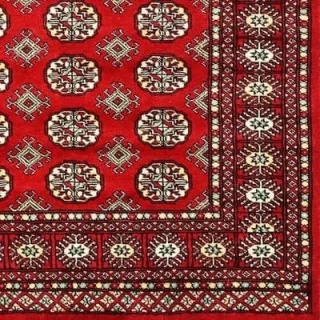
Durable, Textured & Full of Character
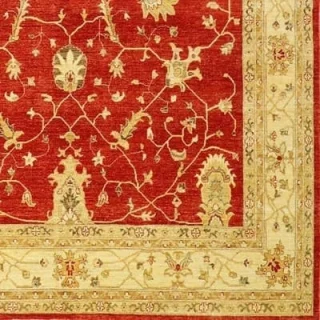
Ghazni Highland wool comes from the highland regions of Afghanistan. The firm, tactile fibre is known for its durability and its expressive, subtly lively surface.
It is particularly well suited to high-quality rugs intended for everyday use while retaining their original character.
- High Durability
- Distinctive Wool Texture
- Suitable for Higher-Traffic Rooms
- Professional Cleaning Recommended
Soft, Warm & Comfortably Inviting
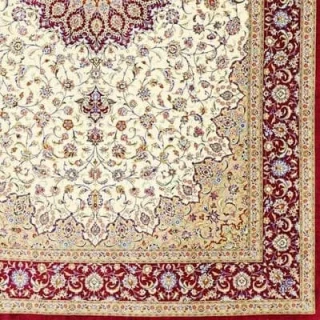
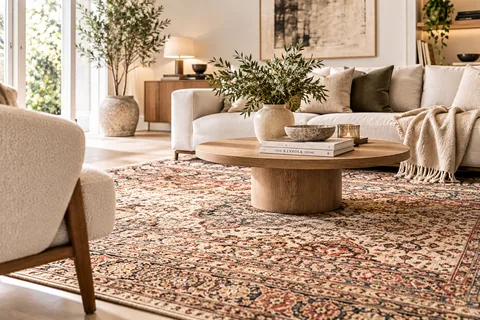
Natural wool is a classic rug material. Its soft, warm surface creates a cosy atmosphere, helps absorb sound and feels especially pleasant in living rooms and bedrooms.
The natural fibre is resilient and naturally relatively resistant to dirt. A small amount of initial shedding can be normal with wool rugs.
- Heat-Insulating & Sound-Absorbing
- Comfortable Underfoot
- Natural Resilience
- Avoid Prolonged Moisture
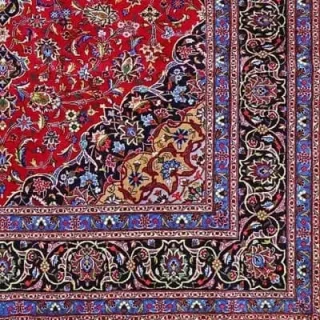
Fine, Light-Responsive & Exceptionally Detailed
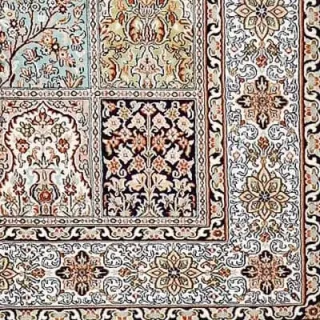
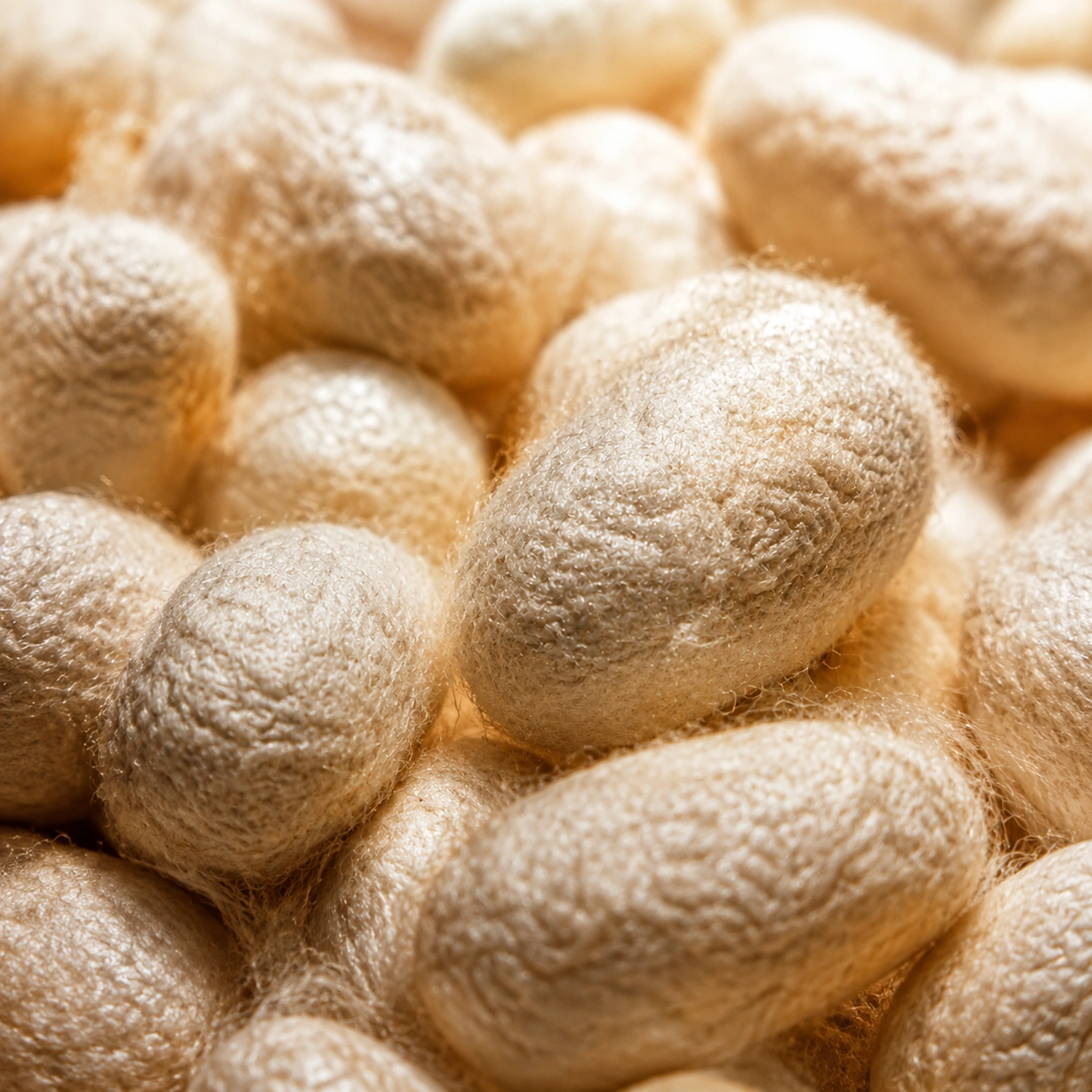
Silk is one of the finest natural fibres used in hand-knotted rugs. Its smooth fibre responds to light and viewing direction, giving colours and patterns an especially vivid and nuanced appearance.
In Kashmir silk rugs, the pile is made of silk while the warp is generally cotton. For heavily used areas, silk is less suitable than durable wool.
- Fine Lustre That Changes with the Light
- Allows Exceptionally Detailed Patterns
- Exceptionally Elegant Appearance
- Professional Cleaning Recommended
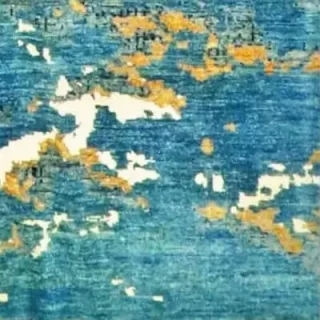
Lively, Authentic & Distinctive
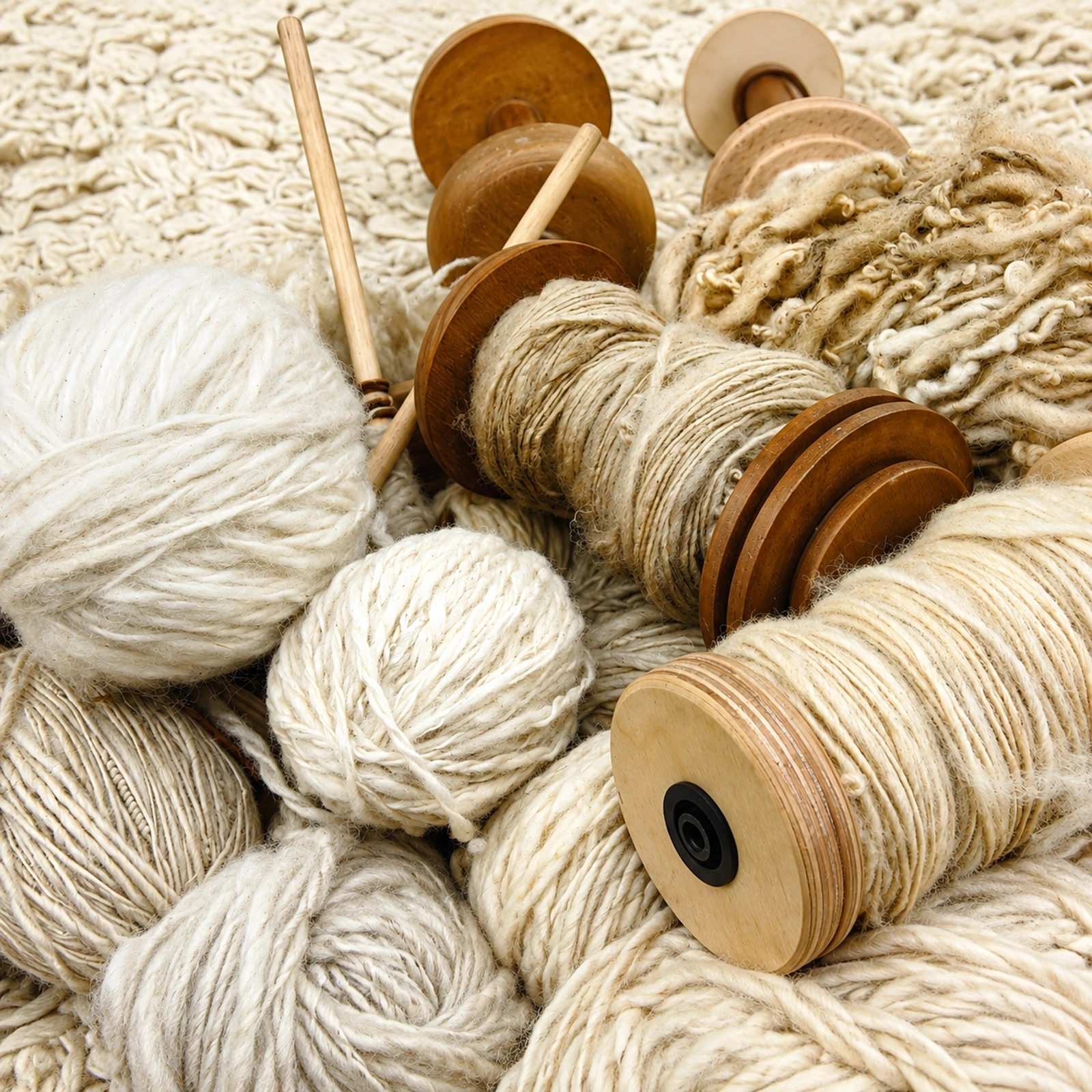
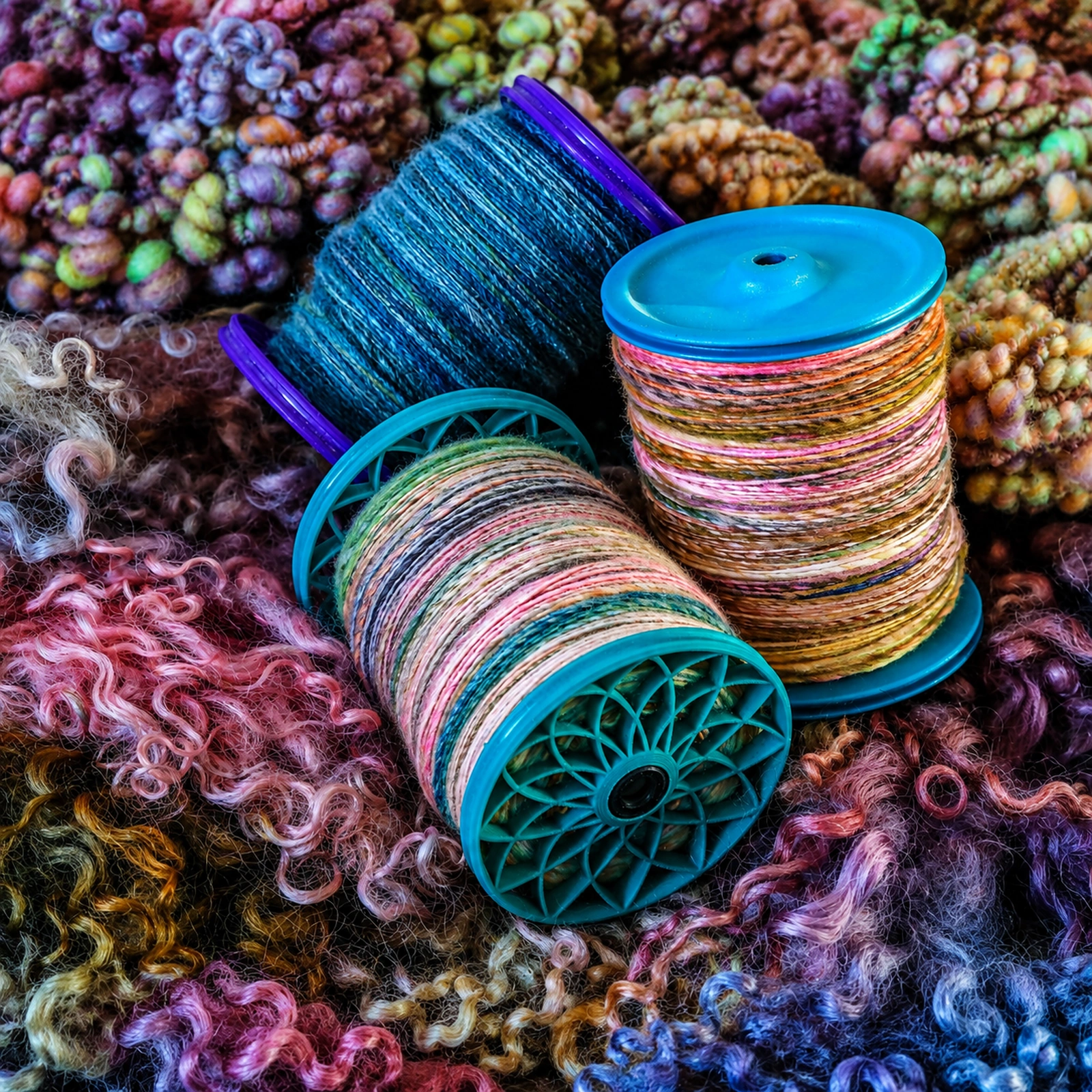
Spinning wool by hand creates yarn with subtle natural irregularities. These variations give the surface depth and make the rug's handcrafted character visible.
Hand-spun wool is resilient and durable. It is ideal for those who appreciate an authentic material character and the subtle individual features of genuine craftsmanship.
- Individual, Lively Texture
- Durable & Resilient
- Traditional Material Character
- Subtle Variations Are Intentional
All Five Materials at a Glance
This overview provides an initial guide. The actual character also depends on knotting, pile height, workmanship and the individual rug.
| Material | Feel | Durability | Care | Particularly Suited To |
|---|---|---|---|---|
| Cotton | Light, Smooth | Medium to High | Easy | Hallways, Children's Rooms, Light-Use Living Areas |
| Ghazni Wool | Textured, Lively | Very High | Moderate Care | Living & Dining Rooms |
| Natural Wool | Soft, Warm | High | Easy for Everyday Use | Living Rooms & Bedrooms |
| Silk | Smooth, Fine | For Low-Traffic Use | Extra-Gentle Care | Representative, Low-Traffic Rooms |
| Hand-Spun Wool | Natural, Textured | Very High | Easy for Everyday Use | Many Living Areas |
Note: This information is intended as general guidance. For a specific rug, we are happy to advise you individually on materials, use and care.
Answers About Rug Materials
Key guidance on choosing, using and caring for high-quality natural materials.
Which Rug Material Is Particularly Durable?
Ghazni Highland wool and hand-spun wool are particularly durable and well suited to regularly used living areas. The knotting, pile height and workmanship of the individual rug are also important.
Which Material Is Suitable for Living Rooms and Bedrooms?
Natural wool is a very popular choice for both rooms: it feels warm and comfortable and helps absorb sound. A silk rug can also work well in a more representative living room that sees relatively light use.
What Is the Difference Between Natural Wool and Hand-Spun Wool?
Natural wool refers to the fibre itself. With hand-spun wool, the yarn is additionally spun by hand. This creates subtle natural variations that give the rug a lively, authentic surface.
Is a Silk Rug Suitable for Everyday Use?
Silk is more delicate than durable wool and is better suited to quieter, lower-traffic areas. When choosing a rug, consider whether children, pets or intensive daily use are factors.
What Does Kashmir Silk Mean in a Rug?
In our Kashmir silk rugs, the pile is made of silk while the warp is cotton. The name refers to the rug type and its regional tradition; it does not mean that the pile is made from cashmere wool.
Why Can a Wool Rug Shed Slightly at First?
Loose fibre remnants may initially come away from new wool rugs. This is often a natural property of the material and usually decreases with proper care. Vacuum without a rotating brush and avoid vigorous rubbing.
Are Natural Materials Suitable for Underfloor Heating?
Many hand-knotted rugs made from wool, cotton or silk can be used with underfloor heating. A moderate temperature, a suitable underlay and the heating manufacturer's instructions should all be taken into account.
How Should I Care for the Different Materials?
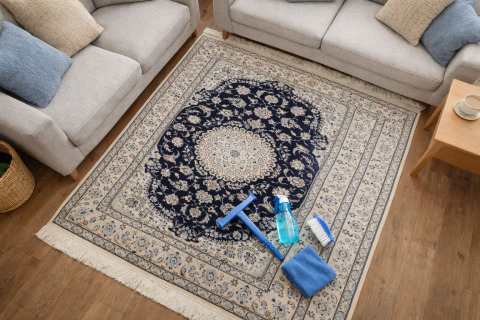
As a general rule, hand-knotted rugs should be cared for gently and without harsh cleaning products. Silk requires particular care, while wool is generally more robust in everyday use. Detailed guidance is available on our Rug Care & Cleaning.
Which Material Is Right for Your Home?
Whether you prefer soft natural wool, durable Ghazni wool or finely lustrous silk, we help you assess feel, everyday use and care realistically. Tell us about the room, level of use and the effect you want to achieve, and we will recommend suitable rugs from our collection.