




-320.webp)





-320.webp)

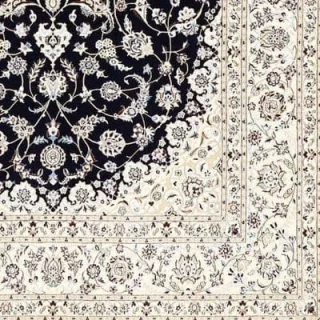


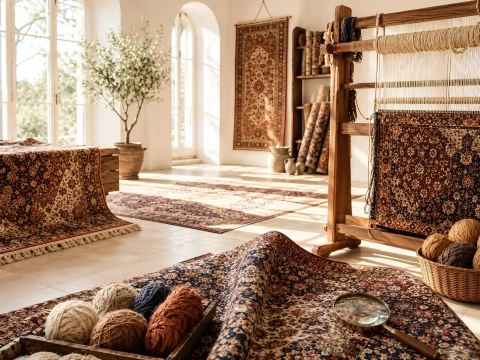
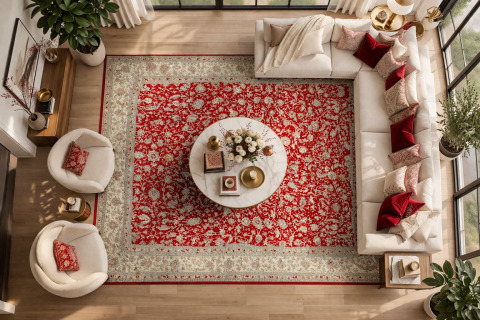
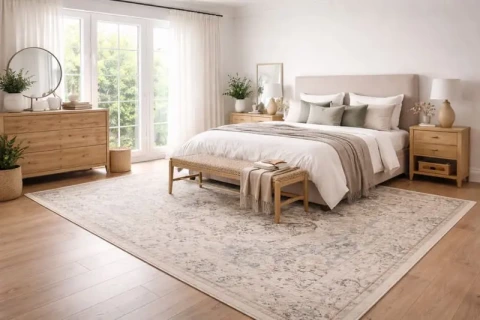




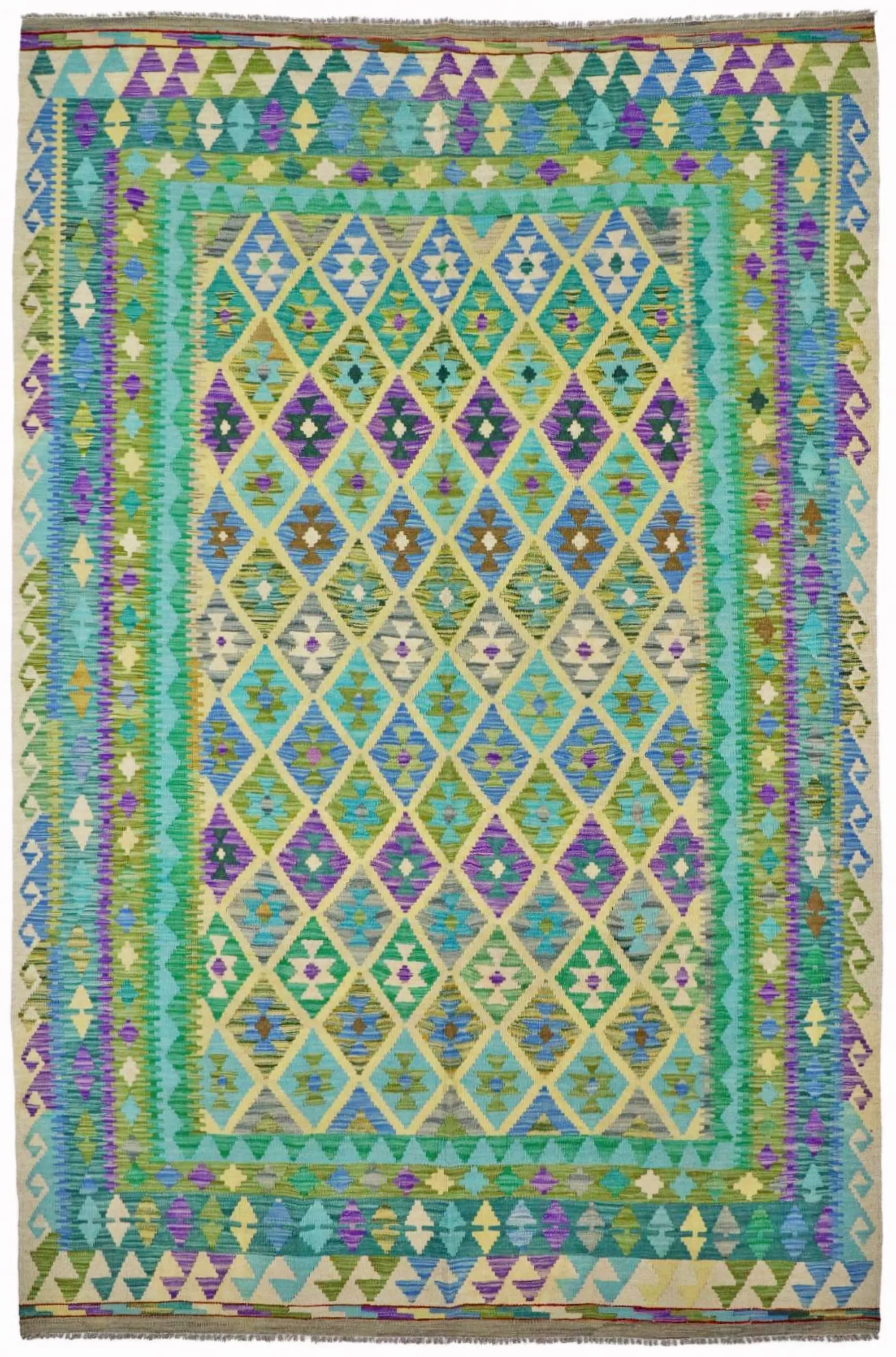
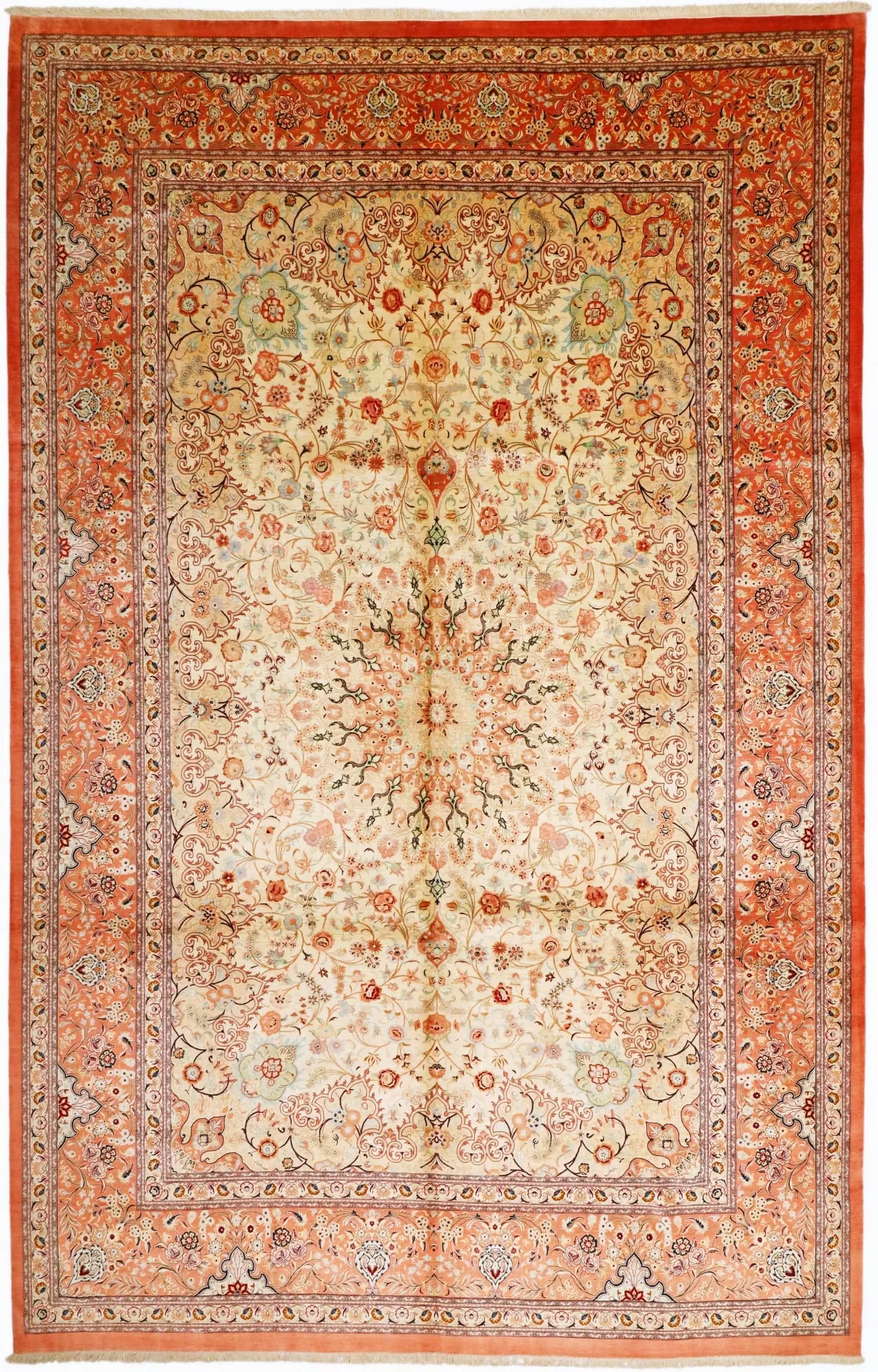
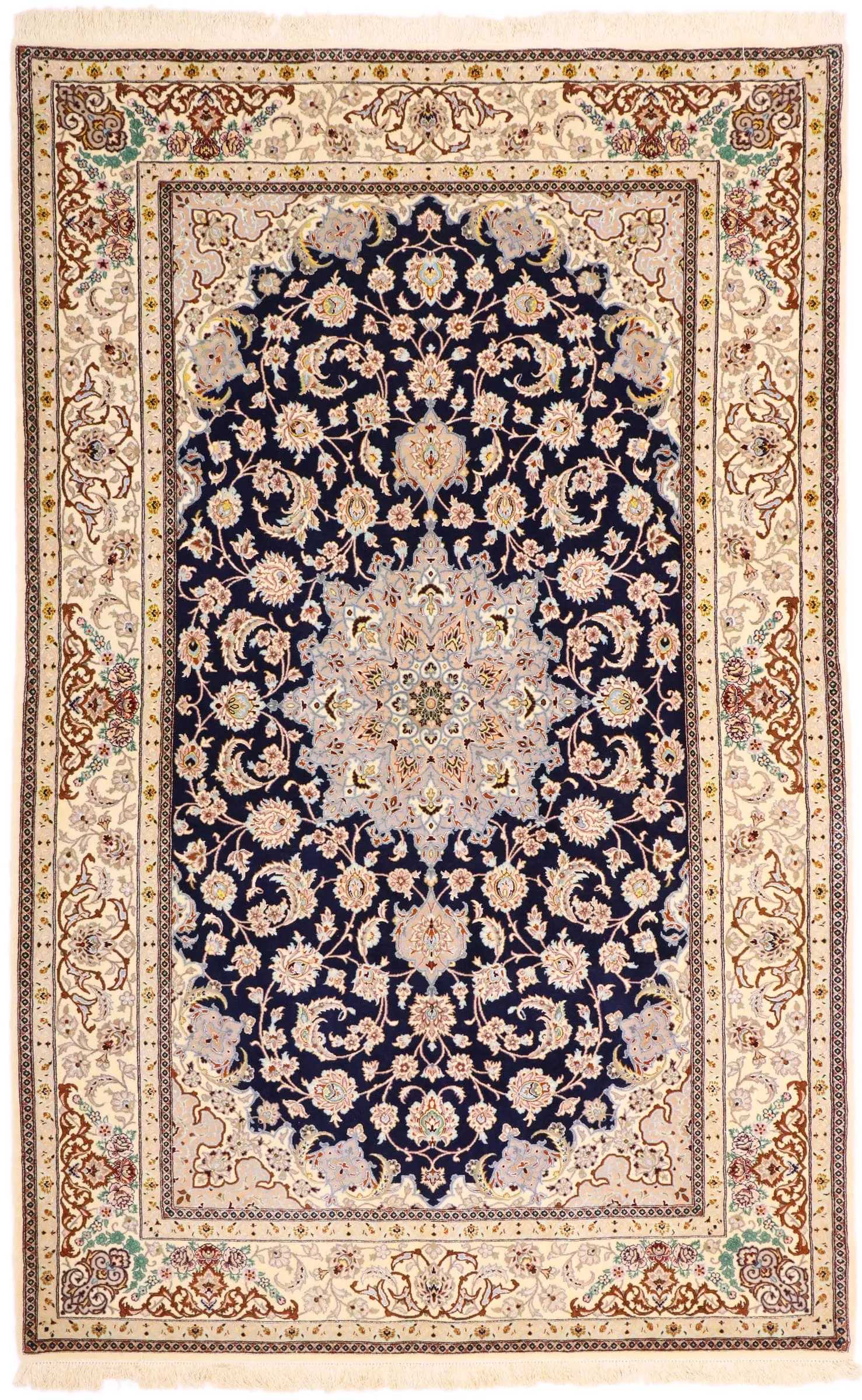
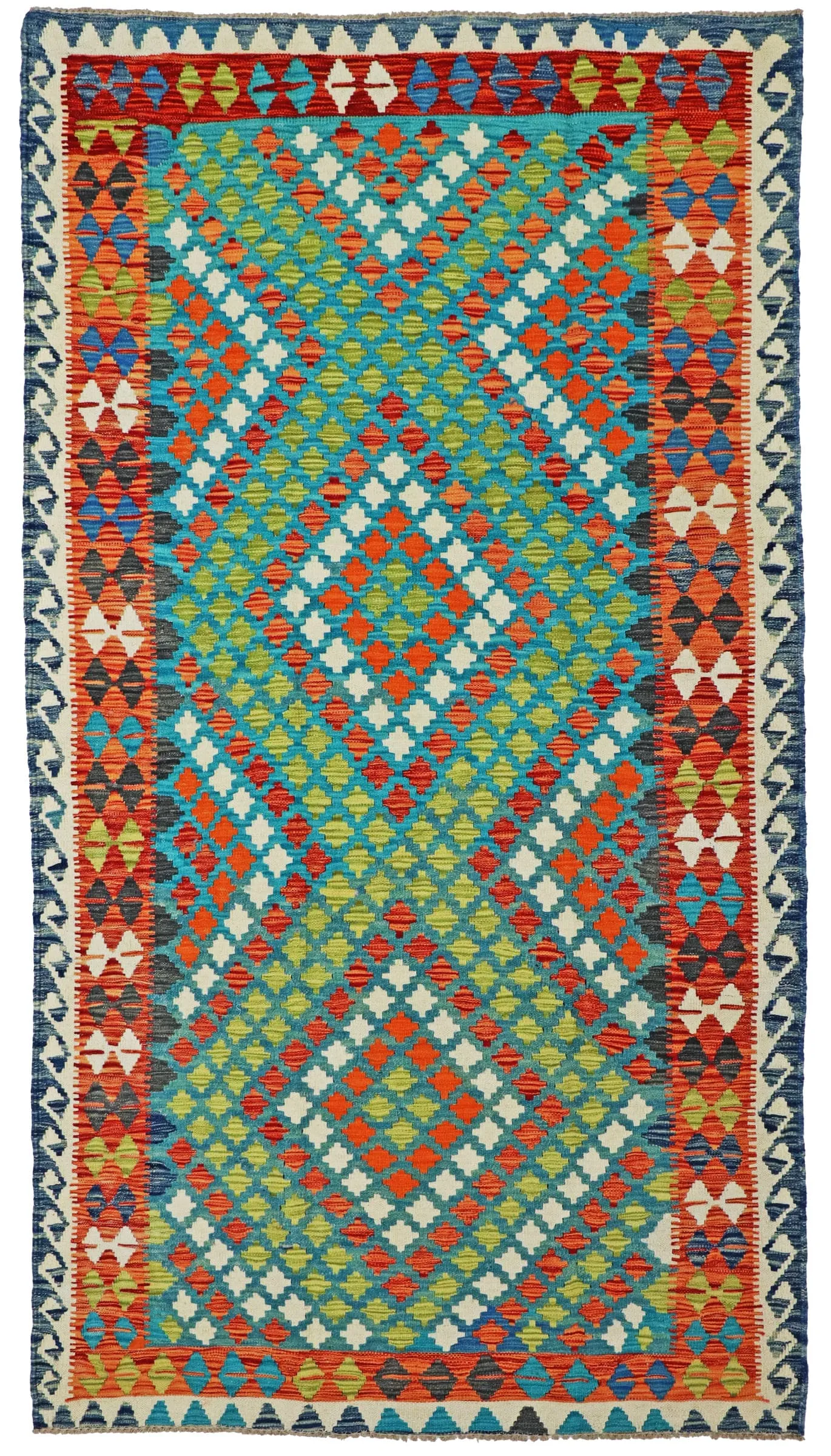

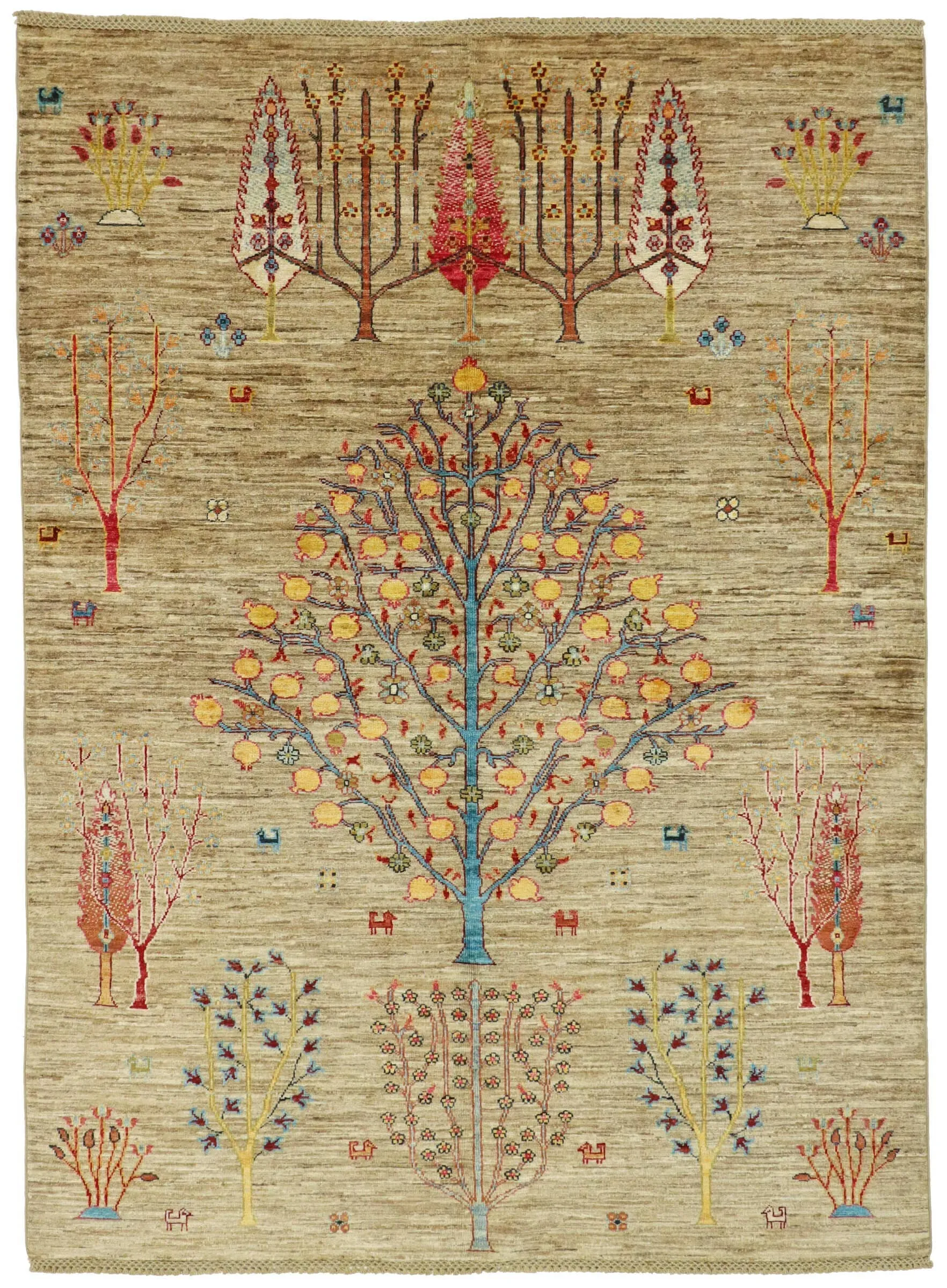
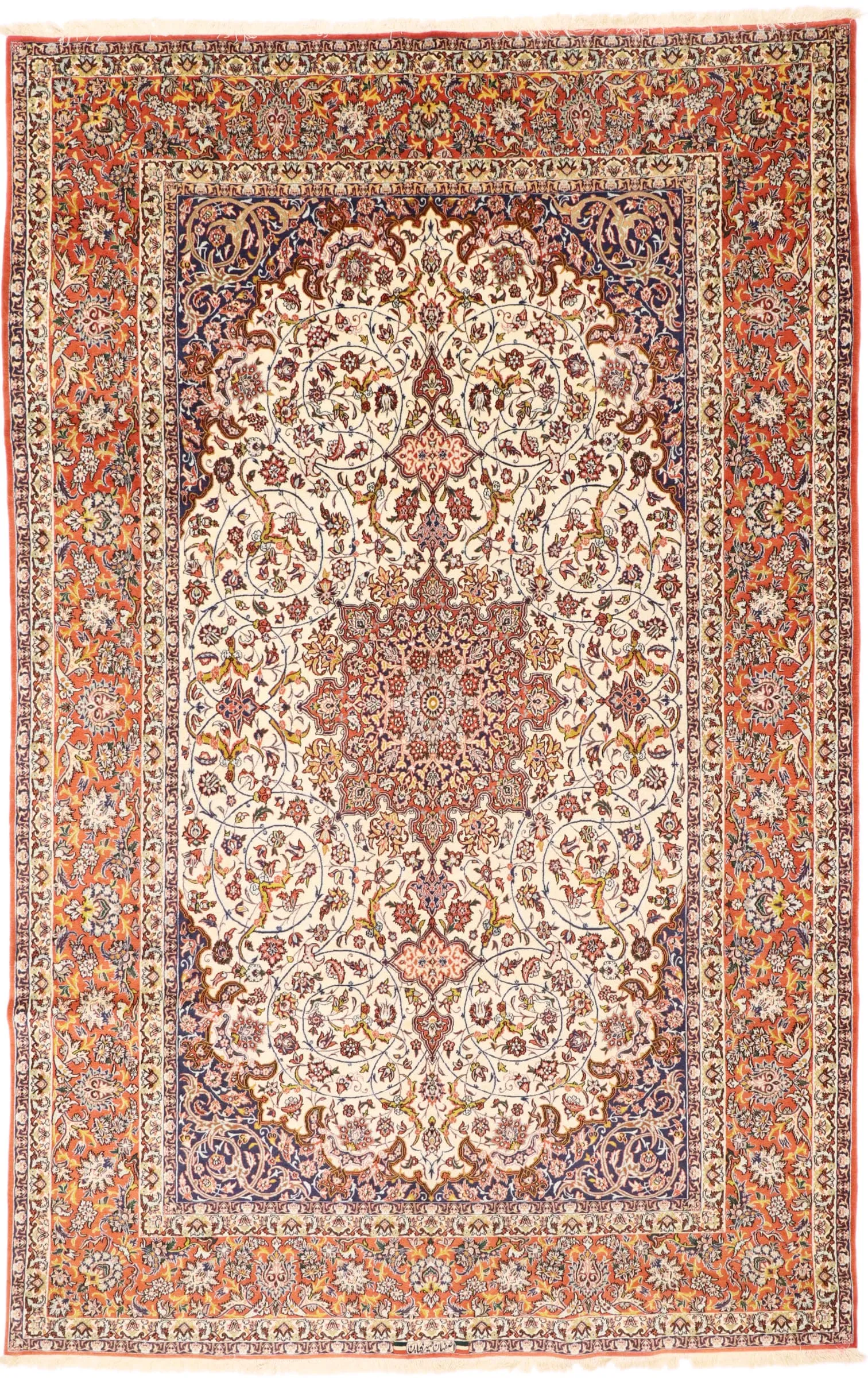
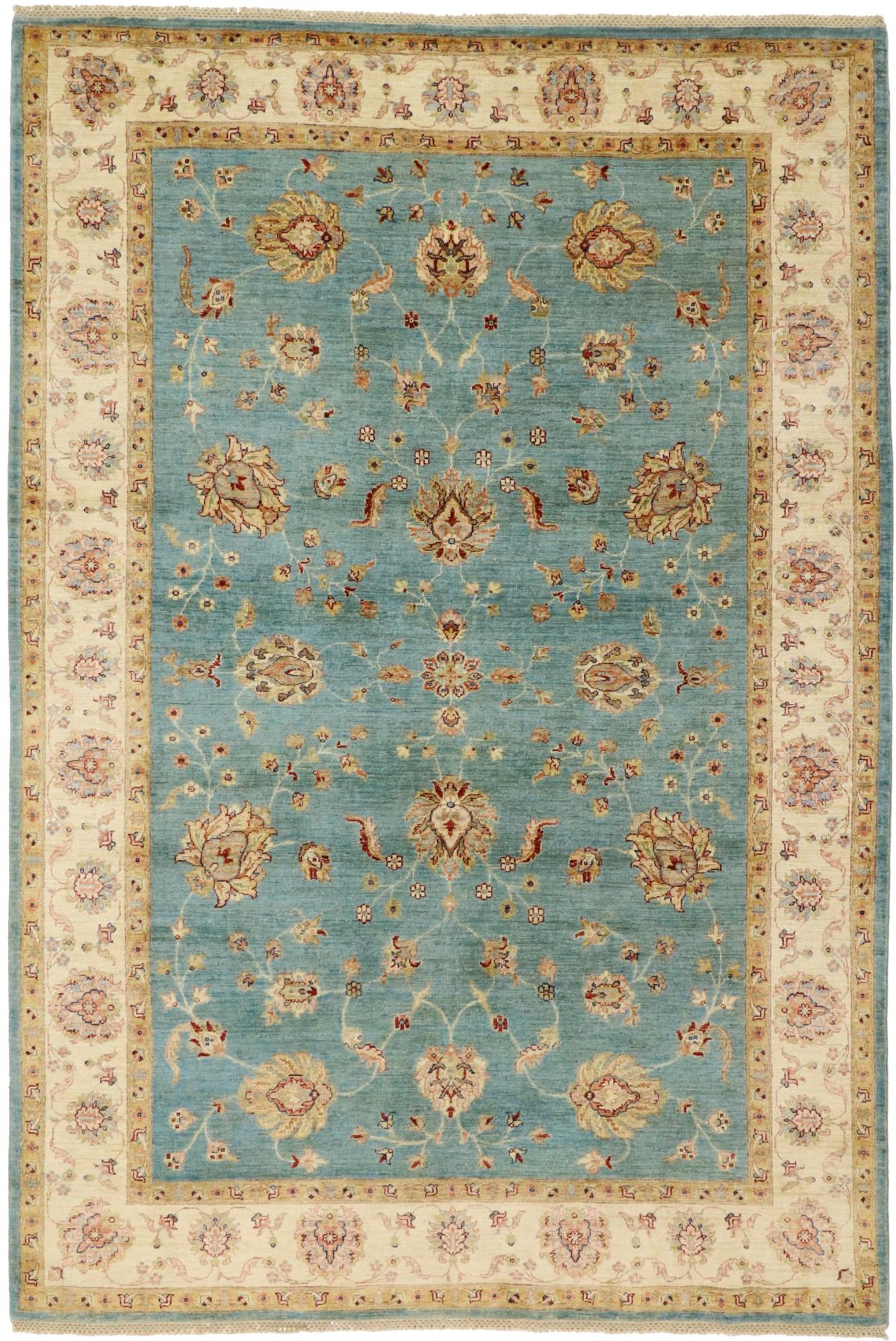
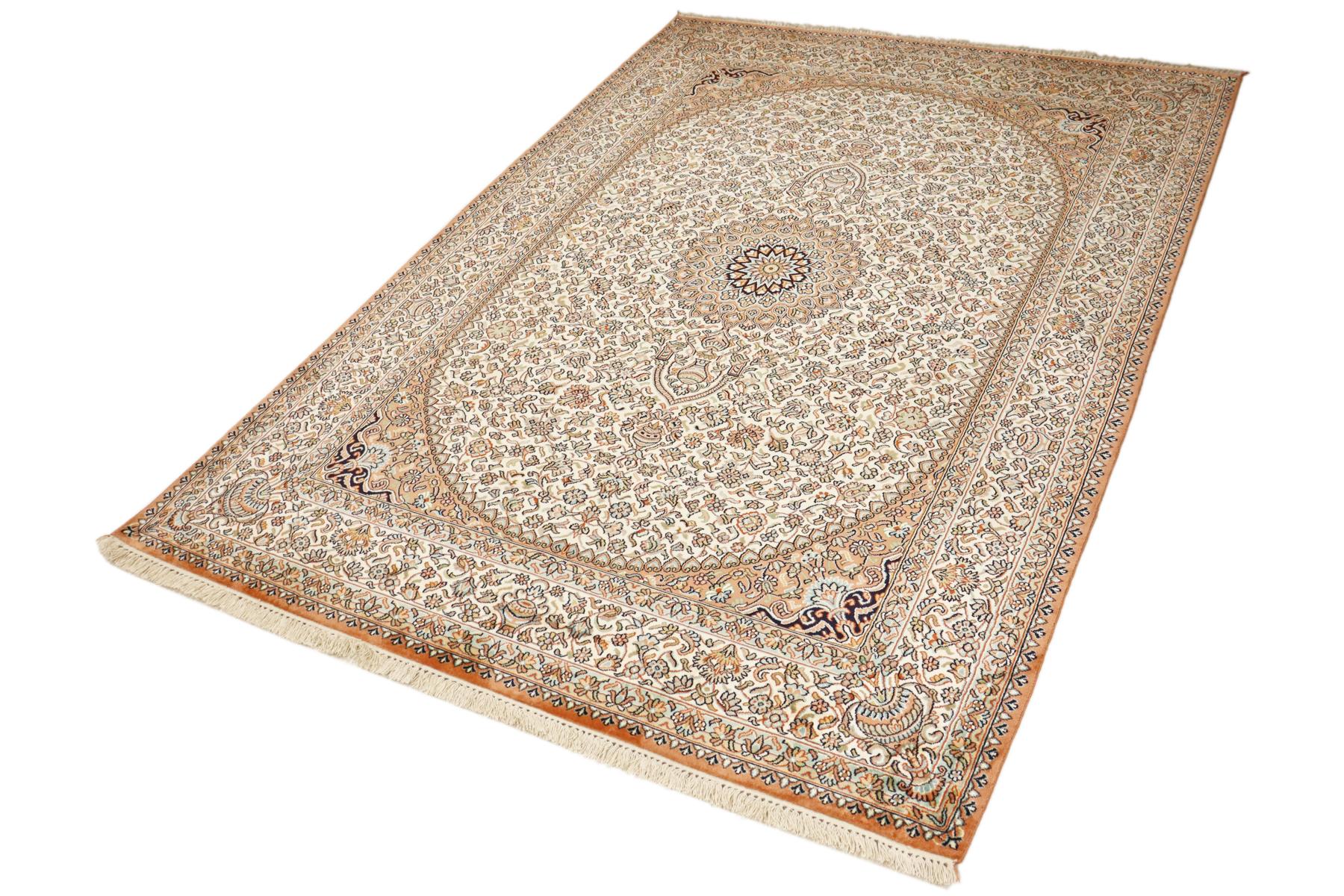

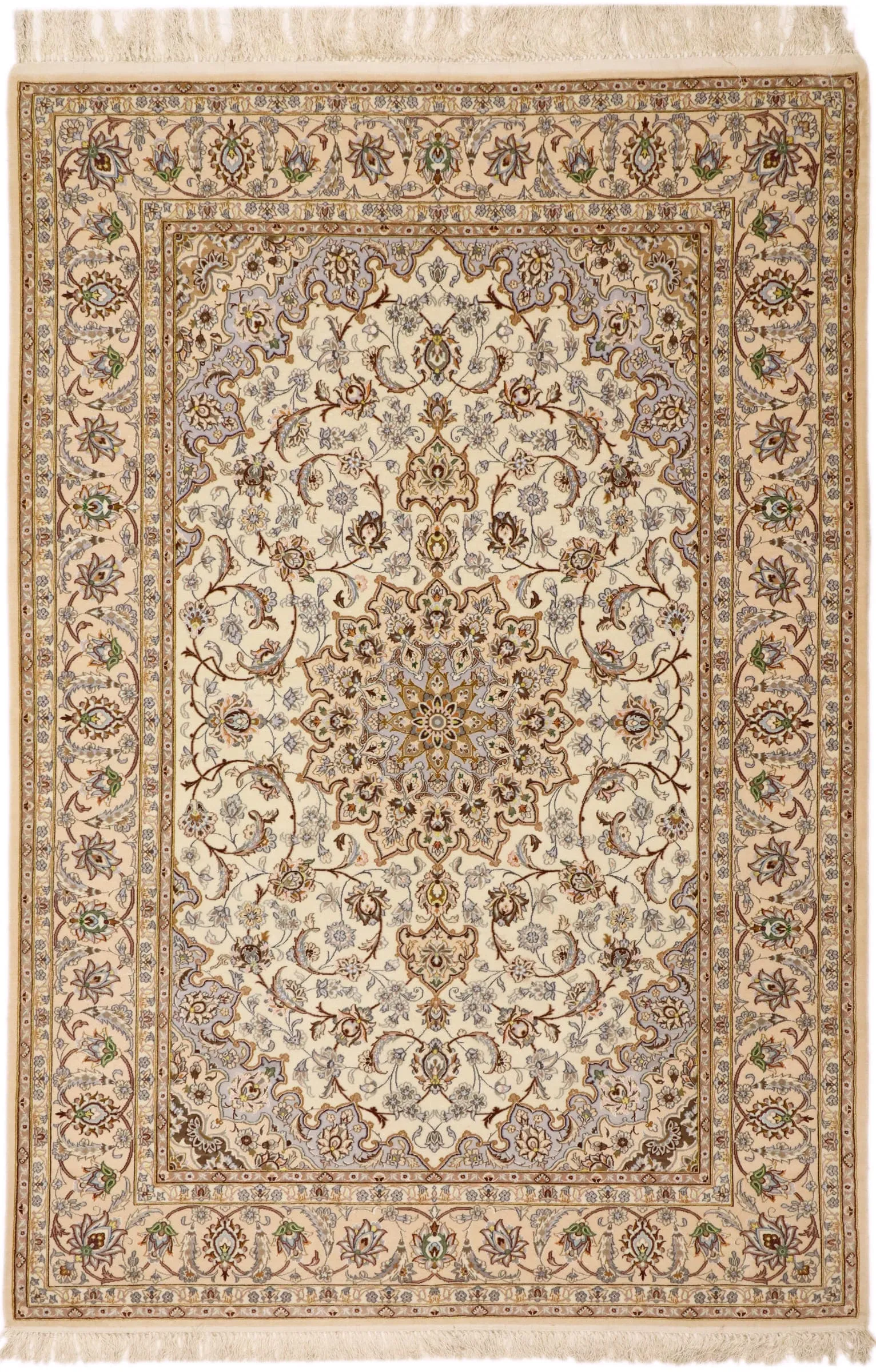
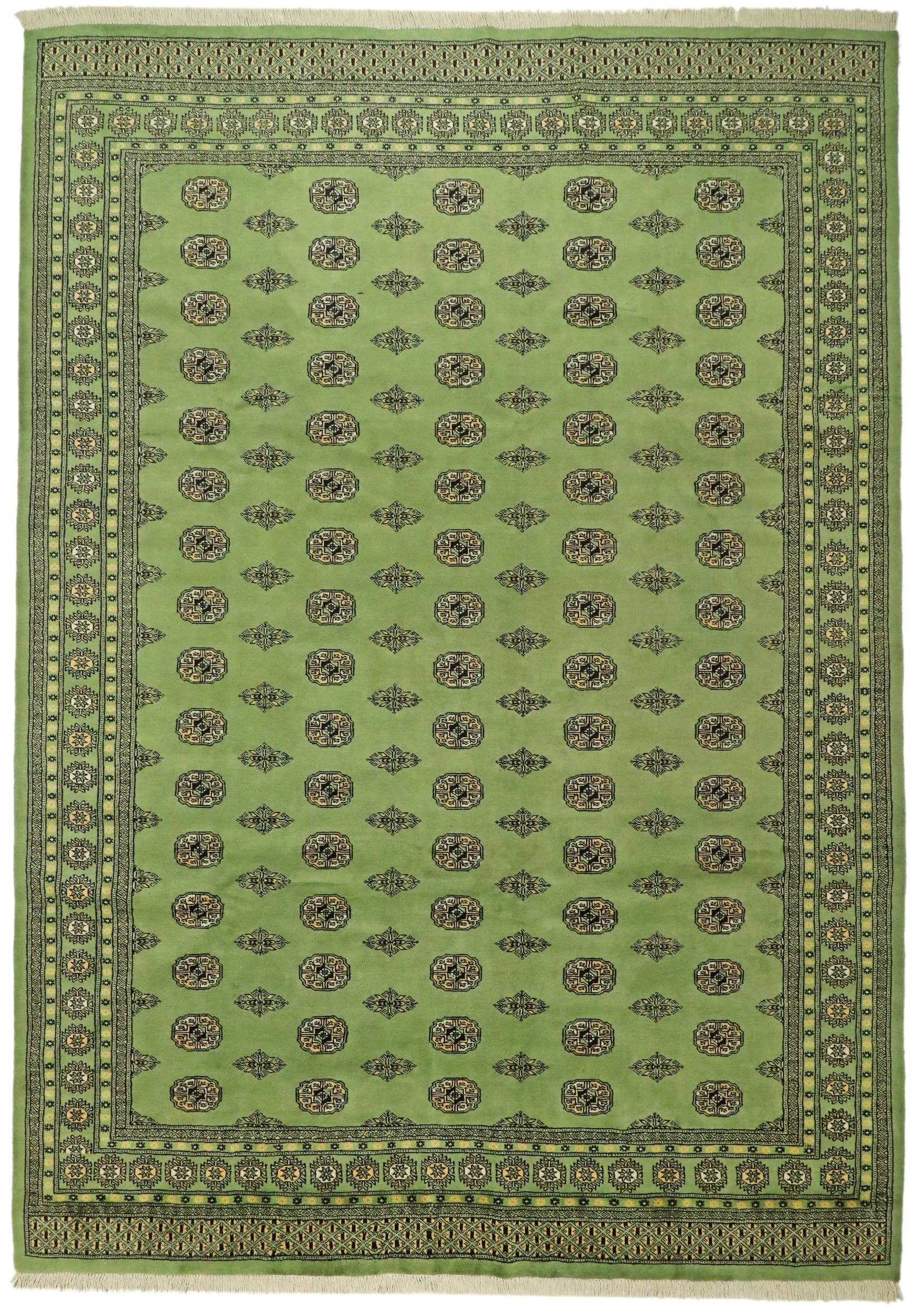

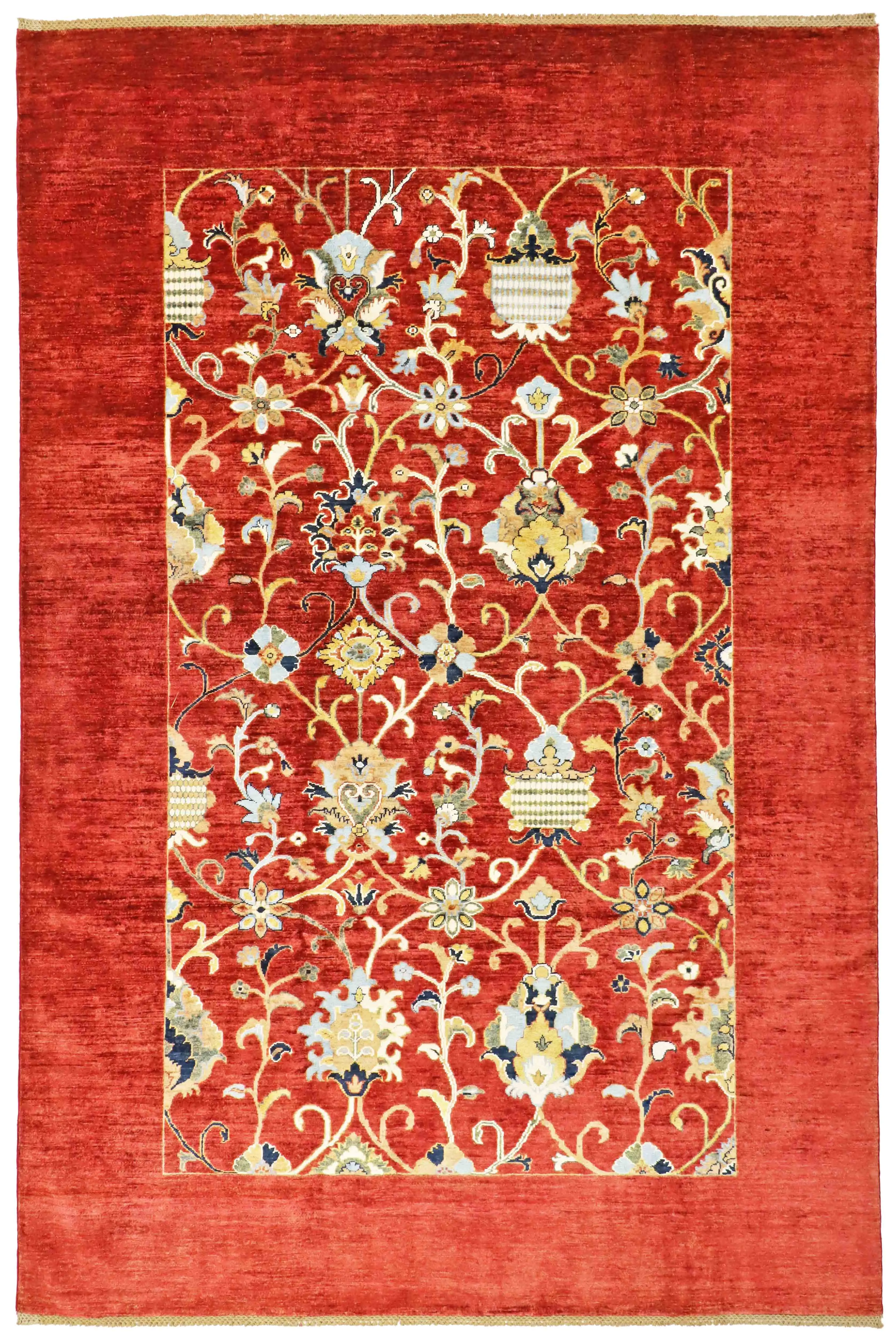
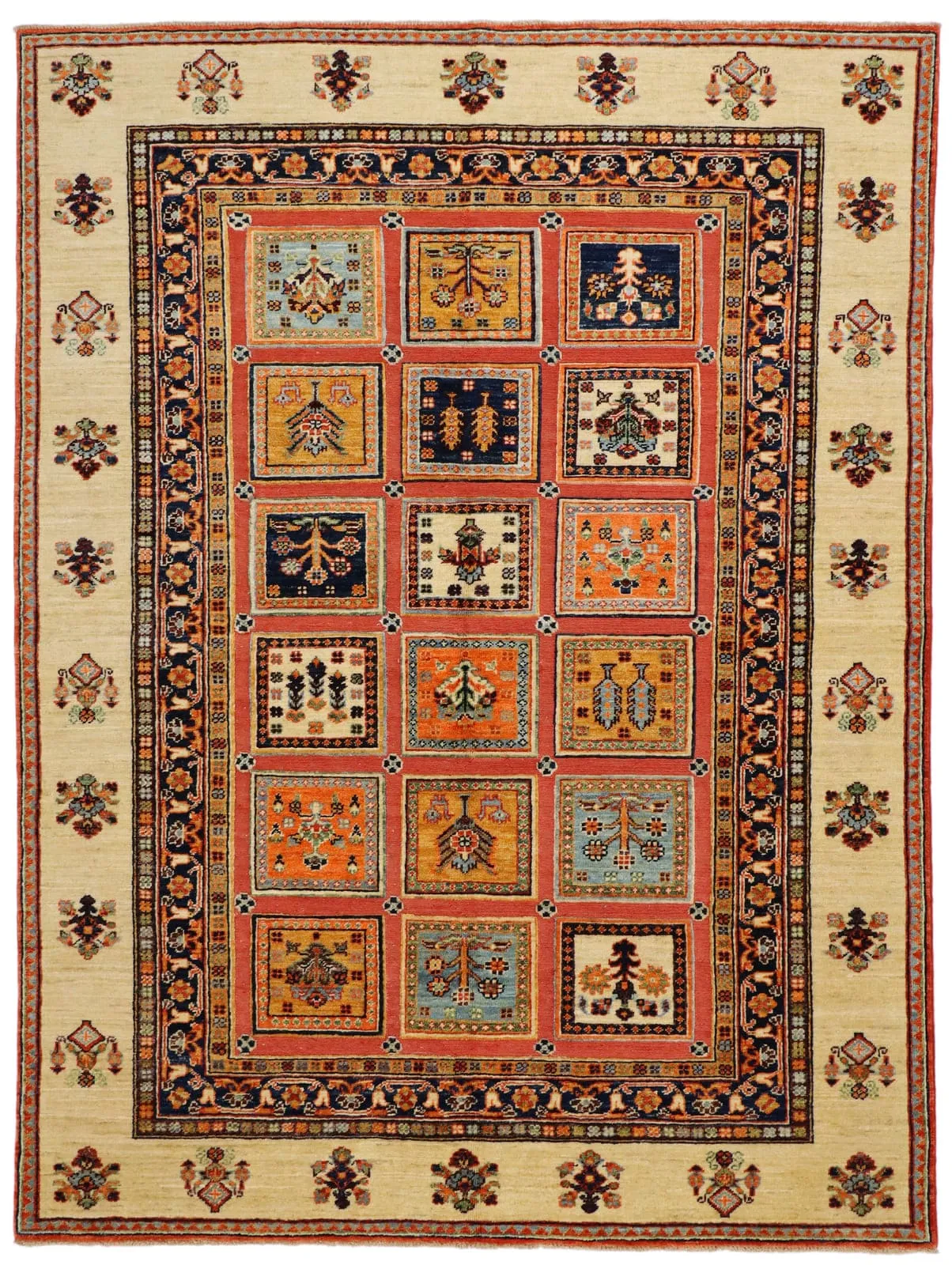
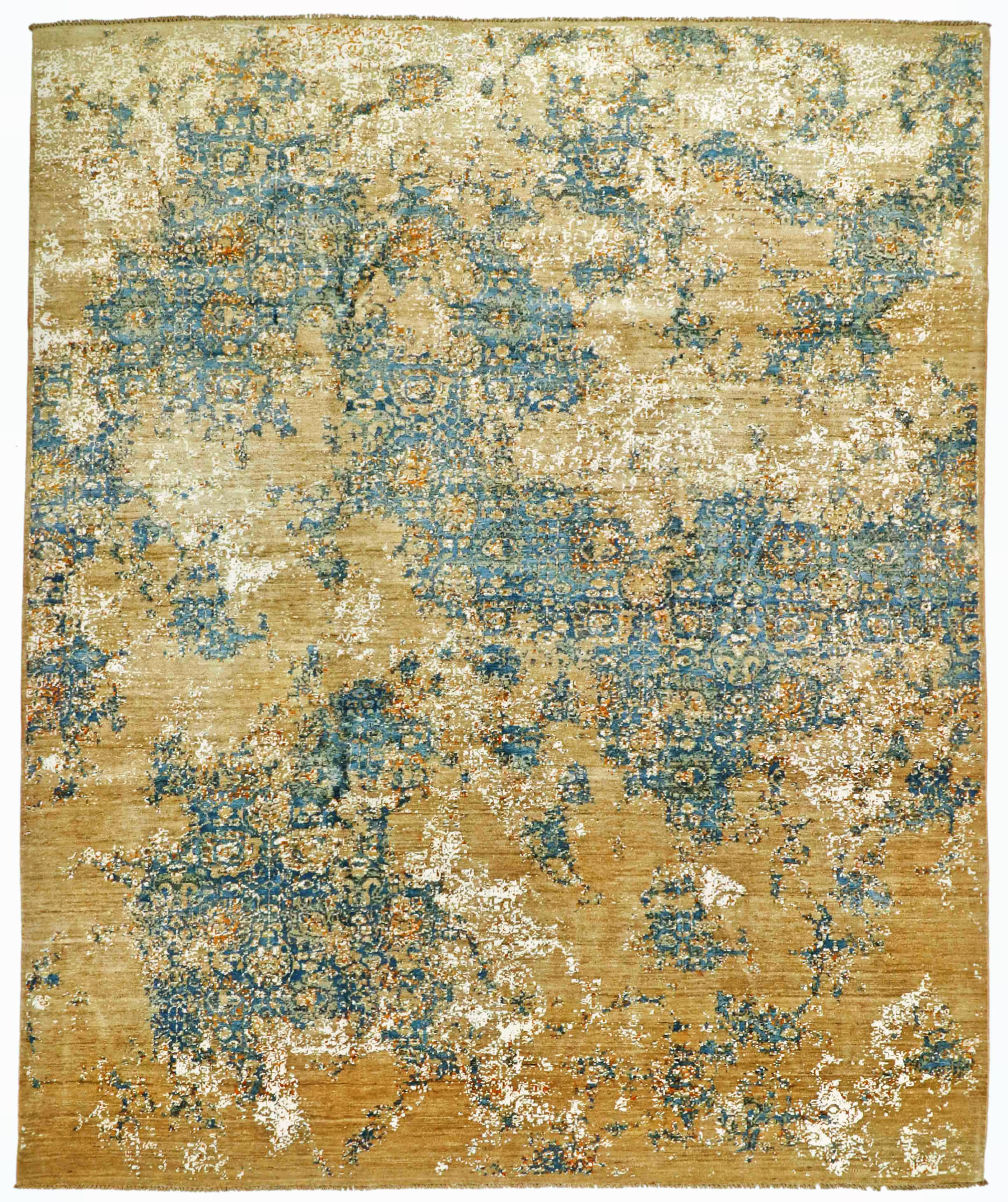

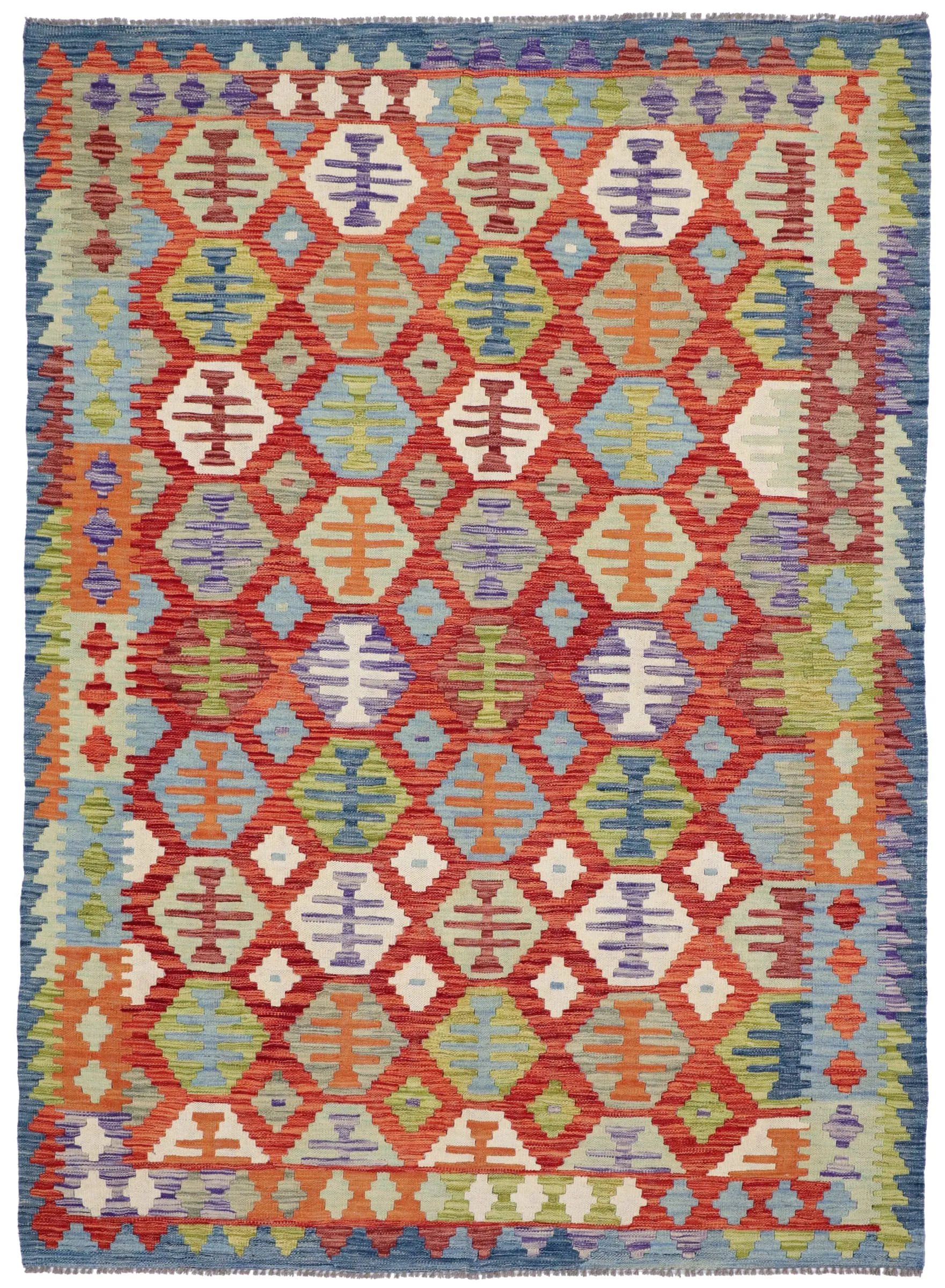
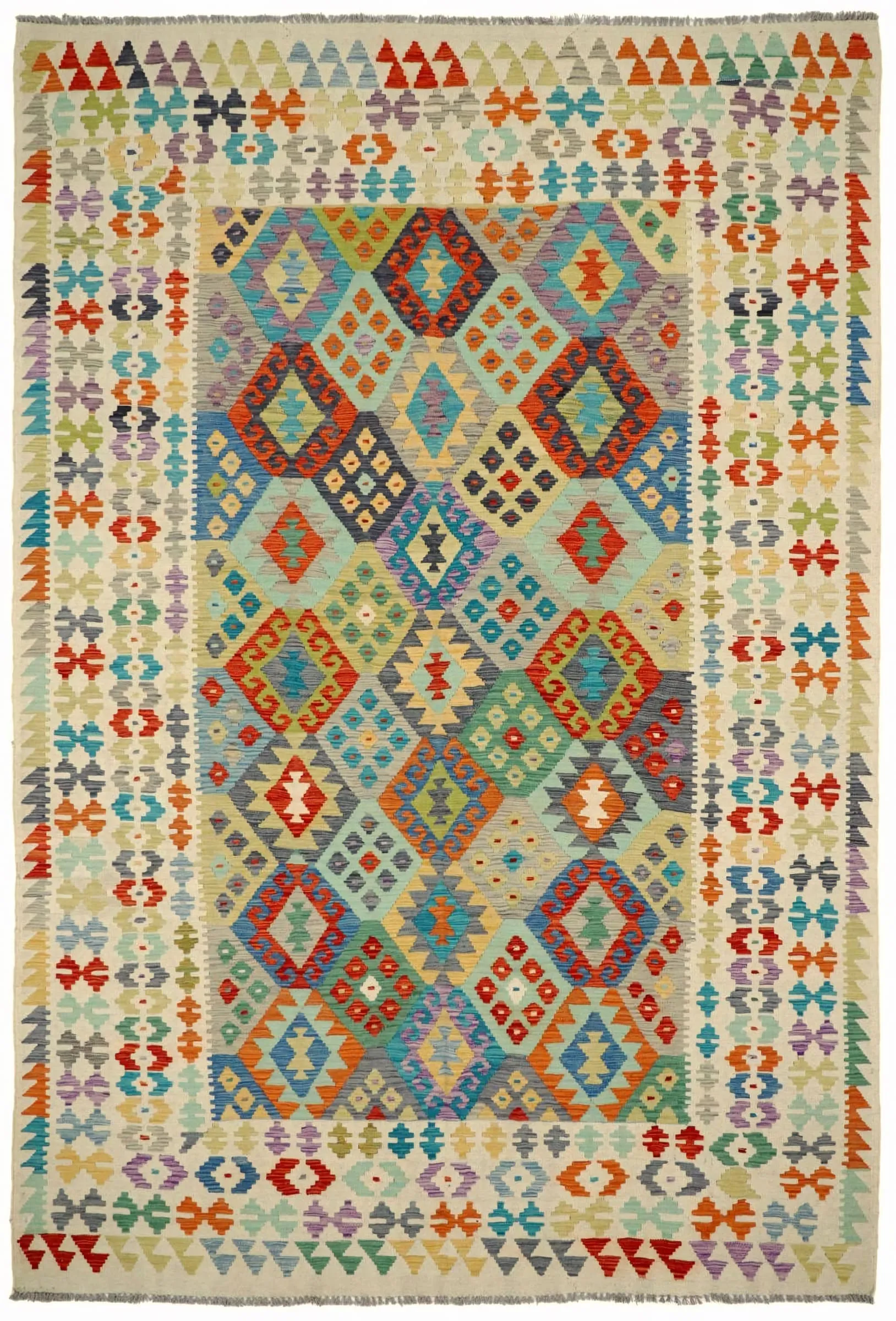
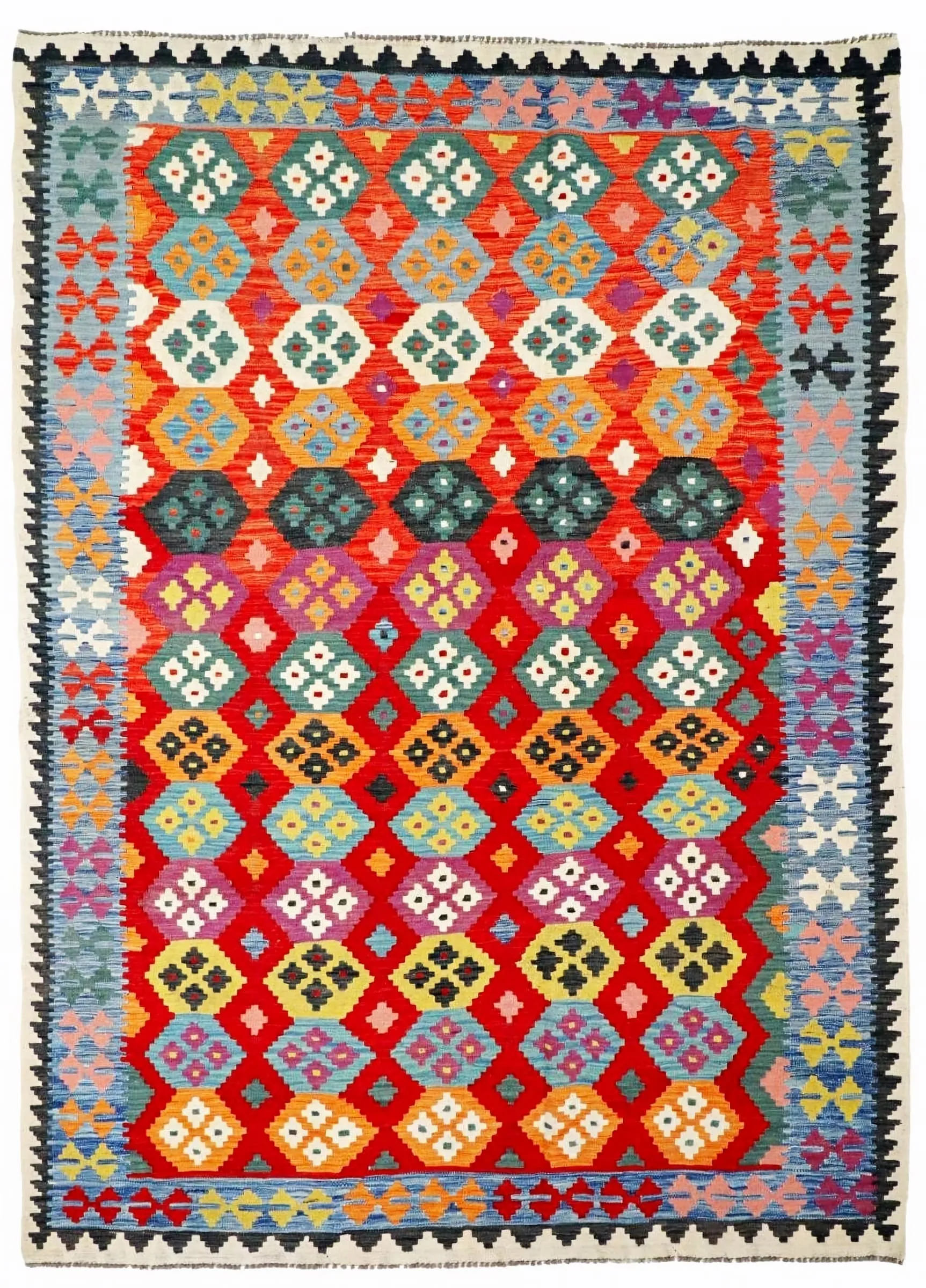
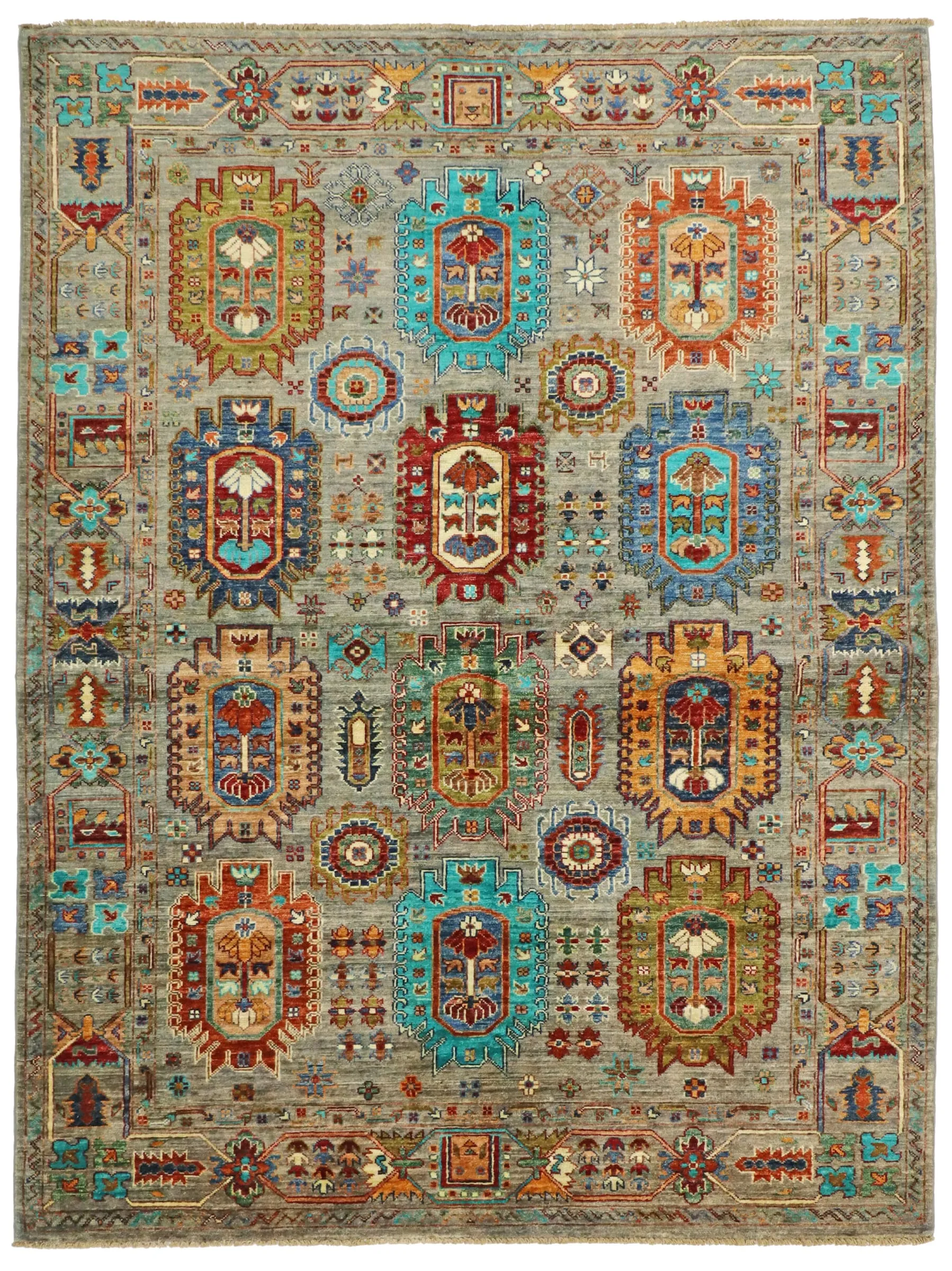
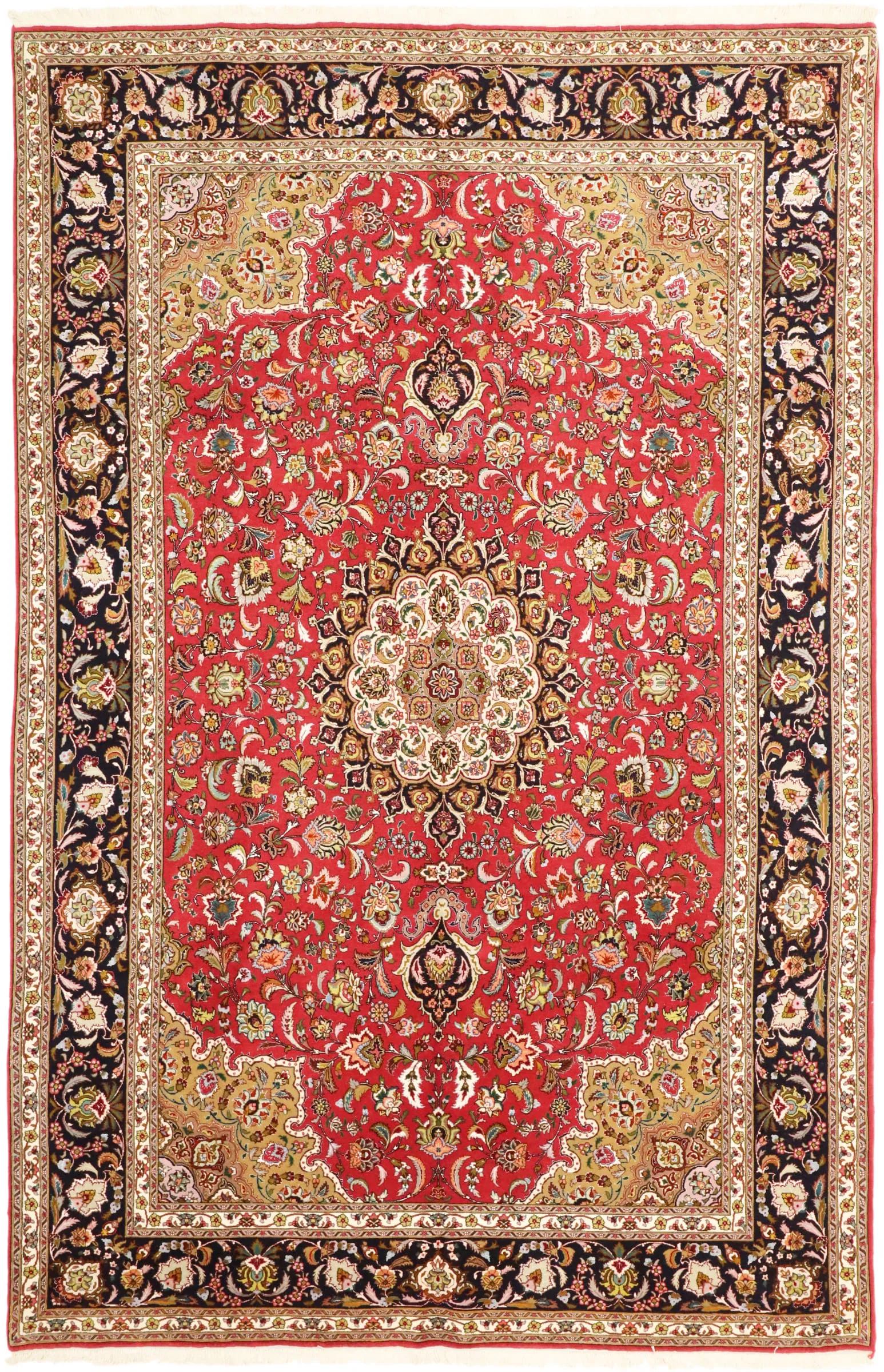
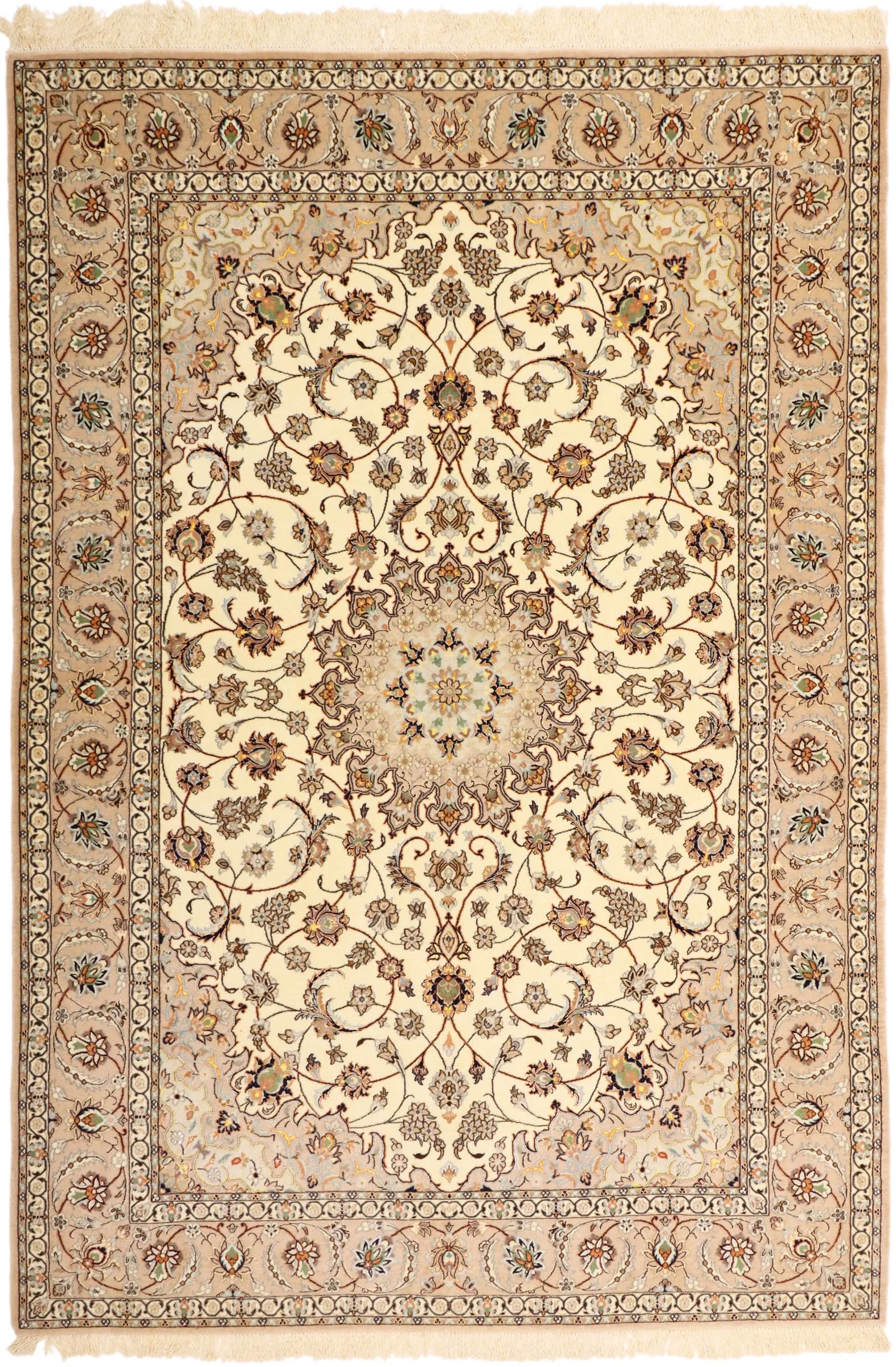
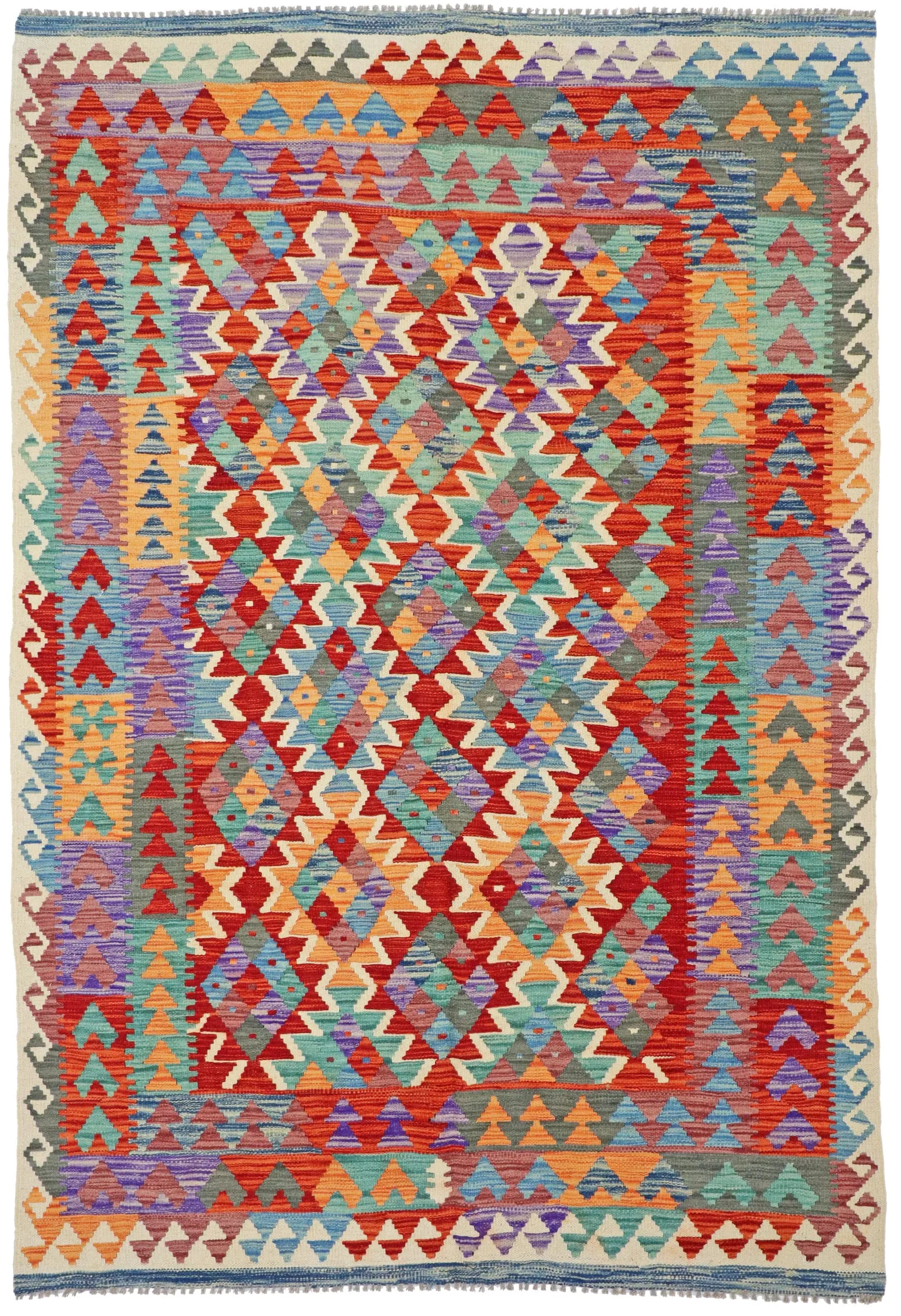
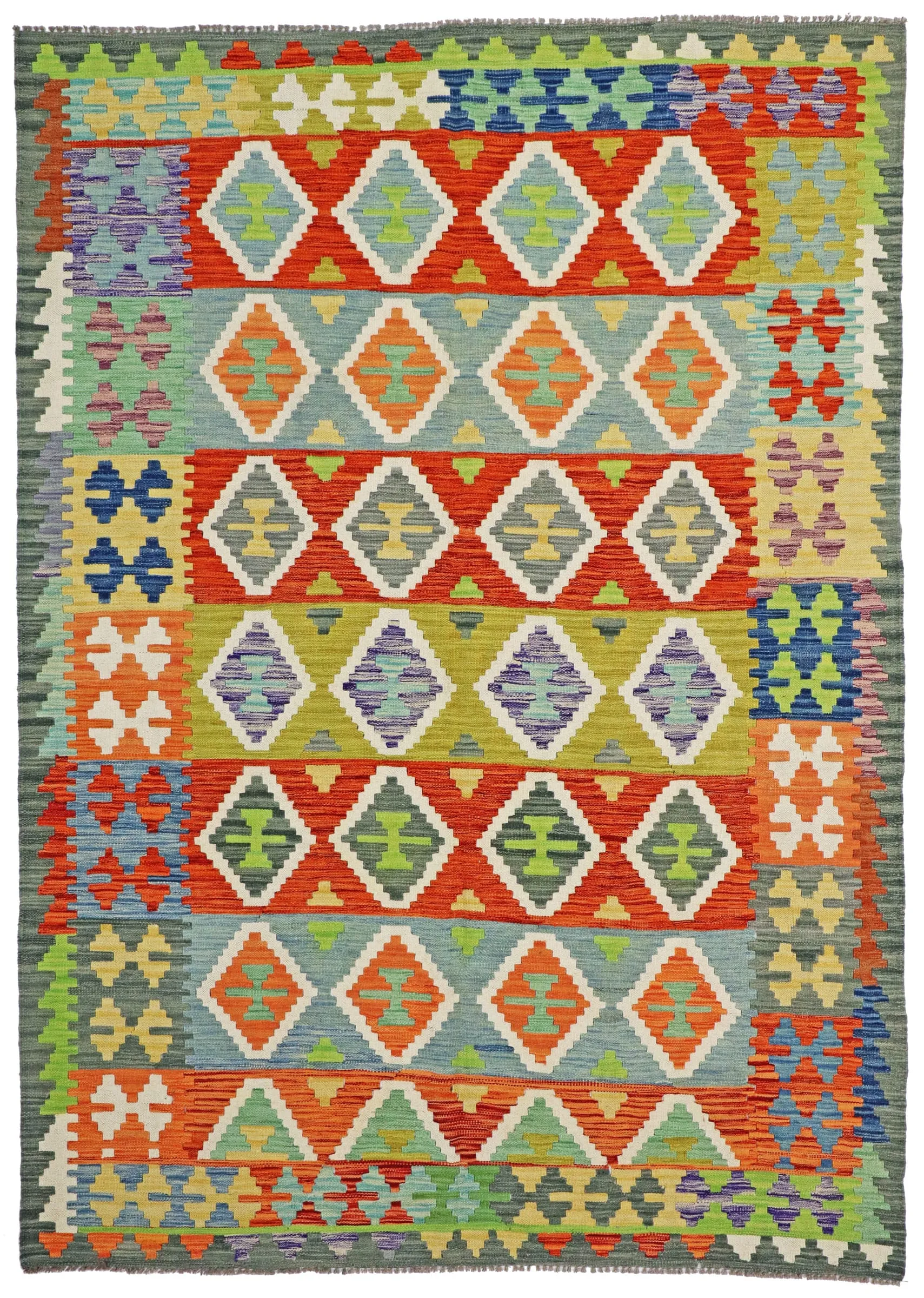

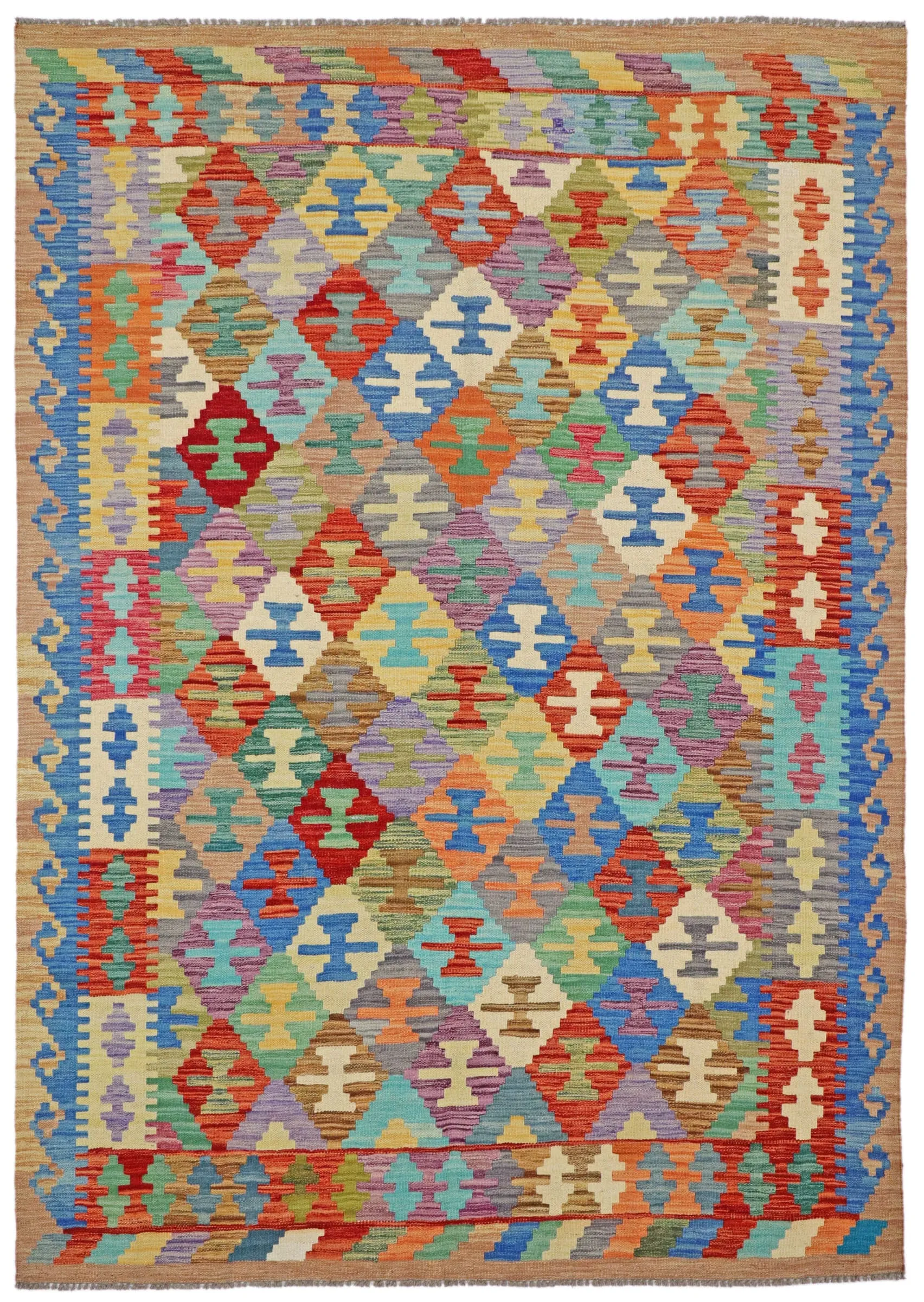
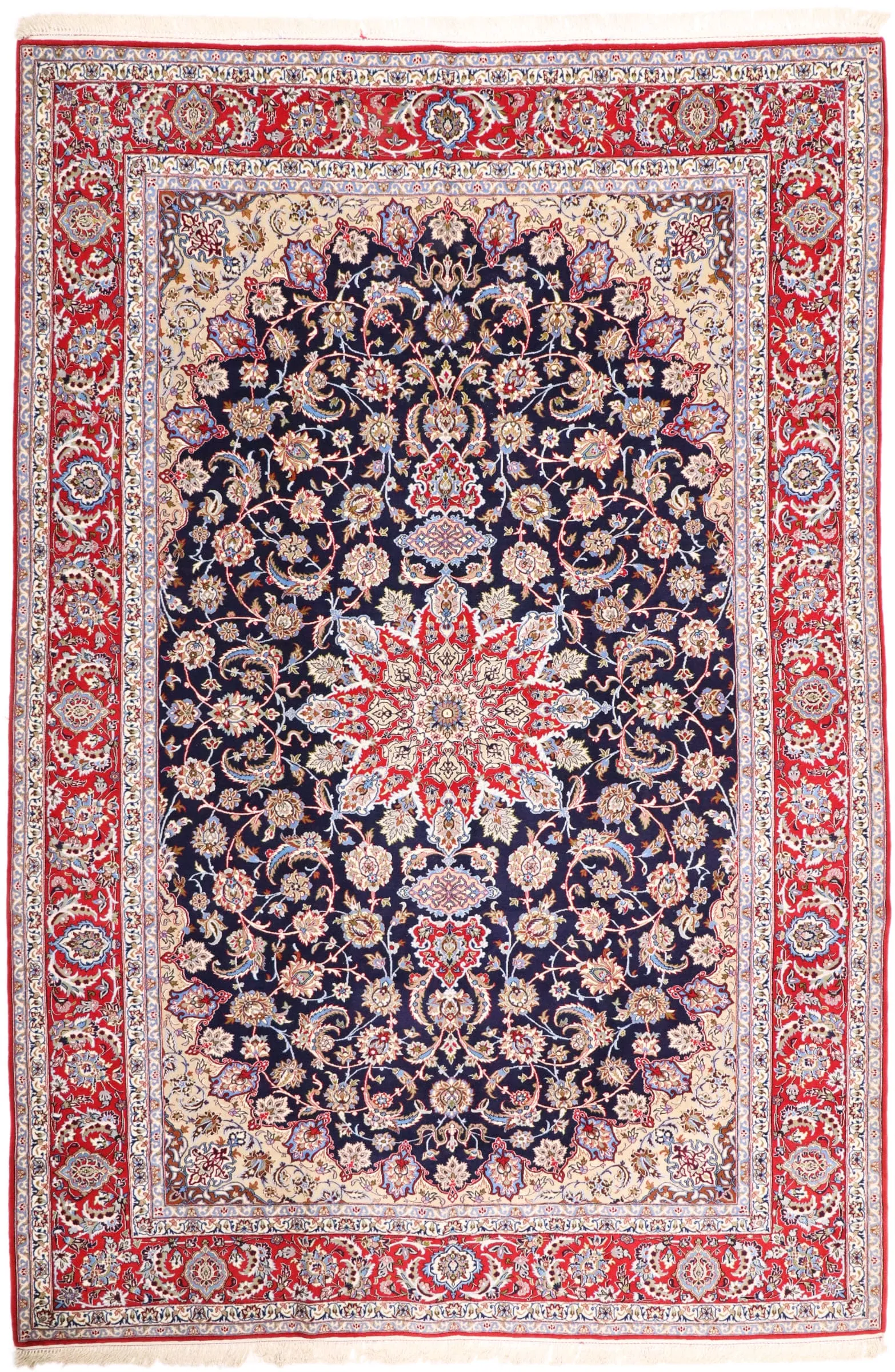
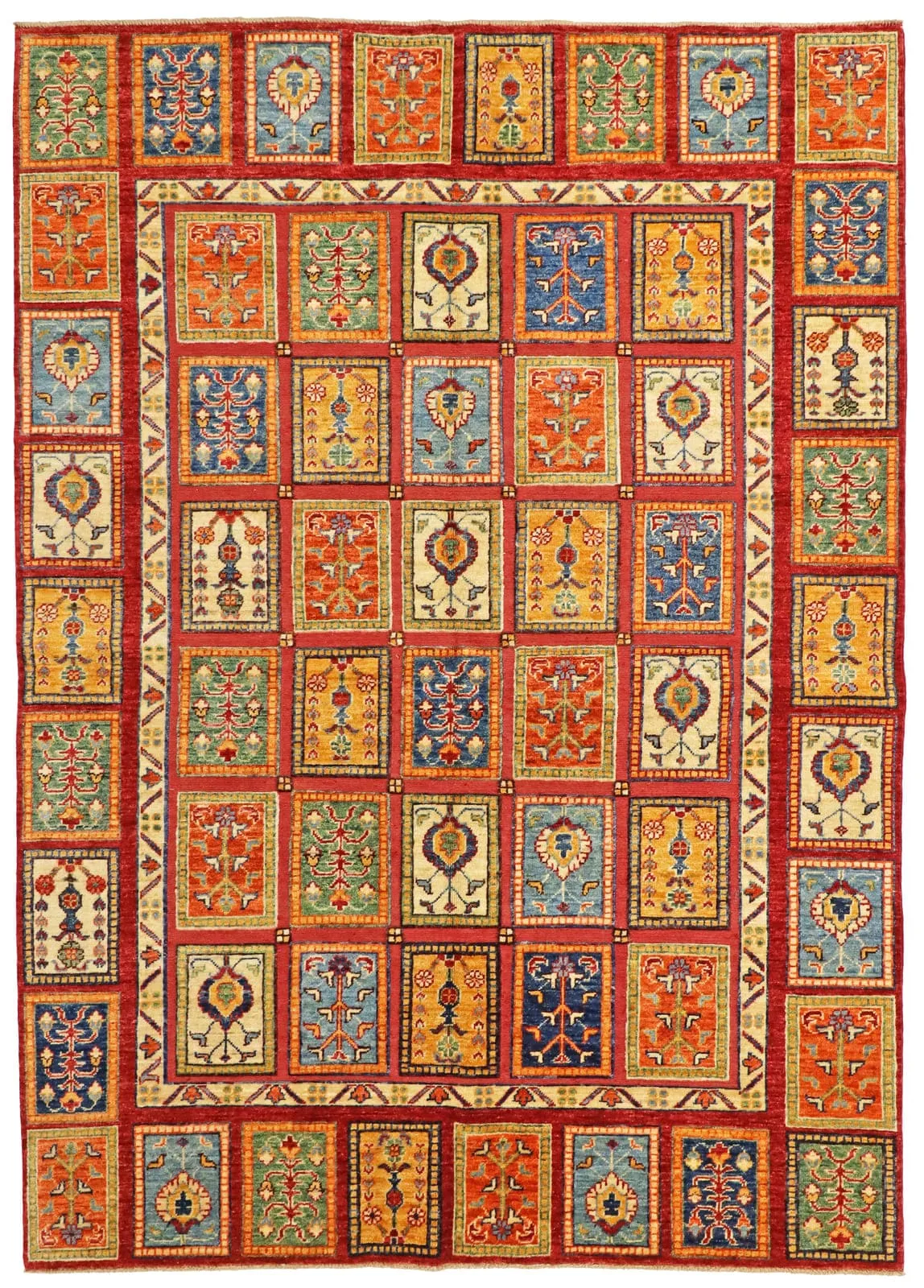
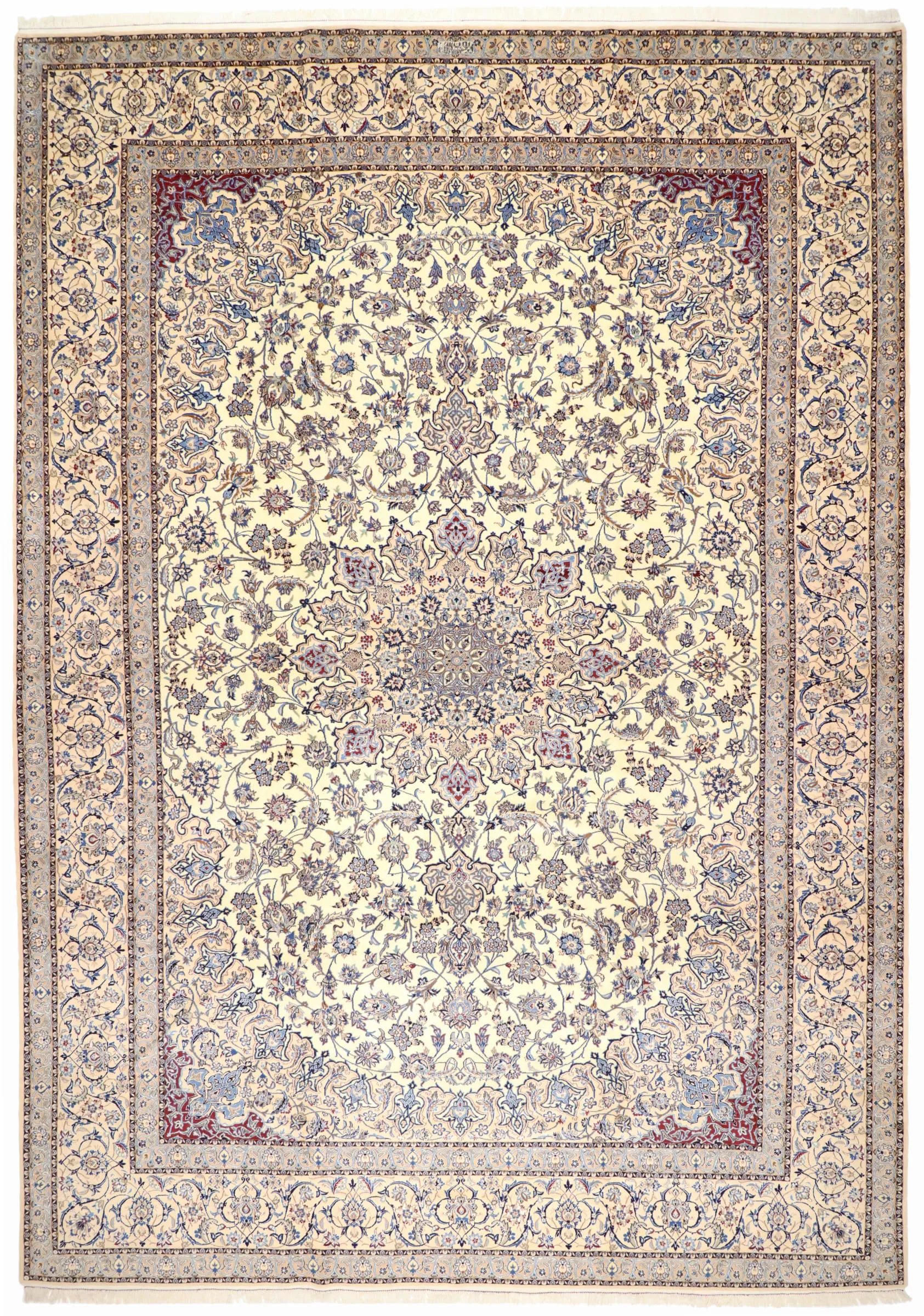
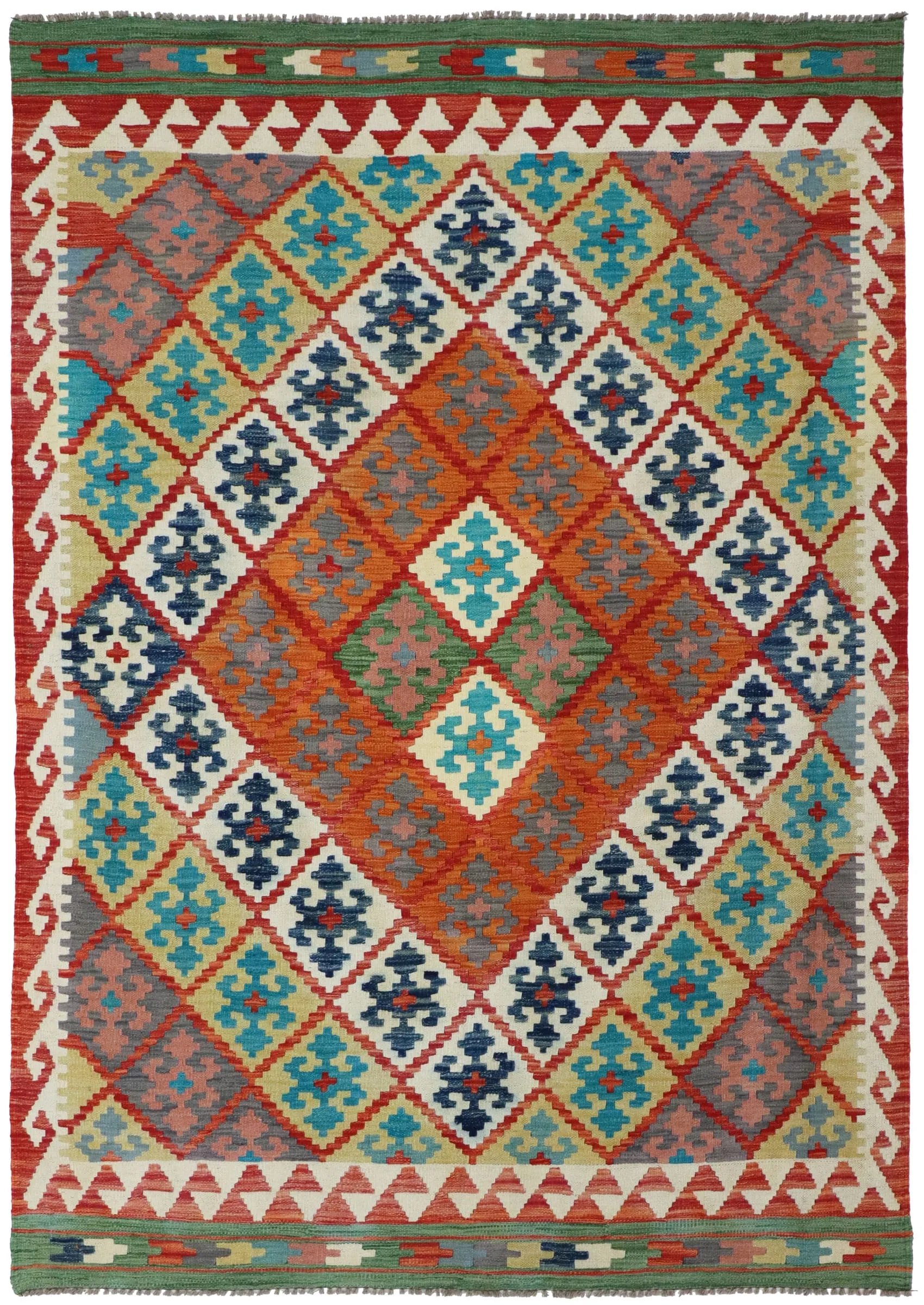
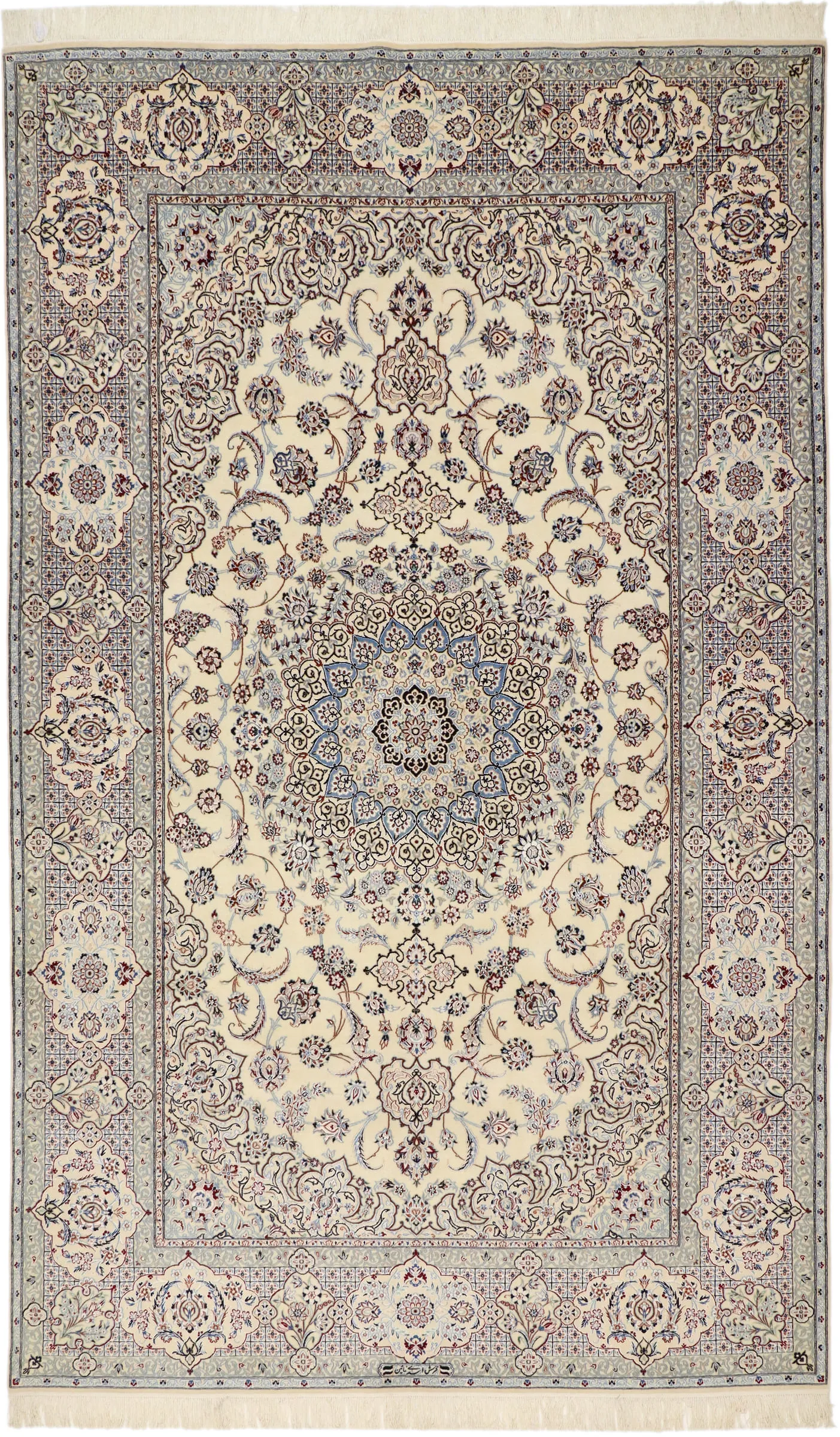
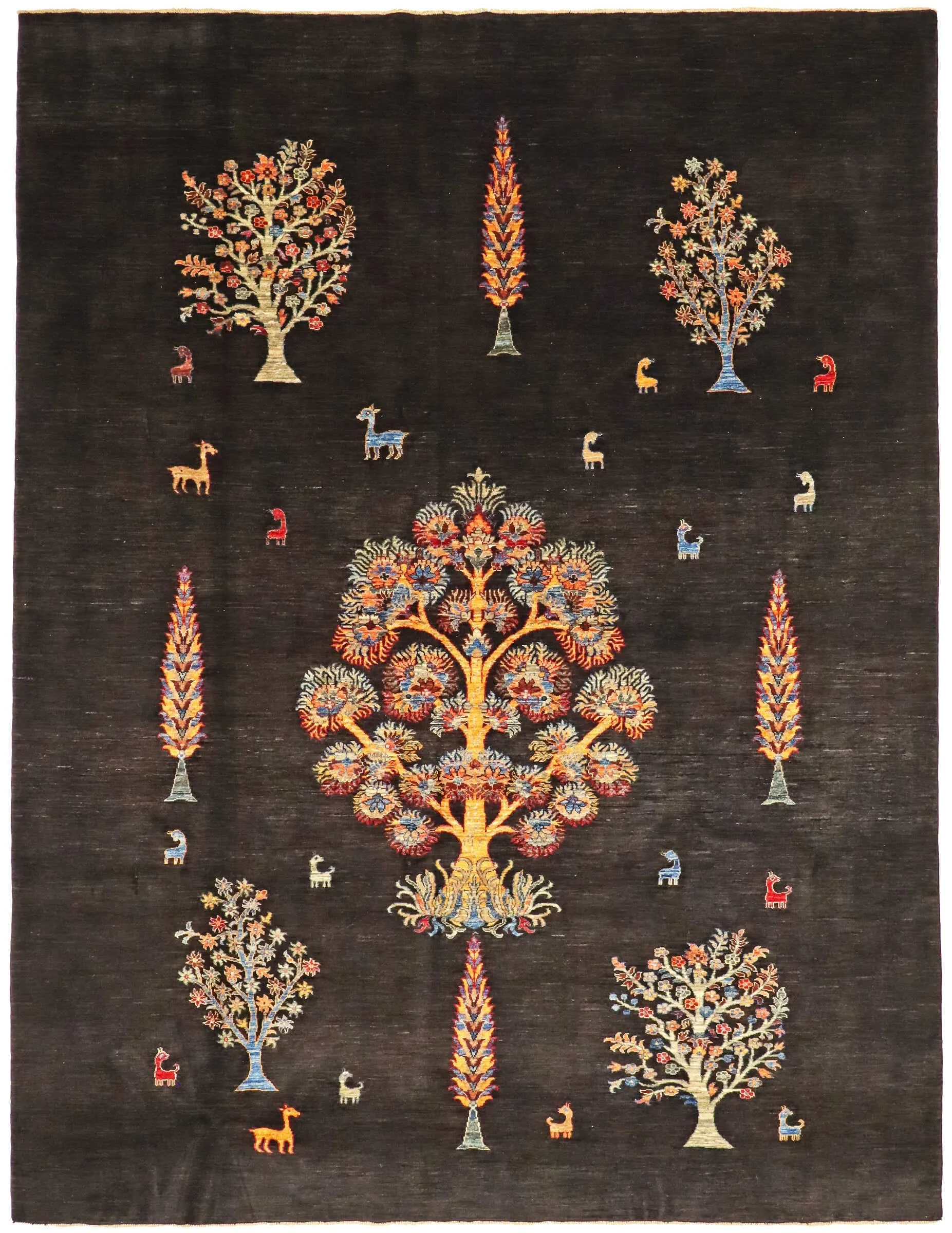
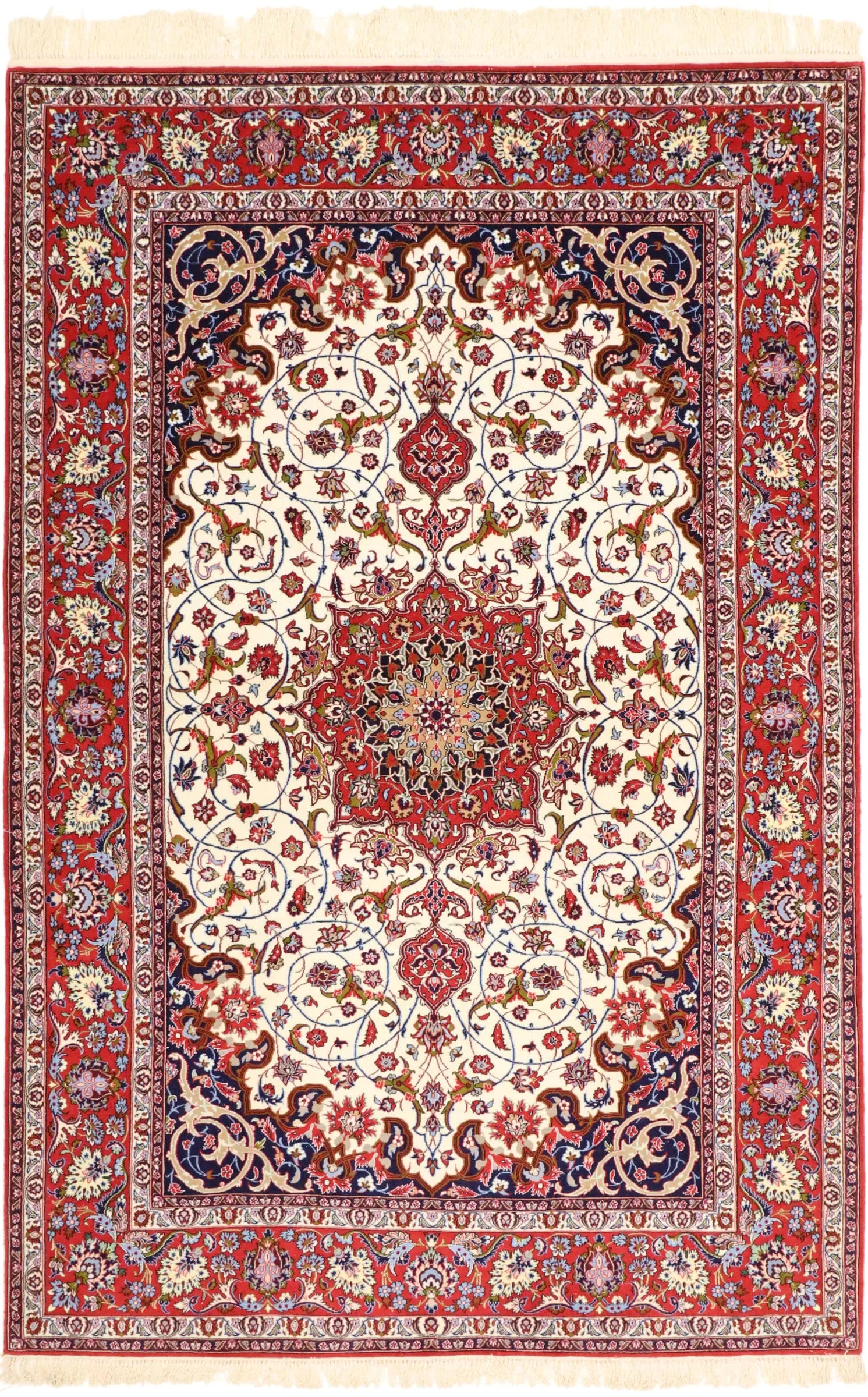
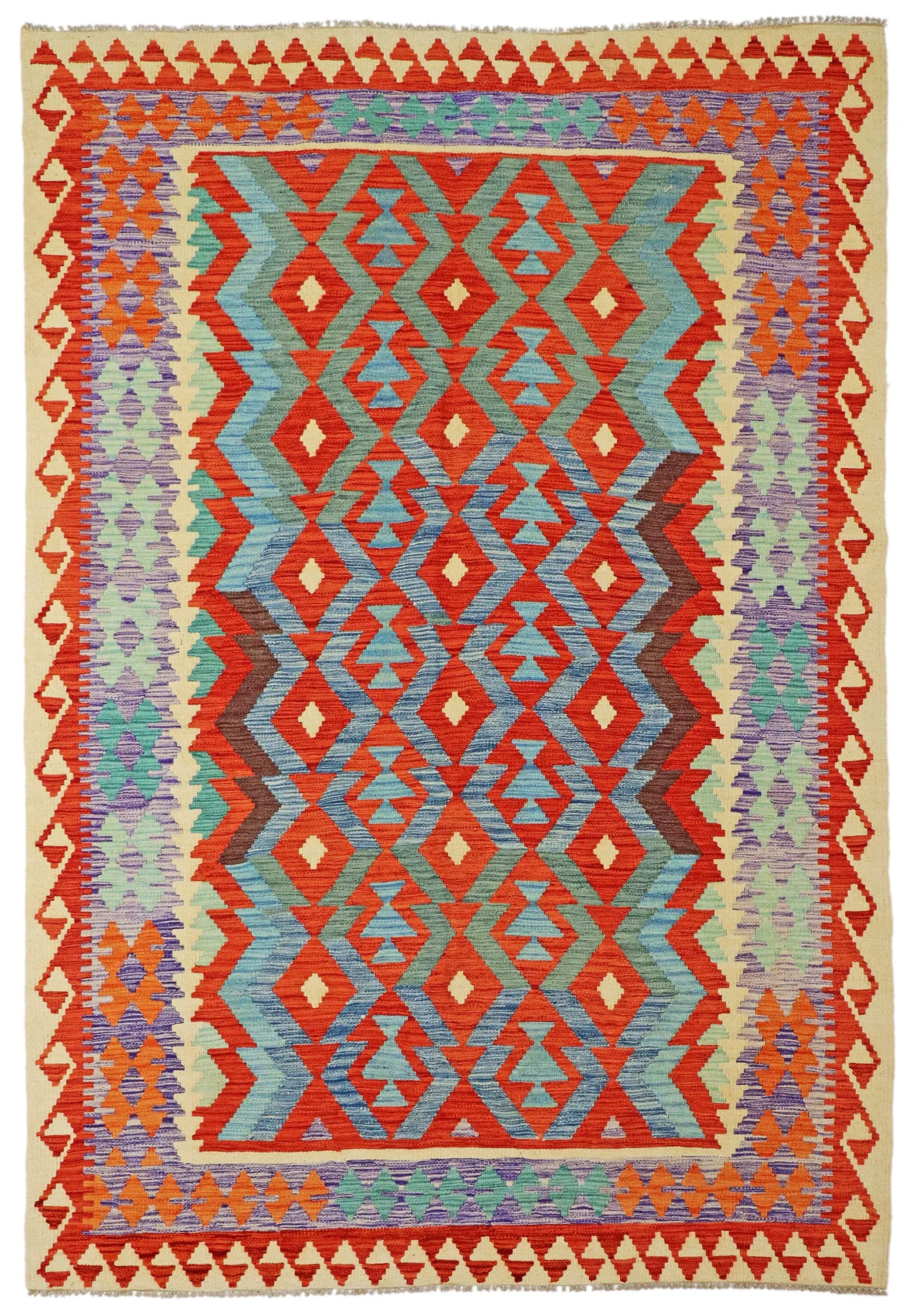
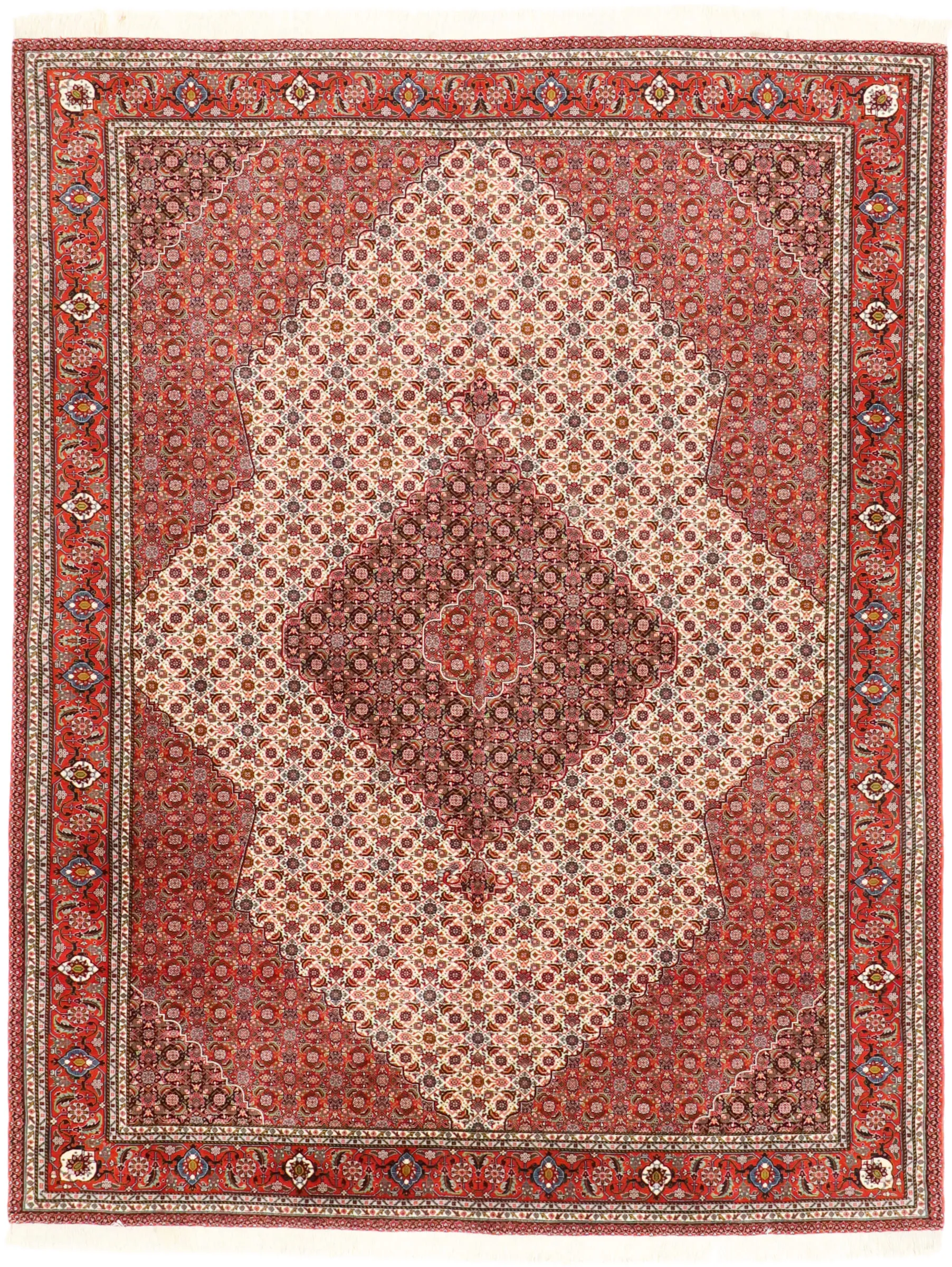
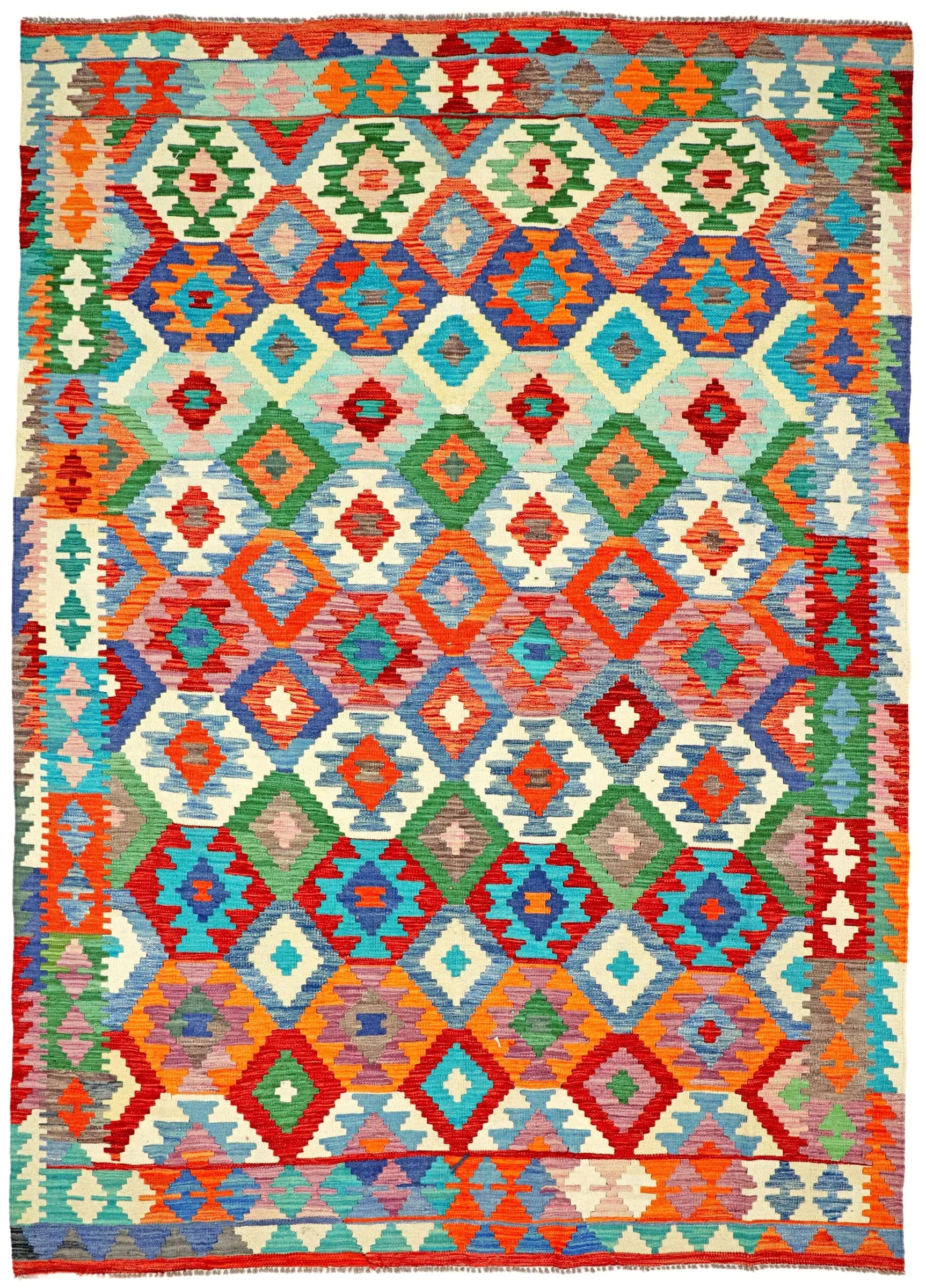
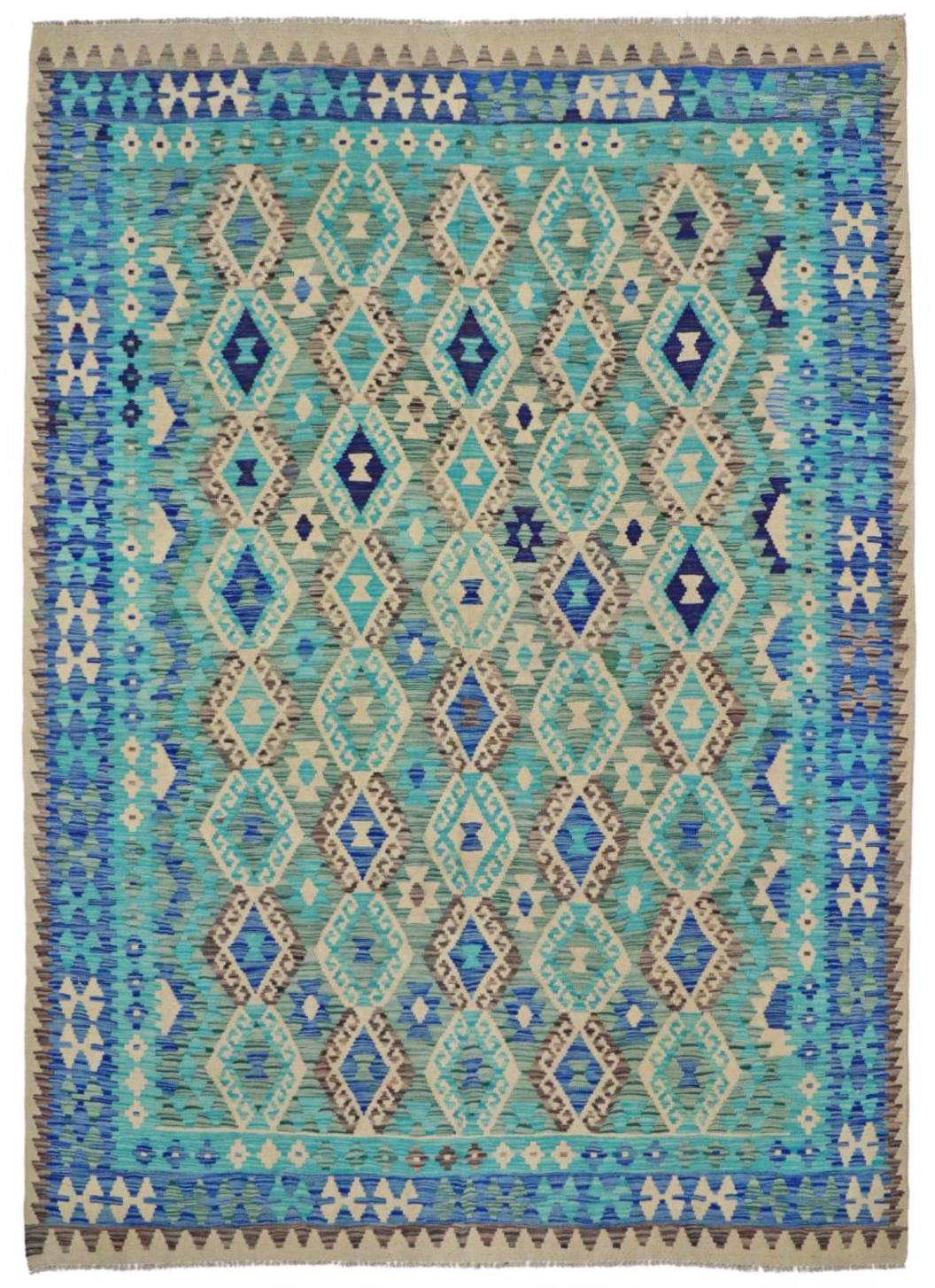
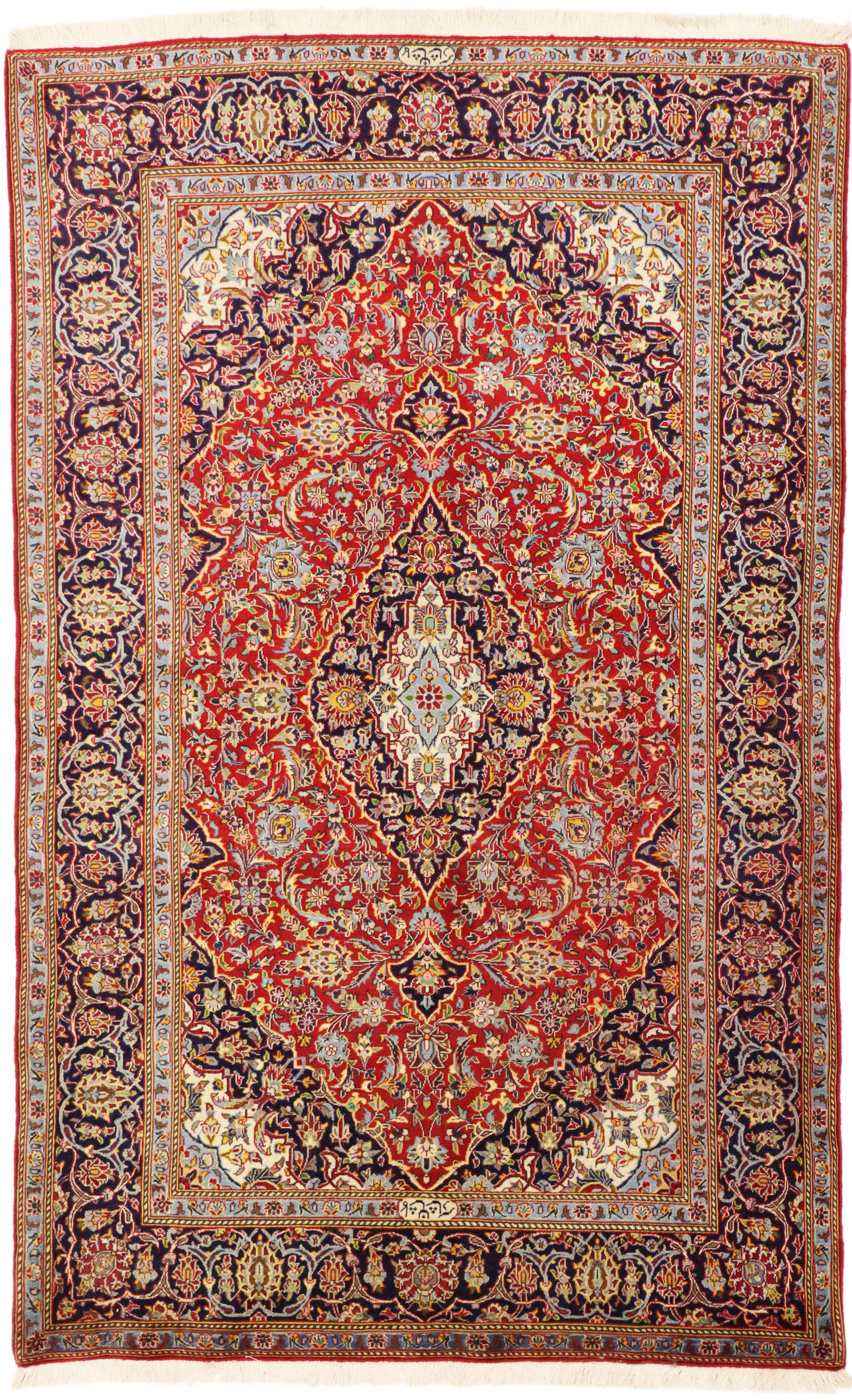
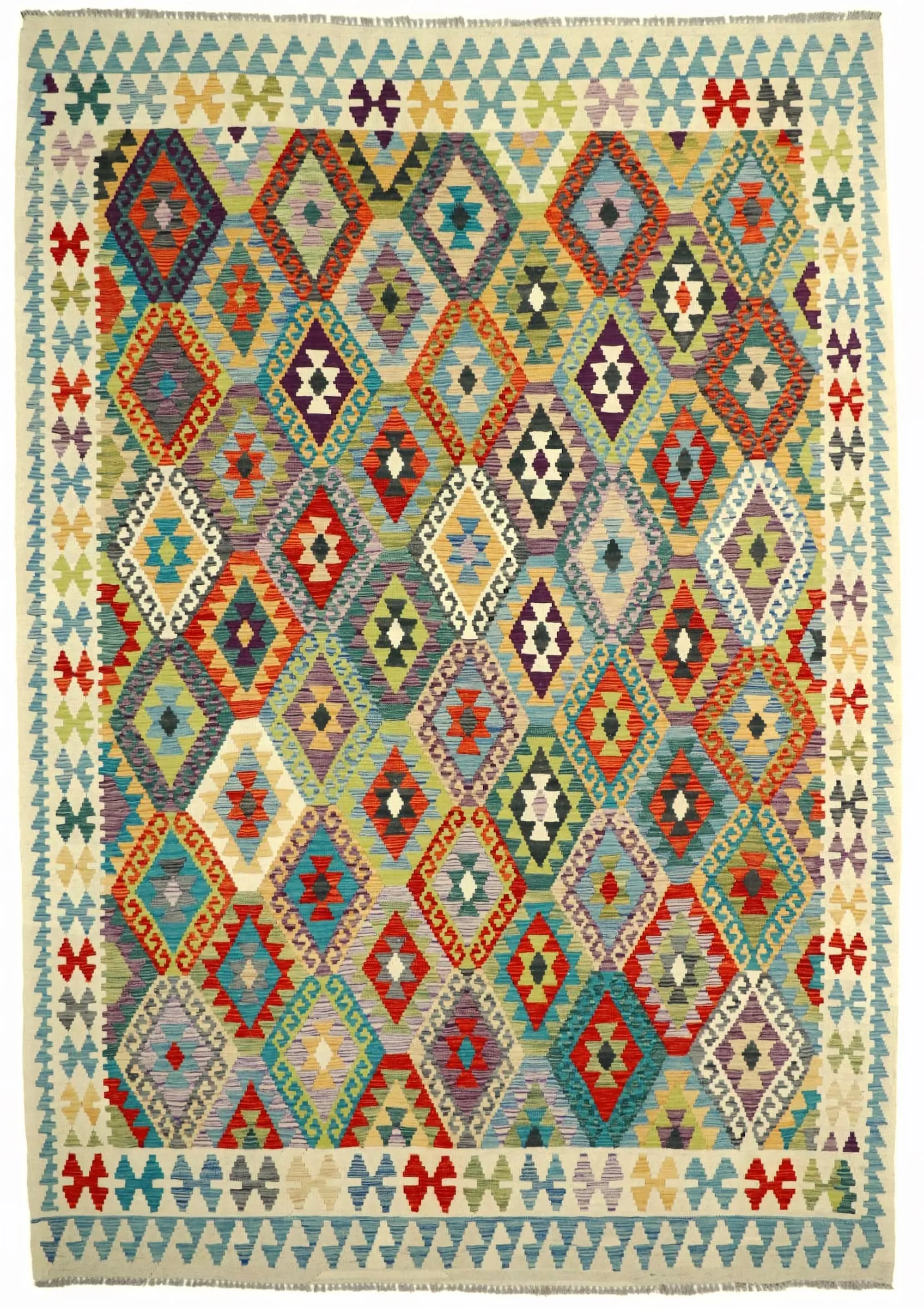
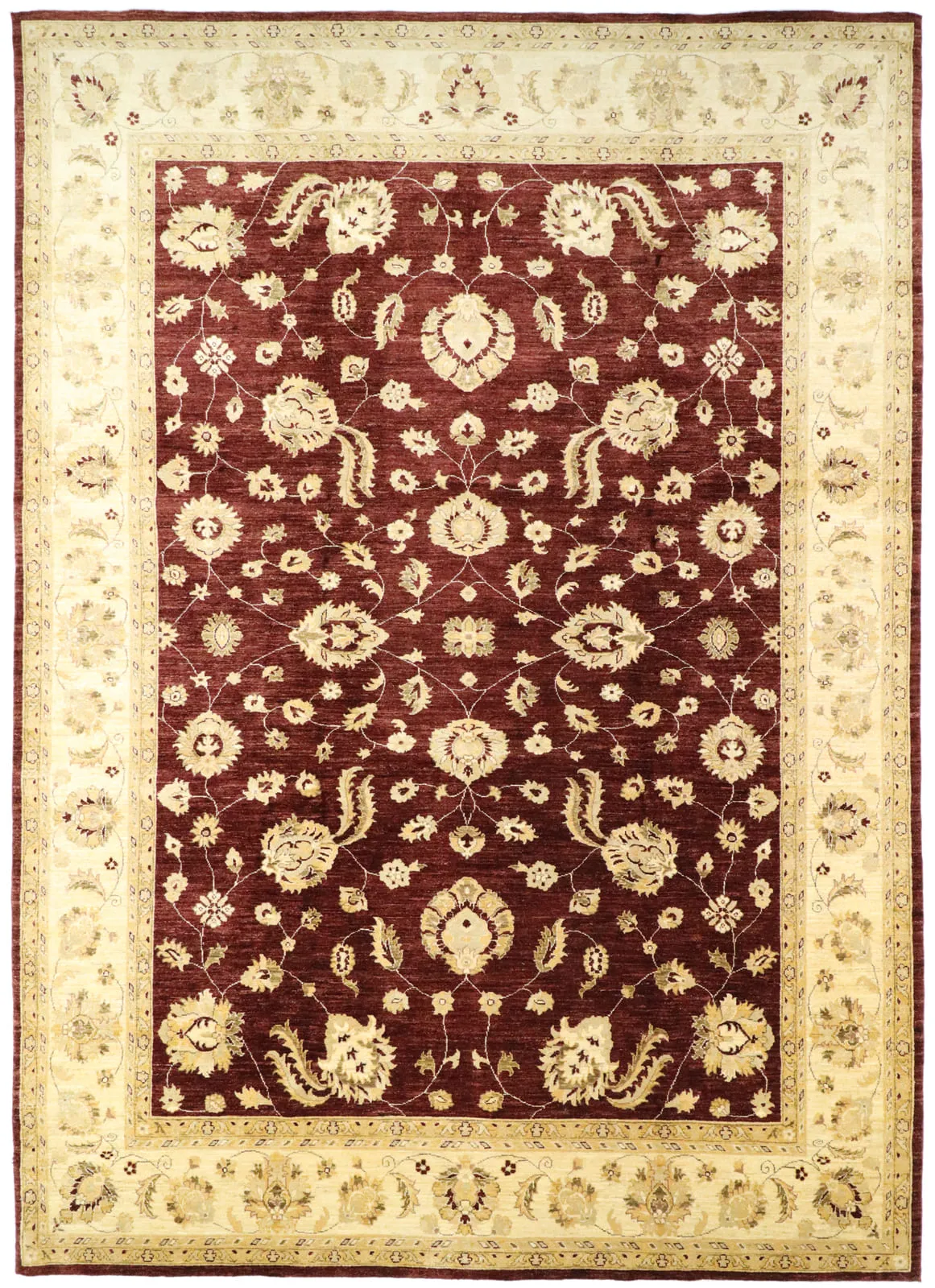
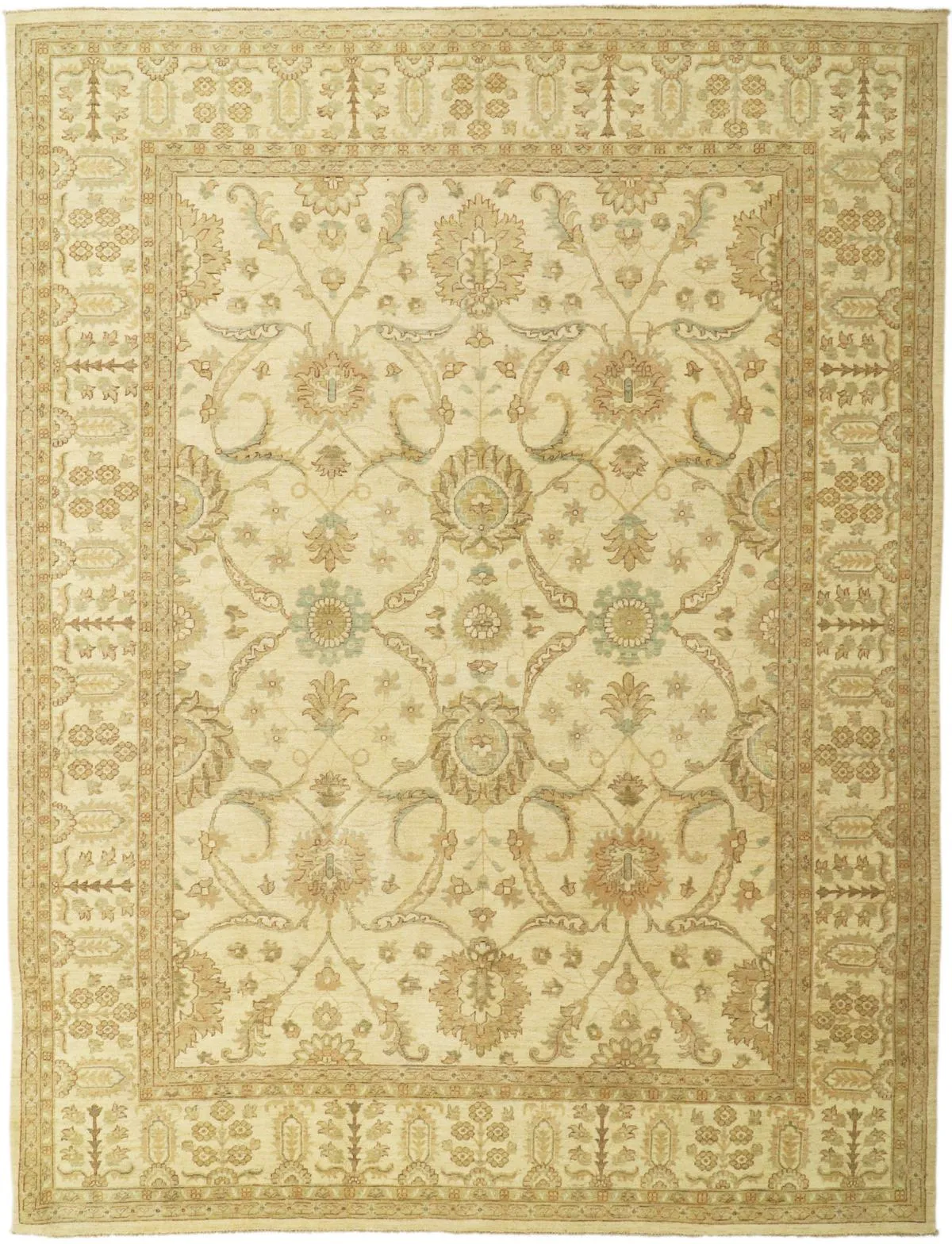
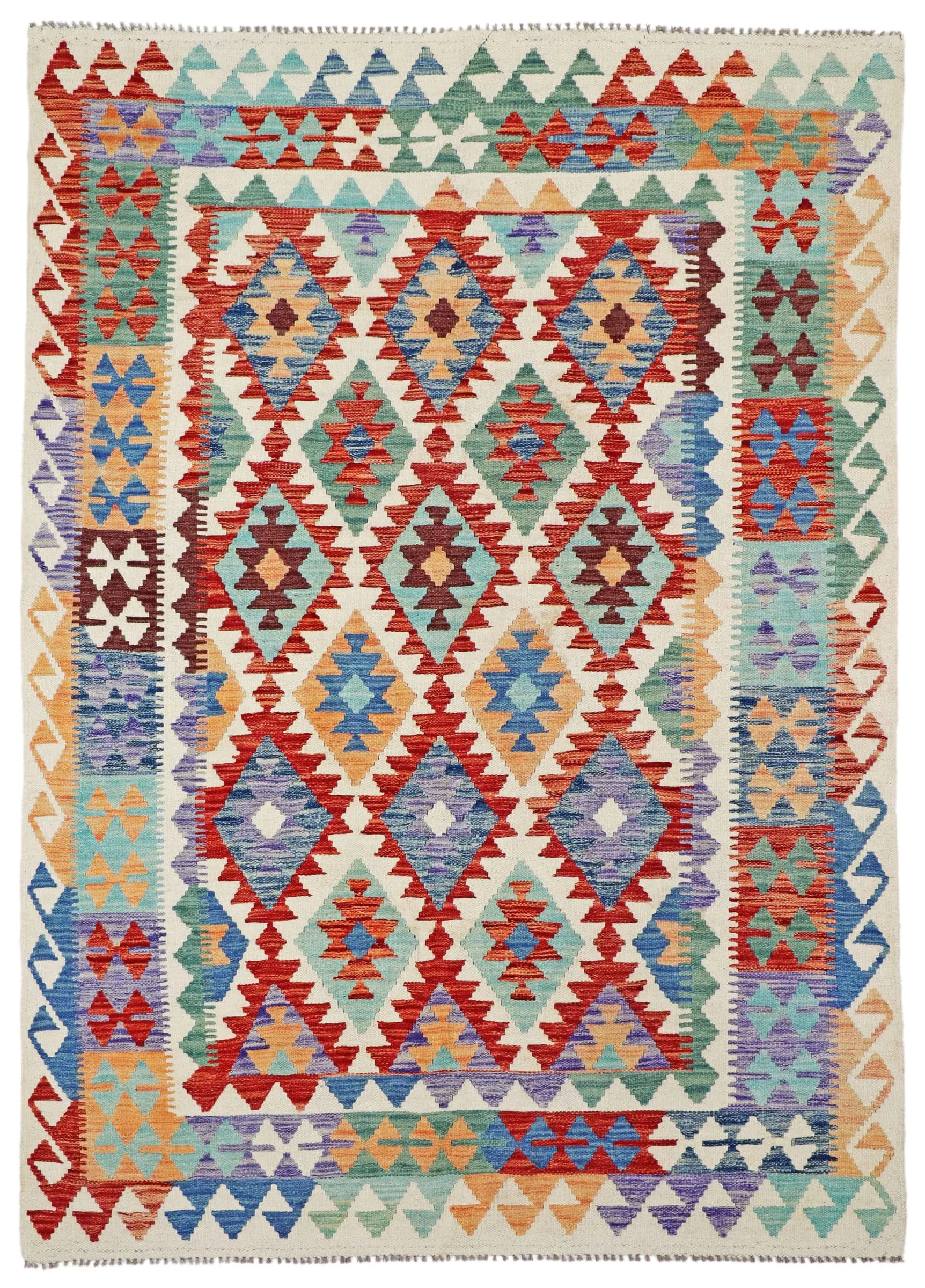
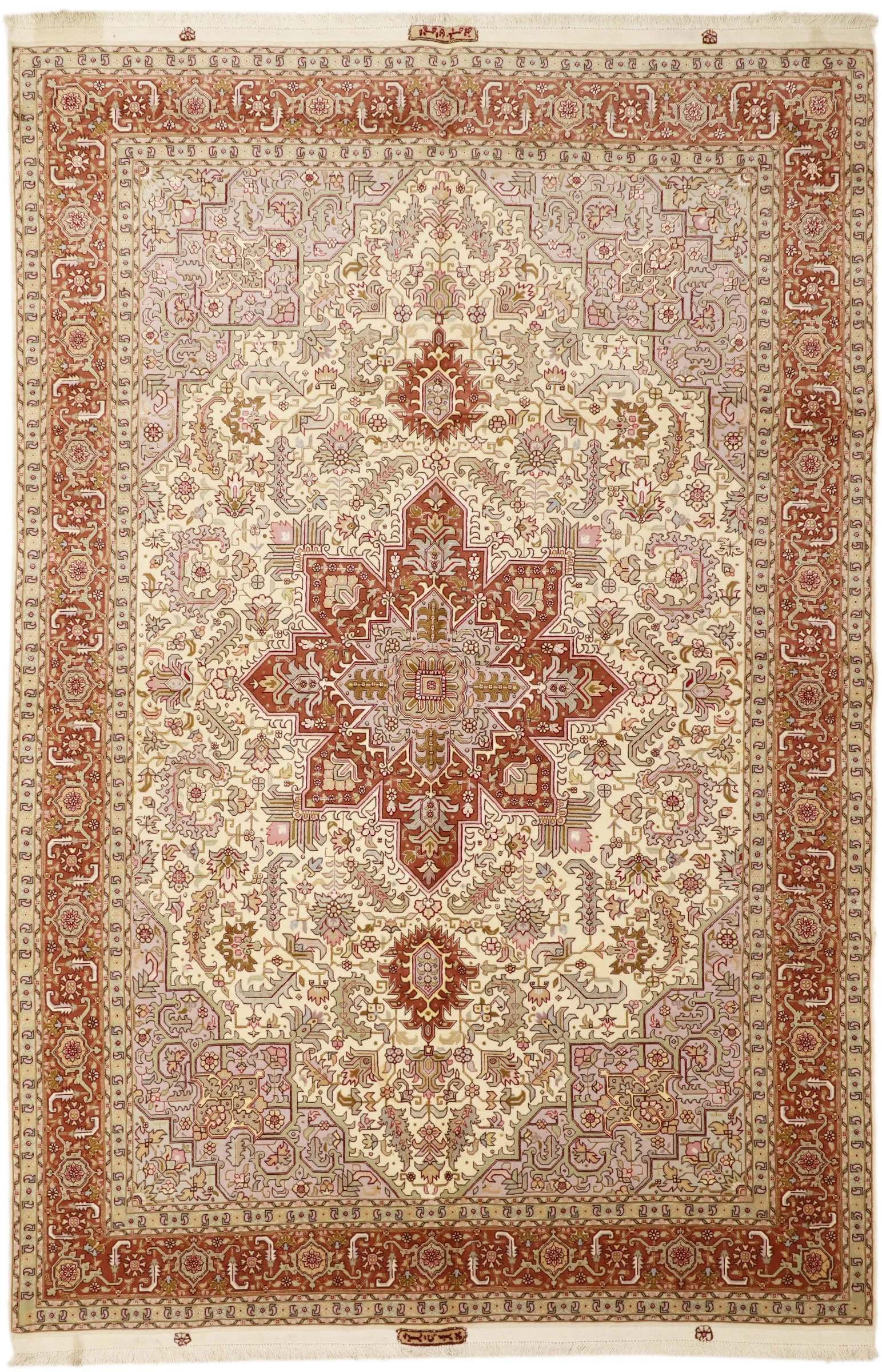
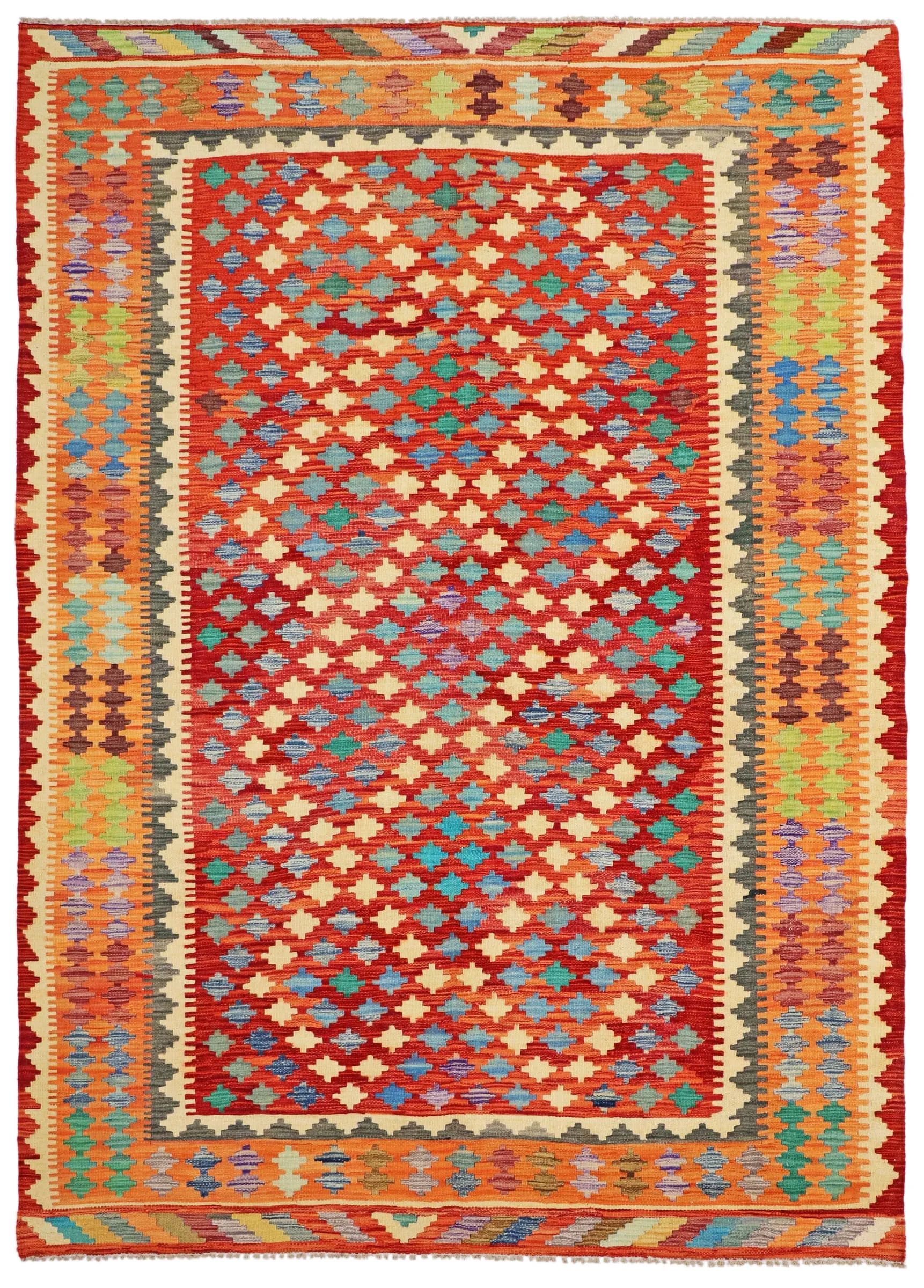
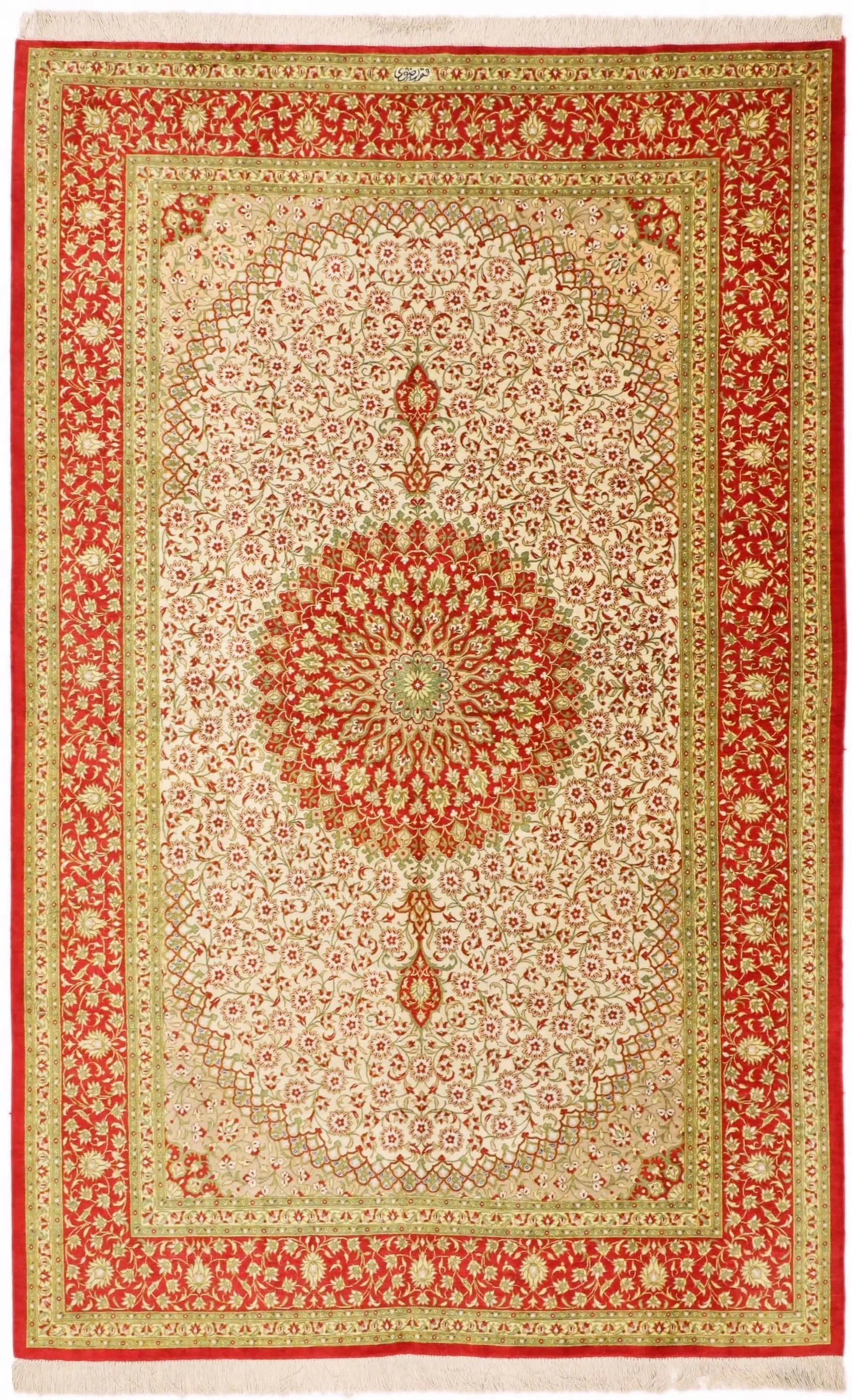
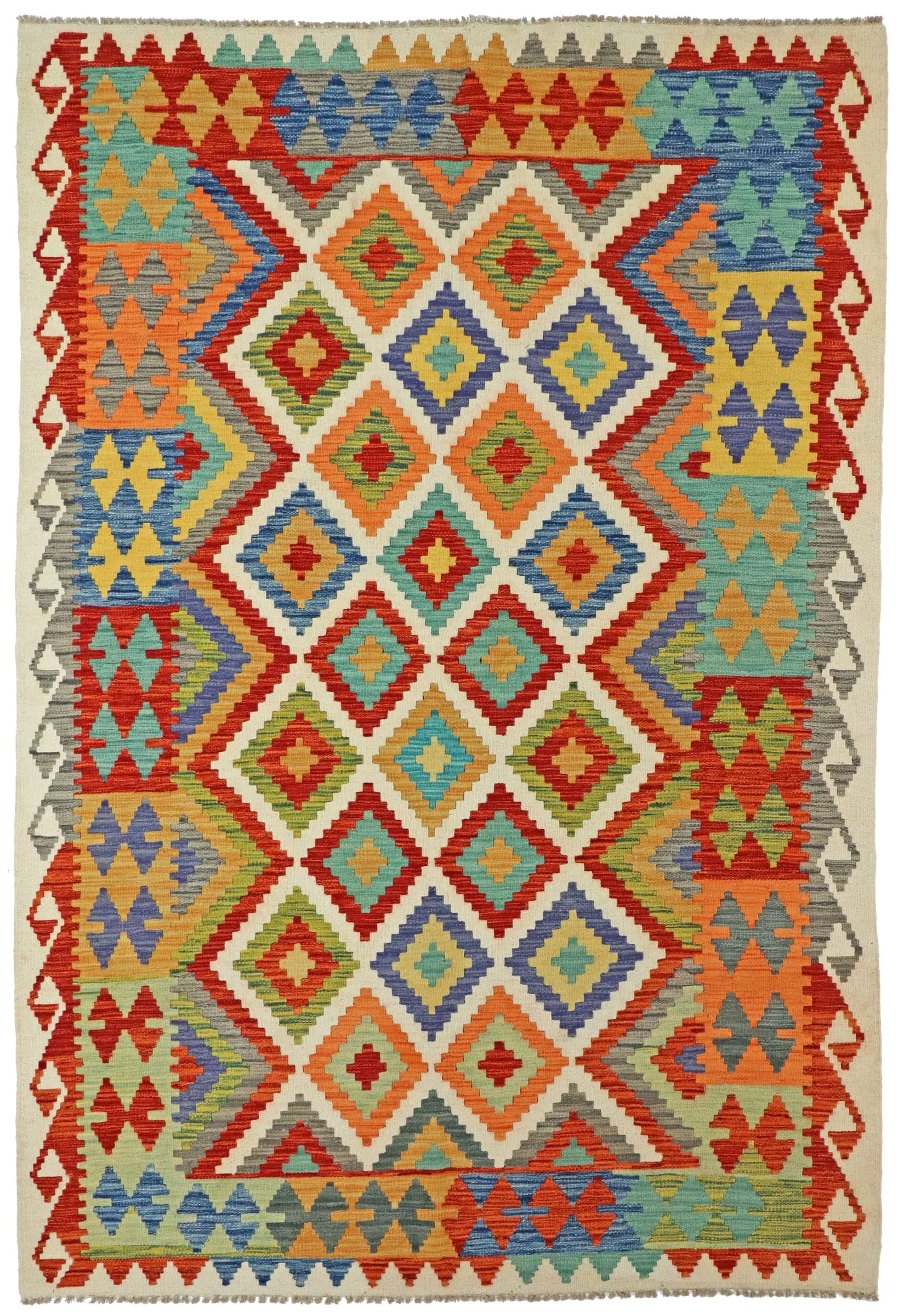
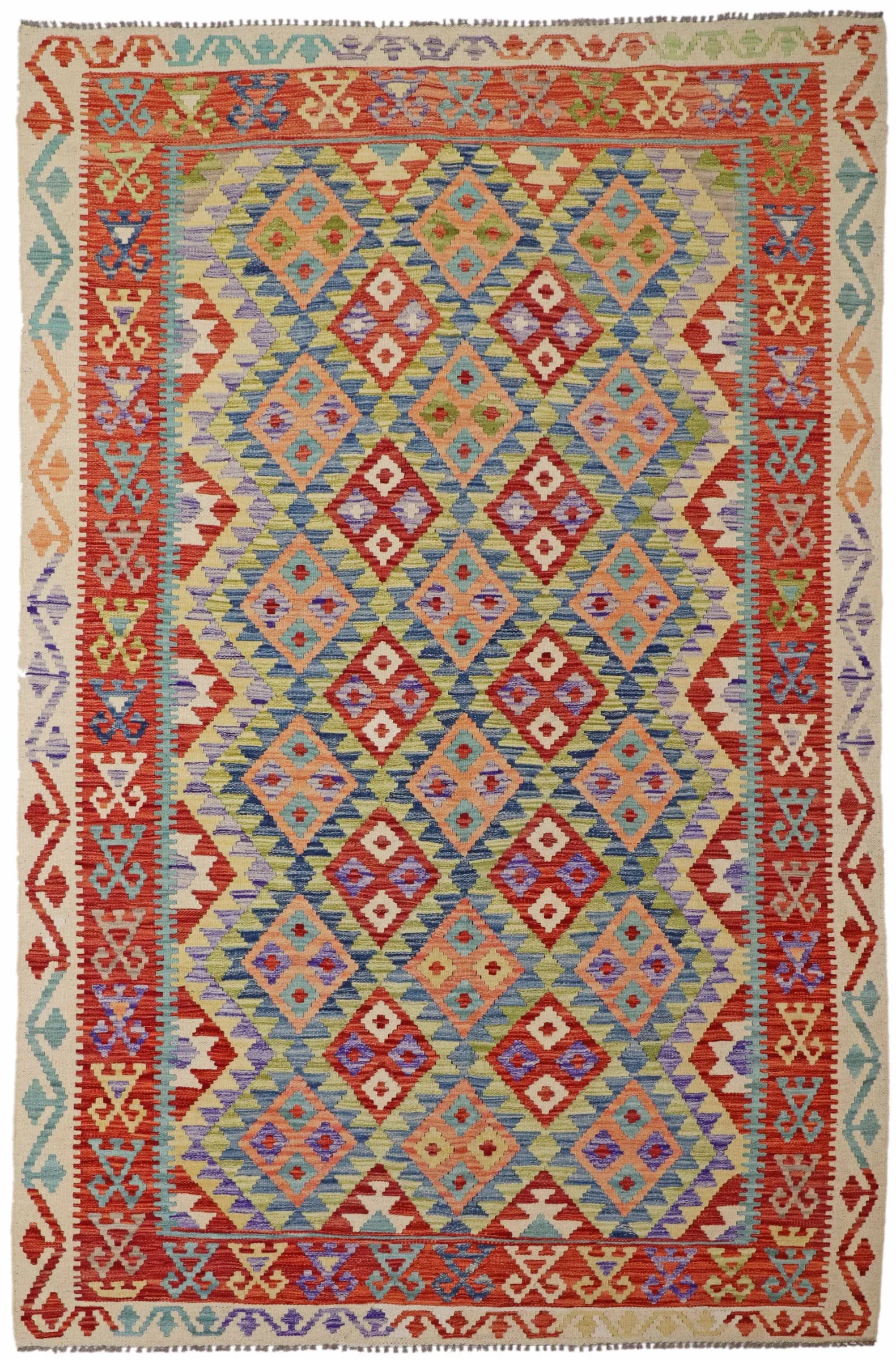
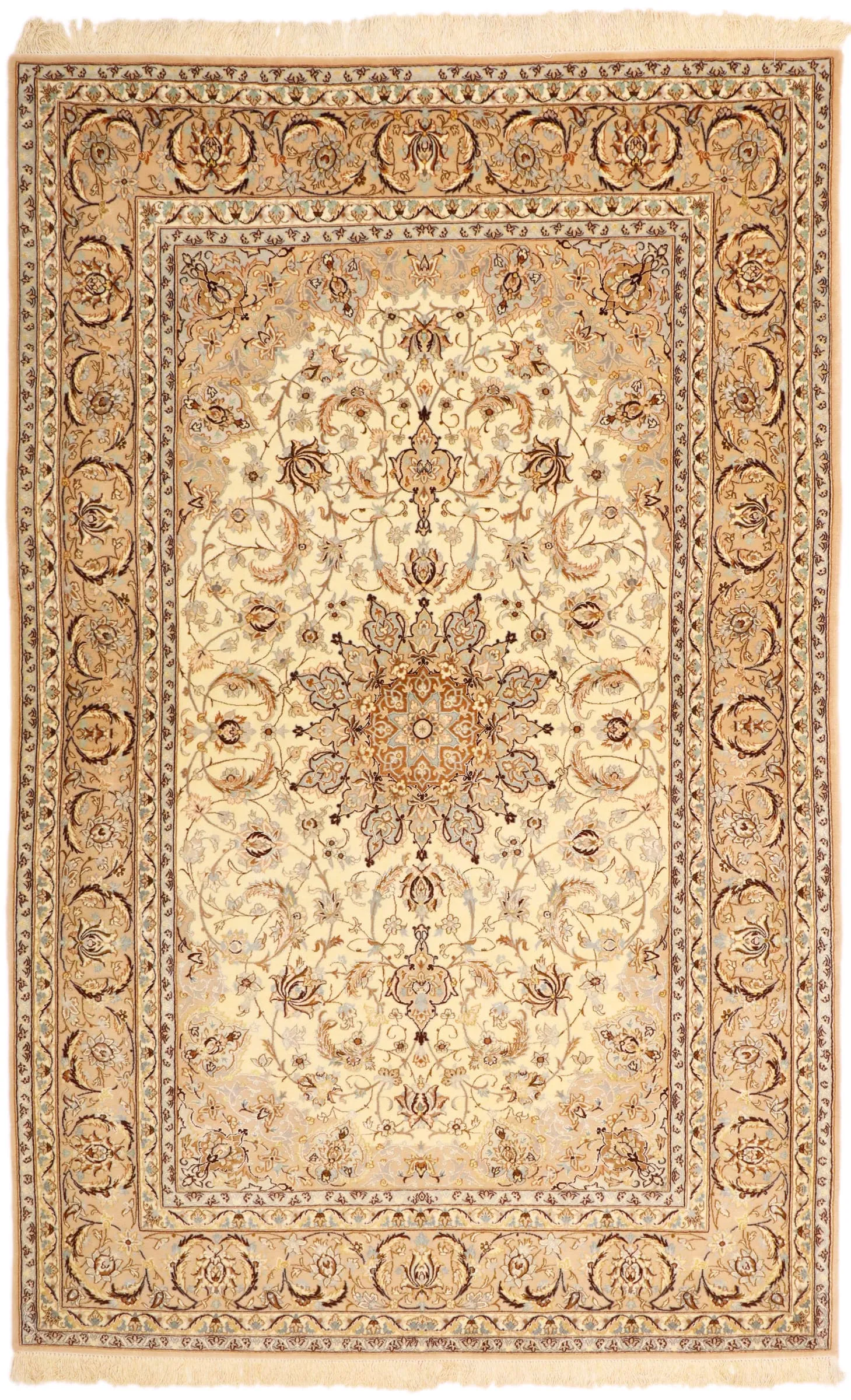

Generously Beneath the Bed
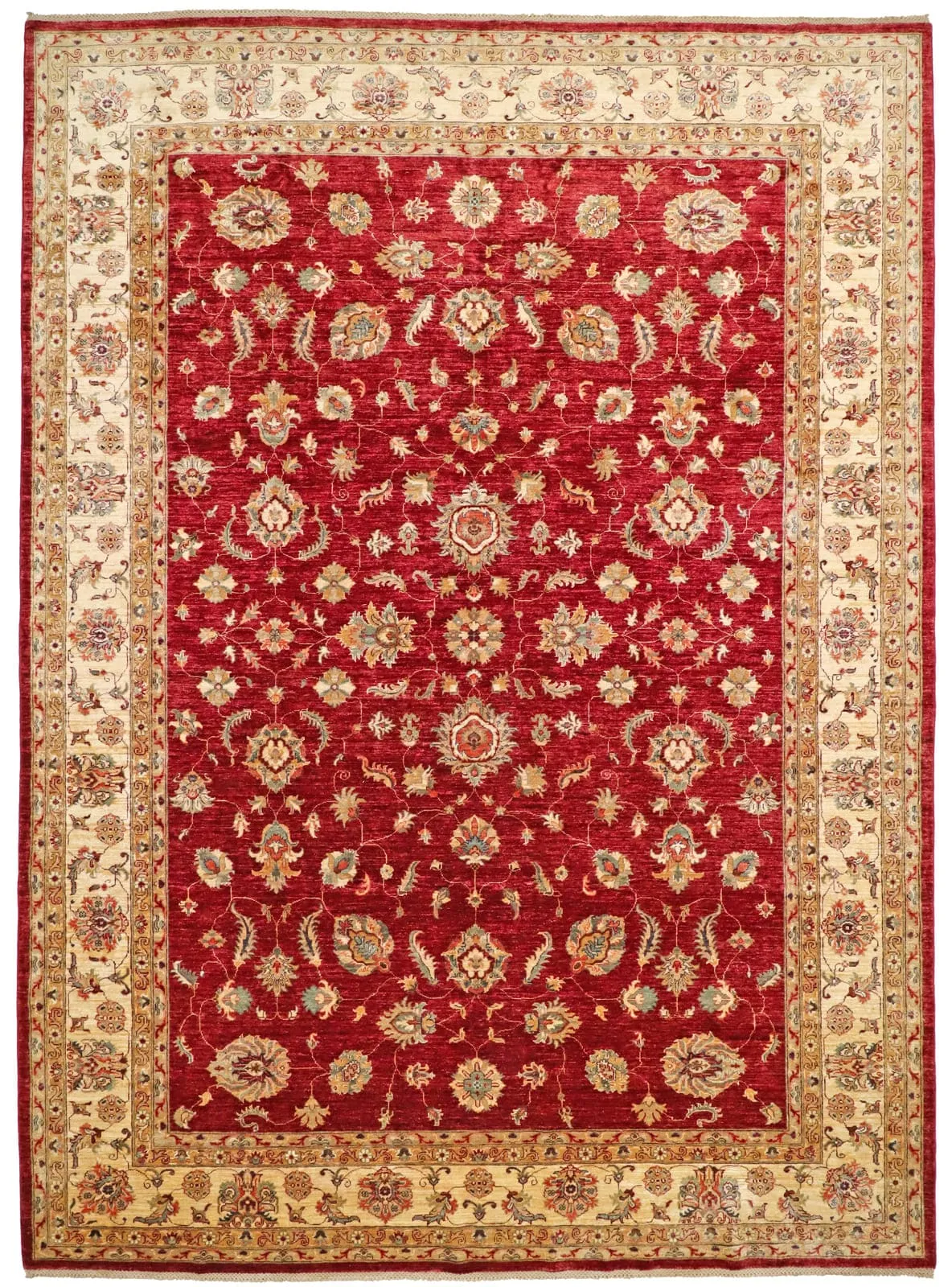
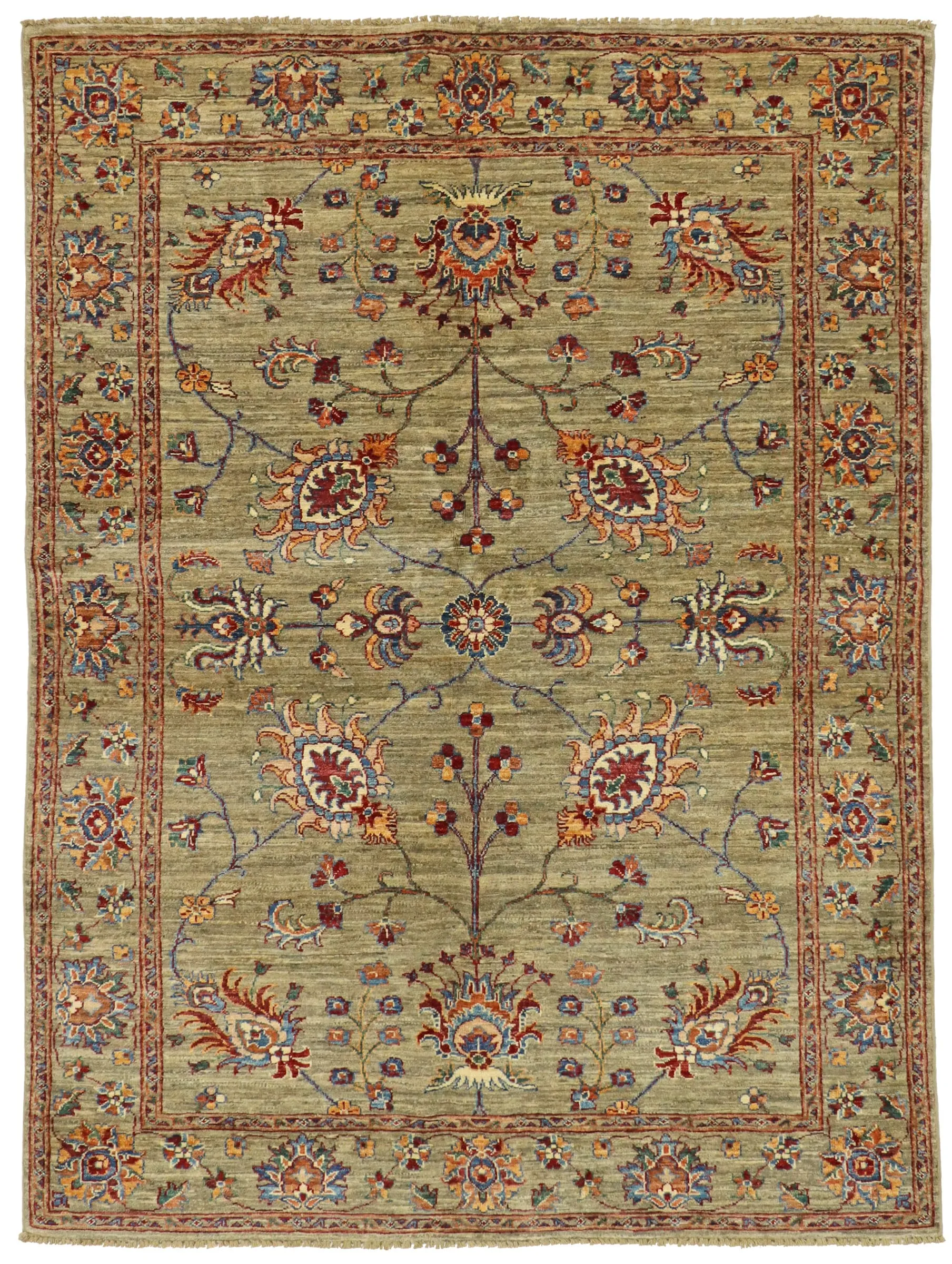
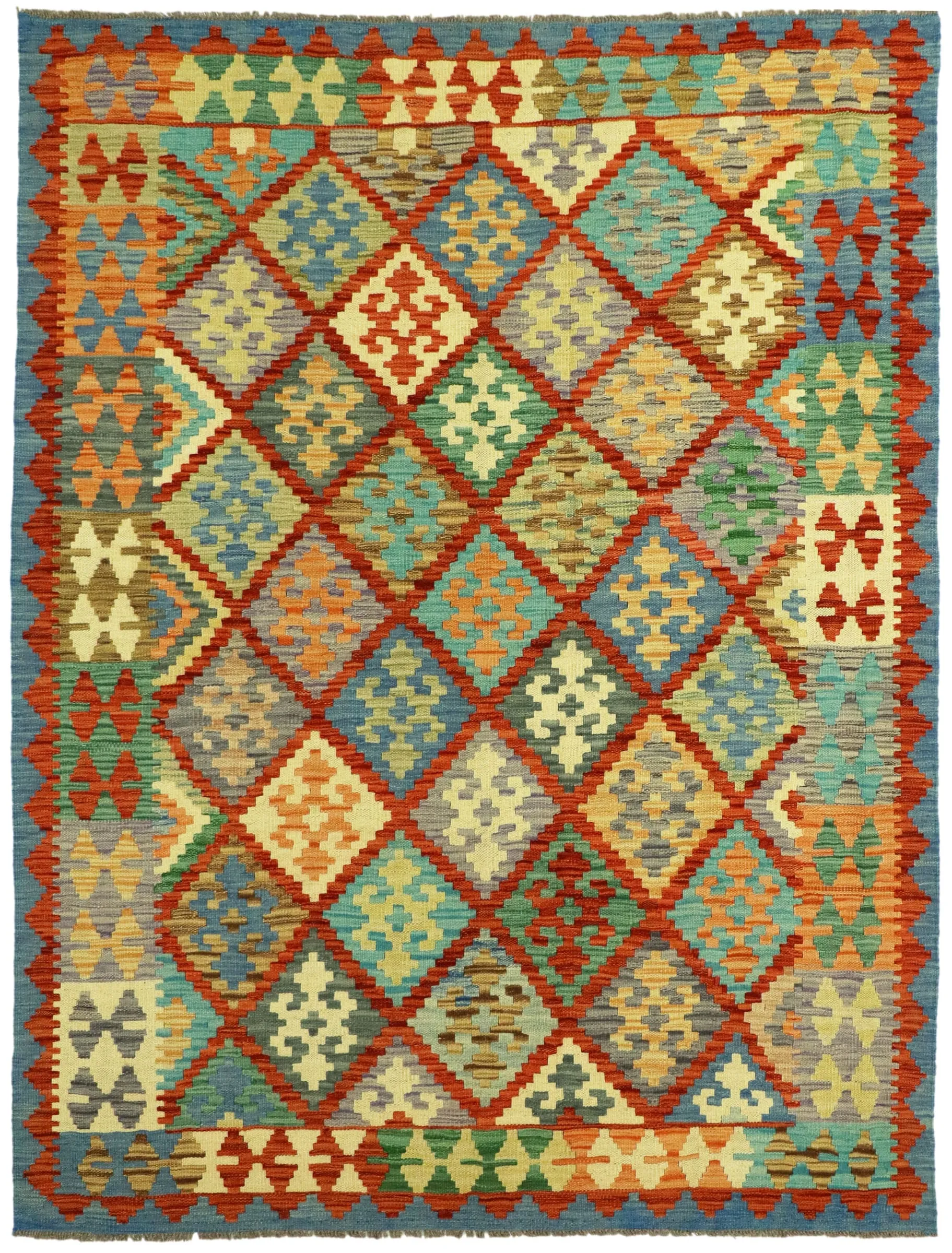
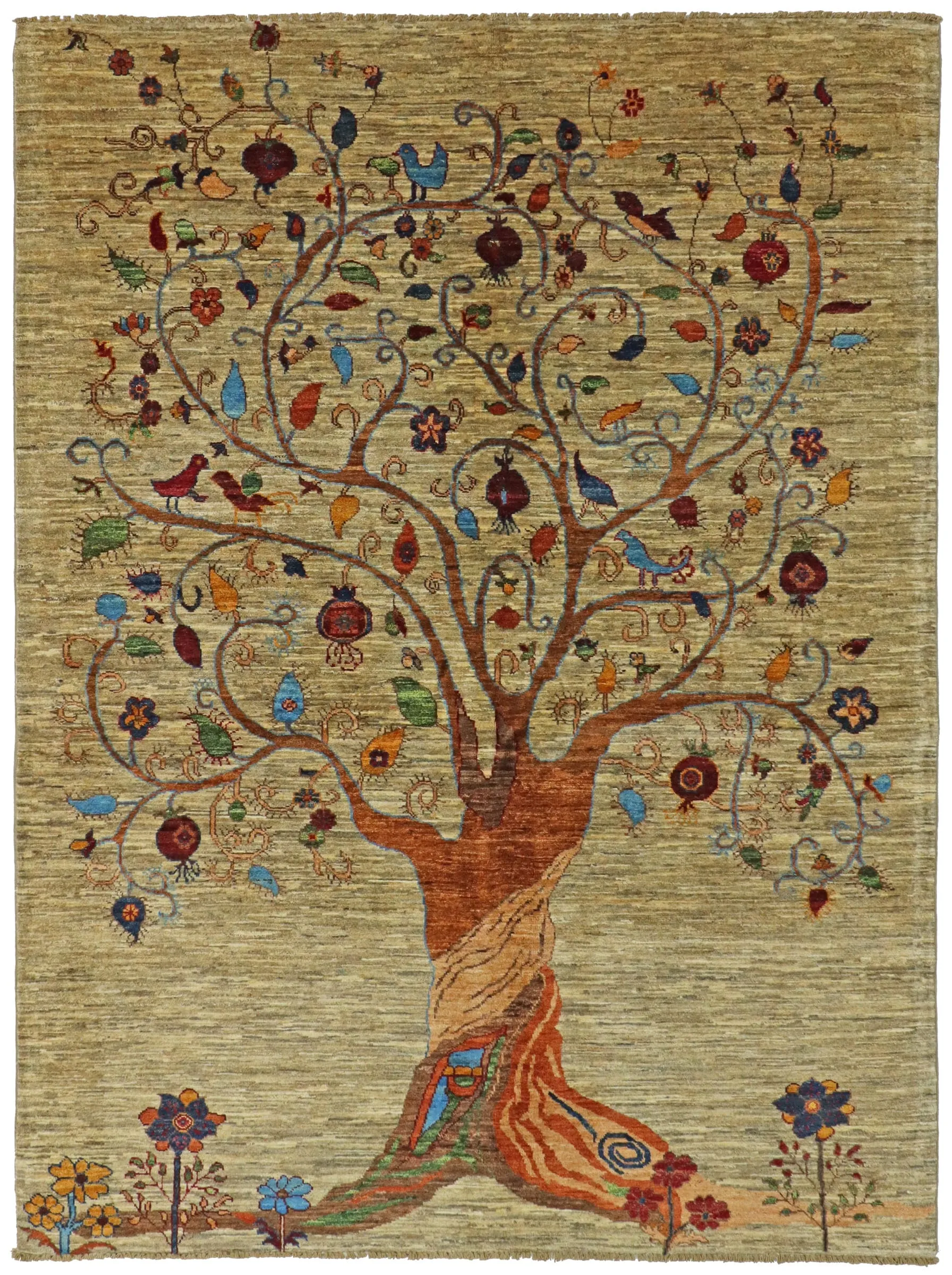
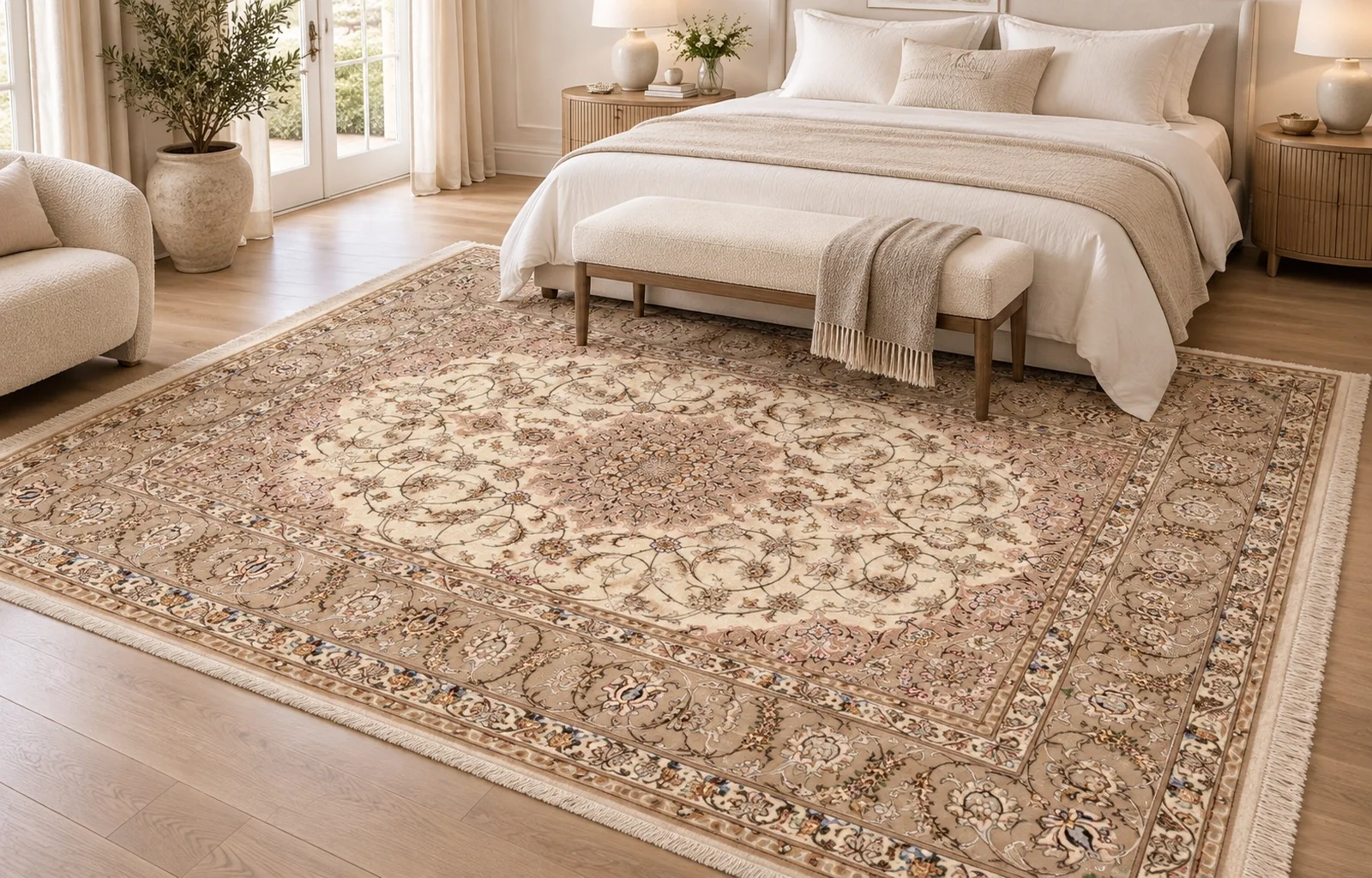
A large rug can extend well beneath the bed while remaining visible at both sides and the foot. This creates a calm, continuous surface and visually anchors the bed within the room.
 Free shipping & returns
 31-day return policy
Free shipping & returns
31-day return policy
Kostenloser Versand & Rückversand
31 Tage Rückgaberecht
Free shipping & returns
31-day return policy
Free shipping & returns
31-day return policy
Free Shipping & Returns
31-Day Return Policy
31-day return policy
Free shipping & returns
31-day return policy
Kostenloser Versand & Rückversand
31 Tage Rückgaberecht
Free shipping & returns
31-day return policy
Free shipping & returns
31-day return policy
Free Shipping & Returns
31-Day Return Policy

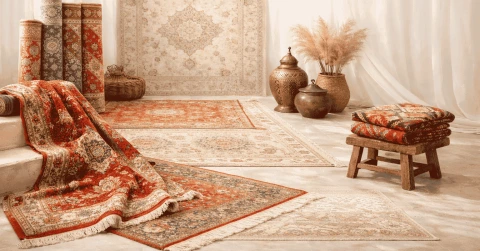
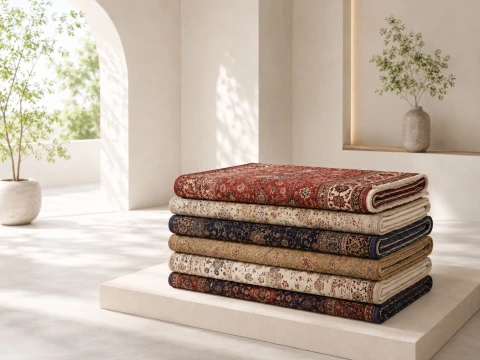
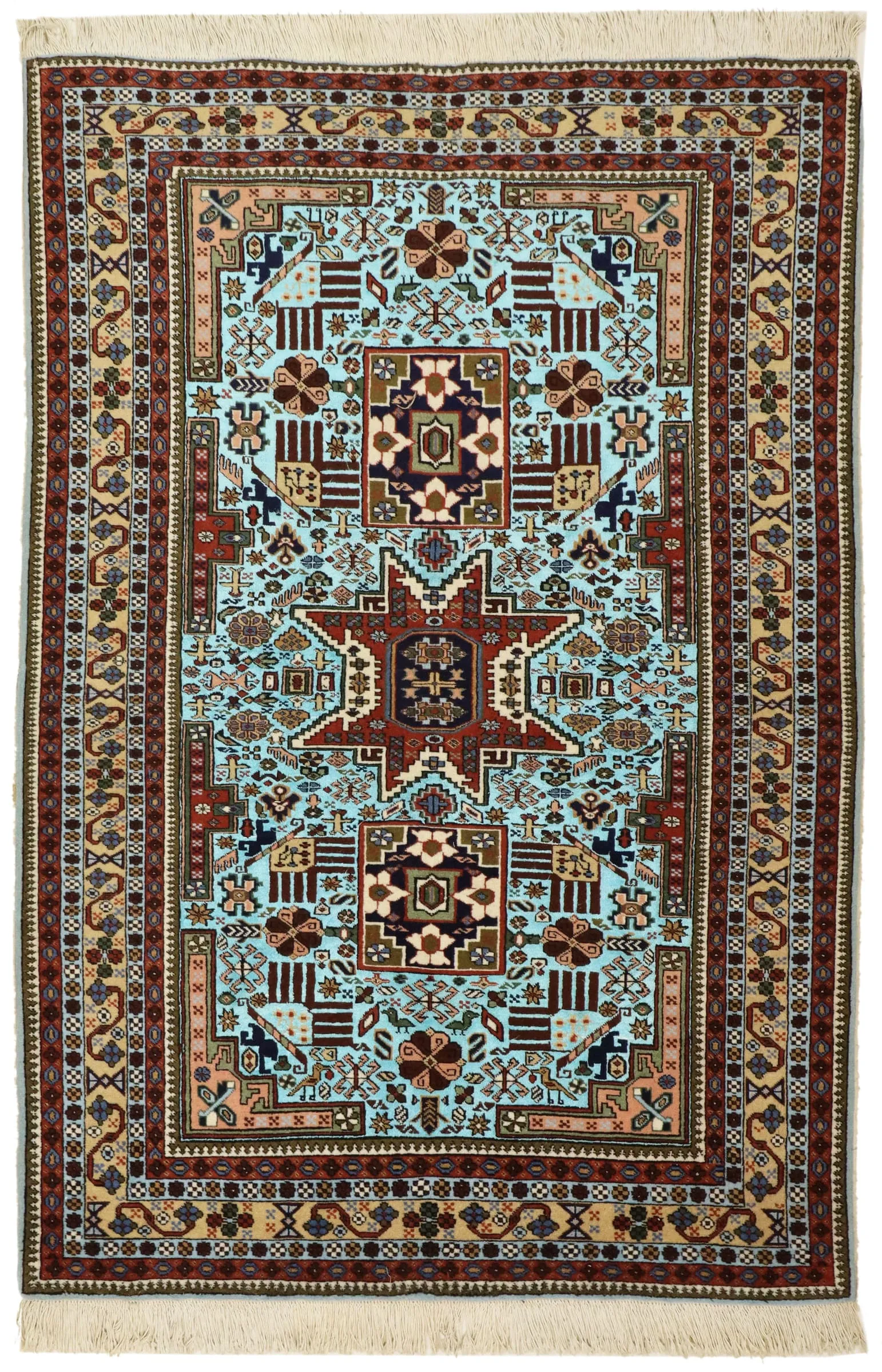
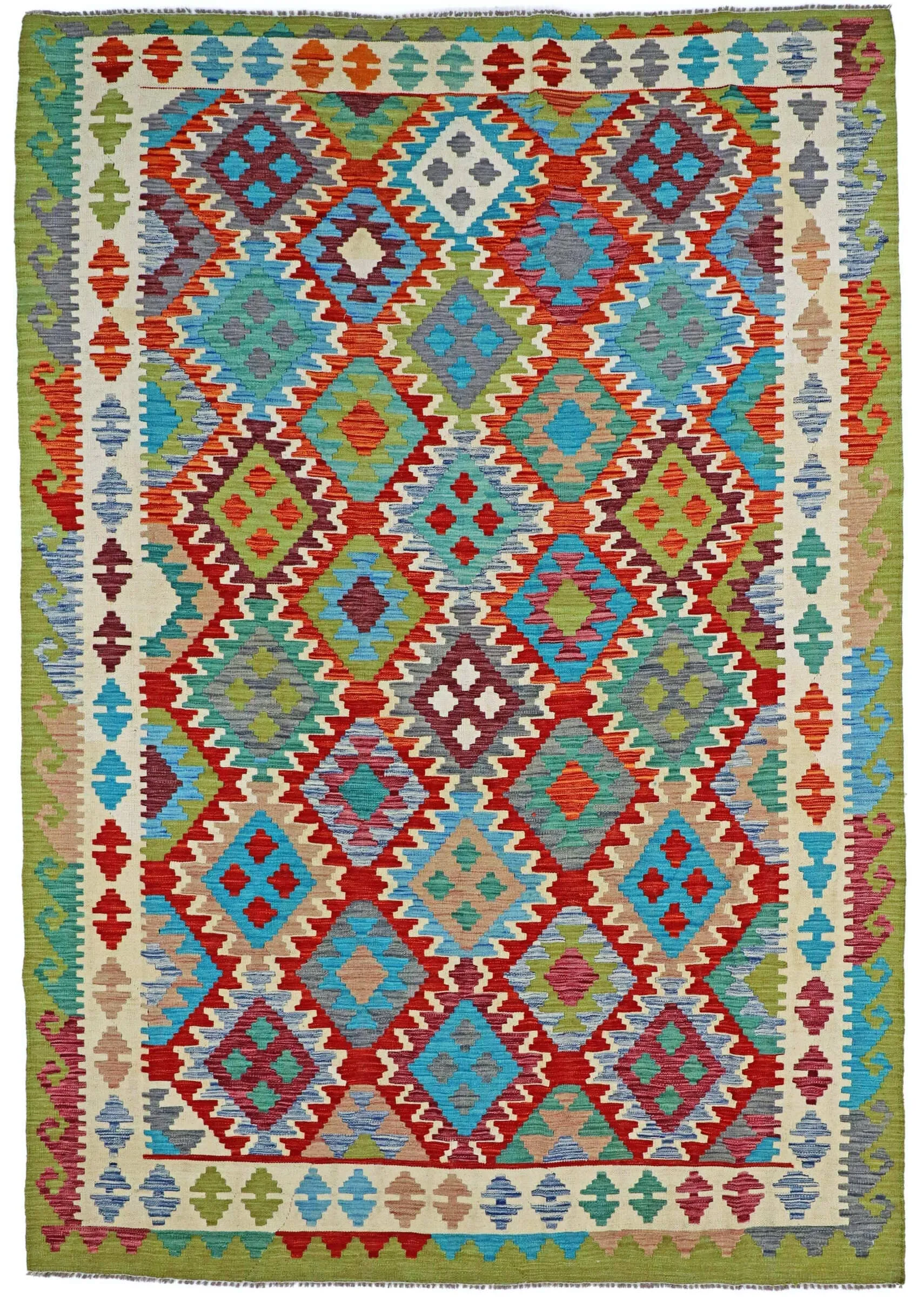
A hand-knotted Oriental rug can bring calm, warmth and a clear visual foundation to the bedroom – whether placed generously beneath the bed, used as a runner at the side or chosen as a distinctive accent at the foot. At Jakobson Carpets, you can buy selected one-of-a-kind rugs in harmonious colours, practical sizes and a range of styles. Bedroom rugs made from high-quality wool feel comfortable underfoot while adding texture and structure to the room. A classic Persian rug, a softly coloured Ziegler or a geometric Oriental rug can either blend quietly into the interior or create a more expressive focal point, depending on the design. Larger formats create a calm, cohesive area around the bed, while narrower rugs and runners at the bedside add targeted comfort and warmth. This makes it easier to choose a hand-knotted rug whose size, colour palette and pattern work naturally with both traditional and contemporary bedroom interiors.
In a bedroom, a rug can visually anchor the bed, create a warm and comfortable surface underfoot and make the room feel calmer overall. What matters most is how much rug remains visible beside and at the foot of the bed, and whether the rug brings the sleeping area together as one coherent zone.
This guide explains which rug sizes can work for single and double beds, how a large rug can be placed beneath the bed or runners positioned alongside it, and how material, pile, colour and pattern can be matched to a restful bedroom.
A bedroom rug feels especially balanced when it creates a visible frame around the bed or adds comfort exactly where you step down in the morning. Rugs that are too small can quickly look lost between the bed and surrounding furniture.
For many double beds, around 200 × 300 cm or 250 × 350 cm can be useful starting points. The right choice depends on the bed width, its position in the room and how much rug you want to remain visible at the sides and foot of the bed.
There are several good ways to position a rug in a bedroom. A large rug can frame the bed generously, while runners or smaller rugs can be placed exactly where a warm surface underfoot is most useful in the morning and evening.
A large rug can extend well beneath the bed while remaining visible at both sides and the foot. This creates a calm, continuous surface and visually anchors the bed within the room.
A flexible option is to place the rug crosswise beneath the lower two-thirds of the bed. This keeps a generous amount of rug visible without hiding most of it beneath the headboard and bedside tables.
Two narrow runners work especially well when there is not enough space for one large rug. They create a soft surface on both sides of the bed and can be planned independently of the bed size.
A single rug at the foot of the bed can create a deliberate accent. Wardrobe doors, bedroom doors and frequently used walkways should still remain comfortably clear.
The right size depends mainly on the bed width, room proportions and the preferred placement. The following examples show typical solutions for compact bedrooms, double beds and more generous spaces.
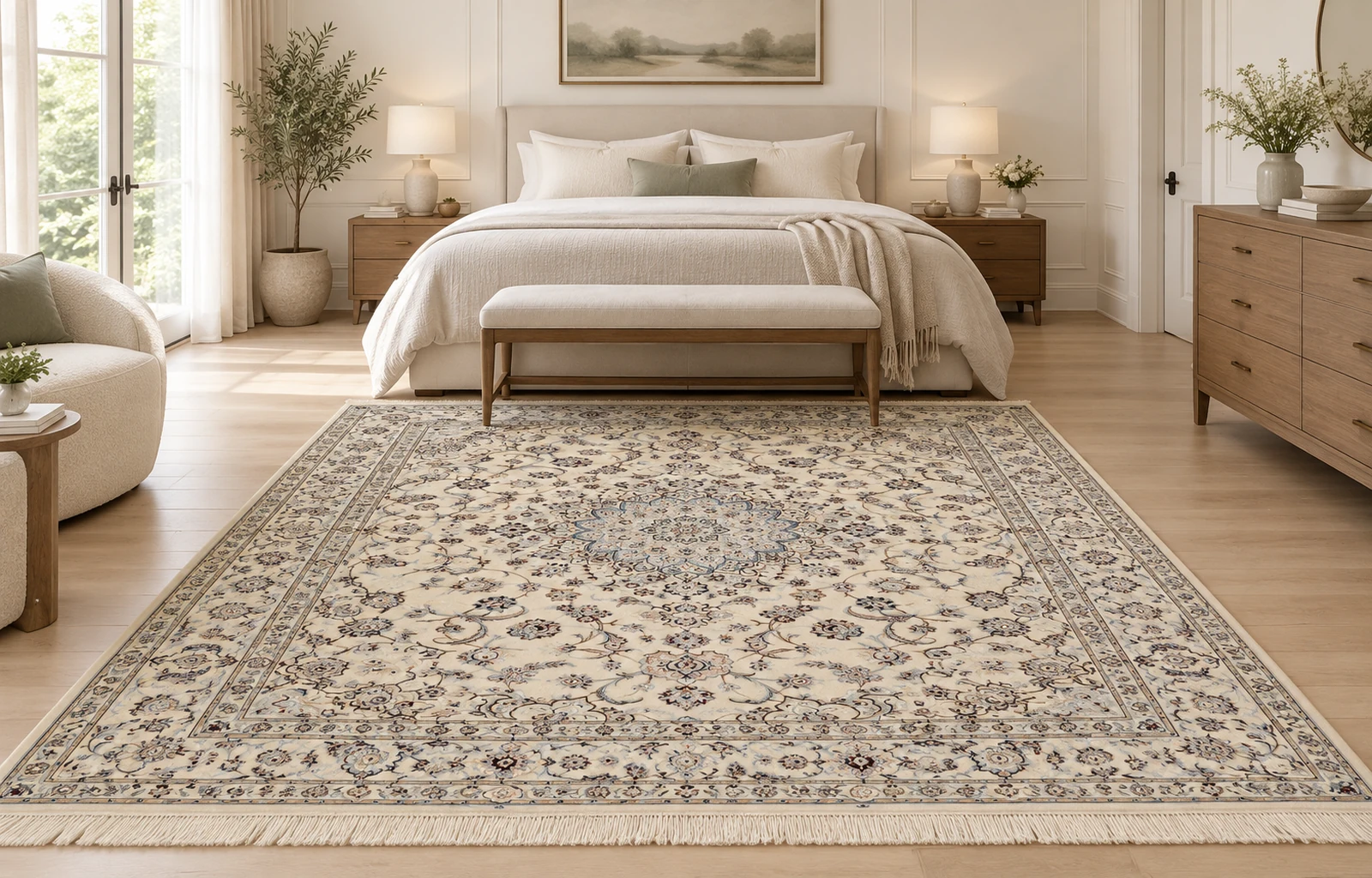
In a smaller bedroom, the rug does not need to sit fully beneath the bed. A bedside runner or a compact rug at the foot of the bed can add warmth and structure without visually overloading the room.
Light base colours and finer patterns often create a particularly calm effect. Enough contrast with the floor, bed and bedding helps the rug remain visible even within a restrained colour palette.
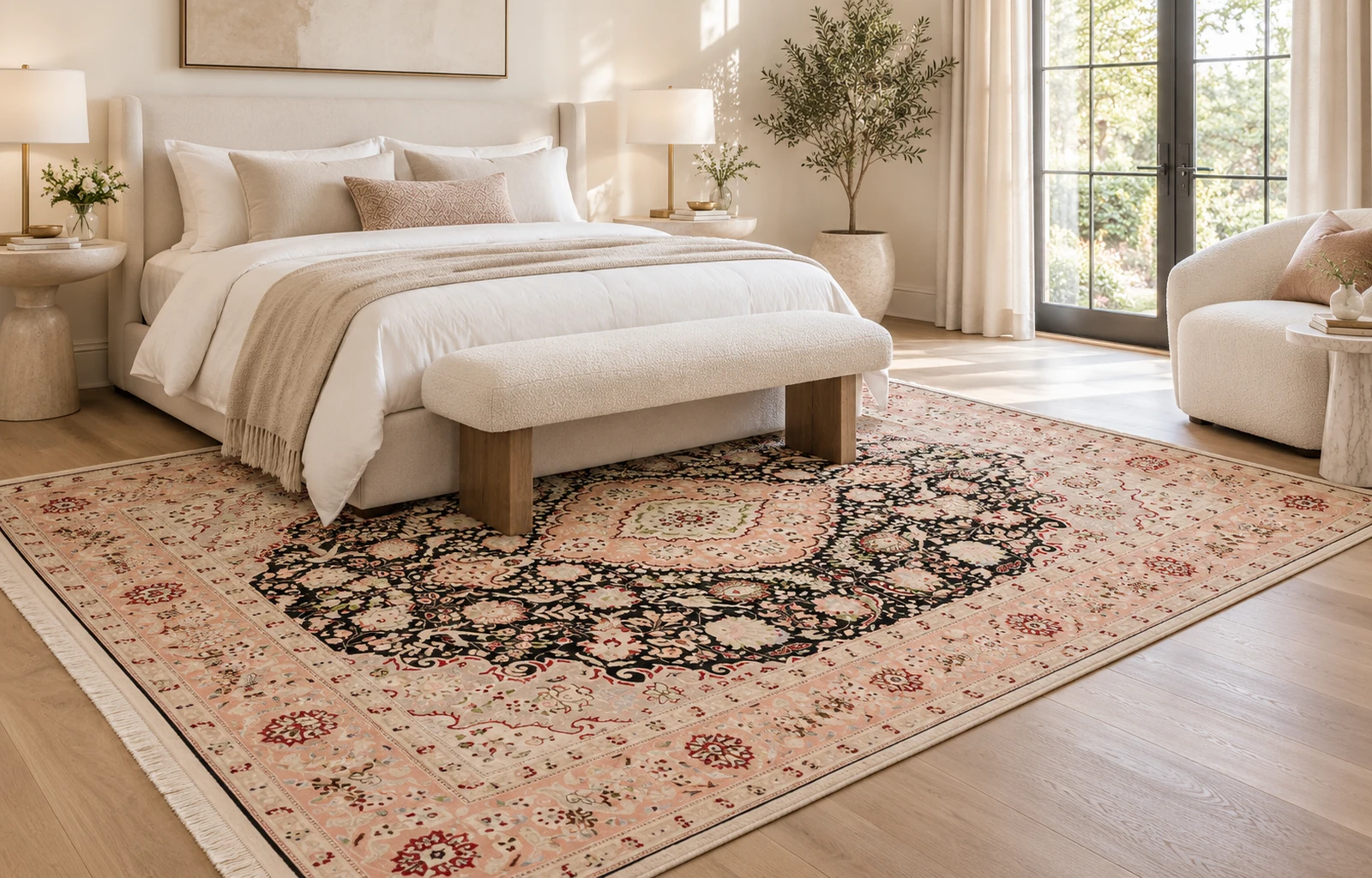
For many double beds, around 200 × 300 cm can be a useful starting point when the rug lies crosswise beneath a larger part of the bed. With wider beds or when more rug should remain visible, 250 × 350 cm can feel more balanced.
Floral and all-over patterns remain flexible when part of the rug disappears beneath the bed. With medallion designs, it is worth considering which part of the central motif will remain visible.
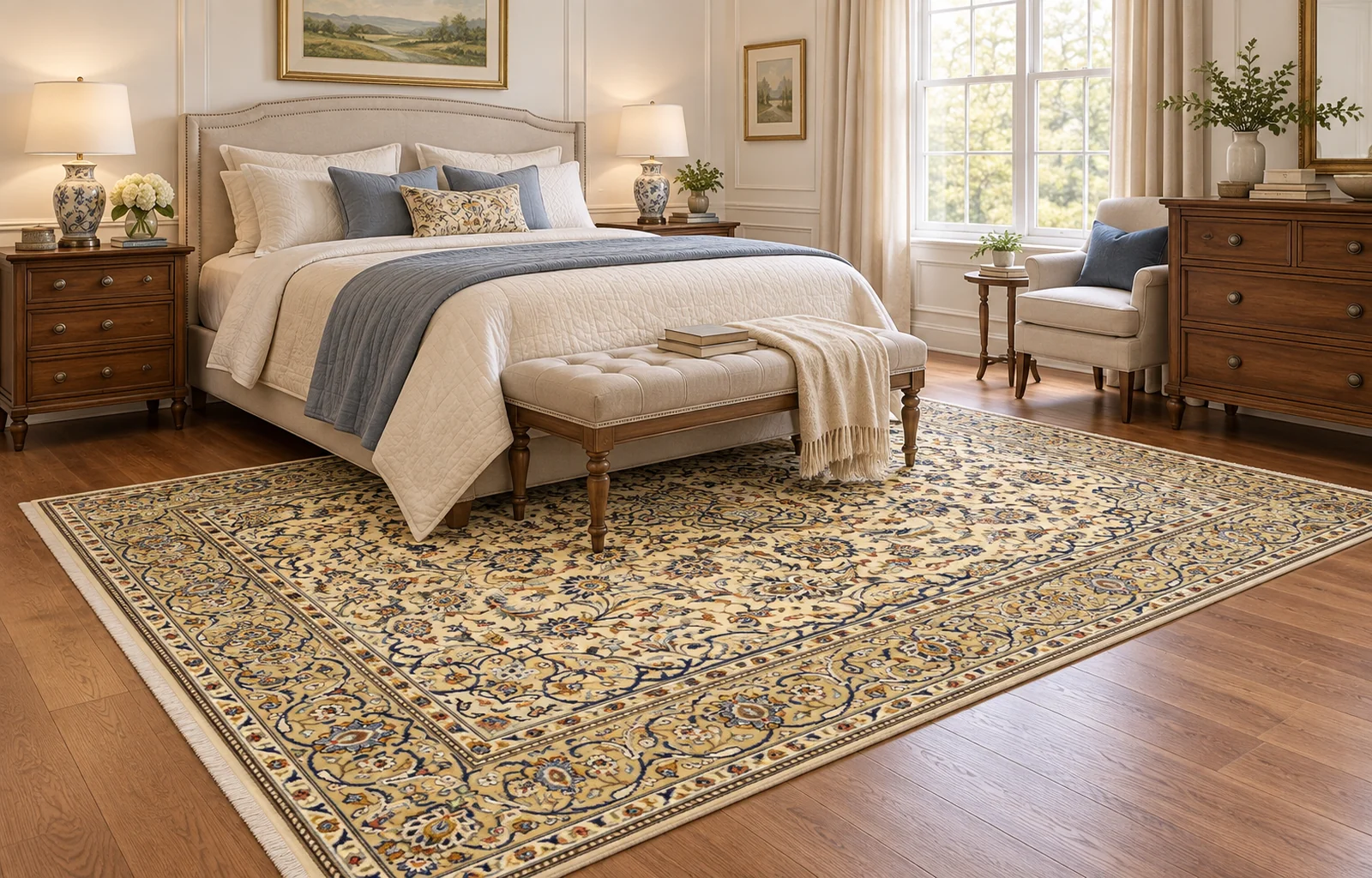
In large bedrooms, 250 × 350 cm, 300 × 400 cm or similarly generous sizes can frame the bed much more fully. This creates a soft textile surface that visually holds the sleeping area together.
A larger rug can also connect the bed, bedside tables and surrounding floor more strongly. In spacious rooms, this often feels calmer than several small separate rugs.
In a bedroom, comfort, a pleasant surface underfoot and a calm atmosphere usually matter more than very high durability. Material, pile height, care requirements and the existing furniture should still work together.
Wool is warm, comfortable and very well suited to many bedrooms. Fine silk highlights can add lustre and detail, while cotton is often used as a stable foundation.
A dense, pleasantly soft pile can feel especially comfortable in the morning and evening. Very high or delicate surfaces should be positioned so that doors and furniture can still move freely.
Beige, cream, blue and muted natural tones can support a restful atmosphere. Floral, all-over or finely geometric patterns add structure without necessarily making the bedroom feel busy.

For generations, hand-knotted Oriental rugs have combined practical function with decorative design. Wool creates a warm textile surface, while regional patterns, colours and knotting traditions give each one-of-a-kind piece its own character.
In today’s bedroom, the rug also performs a clear spatial role: it anchors the bed, creates a pleasantly soft surface underfoot and can make the room feel acoustically calmer. This combination of traditional craftsmanship and modern space planning makes high-quality one-of-a-kind rugs especially versatile. For more historical background, see our history of Oriental rugs.
Since 1995, Jakobson Carpets has stood for hand-knotted rugs, careful selection and personal advice. In a bedroom especially, the effect of a rug is best judged where the bed, flooring, light, bedding and existing colours actually come together.
View the rug comfortably at home and see how it works in the room for which it is intended.
You have ample time to compare size, colour and pattern without unnecessary pressure.
The three-year warranty applies exclusively to hand-knotted rugs in accordance with the stated warranty terms.
For appropriately marked hand-knotted rugs with a purchase value of €300 or more, you receive a Certificate of Authenticity. It records key details about the individual rug, including origin, materials, knotting technique, dimensions and other essential characteristics.
Key answers about rug size, bed placement, bedside runners, materials, colours, patterns and care.
That depends on the bed width, room size and placement. For many double beds, around 200 × 300 cm can be a useful starting point. For wider beds or a more generous visible rug area, 250 × 350 cm or larger sizes may work better.
The rug does not need to sit completely beneath the bed. A balanced solution is often to place it crosswise beneath a larger part of the bed while leaving it visible at both sides and the foot.
Yes. Two runners beside the bed are particularly useful in smaller rooms or when one large rug beneath the bed is not desired. They provide a warm surface exactly where it is needed in the morning and evening.
Wool rugs are a strong choice for many bedrooms because wool is warm, comfortable and comparatively easy to care for. Fine rugs with silk highlights can also work well when the room is used more gently.
Beige, cream, blue and other muted tones can support a restful atmosphere. Floral, all-over and finely geometric patterns also work well when the colour palette and furnishings remain balanced.
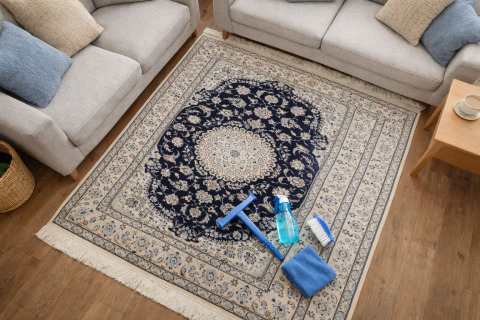
Regular gentle vacuuming without aggressive rotating brushes helps protect the pile and structure. Spills should be blotted as quickly as possible rather than rubbed in. For delicate materials or heavier soiling, professional rug cleaning is the safer option.