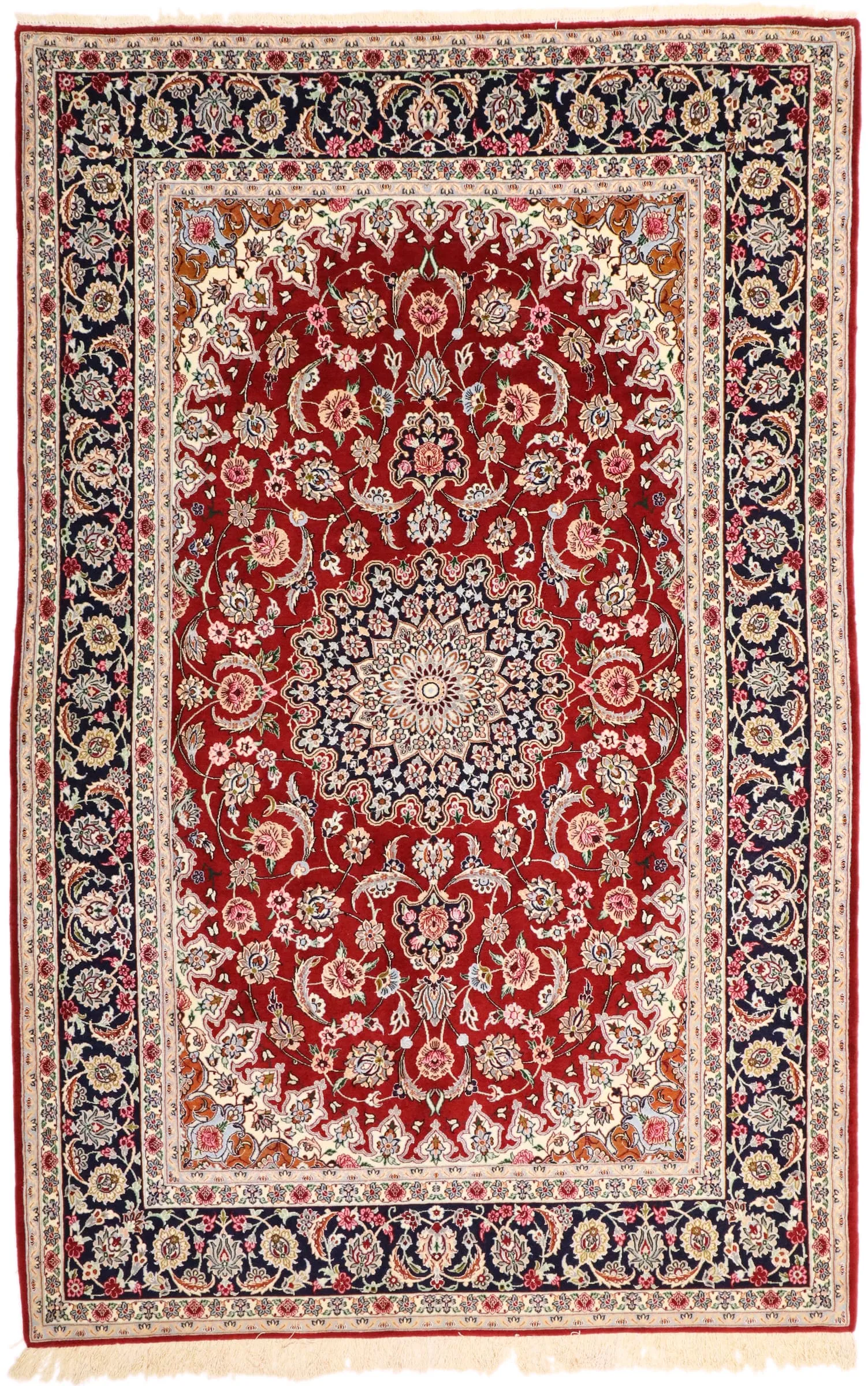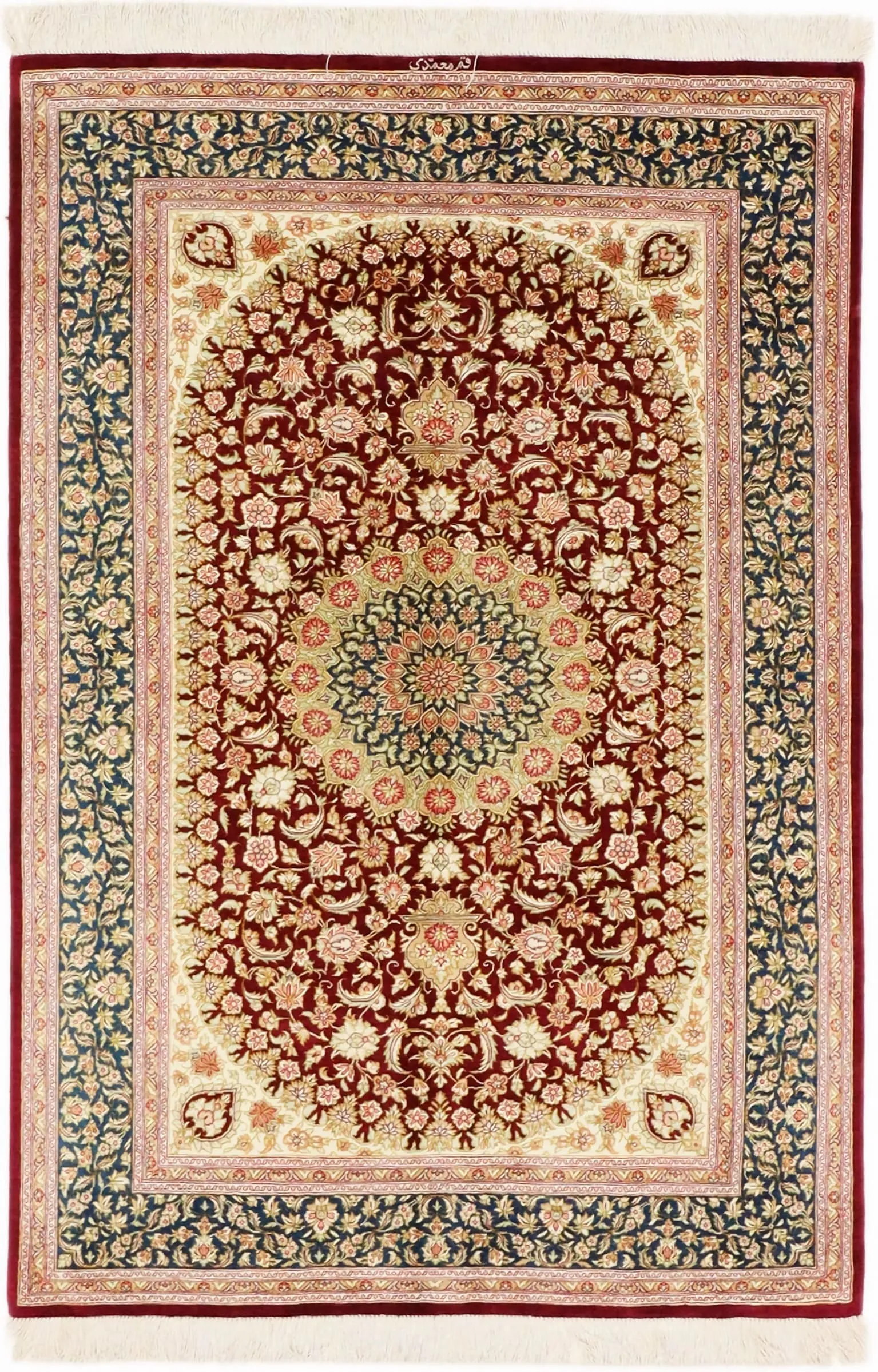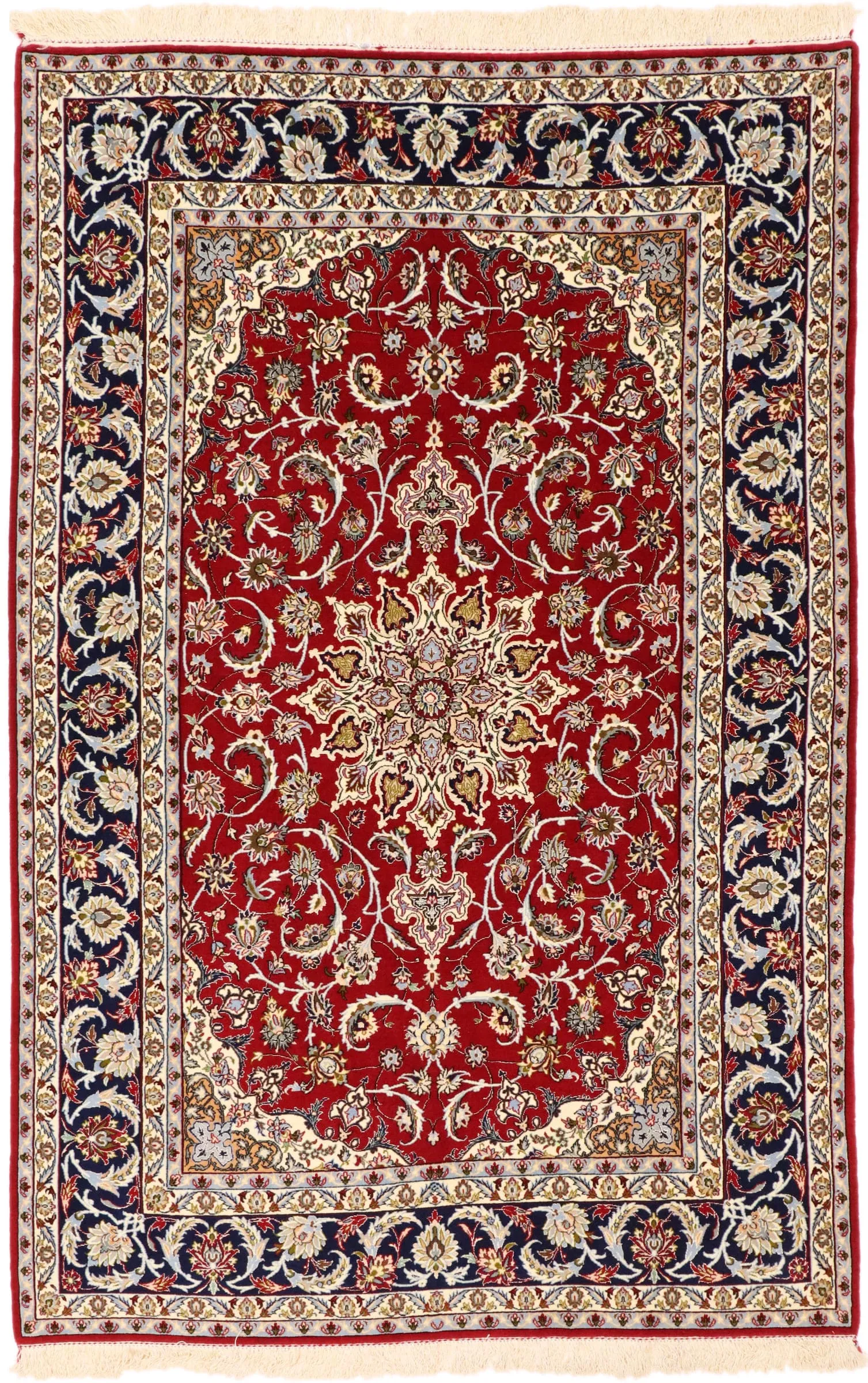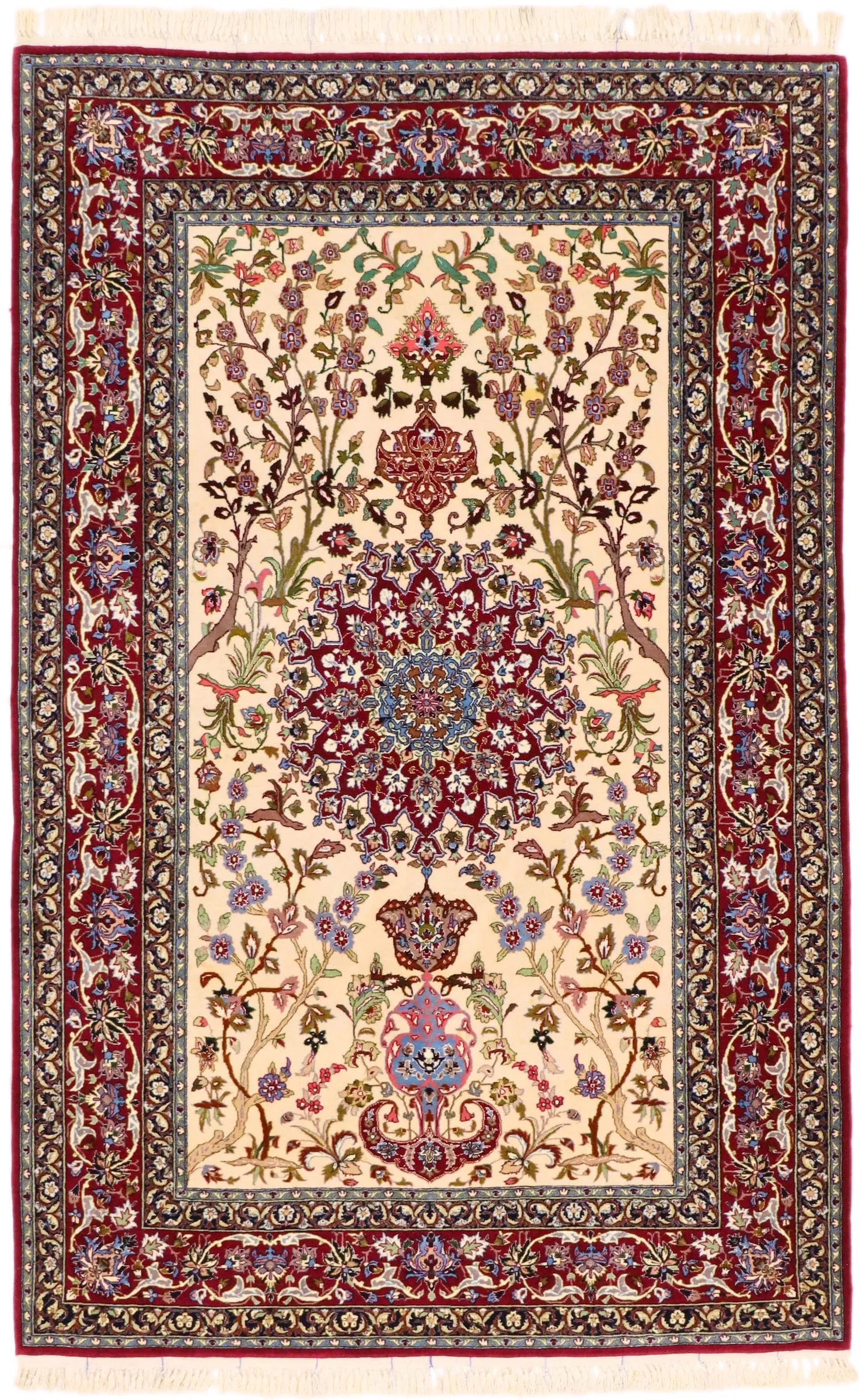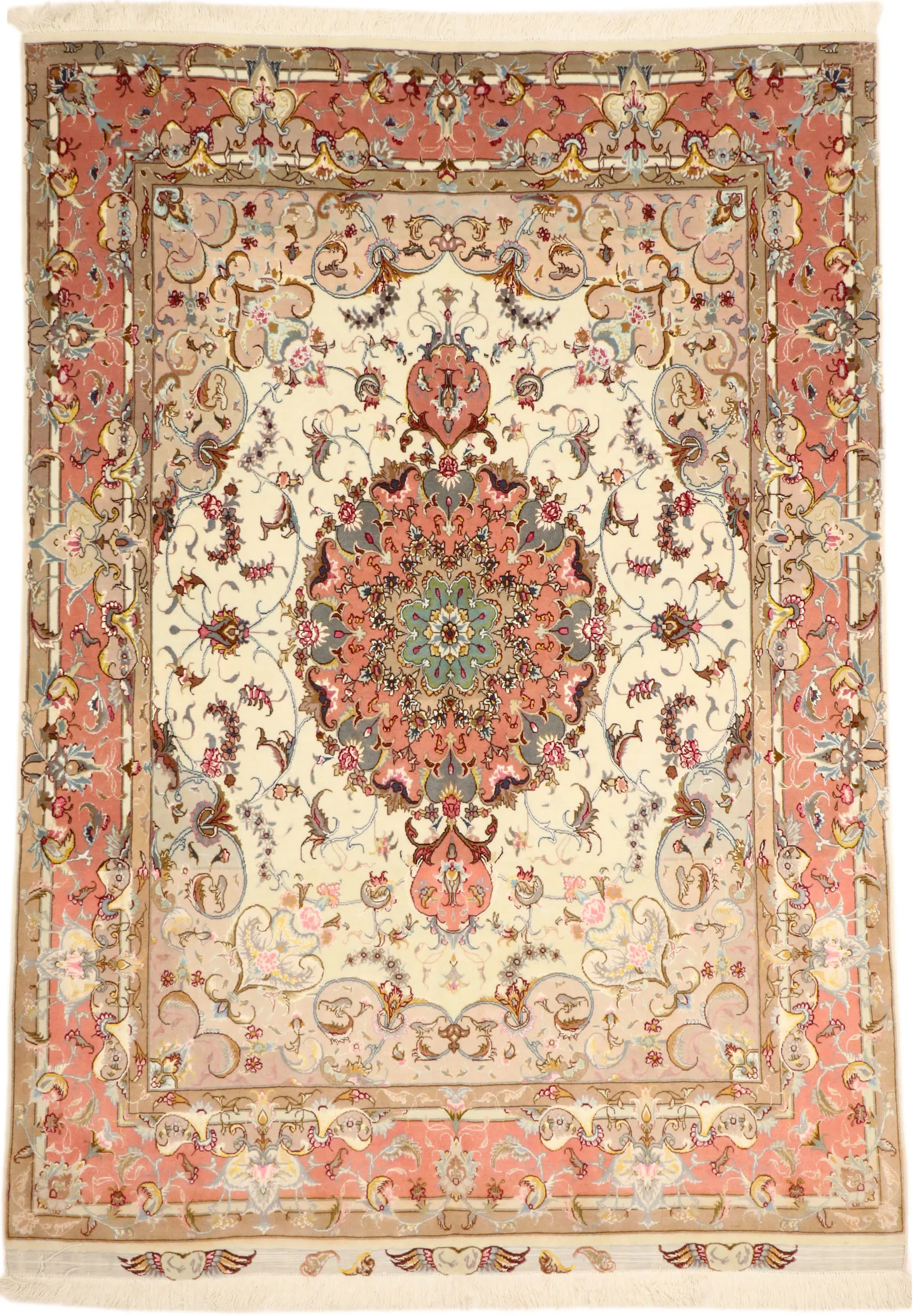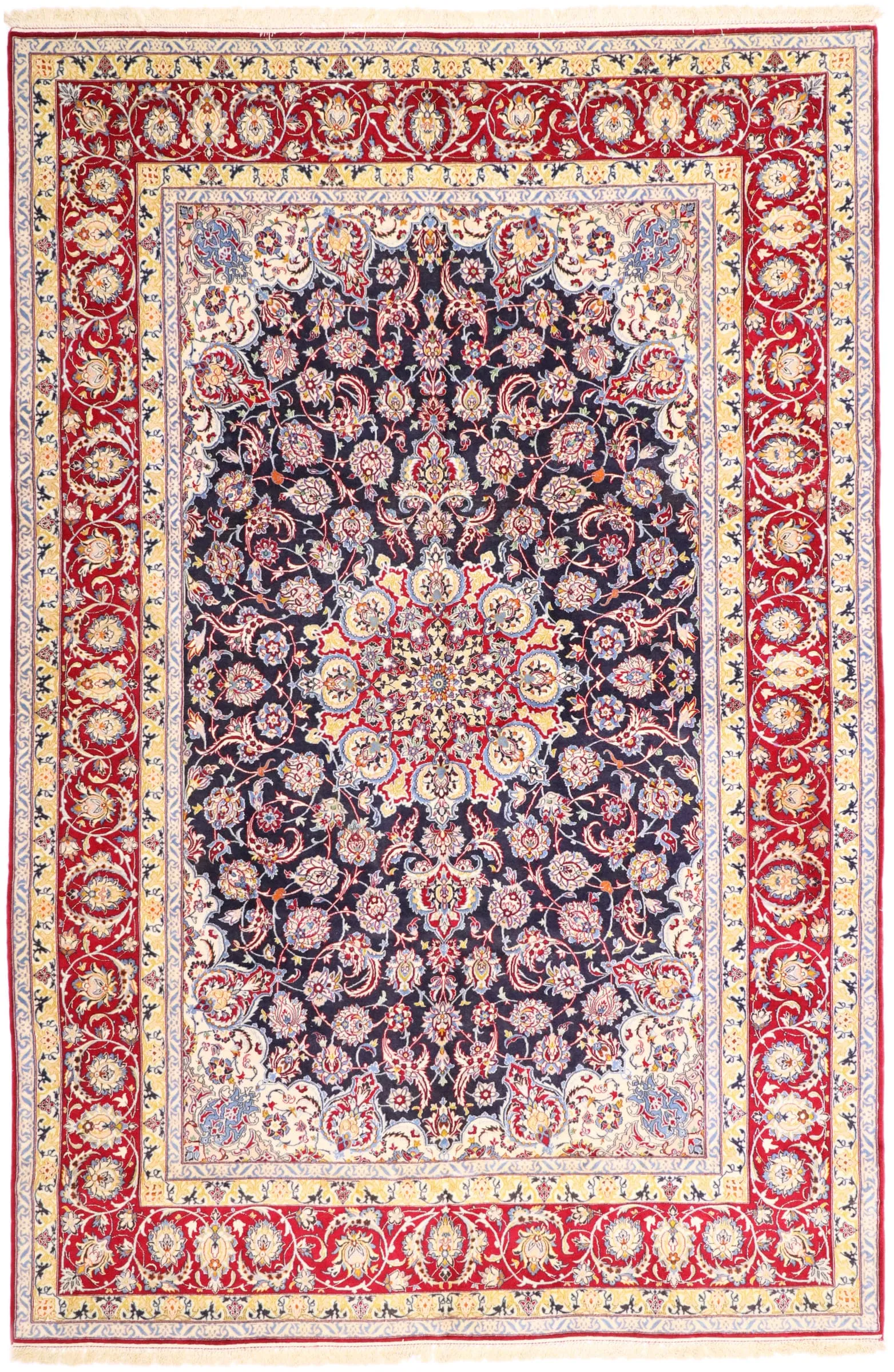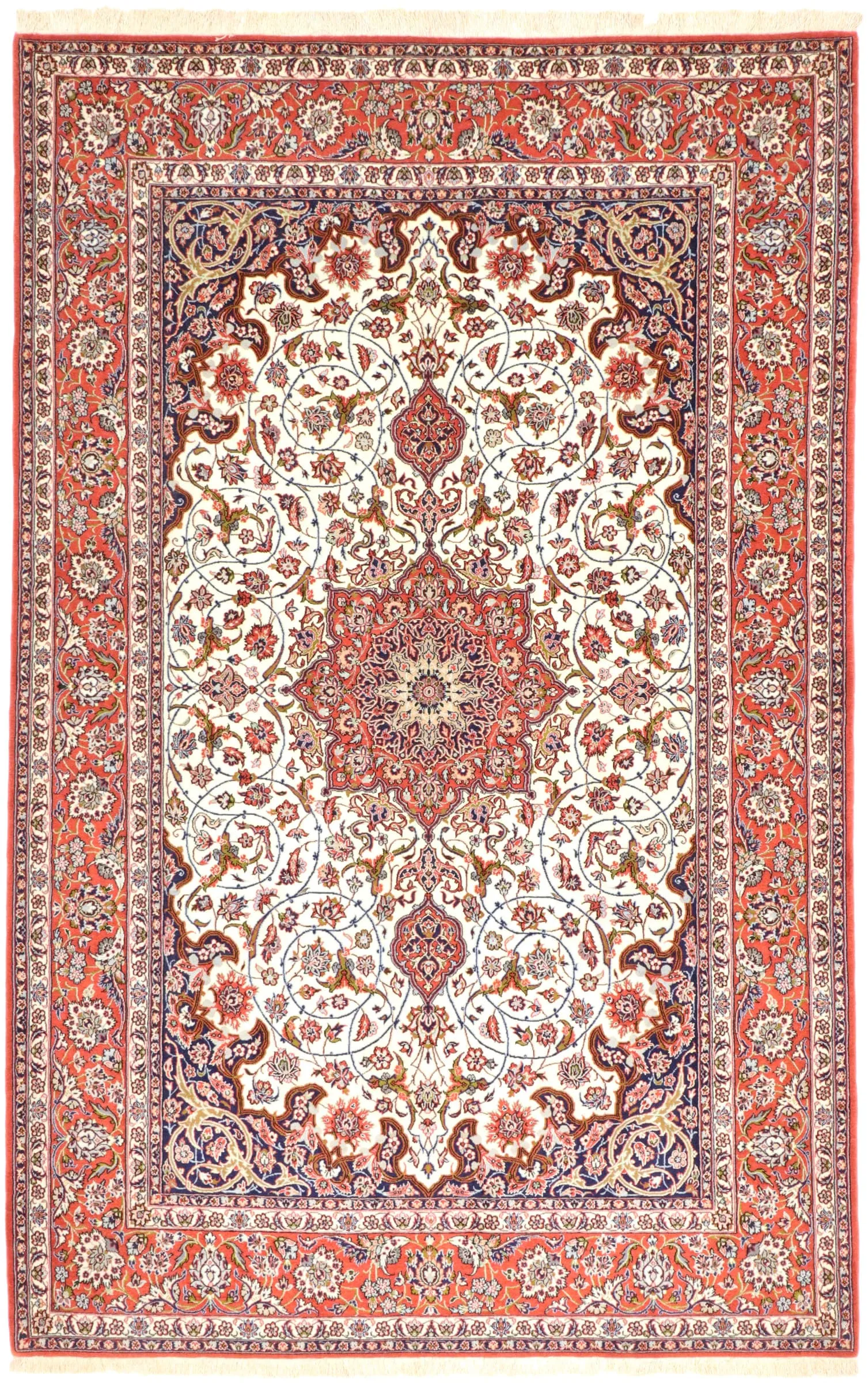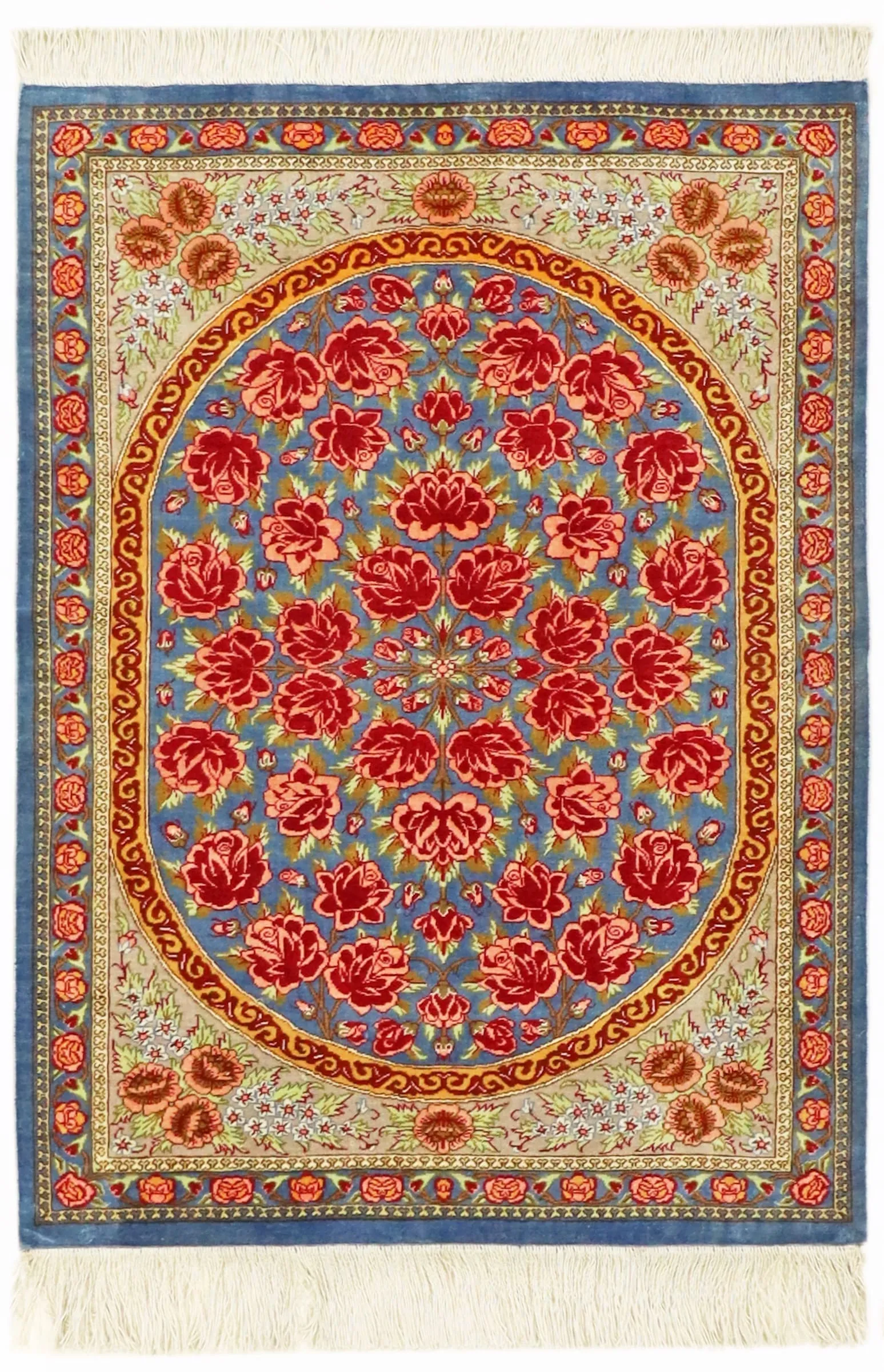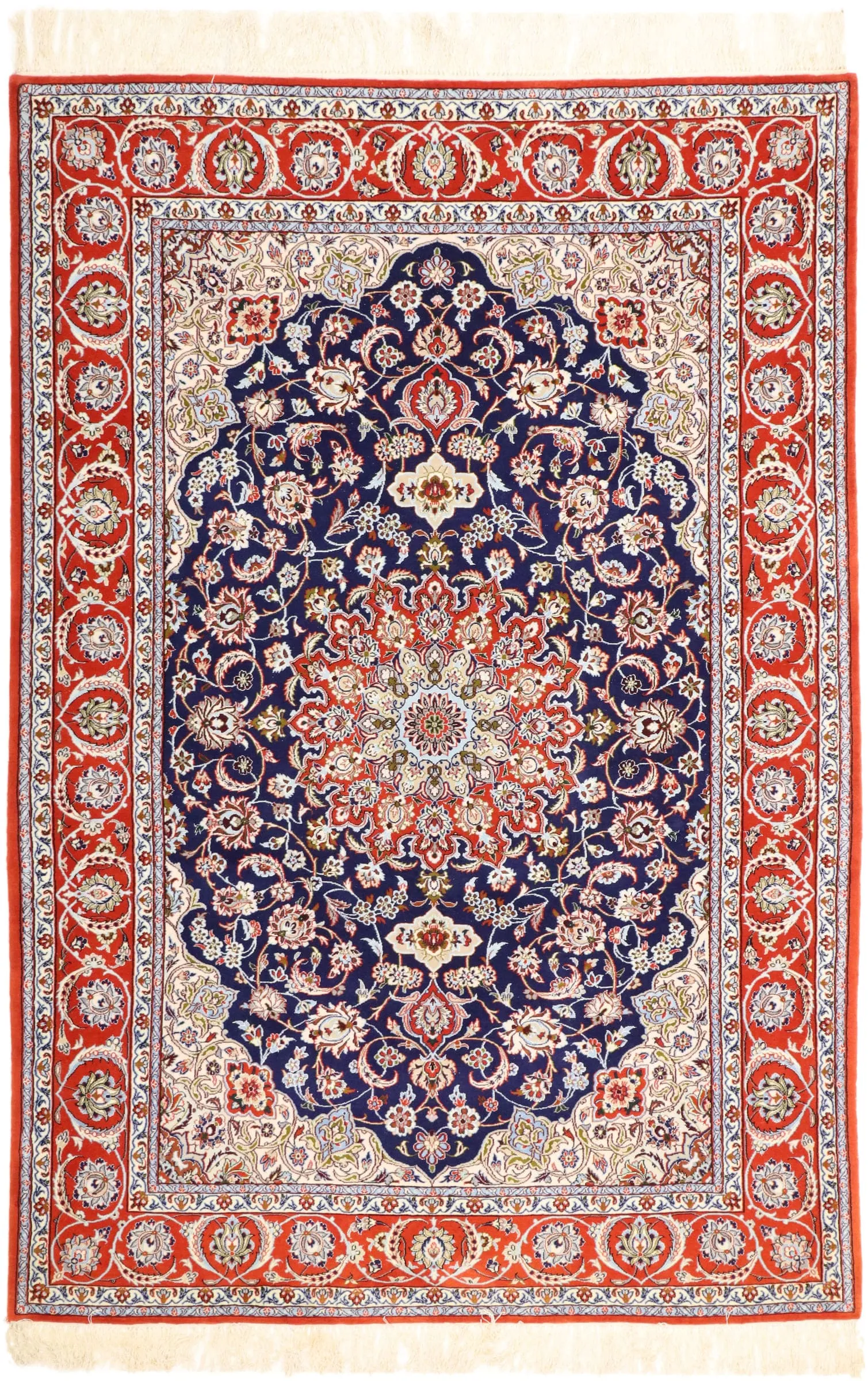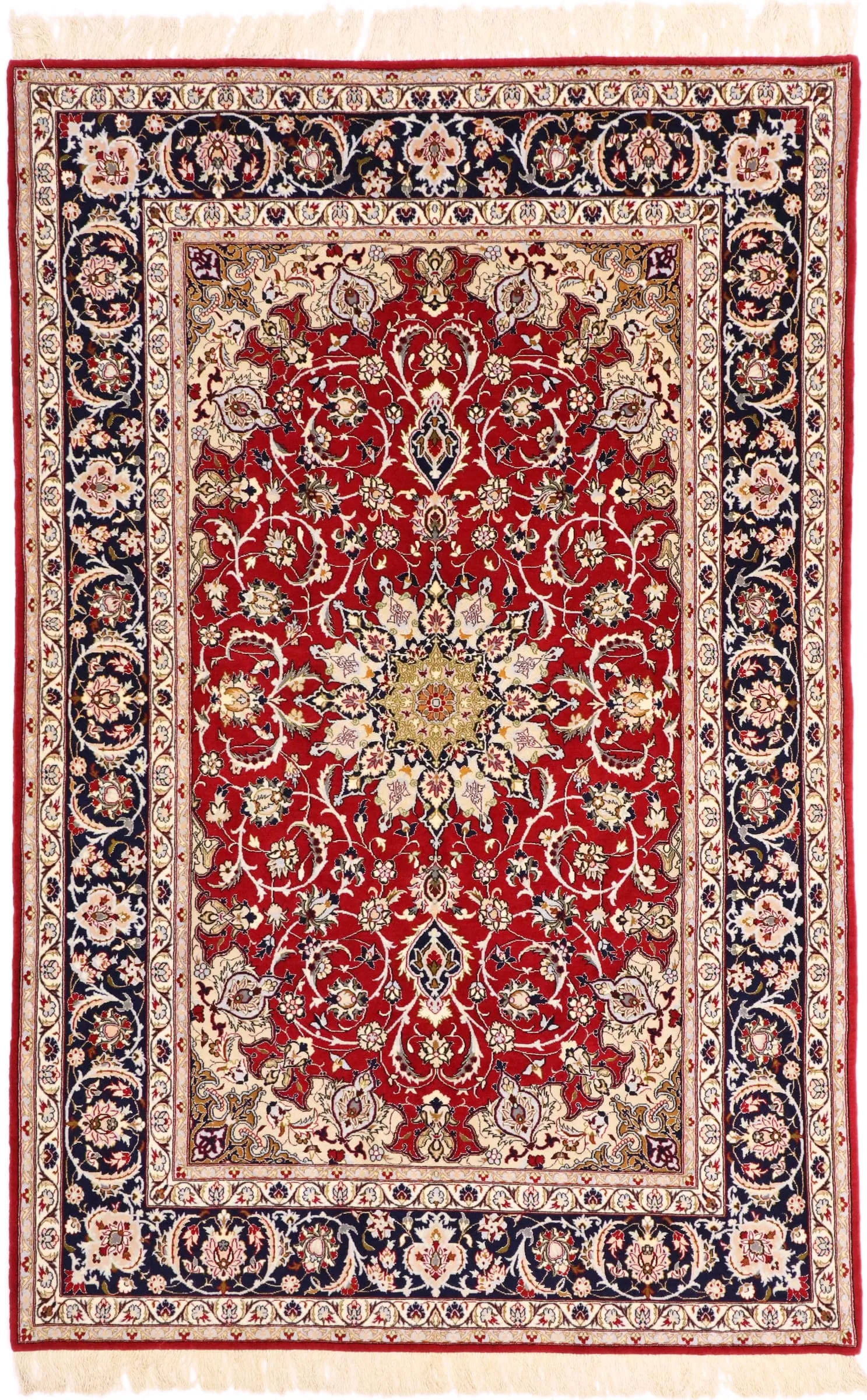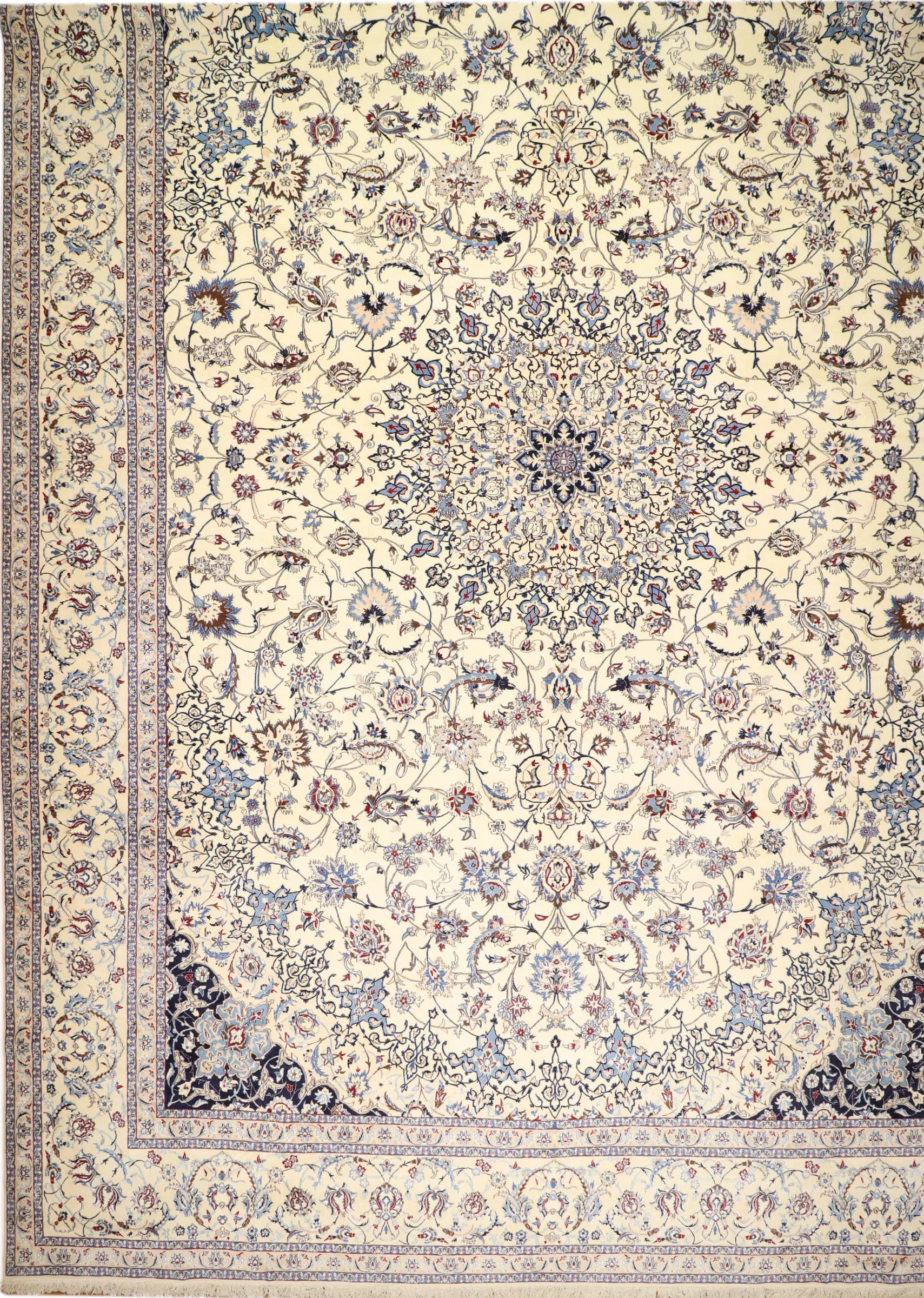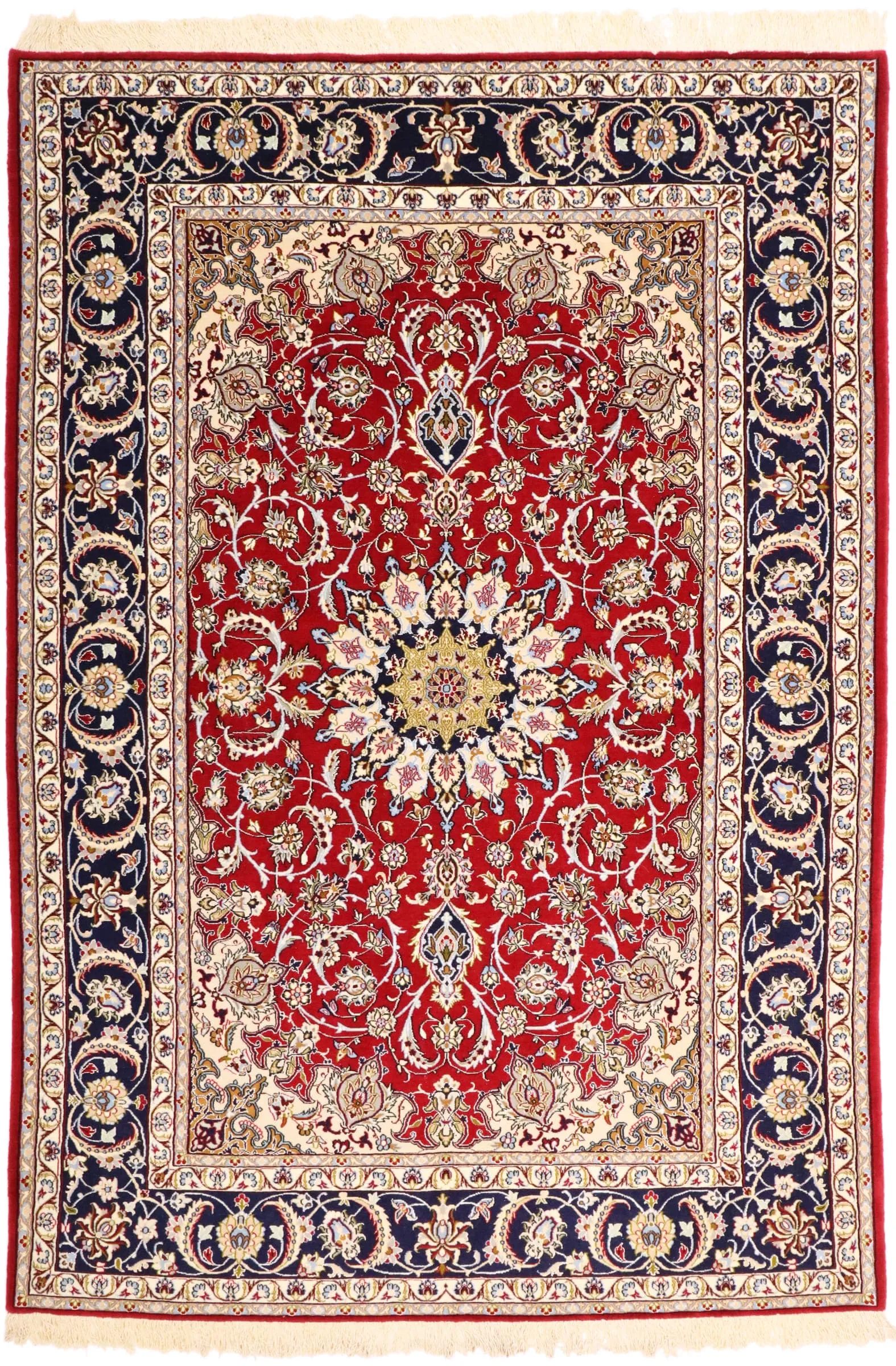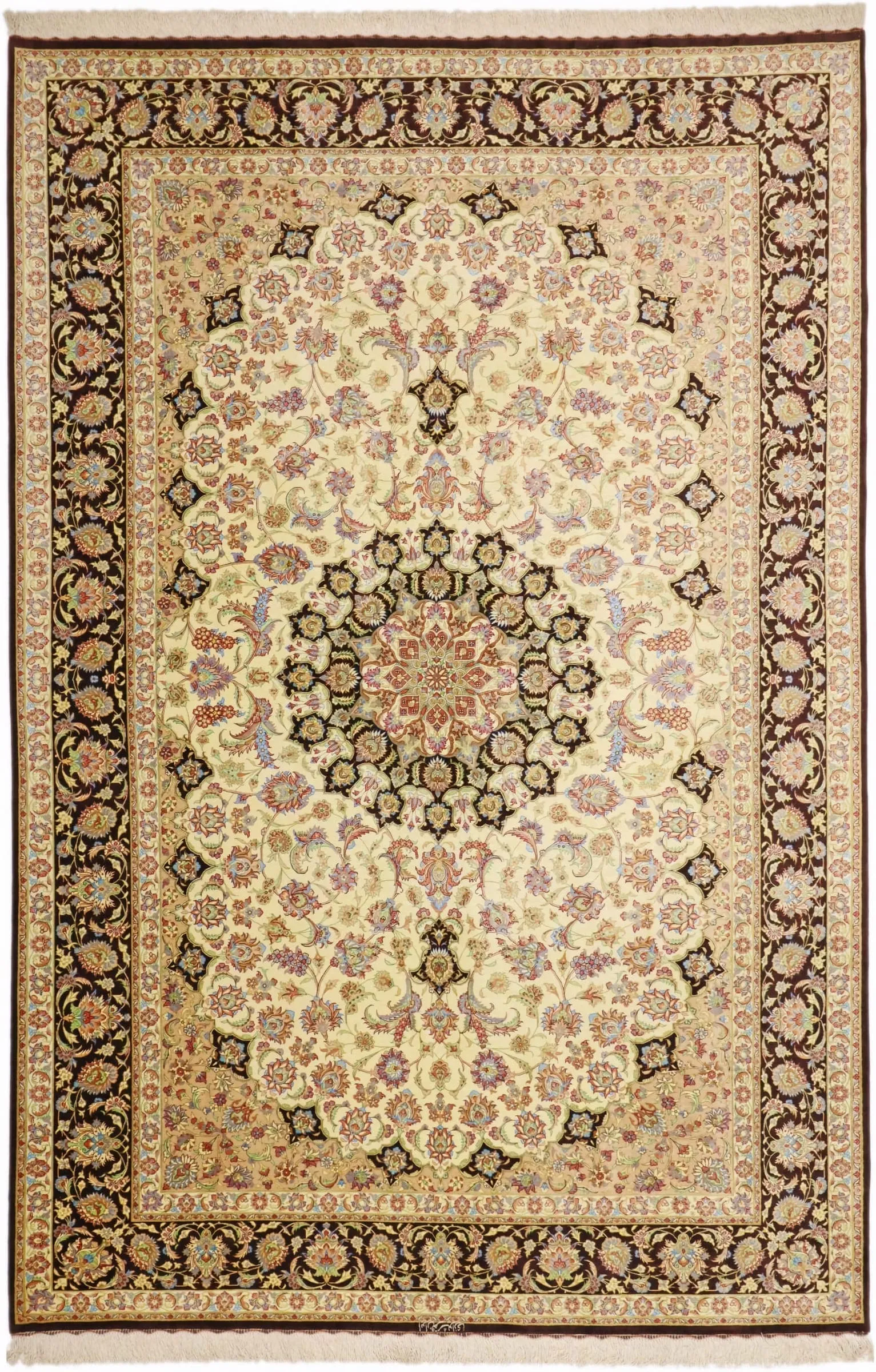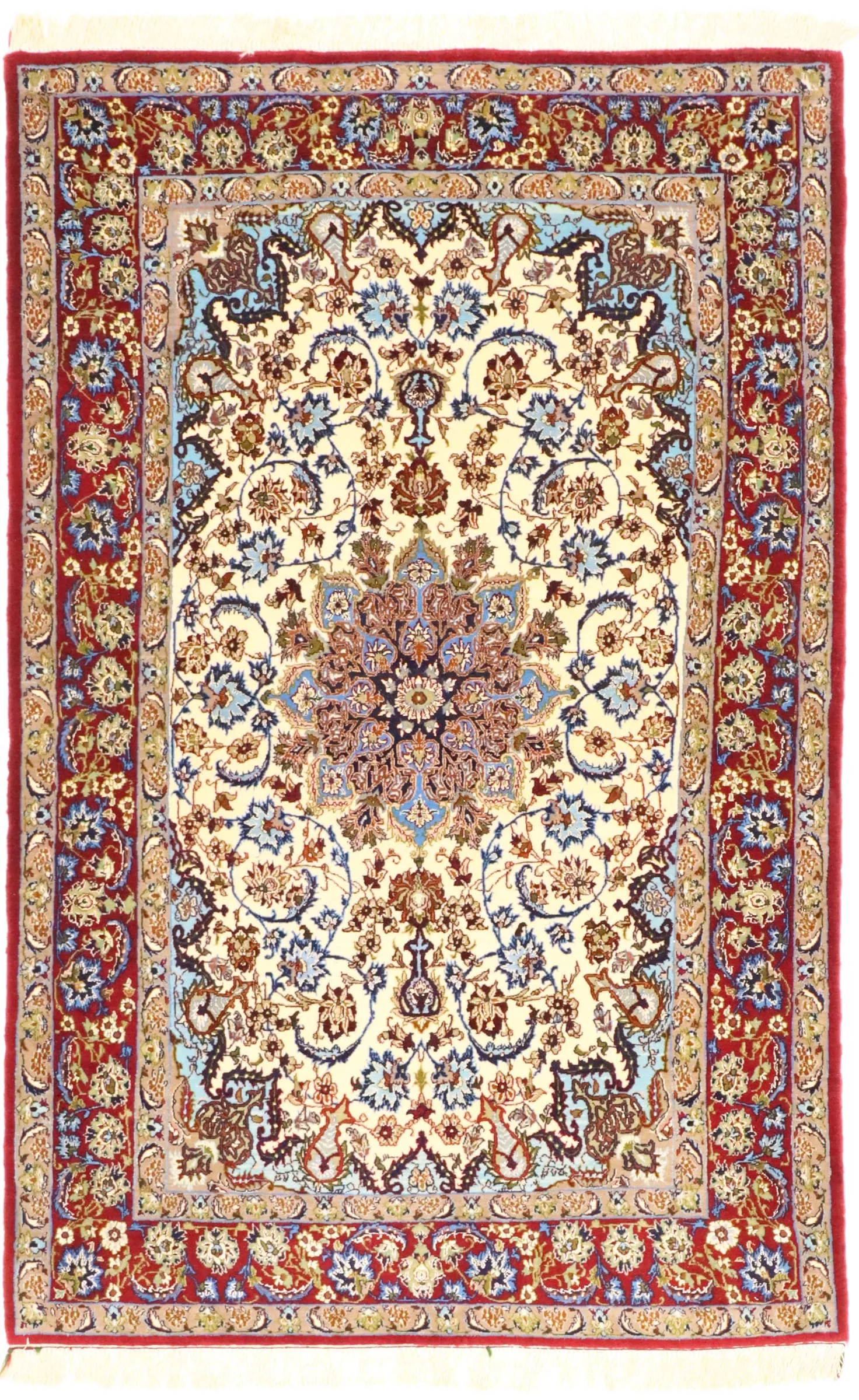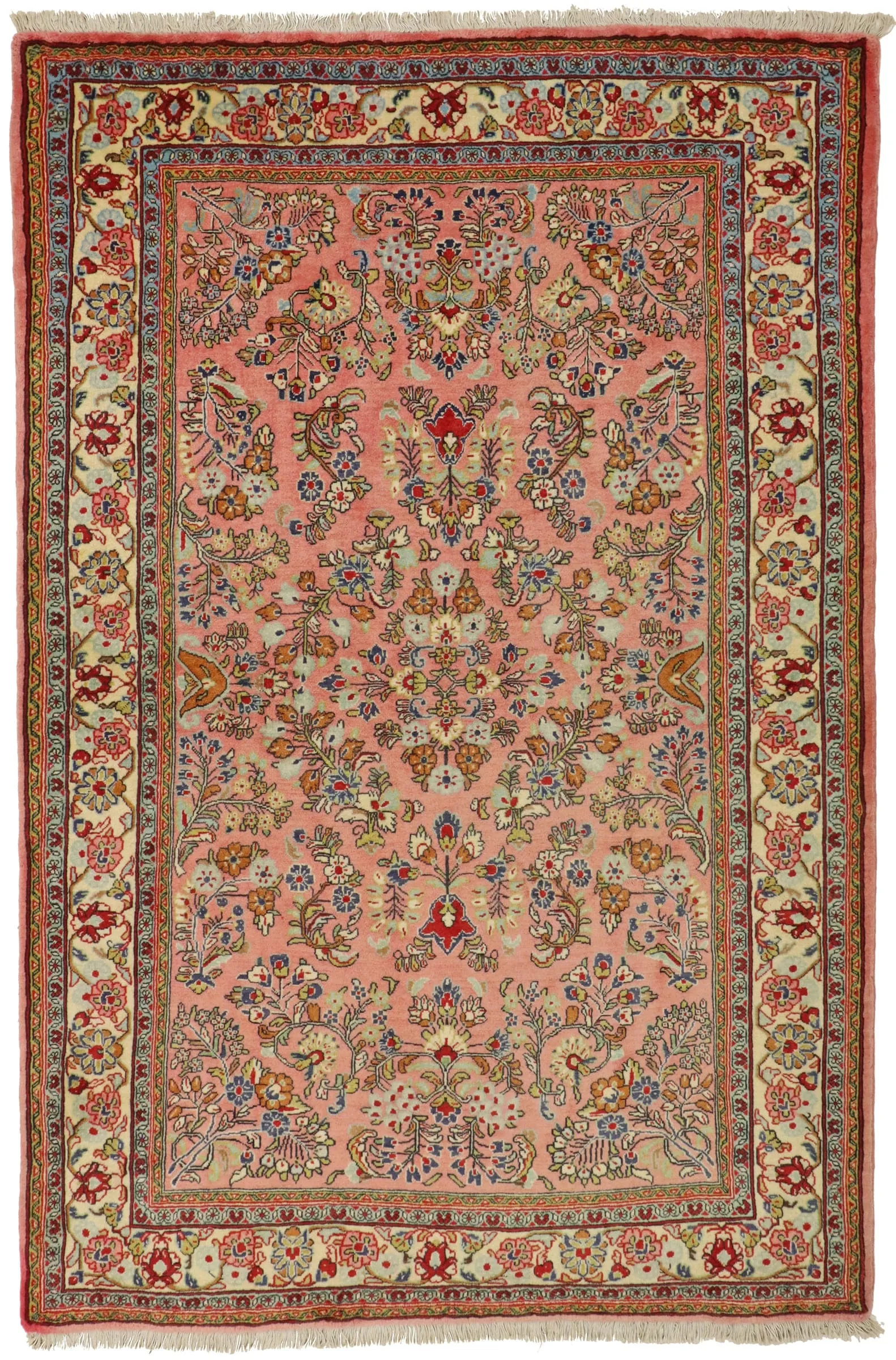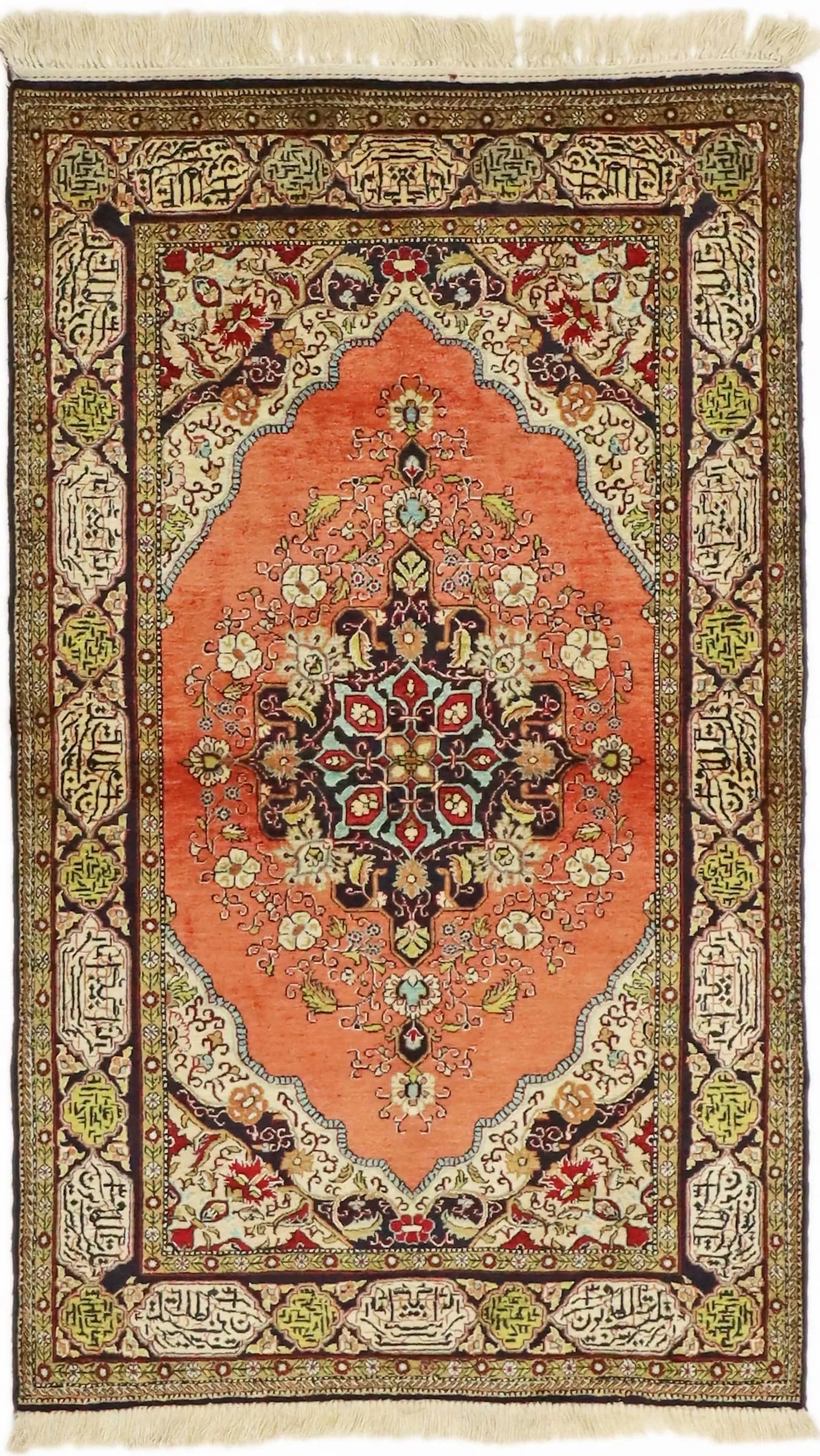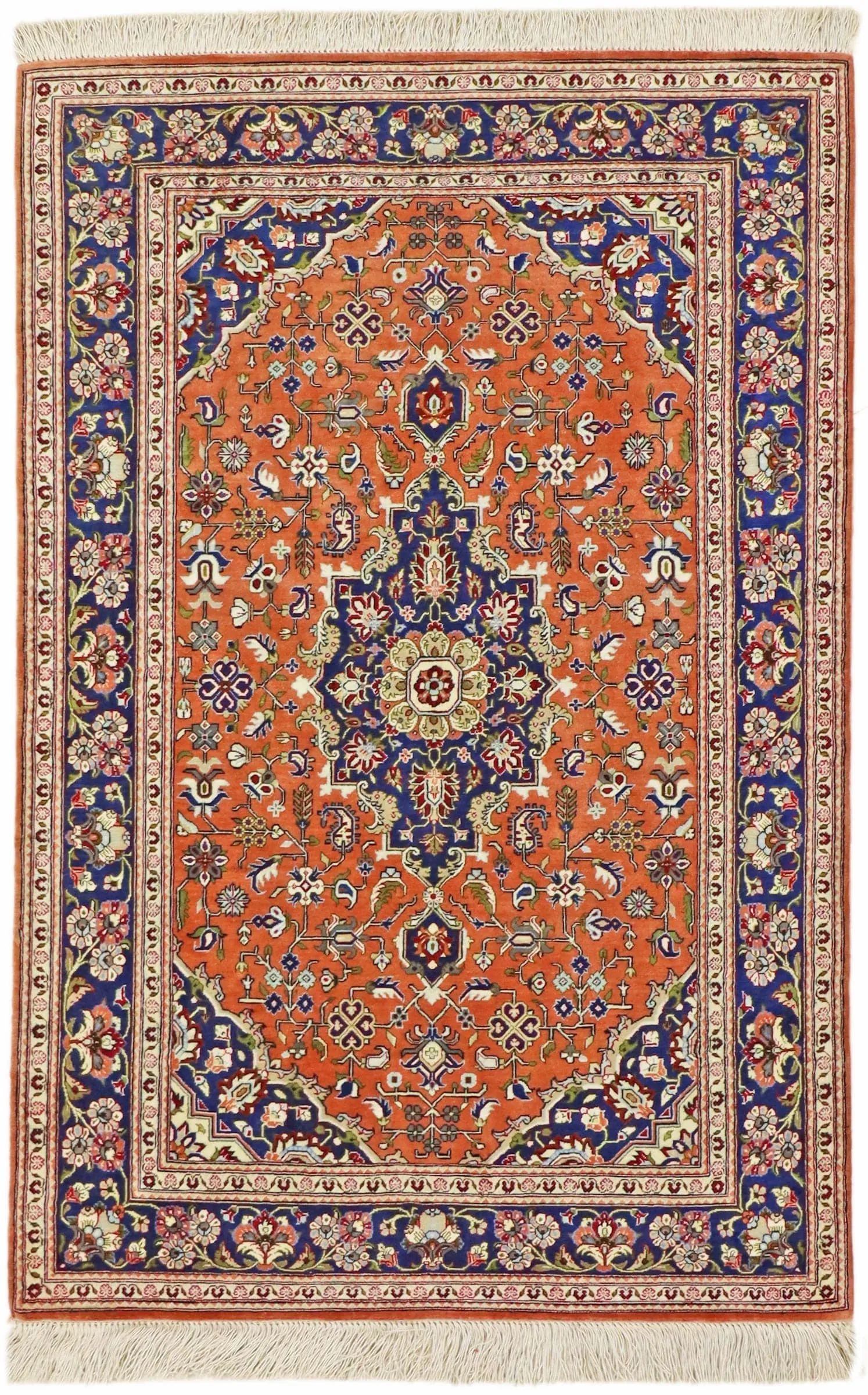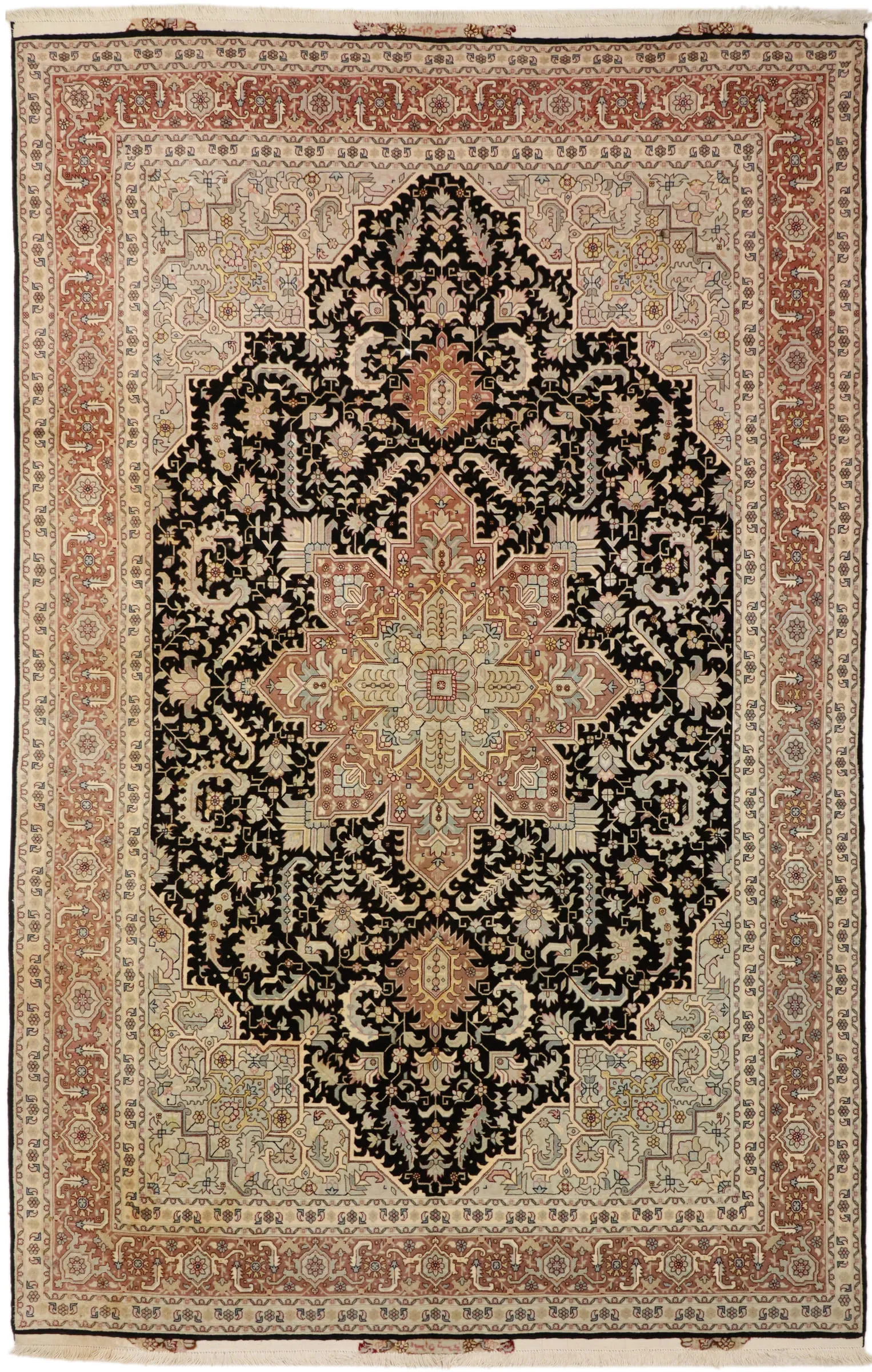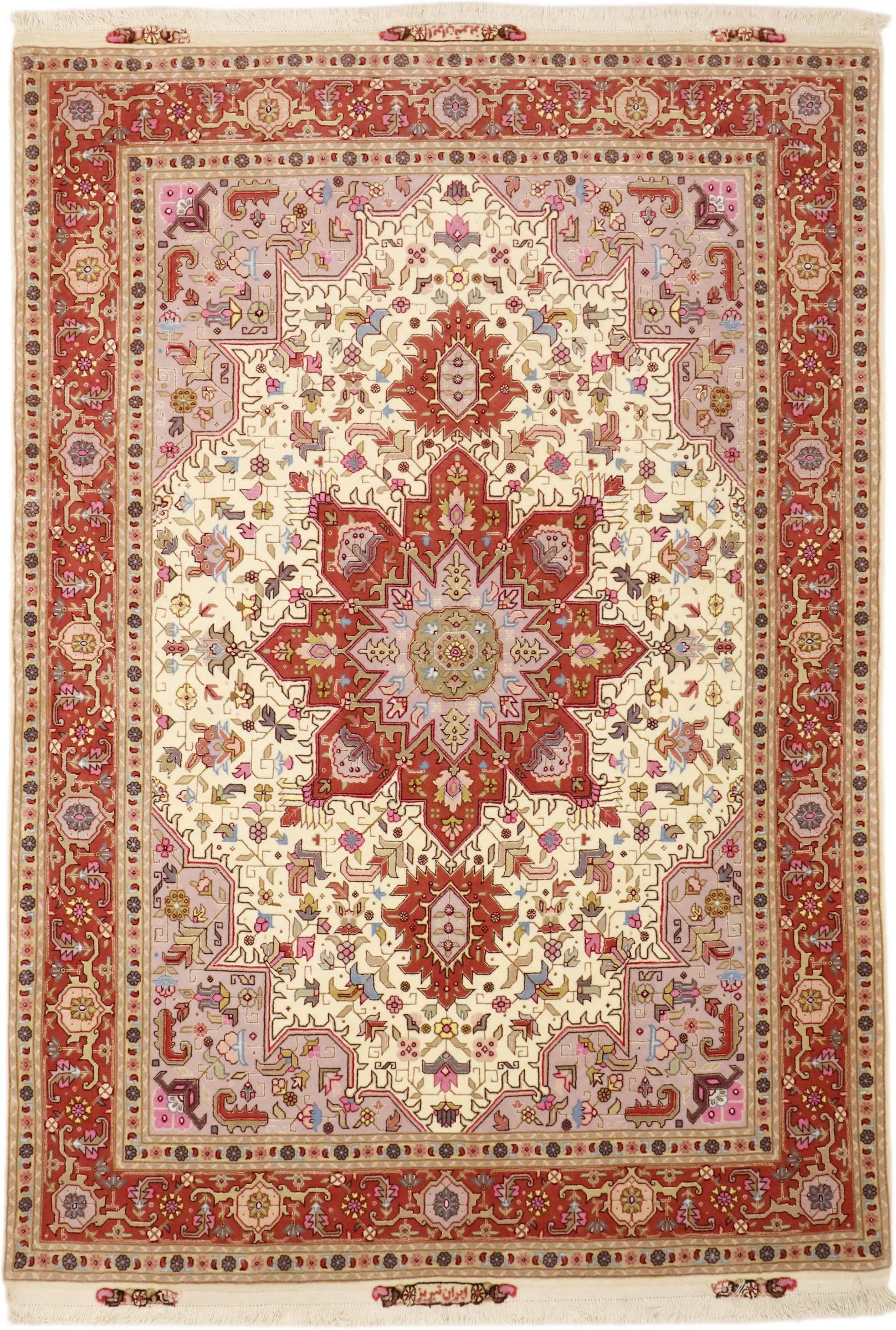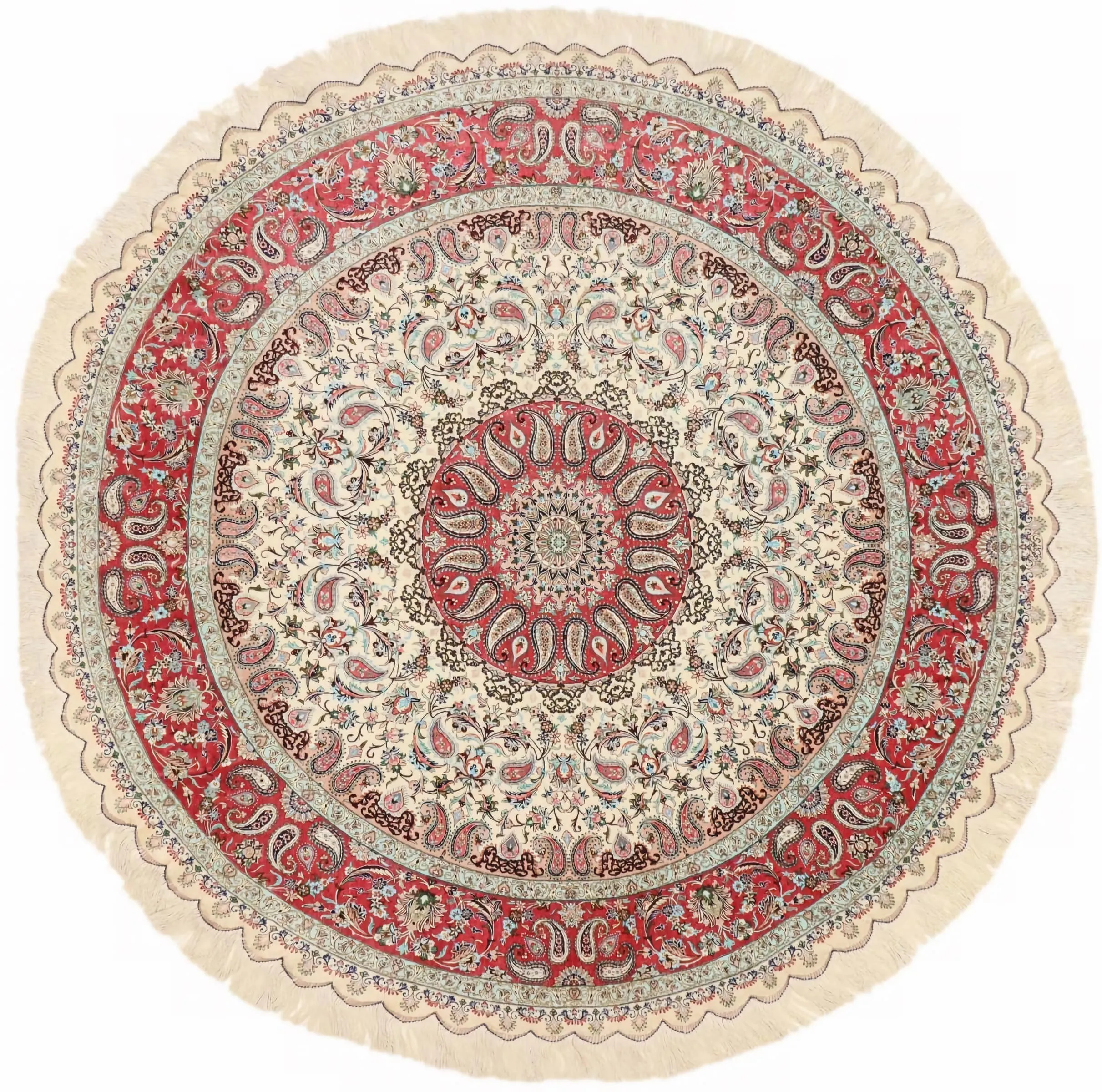
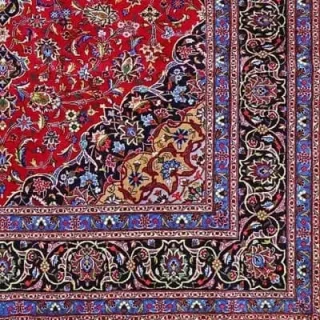
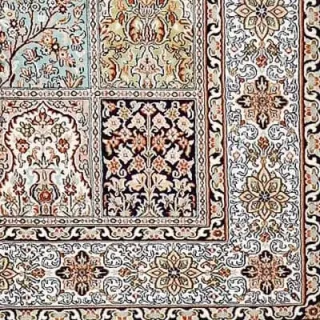
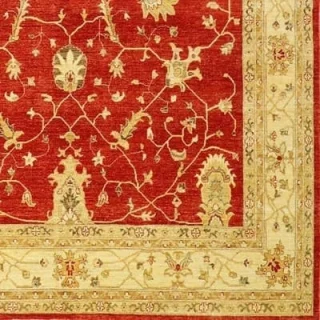
Hand-Knotted Construction
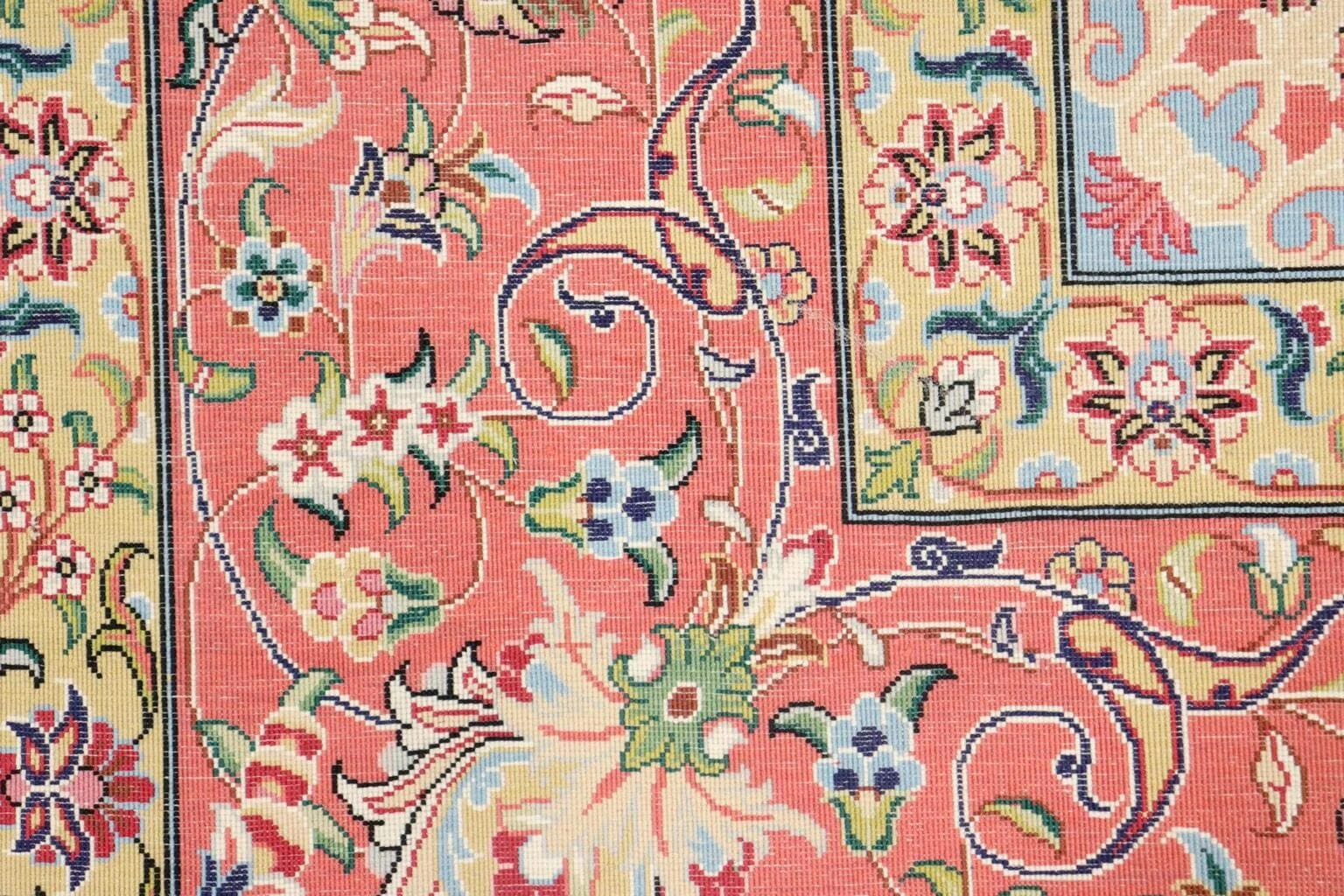
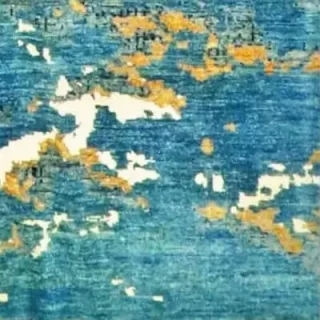
The knotting is visible on the reverse; the front and back show the same pattern with different intensity.
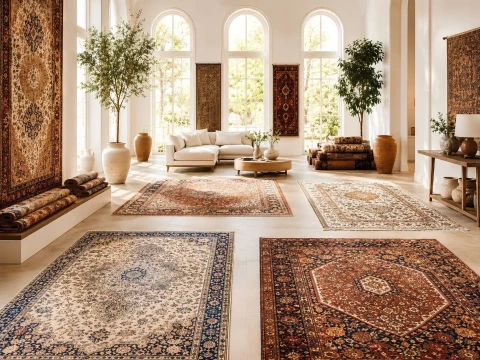
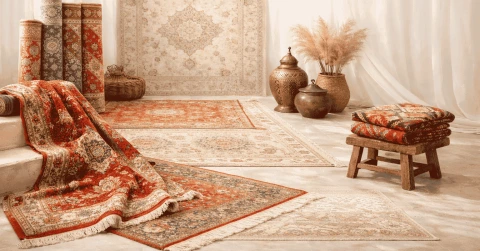
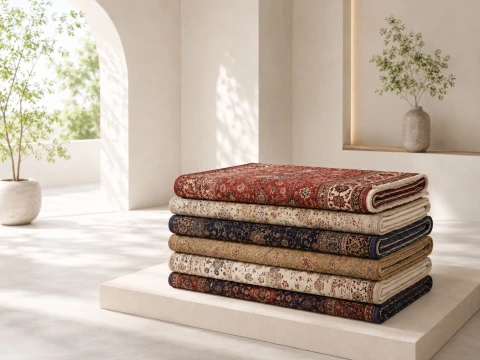
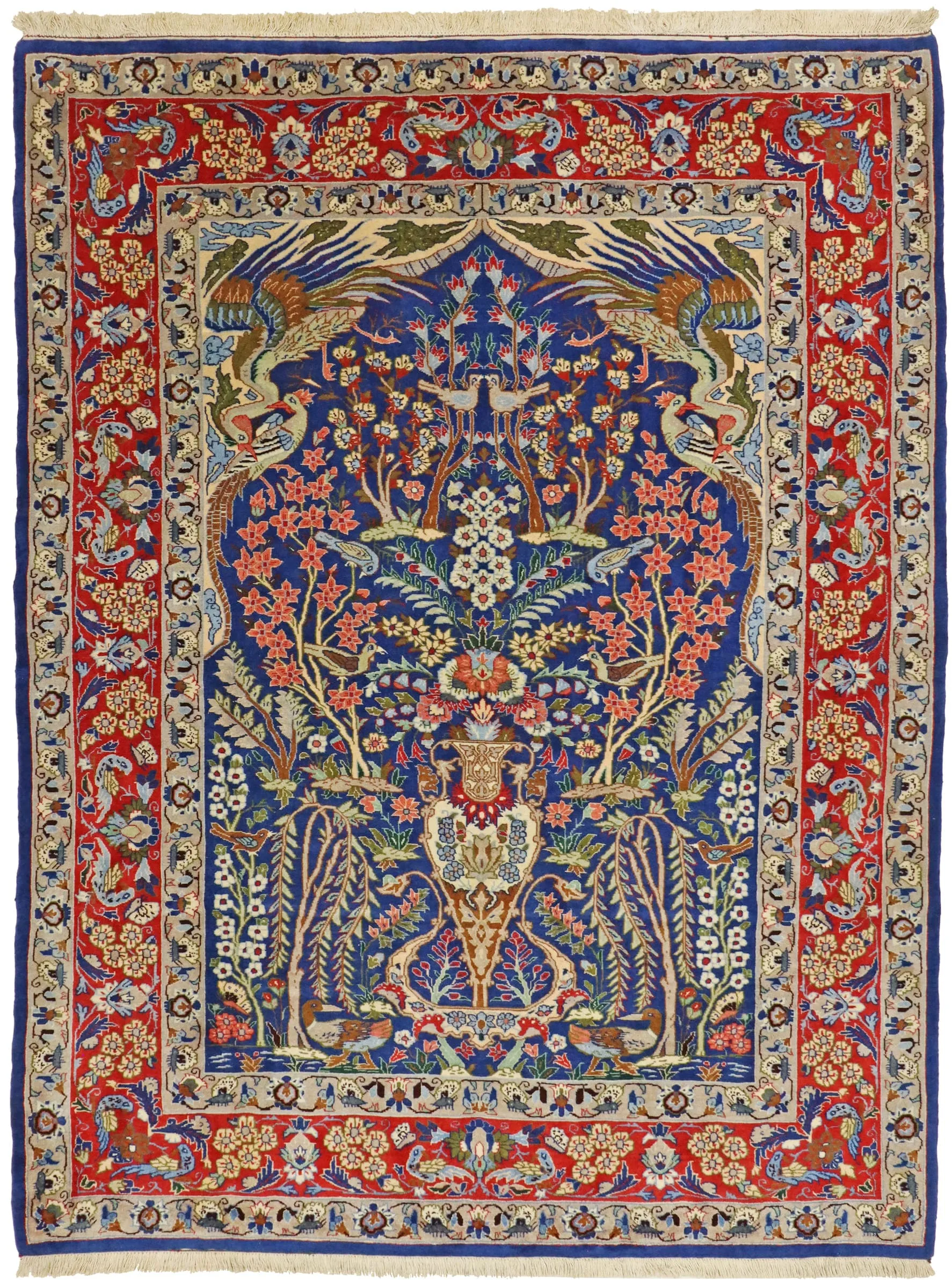
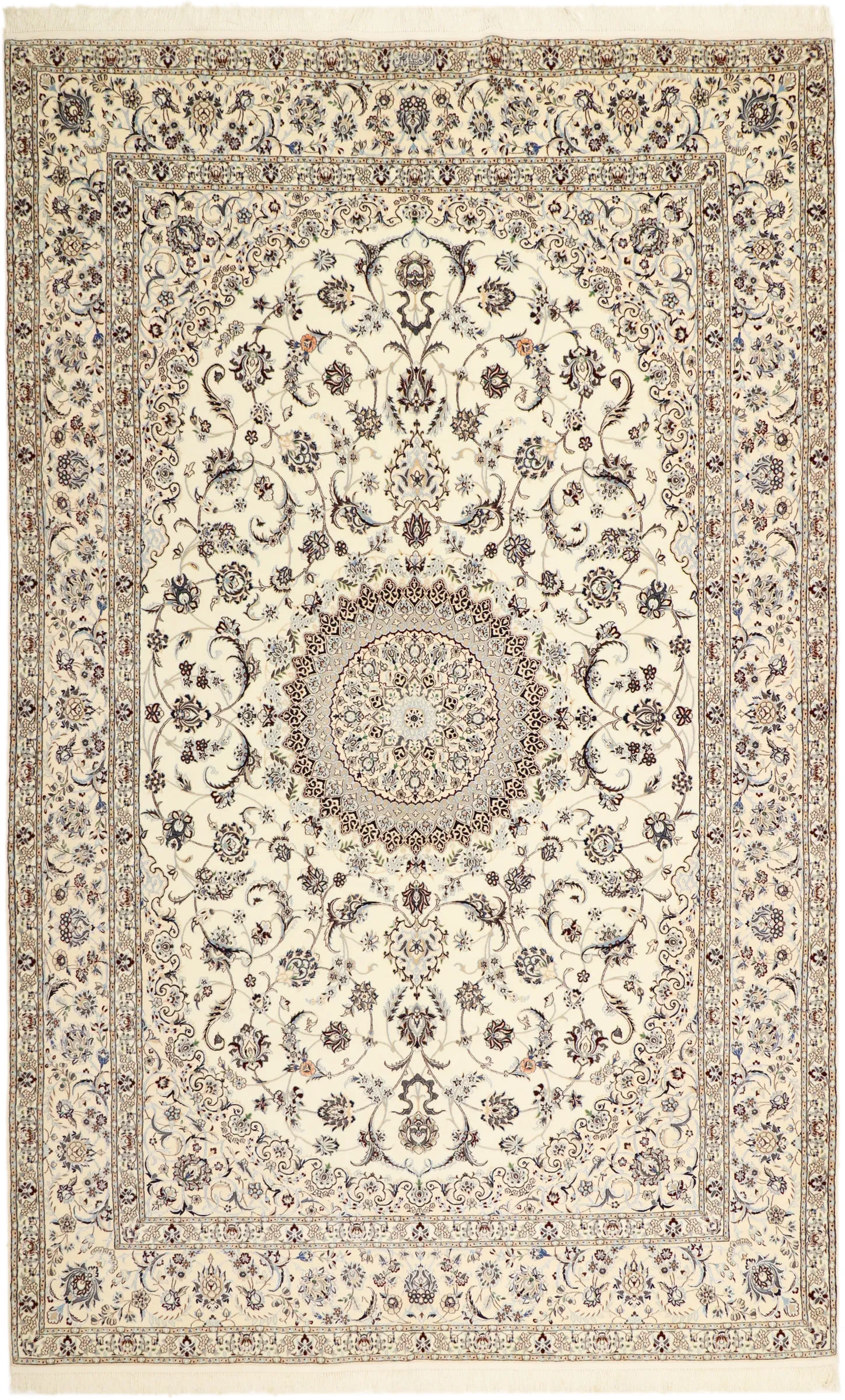
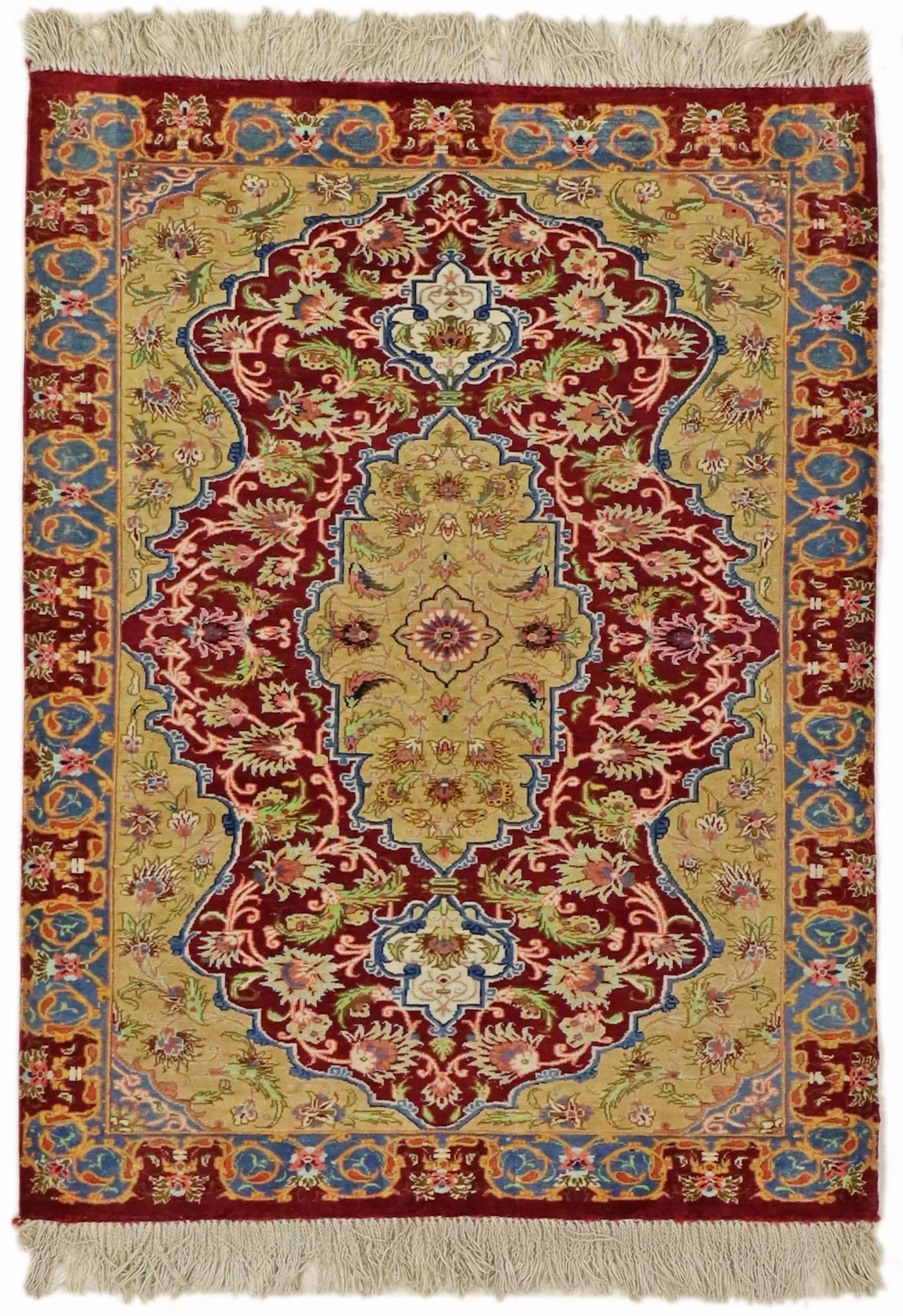
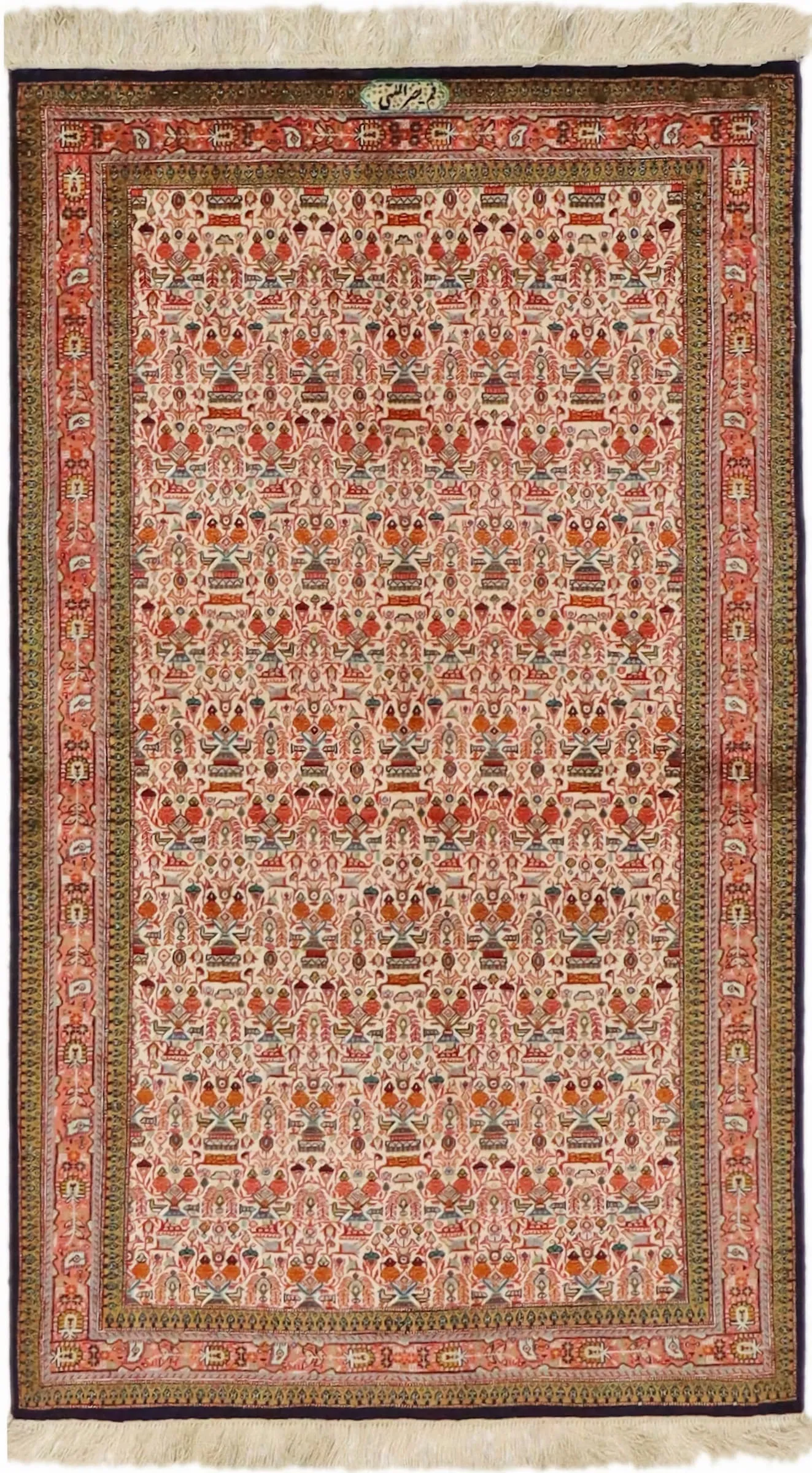
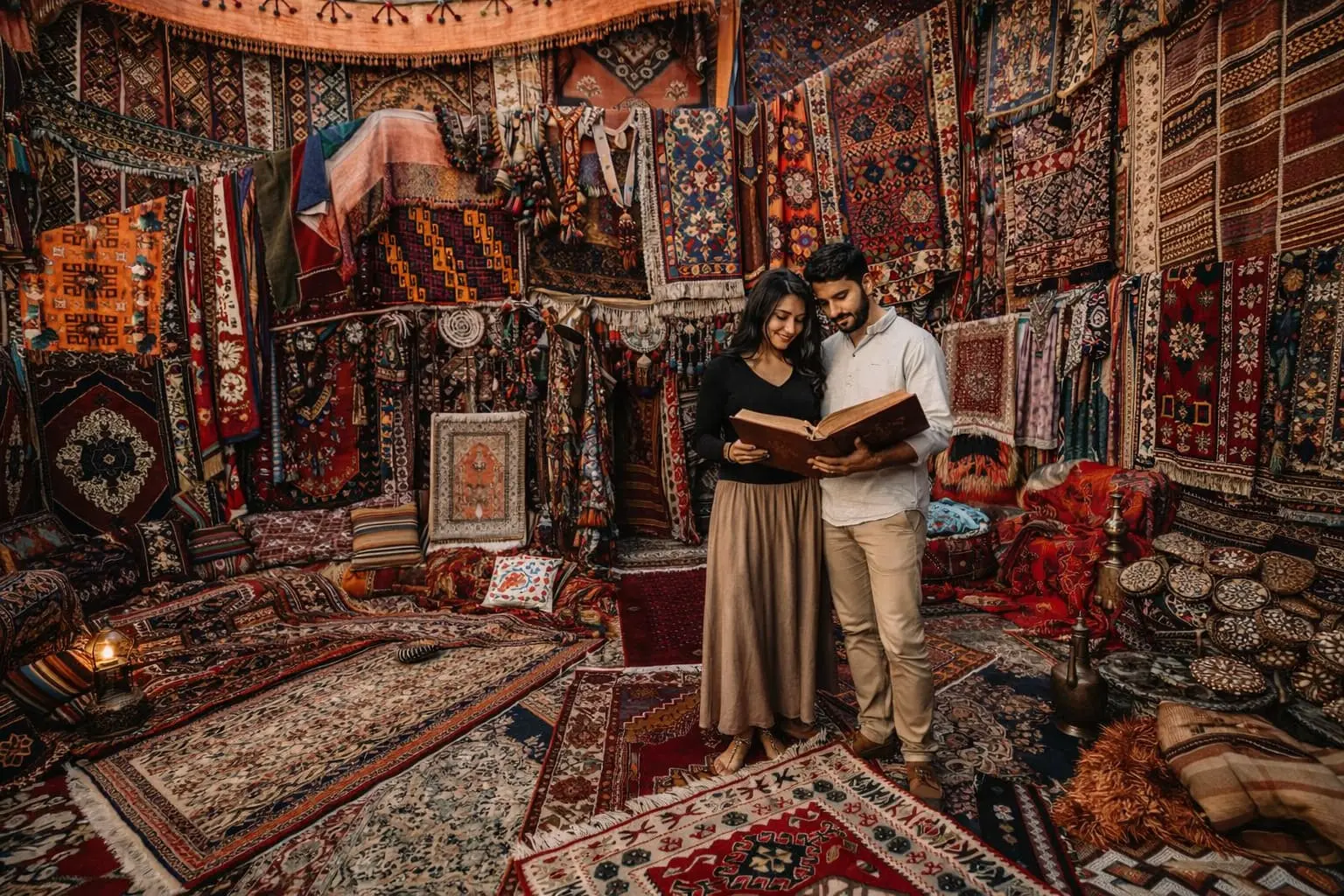
Centuries of Persian weaving tradition, distinctive motifs and richly nuanced colours give these rugs an enduring place in refined interiors. Authentic Persian rugs originate in Iran and reflect the individual character of renowned weaving centres such as Tabriz, Nain, Isfahan, Kashan and Qom. Depending on the piece, fine wool, silk and intricately composed medallion, floral or all-over designs create remarkable depth and individuality. Equally at home in classic and contemporary settings, a Persian rug introduces warmth, structure and quiet sophistication. Explore singular pieces chosen for their provenance, craftsmanship and lasting beauty—textile works capable of enriching a home for many years.
Hand-knotted Persian rugs combine centuries-old knotting traditions with high-quality natural materials and exceptional design diversity. Origin, materials, knotting and pattern shape the character of every individual rug.
This guide helps you assess the differences with confidence and find a Persian rug that suits your interior and personal requirements. At Jakobson Carpets, you will find carefully selected one-of-a-kind pieces from our own production – with transparent origin, a certificate of authenticity and personal advice.
A Persian rug is a traditionally hand-knotted rug from present-day Iran. Famous weaving centres such as Qom, Isfahan, Kashan, Nain and Tabriz each developed their own pattern traditions, colour palettes and craft techniques.
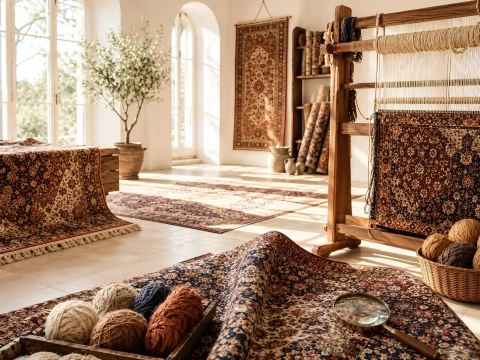
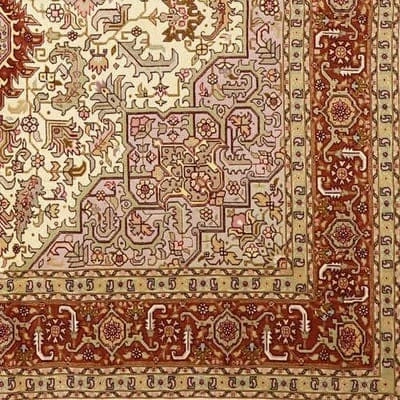
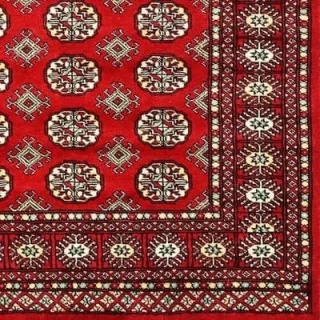
The reverse of a hand-knotted rug reveals the structure of the individual knots. The pattern remains visible, the fringes form part of the foundation rather than being sewn on afterwards, and slight irregularities can reveal the handwork without reducing the quality.
The knotting is visible on the reverse; the front and back show the same pattern with different intensity.
Virgin wool, cotton and silk determine the feel, sheen, durability and fineness of the design.
Provenance, workshop and knotting tradition influence the colours, borders, medallions and pile height.
Every hand-knotted rug has subtle individual features and creates its own effect within a room.
Provenance describes a rug's origin and the knotting tradition associated with it. It helps you understand typical patterns, materials and quality characteristics. Explore the most important collections directly through the following categories.
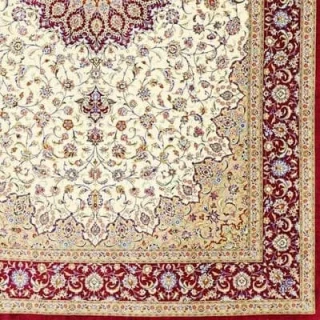
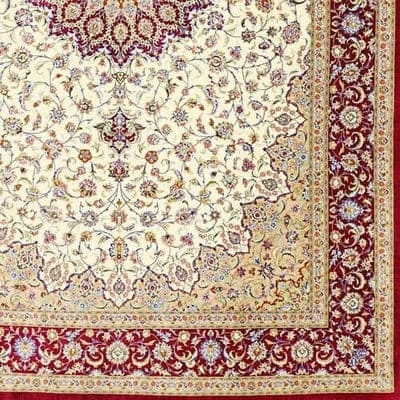
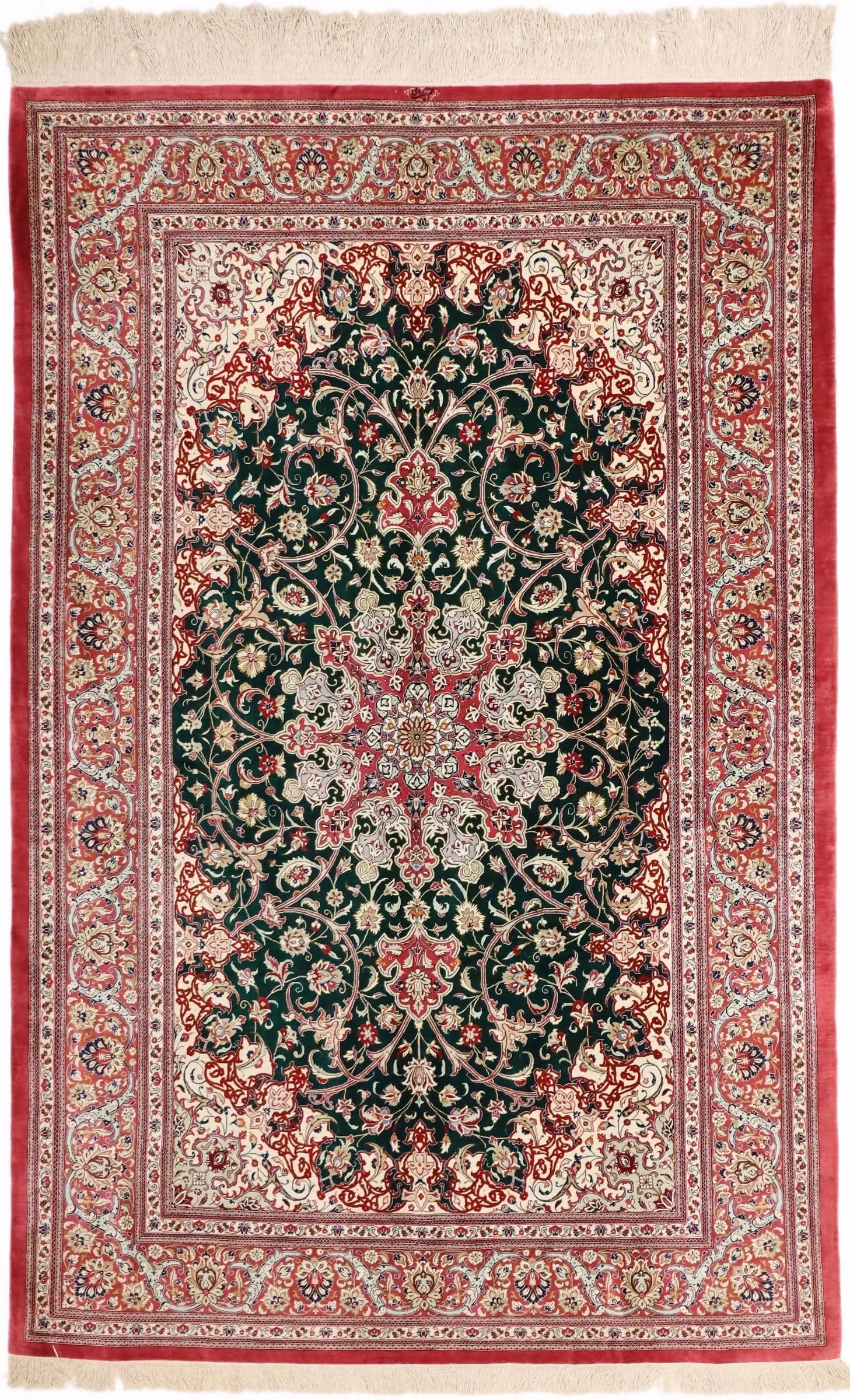
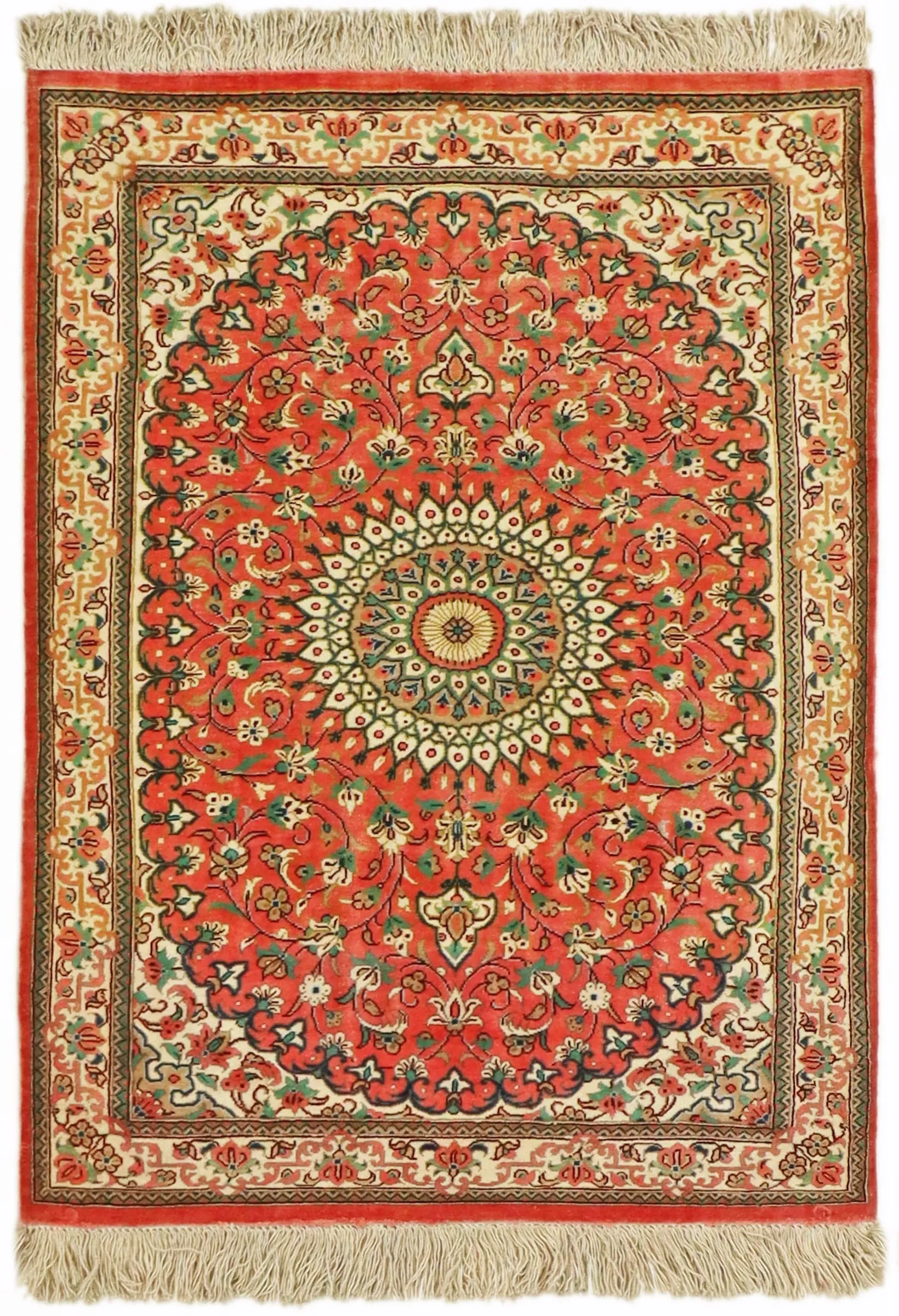
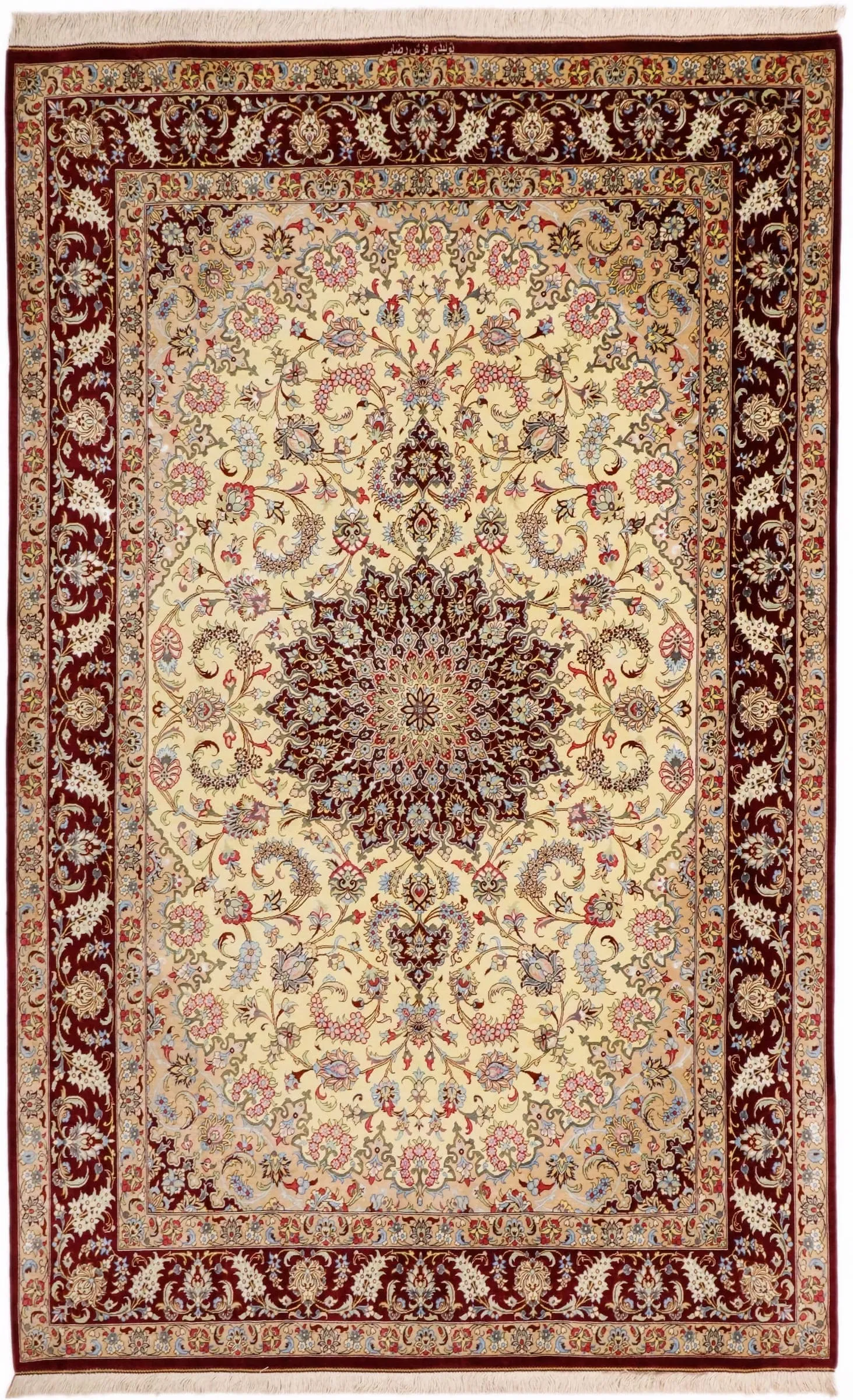
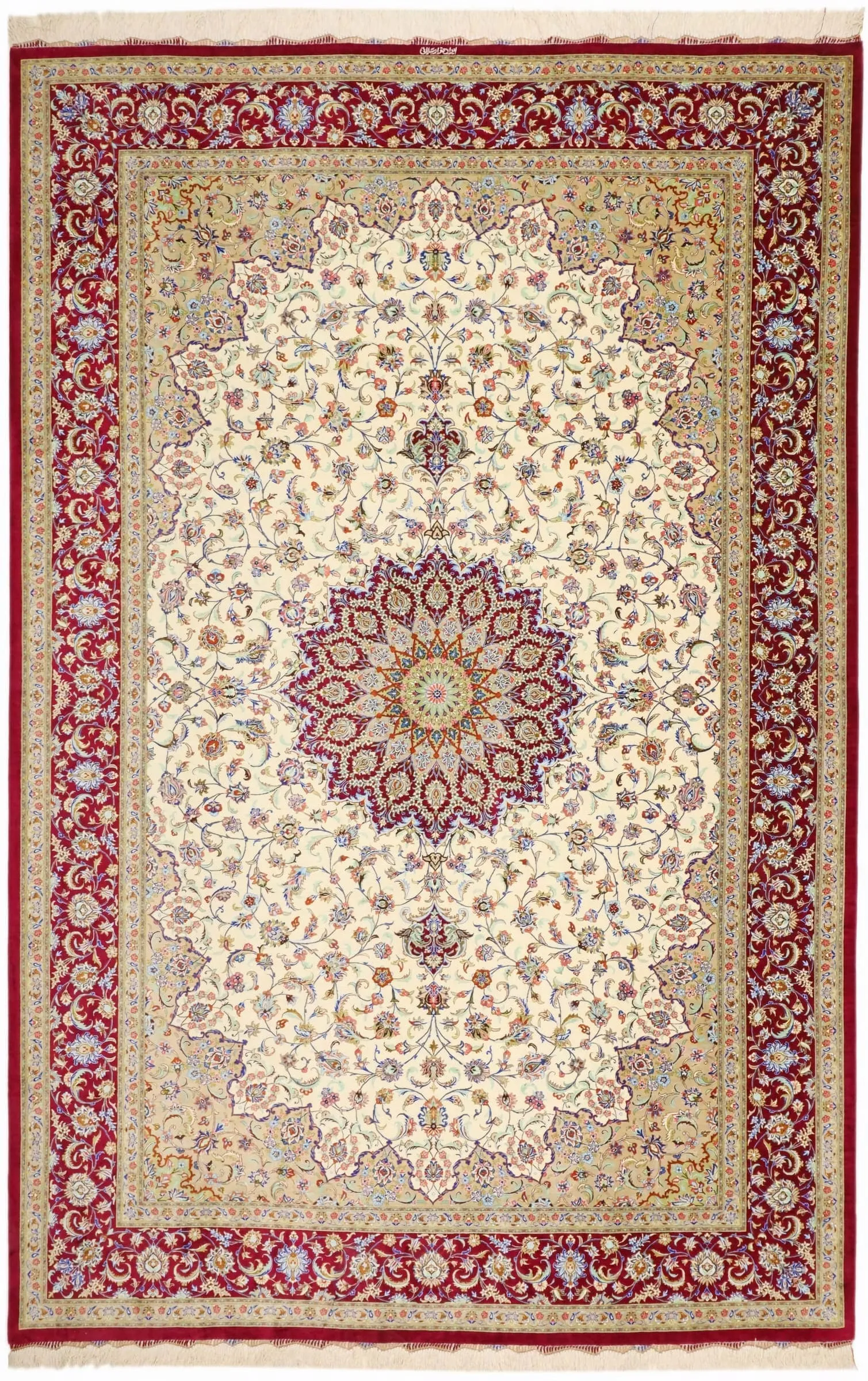
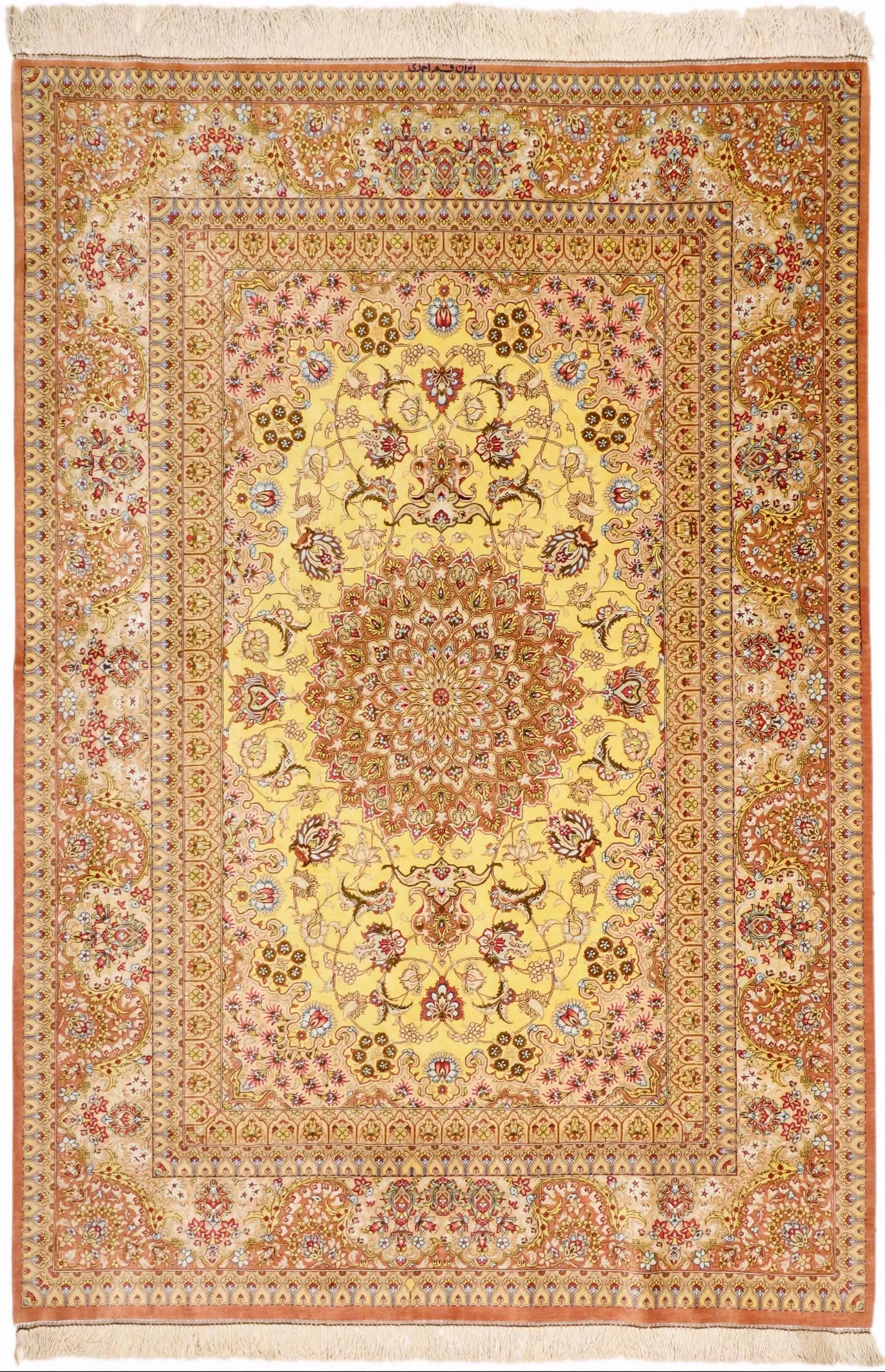
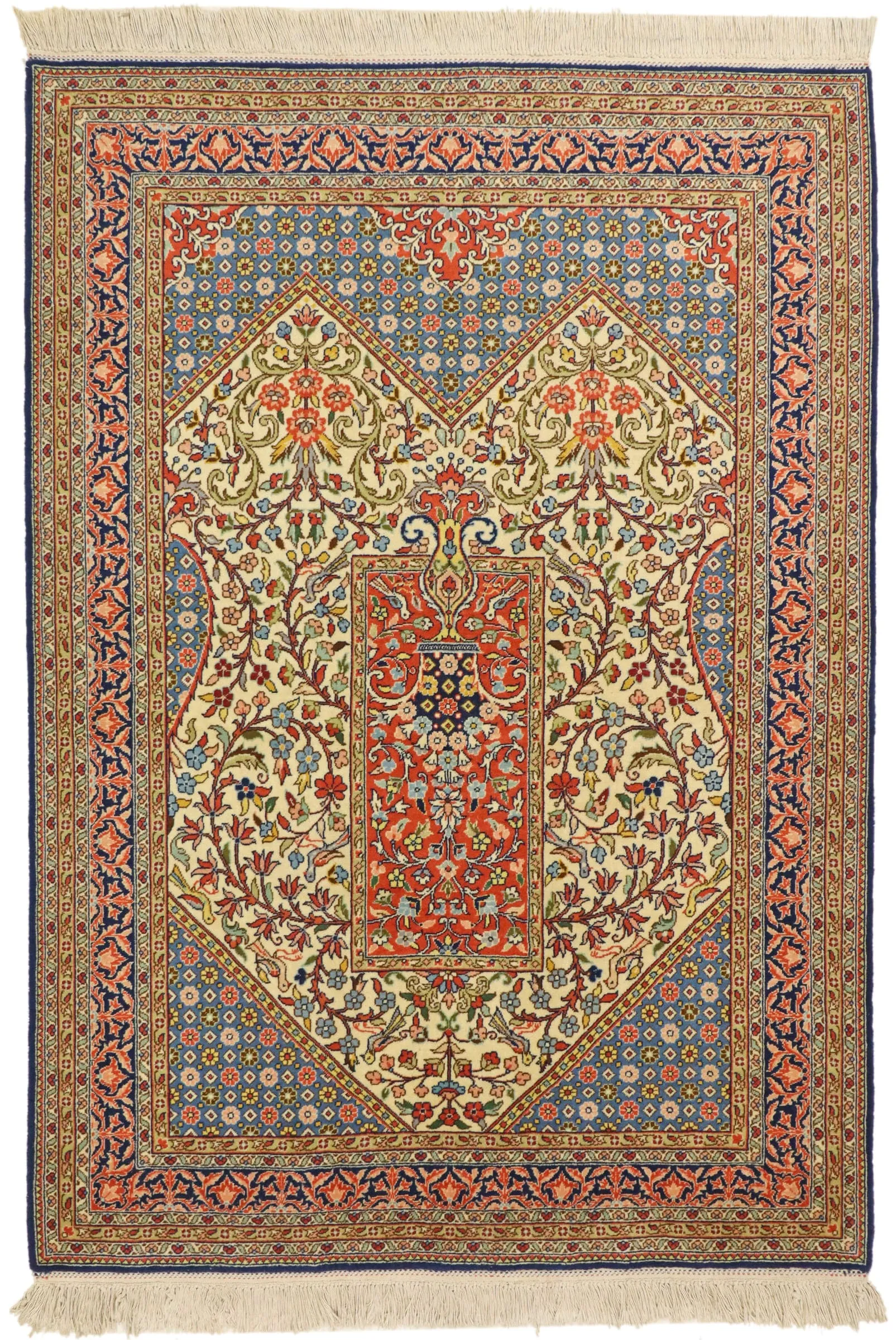
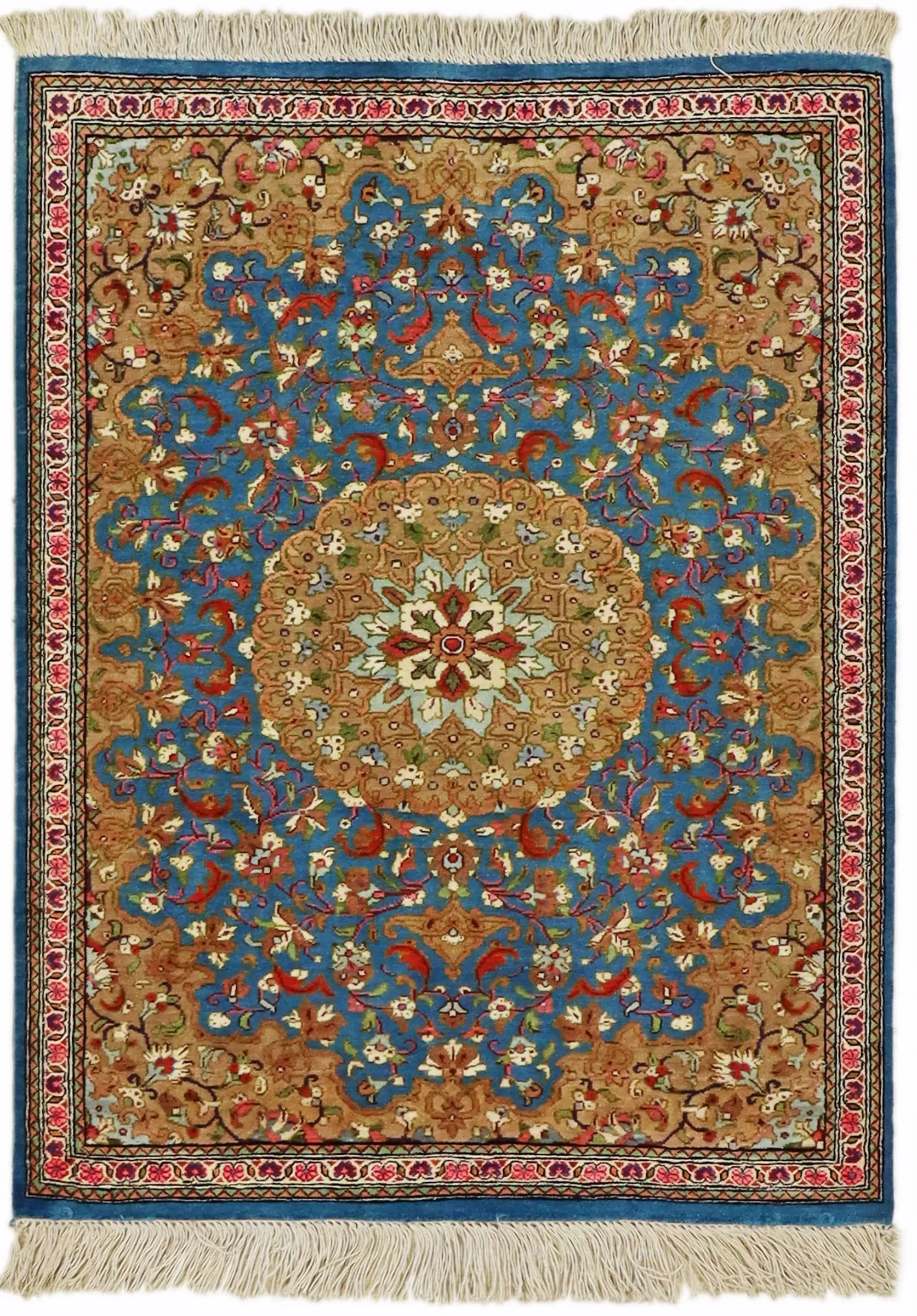
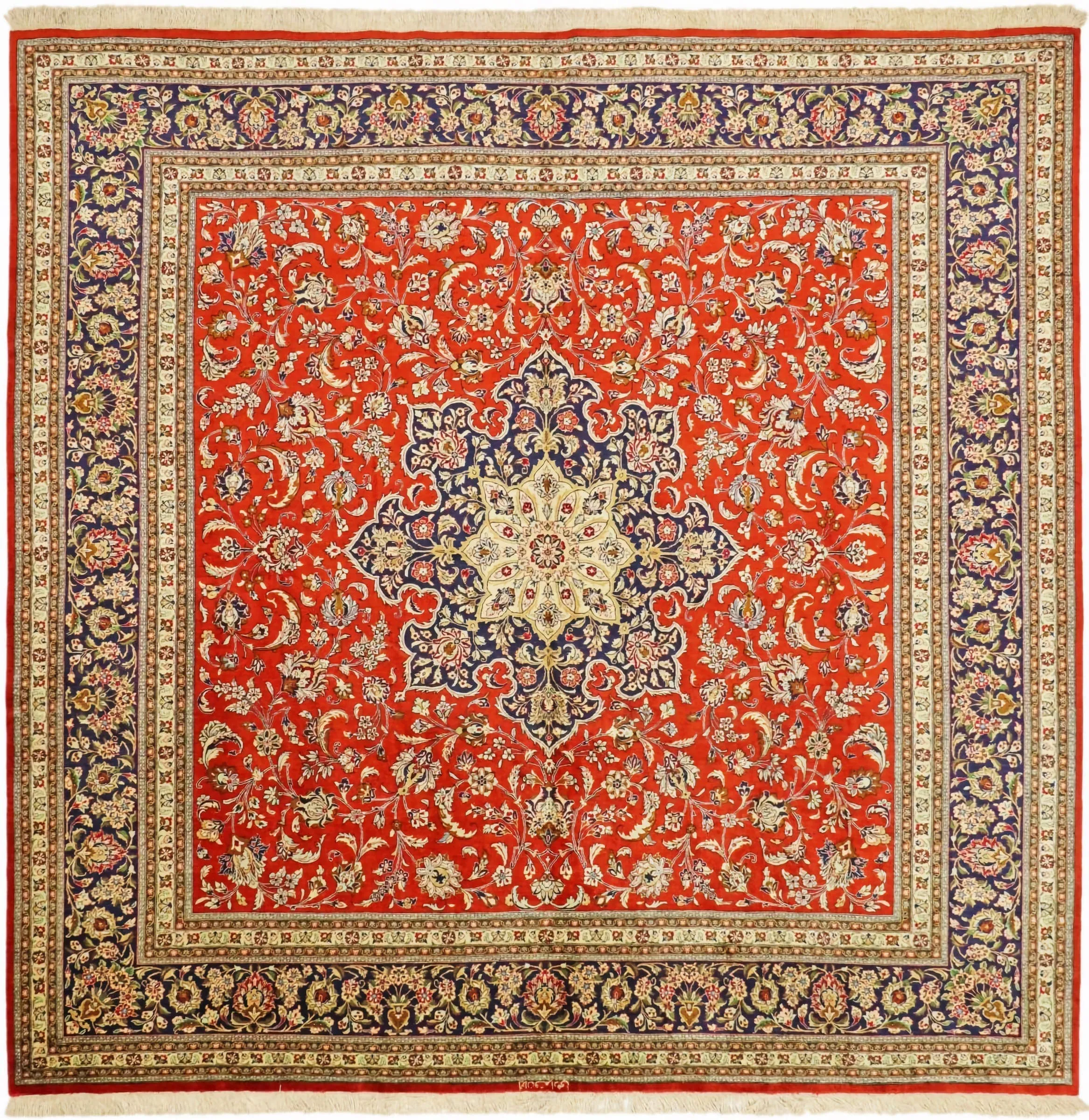
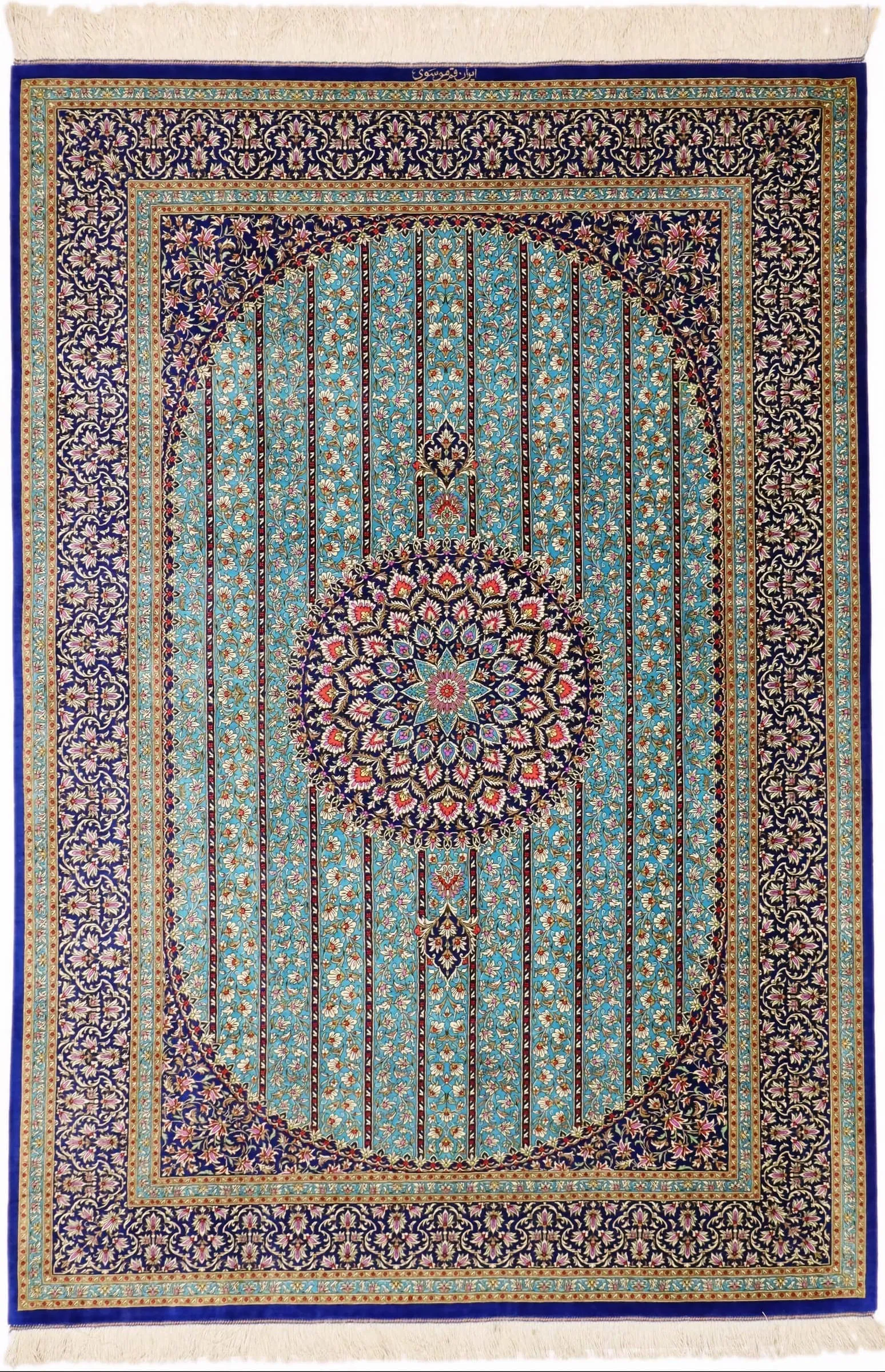
Qom silk rugs are among the finest examples of Persian knotting. A silk pile and silk warp allow precise contours, an elegant play of light and exceptionally detailed compositions.
Discover Qom Silk Rugs
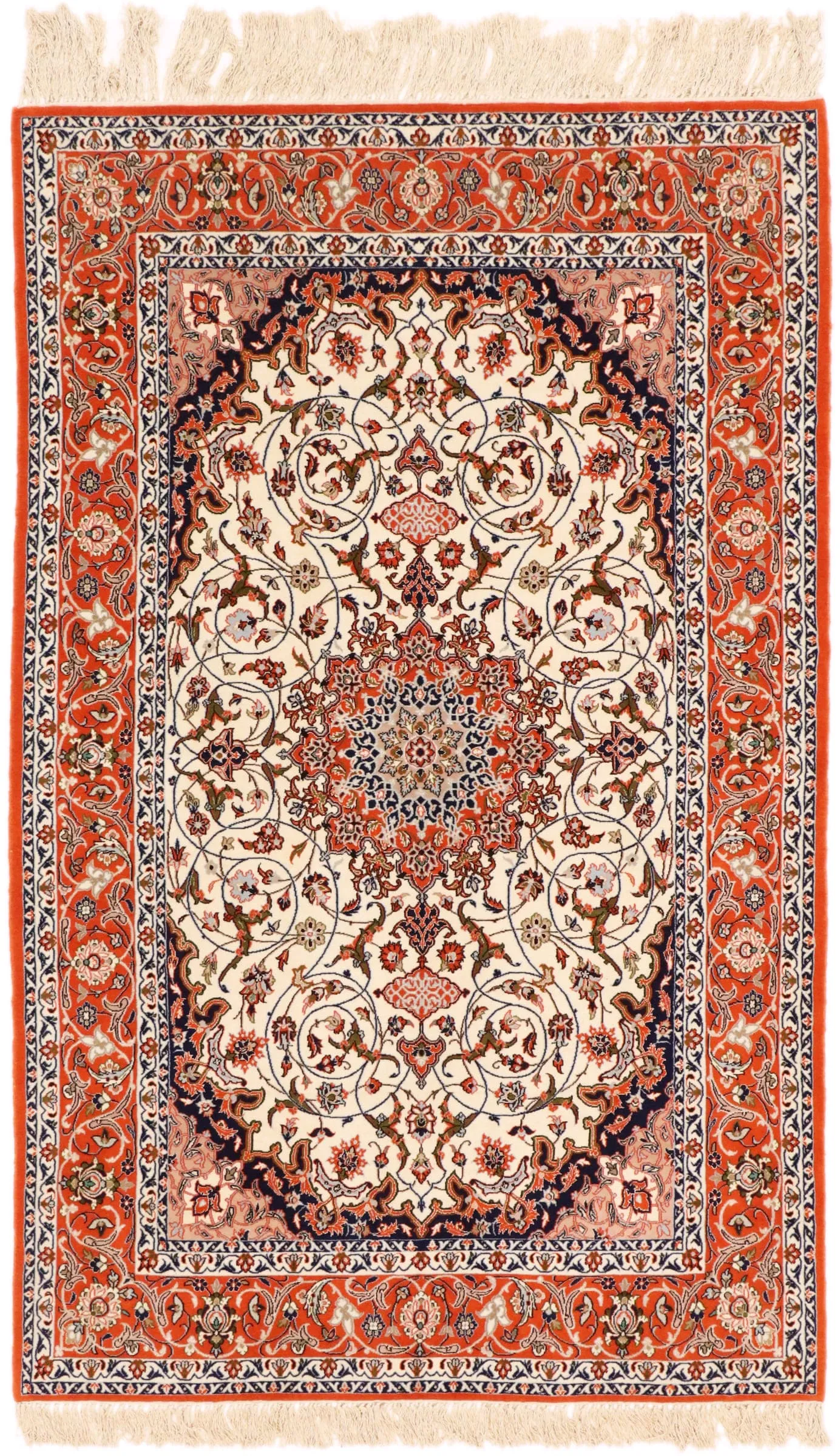
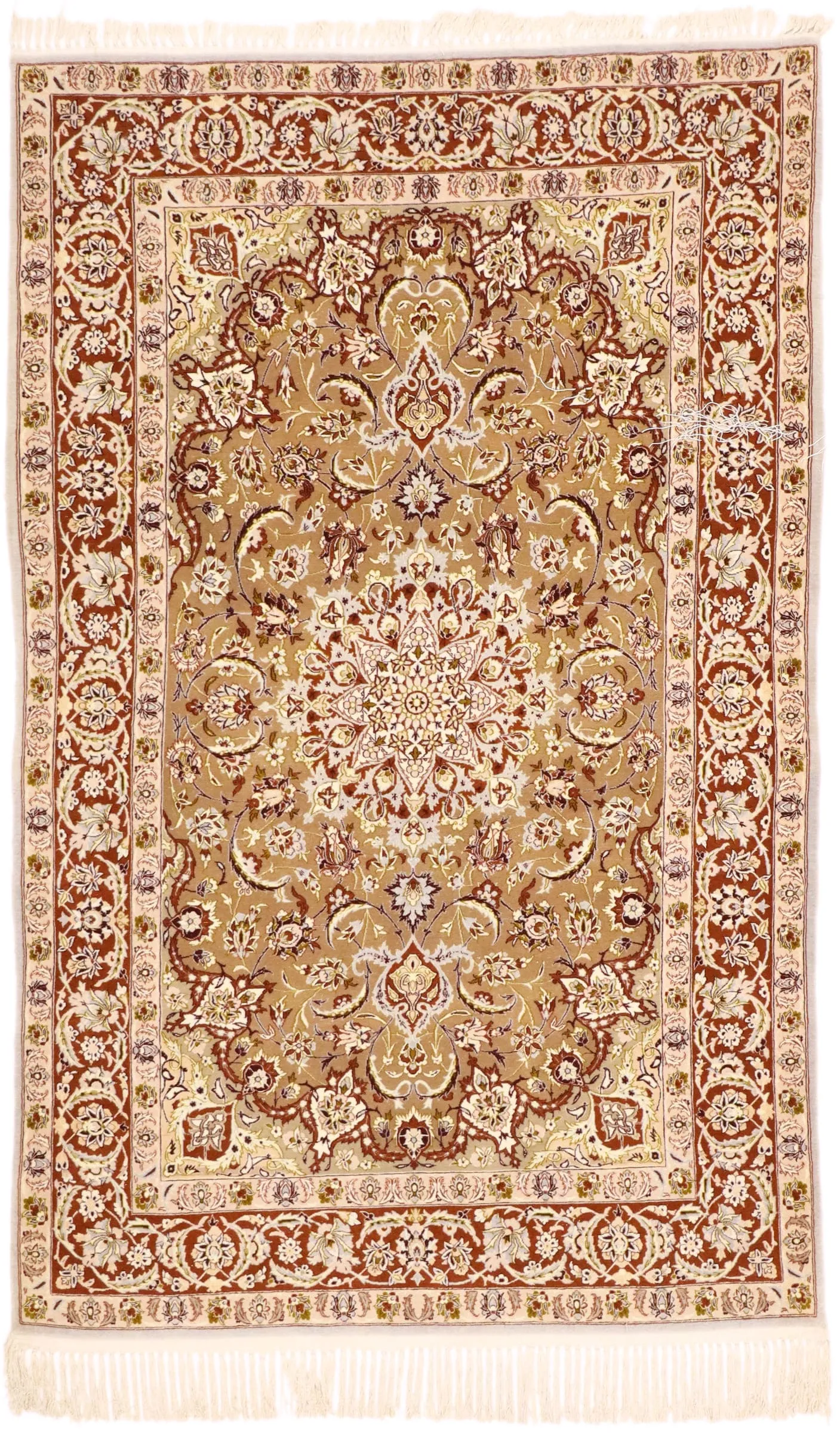
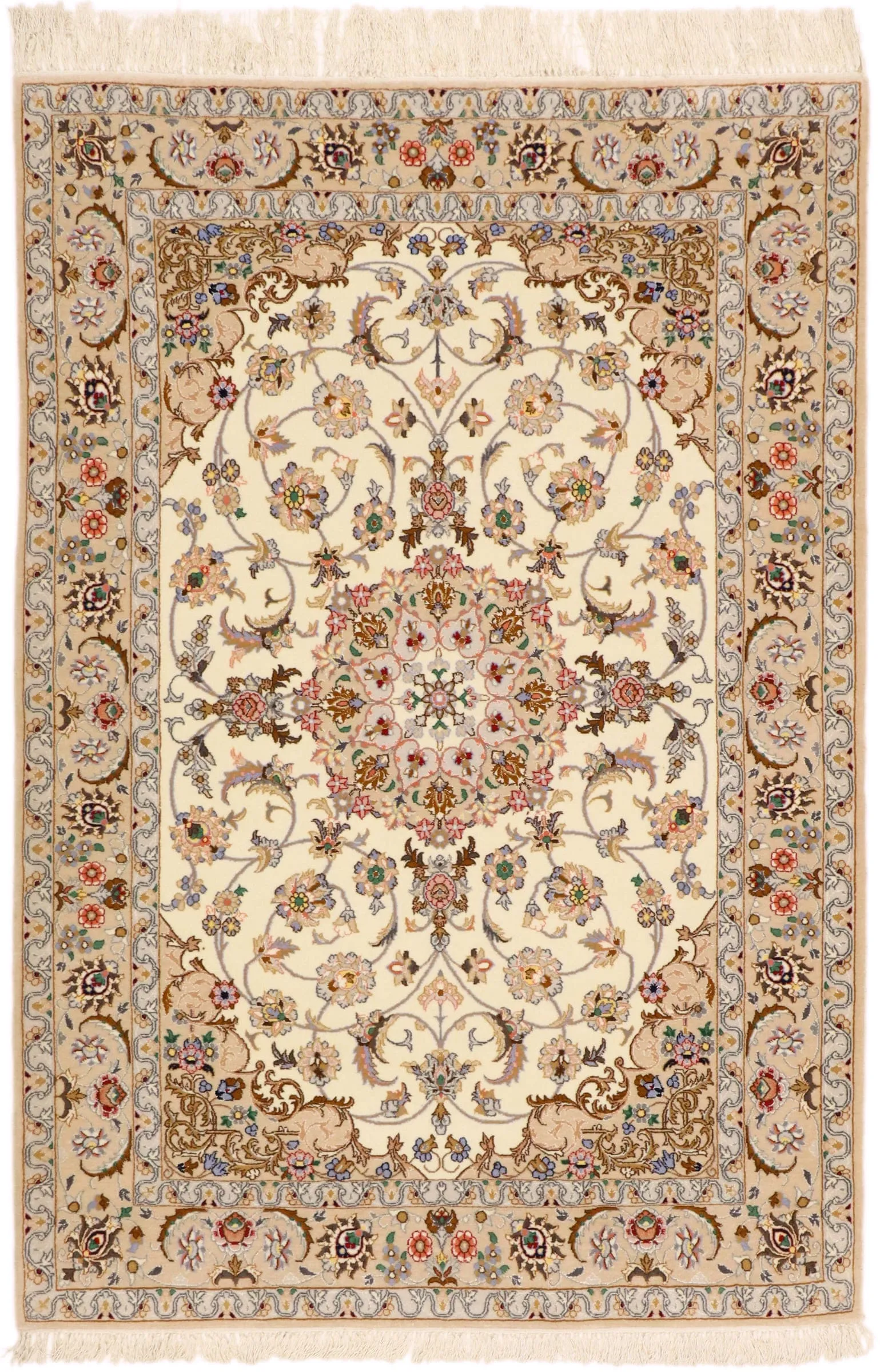
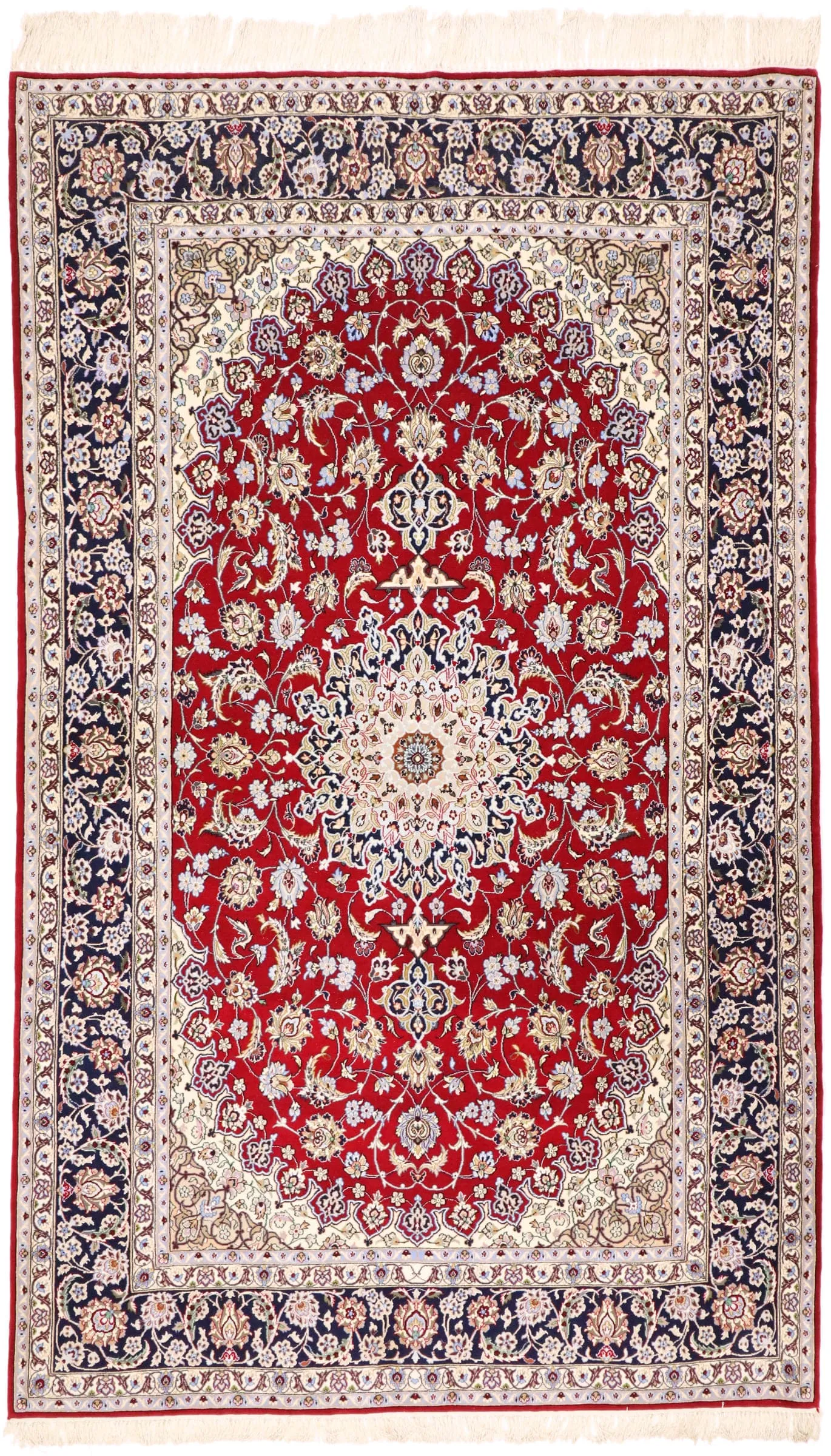
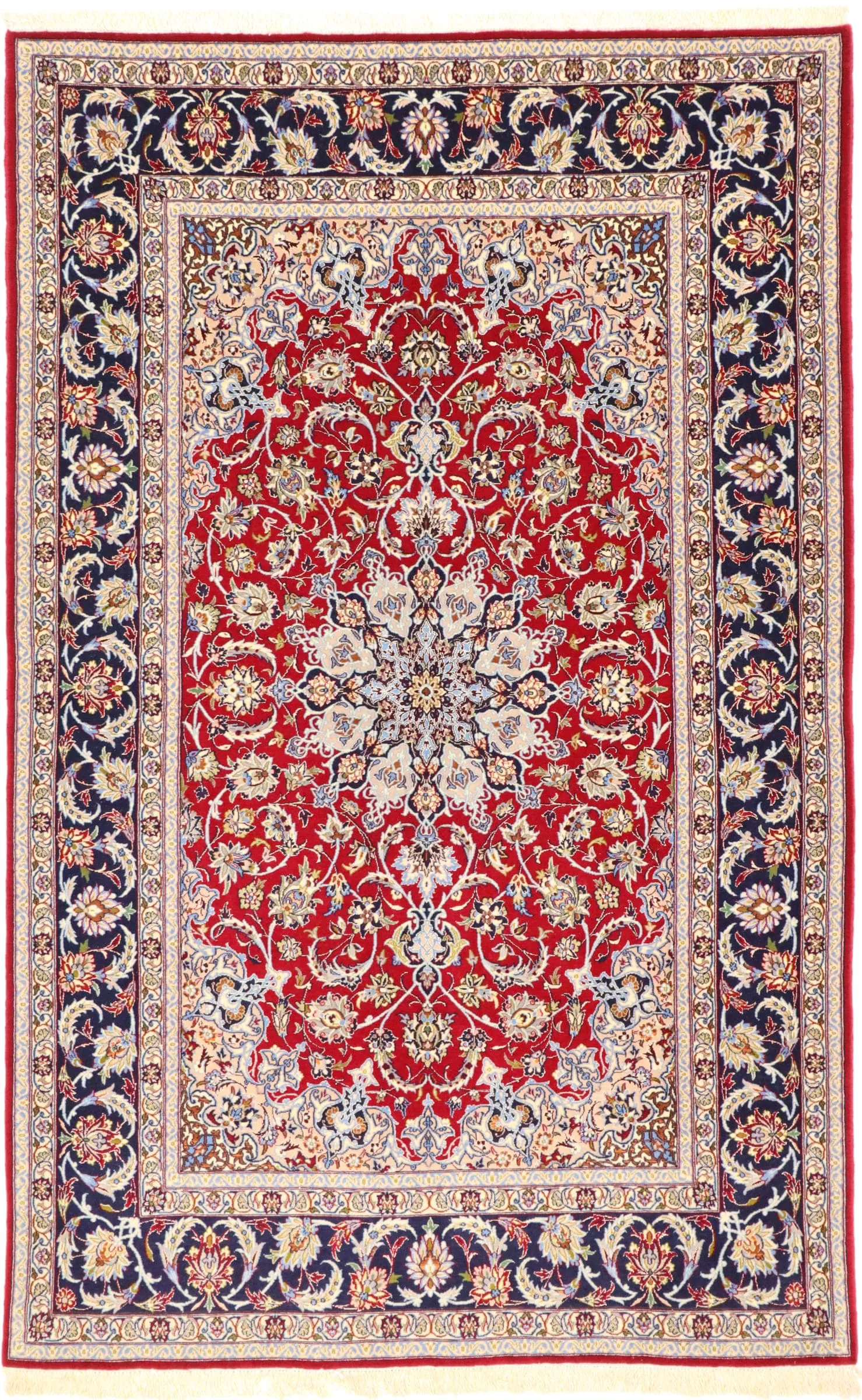
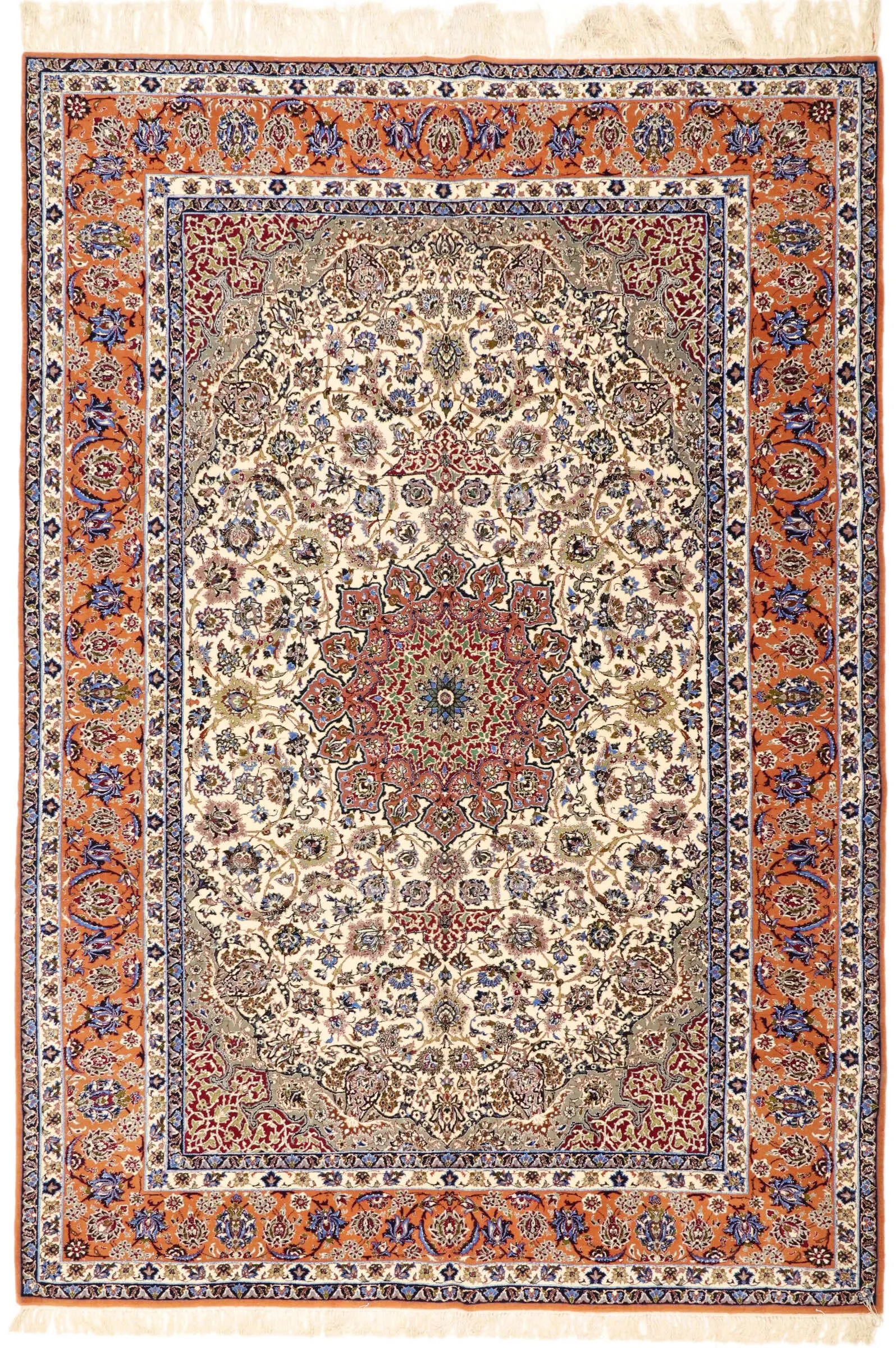
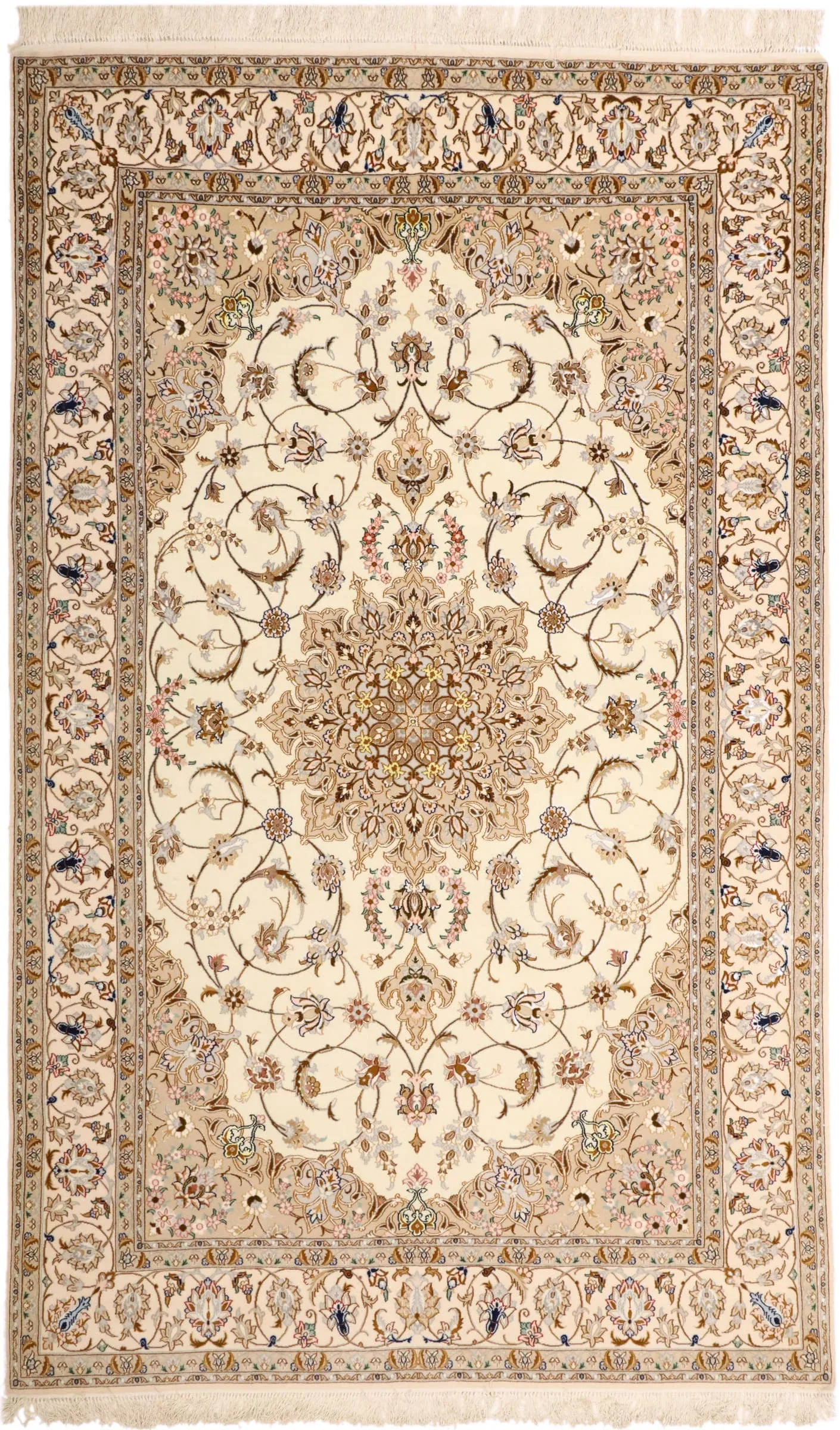
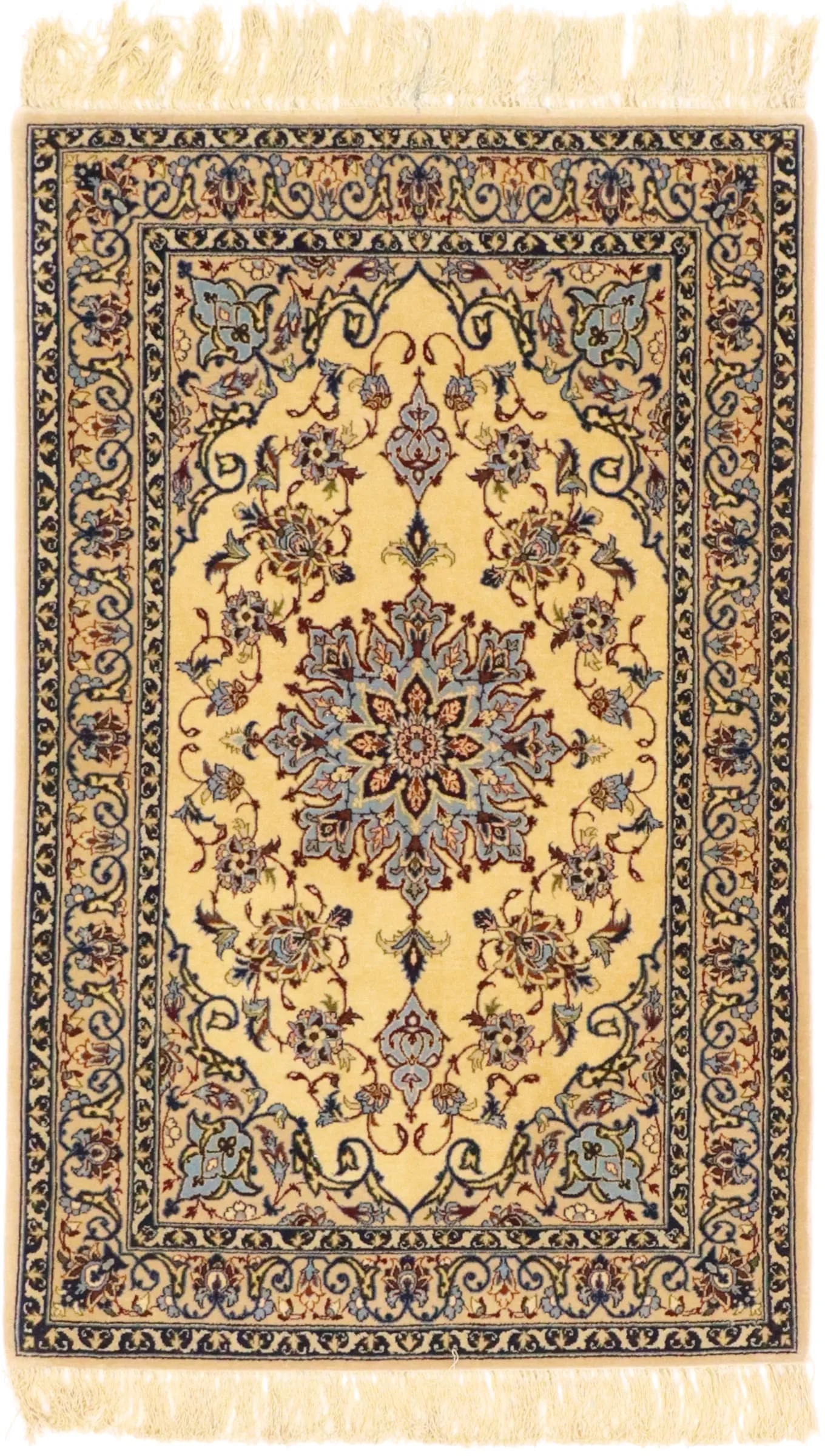
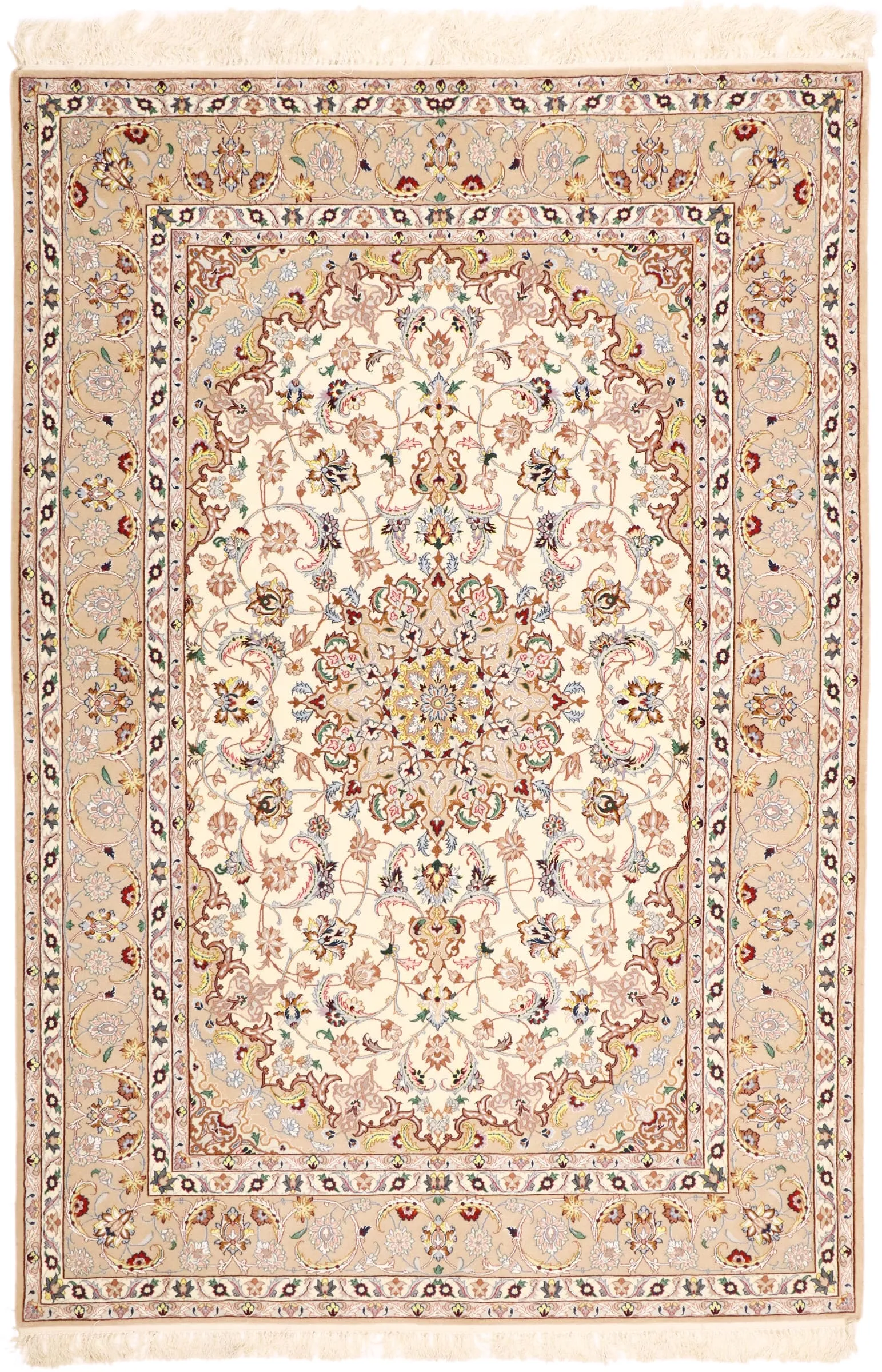
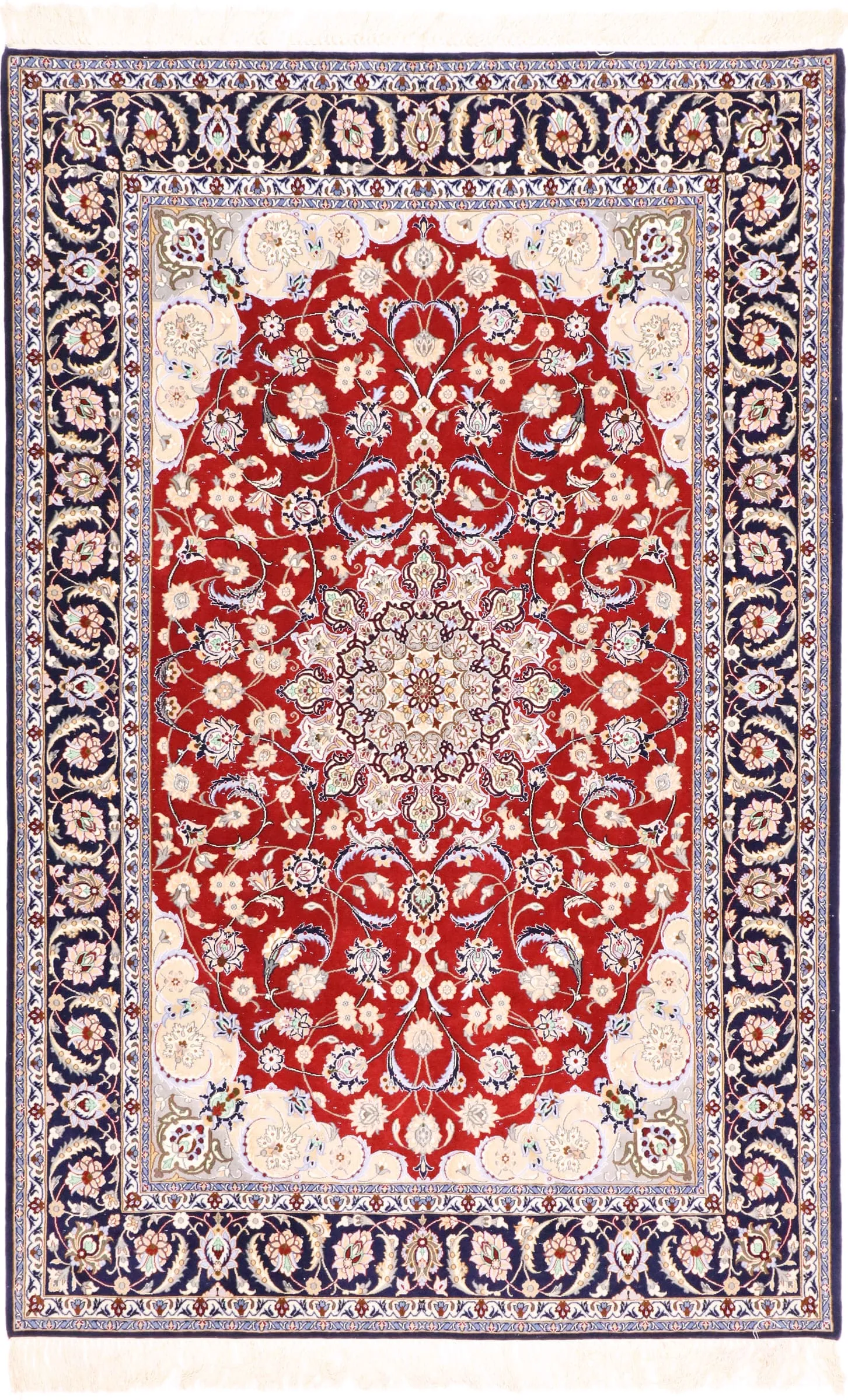
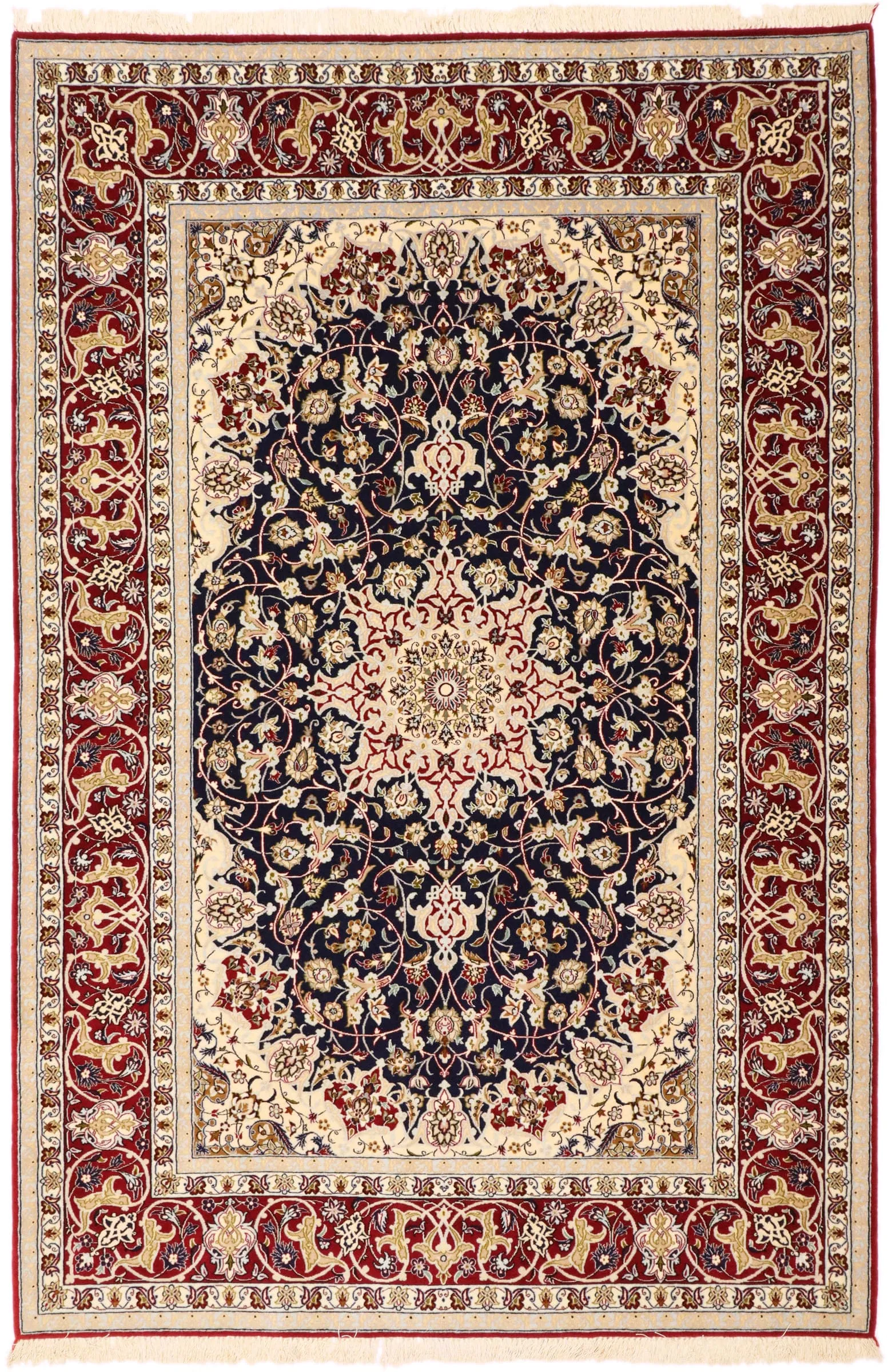
Isfahan rugs combine a pile of fine wool with silk highlights and a silk warp. Symmetrical medallions, floral designs and balanced colours create a refined, elegant effect.
Discover Isfahan Rugs
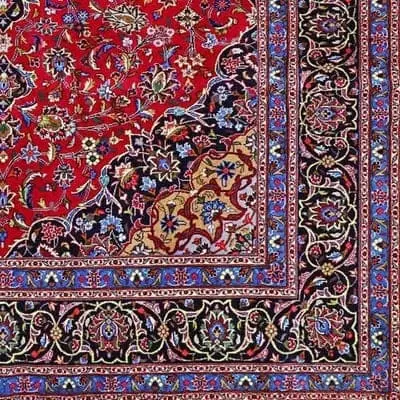
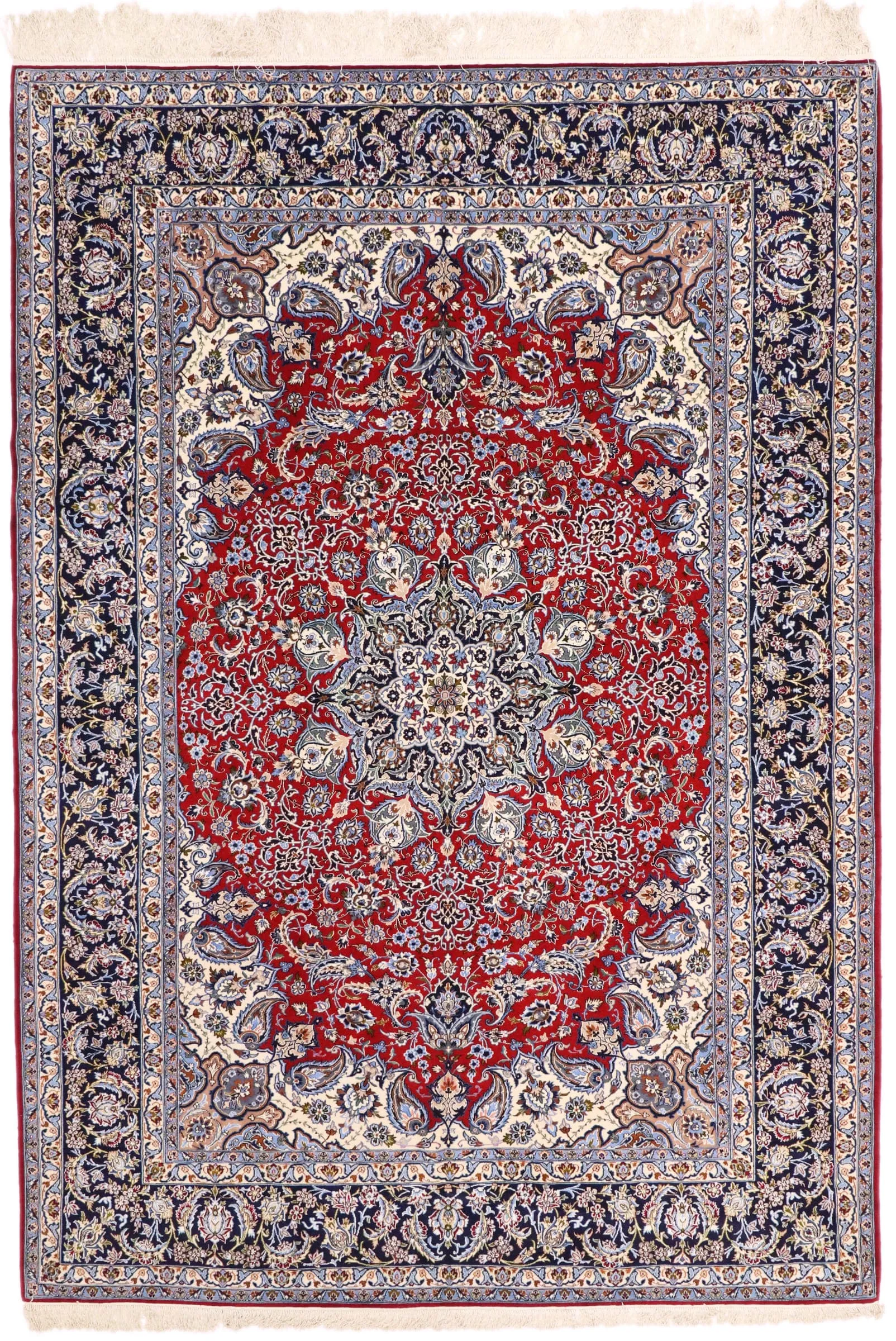
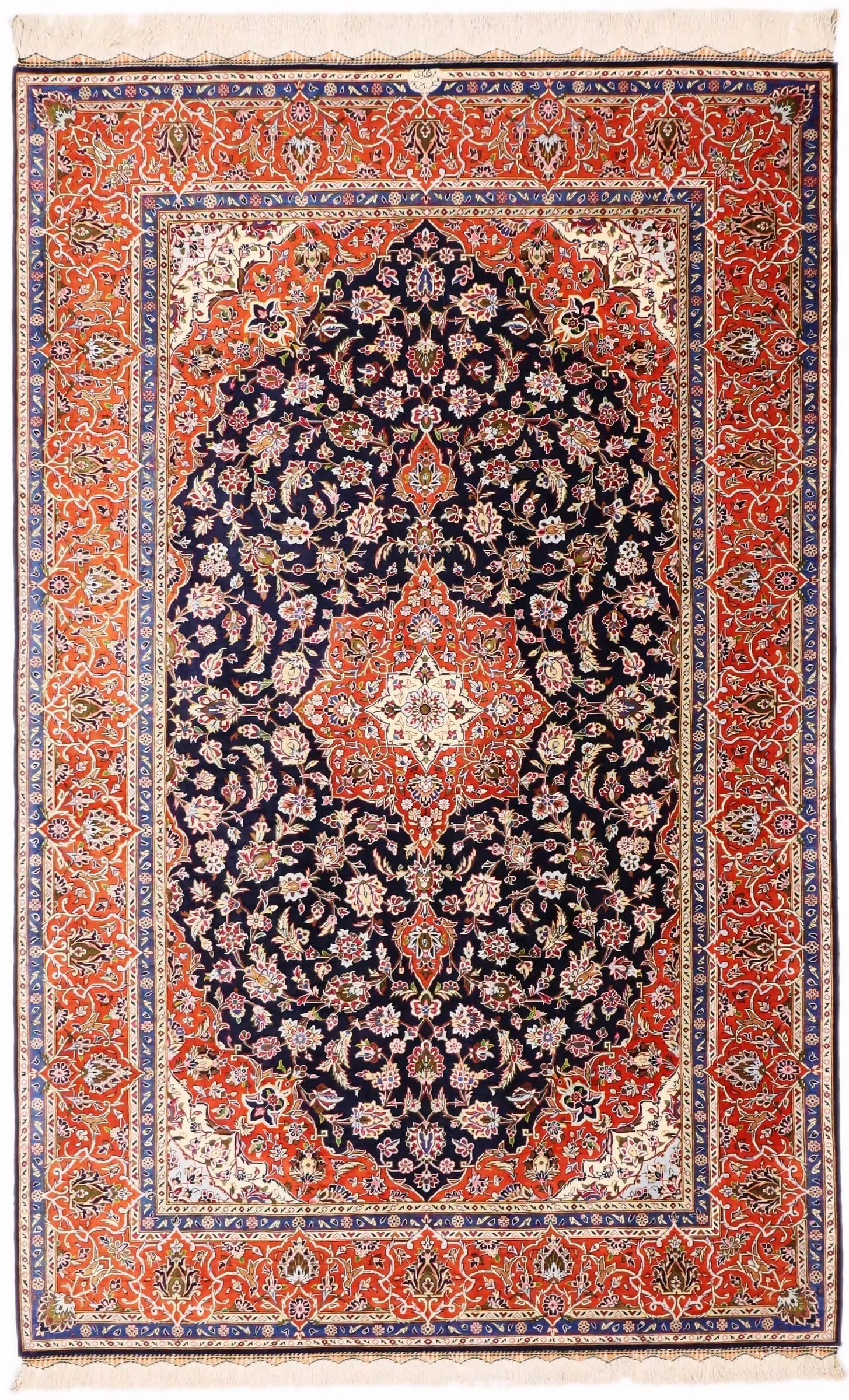
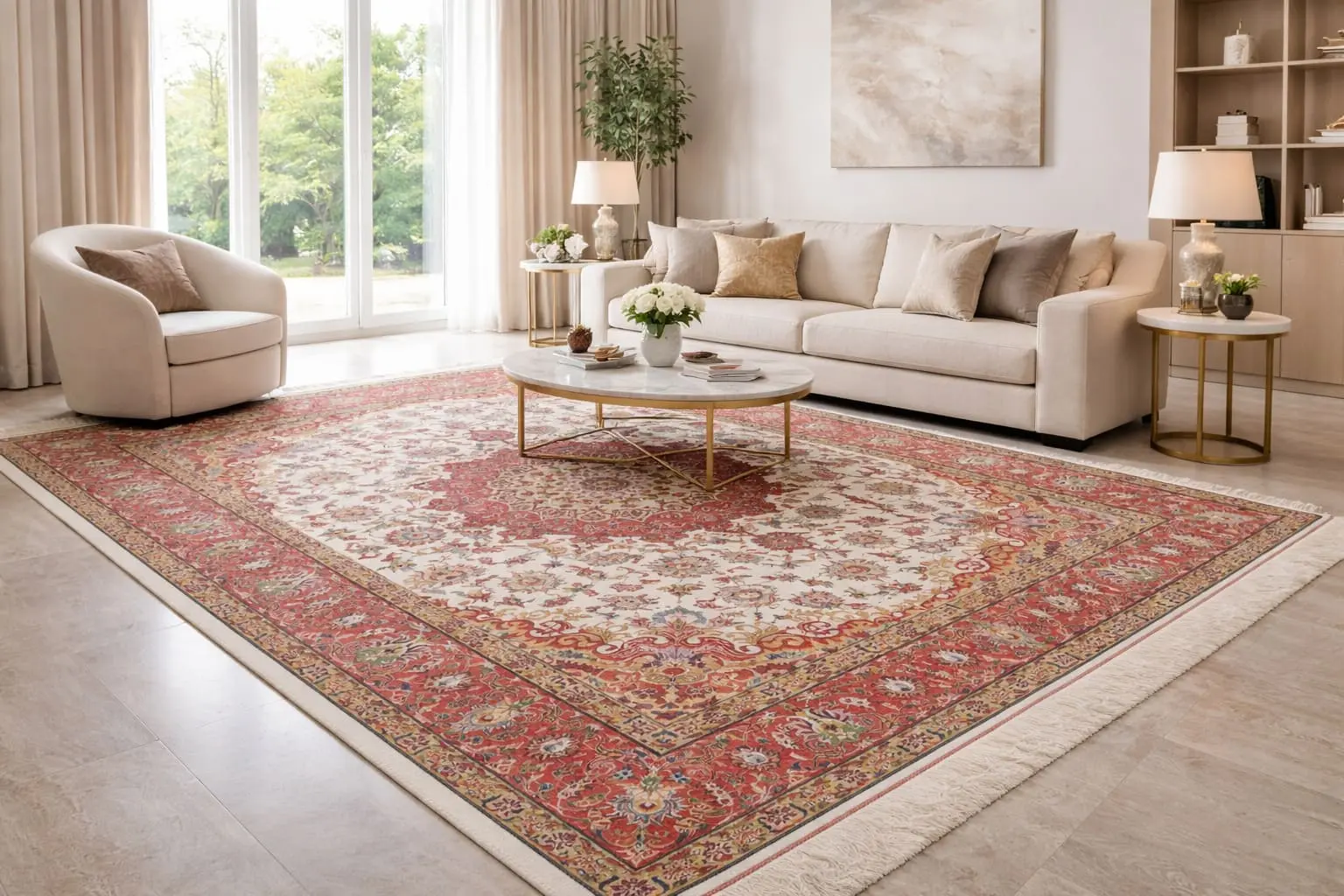
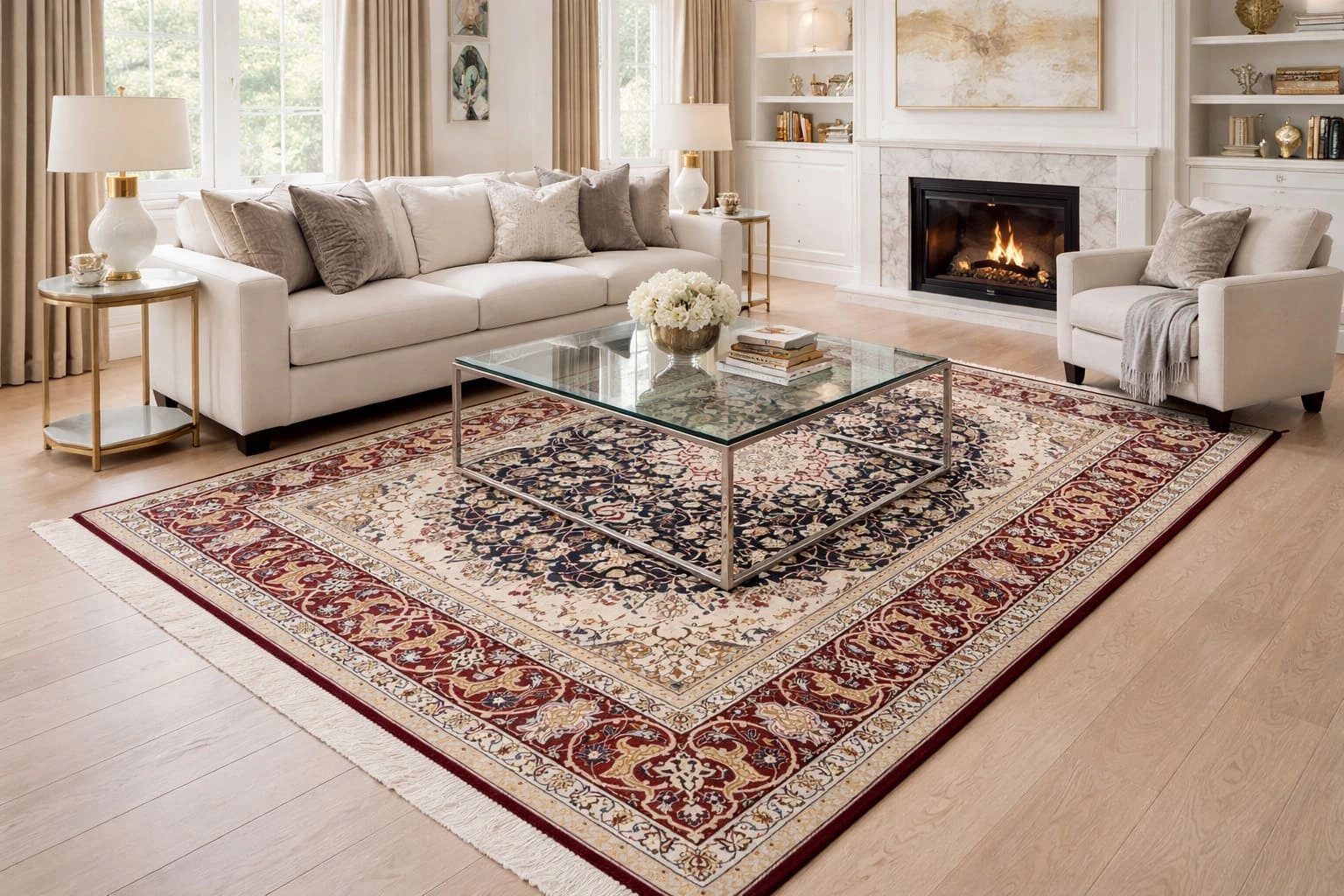
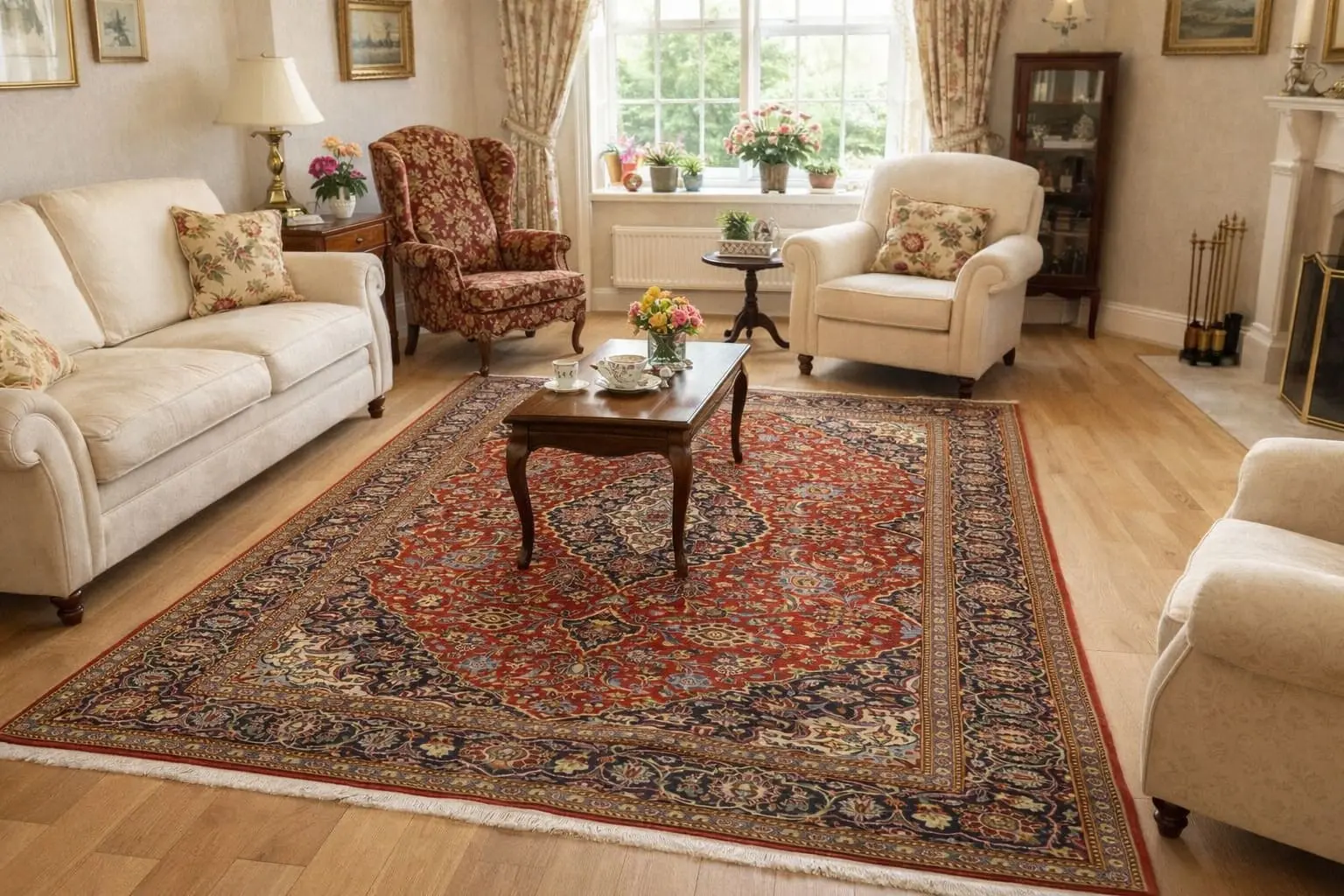
Kashan rugs are known for classic medallion designs, floral ornaments and often rich red and blue tones. They feel distinguished, warm and deeply rooted in tradition.
Discover Kashan Rugs
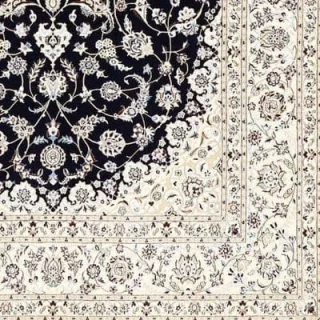
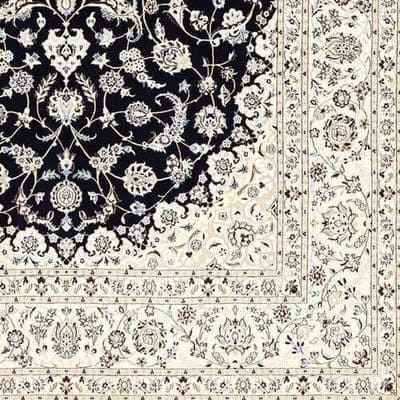
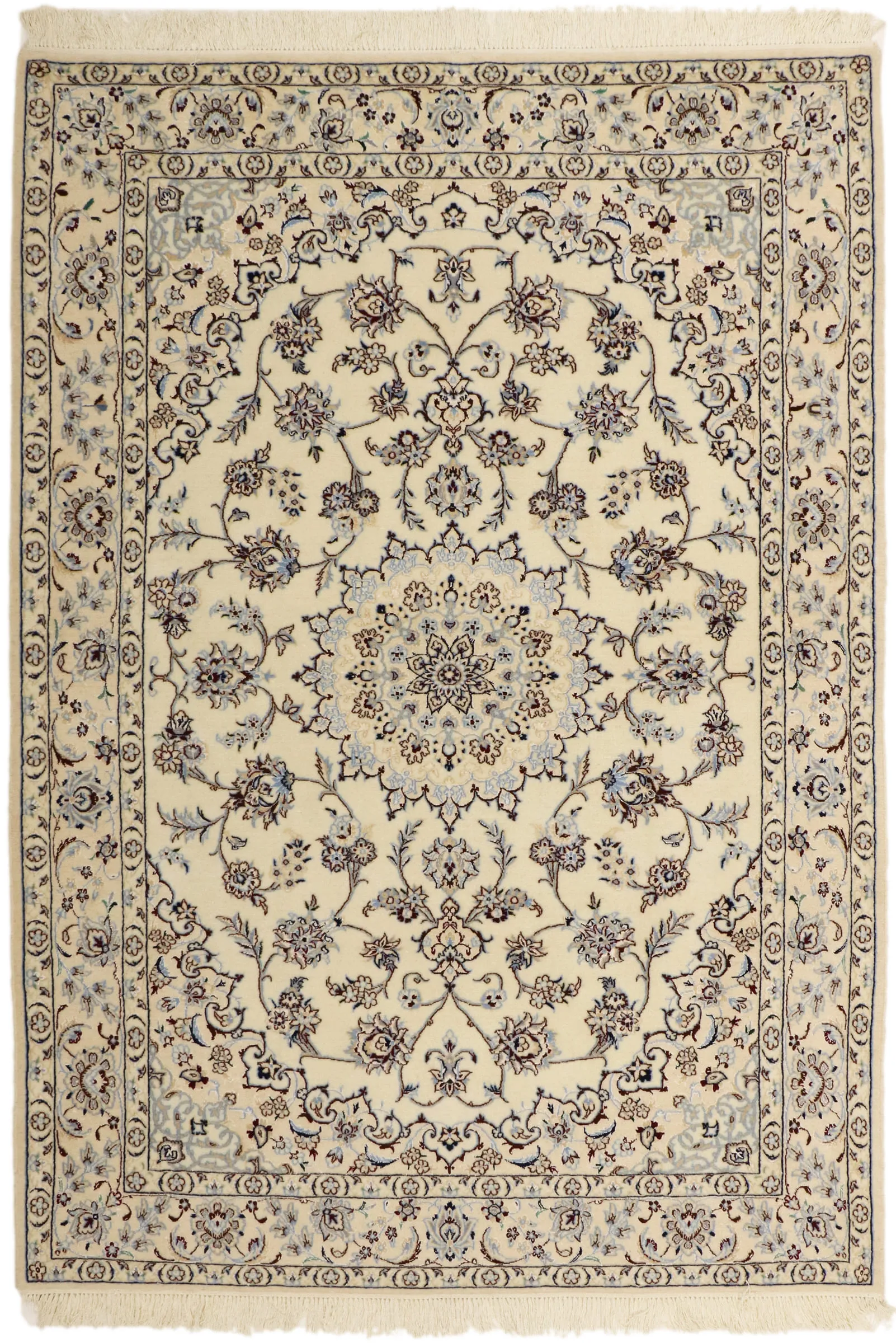
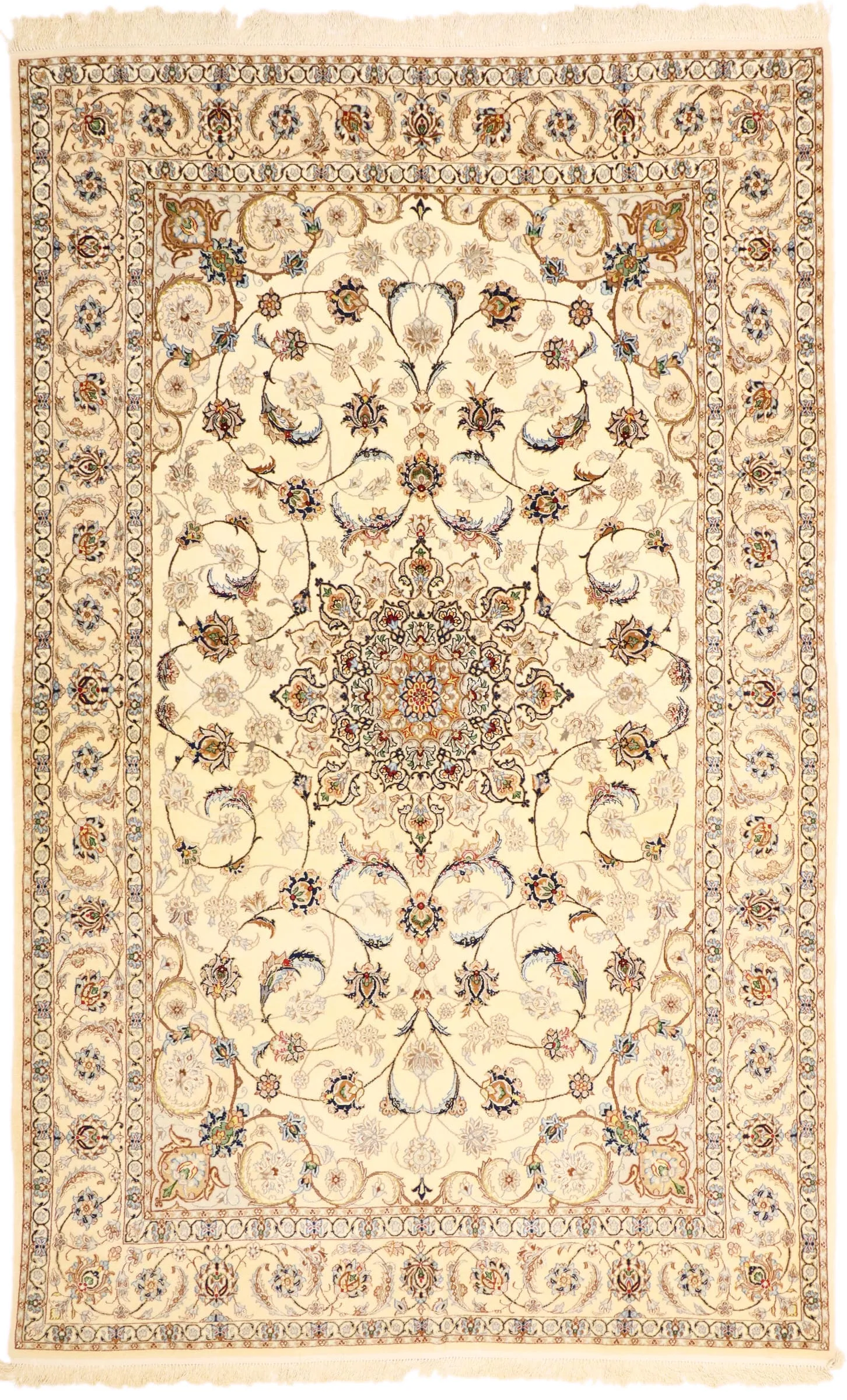
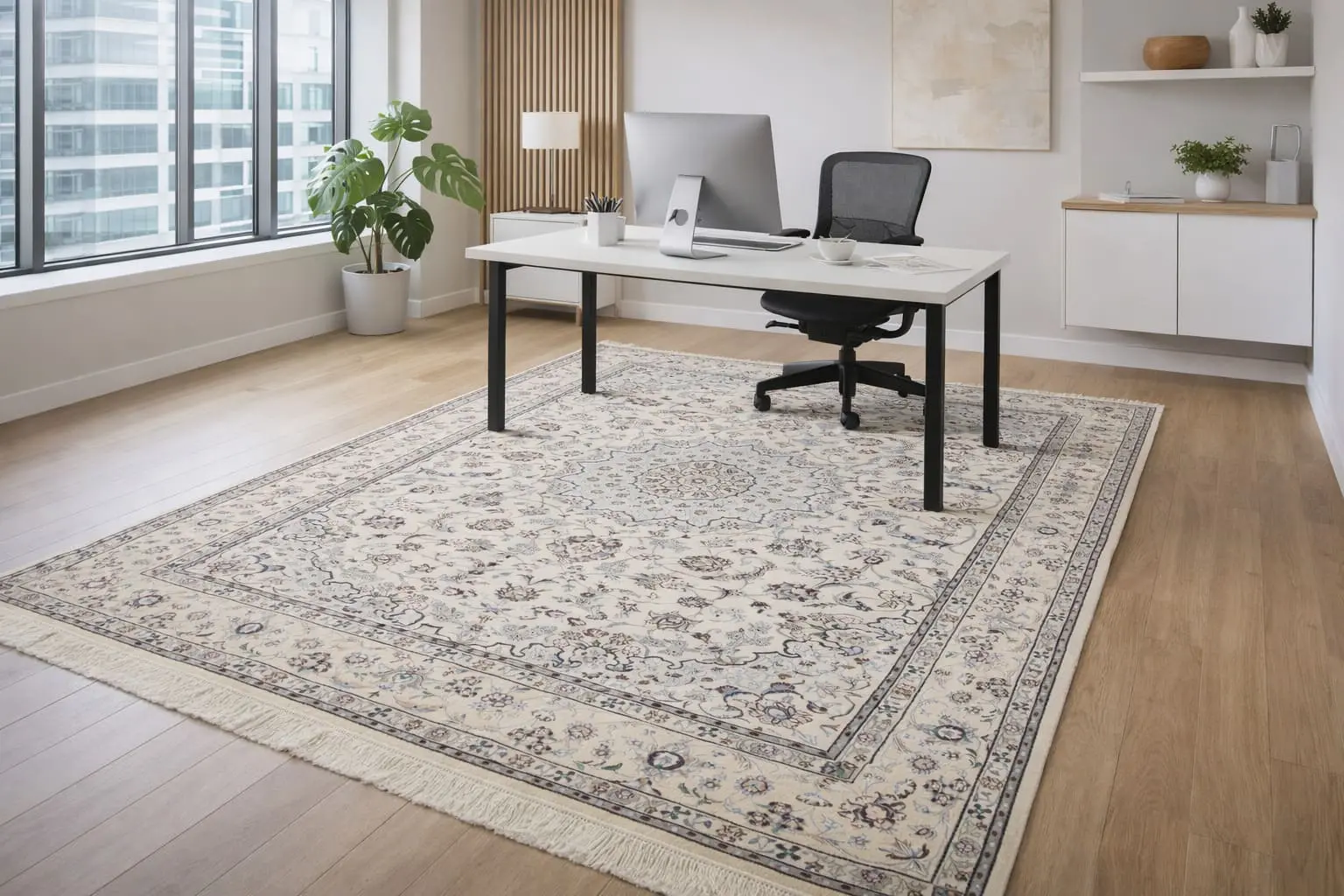
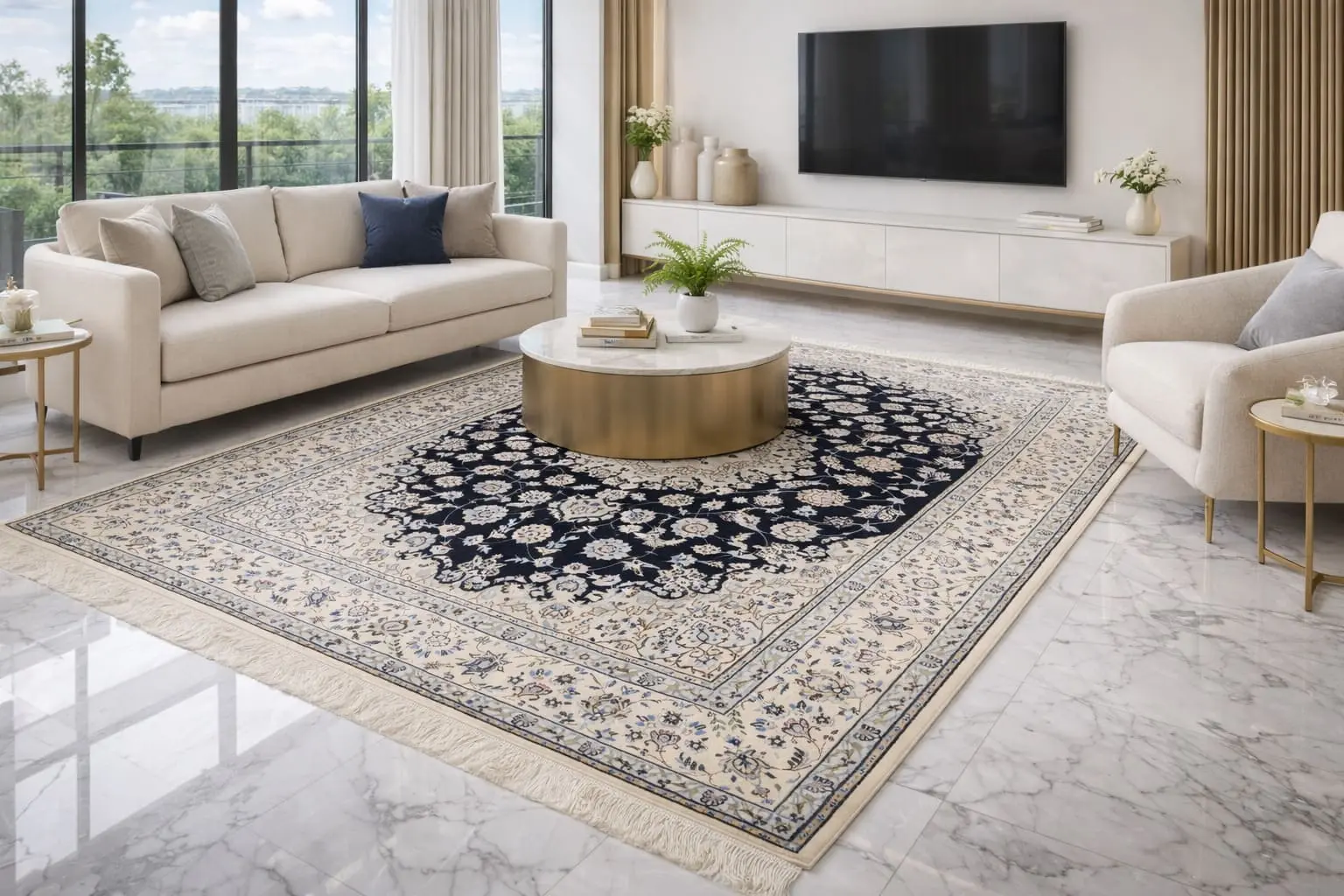
Nain rugs stand out through light ivory and blue tones, fine lines and frequent silk accents. Their quiet elegance suits both classic and contemporary interiors.
Discover Nain Rugs
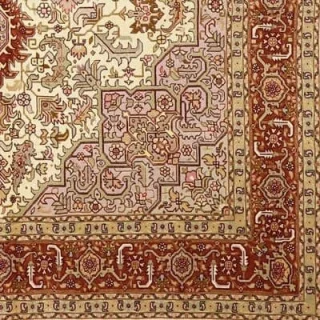
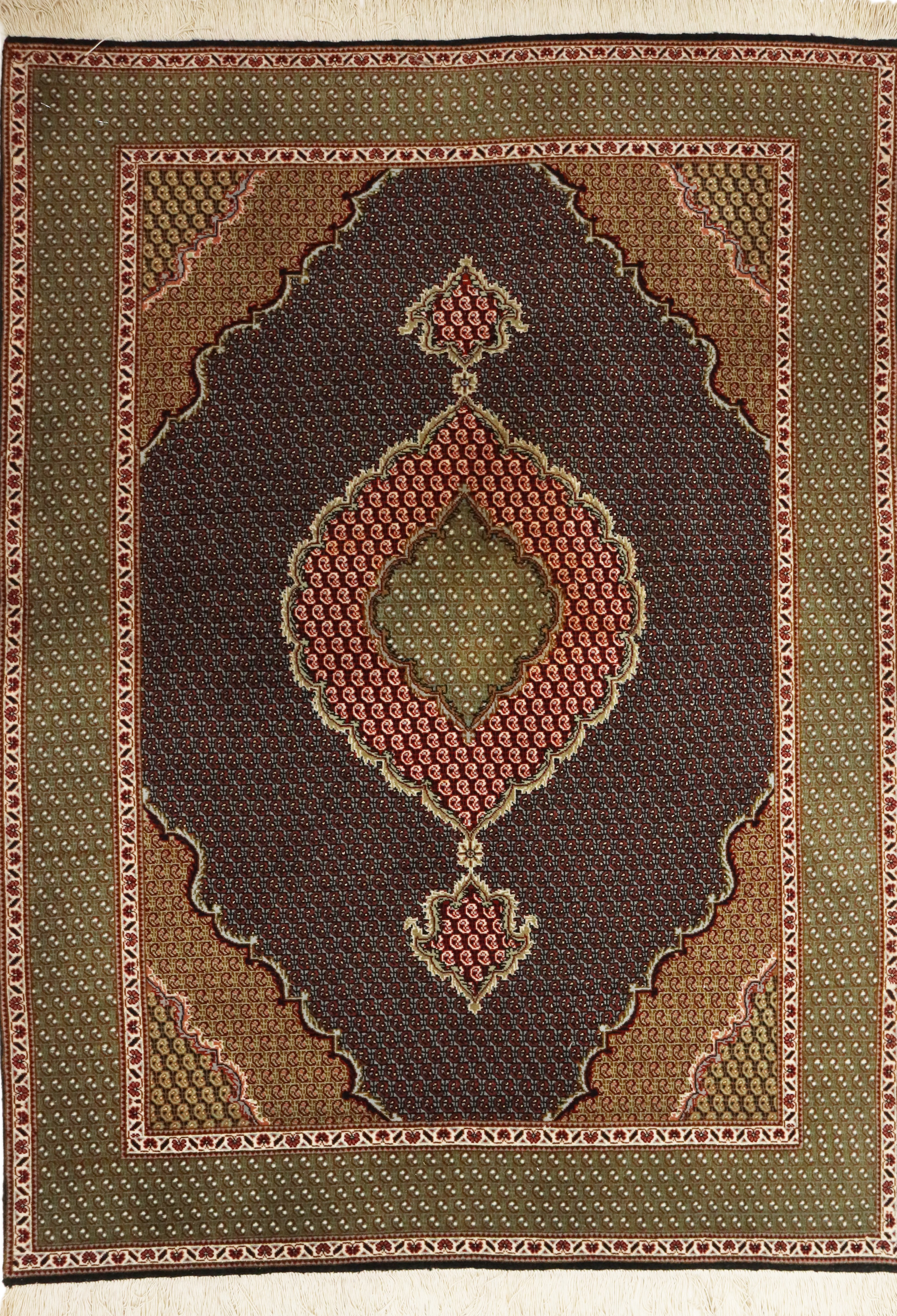
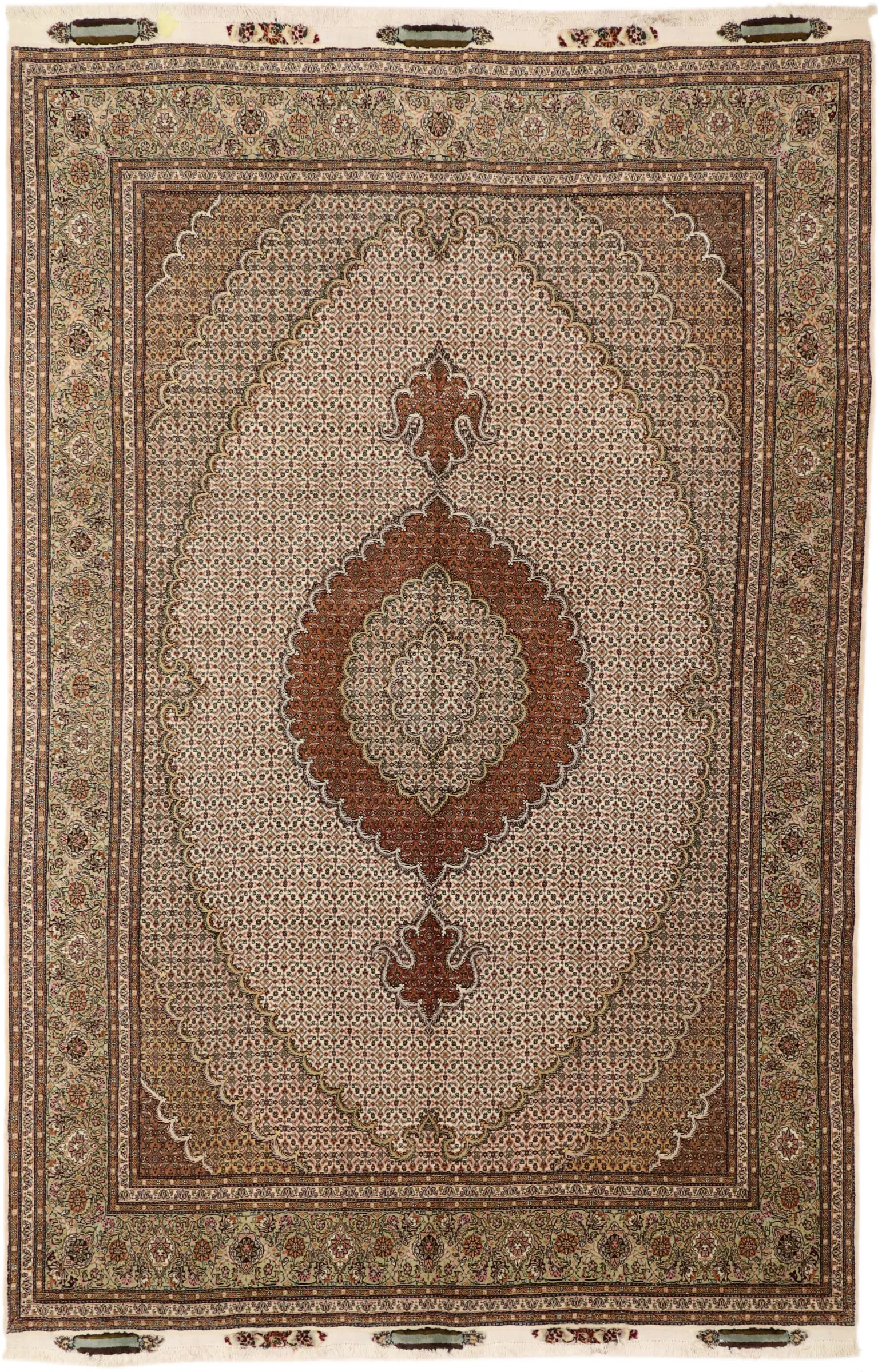
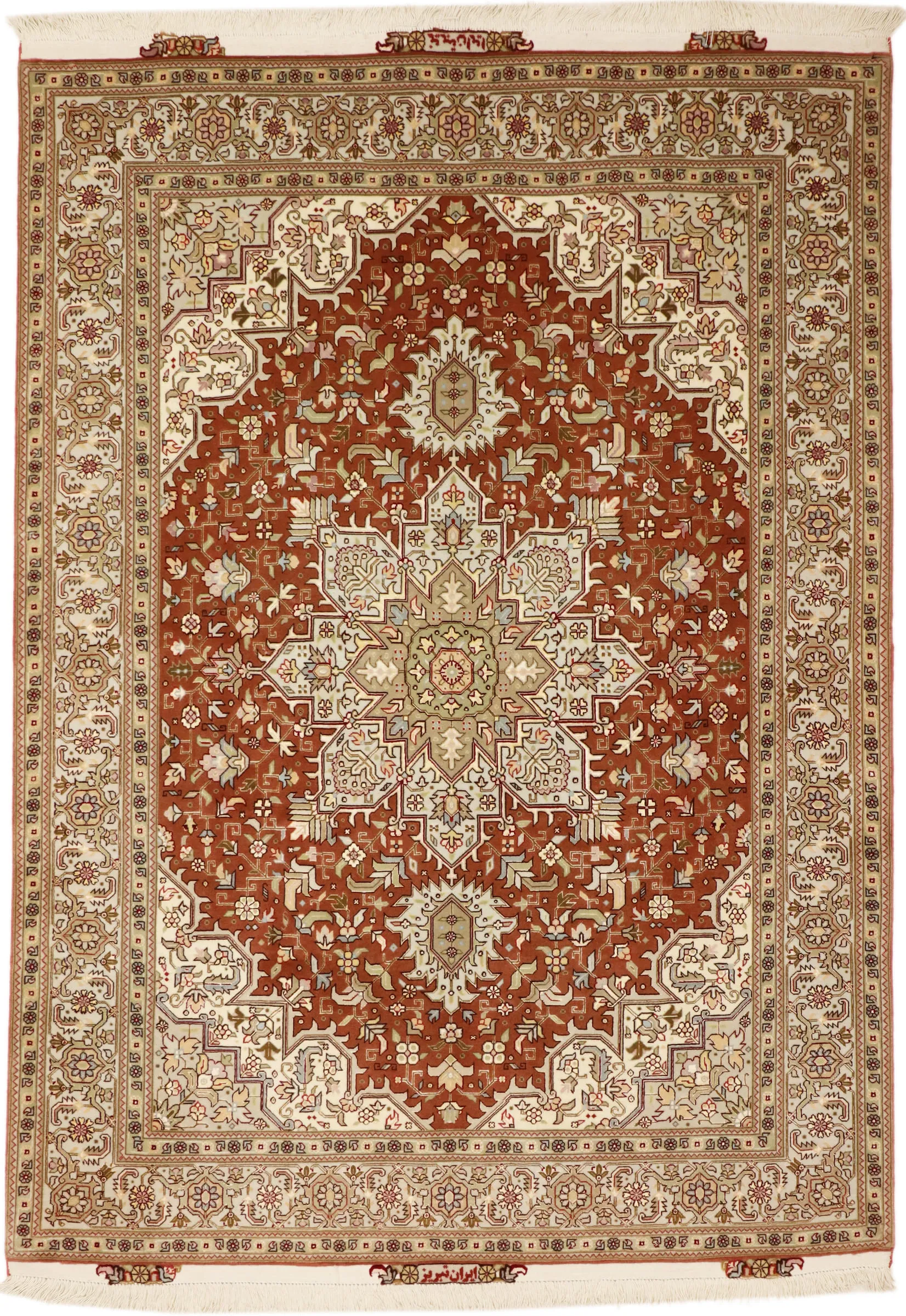
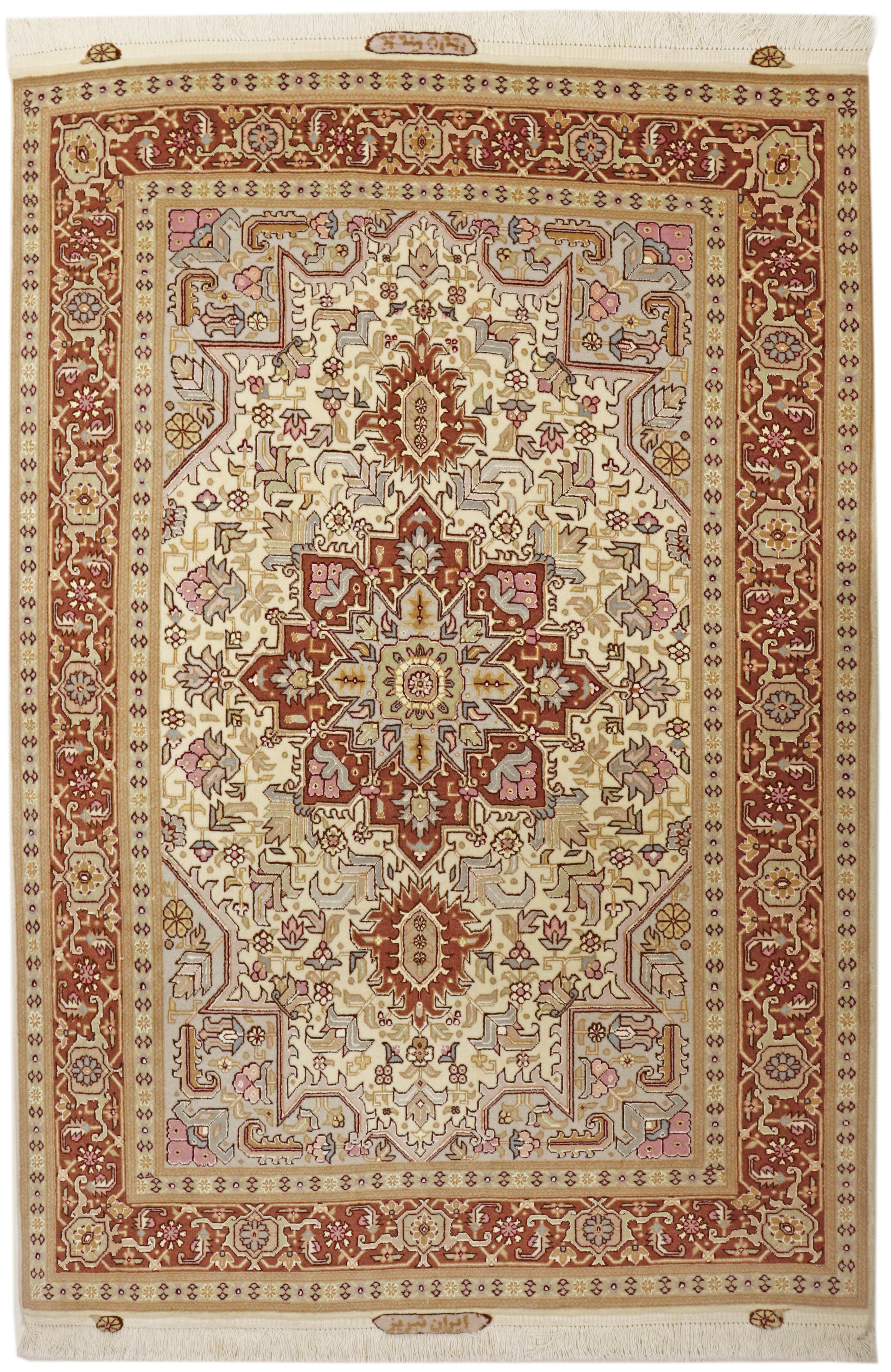
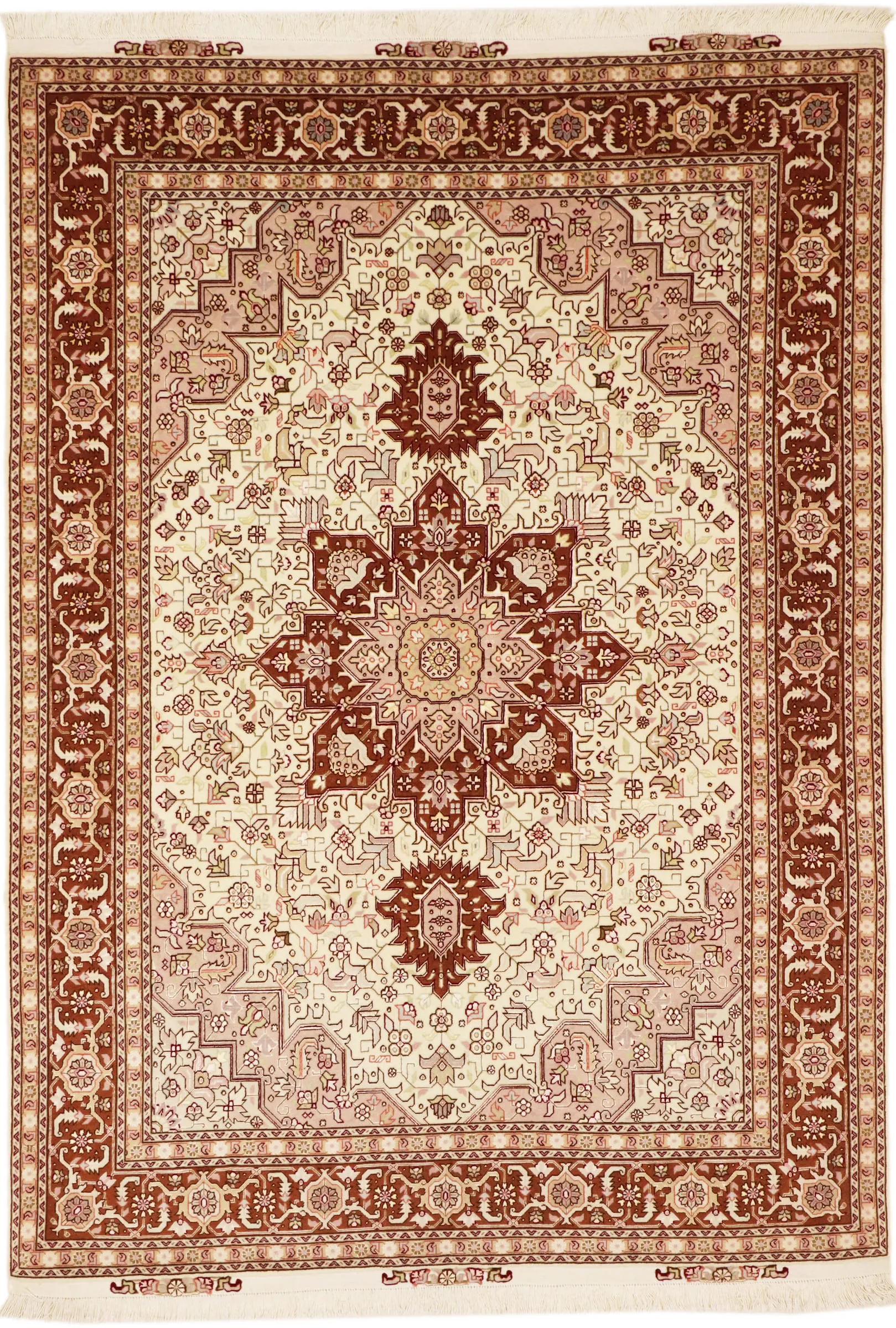
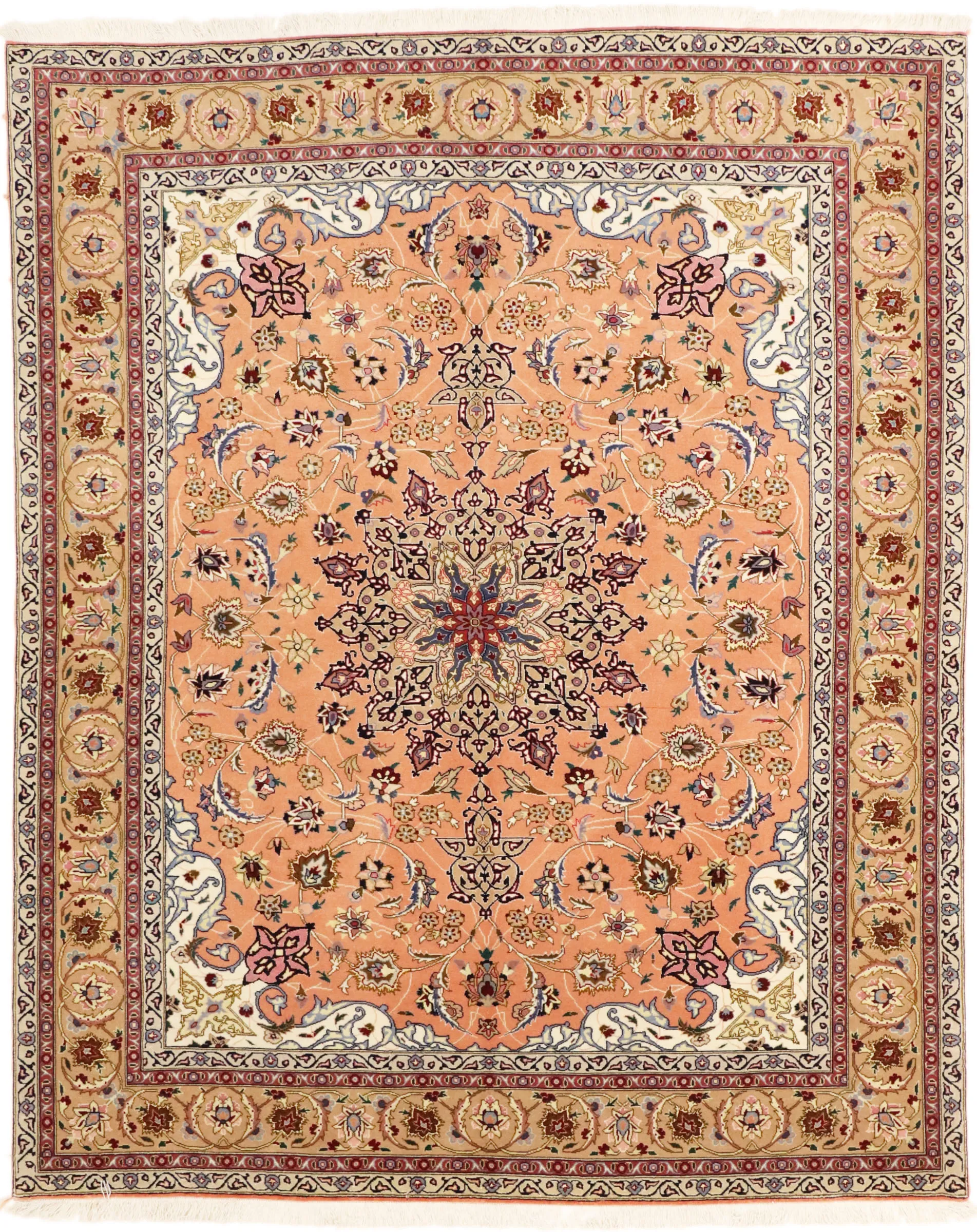
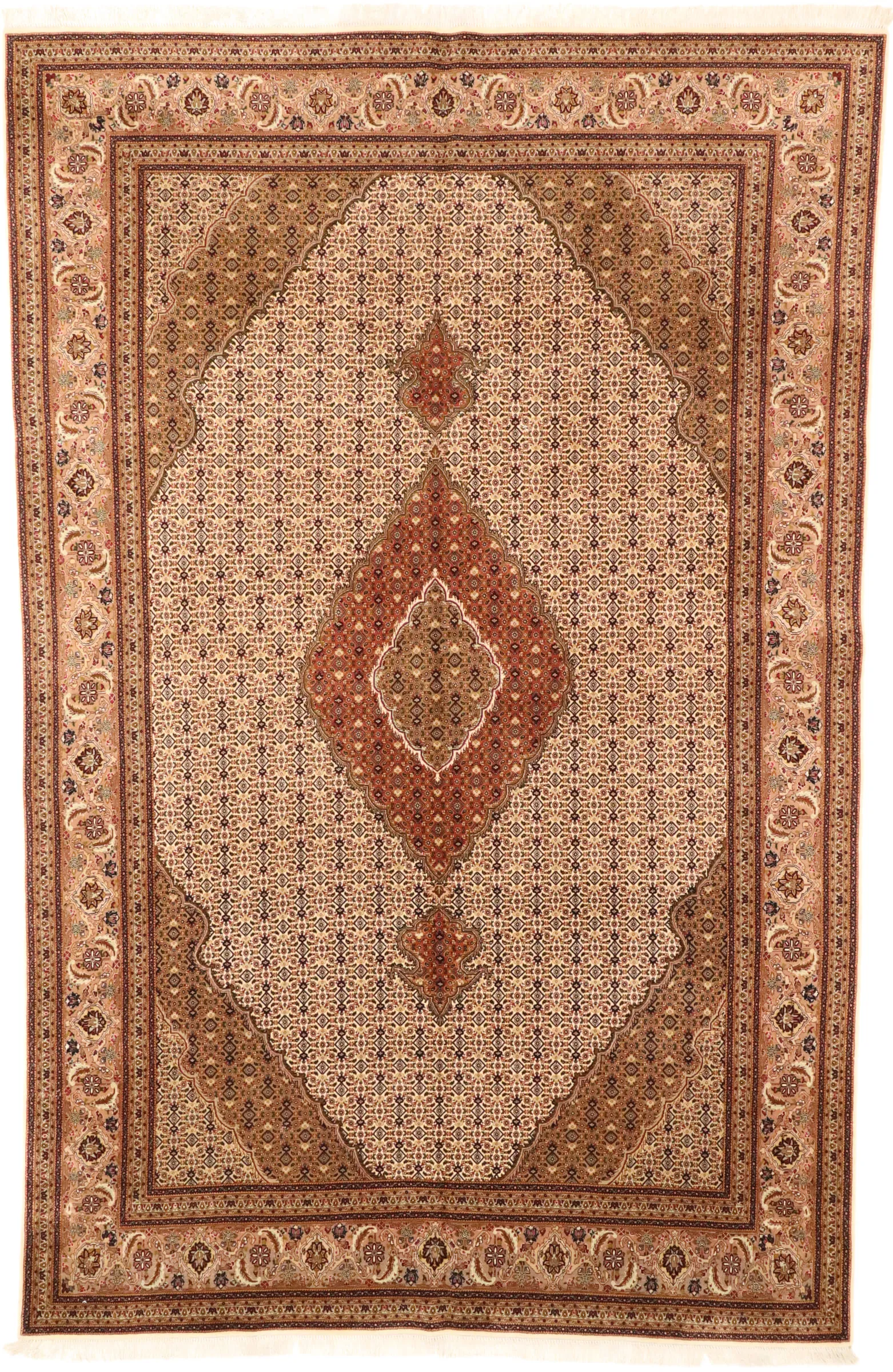
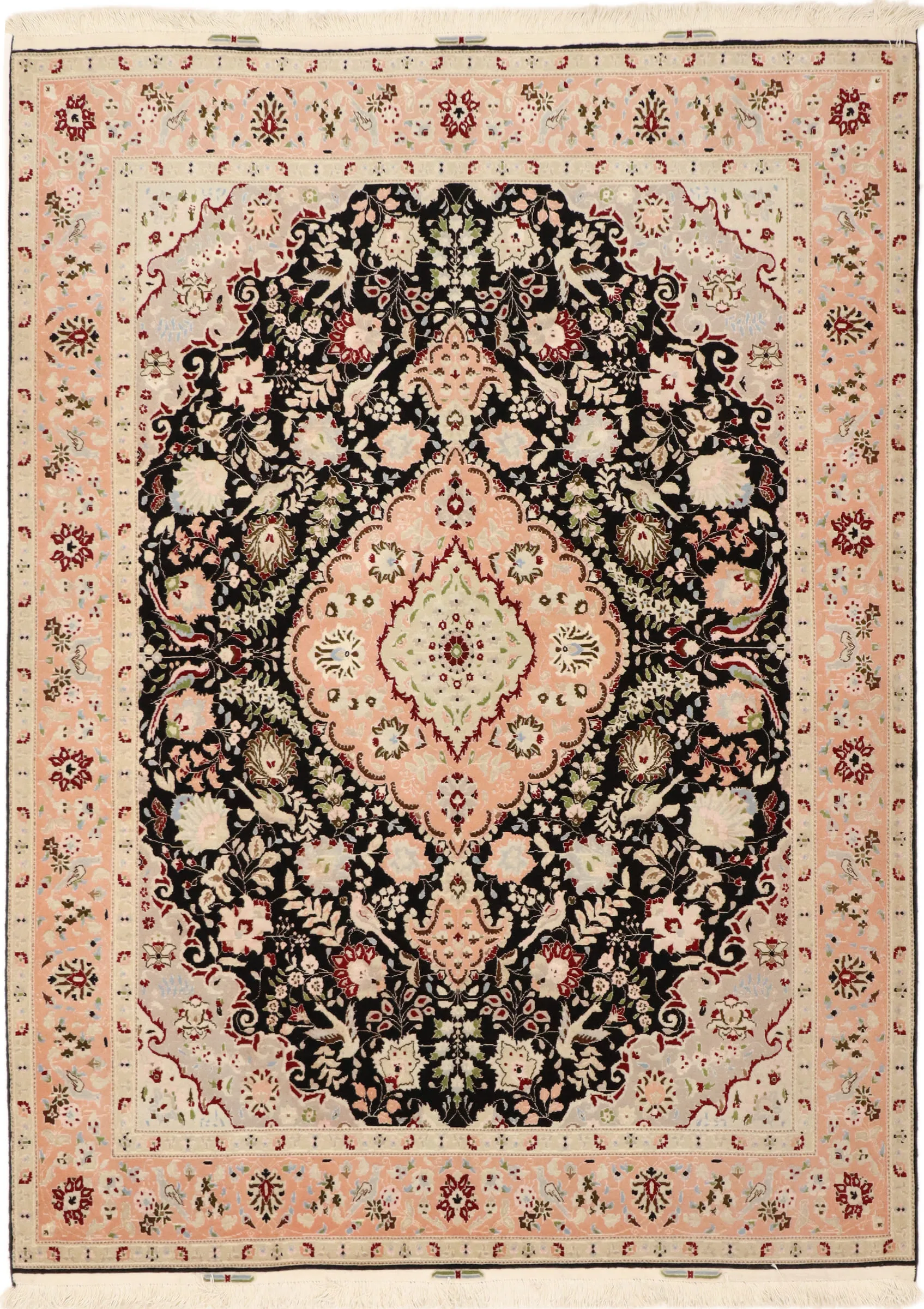
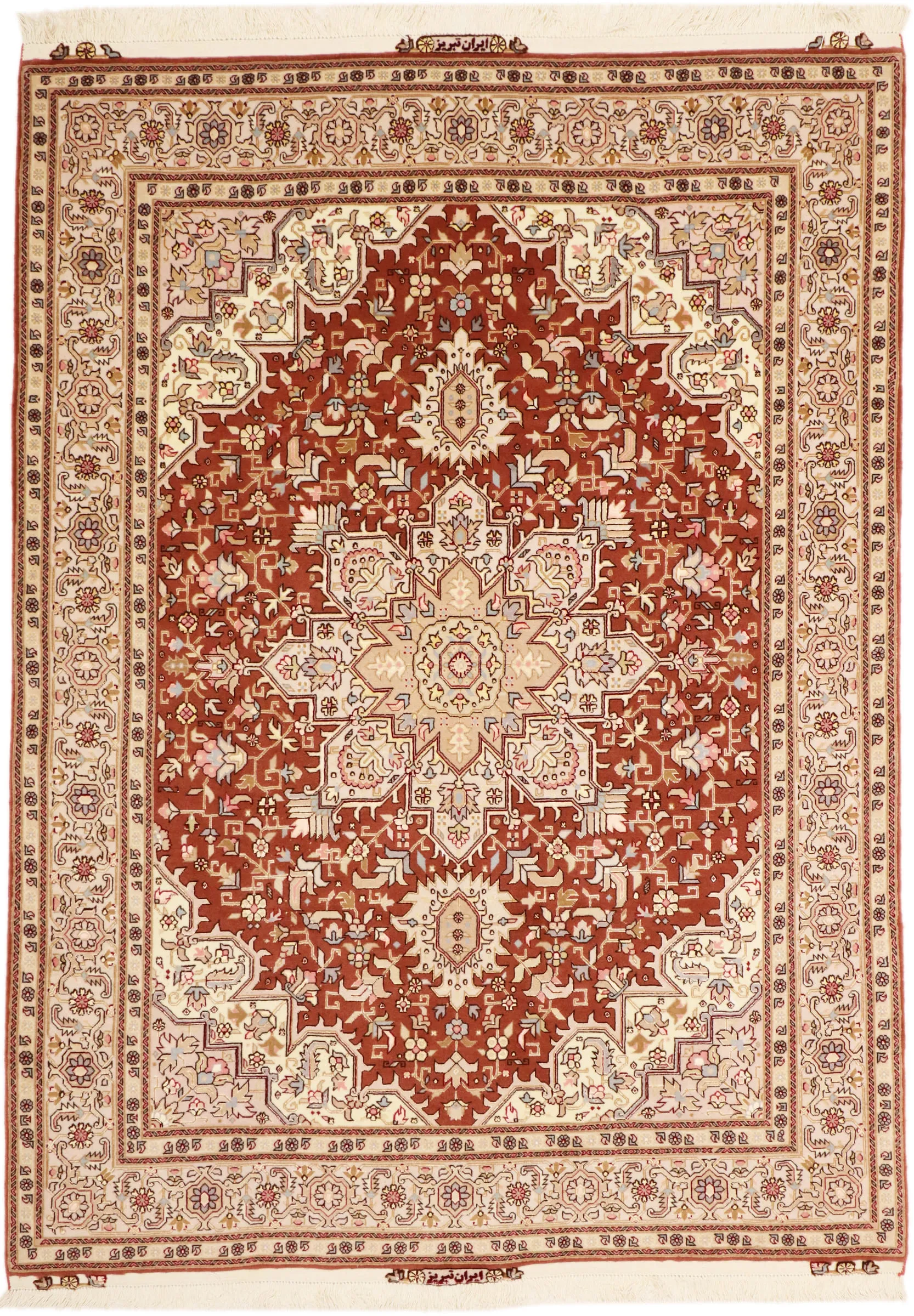
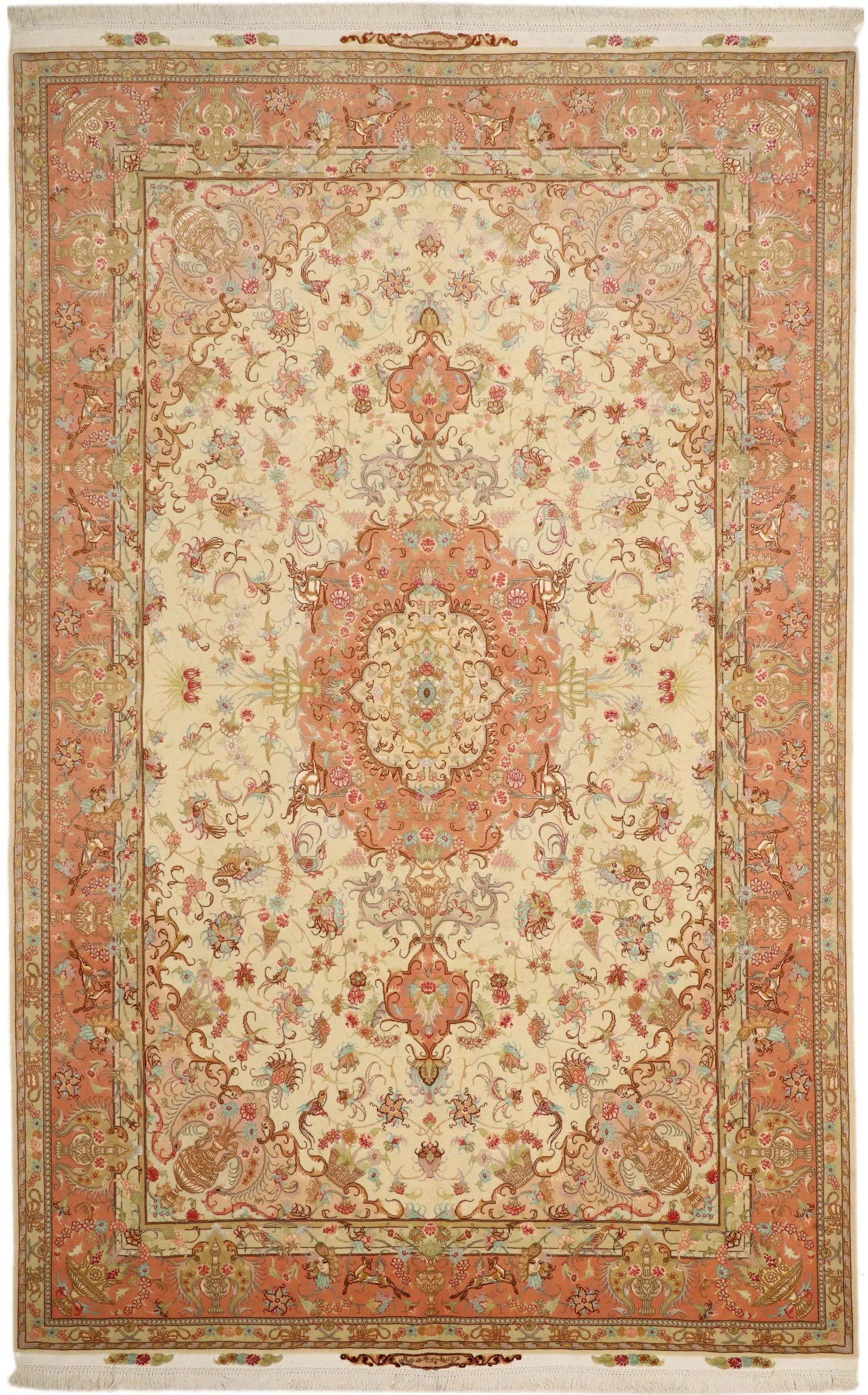
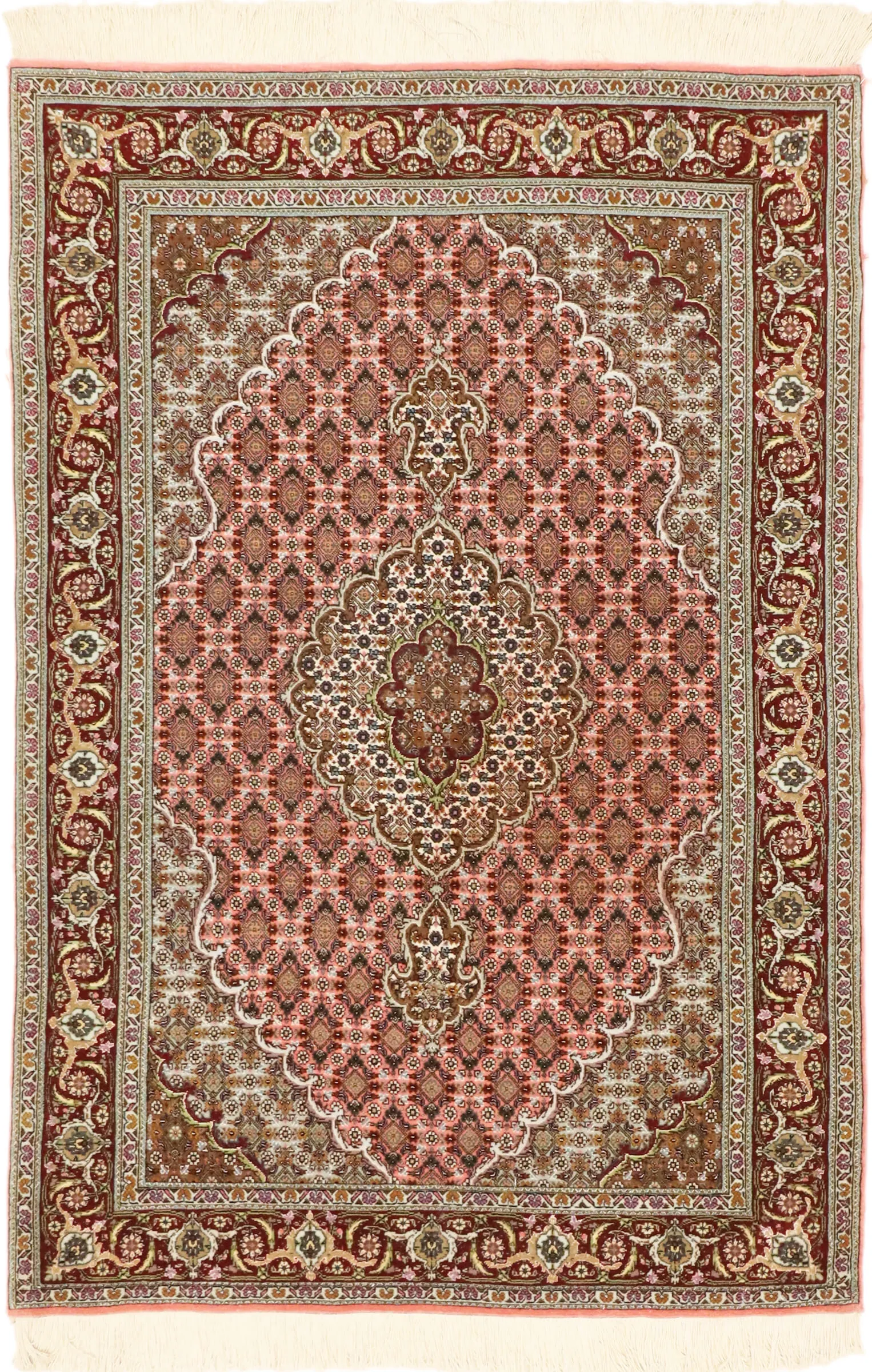
Tabriz is one of the best-known Persian weaving centres. Its rugs offer a broad design spectrum – from fine medallions and floral patterns to figurative and exceptionally elaborate motifs.
Anyone looking for a precisely drawn Persian rug with a classic presence will find an especially varied selection within this provenance.
Discover Tabriz RugsKnot density can indicate how finely a pattern can be rendered. However, it is not the only measure of quality. The grade of the materials, consistency of the knotting, colour effect, pile, condition and the craft tradition of the provenance must always be considered together.
Good virgin wool is durable, pleasant to the touch and develops a natural, lively surface.
Silk allows exceptionally fine designs and changes in appearance with the direction and angle of the light.
A higher knot count usually allows greater detail, but on its own it does not determine overall quality.
Clean edges, even tension, harmonious colours and careful finishing are essential.
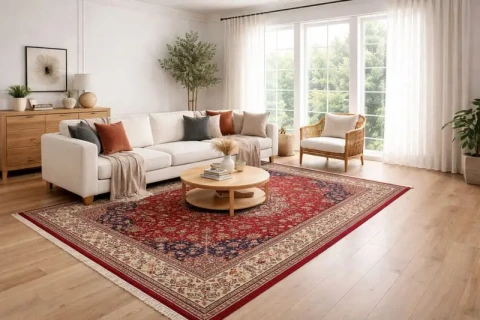
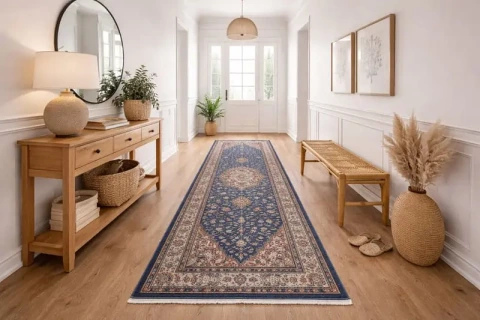
In addition to colour and pattern, the right size is one of the main factors determining whether a rug feels calm and high-quality. Measure the intended area before buying and consider the position of your furniture.
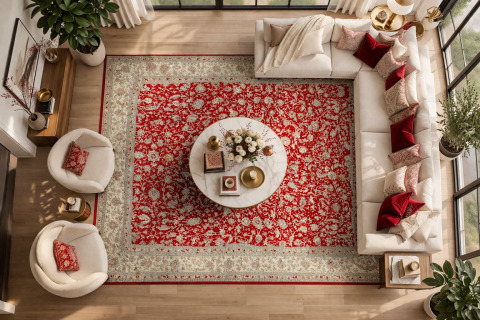
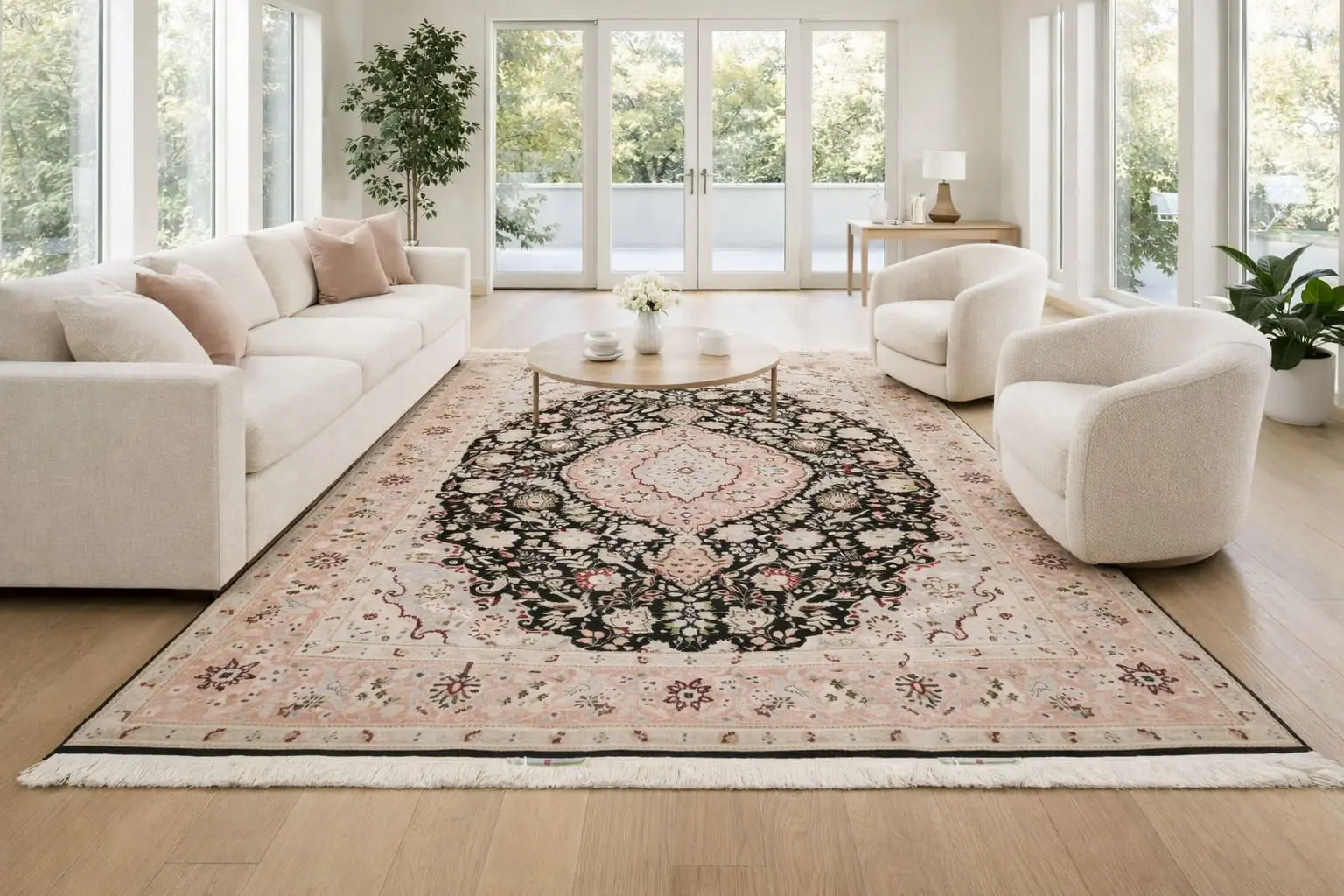
The rug should visually unite the seating area. It often looks harmonious when at least the front legs of the furniture rest on the rug.
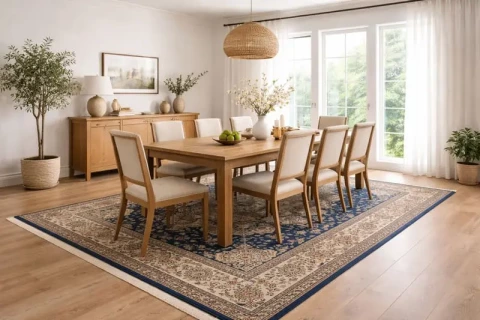
Allow enough space around the table so that the chairs remain safely on the rug when pulled back – usually around 60 to 70 cm on each side.
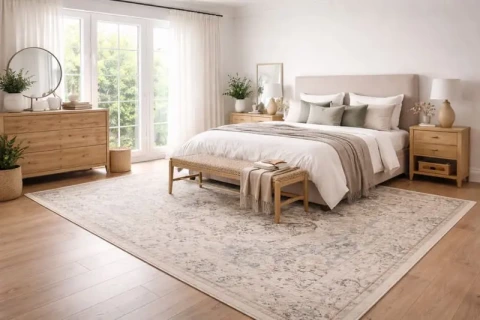
A large rug beneath the bed creates calm and comfort. Alternatively, two runners beside the bed add focused, elegant accents.
Over the centuries, Persian rugs developed into significant expressions of culture and craftsmanship. Cities, villages and nomadic communities created their own motifs, colour palettes and knotting techniques. Many patterns were passed down through generations while continually being reinterpreted.
This combination of inherited knowledge, careful handwork and individual design makes an authentic Persian rug a long-lasting companion in the home. For a fuller overview, visit our page on the history of Oriental rugs.
Since 1995, Jakobson Carpets has stood for hand-knotted rugs, personal advice and transparent quality. We help you assess a rug's material, origin, size and effect with confidence.
For every eligible rug, you receive transparent details about its origin, materials and hand-crafted construction.
Hand-knotted rugs come with a three-year warranty in accordance with the stated warranty terms.
Free shipping and free returns, together with a 31-day return policy, give you added confidence when choosing.
Key answers about origin, authenticity, materials, knot density and choosing the right rug.
Oriental rug is the umbrella term for handmade rugs from different countries and regions. A Persian rug is an Oriental rug from present-day Iran that belongs to a Persian knotting tradition.
The knot structure is visible on the reverse, the pattern can be followed there and the fringes form part of the foundation. Small irregularities can indicate genuine handwork.
No. A high knot density allows finer detail, but it is only one quality characteristic. Materials, craftsmanship, colour effect, condition and provenance are equally important.
Virgin wool, cotton and silk are commonly used. Depending on the provenance, the pile and warp may be made from different materials or high-quality combinations.
Yes. In a cleanly designed room, a Persian rug can add warmth, structure and a refined focal point. The restrained colour palettes of Nain or Isfahan rugs are particularly easy to combine with modern interiors.
Measure the intended area, including the furniture. The key question is whether the rug should unite a seating group, fully accommodate a dining table or deliberately define a particular zone.
You benefit from personal advice, a certificate of authenticity, free shipping and free returns, a 31-day return policy and a three-year warranty on hand-knotted rugs.