Free shipping and free returns
3-year warranty
31 day money back guarantee
Free shipping & returns 31-day return policy
SUMMER SALE 26 · save an extra 10%
Free shipping & returns 31-day return policy
SUMMER SALE 26 · save an extra 10%
Currency
EN · EUR
Language
Currency

Nomadic and Village Rugs

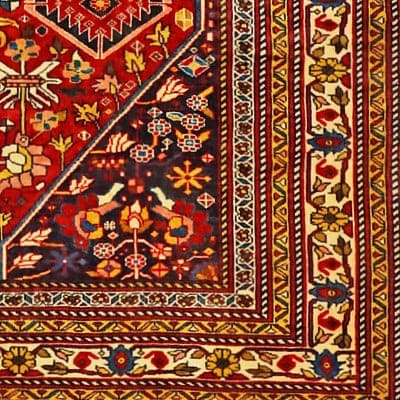
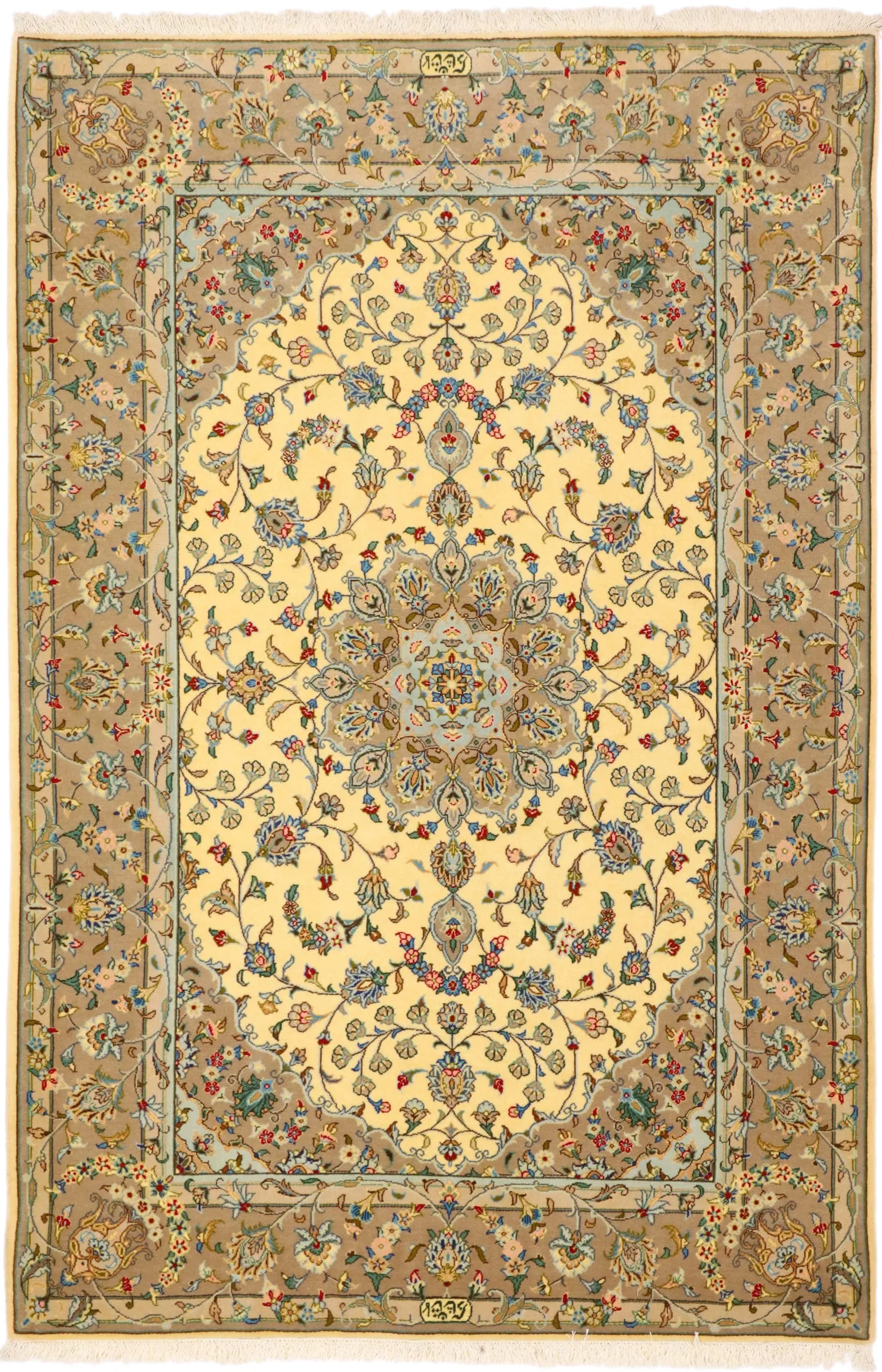
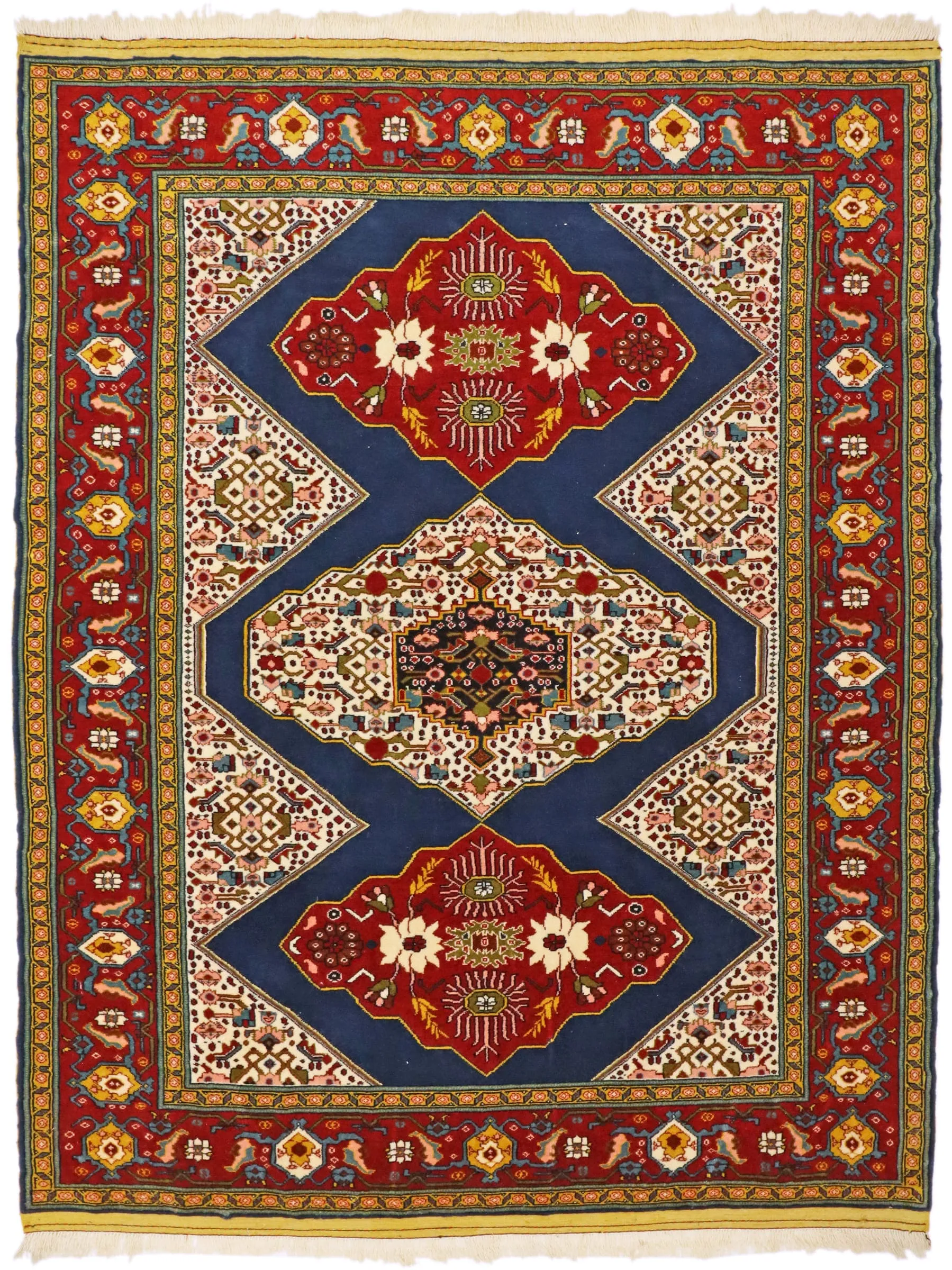
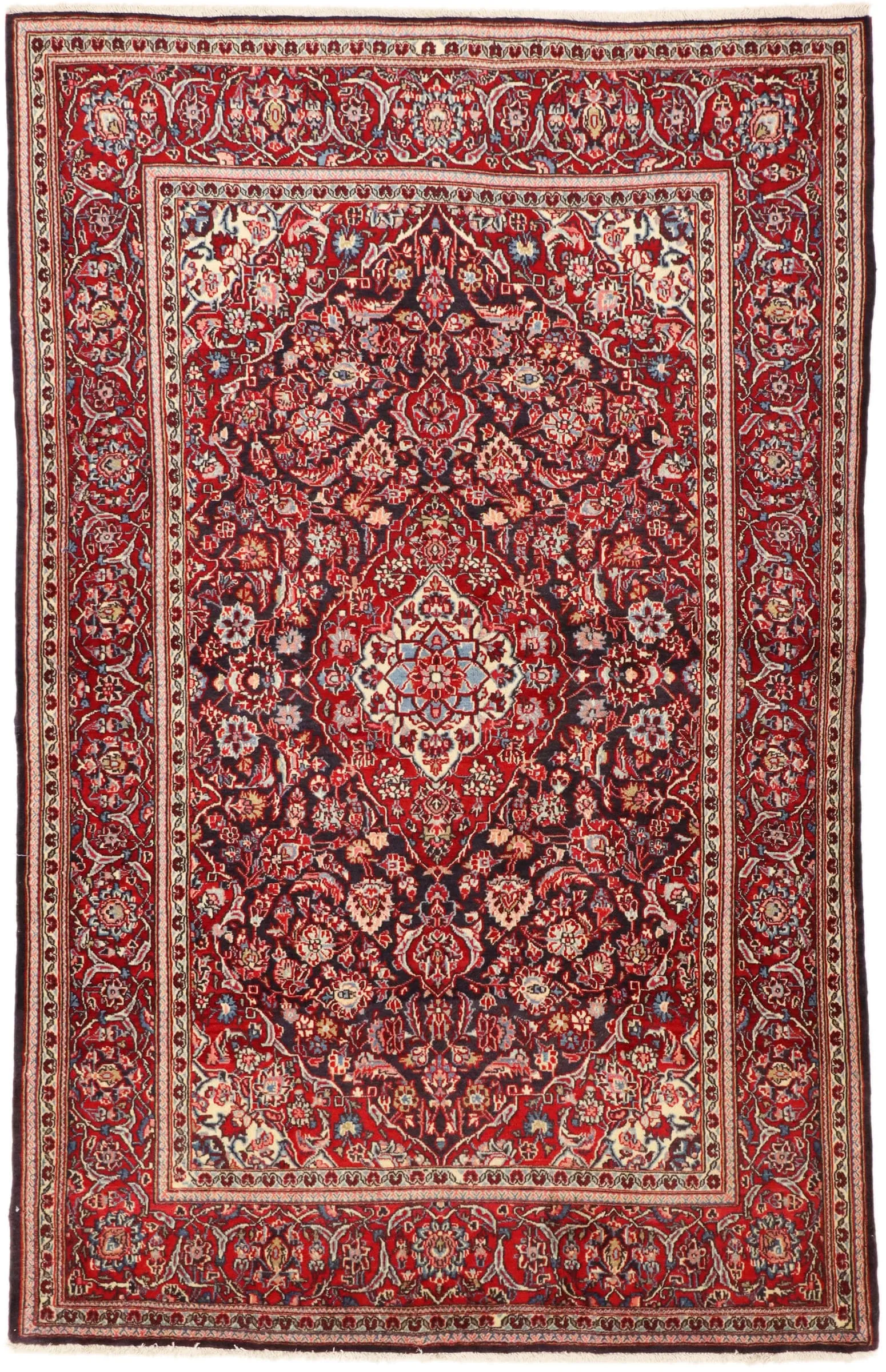
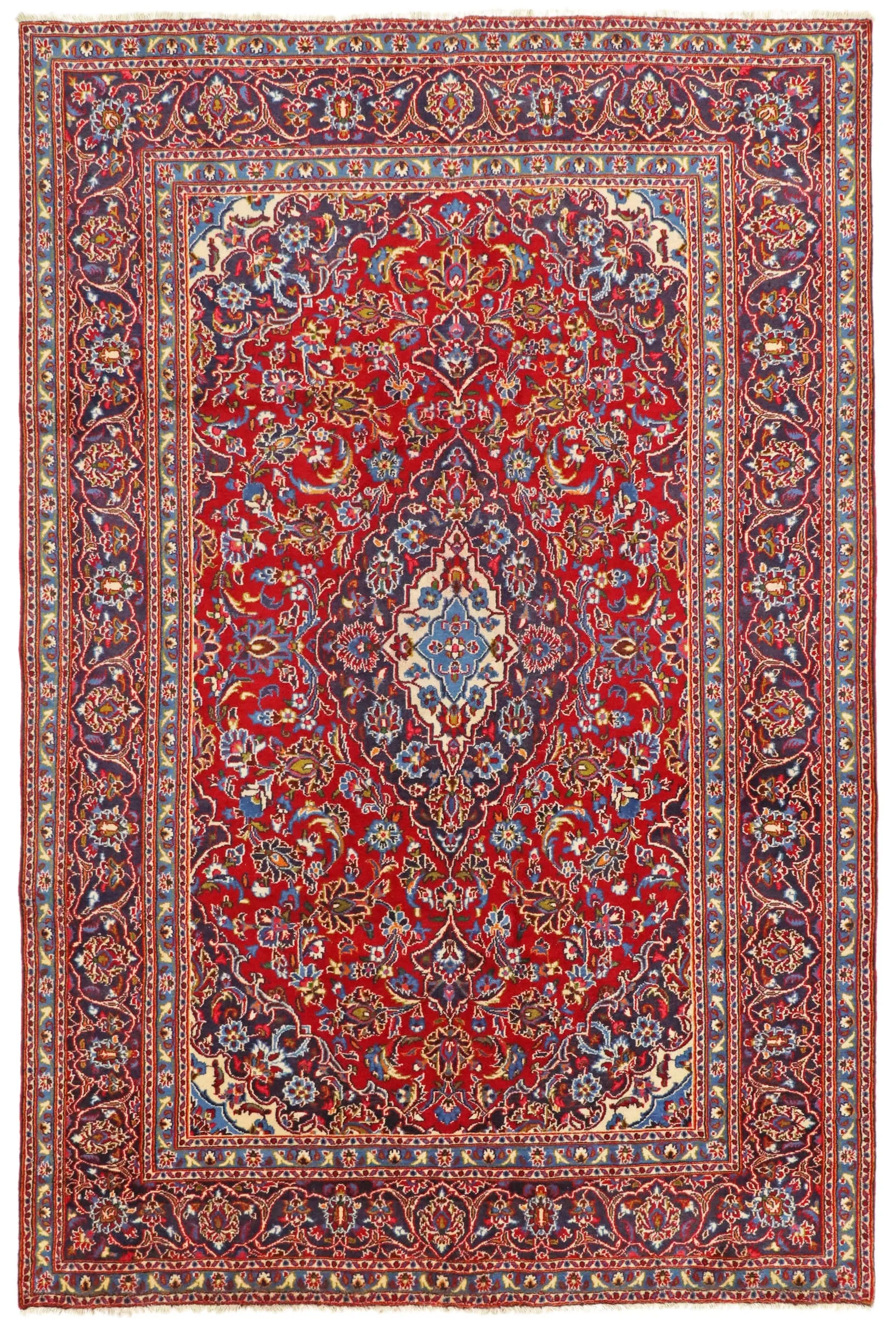
Nomadic and Village Rugs combine traditional hand-knotting with expressive patterns, richly layered colours and the unmistakable character of individually made pieces. At Jakobson Carpets, you can buy selected hand-knotted wool rugs that reflect the distinctive craft traditions of nomadic and village weaving. These hand-knotted Oriental rugs are traditionally created within nomadic communities or small village workshops, often using durable wool and techniques passed down through generations. Typical designs include geometric ornament, stylised animals and plants, as well as freely interpreted traditional symbols. Compared with precisely planned workshop rugs, nomadic rugs and village rugs often show small variations in drawing, proportions and colour transitions that underline the individual character of each one-of-a-kind piece. Their lively pattern language and natural wool surface make them equally suited to traditional interiors and modern living rooms, dining areas or bedrooms, where they add warmth, structure and authentic craftsmanship.

Choose colour
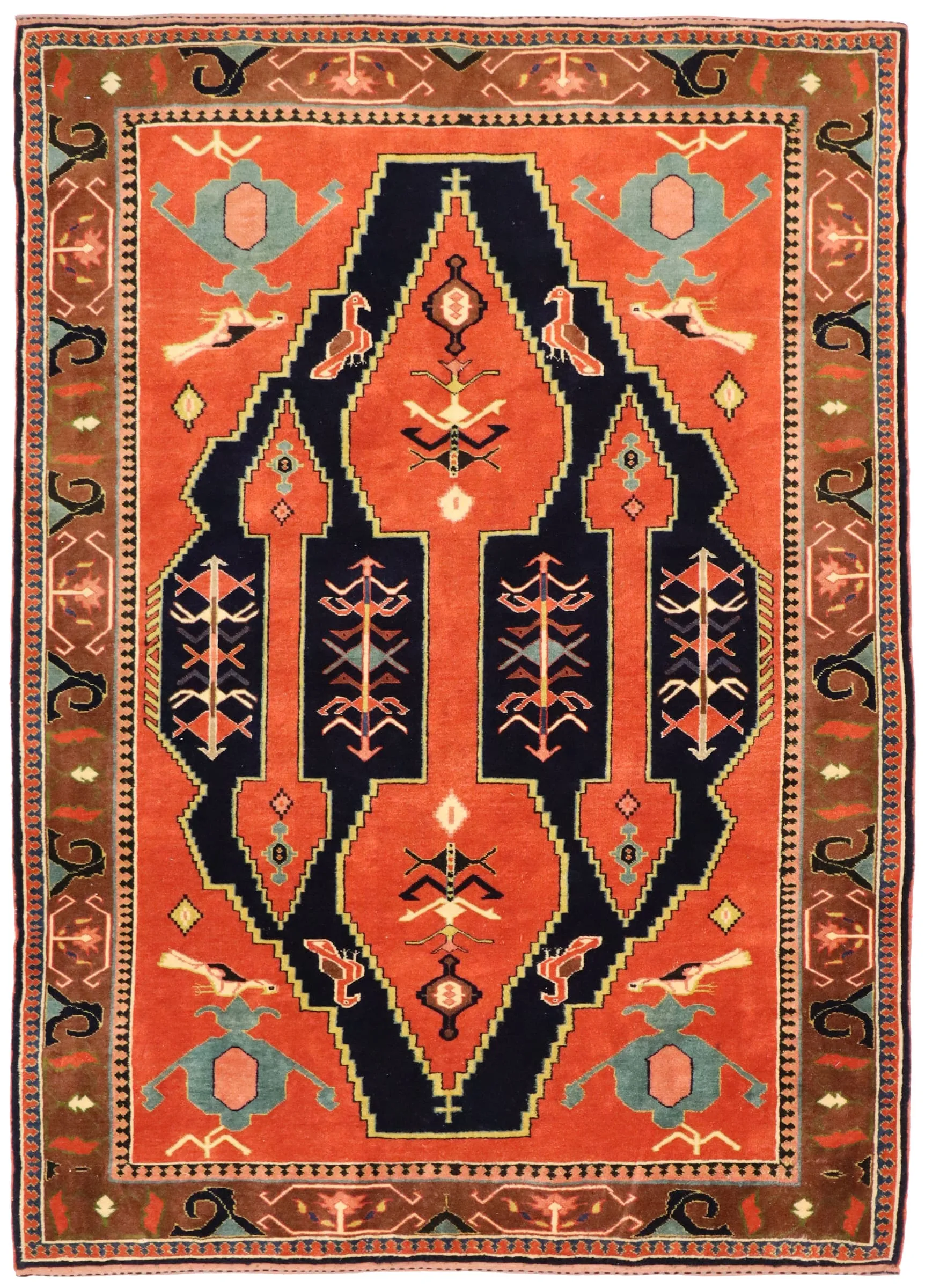
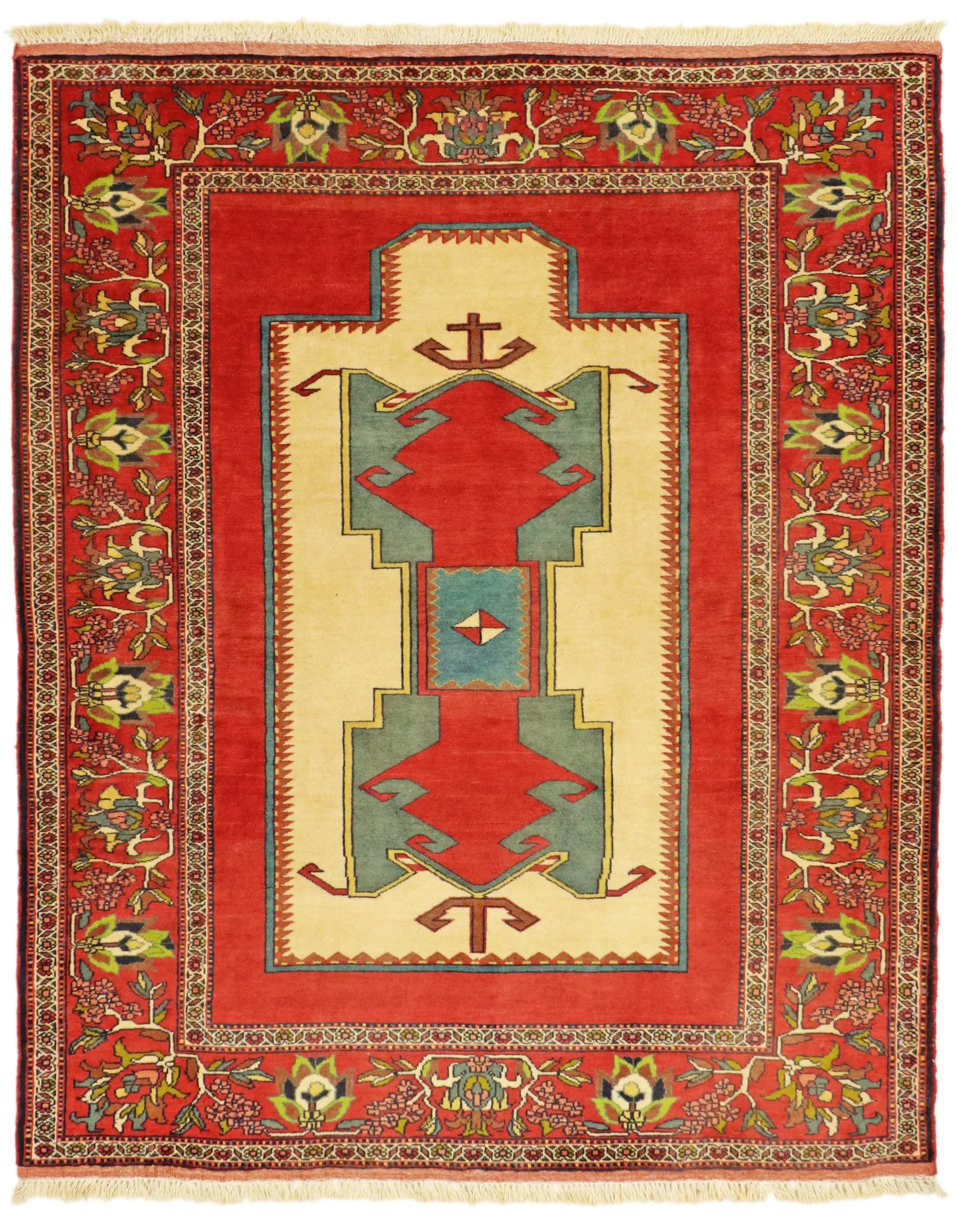
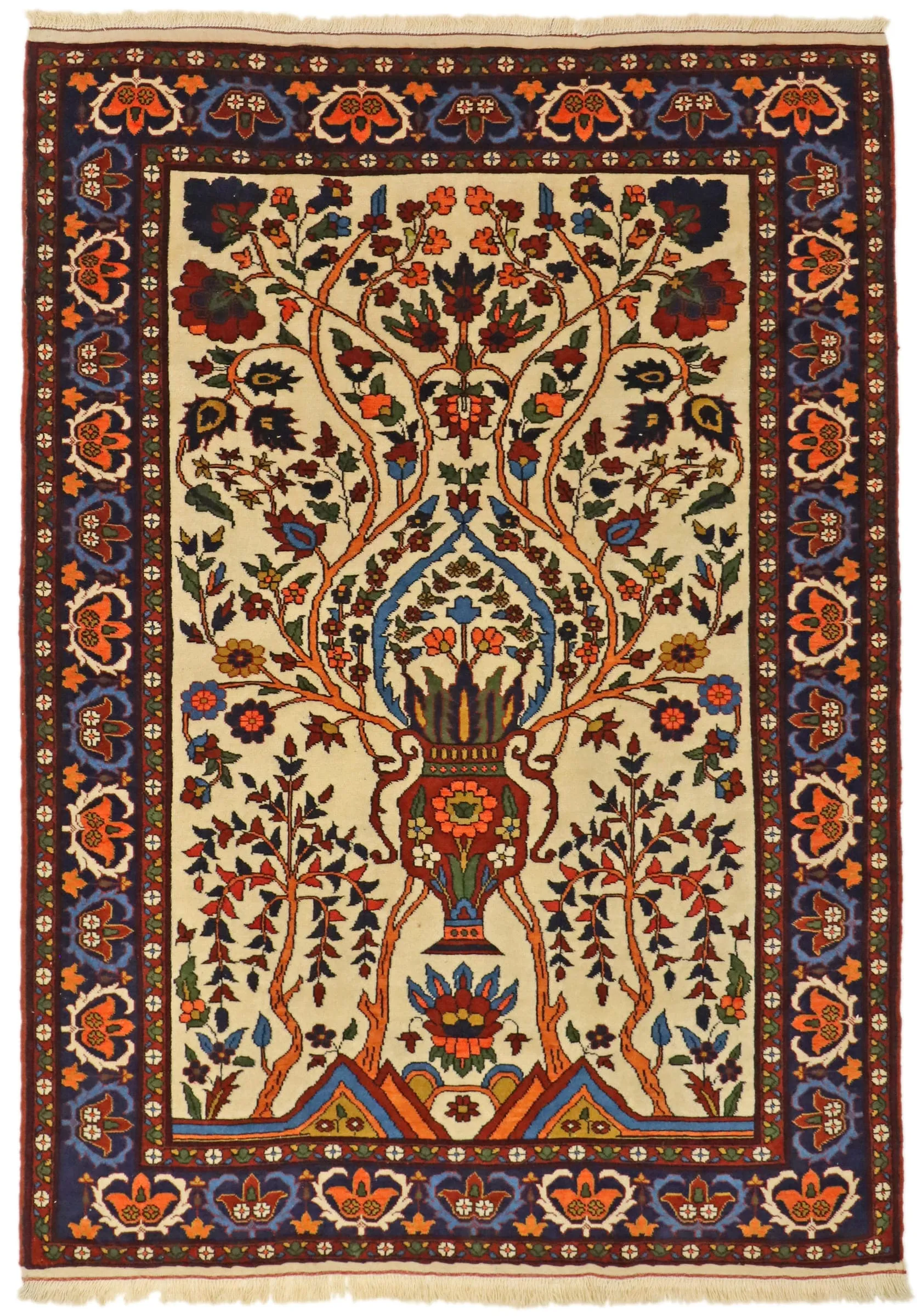
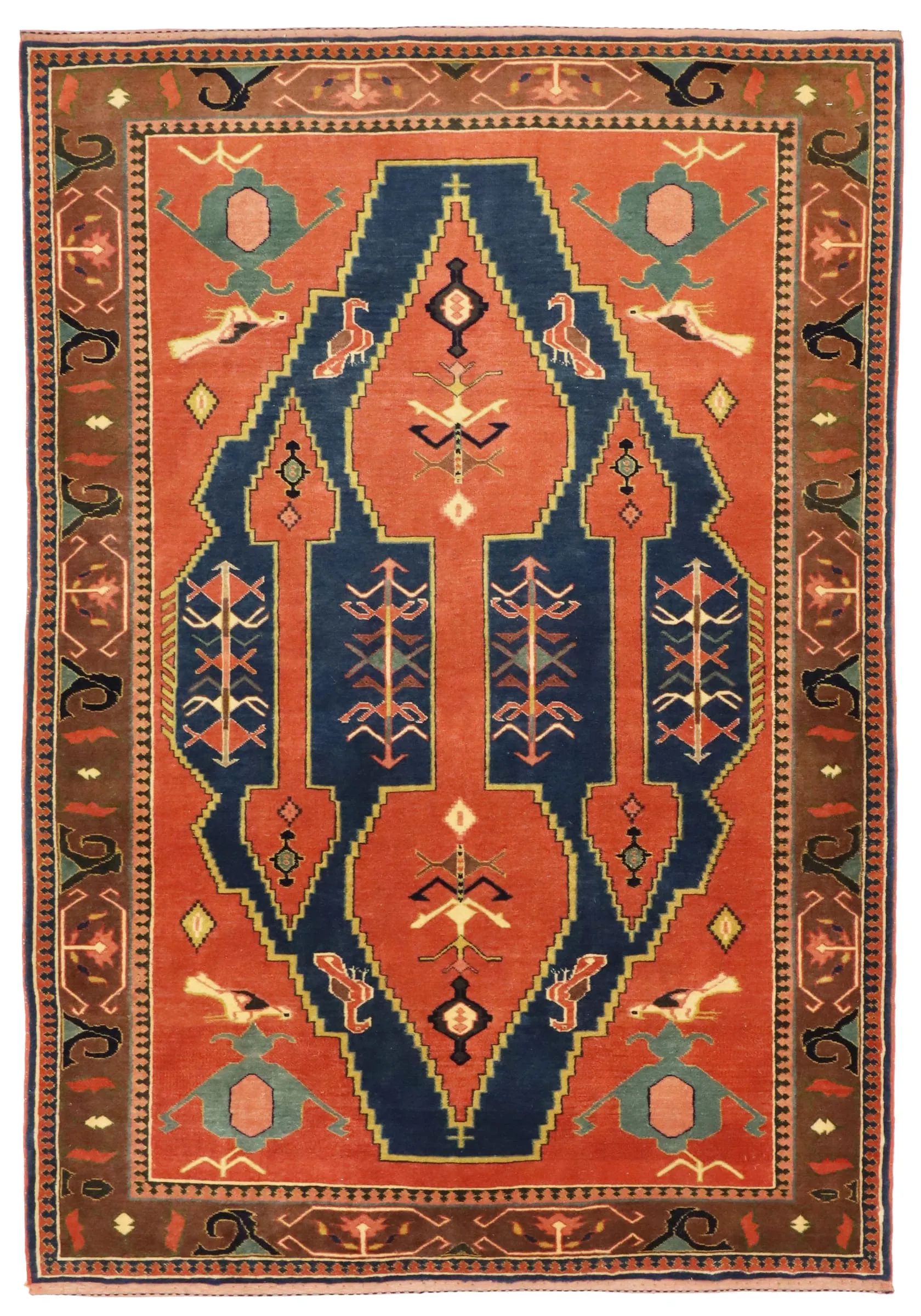
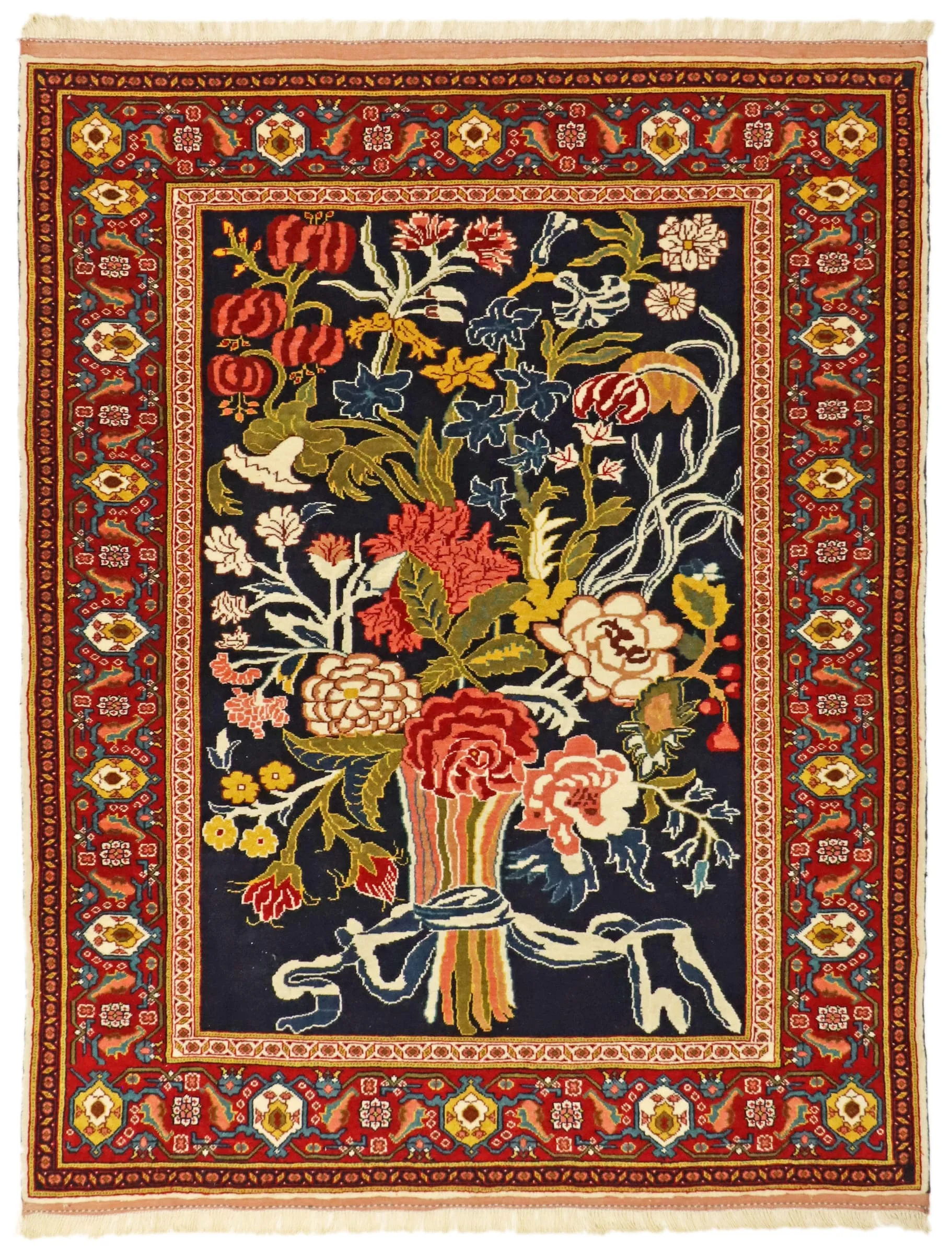
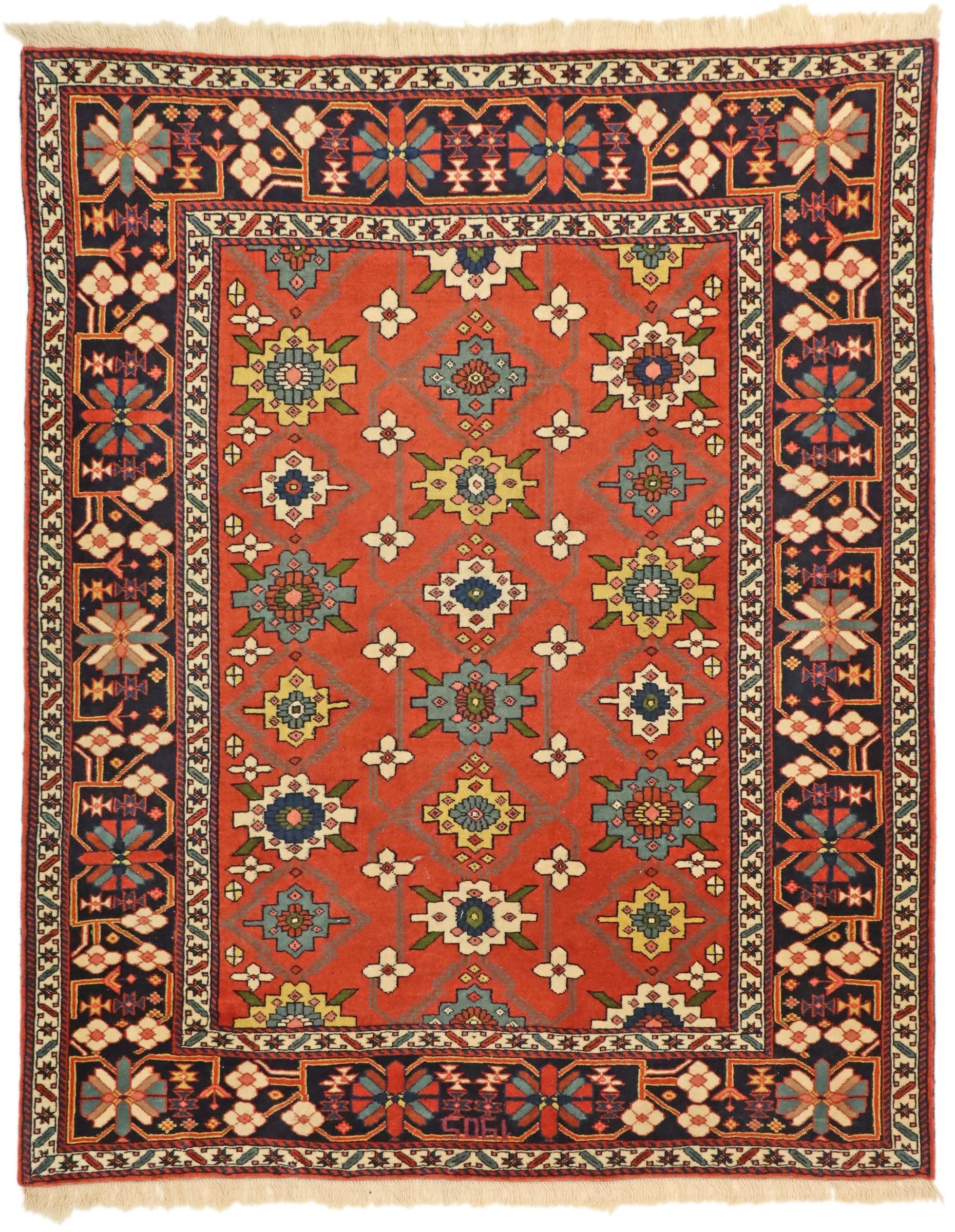
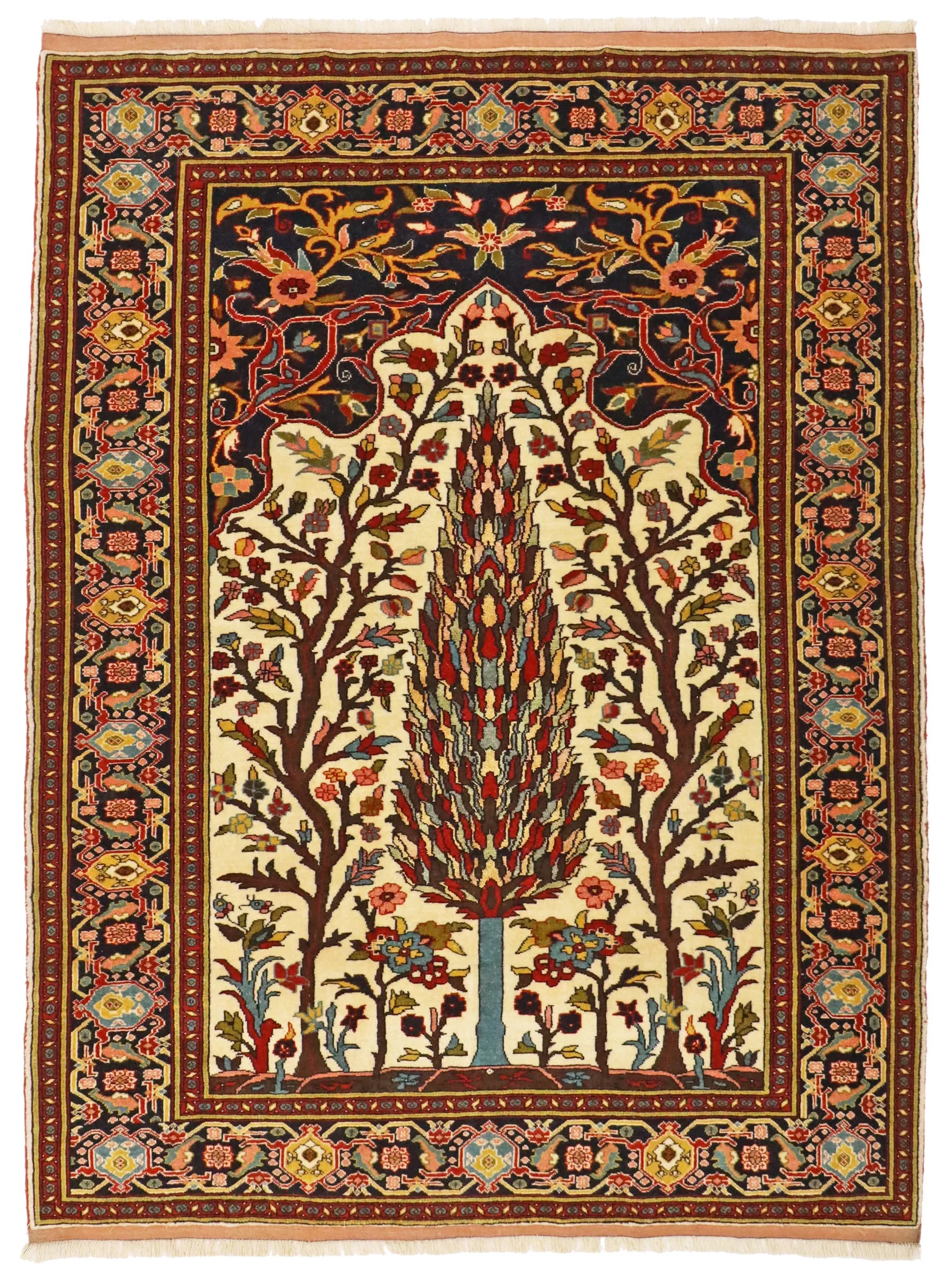
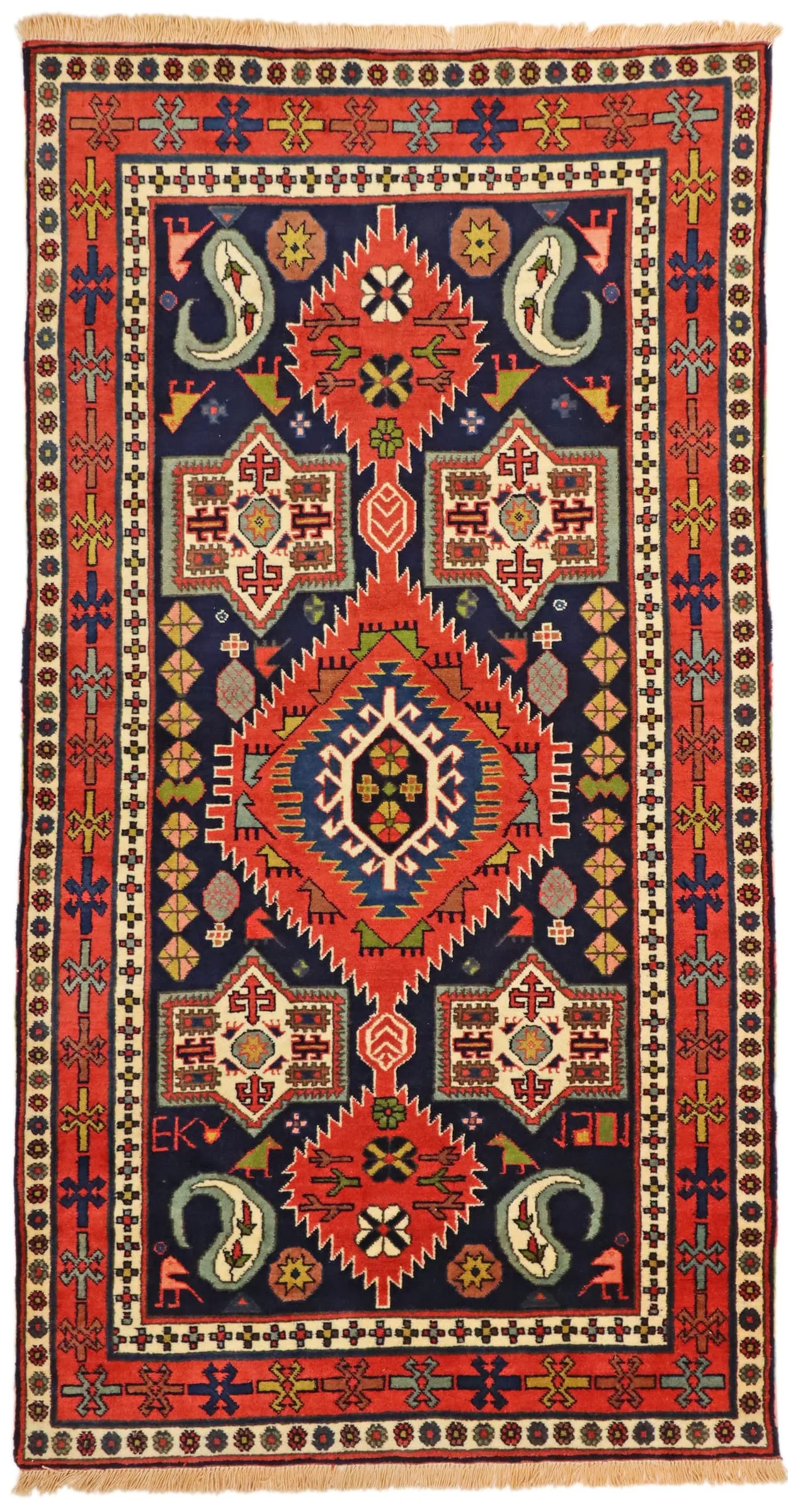
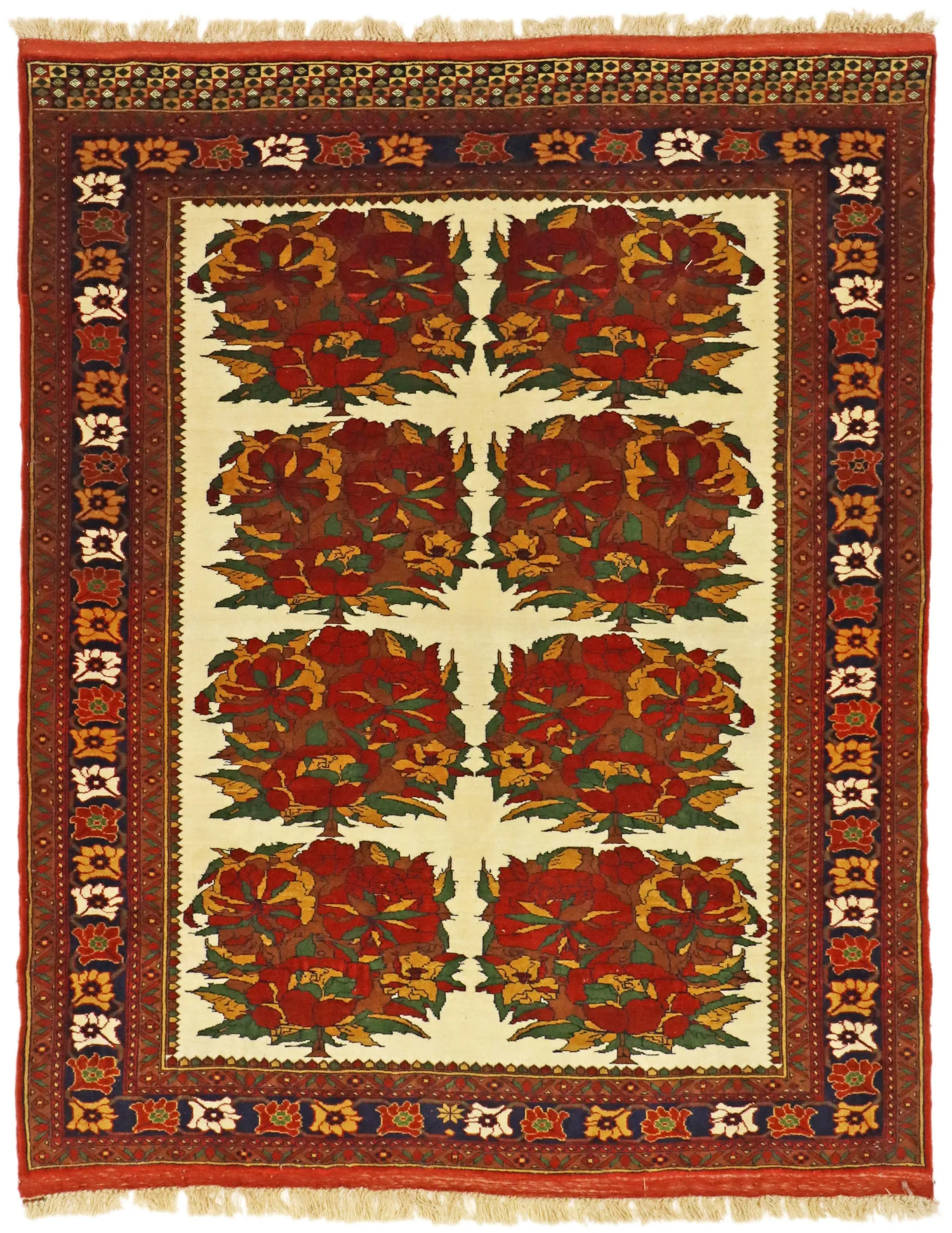
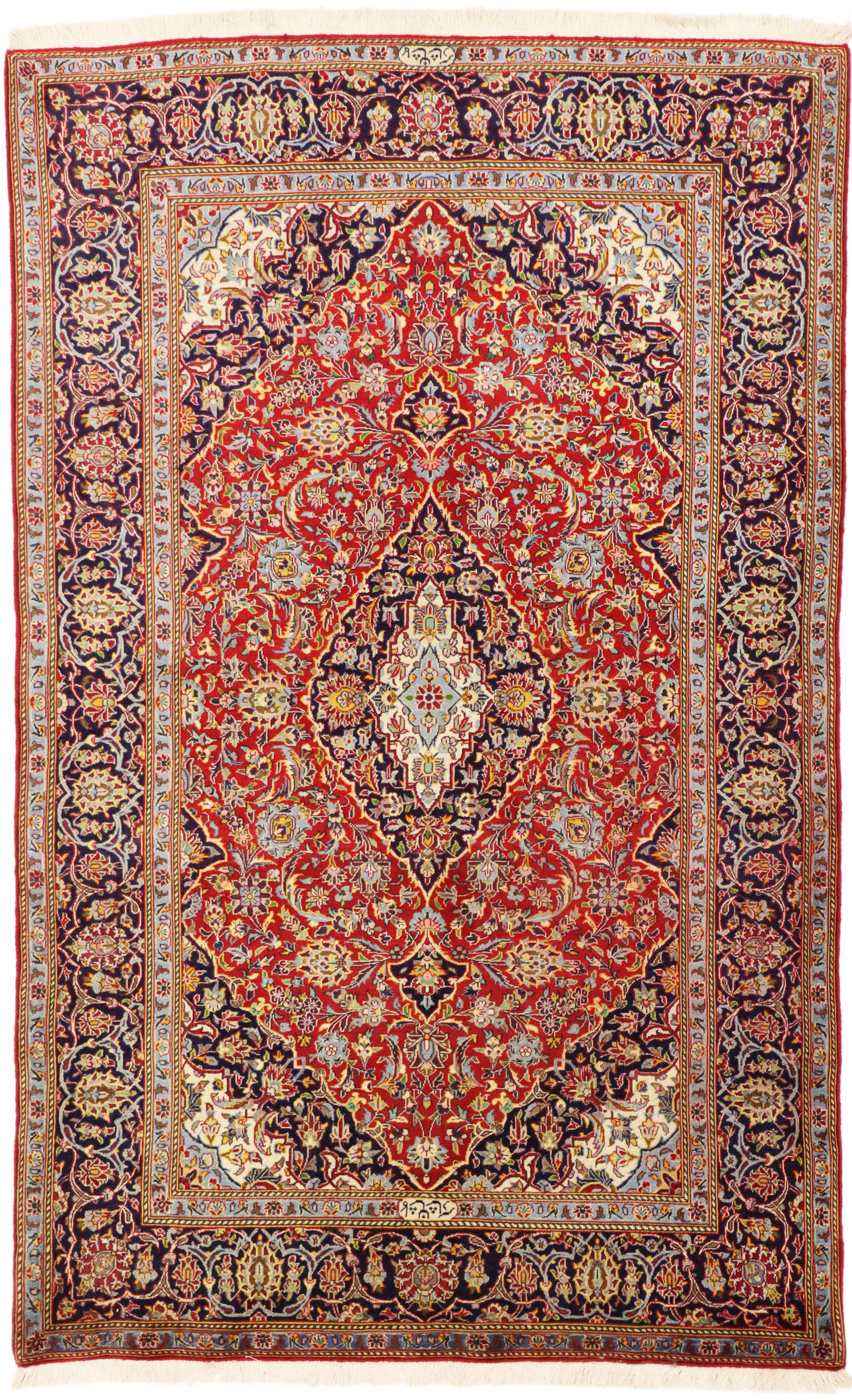
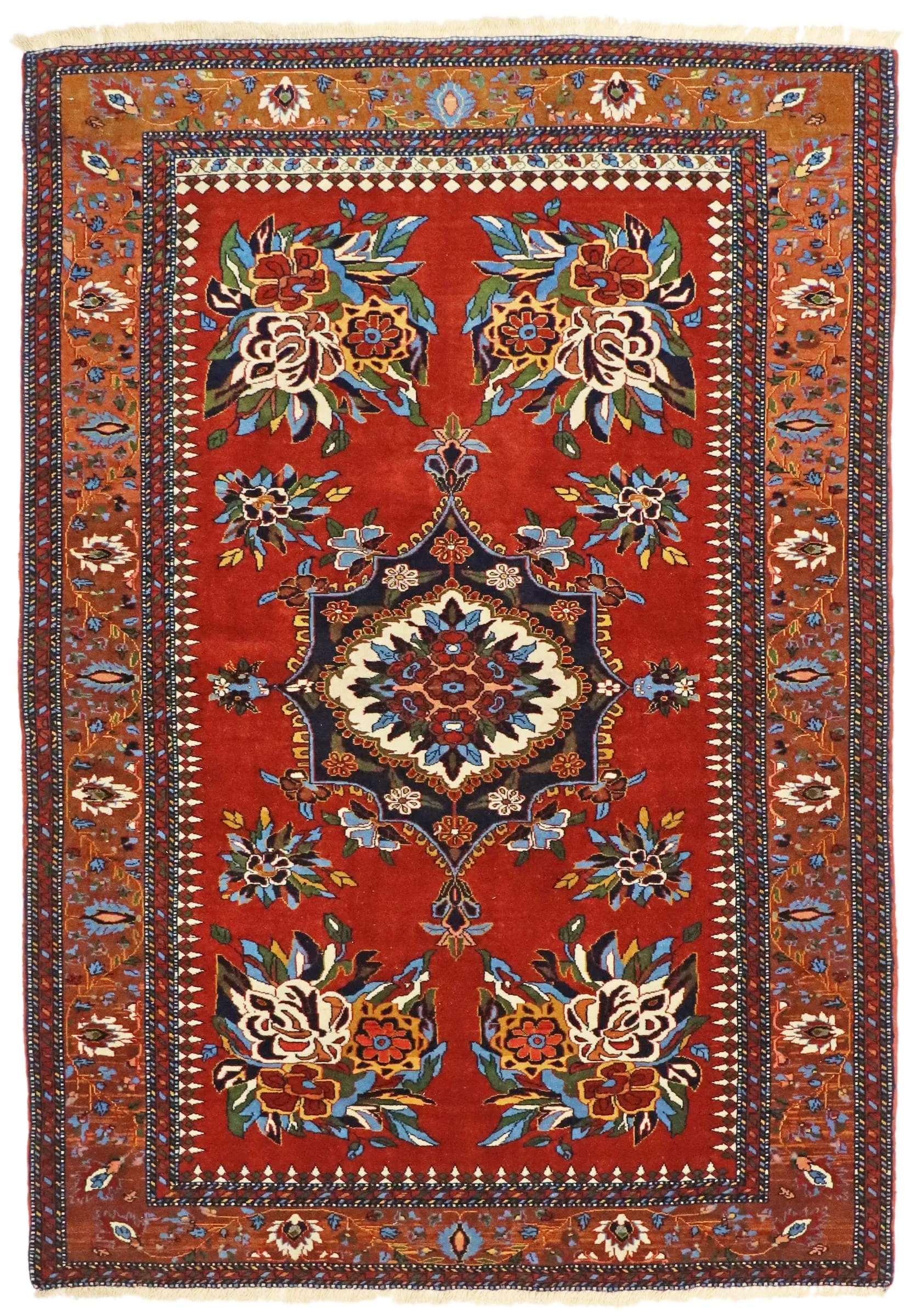
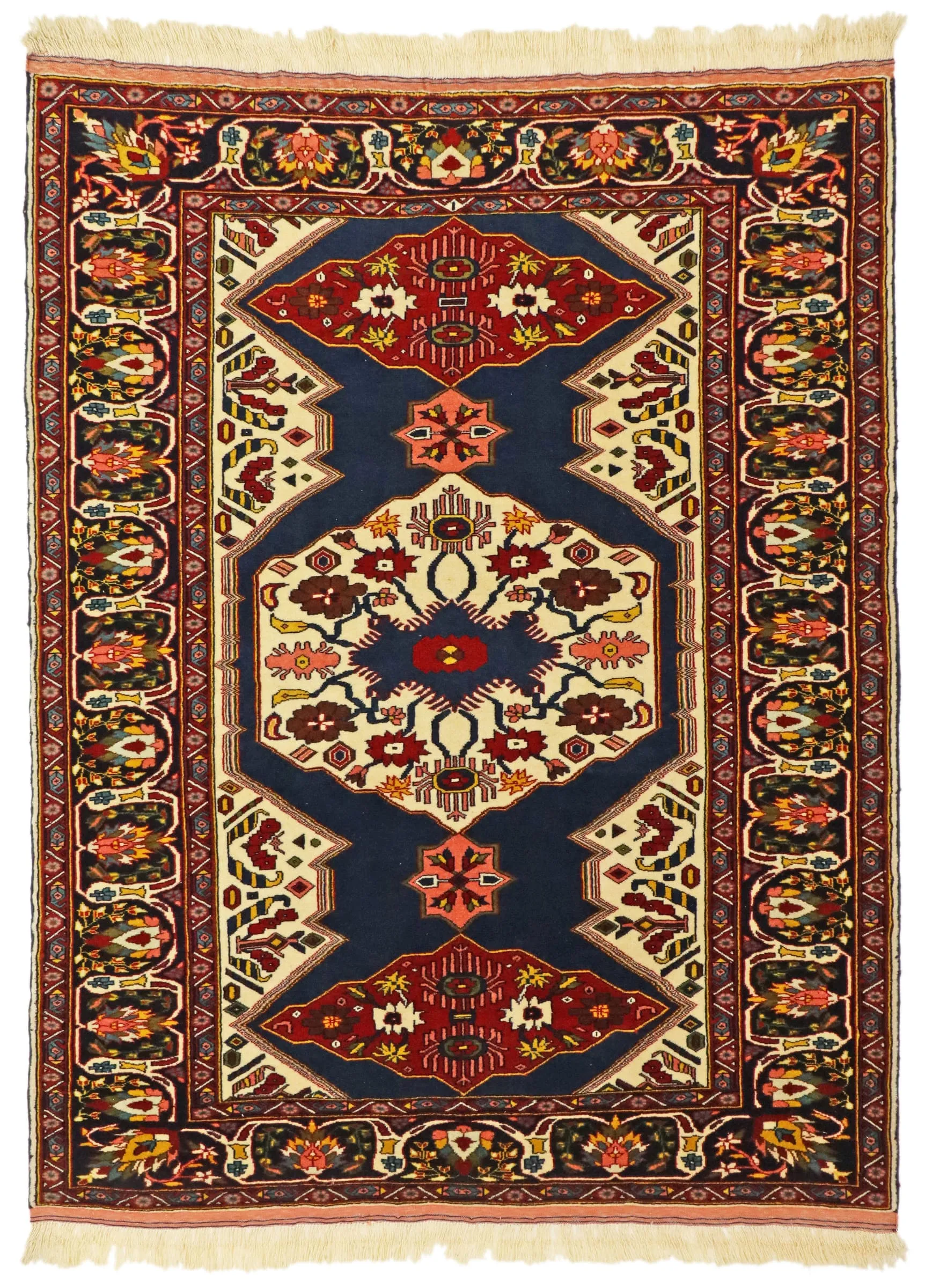
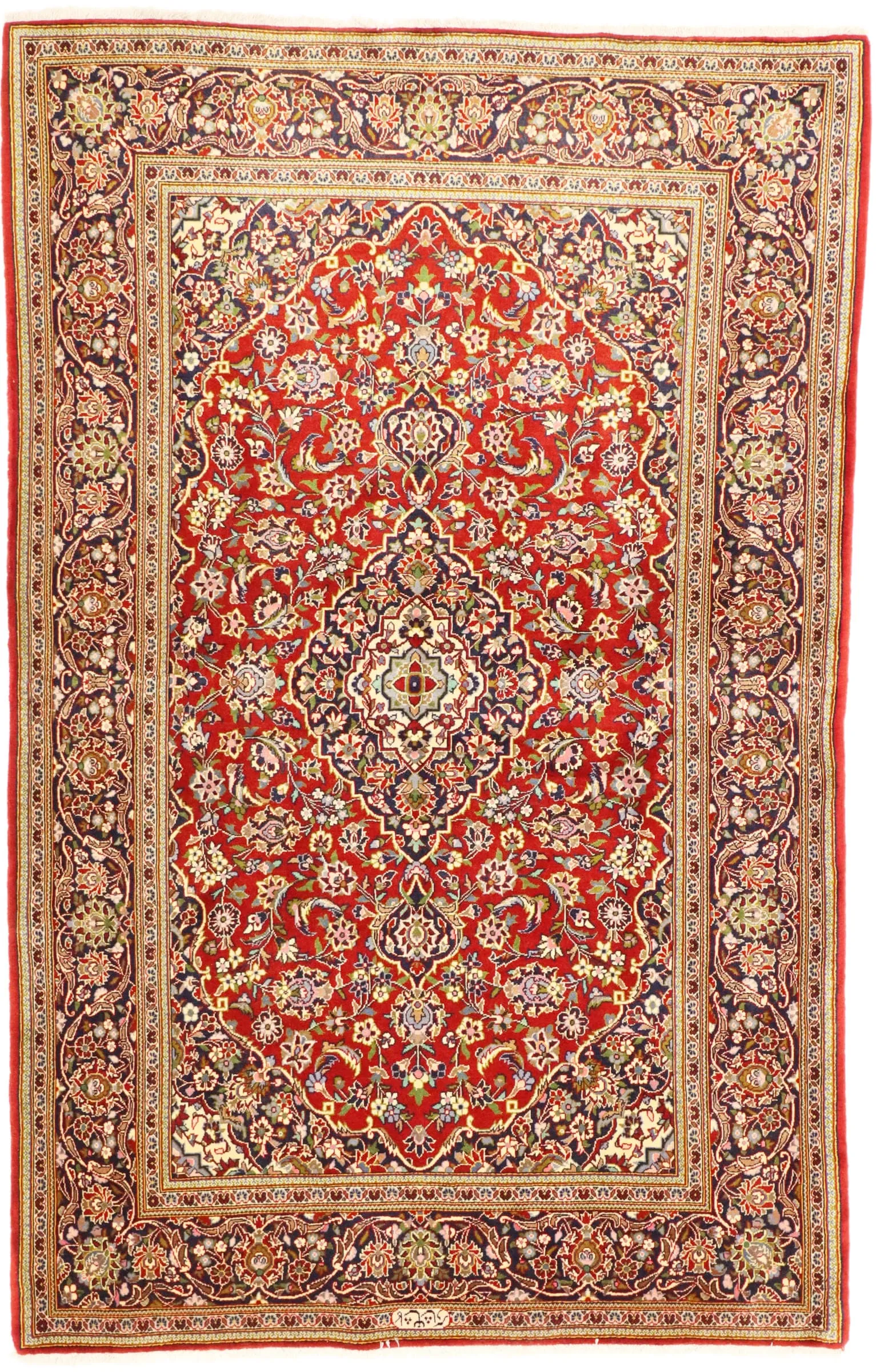
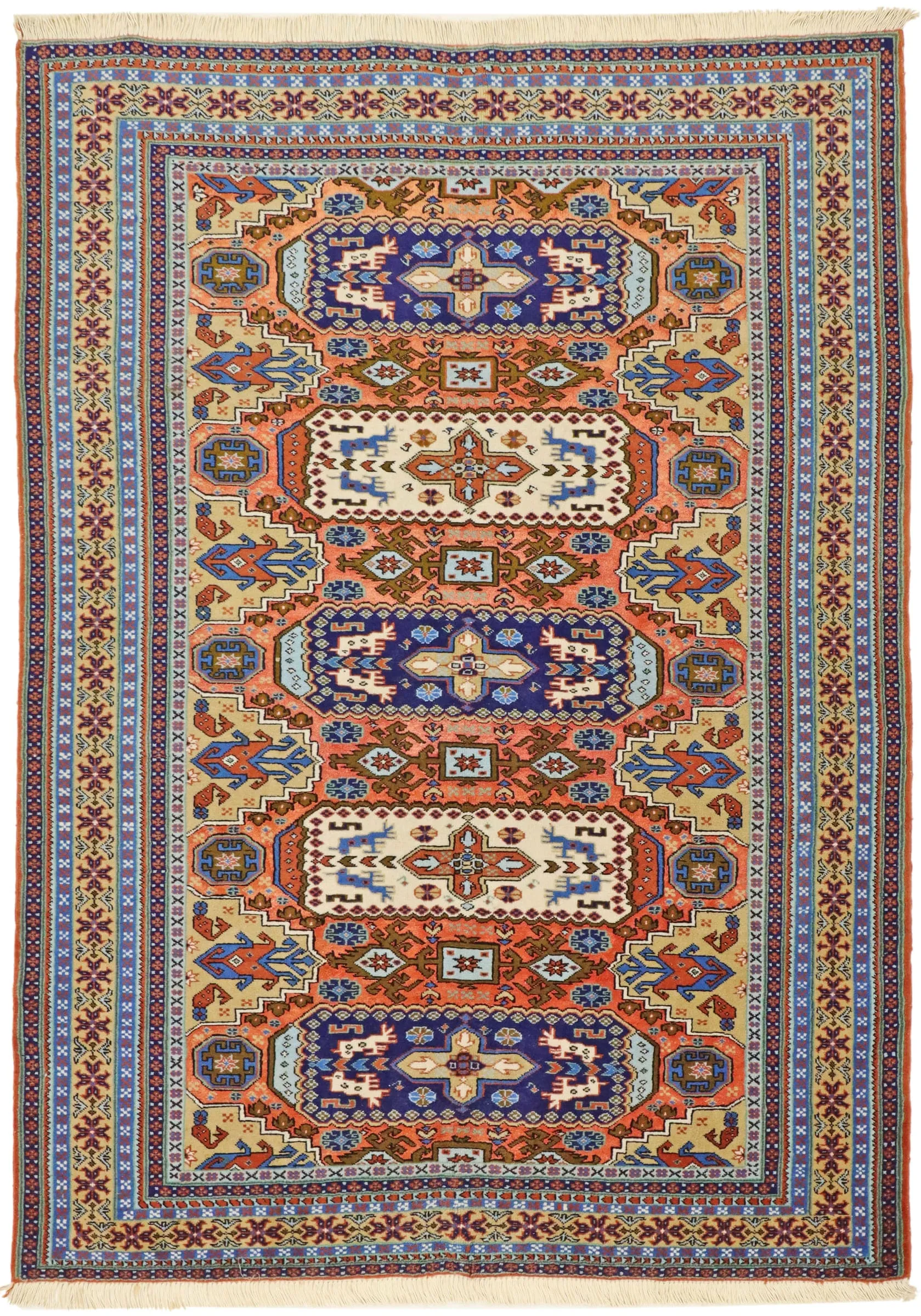
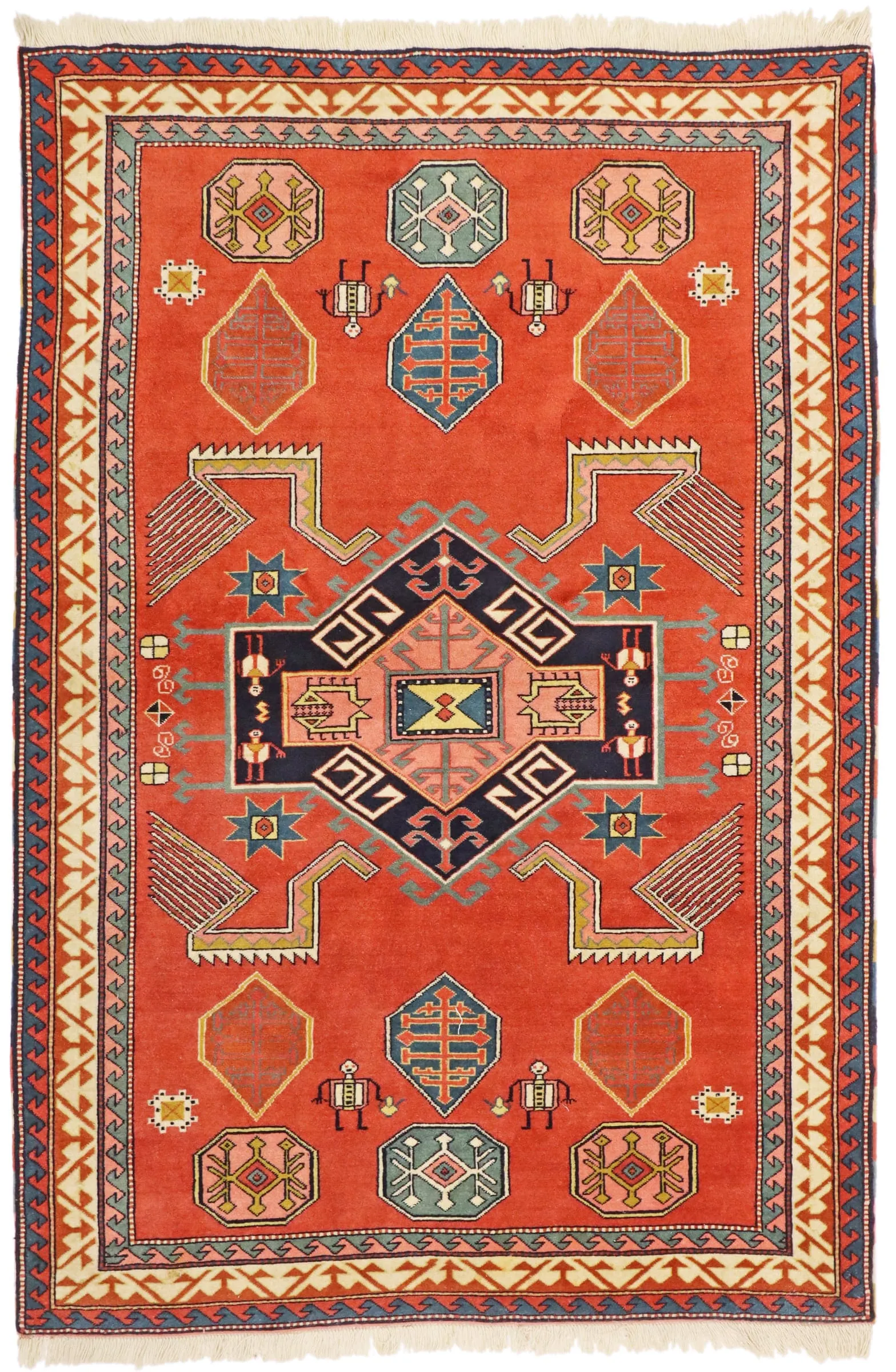
Ghutschan 190 x 138 cm

€801.00
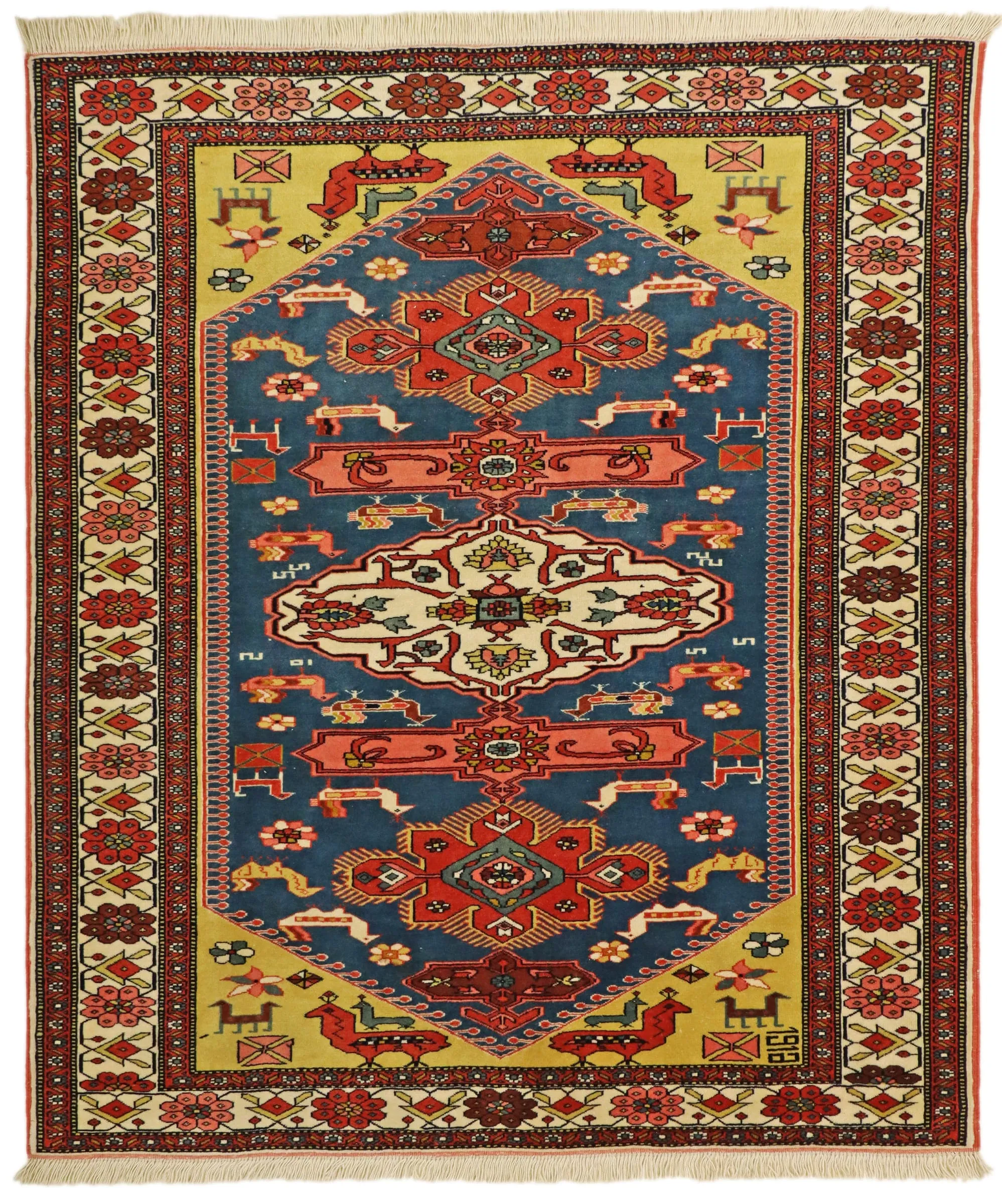
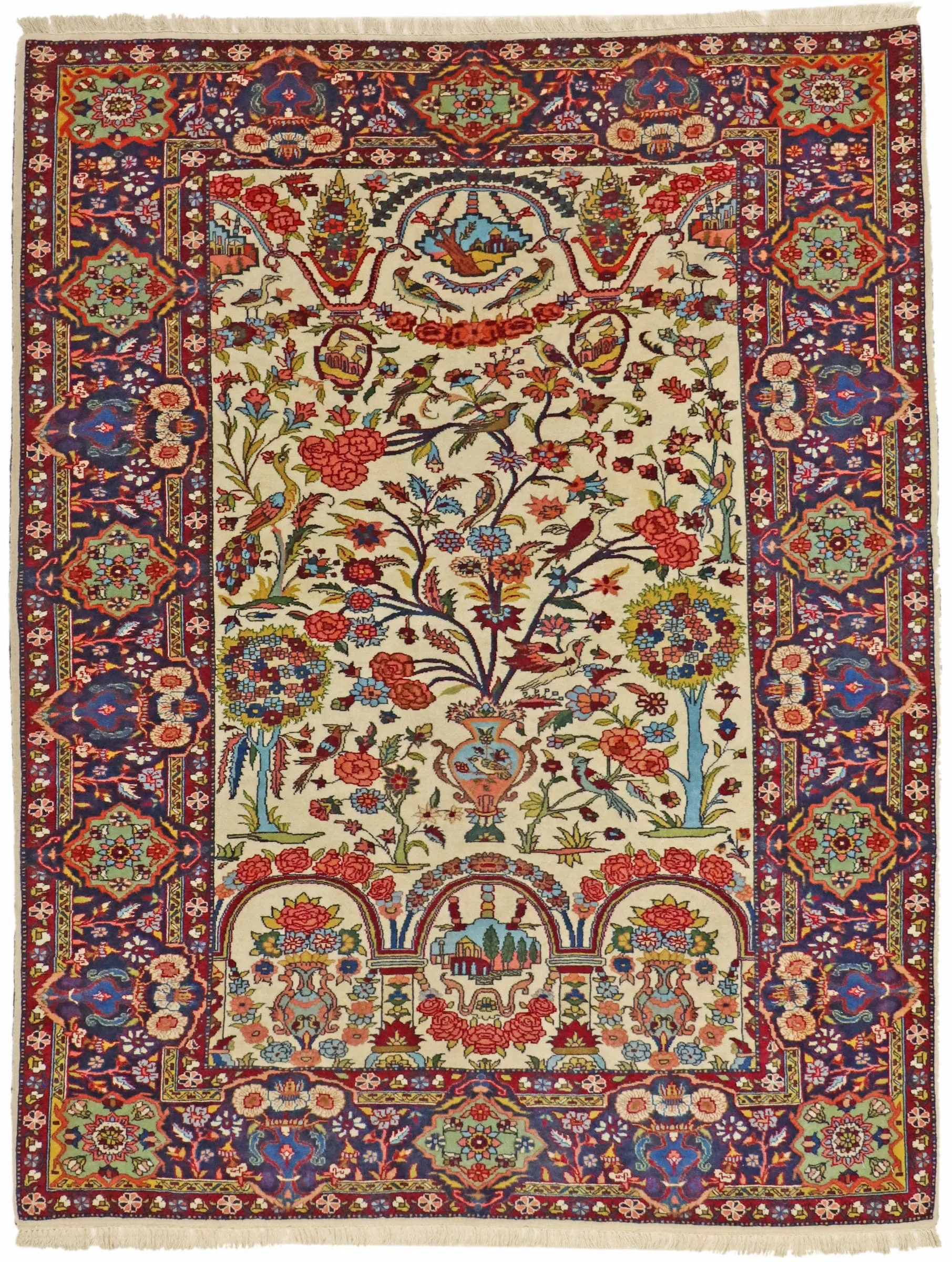
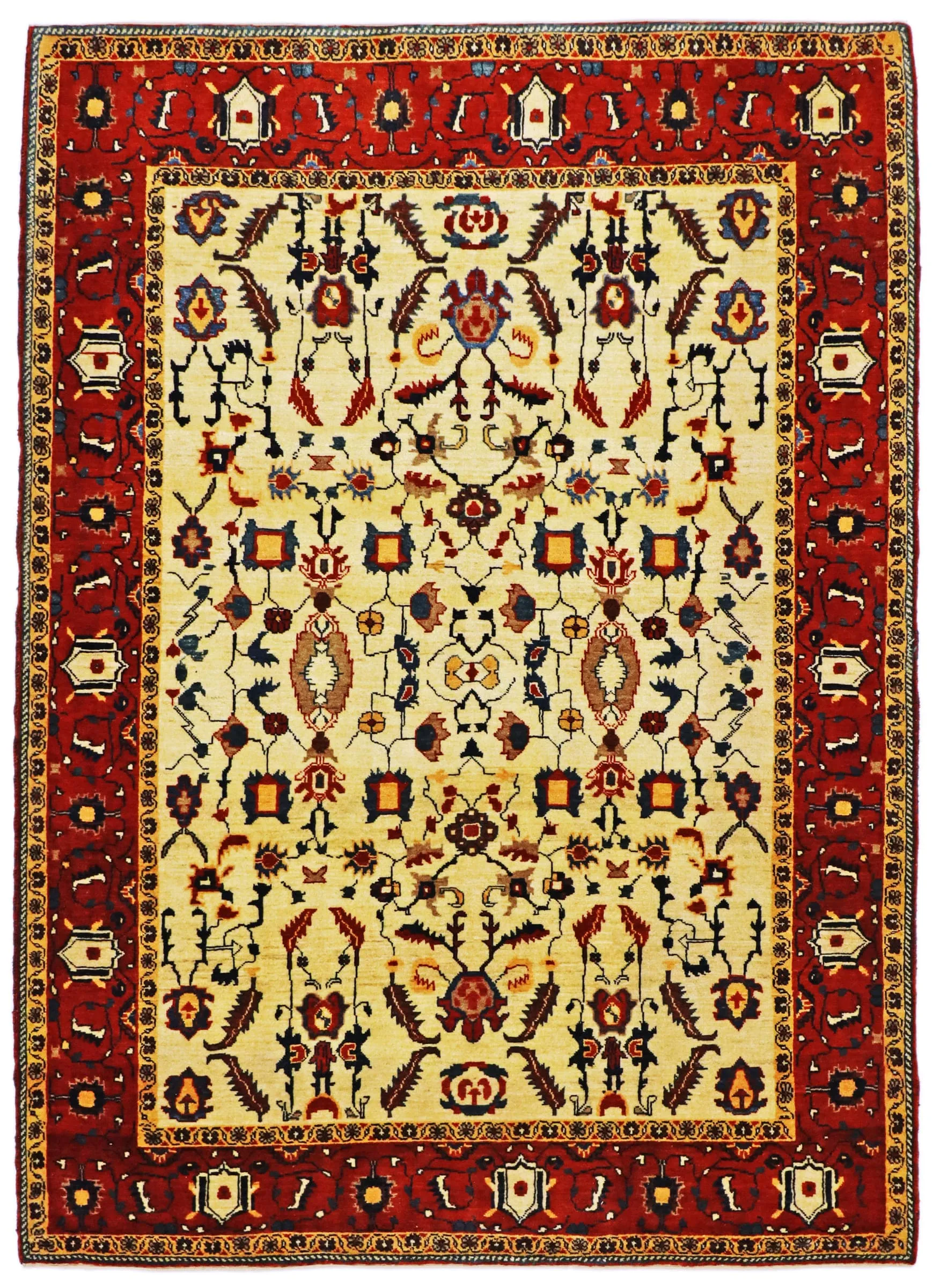
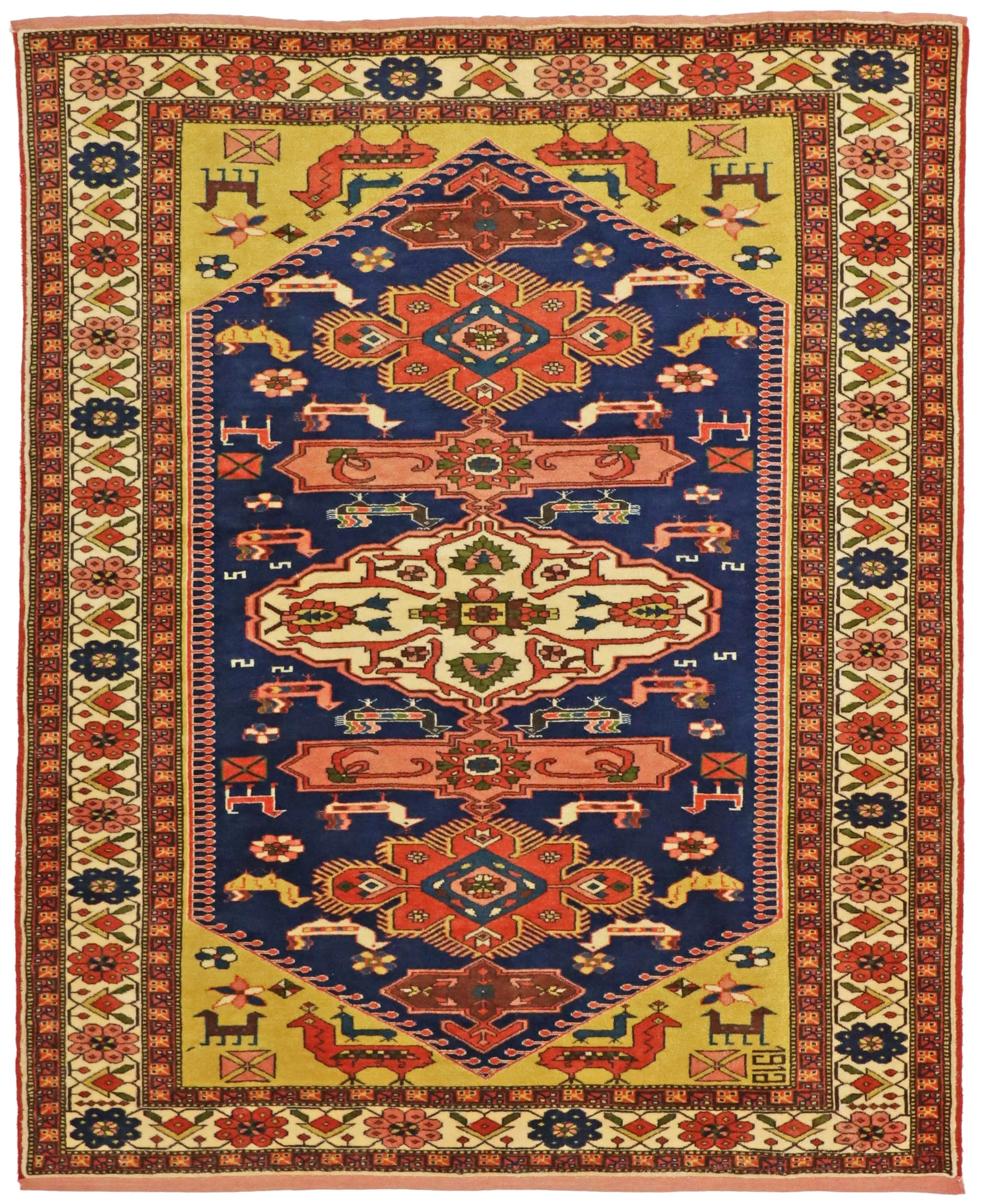
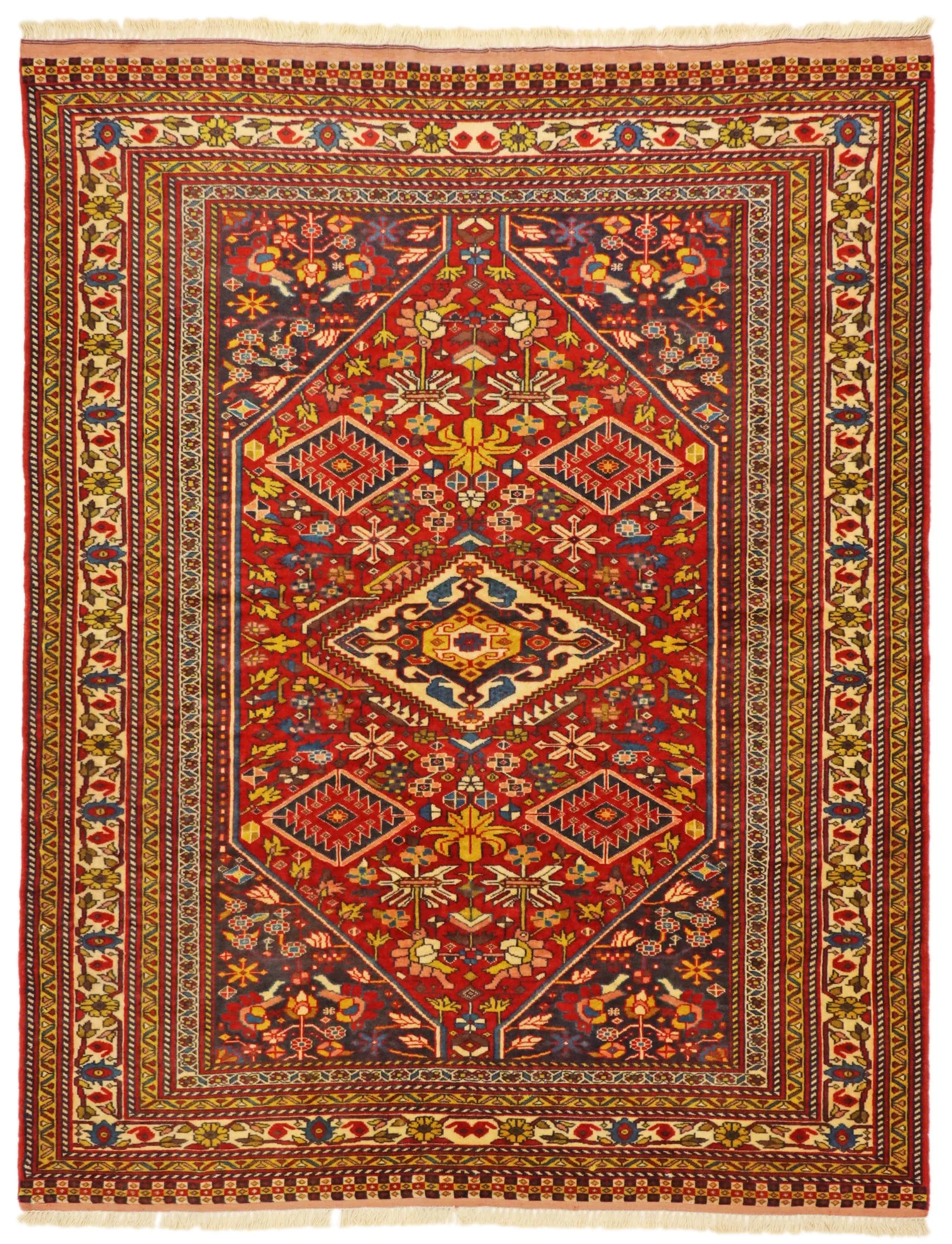
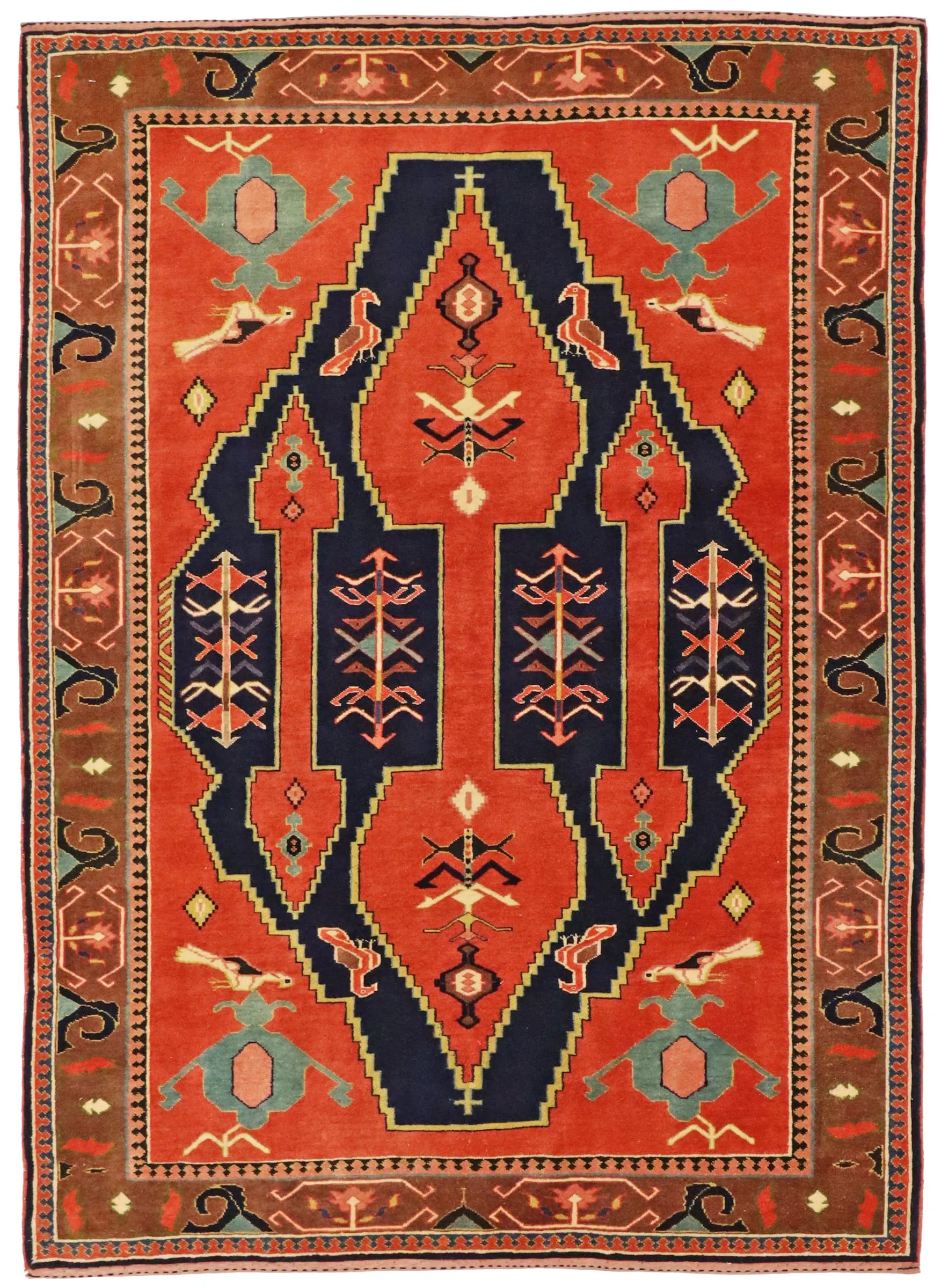
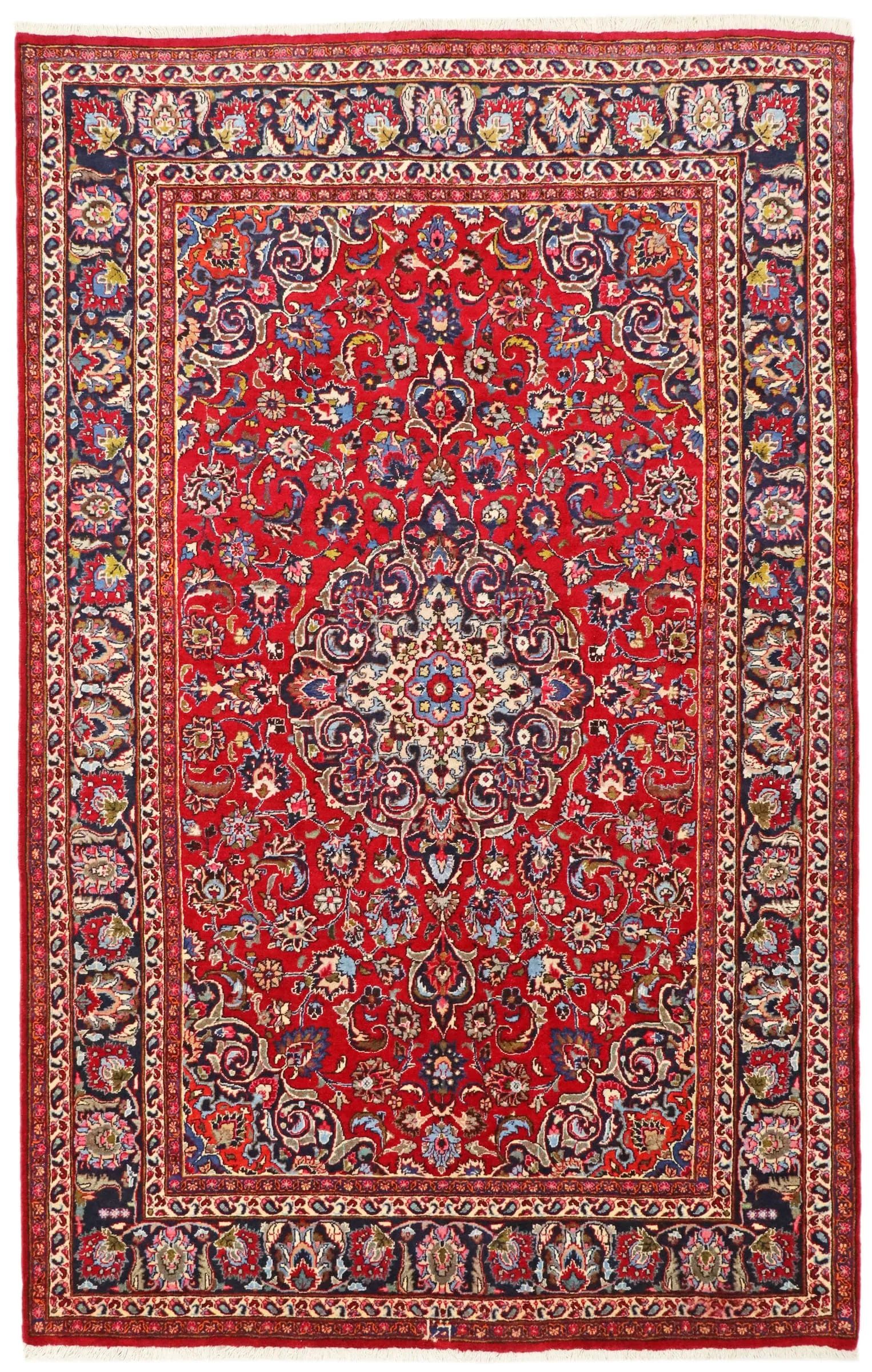
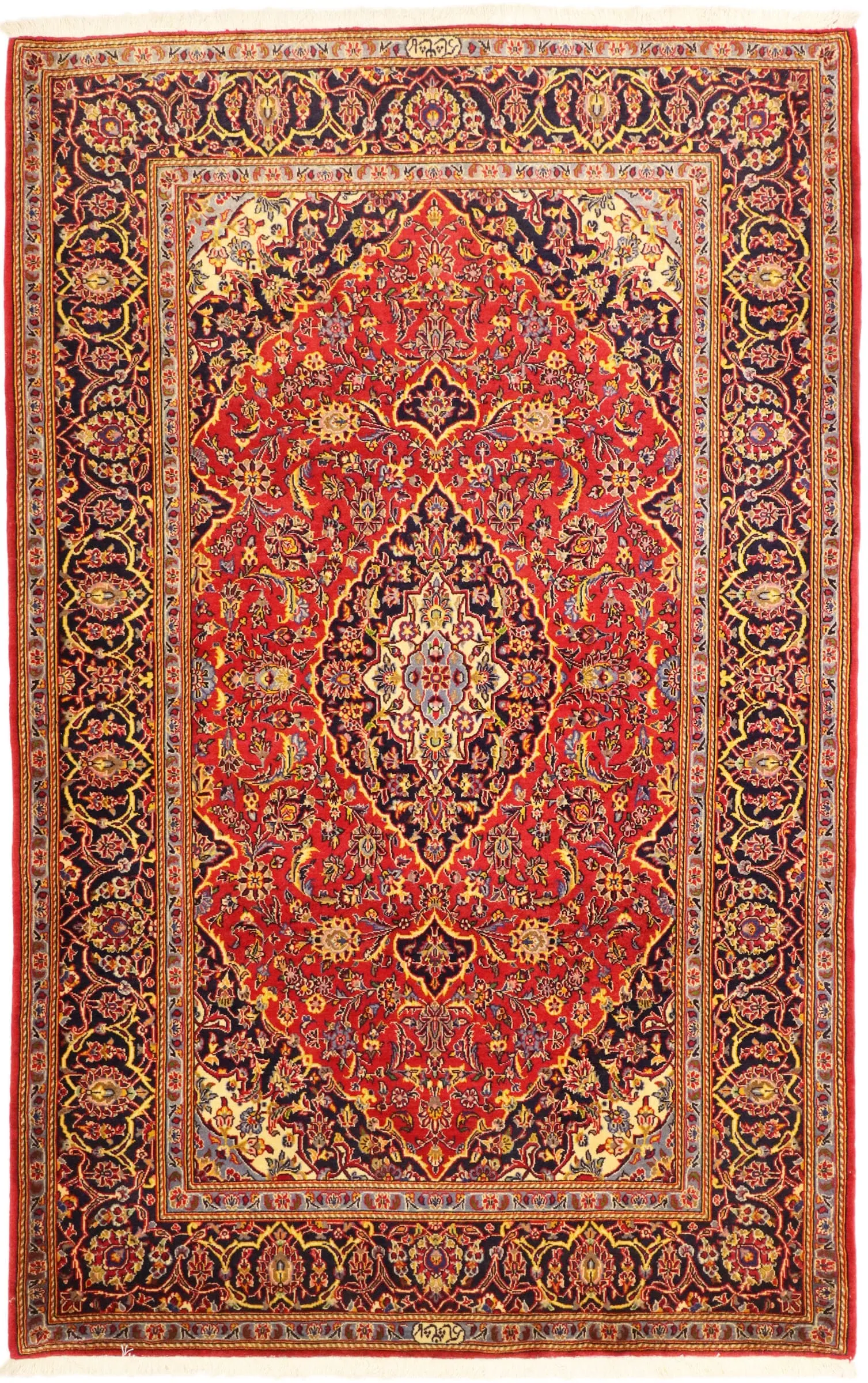
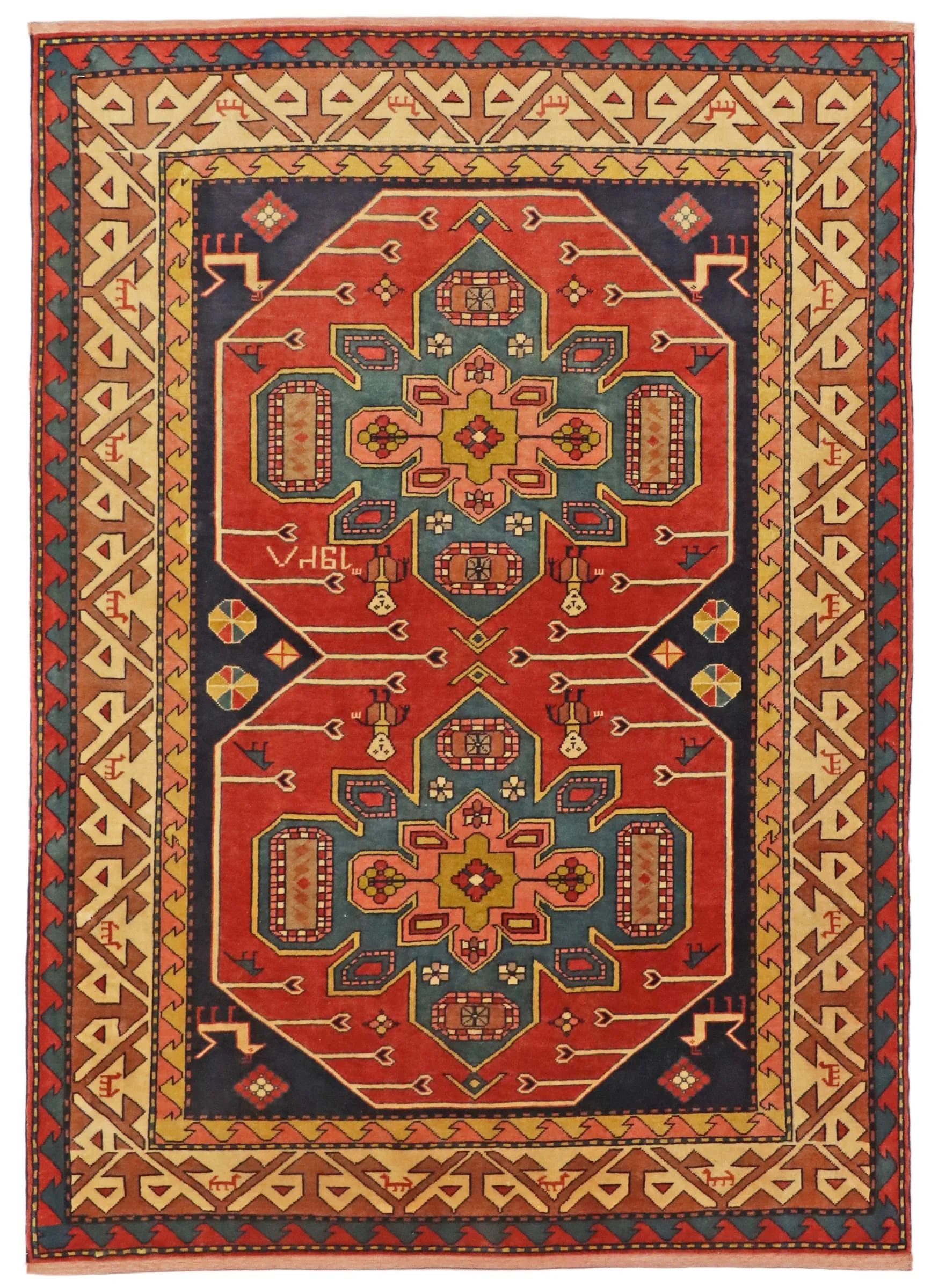
Ghutschan 162 x 129 cm

€747.00
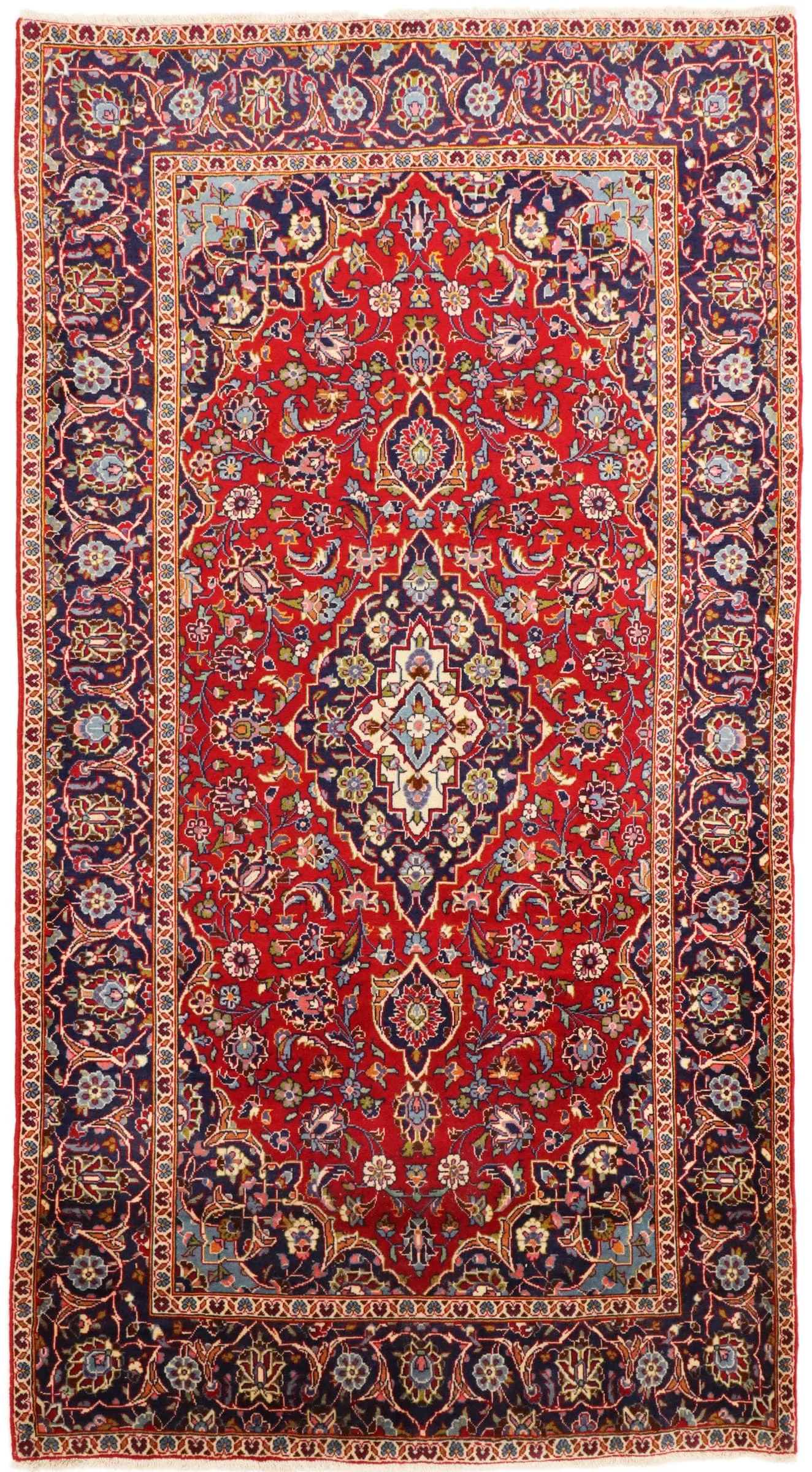
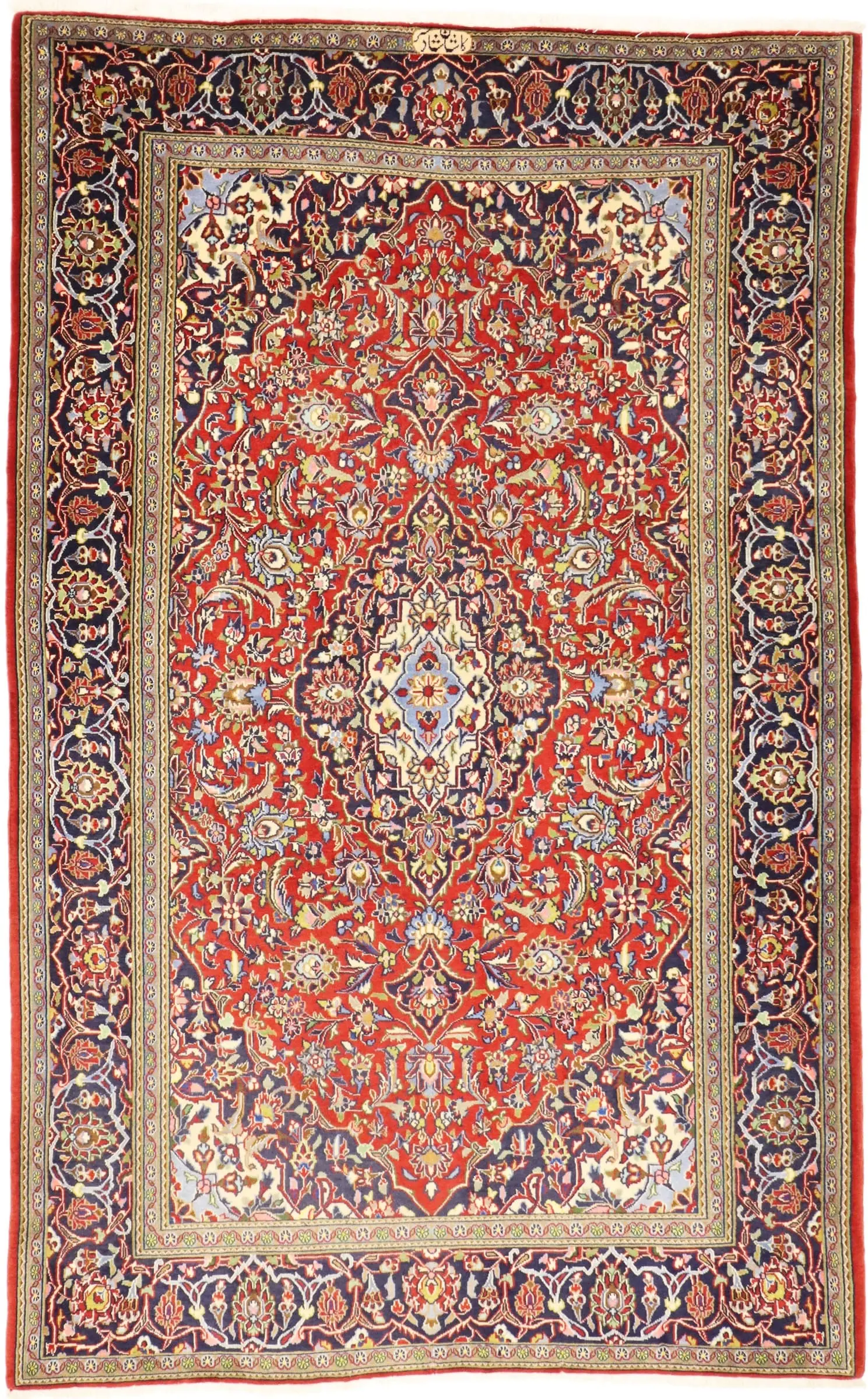
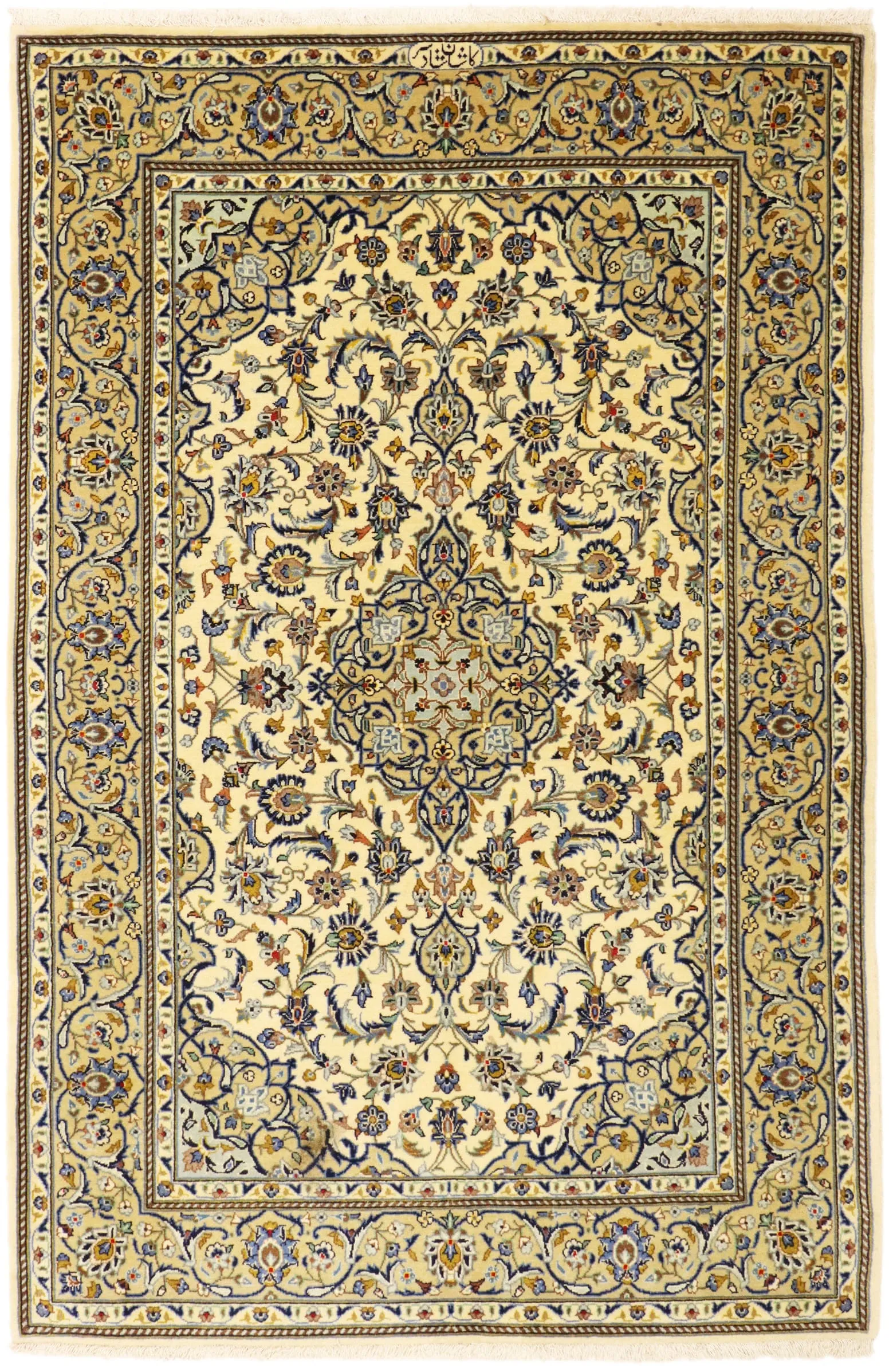
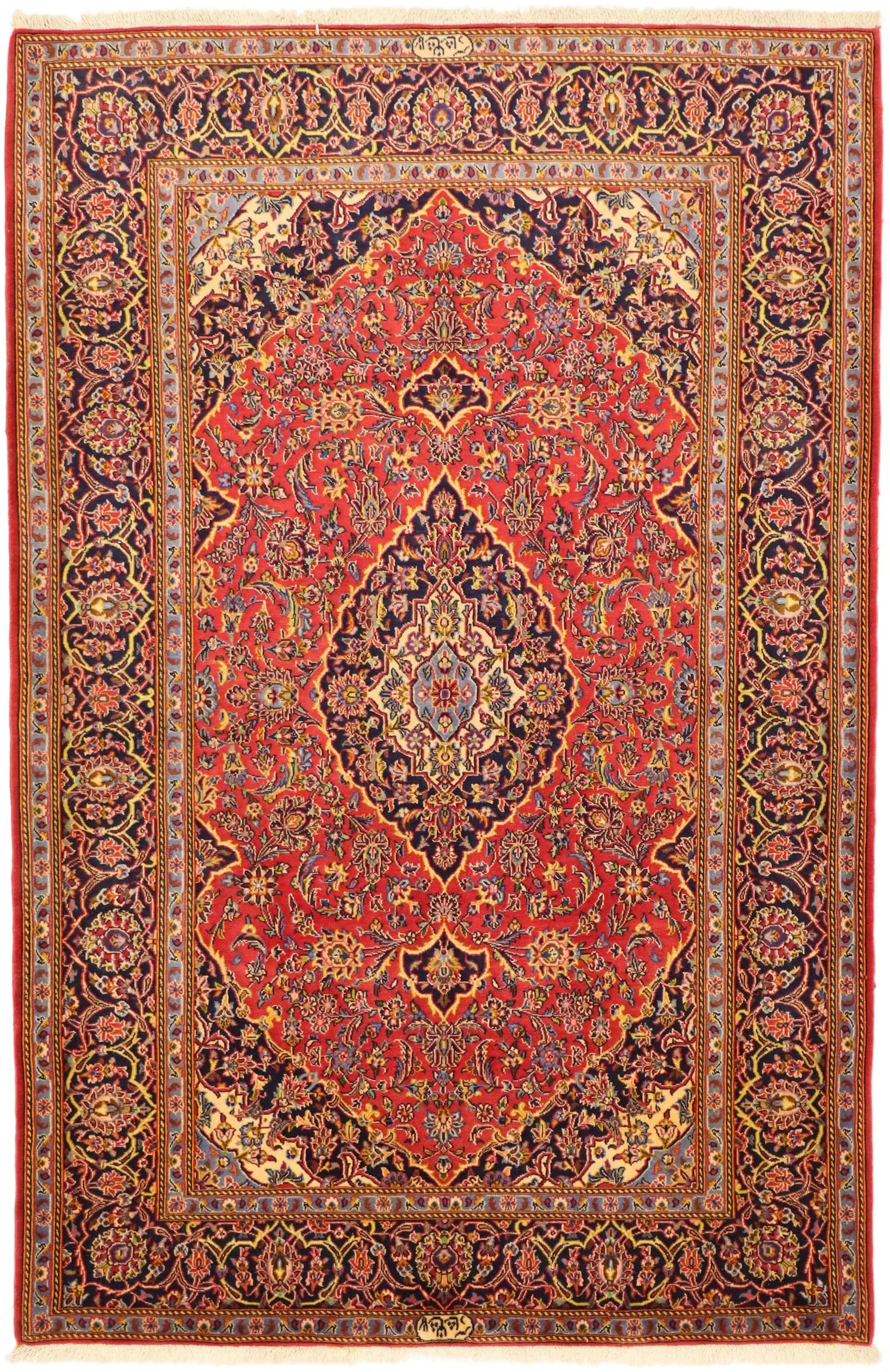
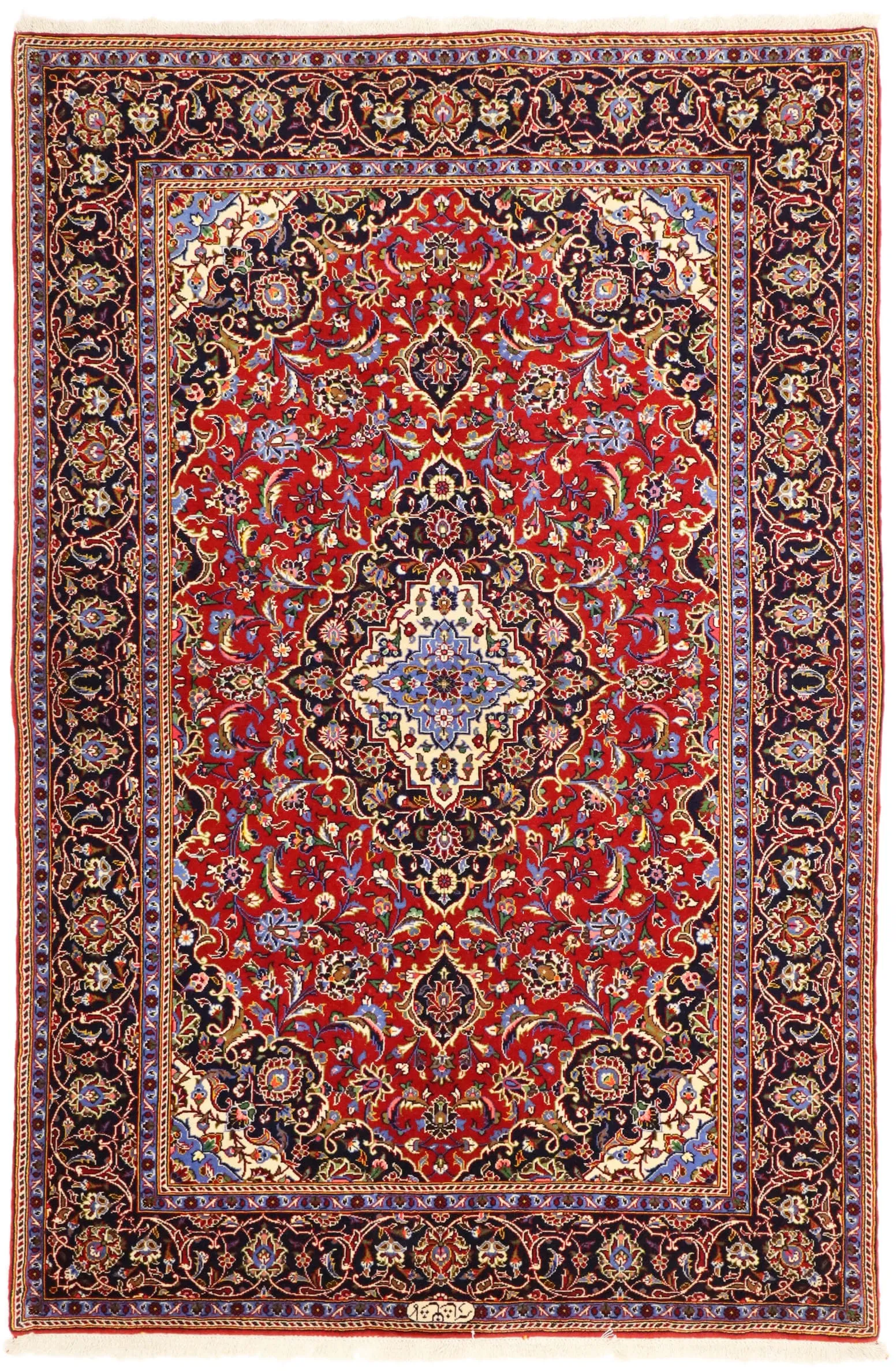
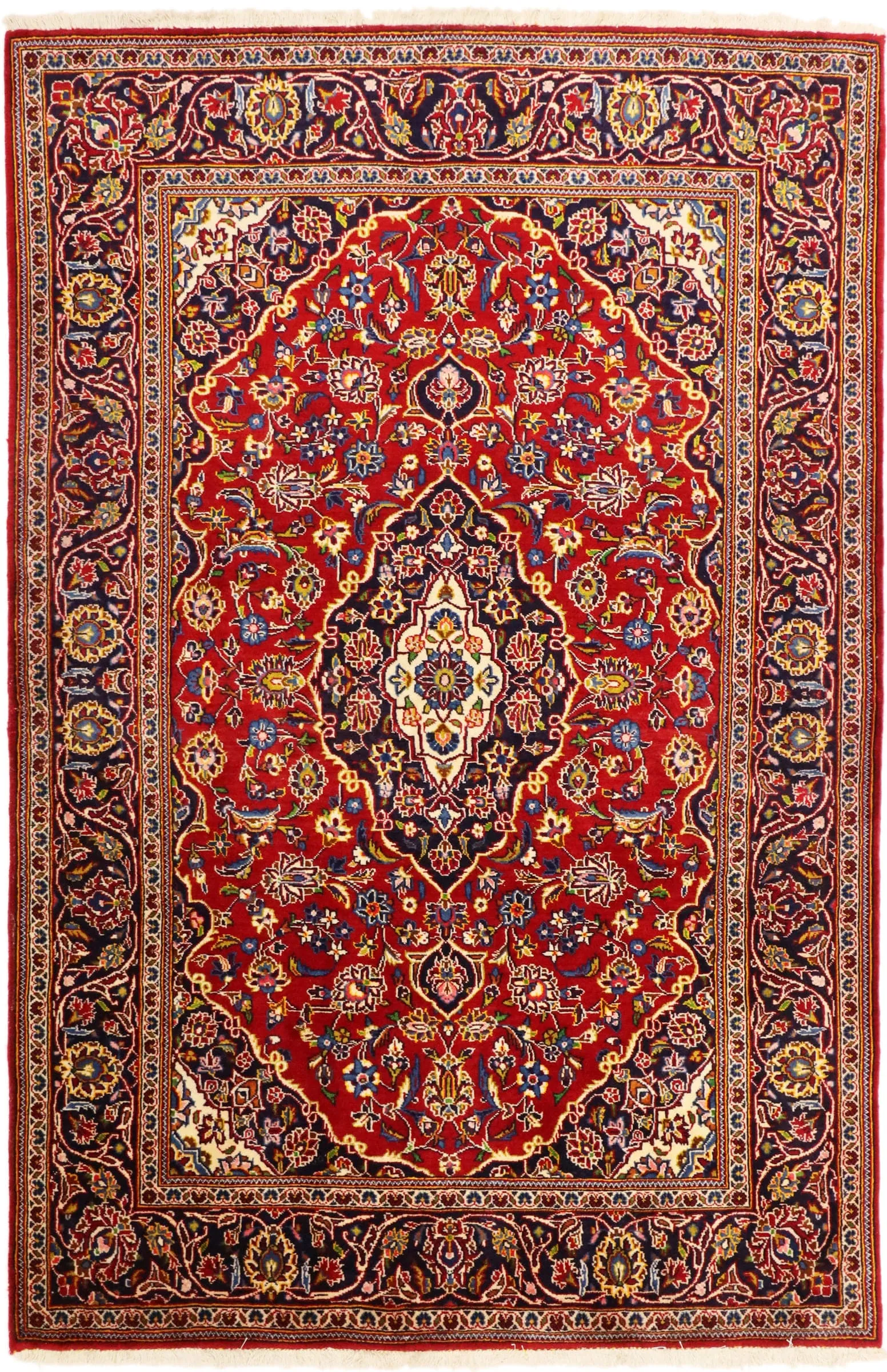
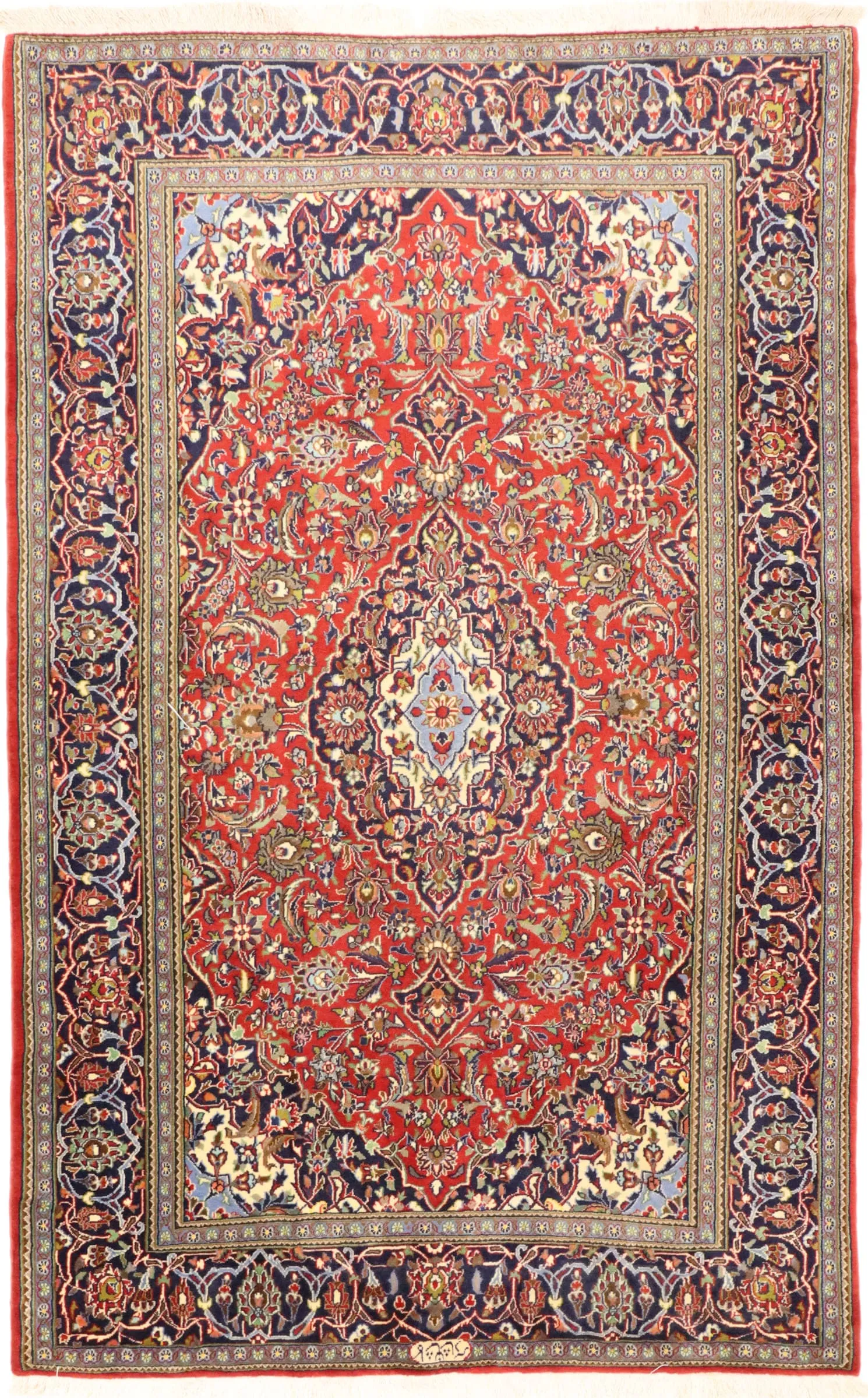
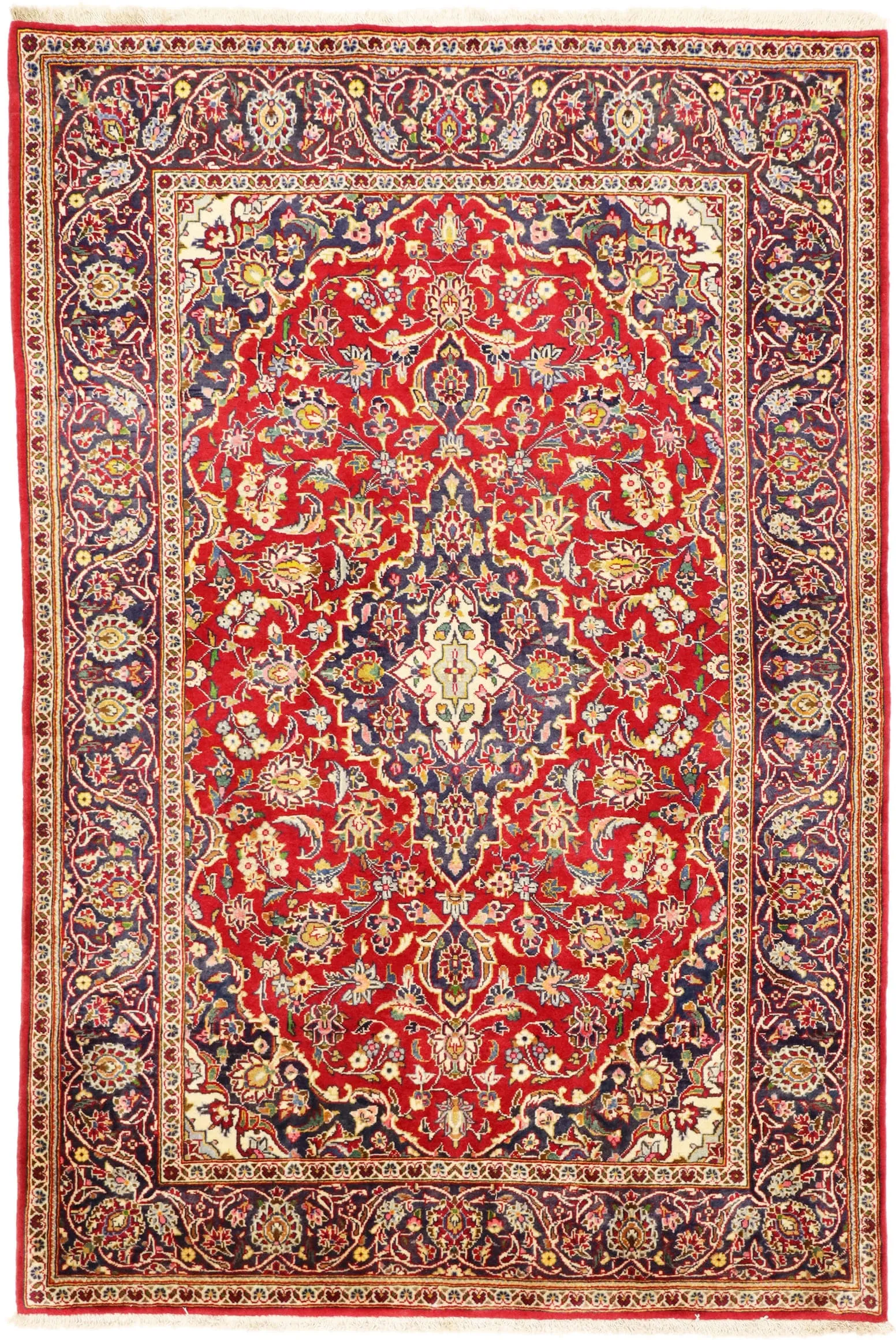
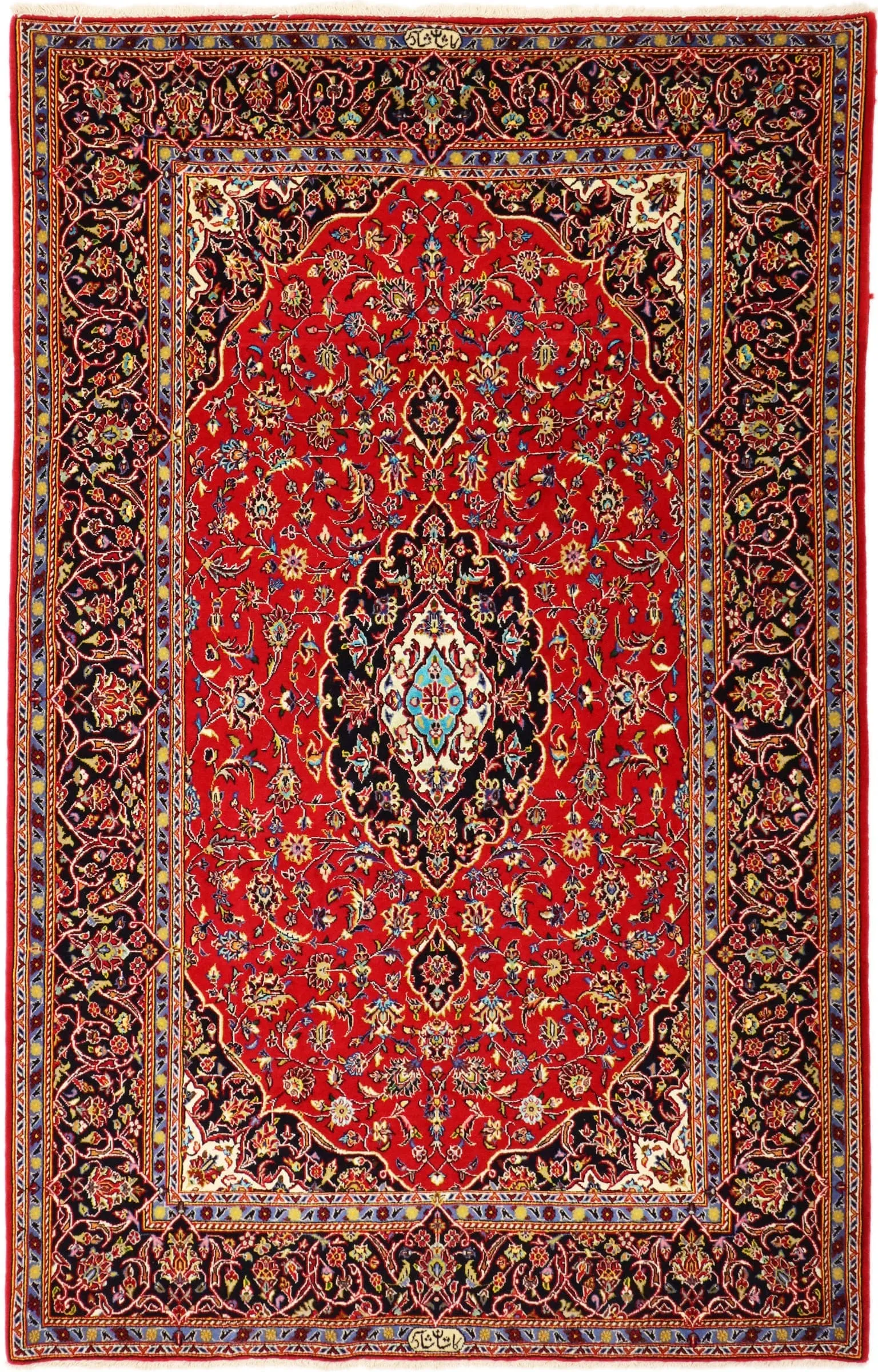
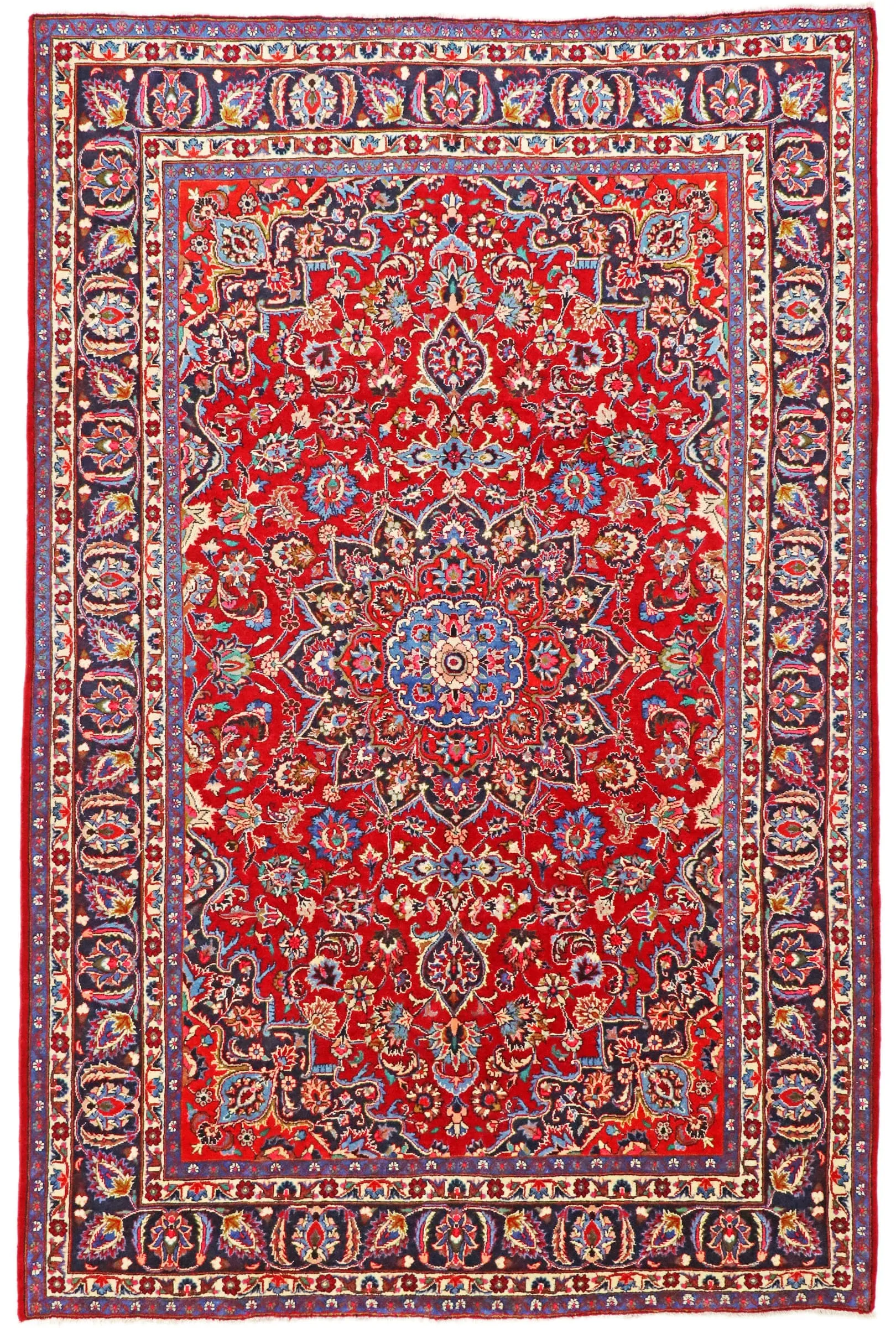
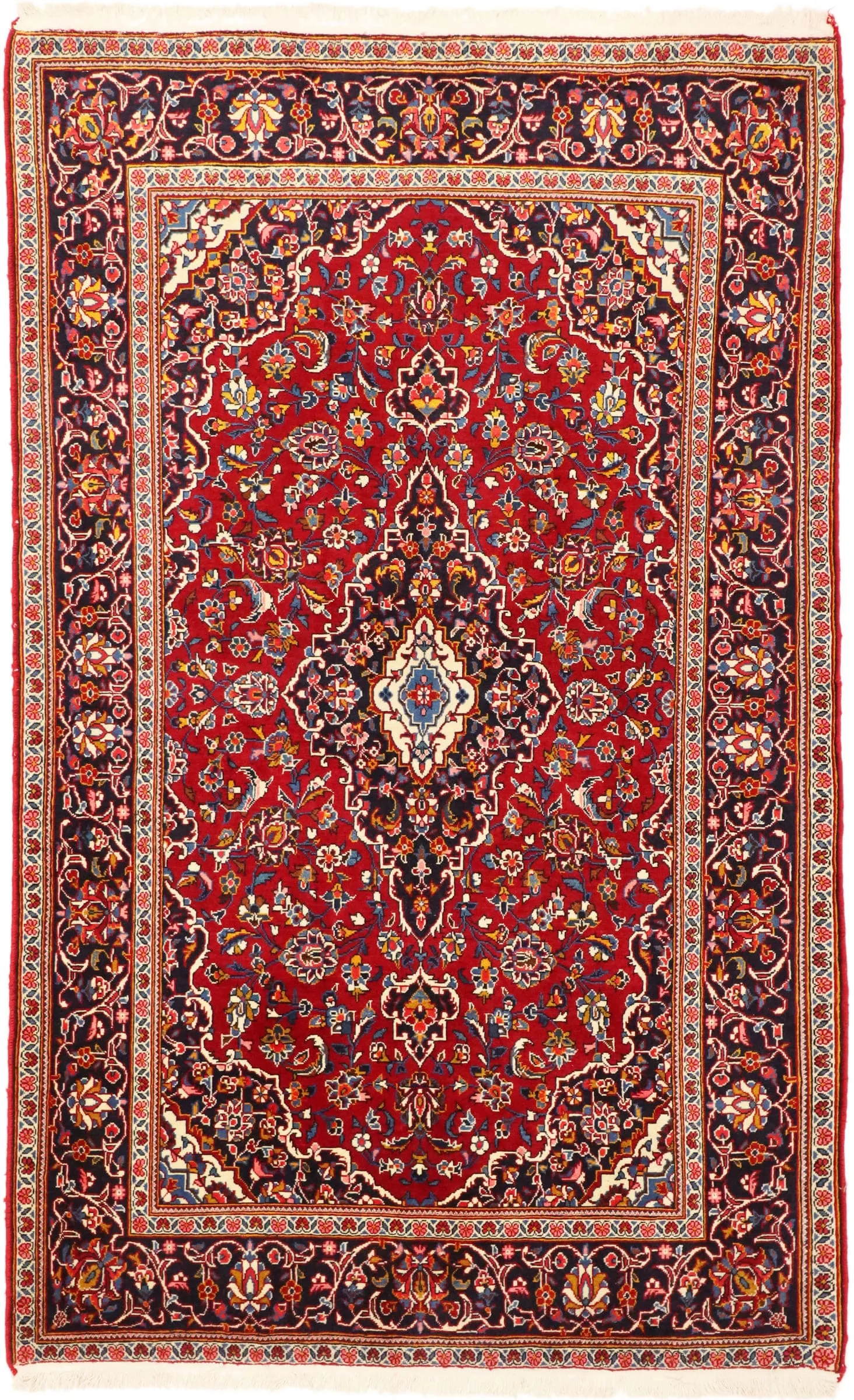
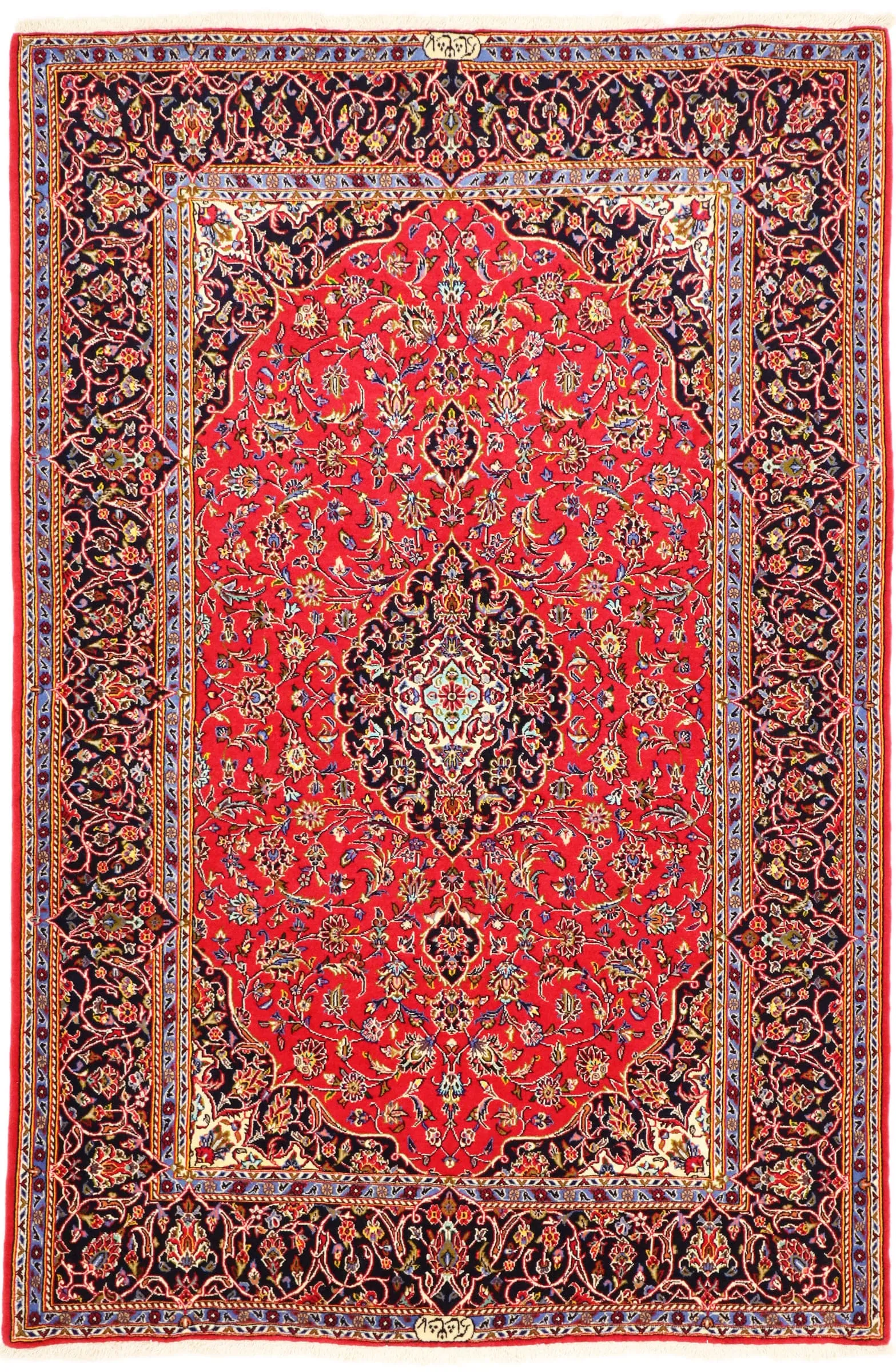
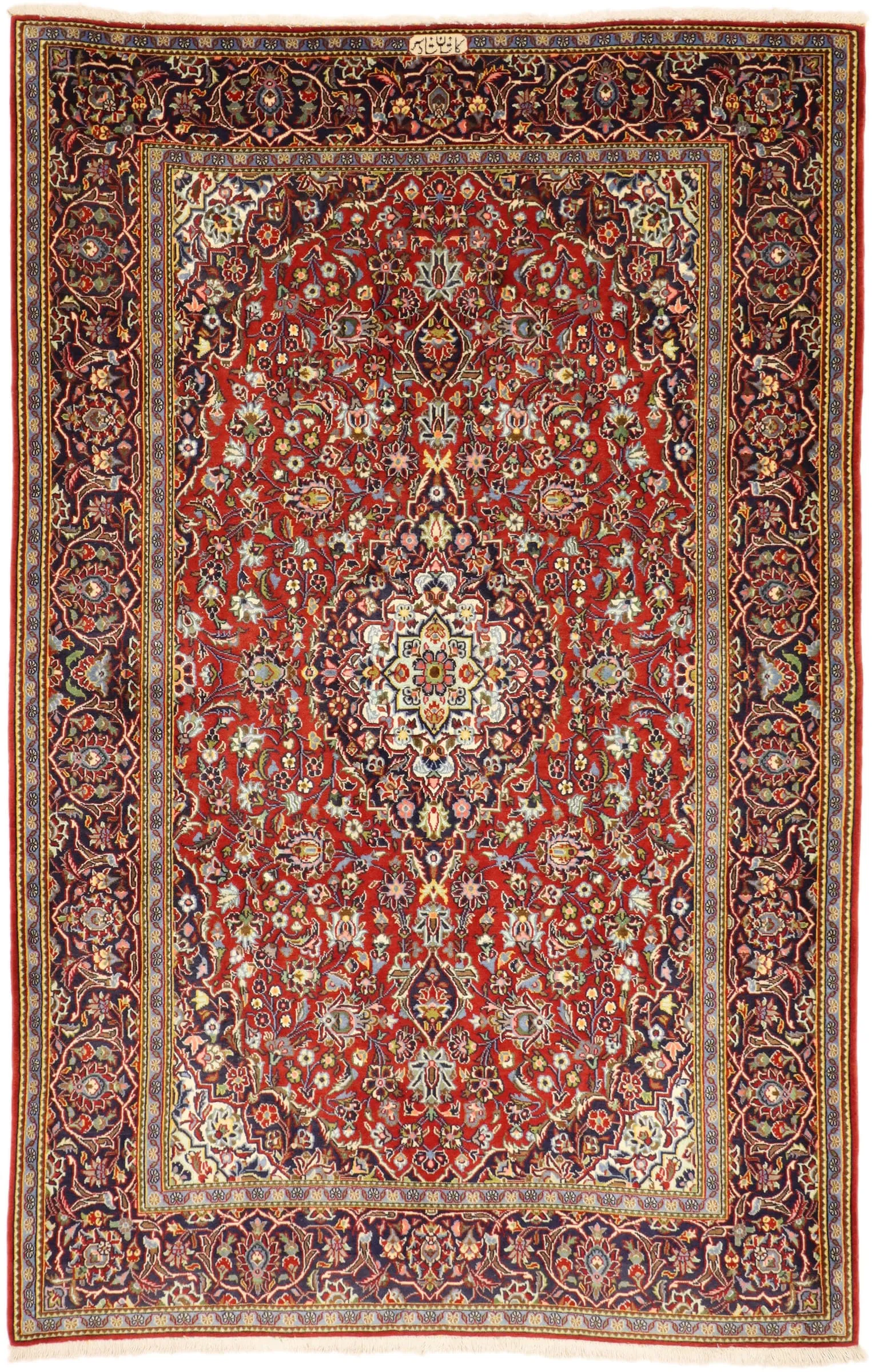
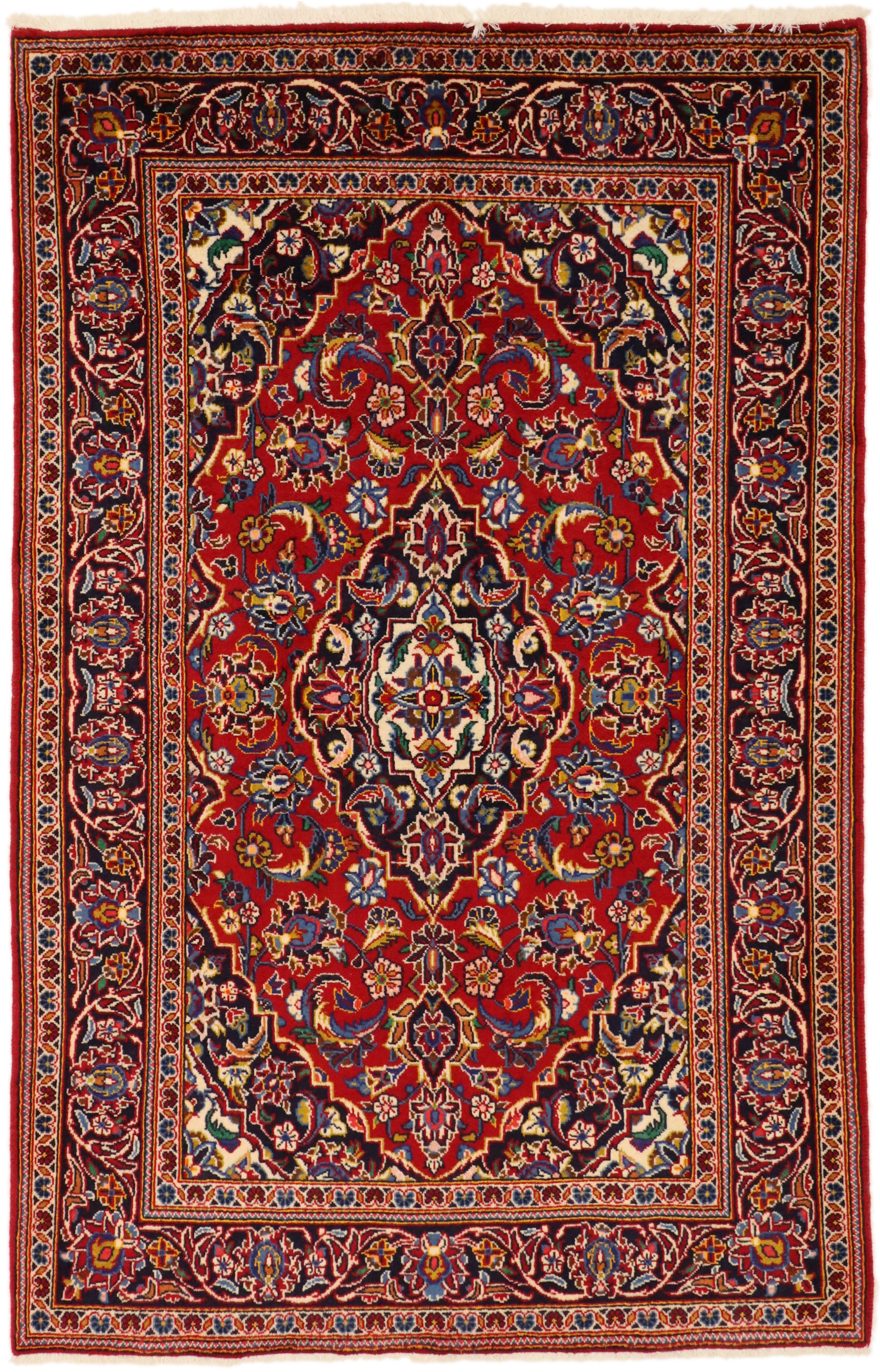
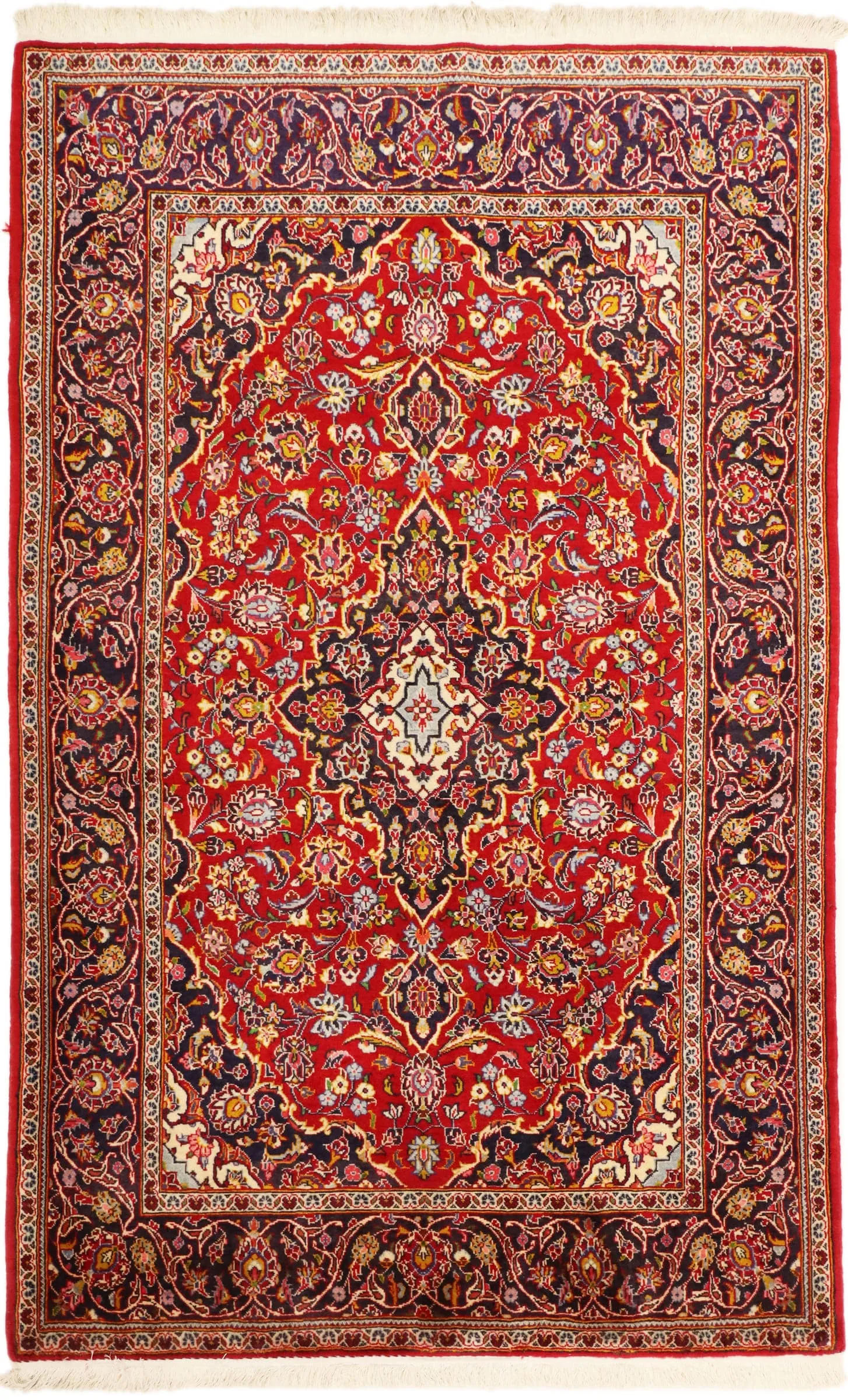
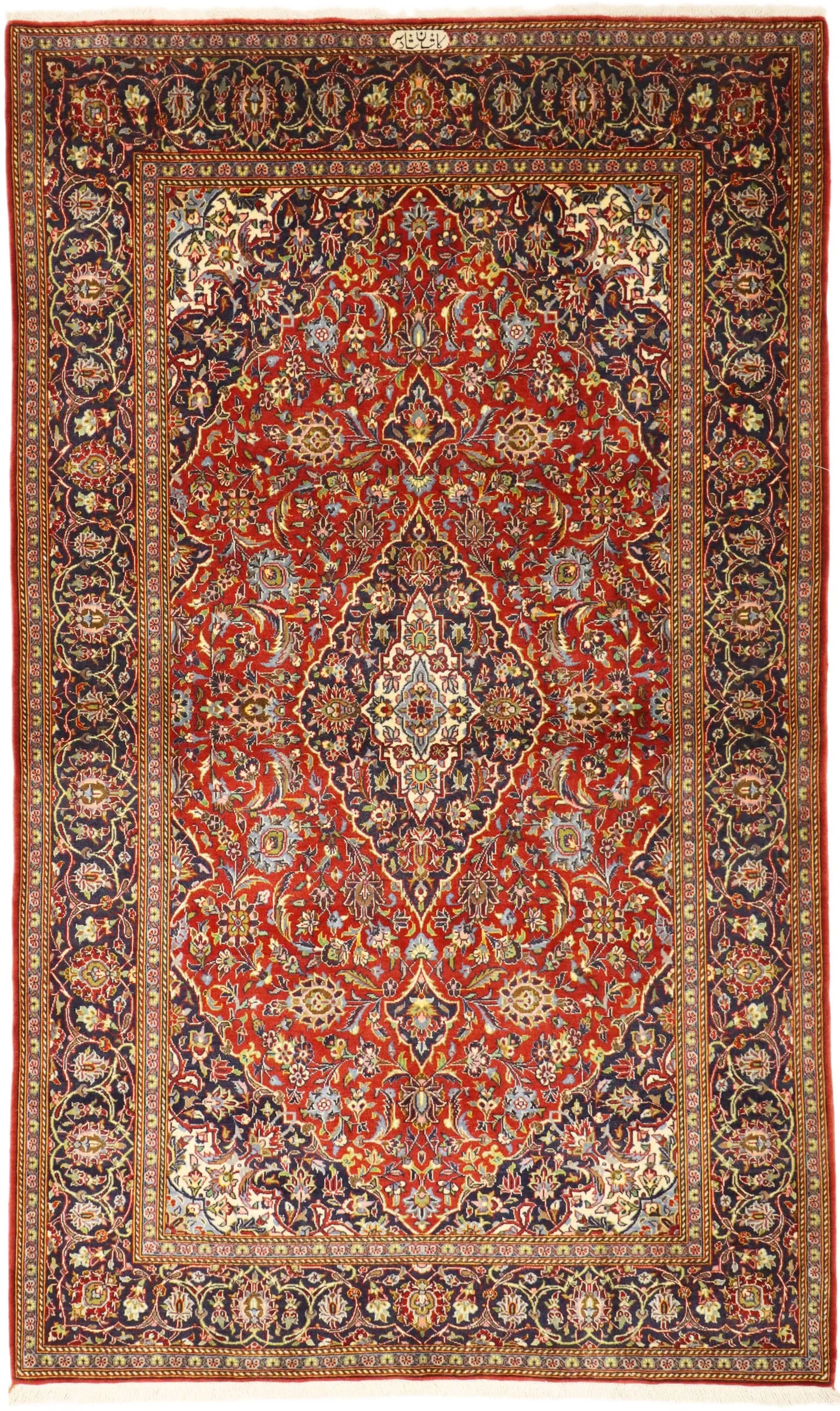
Keshan Shadsar 267 x 147 cm

€2,966.00
-15%
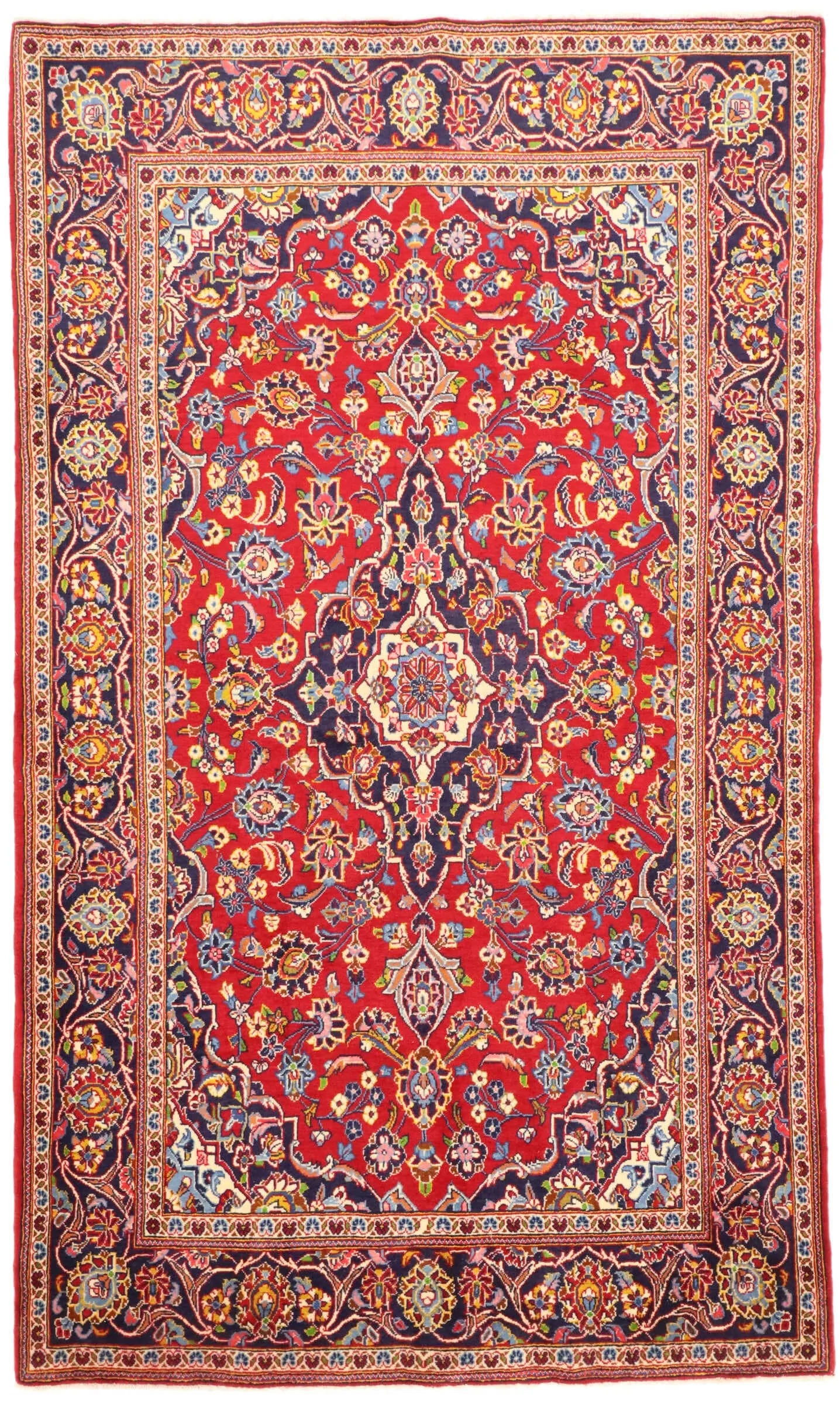
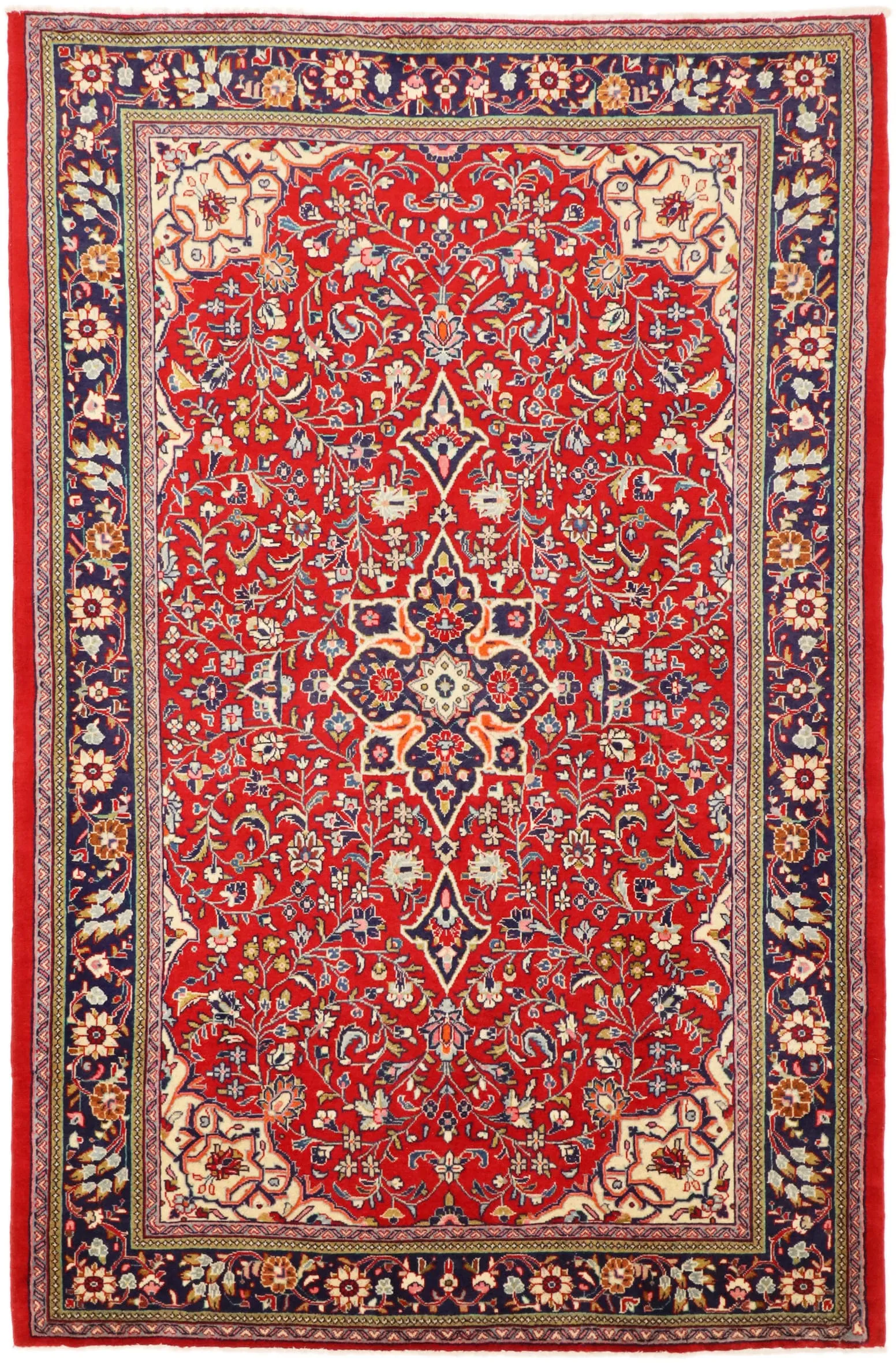
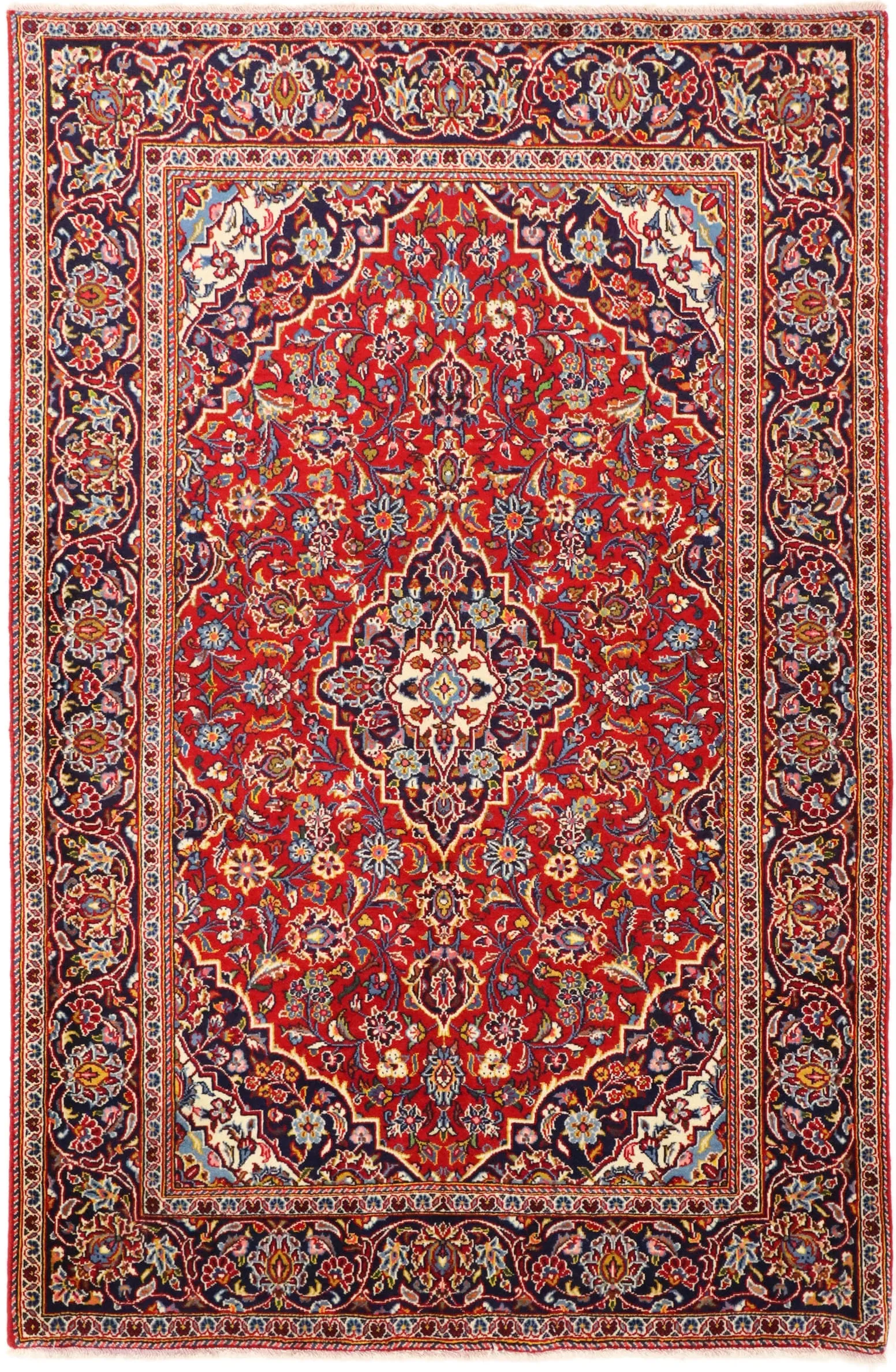
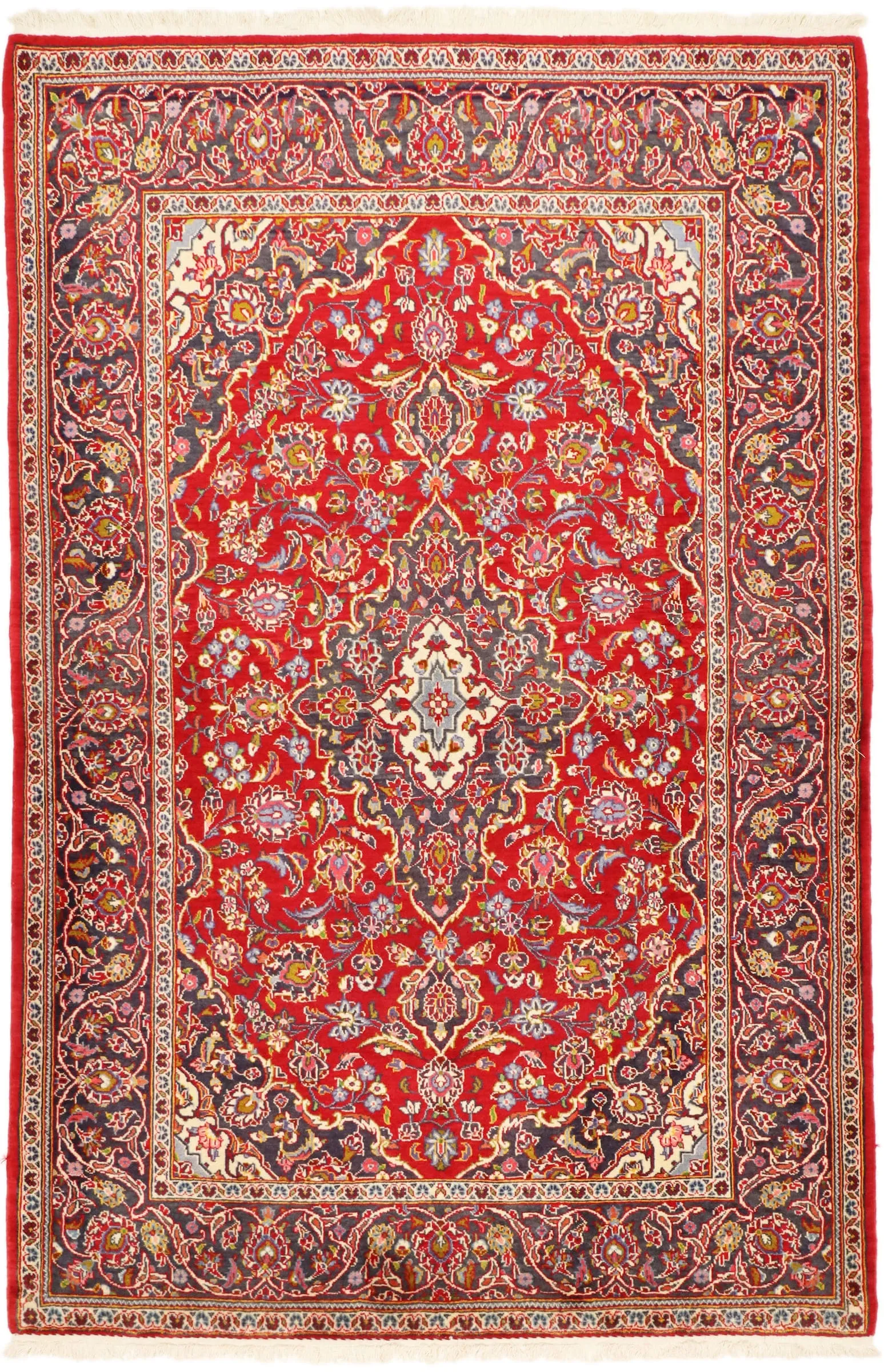
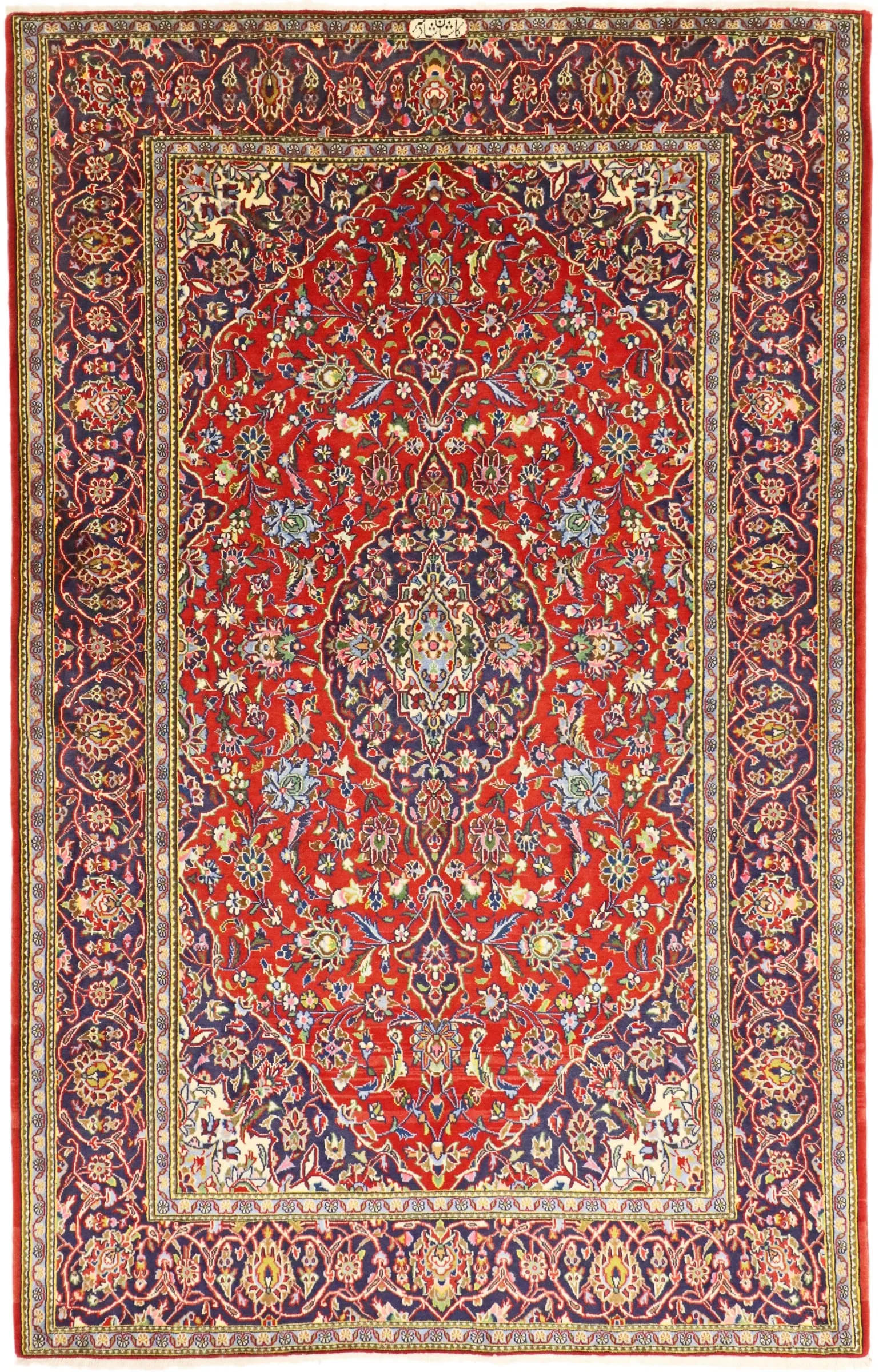
Keshan Shadsar 239 x 142 cm

€2,108.00 €2,480.00
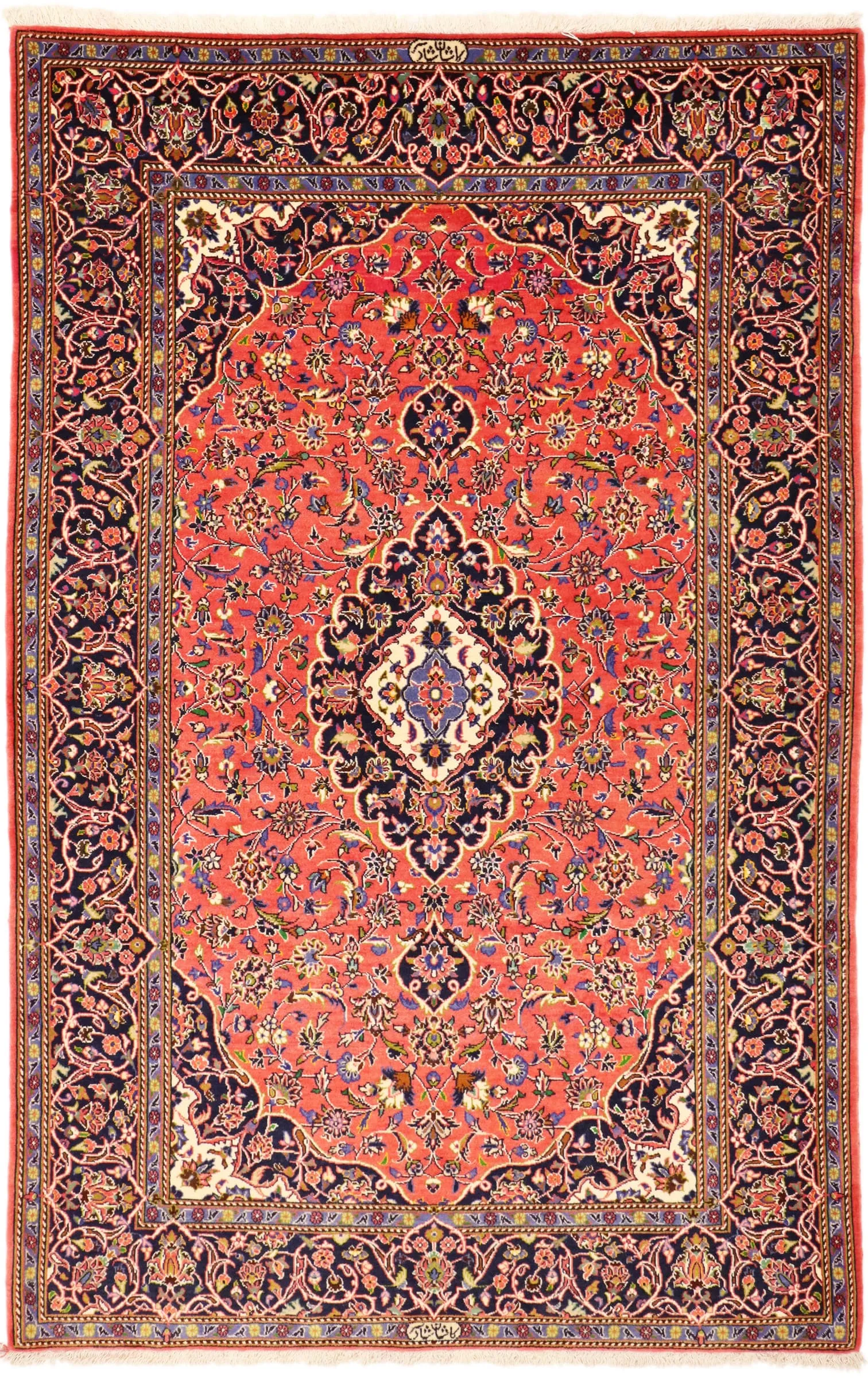
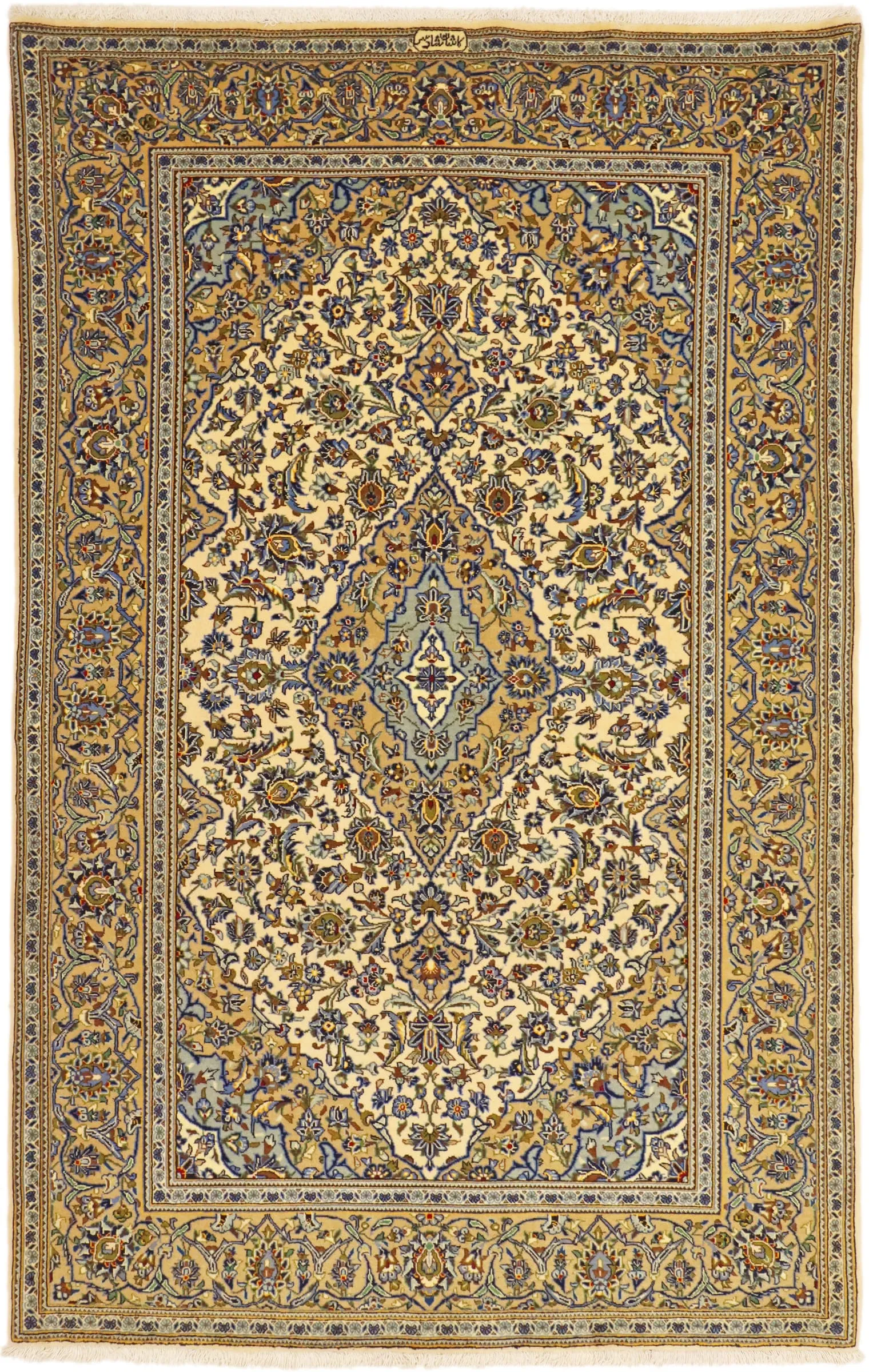
Keshan Shadsar 220 x 140 cm

€2,475.00
-20%
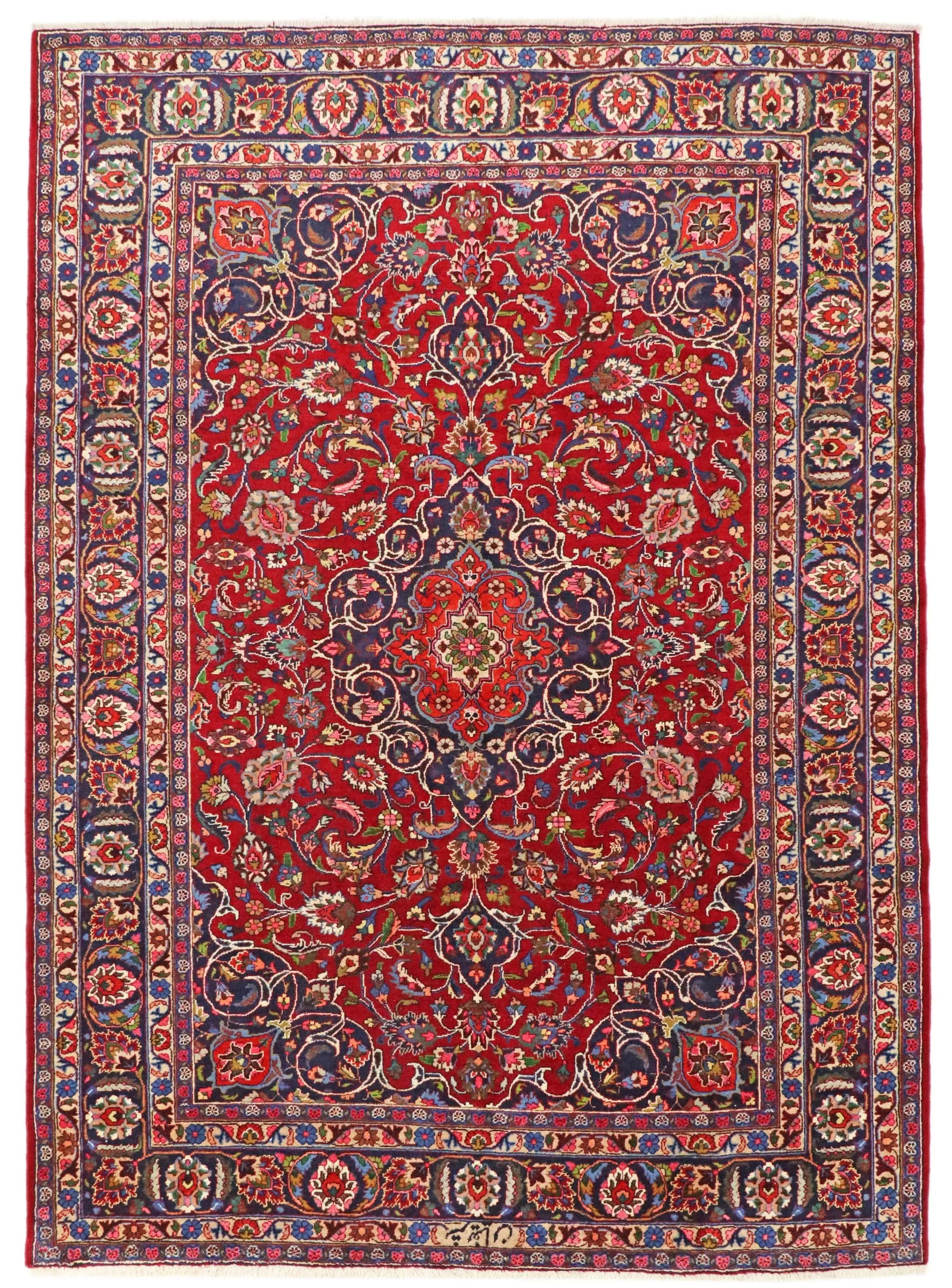
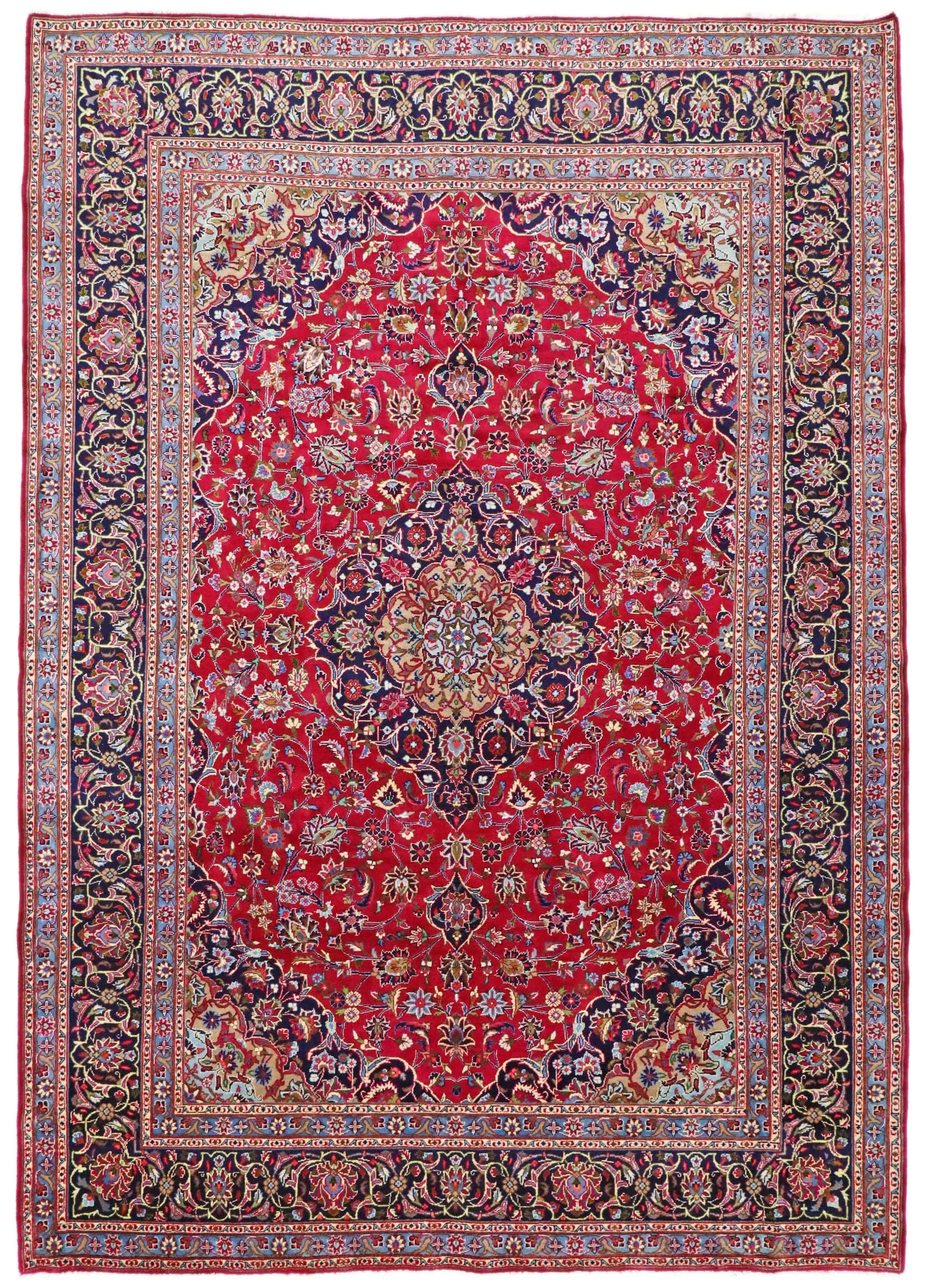
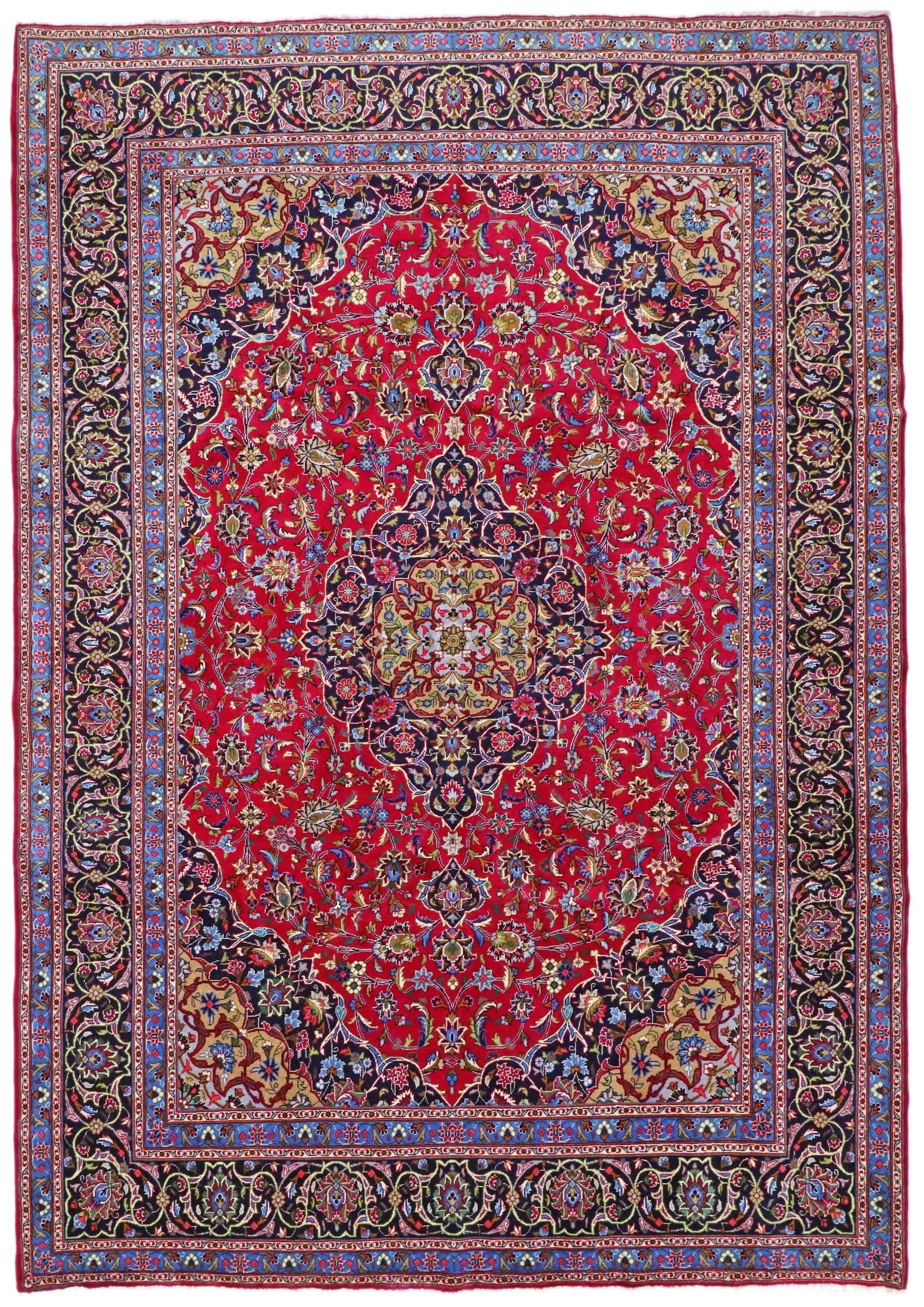
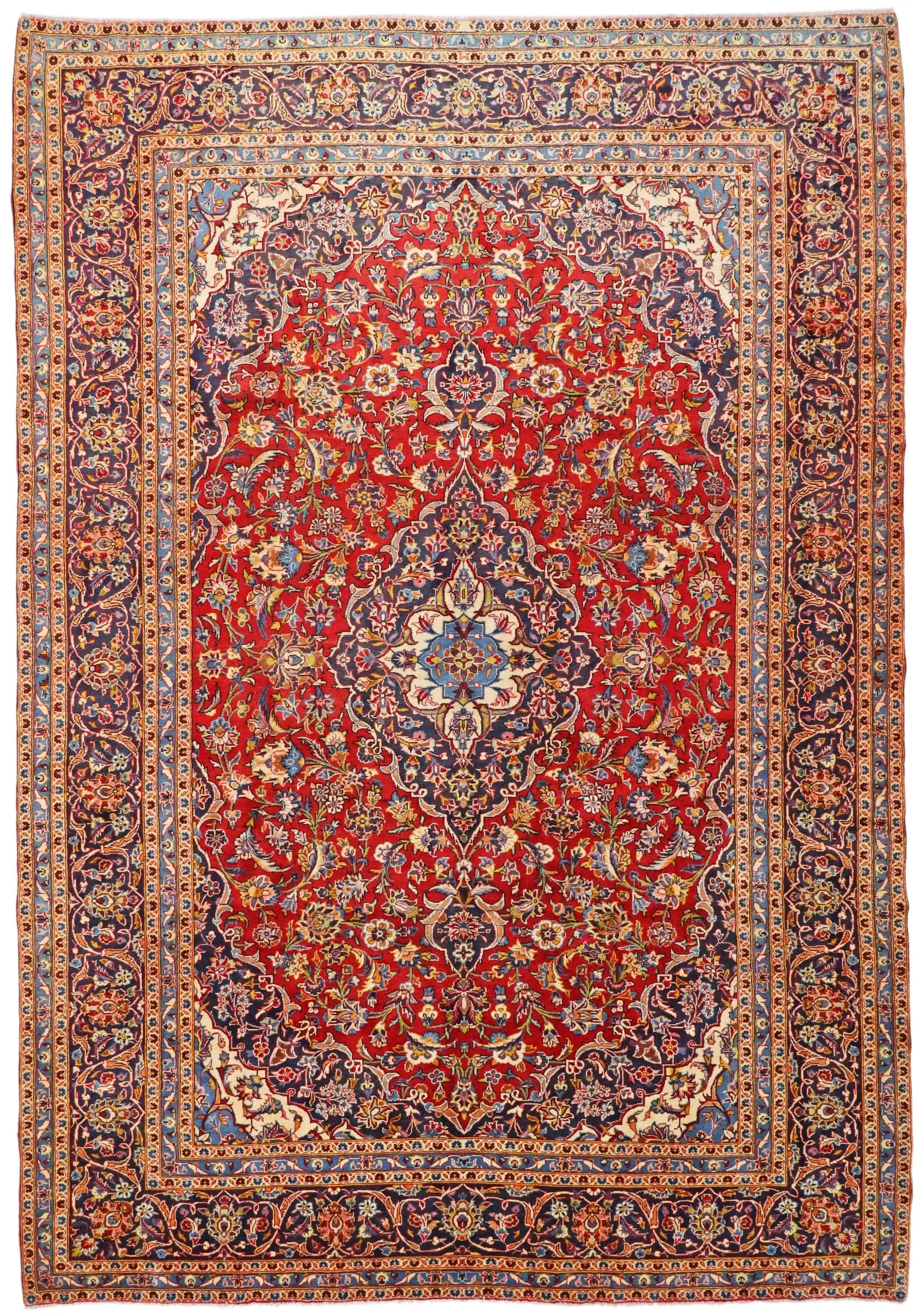
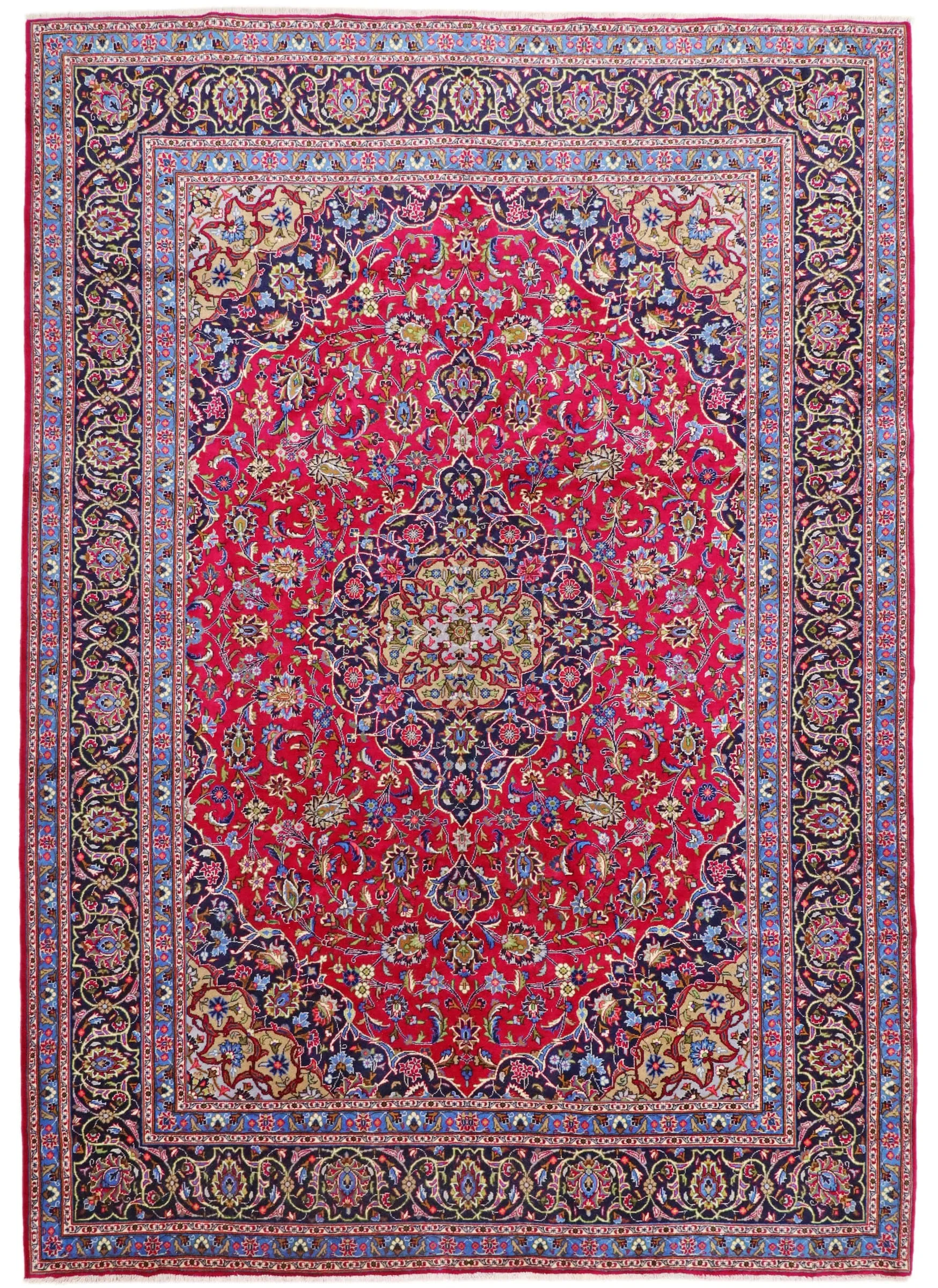
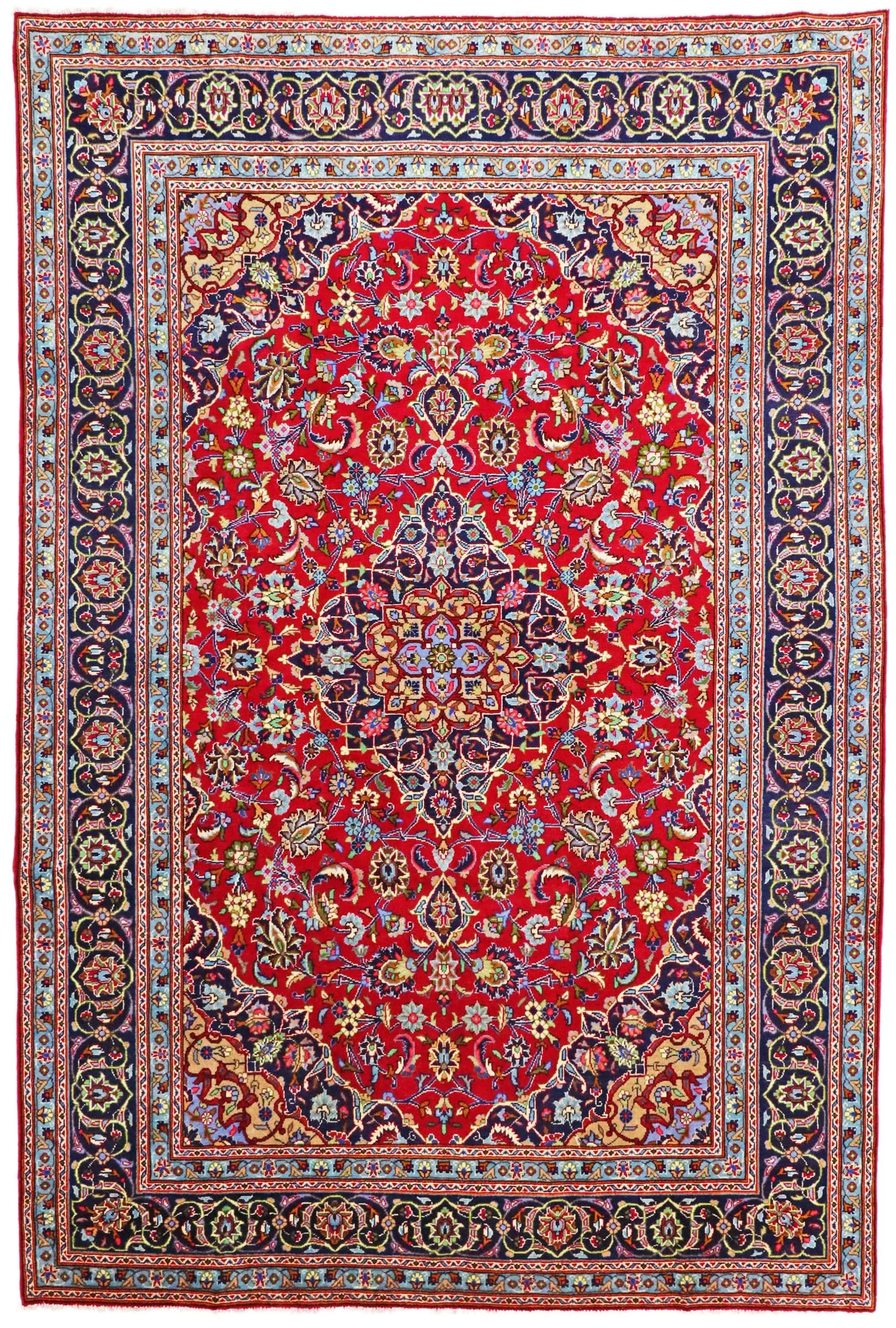
Keshan 288 x 209 cm

€1,272.00 €1,590.00
Keshan Shadsar 223 x 144 cm

€2,495.00
-10%
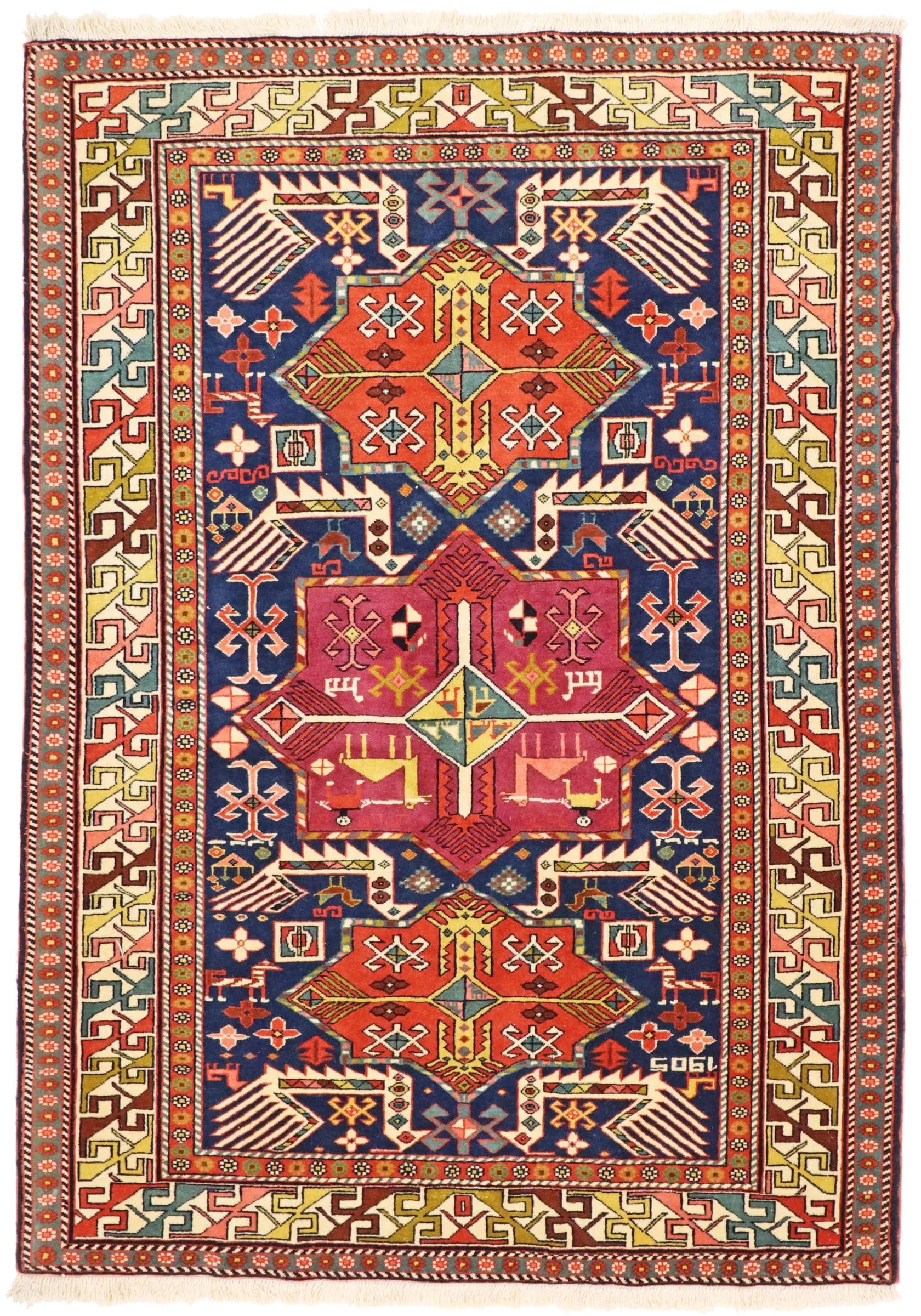
Ghutschan 167 x 135 cm

€774.00 €860.00
Ghutschan Exquisit 173 x 127 cm

€1,594.00
-15%
Keshan Shadsar 218 x 142 cm

€2,074.00 €2,440.00
Ghutschan 180 x 138 cm

€1,998.00
Ghutschan 212 x 140 cm

€890.00
-10%
Ghutschan 190 x 132 cm

€783.00 €870.00
-10%
Ghutschan 173 x 125 cm

€738.00 €820.00
Keshan Shadsar 222 x 143 cm

€2,770.00
Keshan Shadsar 208 x 136 cm

€2,105.00
Keshan Shadsar 220 x 140 cm

€2,470.00
-10%
Ghutschan Exquisit 162 x 129 cm

€1,701.00 €1,890.00
Ghutschan Exquisit 165 x 134 cm

€1,933.00
-15%
Ghutschan 173 x 140 cm

€714.00 €840.00
Keshan 348 x 247 cm

€1,864.00
-10%
Ghutschan Exquisit 178 x 140 cm

€1,224.00 €1,360.00
Keshan Shadsar 217 x 145 cm

€2,235.00
-10%
Ghutschan Exquisit 180 x 135 cm

€1,431.00 €1,590.00
Keshan Shadsar 218 x 143 cm

€2,555.00
-10%
Ghutschan Exquisit 187 x 155 cm

€1,611.00 €1,790.00
-20%
Keshan Shadsar 207 x 136 cm

€1,712.00 €2,140.00
Keshan 293 x 200 cm

€1,341.00
Ghutschan 220 x 115 cm

€876.00
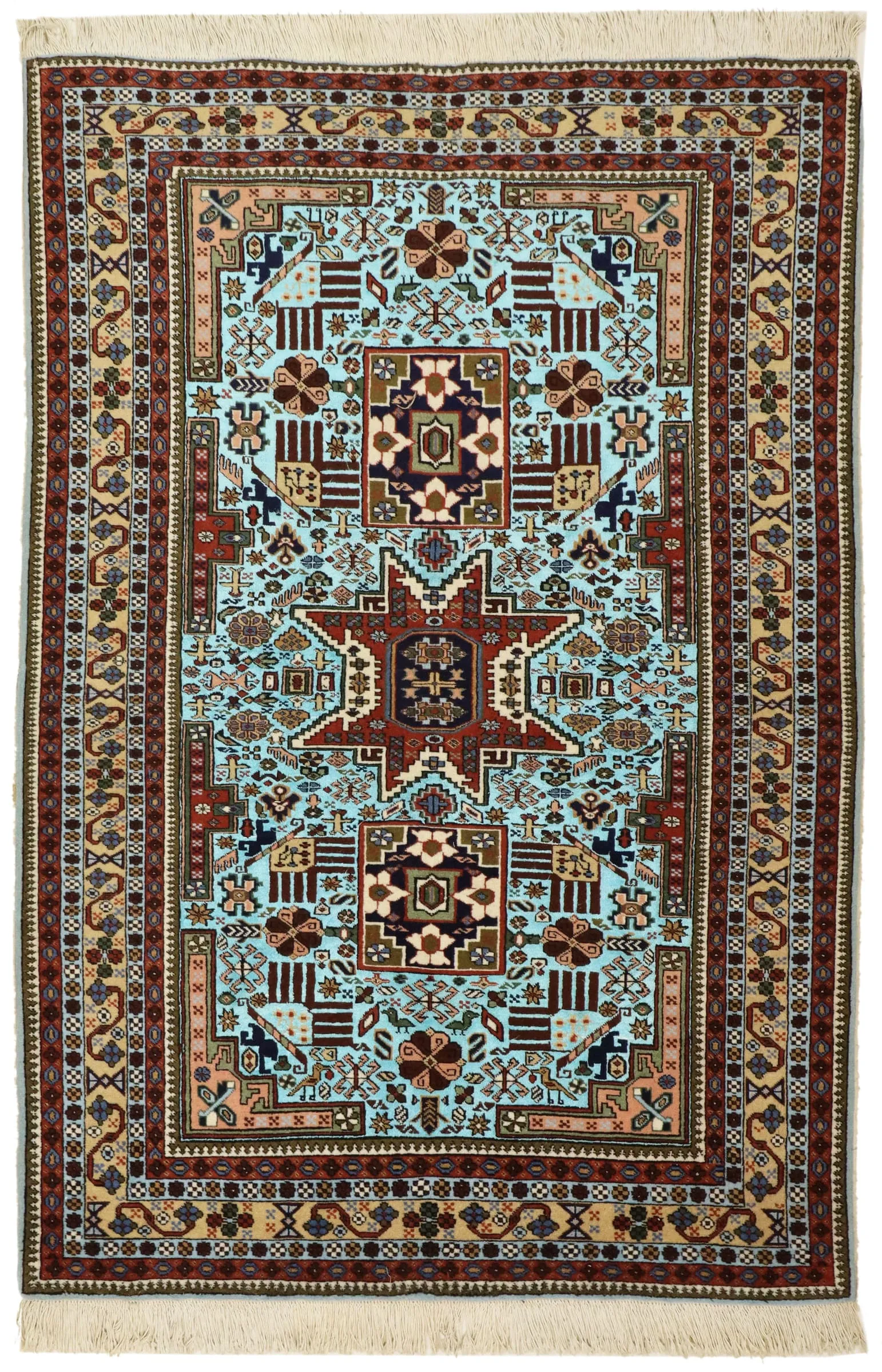
Ardebil 202 x 140 cm

€1,330.00
Keshan Shadsar 218 x 135 cm

€2,615.00
Ghutschan 185 x 135 cm

€765.00
-10%
Keshan Shadsar 207 x 140 cm

€1,953.00 €2,170.00
-10%
Ghutschan 180 x 135 cm

€801.00 €890.00
-20%
Keshan Shadsar 223 x 144 cm

€2,024.00 €2,530.00
-20%
Keshan 297 x 198 cm

€1,400.00 €1,750.00
Keshan Shadsar 225 x 140 cm

€2,390.00
Keshan 350 x 245 cm

€2,196.00
Keshan 304 x 194 cm

€1,422.00
-20%
Keshan Shadsar 214 x 132 cm

€1,952.00 €2,440.00
Keshan Shadsar 215 x 142 cm

€2,319.00
Keshan 355 x 245 cm

€1,992.00
Keshan Shadsar 207 x 136 cm

€1,775.00
Ghutschan 197 x 138 cm

€915.00
-16%
Keshan Shadsar 220 x 145 cm

€1,824.00 €2,170.00
Ghutschan Exquisit 175 x 135 cm

€1,359.00
-20%
Keshan Shadsar 216 x 140 cm

€2,176.00 €2,720.00
Keshan Shadsar 224 x 144 cm

€2,744.00
Keshan 346 x 250 cm

€1,808.00
-10%
Keshan Shadsar 220 x 139 cm

€2,295.00 €2,550.00
-20%
Keshan Shadsar 218 x 141 cm

€1,888.00 €2,360.00
Keshan Shadsar 229 x 145 cm

€2,710.00
Ardebil 197 x 140 cm

€1,050.00
Keshan 295 x 197 cm

€1,323.00
Keshan Shadsar 222 x 139 cm

€2,395.00
-10%
Ghutschan 180 x 132 cm

€792.00 €880.00
Ghutschan 208 x 132 cm

€820.00
Keshan Shadsar 235 x 142 cm

€2,460.00
-20%
Keshan Shadsar 219 x 142 cm

€1,996.00 €2,495.00
Guide & Selection Advice

Nomadic & Village Rugs – Wool, Pattern & Traditional Craftsmanship

Nomadic and village rugs are known for expressive handcraft, natural wool surfaces and designs that are often freer in composition than strictly planned workshop rugs. Geometric forms, stylised plants and animals, medallions and divided fields give each one-of-a-kind piece its own distinctive presence.

This guide explains the differences between nomadic and village weaving traditions, looks at new wool, hand-spun wool, abrash, knotting and craftsmanship, and shows how expressive designs can be used harmoniously in the living room, dining room or bedroom.

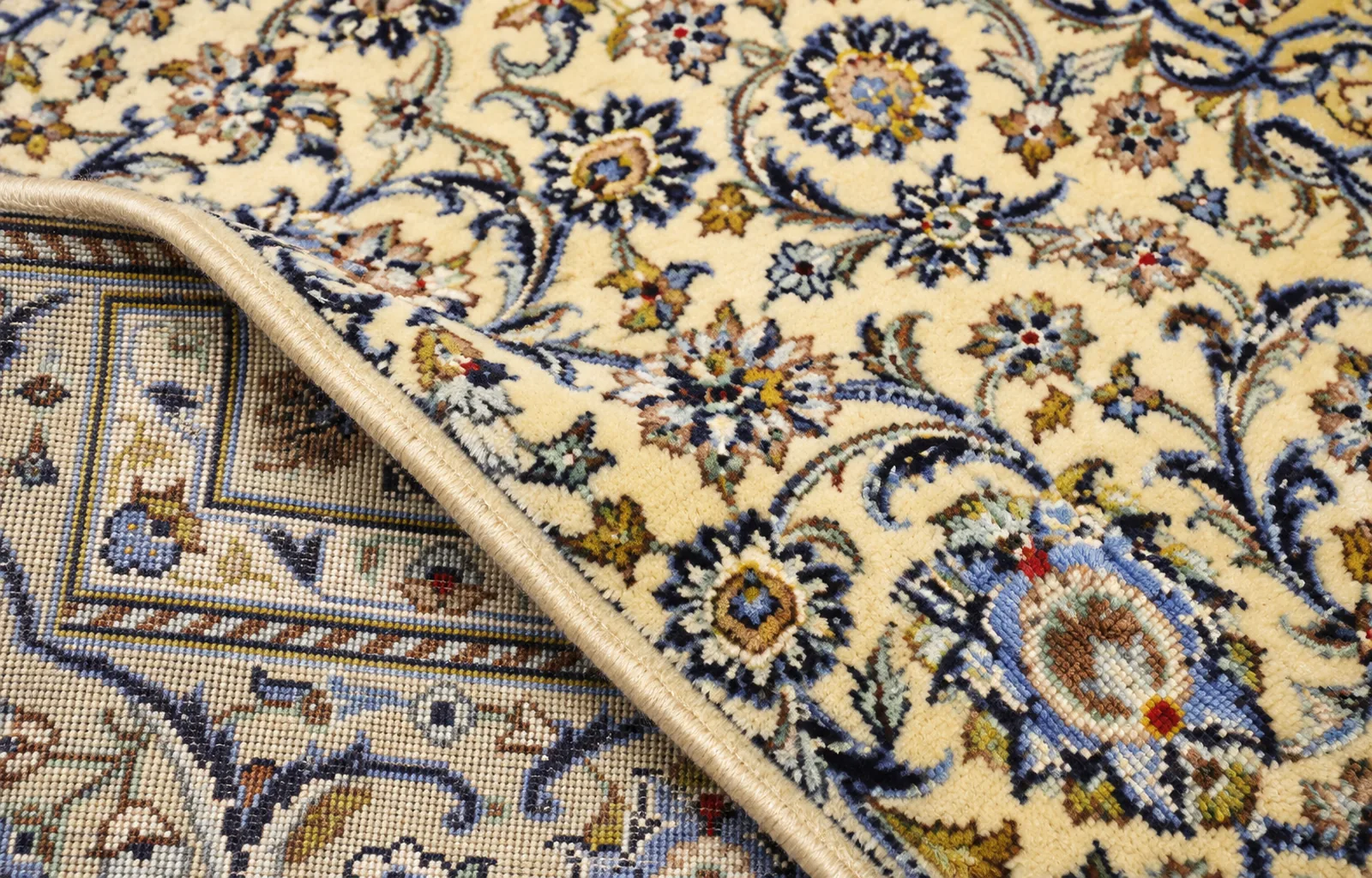
Close-up of a hand-knotted nomadic or village rug with lively wool texture and traditional pattern
Understanding Their Distinctive Character

What Is the Difference Between Nomadic and Village Rugs?

Nomadic rugs are historically associated with mobile or semi-nomadic communities, while village rugs are made within settled regional communities. The distinction is not always clear-cut, so the actual origin of the individual rug matters more than a rigid label. Many pieces share a less schematic design language, with geometric ornaments, stylised plants or animals and freely interpreted traditional motifs.

Small variations in line, proportion or colour can reveal the individual nature of the handwork. They are neither automatically a defect nor, on their own, proof of age or authenticity. Materials, knotting, the reverse, edges, condition and a credible attribution of origin should always be considered together.

  • Geometric ornaments, stylised plants and animals, medallions and field designs characterise many pieces.
  • Subtle variations in drawing and proportion can reveal the individual hand of the weaver.
  • New wool and hand-spun wool often create a tactile, natural and resilient surface.
  • Each hand-knotted one-of-a-kind rug should be assessed individually for origin, materials, craftsmanship and condition.
Understanding Materials & Handcraft

New Wool, Abrash & Handcrafted Construction

With nomadic and village rugs, a high knot density is not the only measure that matters. Wool quality, handle, colour, the character of the design, the tension of the foundation and the overall craftsmanship are equally important. Hand-spun wool in particular can create a lively surface that reinforces the distinctive character of the rug.

01

Hand-Spun Wool

Hand-spun wool can show subtle variations in yarn thickness and surface texture. This often gives the pile a tactile, lively quality rather than an industrially uniform appearance. Fibre quality and workmanship remain decisive for durability.

02

Abrash

Abrash describes visible shifts in shade within a field of colour. These can result from different dye batches or lots of wool and are part of the natural appearance of many handcrafted rugs. Abrash alone is not proof of authenticity or age.

03

Knotting & Pattern

A higher knot density allows finer detail, but it is not automatically the most important quality criterion here. Coarser, deliberately graphic designs can be equally well made when the materials, tension and execution are convincing.

04

Foundation & Condition

Warp and weft construction can vary according to origin and the individual rug. The specific product details are therefore important. The reverse, edges, pile, any repairs and the overall state of preservation should always be considered when making a selection.

Using Character with Intention

How Nomadic & Village Rugs Shape a Room

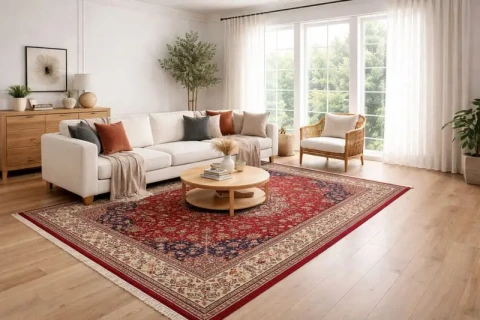
Bold geometric patterns, warm wool tones and visibly handcrafted details can give a room immediate depth and personality. These rugs work especially well when the design has enough space to breathe and the furniture, textiles and wall colours do not all compete for attention.

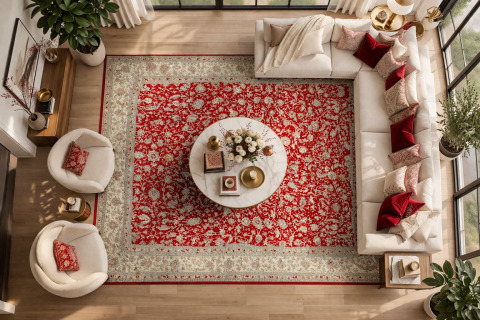
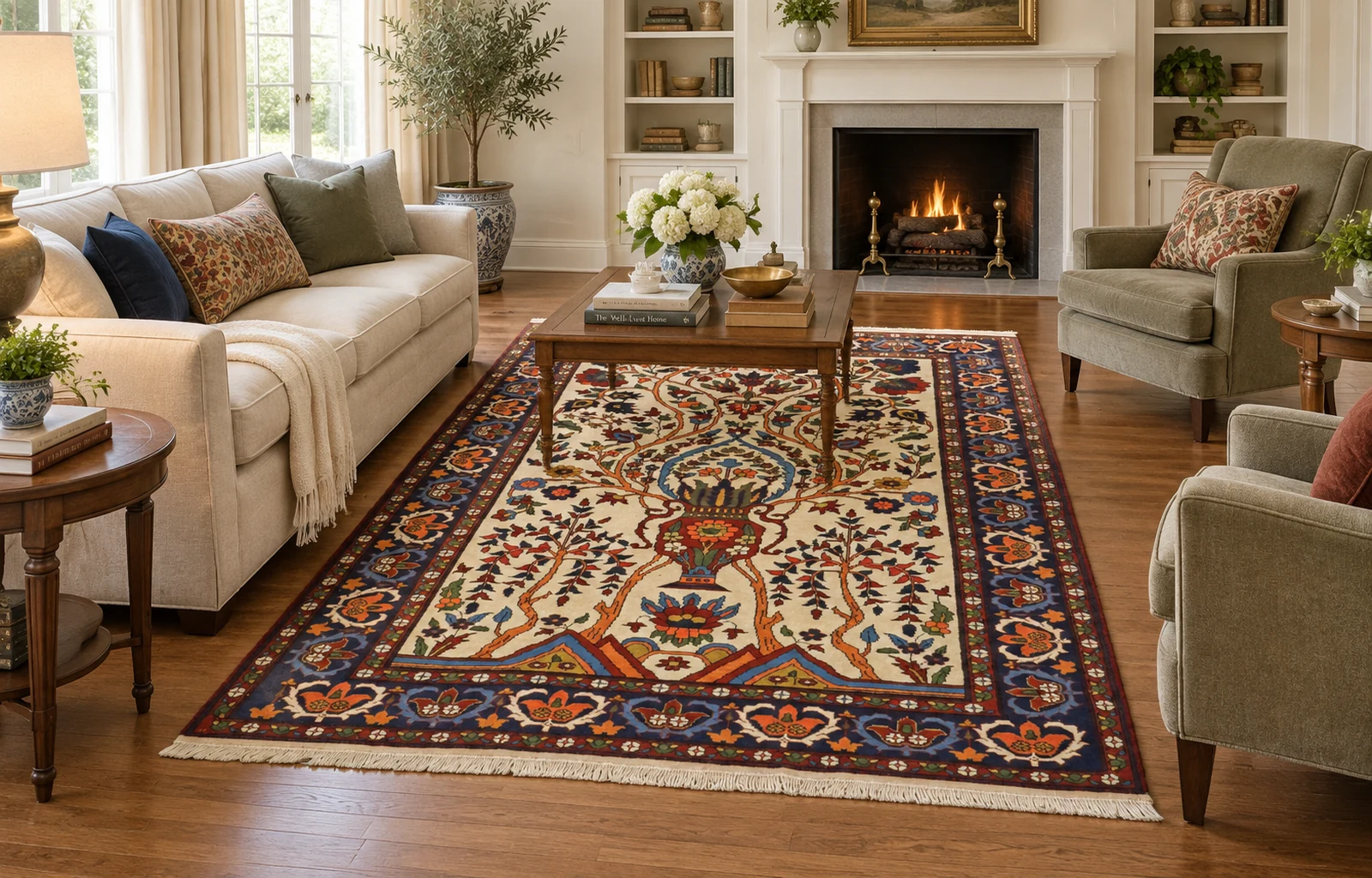
Hand-knotted nomadic or village rug in a contemporary living room
Living Room

Warm Structure for the Seating Area

In a living room, a characterful wool rug can visually bring the seating area together while adding warmth. Geometric designs pair particularly well with wood, leather, linen, understated upholstery and clean-lined modern furniture.

The arrangement often feels balanced when at least the front legs of the sofa and armchairs rest on the rug. With a prominent medallion or strongly divided field design, it is worth considering in advance which parts of the pattern will remain visible.

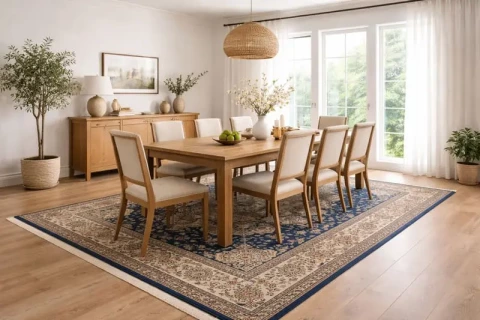
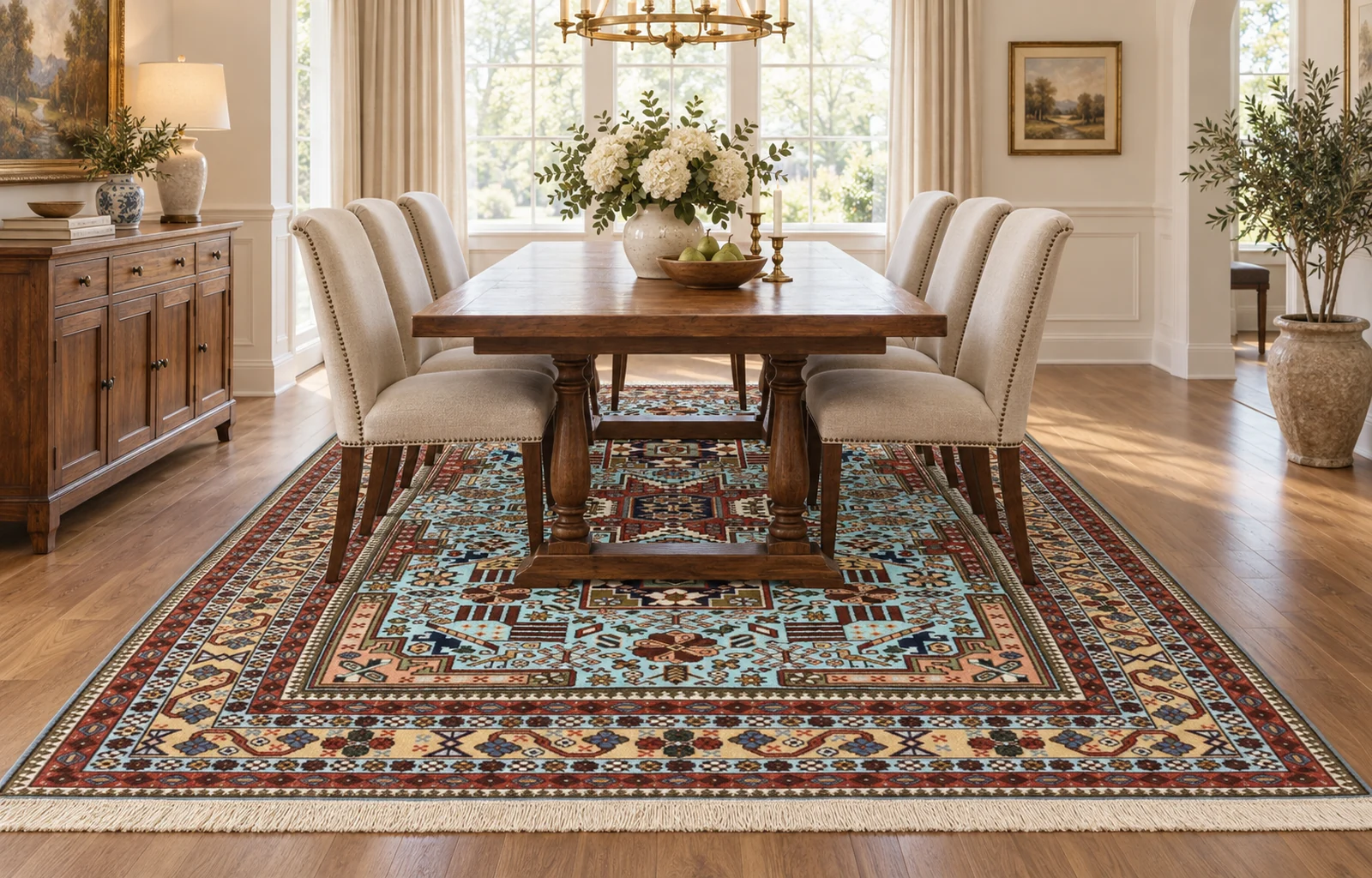
Expressive nomadic or village rug beneath a dining table in an elegant dining room
Dining Room

Expressive Beneath the Dining Table

Beneath a dining table, the rug should extend far enough beyond the table for the chairs to remain on the surface when pulled back. As a general guide, allowing around 60 to 70 cm of additional rug space on each side is often practical.

Geometric all-over patterns and clearly divided fields often work especially well beneath a table because their impact does not depend on one fully visible centre. For more heavily used dining areas, a stable pile and good overall condition are also important.

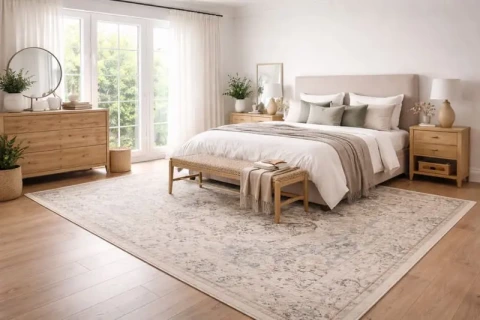
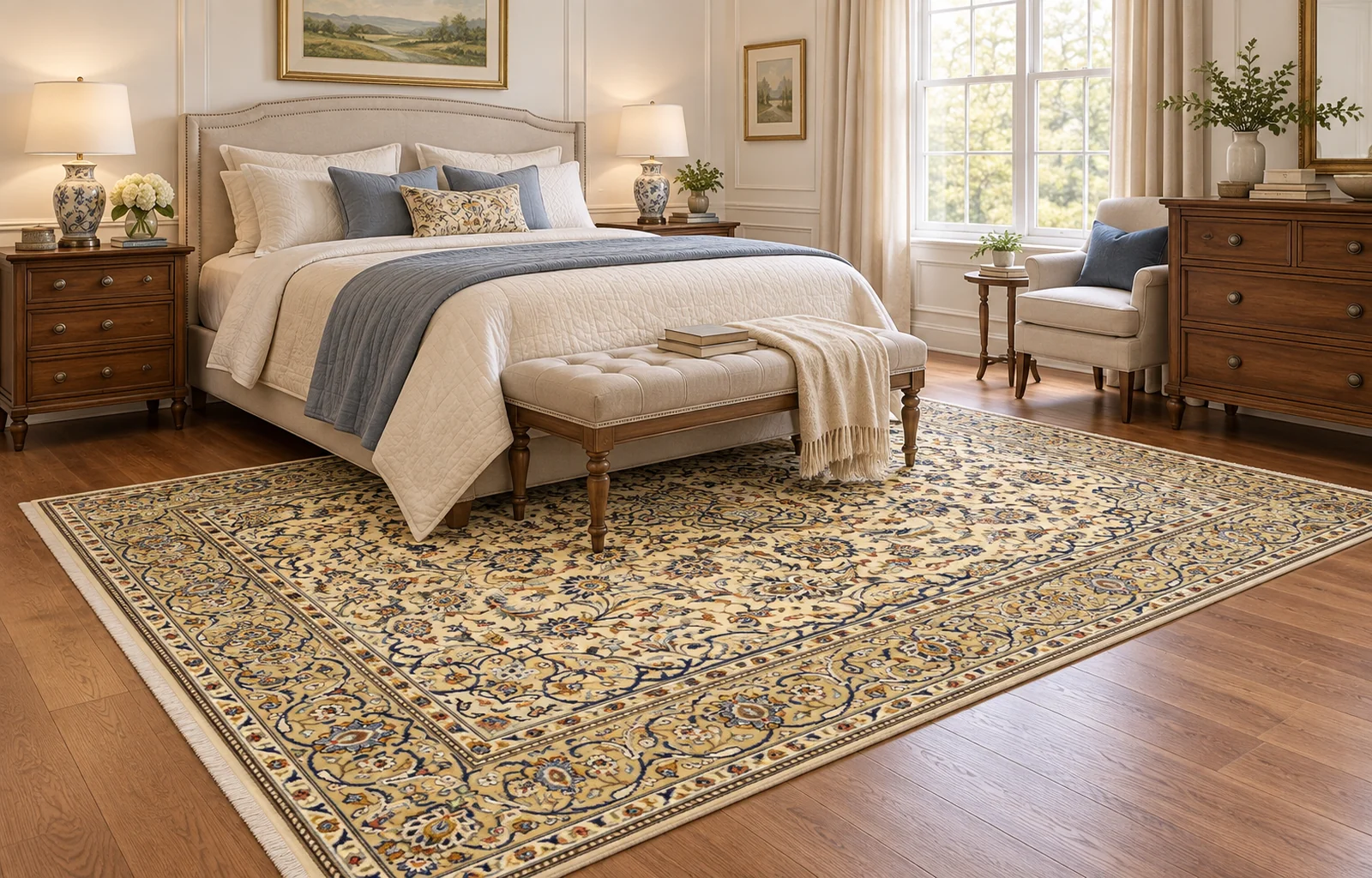
Hand-knotted nomadic or village rug with warm colours in a calm bedroom
Bedroom

Balancing Expressive Patterns in the Bedroom

In a bedroom, warm reds, browns, beige and natural tones can create a calm, inviting atmosphere. Light bed linen, wood and restrained wall colours provide a pleasing counterpoint to a lively geometric design.

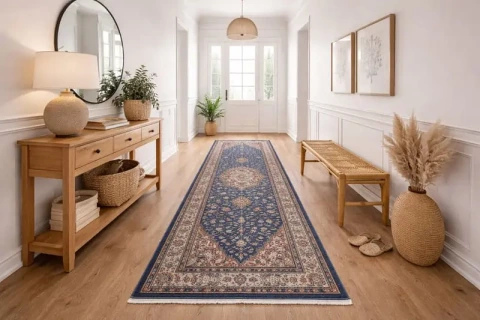
A generous rug beneath the bed creates a coherent surface and a comfortable area underfoot. In smaller rooms, a more compact format or runners can work better, leaving enough of the characteristic design visible.

Choosing with Confidence

Balancing Size, Colour & Pattern

With expressive nomadic and village rugs, it is worth looking beyond size alone to the field layout, geometry and colour contrasts. A large medallion or clearly divided fields need enough visible floor area, while evenly repeated patterns can also work well in more heavily furnished rooms. Marking out the intended rug area beforehand can make the final choice much easier.

01

Size & Proportion

The rug should connect the furniture with the proportions of the room. A format that is too small can visually isolate a bold pattern, while a well-proportioned rug creates calm and cohesion.

02

Pattern & Symbolism

Geometric symbols, animals, plants and other motifs can carry different meanings depending on region, community and period. Individual symbols should therefore not be assigned a universal meaning without context. For interior design, colour, contrast and pattern scale are usually more relevant.

03

Use & Care

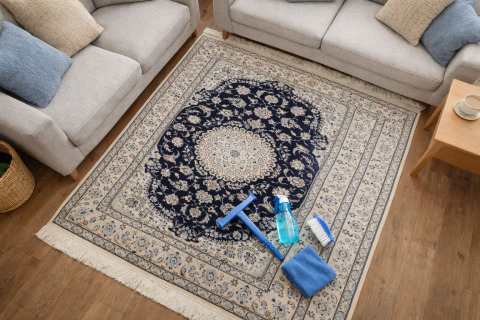
Wool is naturally resilient, but the pile, materials and condition should still suit the intended use. Gentle vacuuming without aggressive brushes, occasional rotation and prompt, careful treatment of stains all help preserve the rug over time.

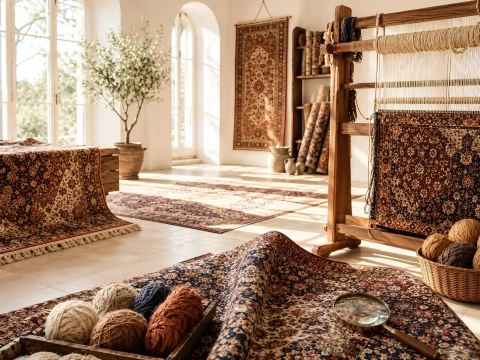
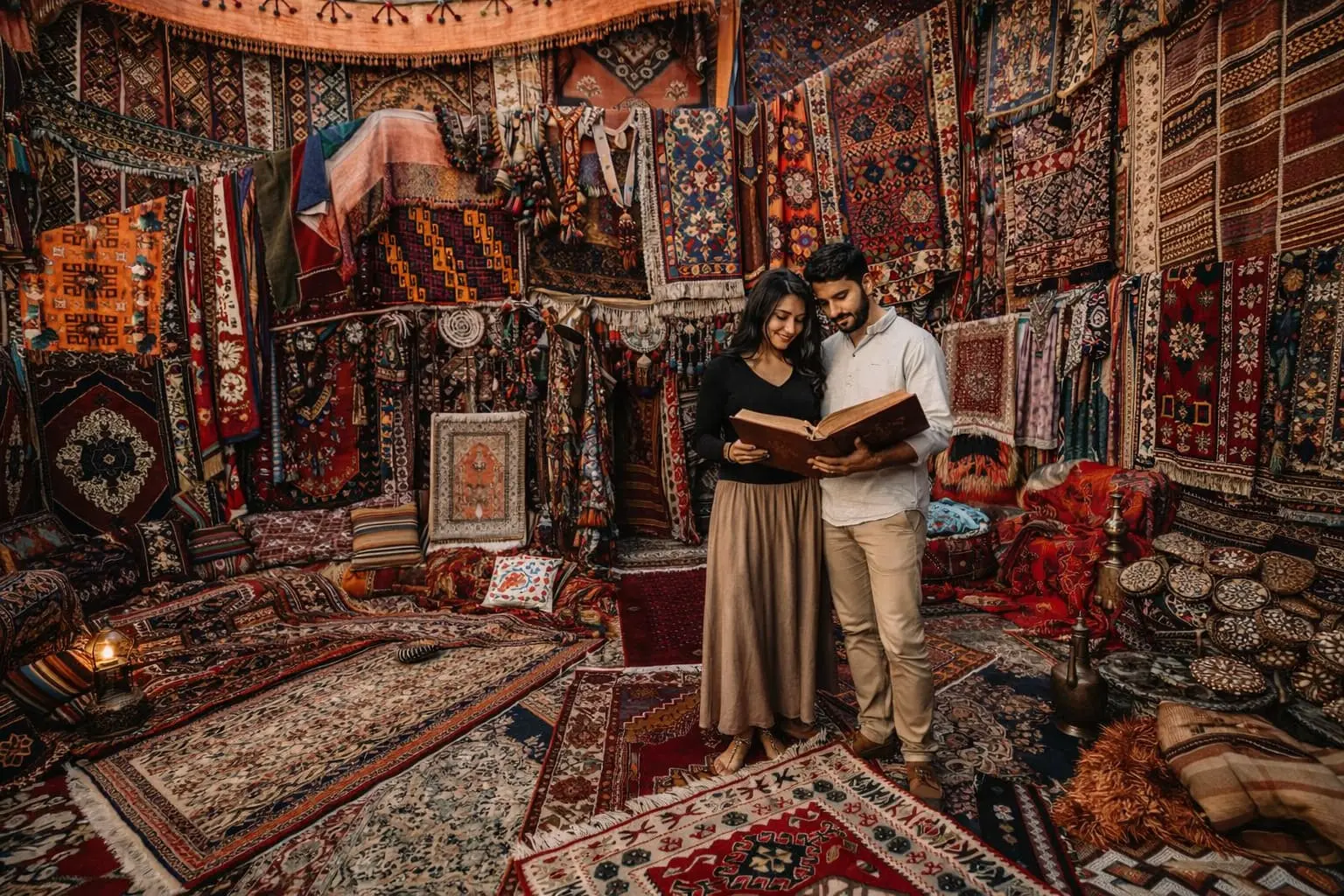
Traditional rug weaving as part of nomadic and village rug traditions
Culture & Craftsmanship

Between Nomadic Life and Village Weaving Traditions

Nomadic and village rug traditions developed over generations from the living conditions, available materials and design conventions of their respective regions. Patterns were passed down, adapted and repeatedly reinterpreted by individual weavers.

Even as the international rug trade expanded, regional, village-based and nomadic forms of handcraft continued. It is precisely the combination of inherited motifs, individual execution and natural materials that gives these rugs their distinctive character. For more historical context, see our history of Oriental rugs.

Choose with Confidence and at Your Own Pace

Hand-Knotted Nomadic & Village Rugs at Jakobson Carpets

Since 1995, Jakobson Carpets has stood for hand-knotted rugs, careful selection and personal advice. This allows you to assess the wool texture, pattern, colour effect, size and individual character of each one-of-a-kind rug in the setting of your own home.

Free Shipping & Free Returns

View the rug comfortably at home and see how it works in the room for which it is intended.

31-Day Return Policy

You have ample time to compare size, colour and pattern without unnecessary pressure.

3-Year Warranty

The three-year warranty applies exclusively to hand-knotted rugs in accordance with the stated warranty terms.

For appropriately marked hand-knotted rugs with a purchase value of €300 or more, you receive a Certificate of Authenticity. It records key details about the individual rug, including origin, materials, knotting technique, dimensions and other essential characteristics.

At a Glance

Frequently Asked Questions About Nomadic & Village Rugs

Key answers about differences, wool, abrash, symbolism, room placement and care.

What Is the Difference Between Nomadic Rugs and Village Rugs?

Nomadic rugs are historically associated with mobile or semi-nomadic communities, while village rugs are made within settled regional communities. The boundary can be fluid, so the specific origin and attribution of the individual rug matter more than a rigid definition.

Which Materials Are Typical of Nomadic & Village Rugs?

New wool is particularly common, often including hand-spun wool. The foundation can vary depending on origin and the individual piece, so the specific material details given for each rug are always the most relevant.

What Does Abrash Mean in a Hand-Knotted Rug?

Abrash refers to visible shifts in shade within a field of colour. These variations can result from different dye batches or lots of wool. They may form part of the handcrafted character of a rug, but on their own they are not proof of age or authenticity.

Do Symbols on Nomadic & Village Rugs Always Have a Fixed Meaning?

Not every symbol has a single universally accepted meaning. Motifs can be interpreted differently depending on region, community and period. It is more reliable to consider the specific origin of a rug than to assign a fixed meaning to every symbol.

Do Nomadic & Village Rugs Work in Modern Interiors?

Yes. In clean, modern interiors, bold geometric patterns, warm wool tones and a lively surface can create a deliberate, refined contrast. The key factors are the colour palette, scale of the design and a size that suits the room.

How Should a Nomadic or Village Rug Be Cared For?

Regular gentle vacuuming without aggressive rotating brushes helps protect the pile and structure. Spills should be blotted as quickly as possible rather than rubbed in. For heavier soiling or delicate older pieces, professional rug cleaning is the safer option.