




-320.webp)
-320.webp)

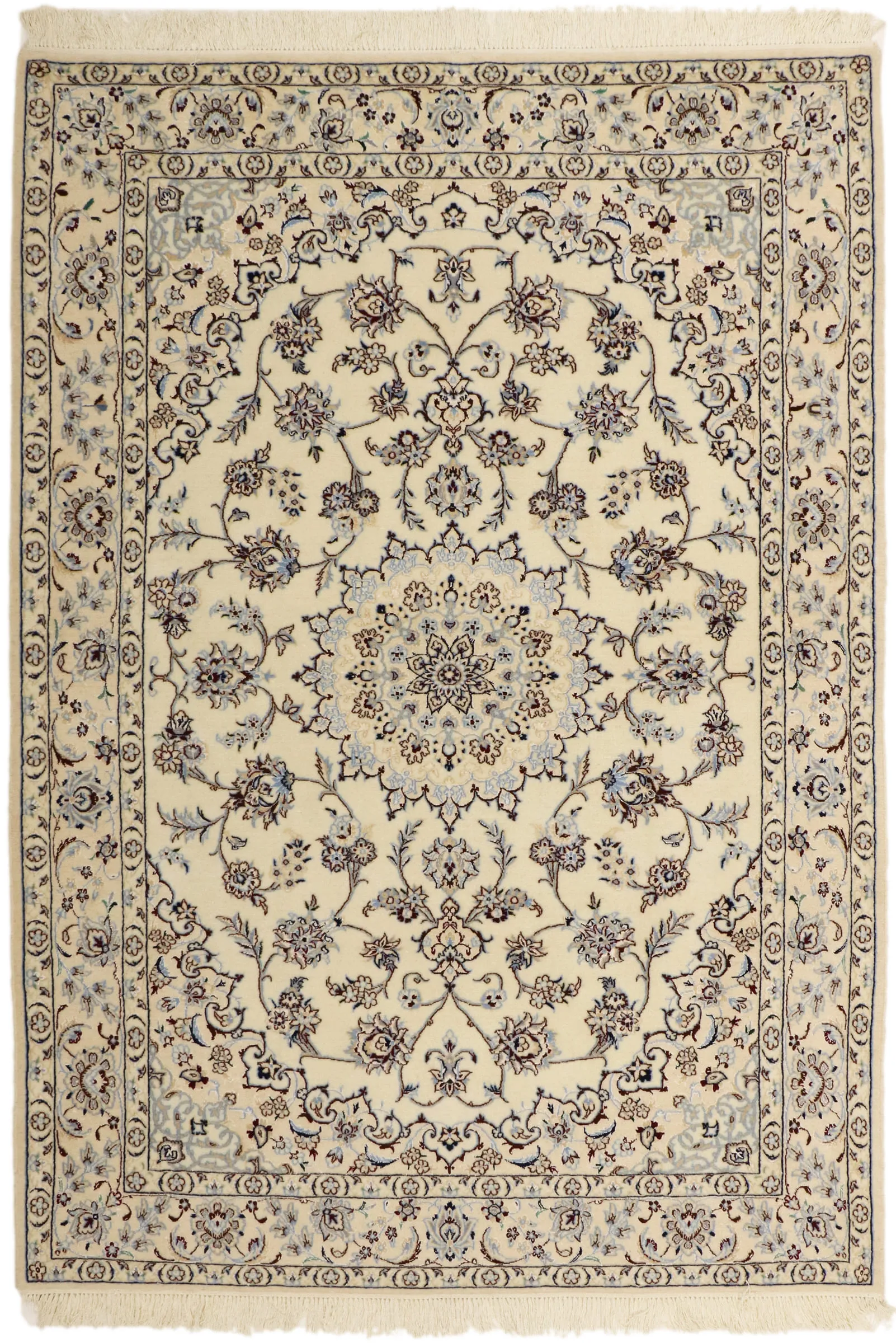
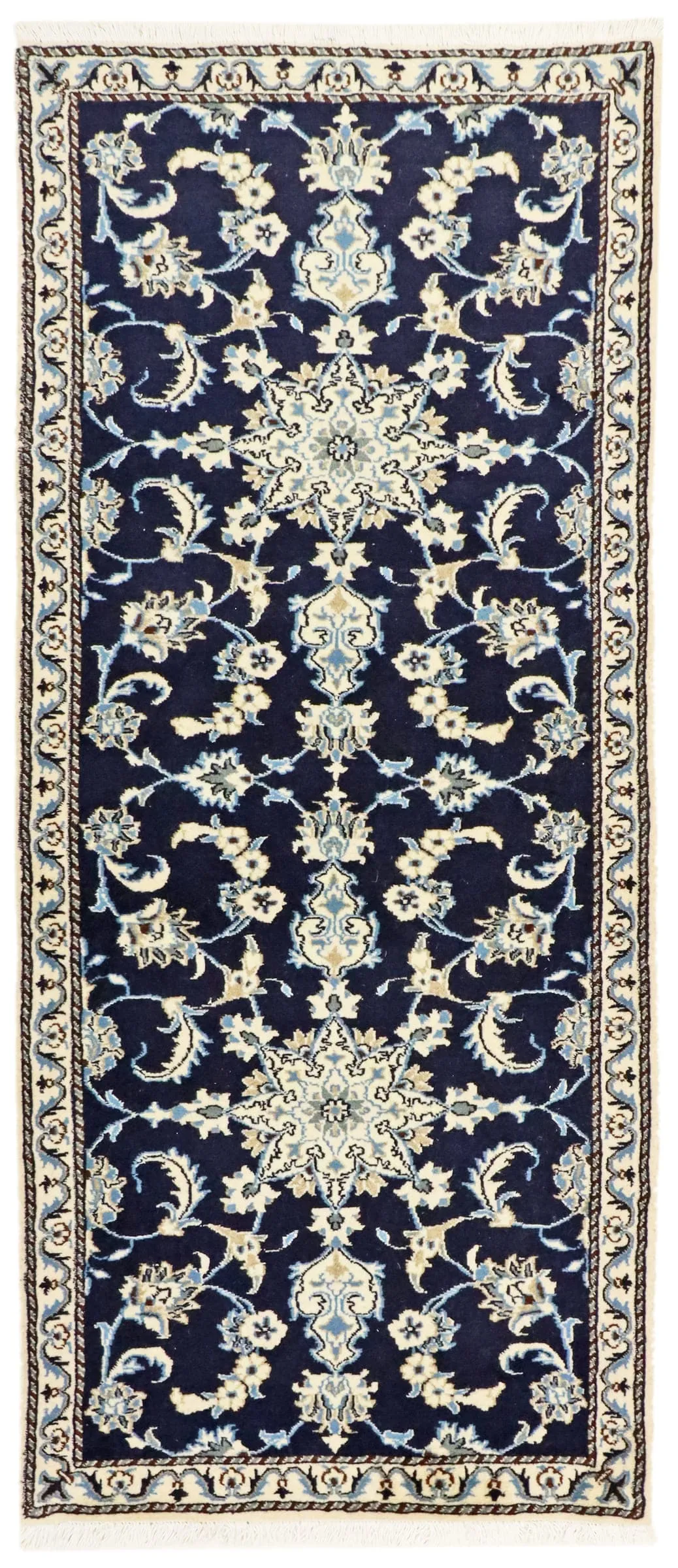
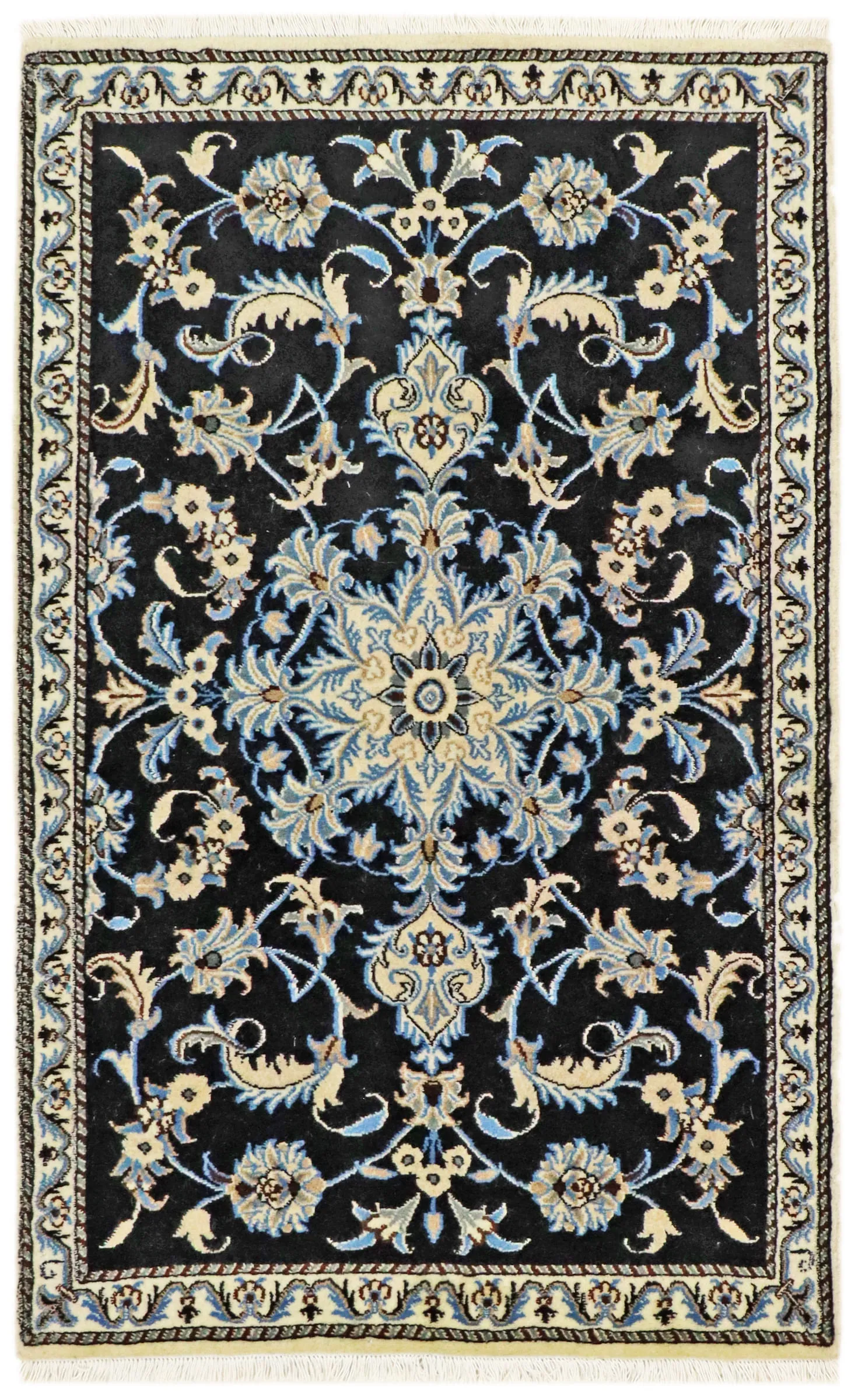
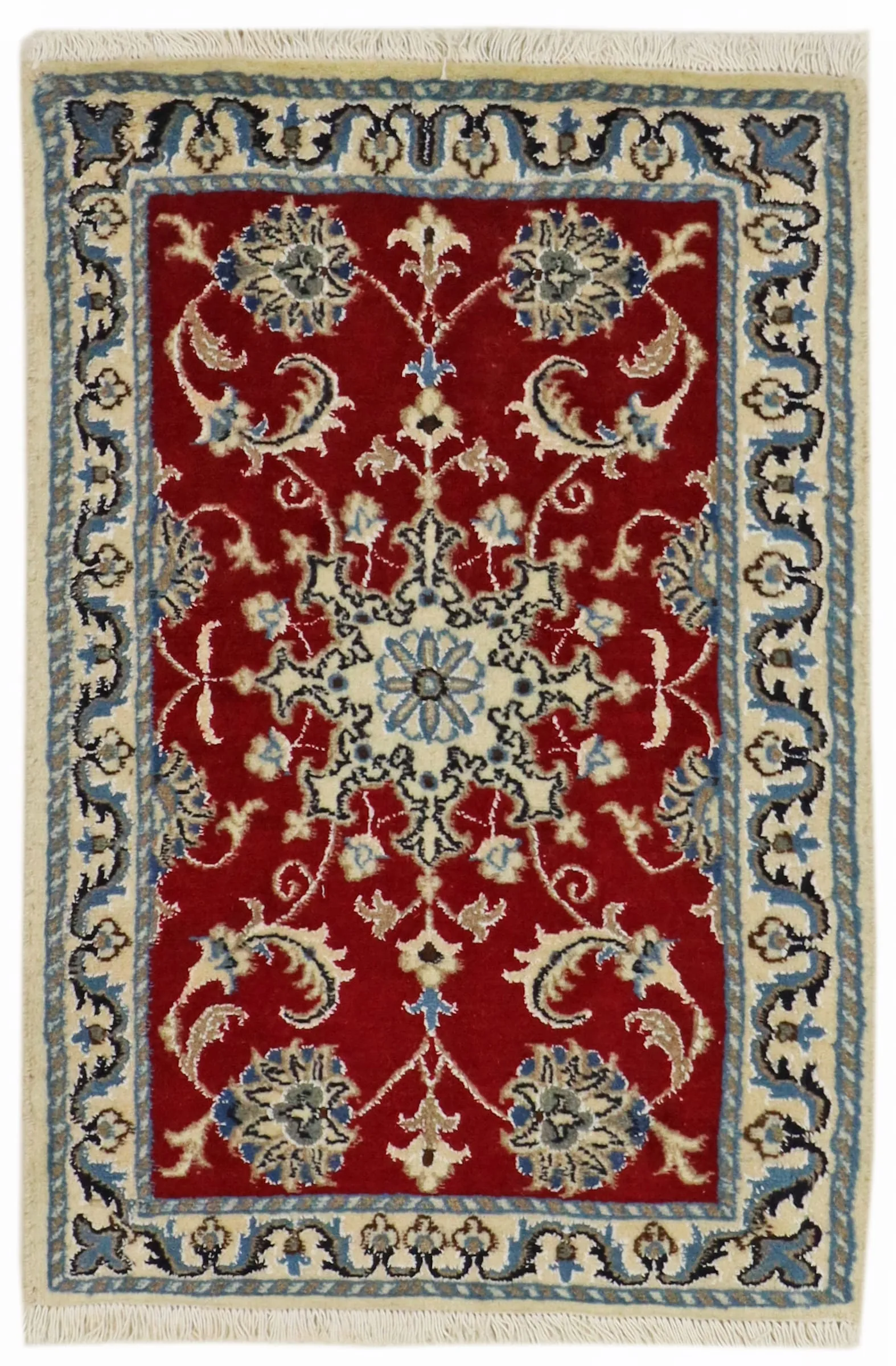
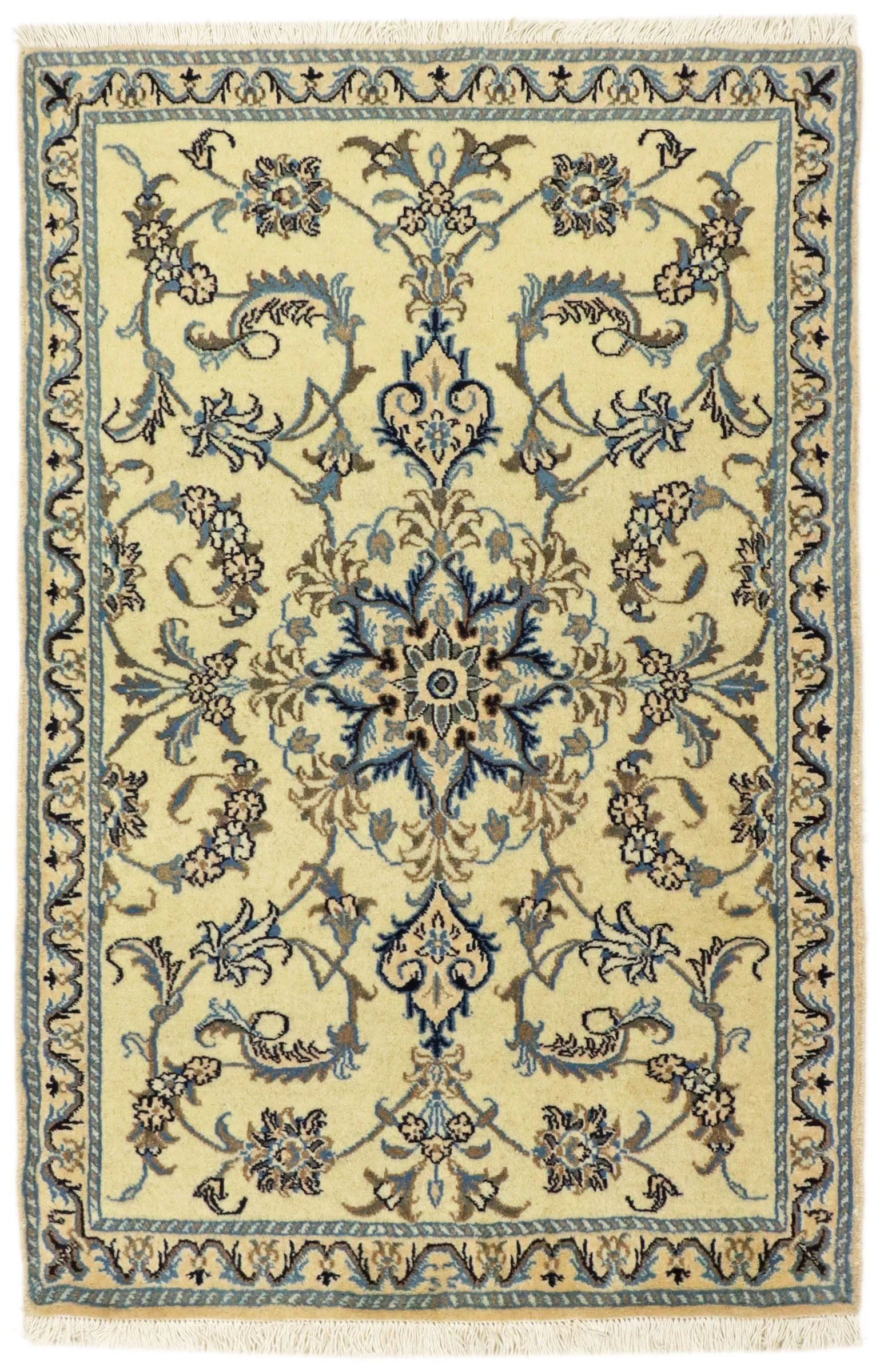
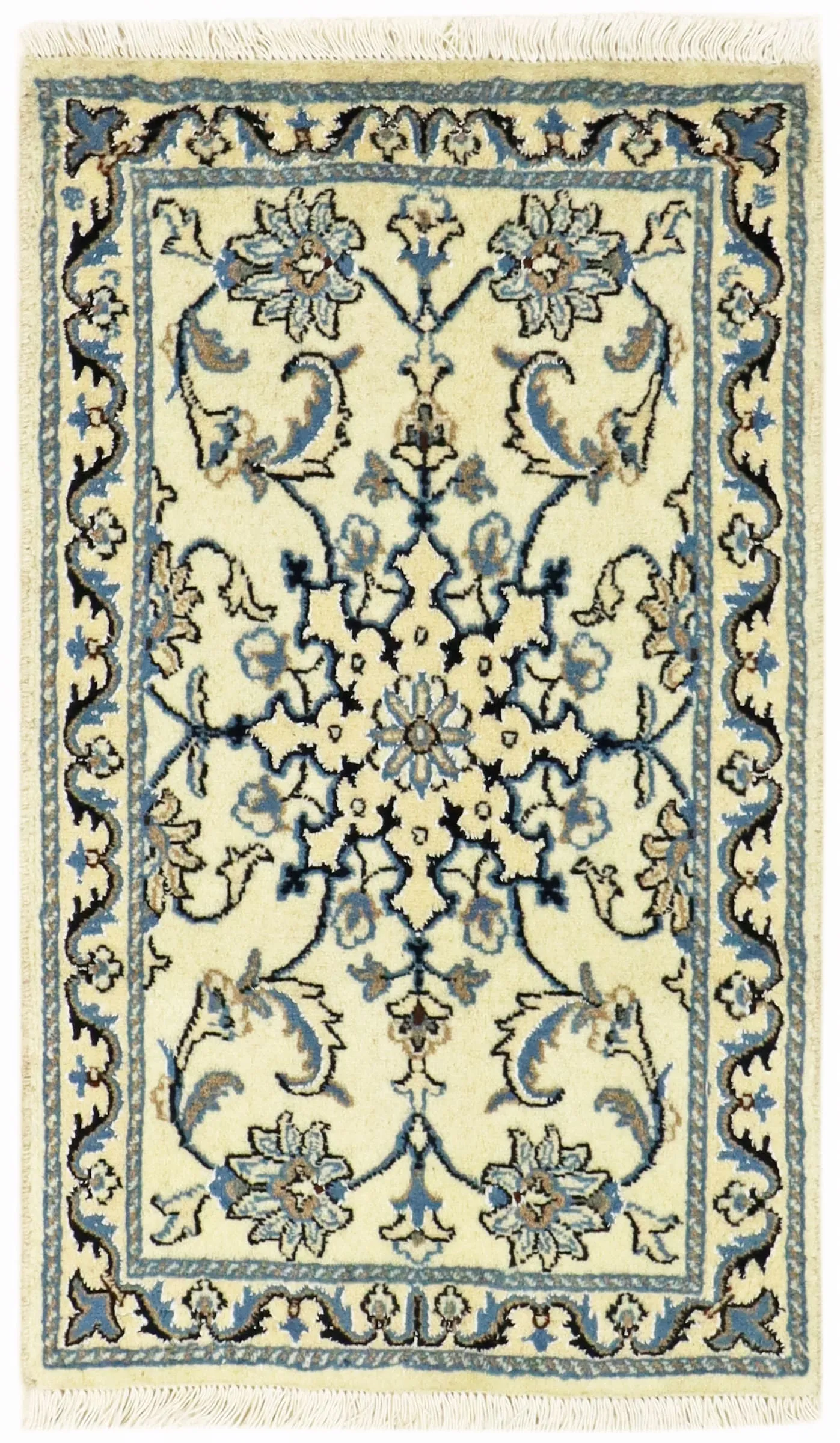
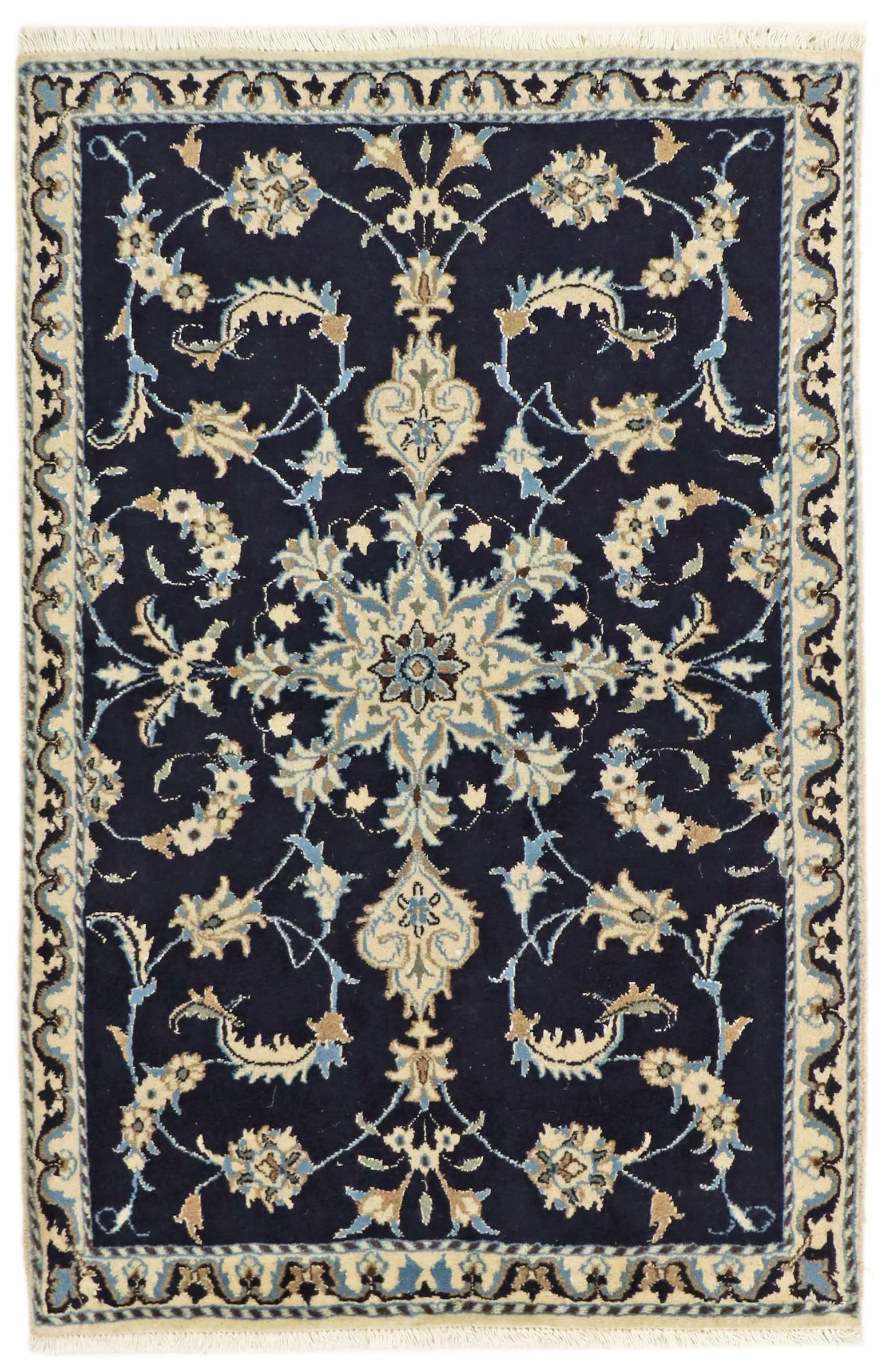
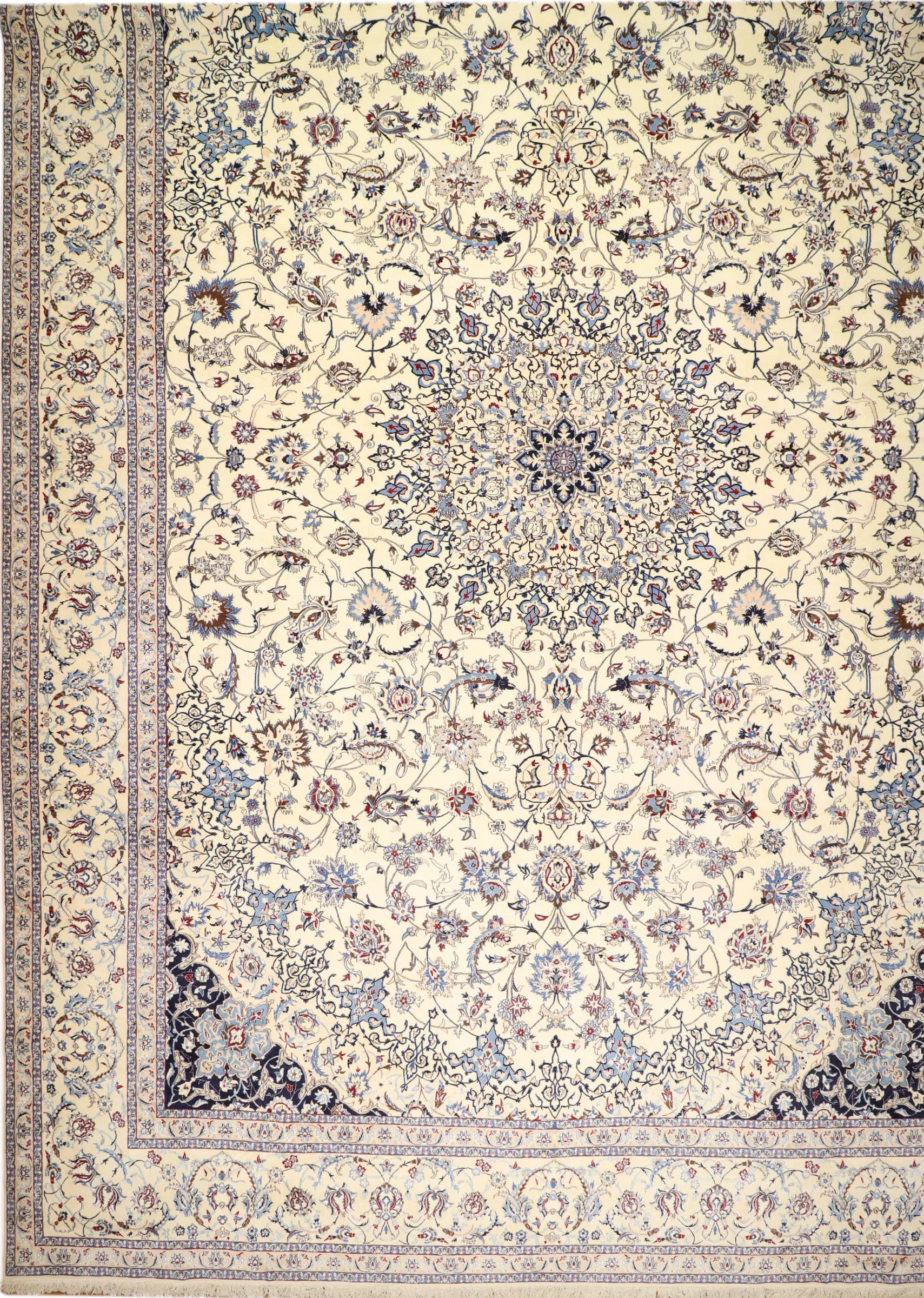
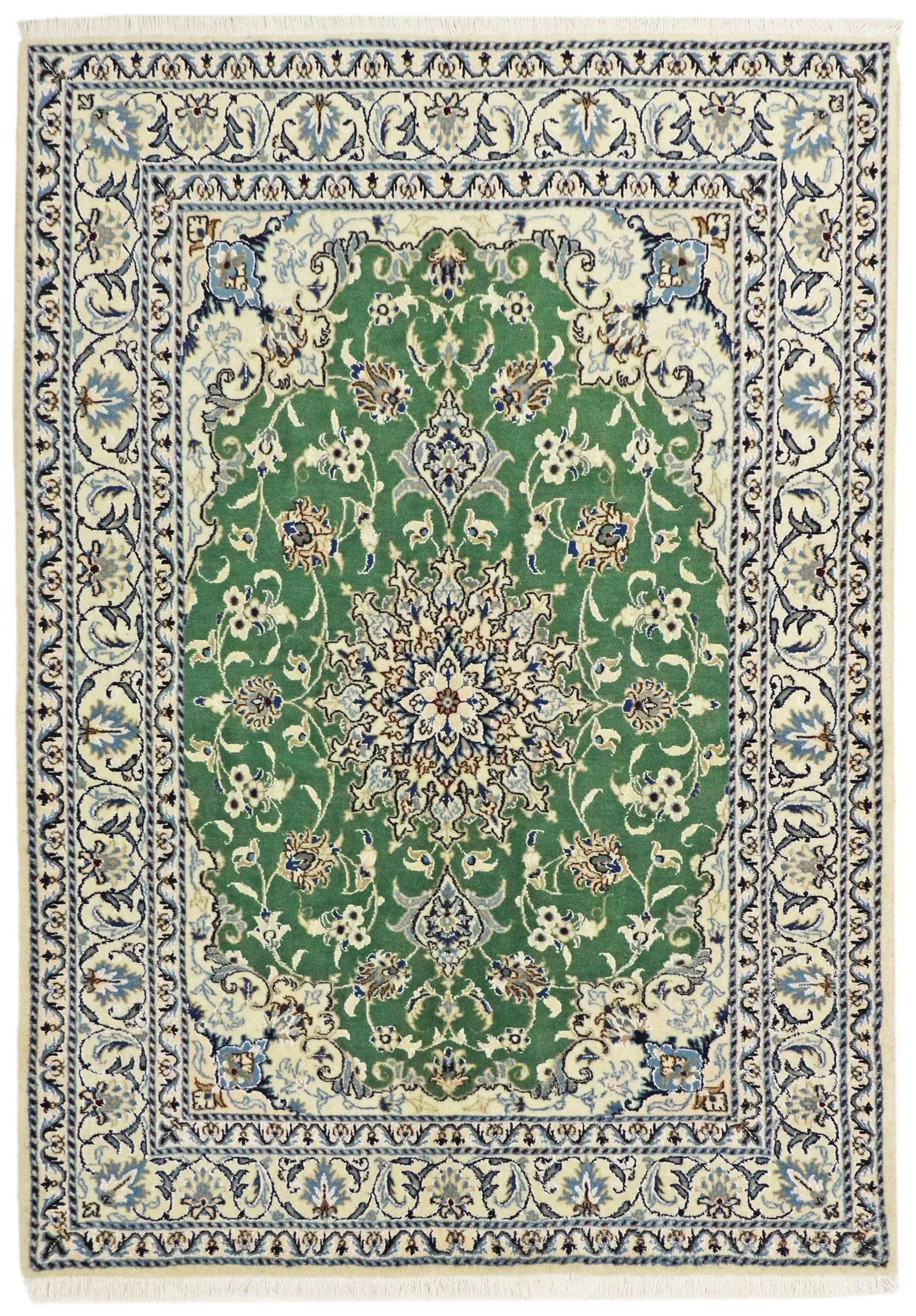
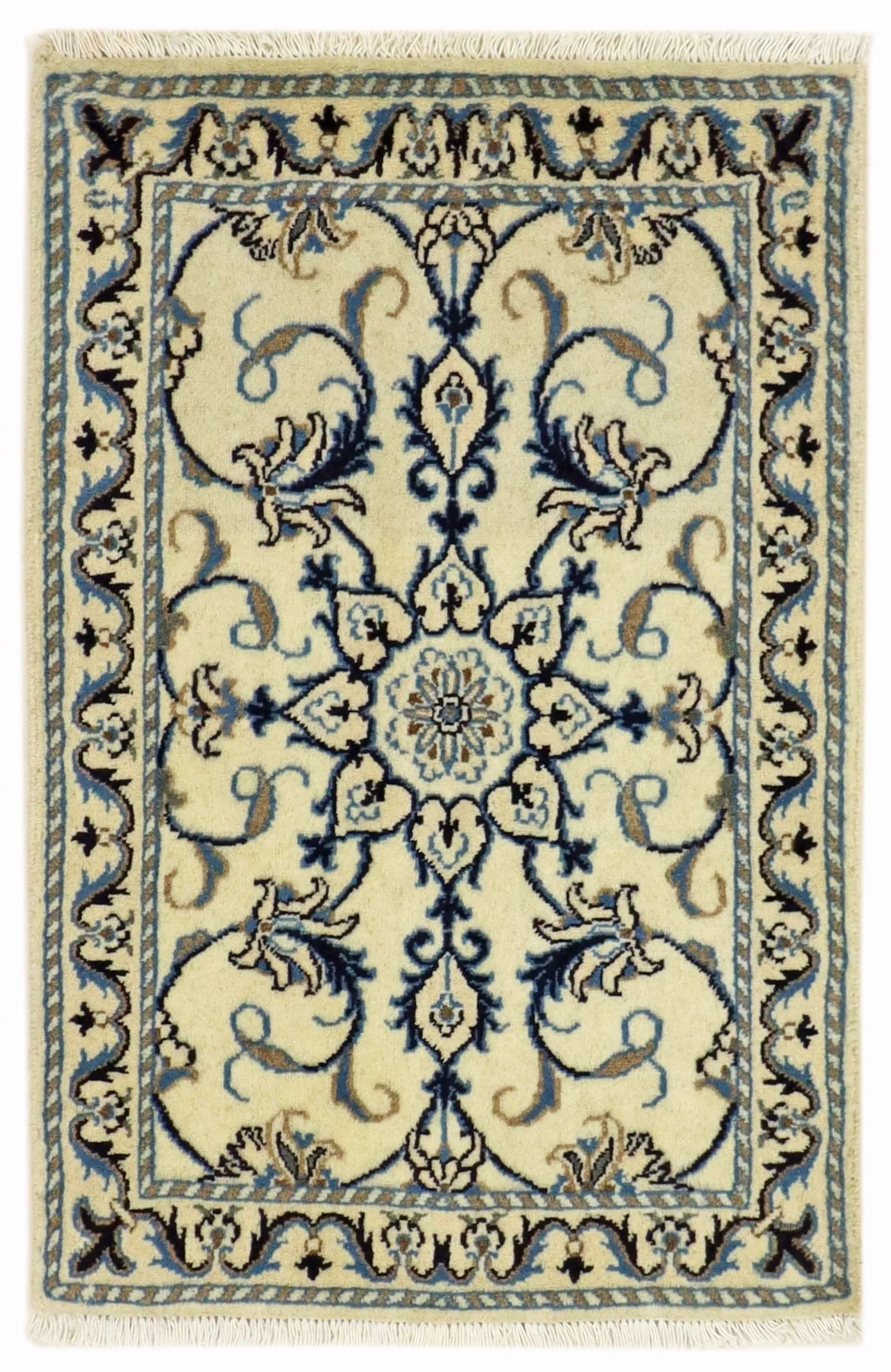
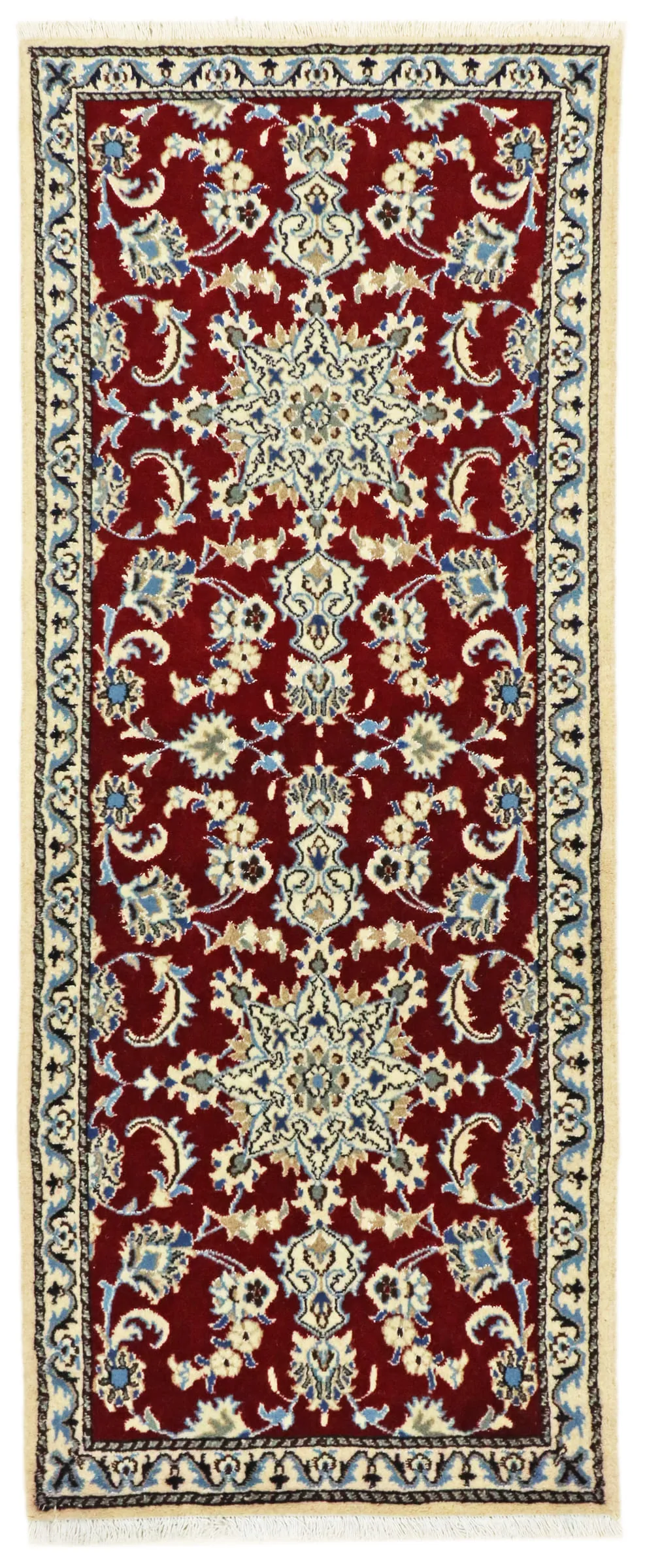
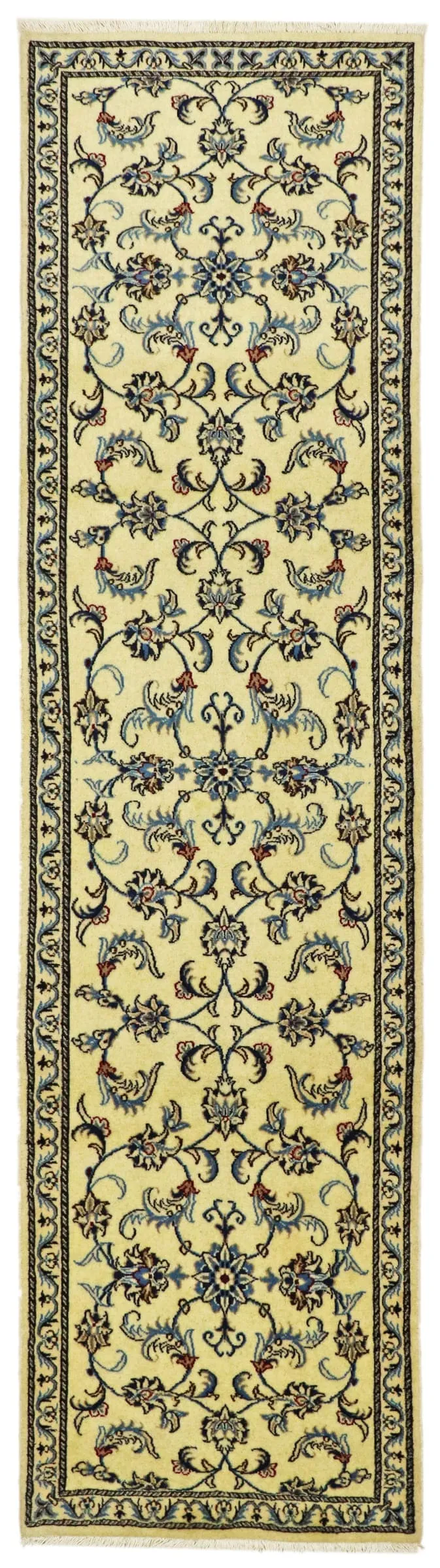
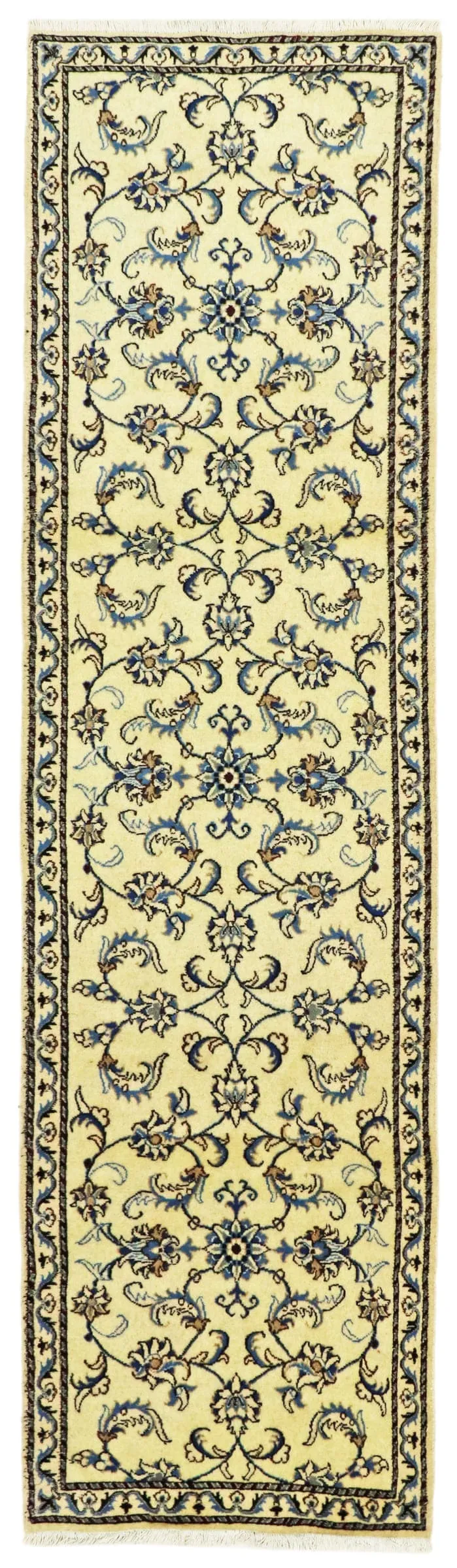
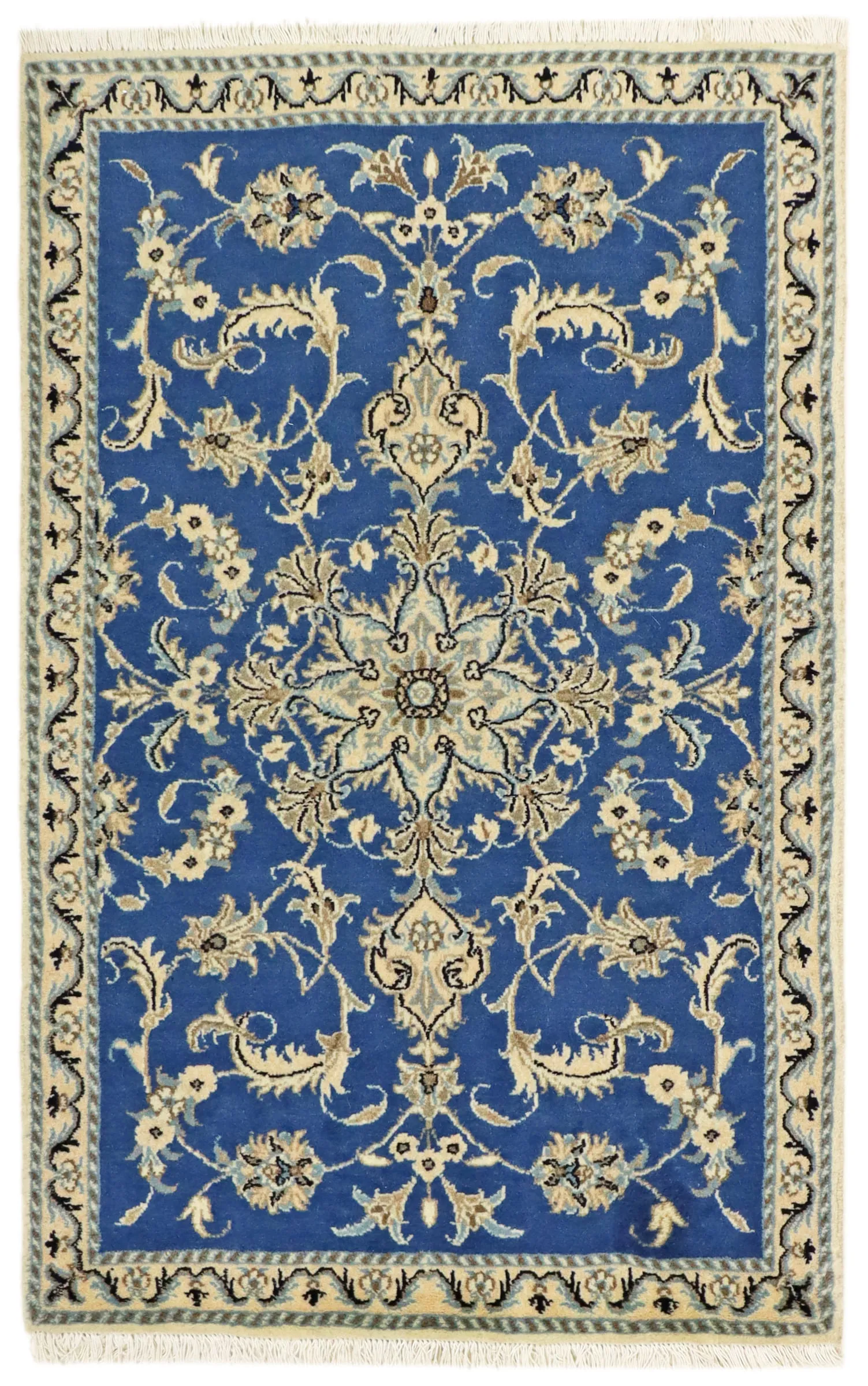
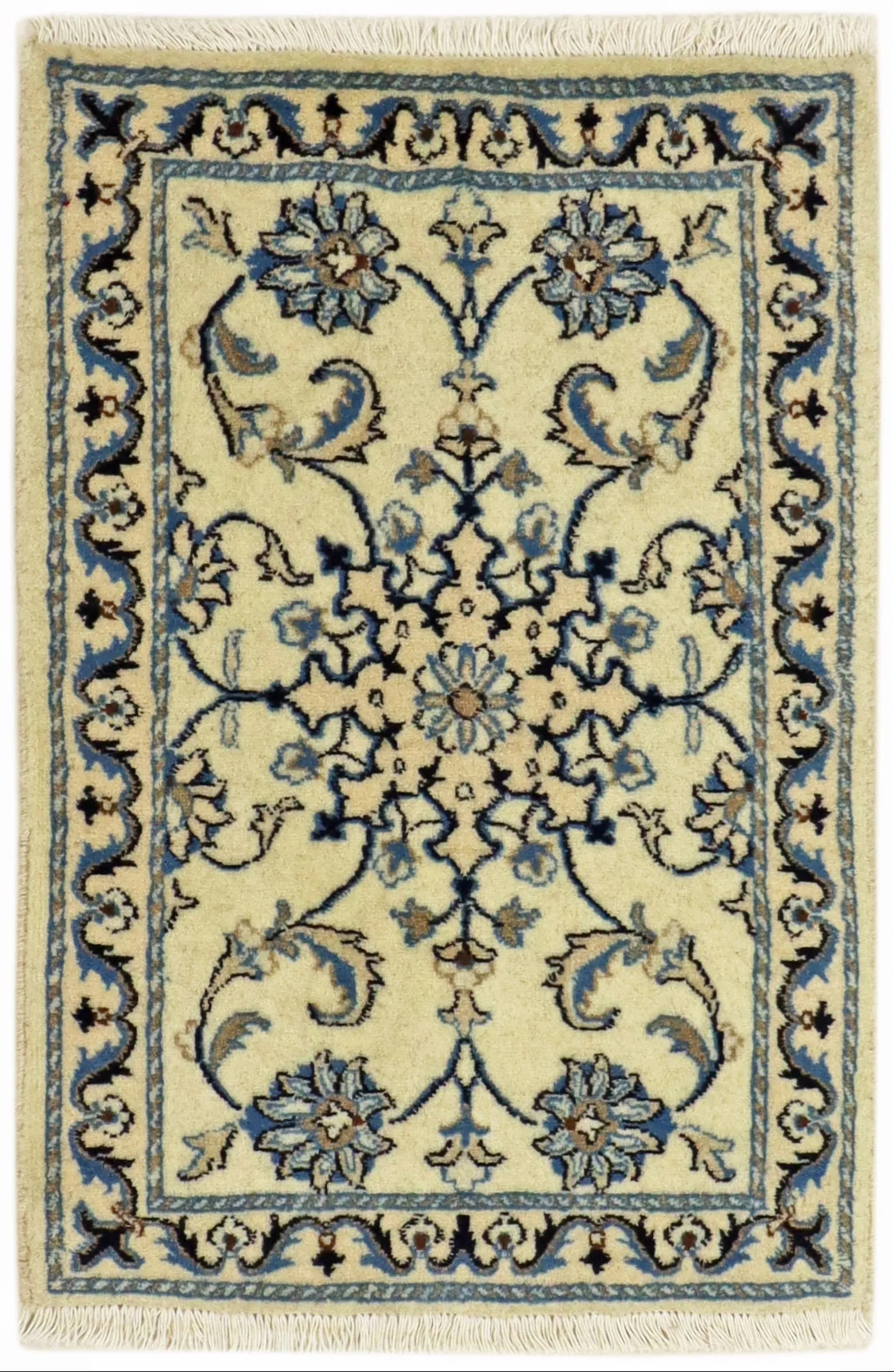
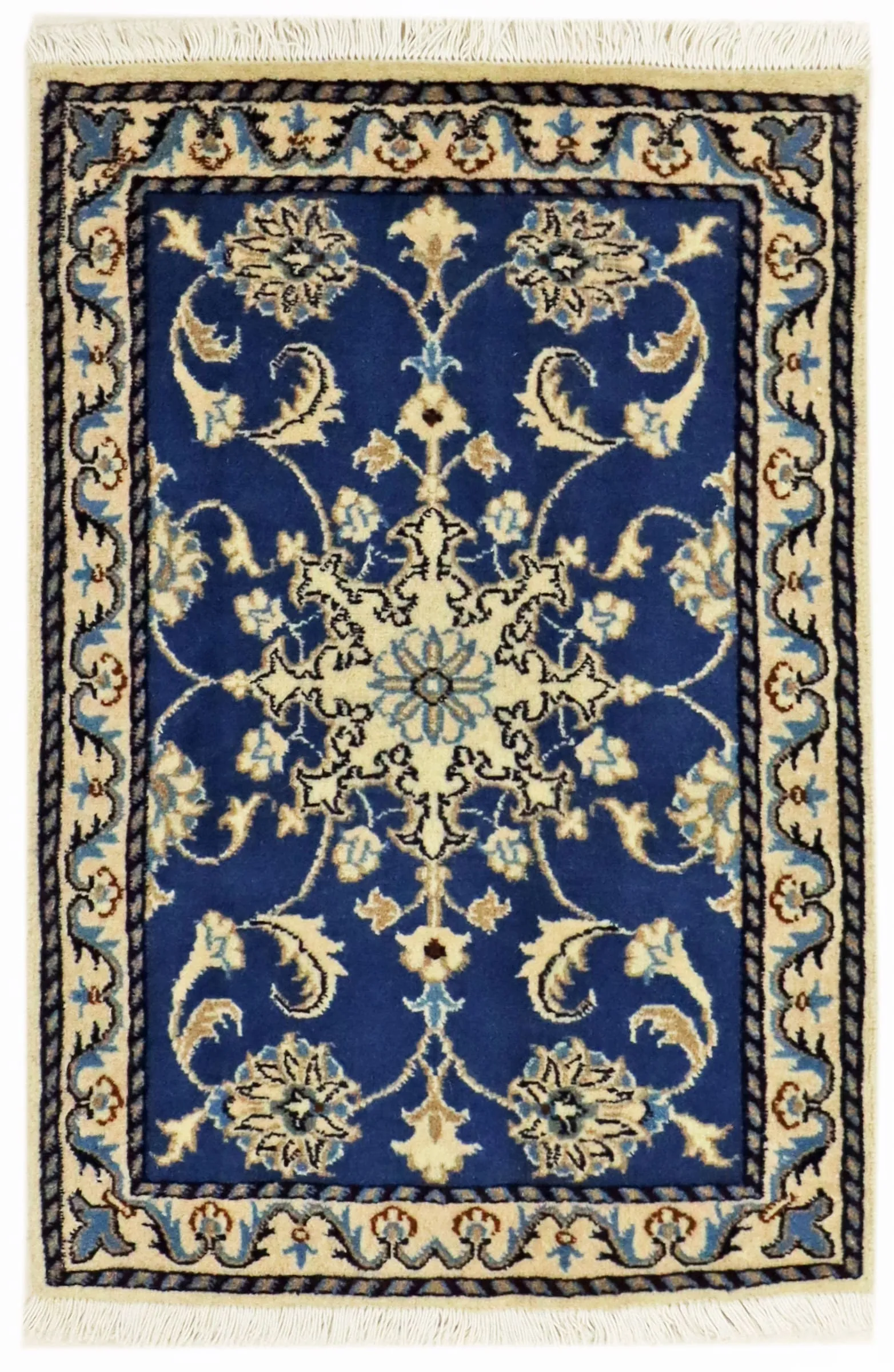
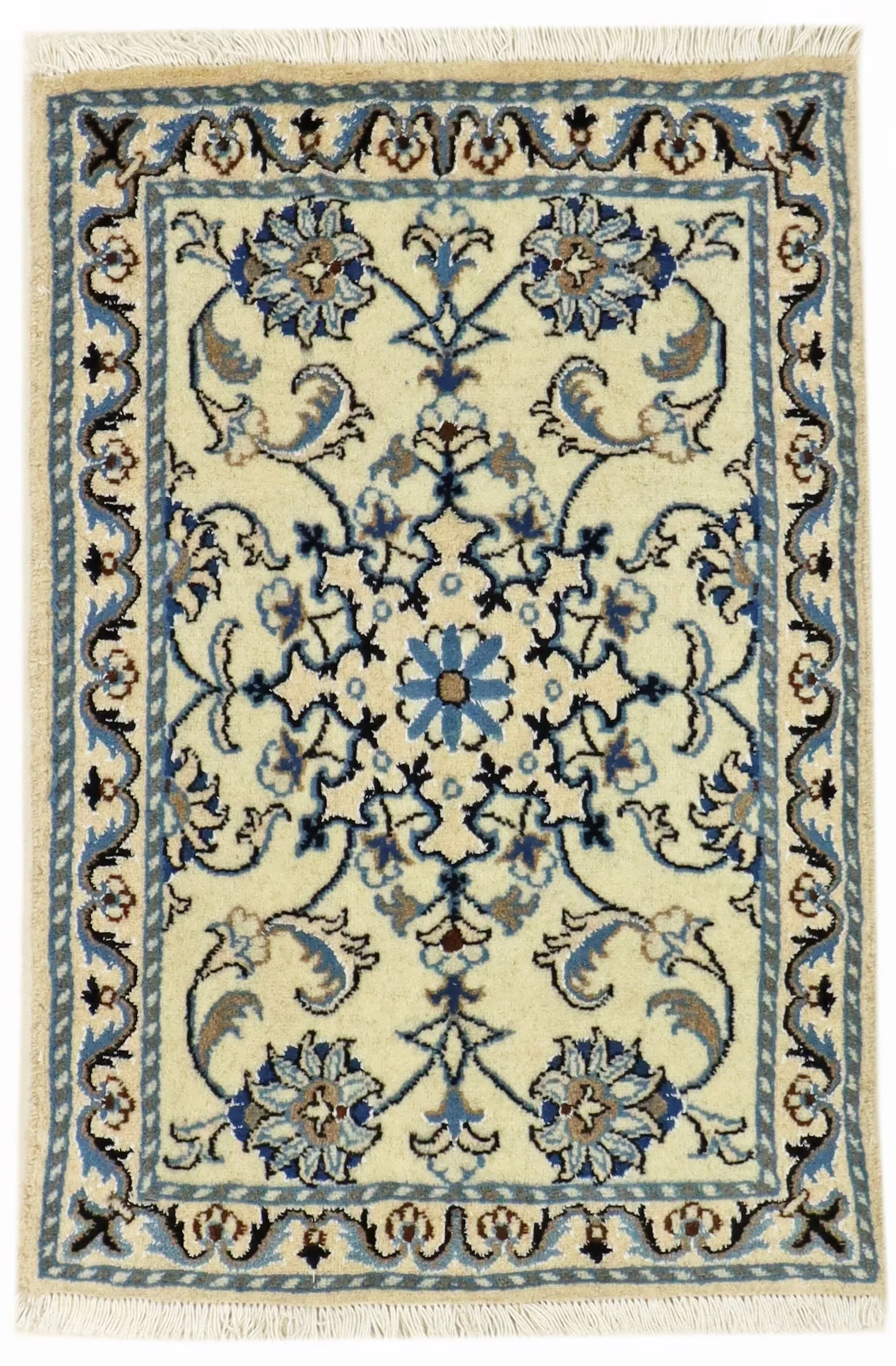
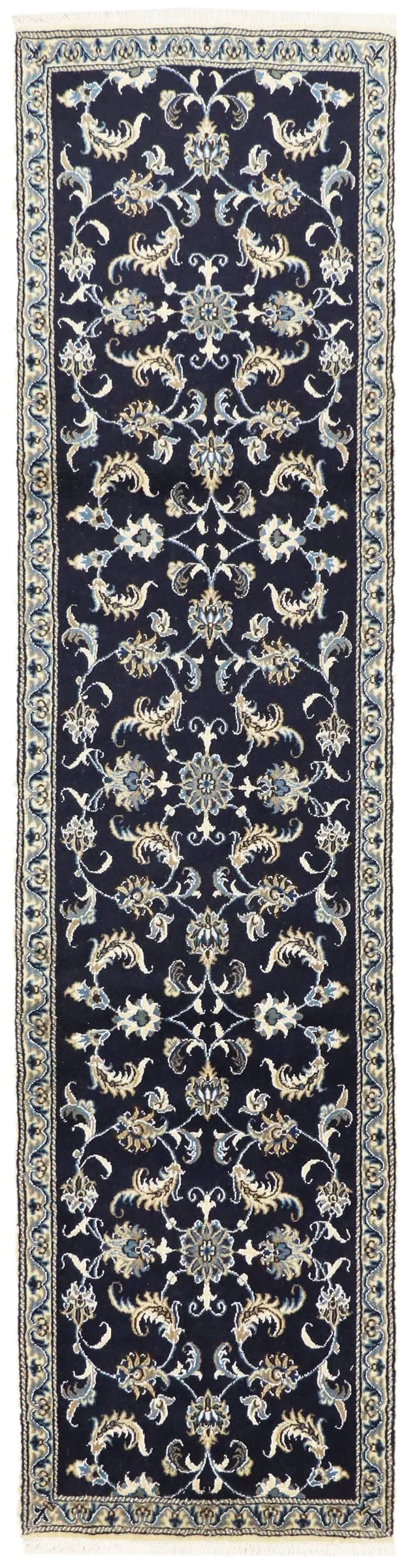
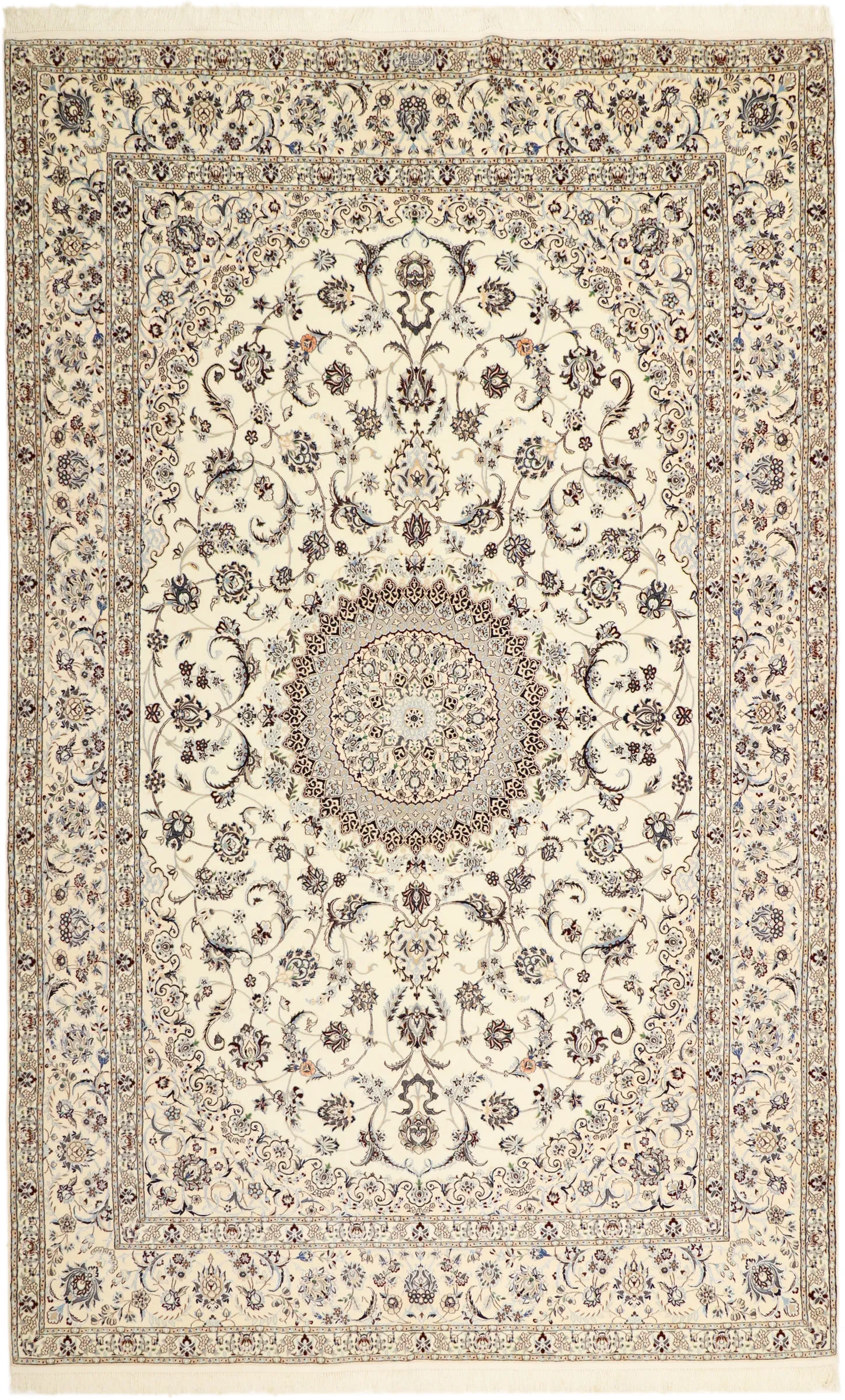
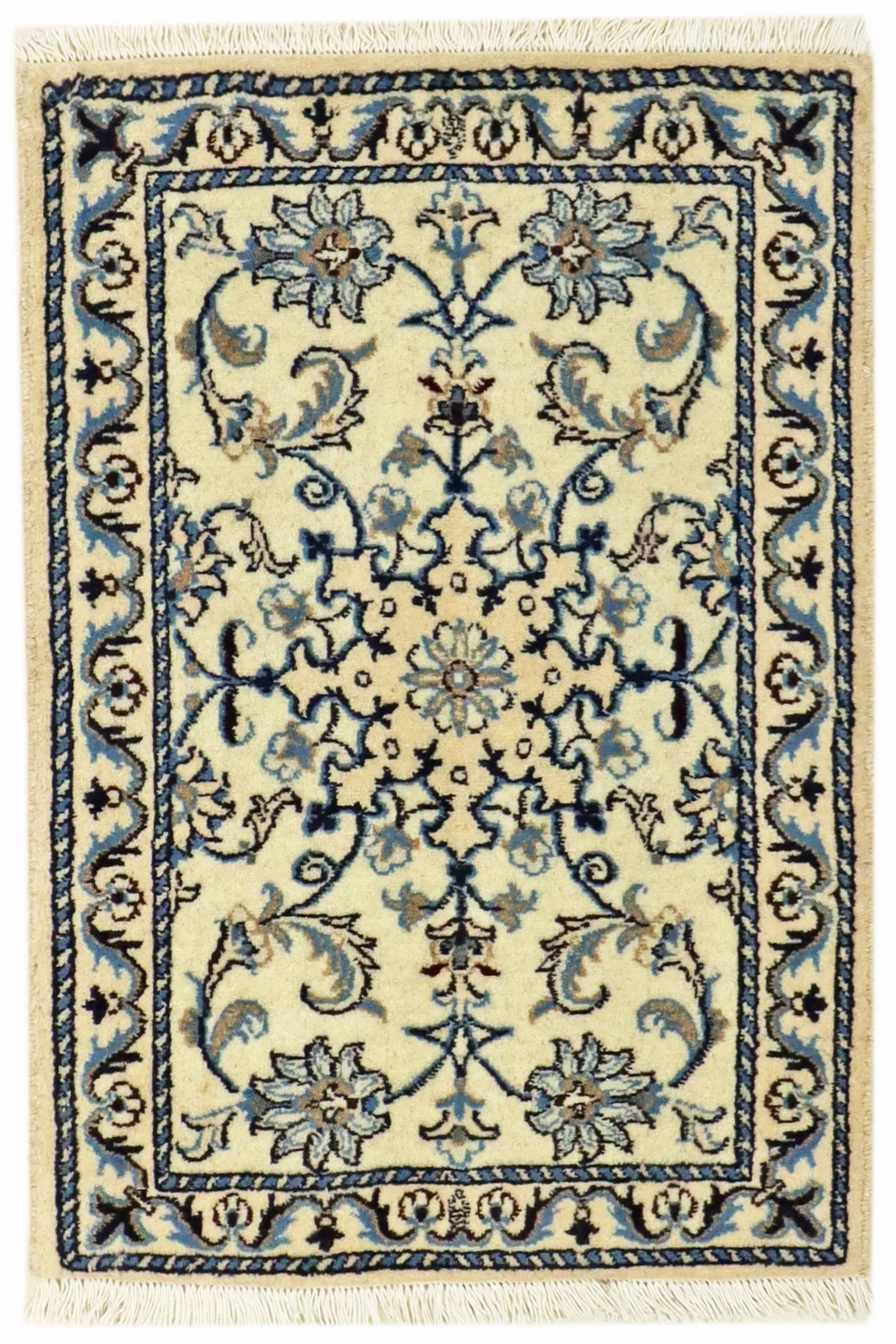
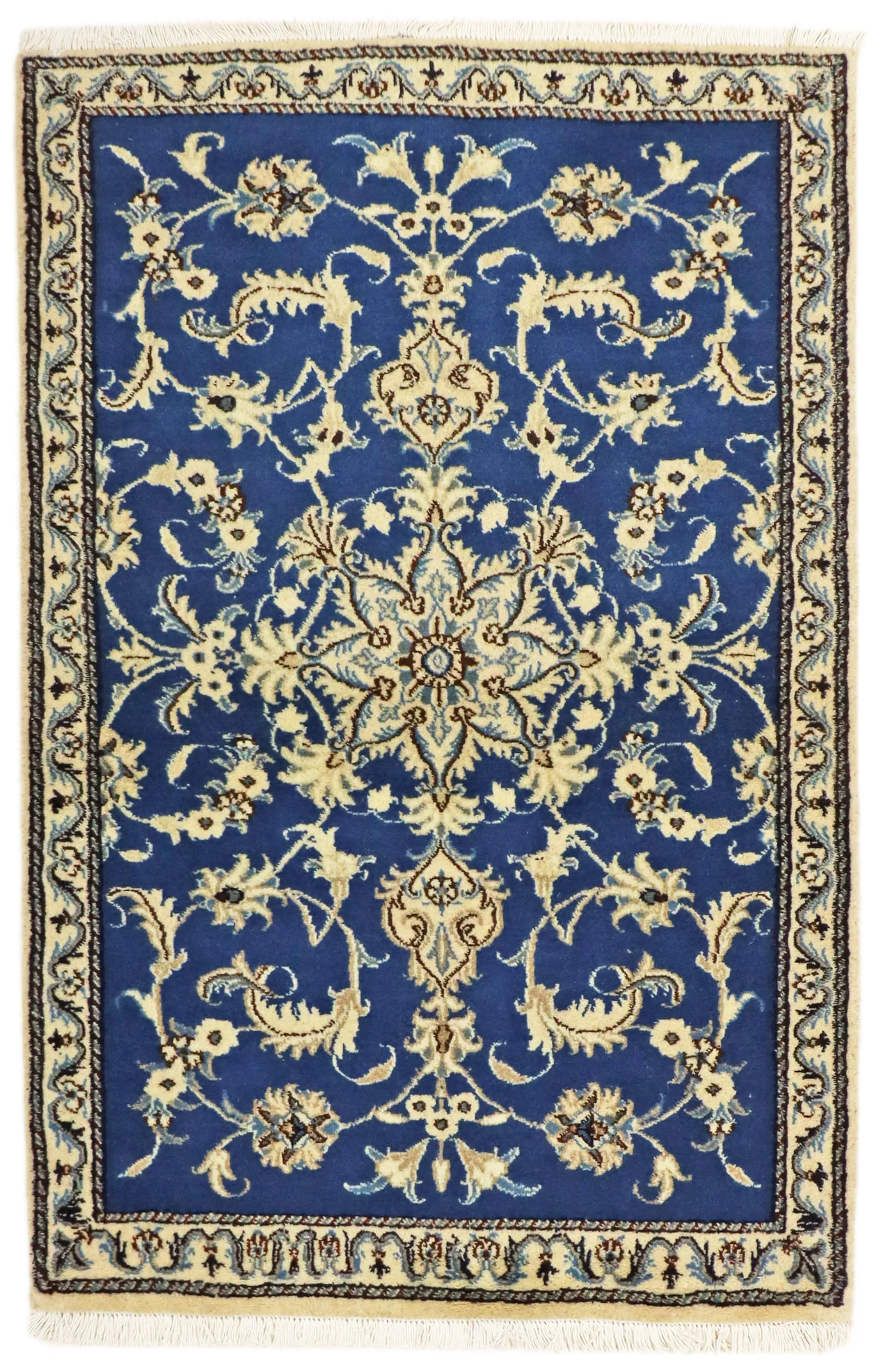
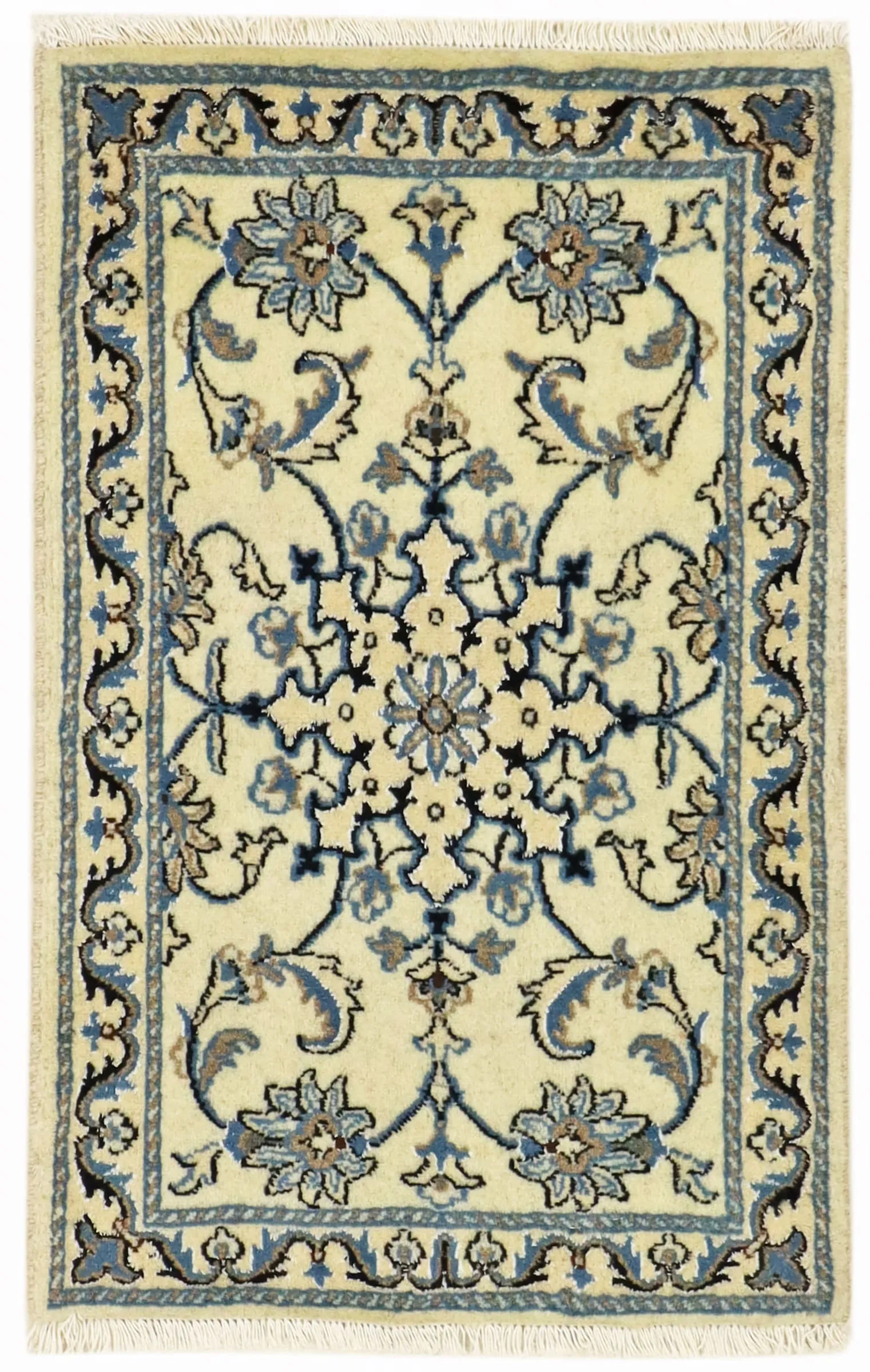
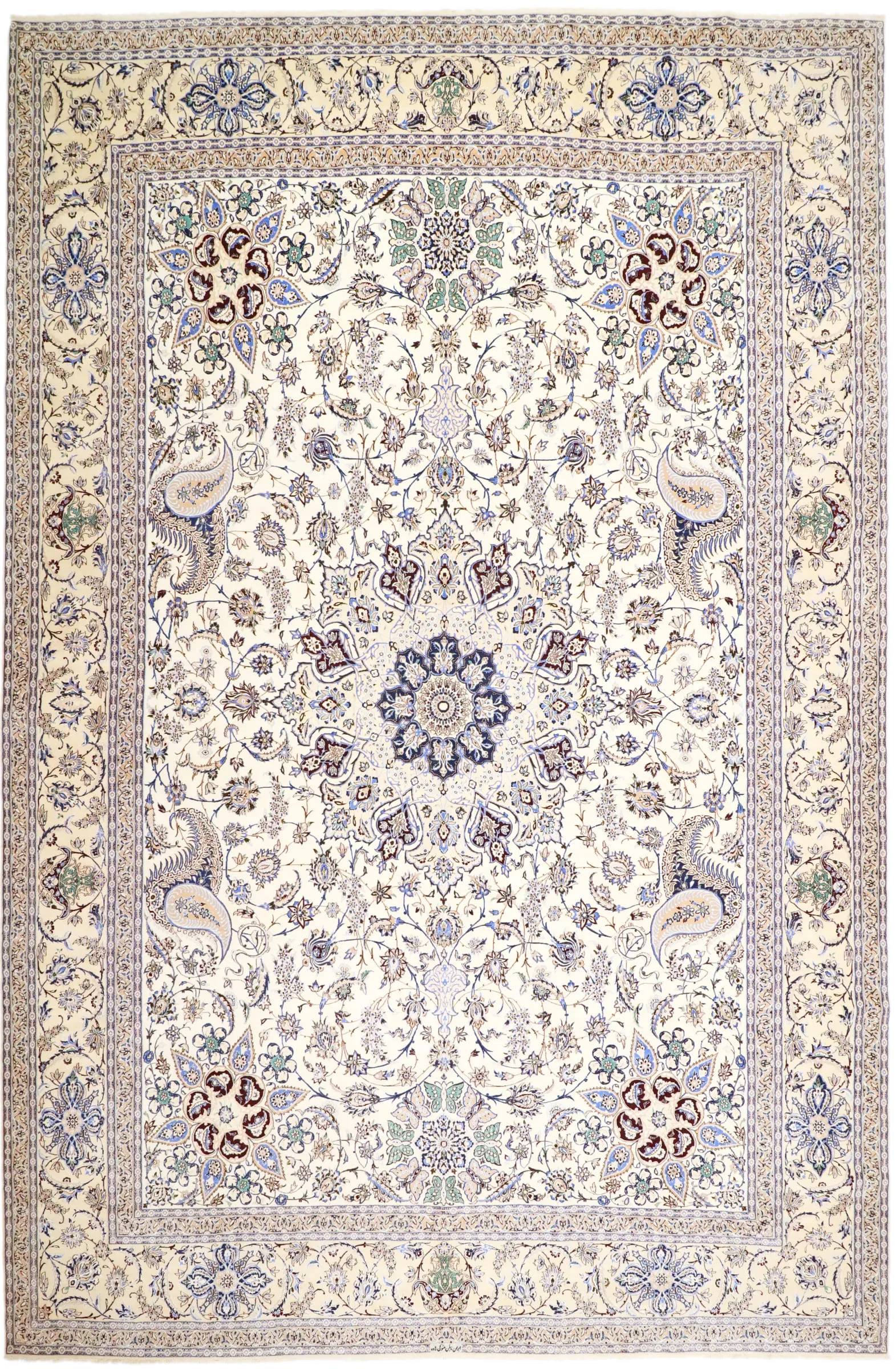
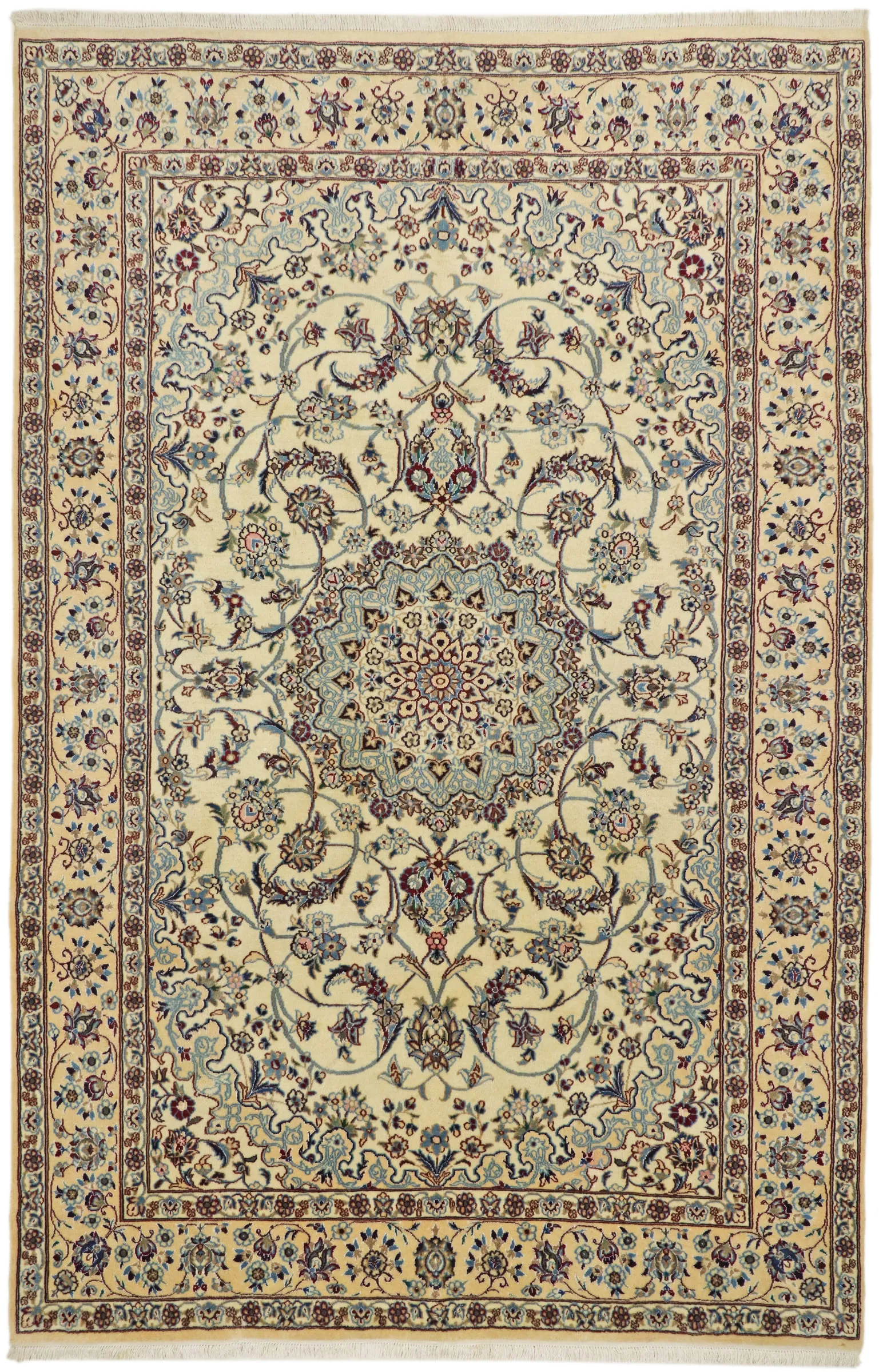
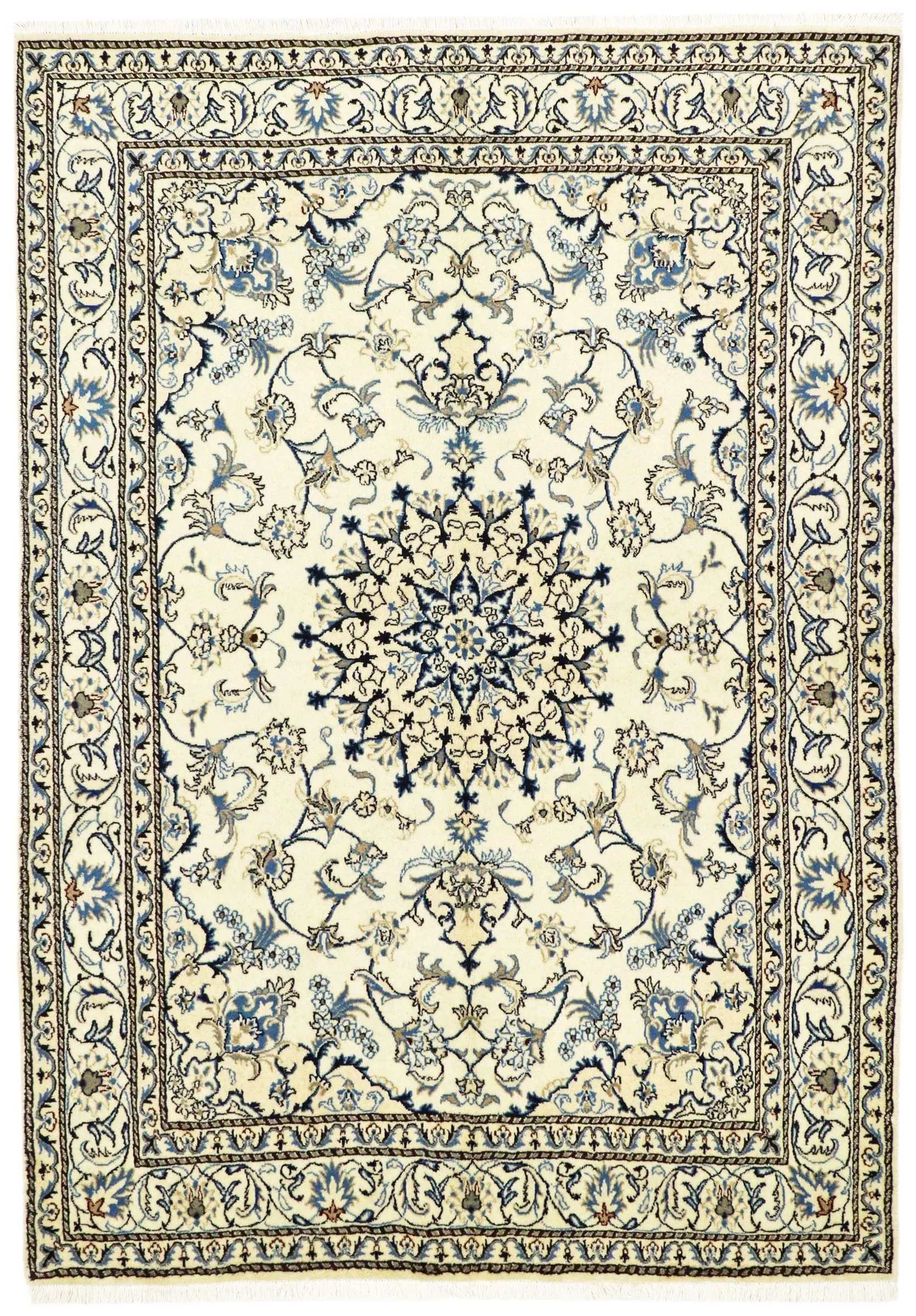
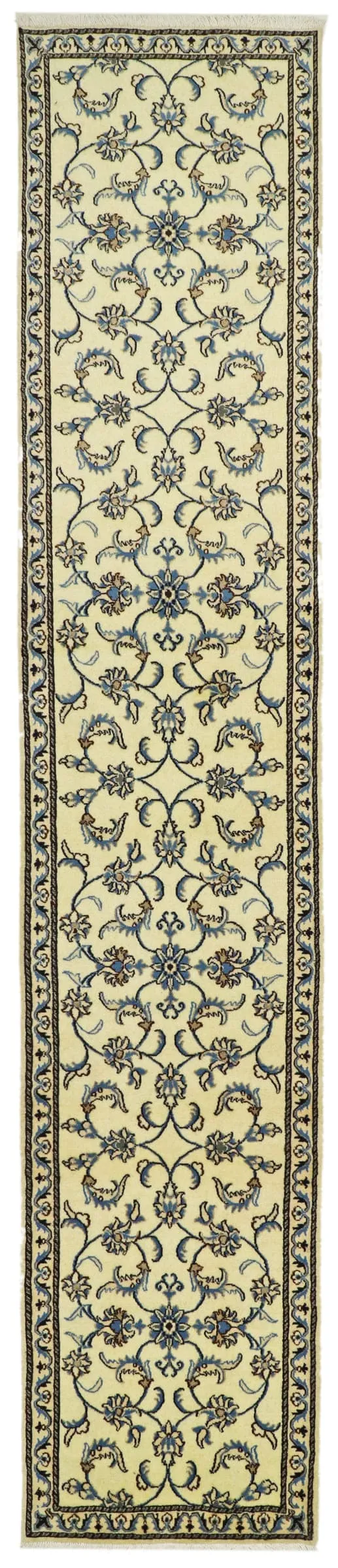
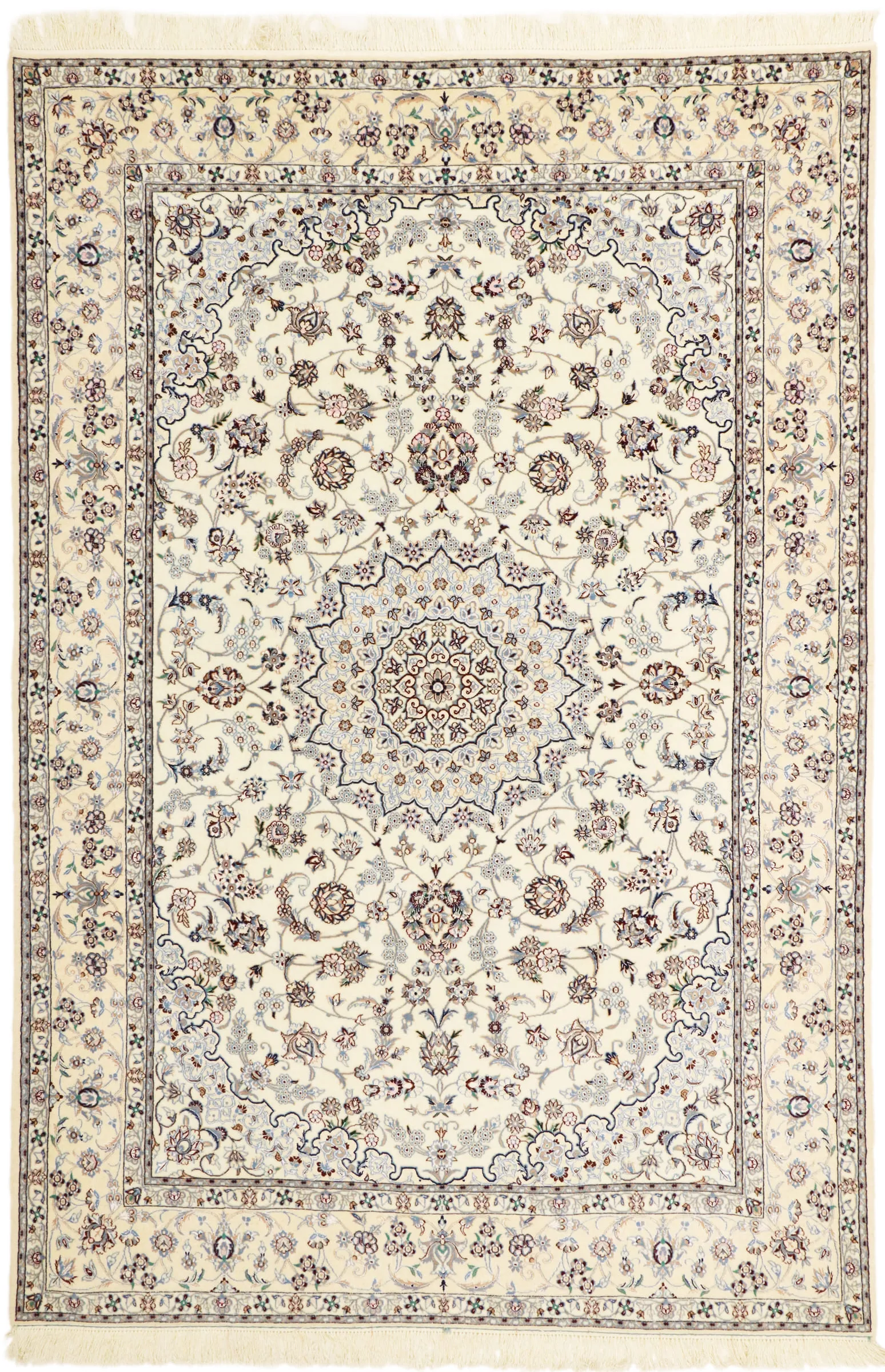
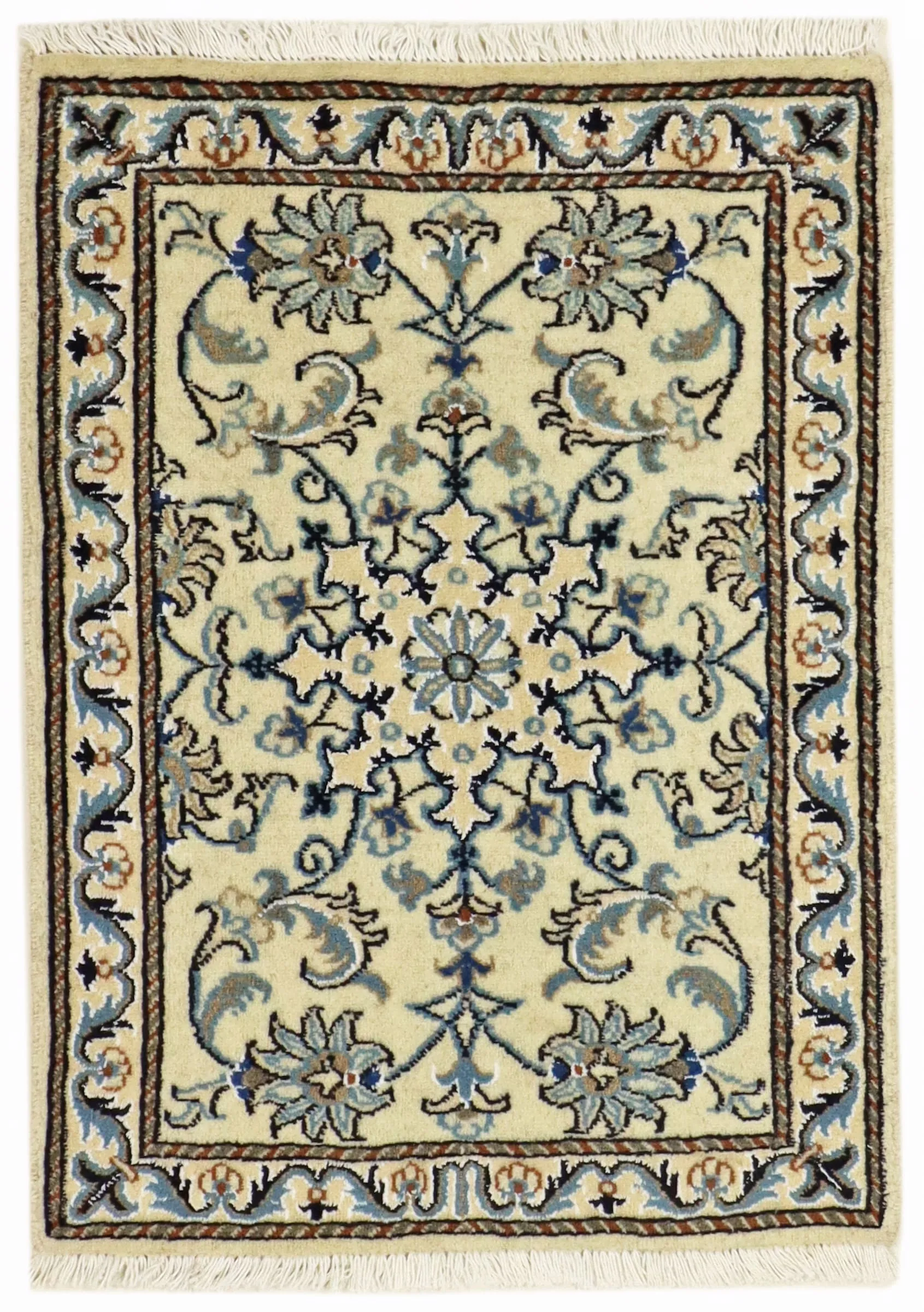
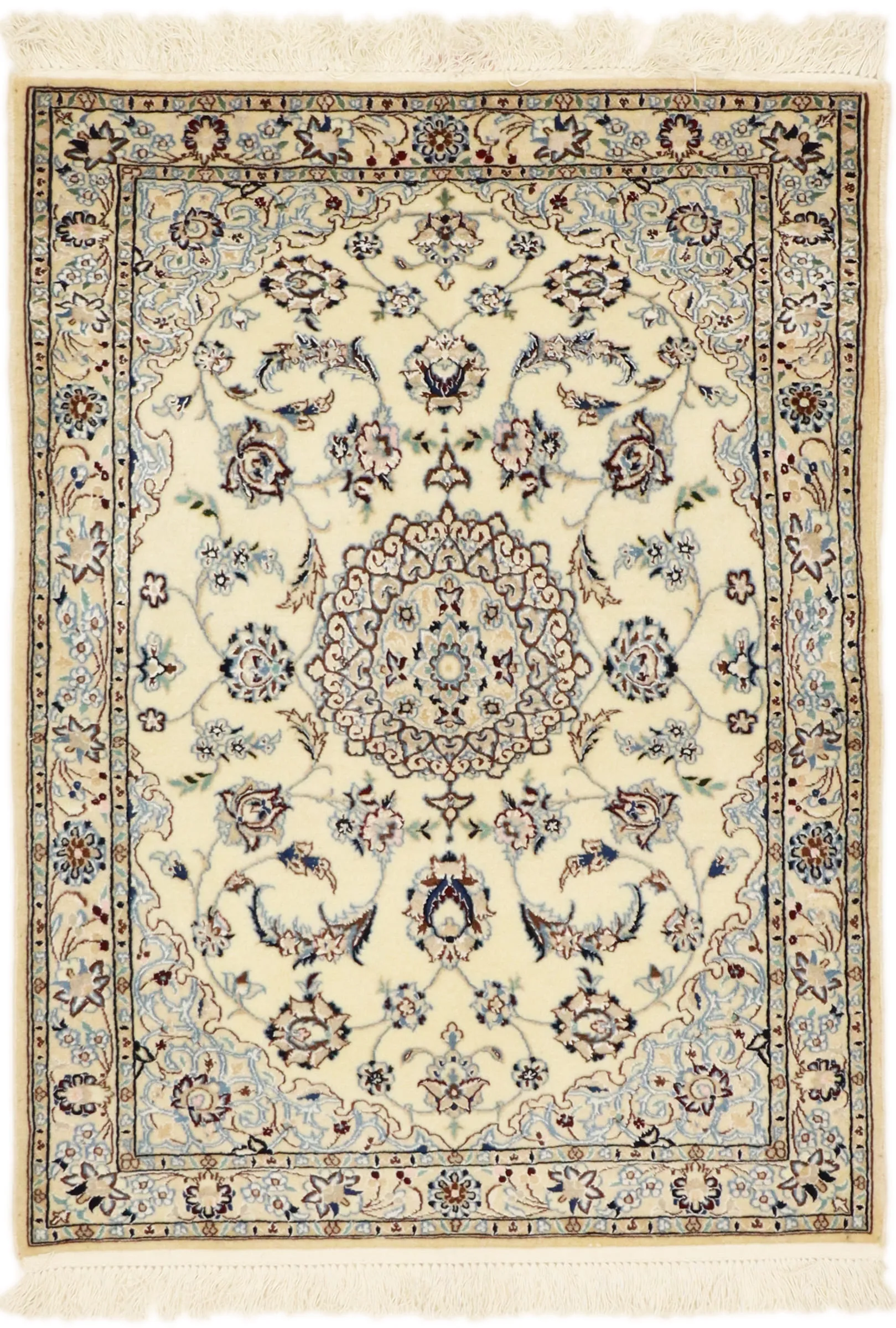
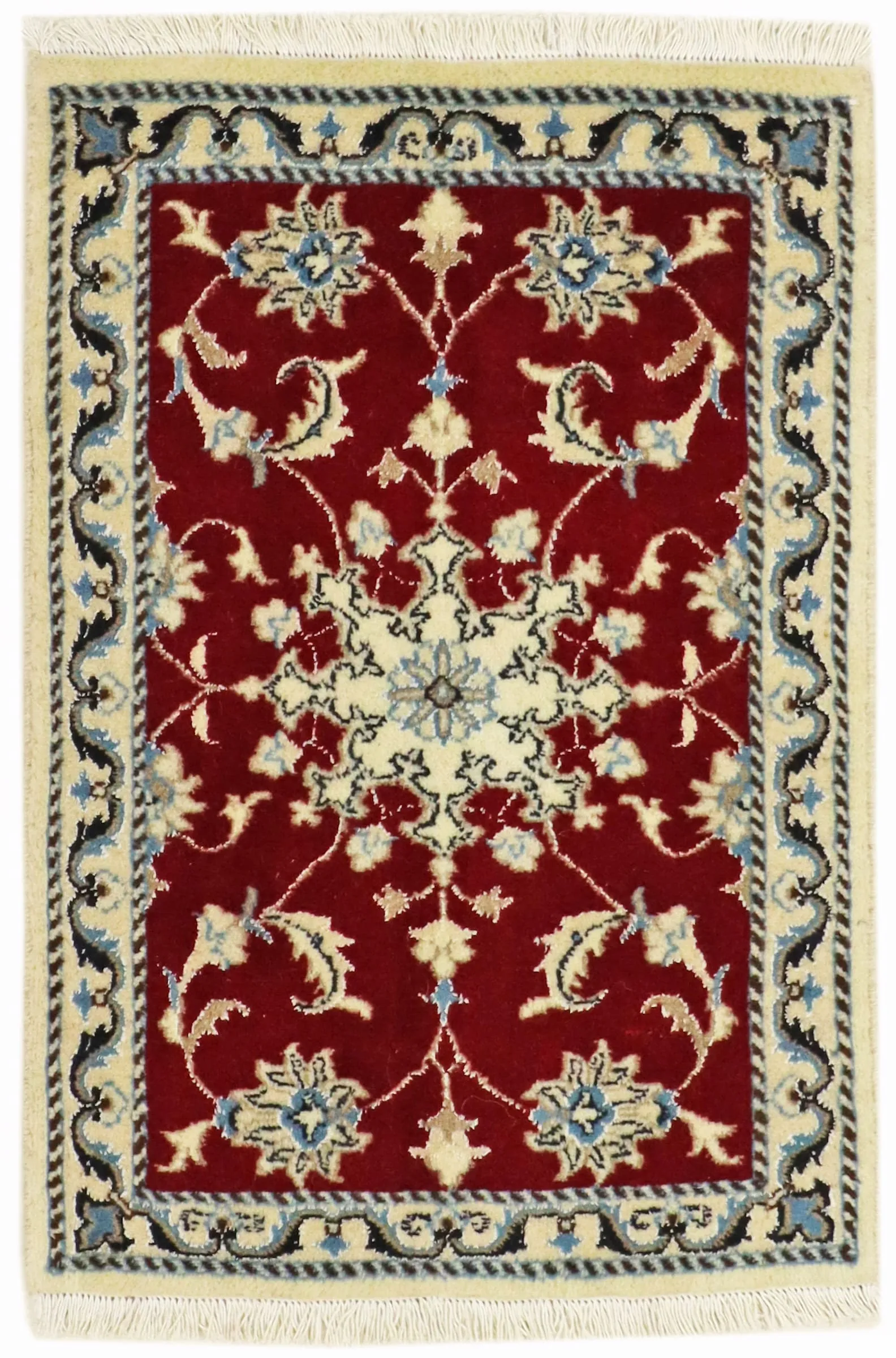
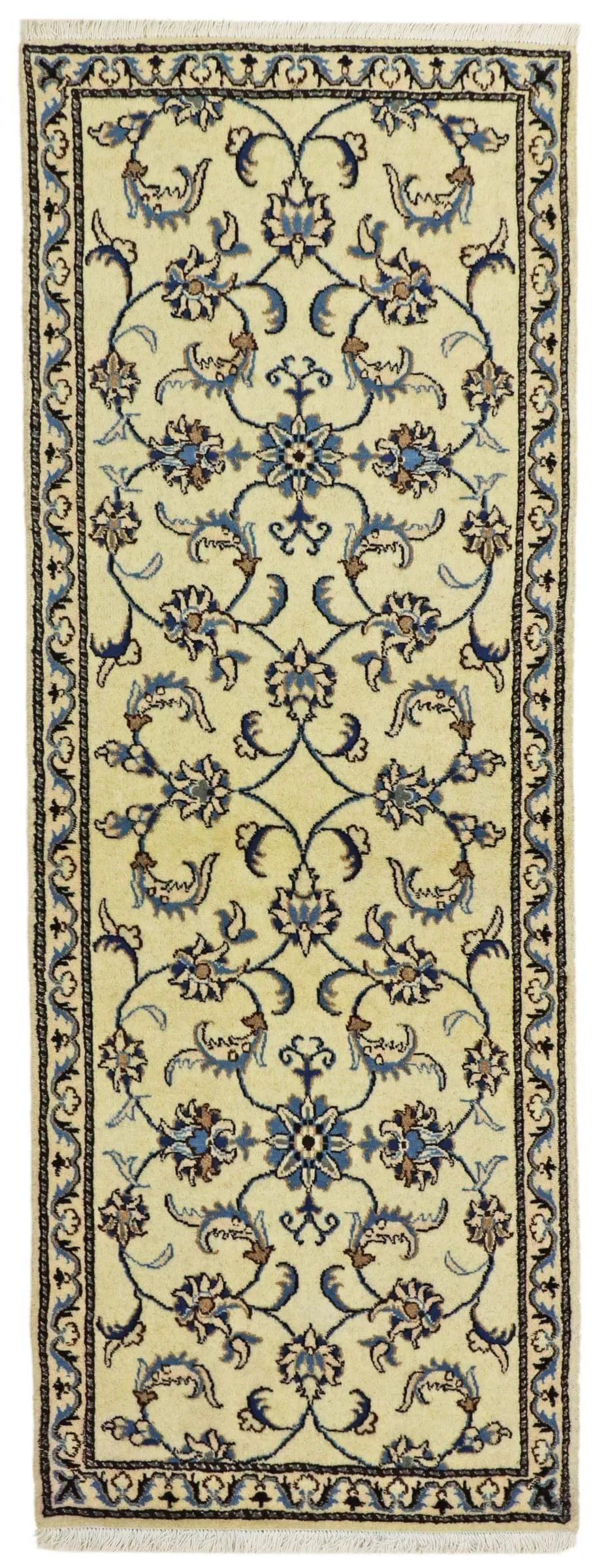
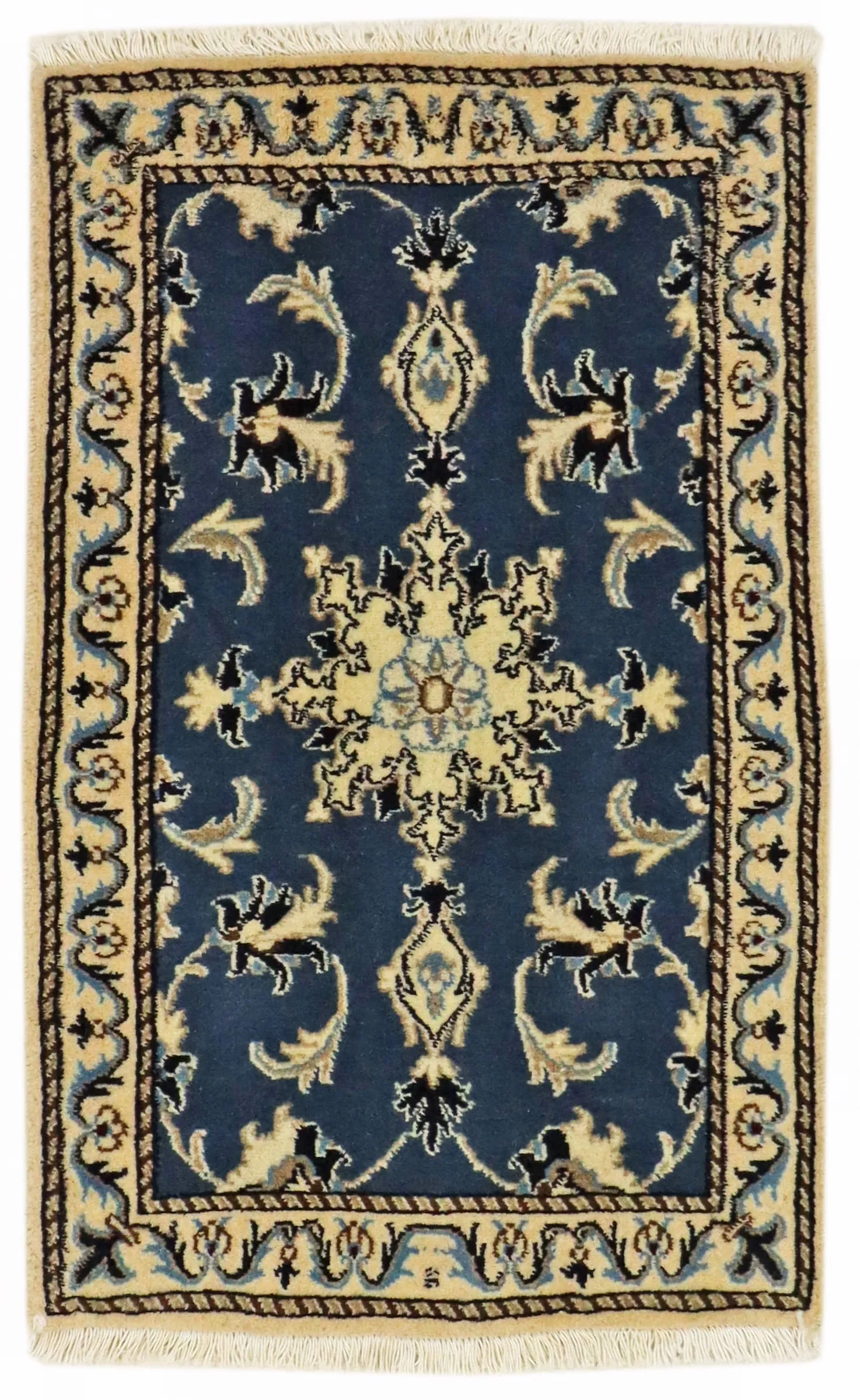
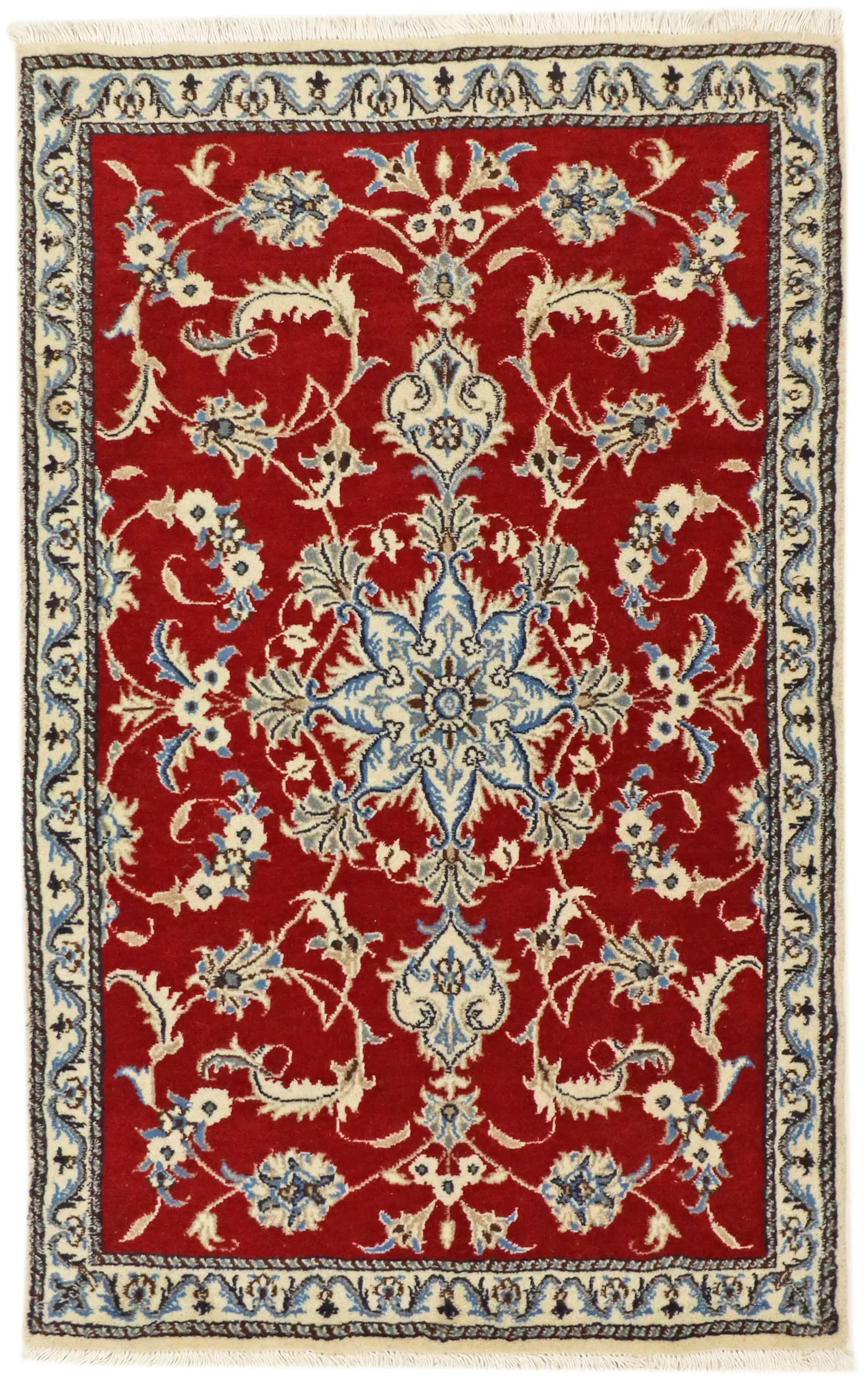
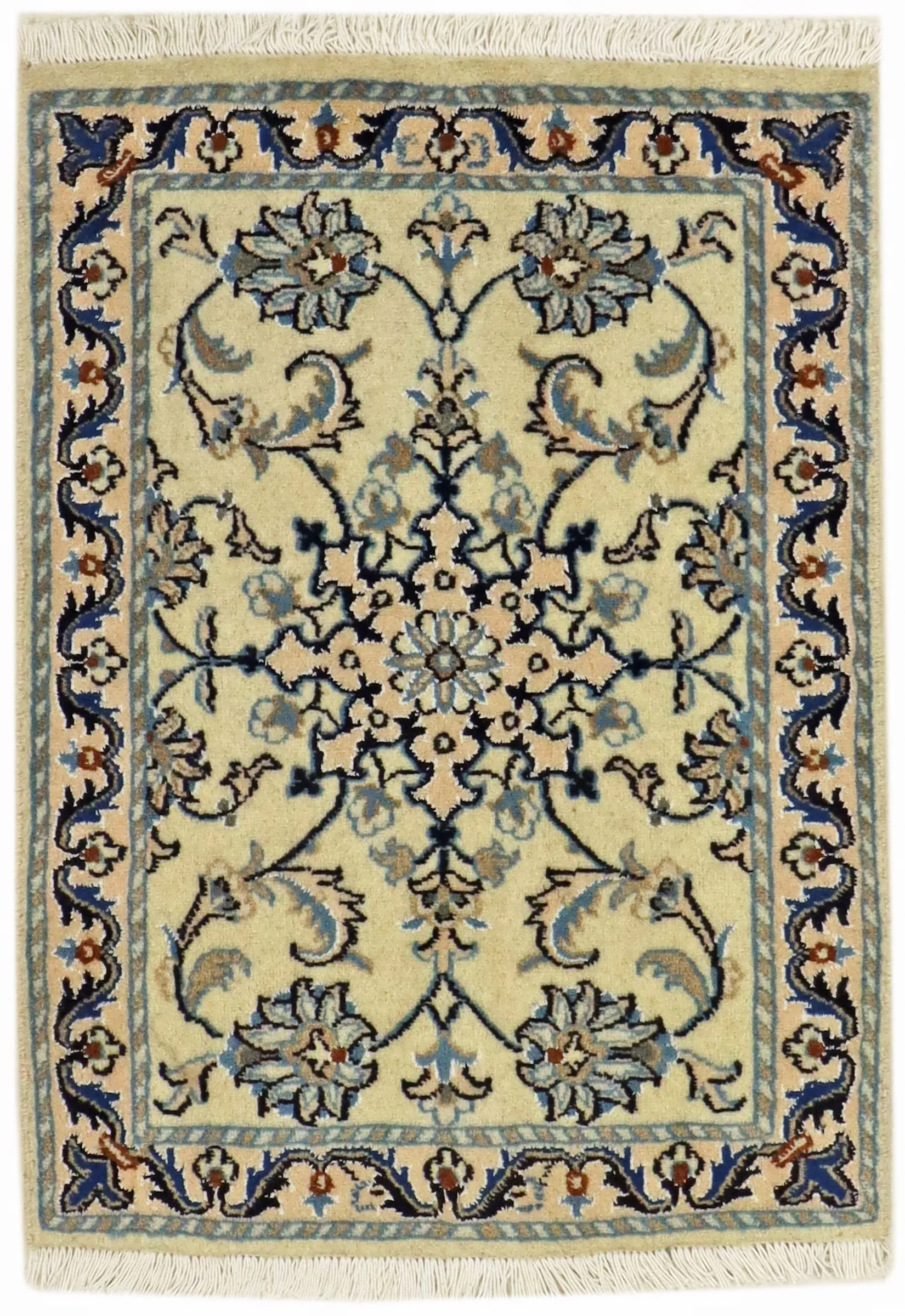
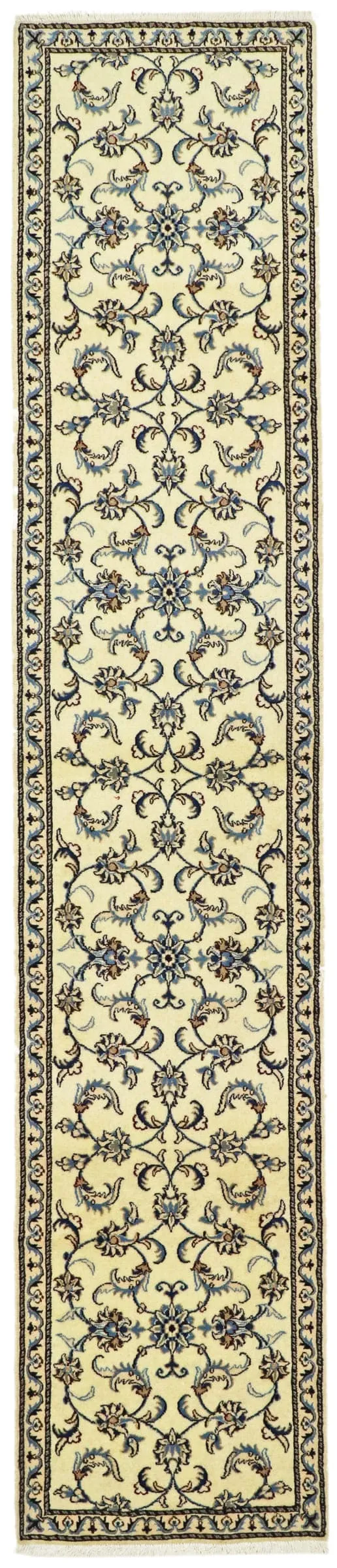
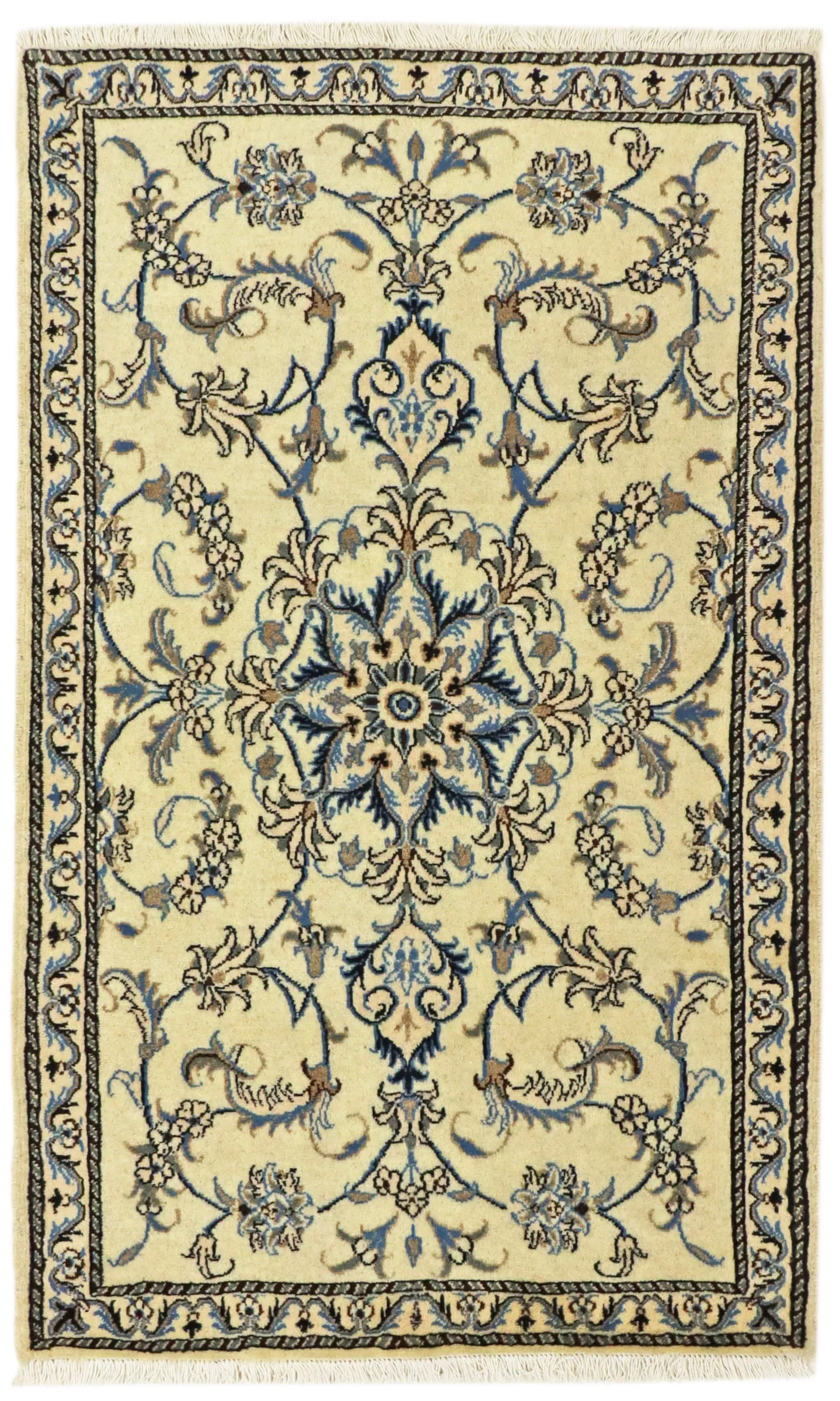
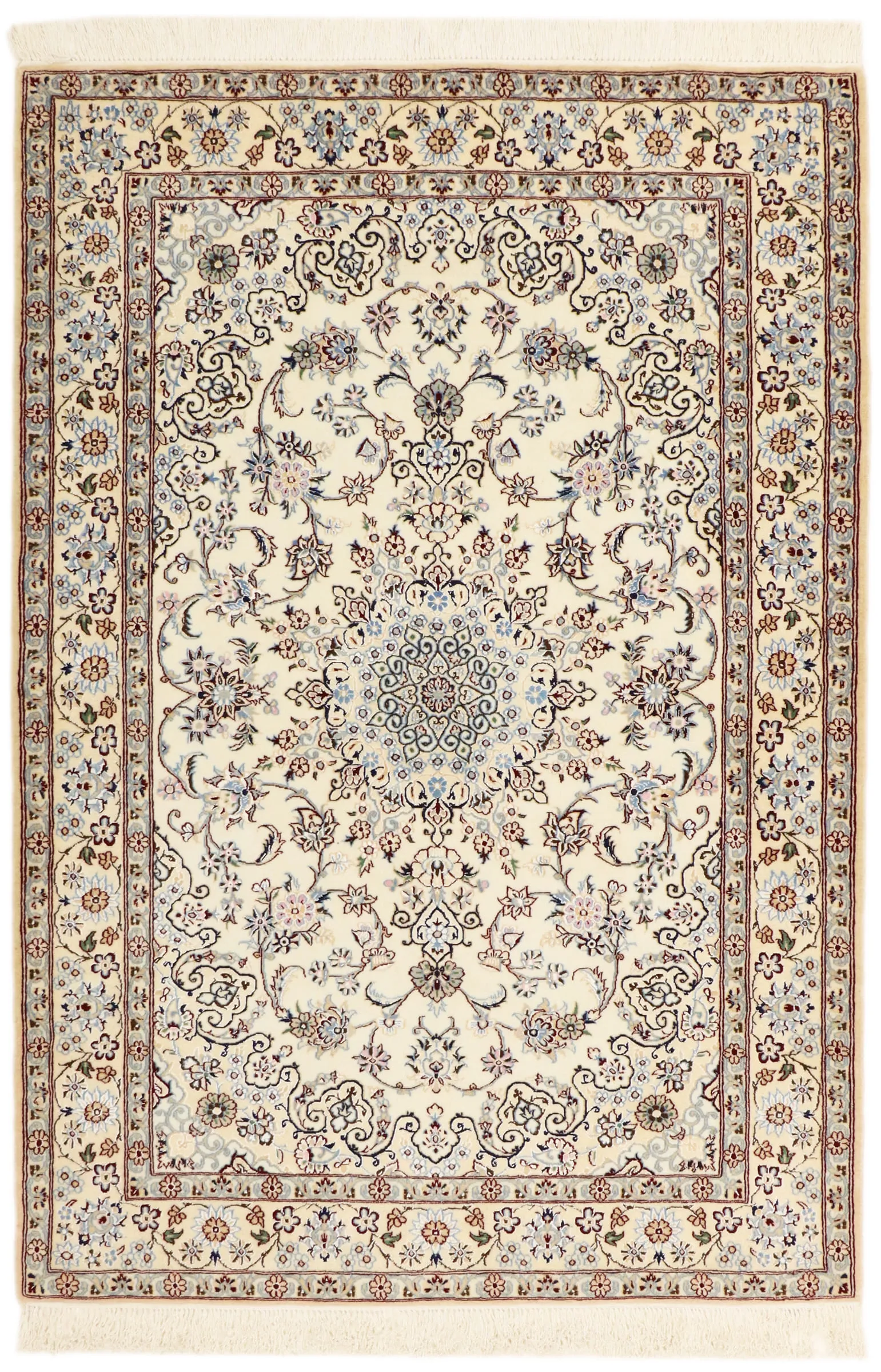
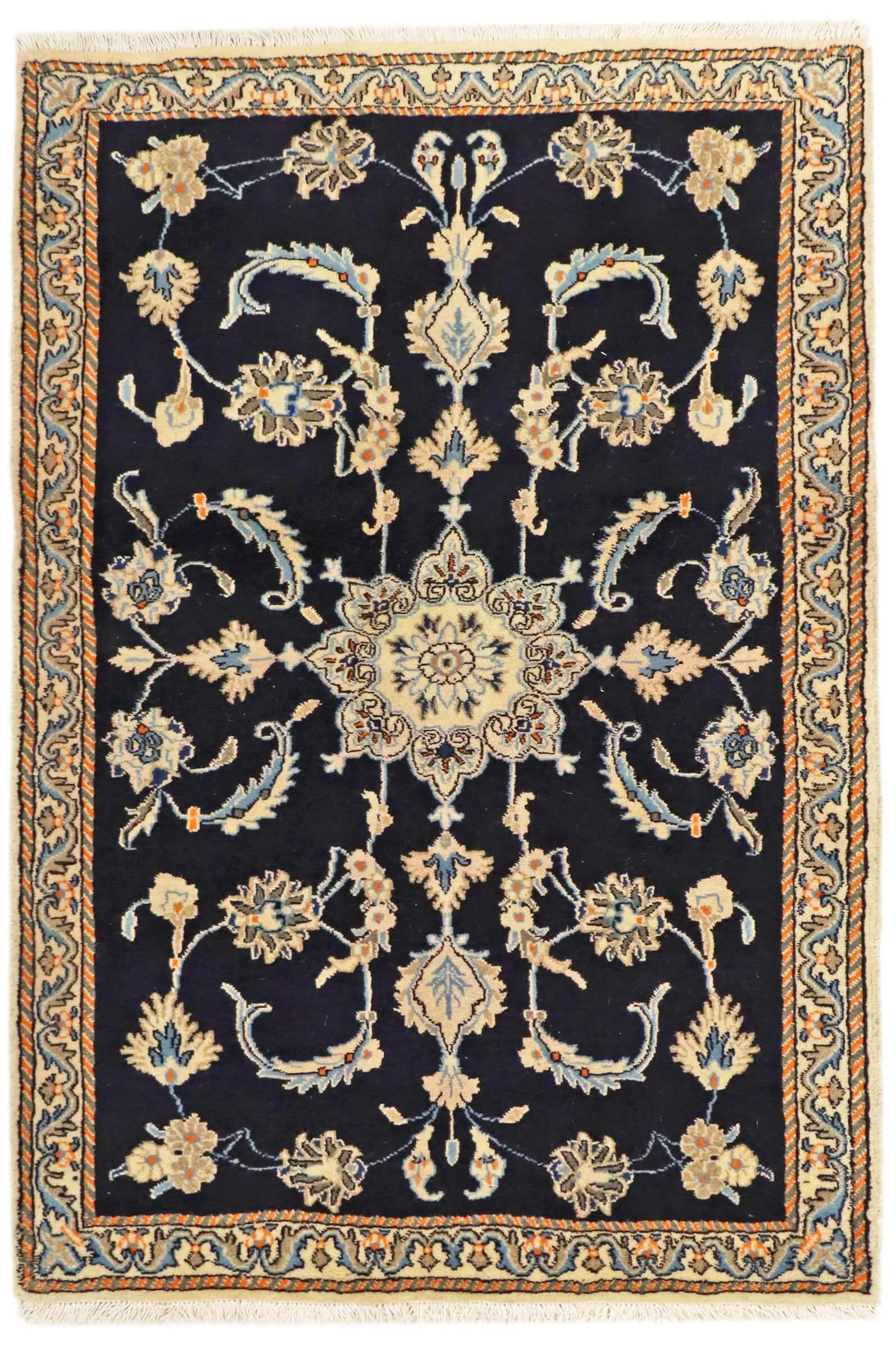
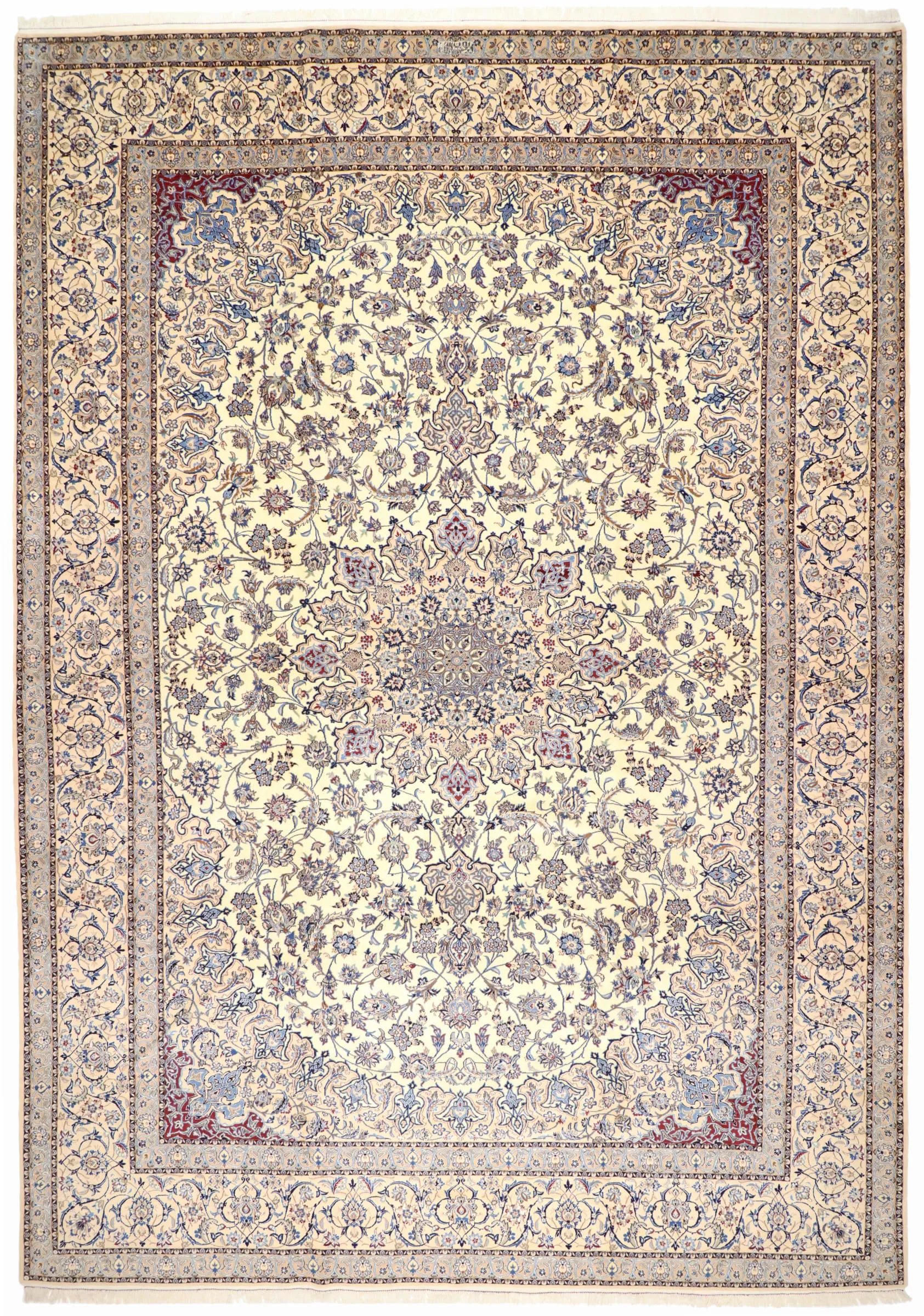
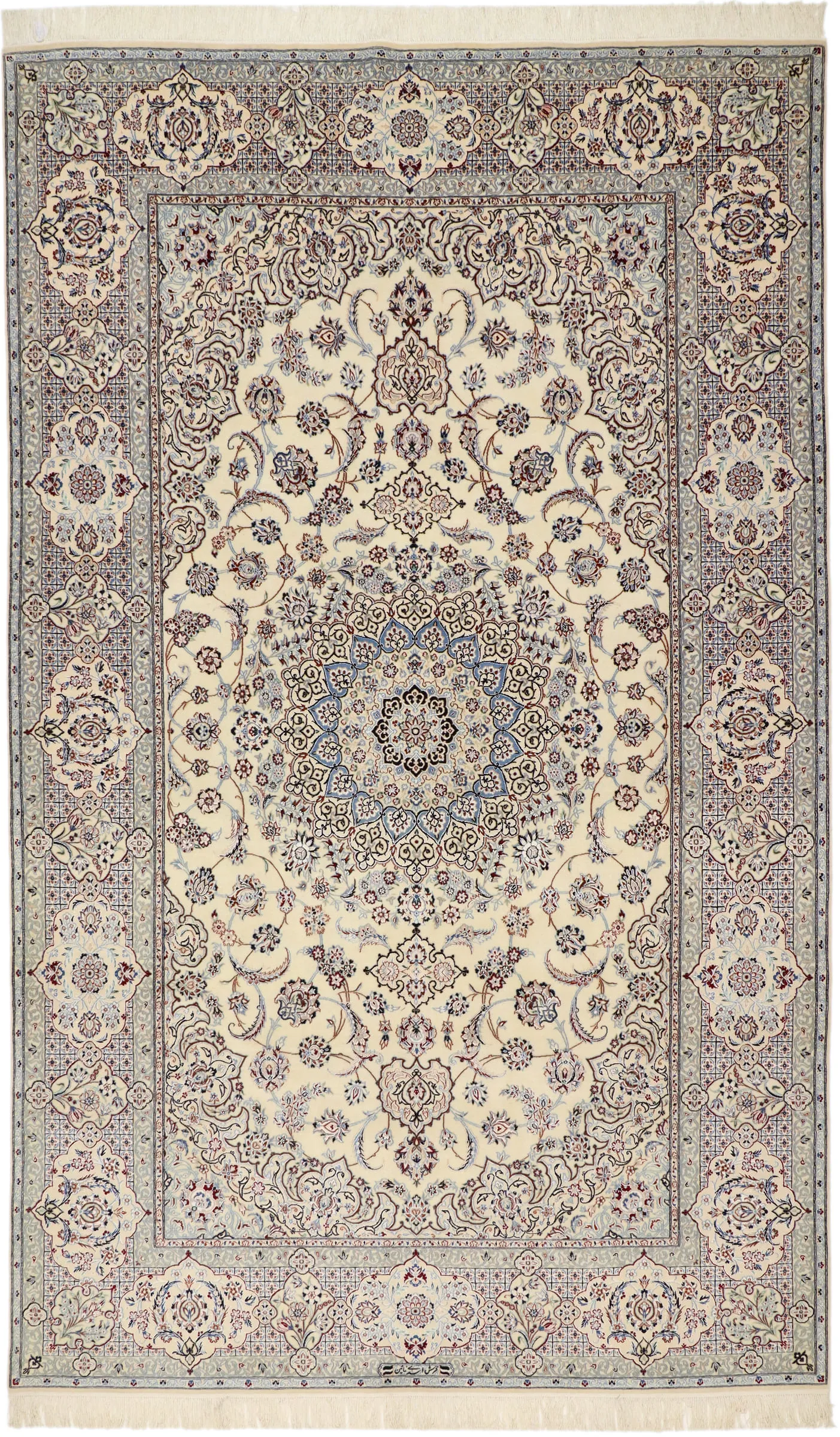
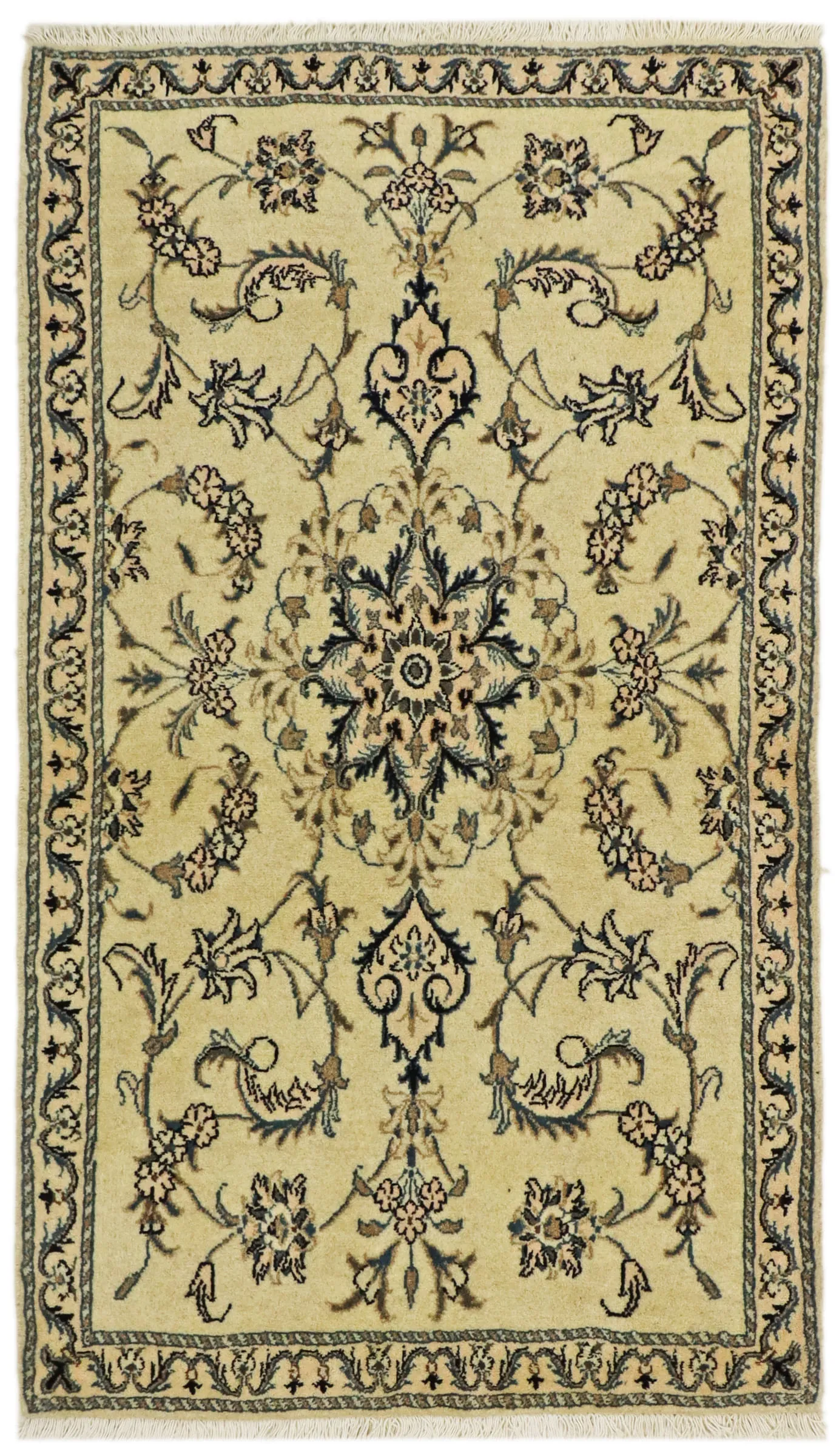
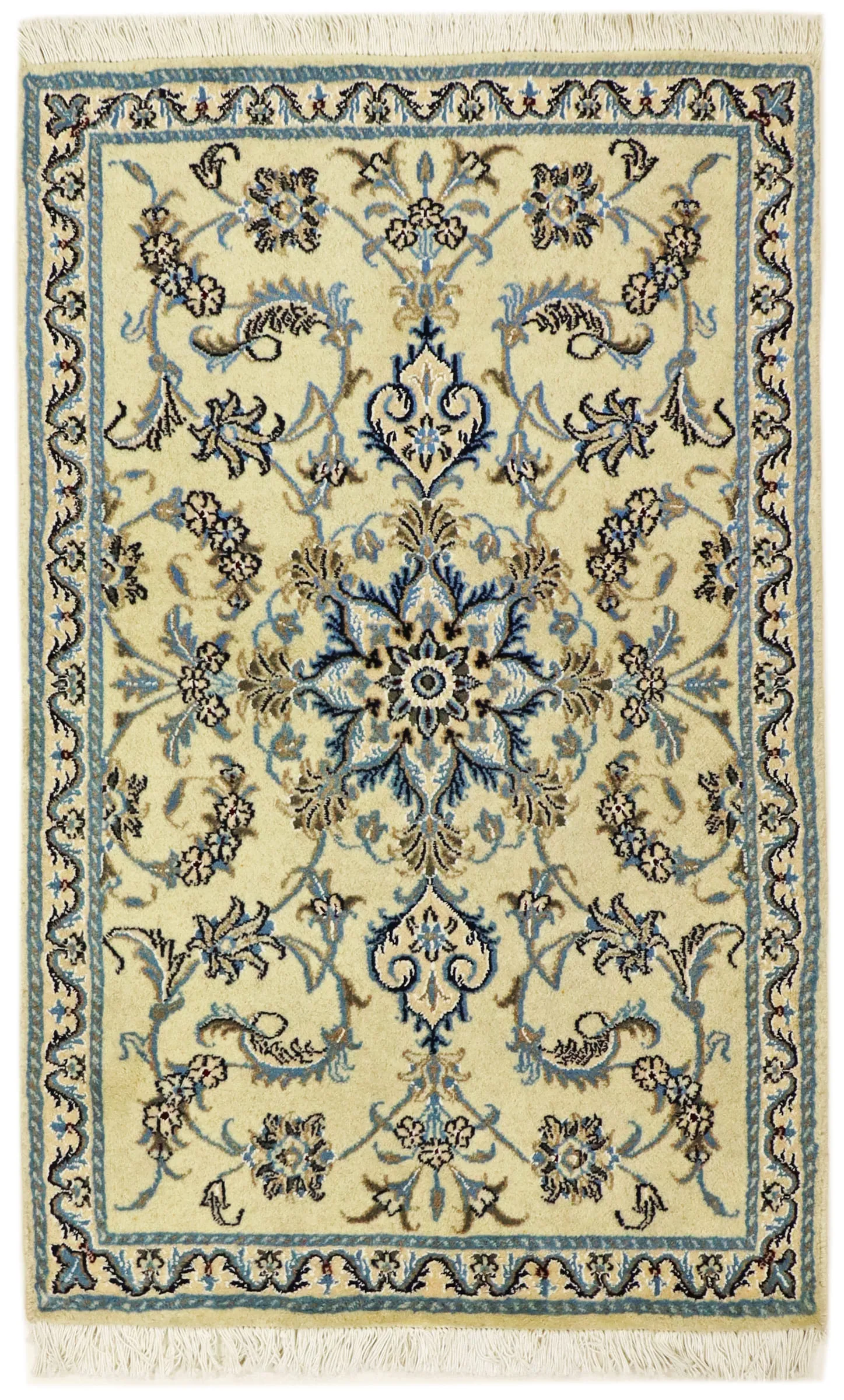
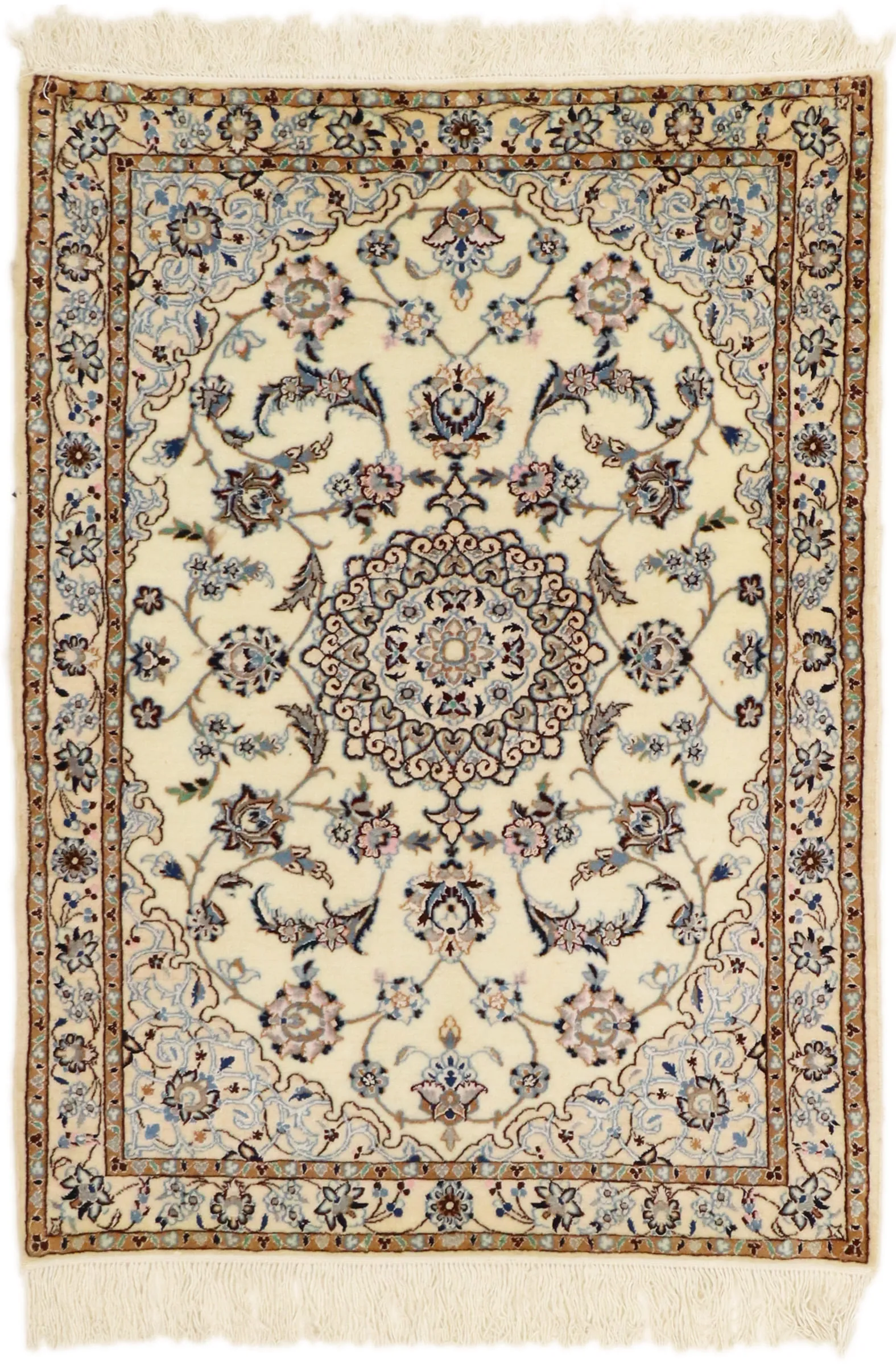
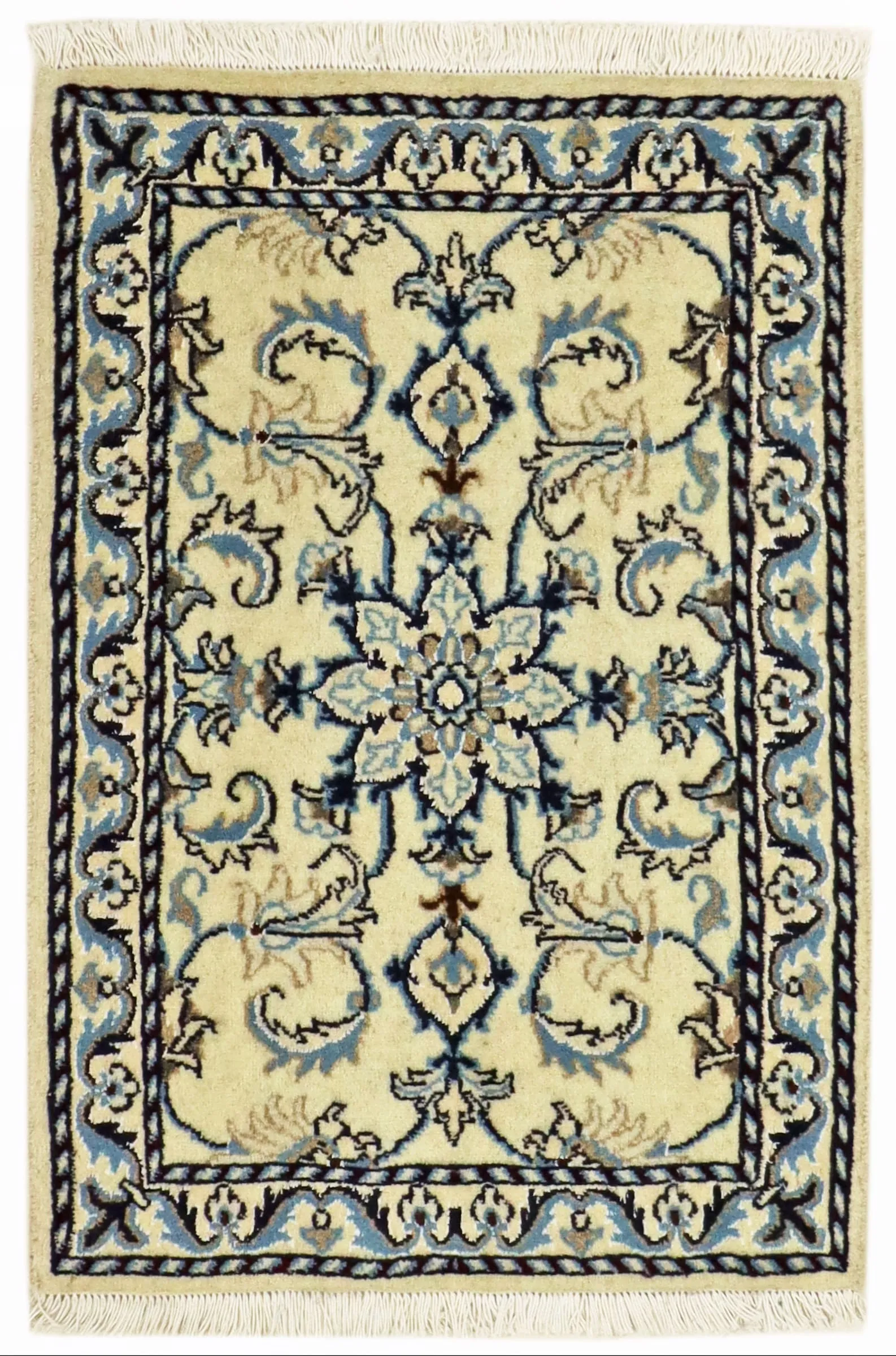
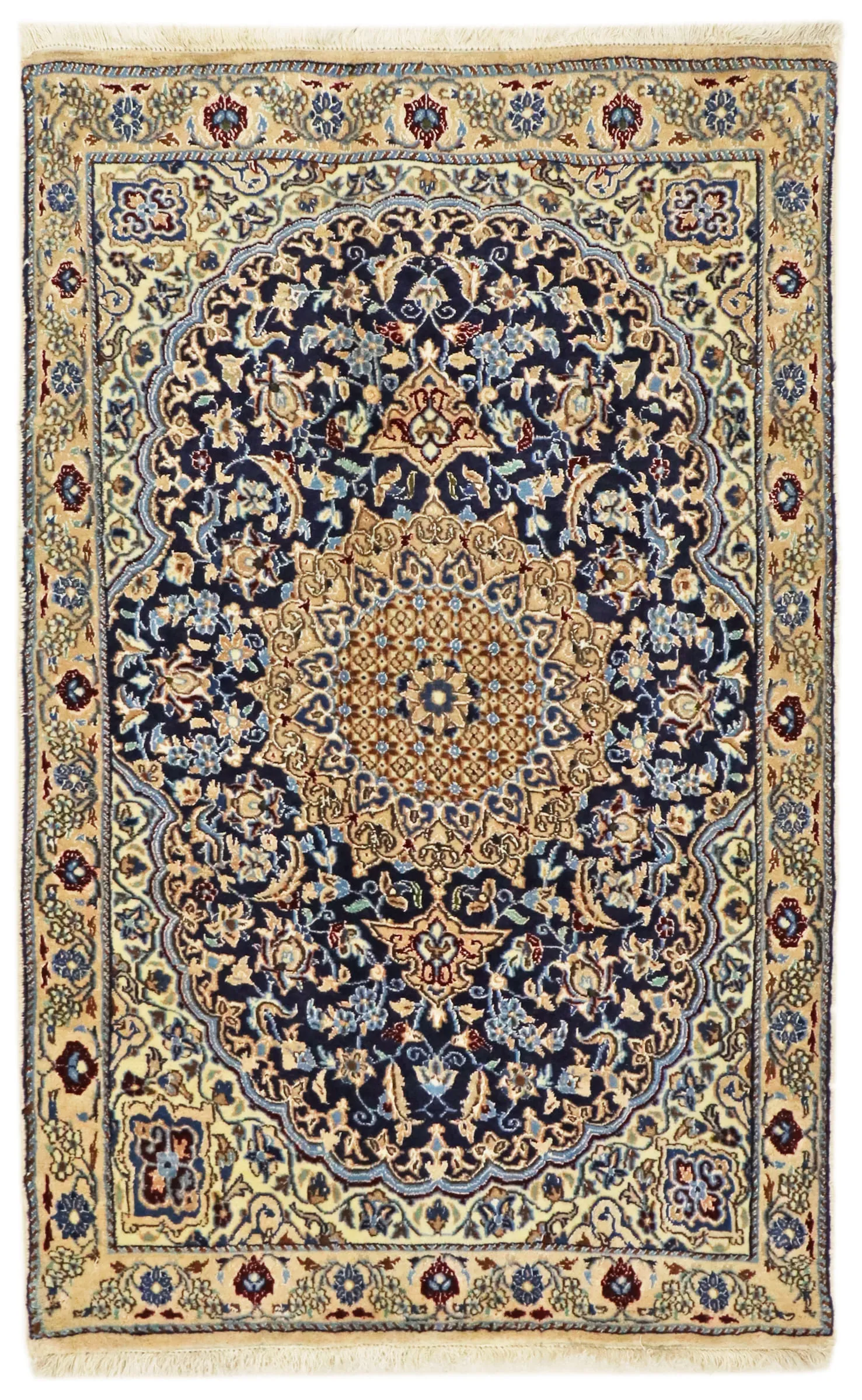
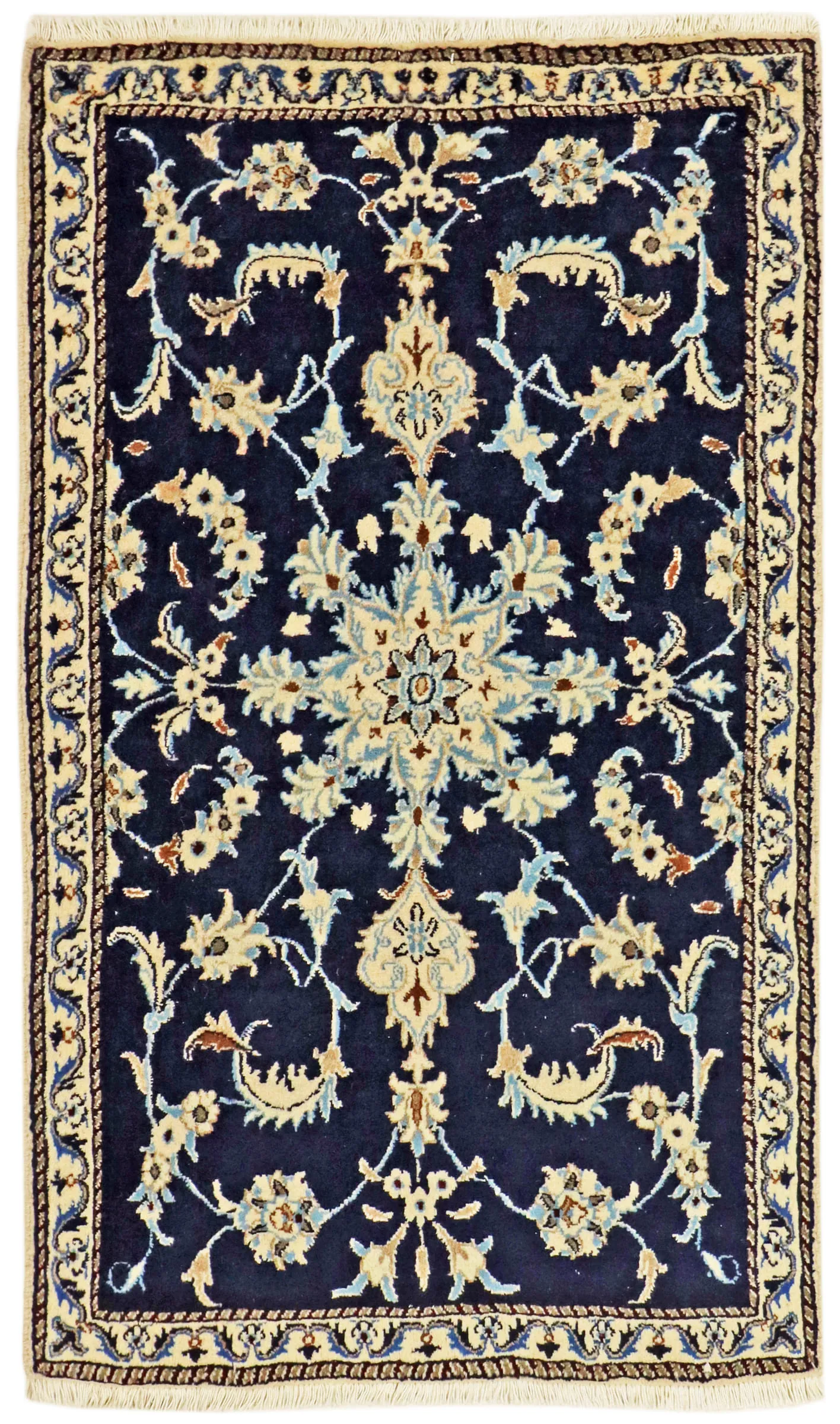
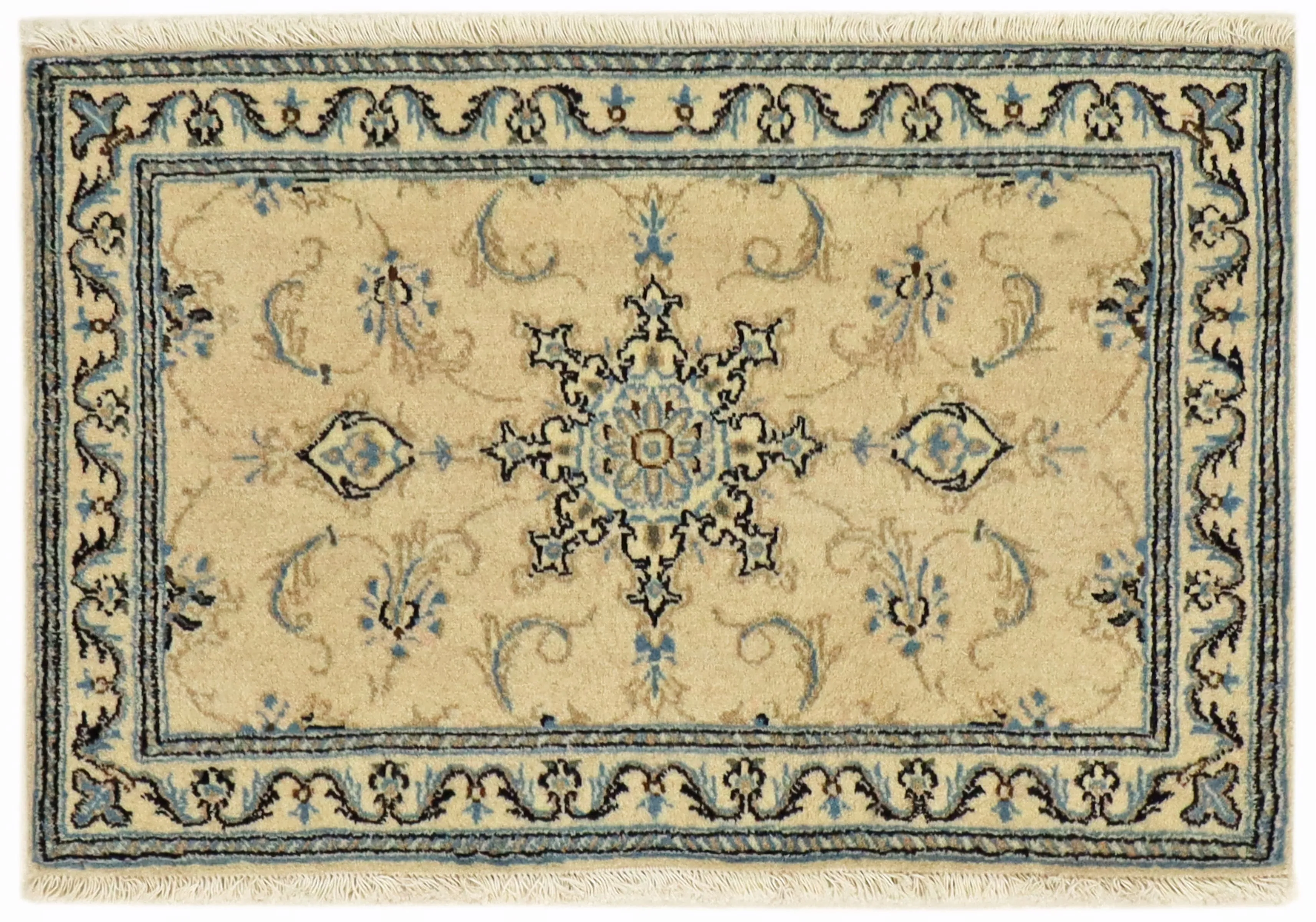
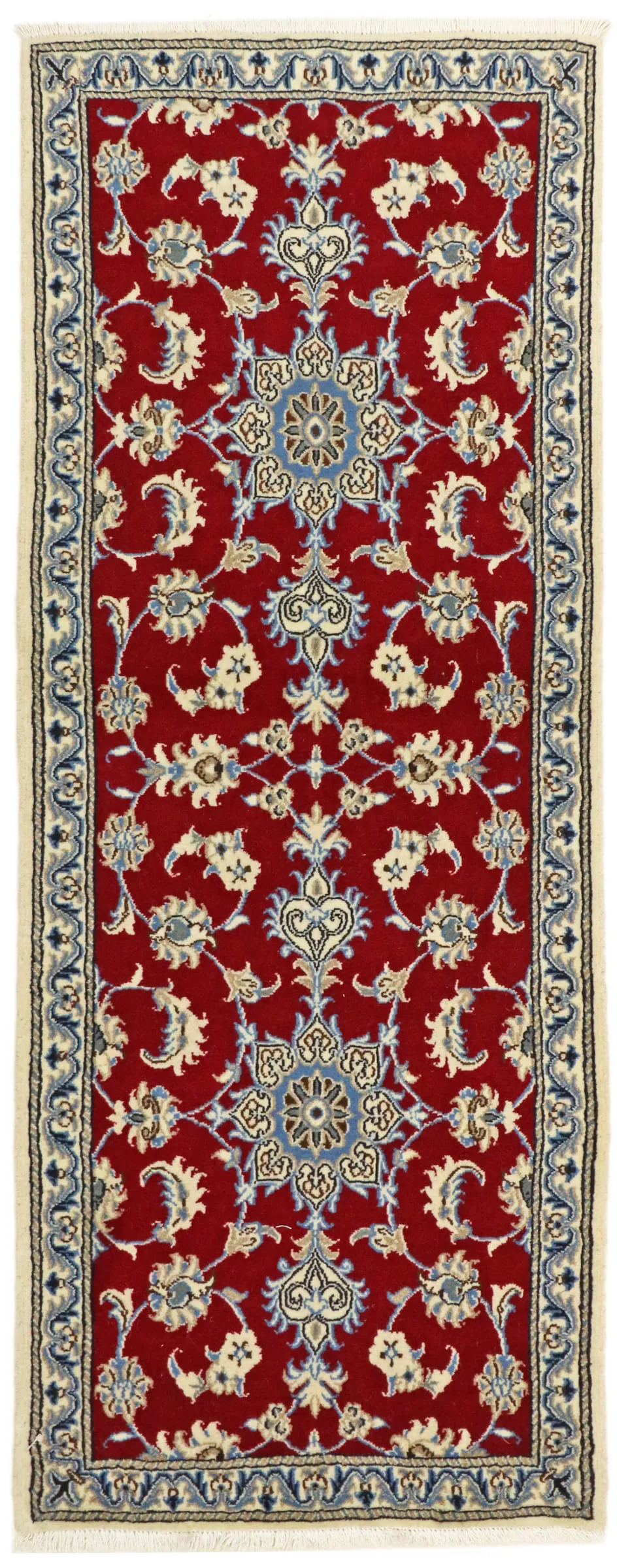
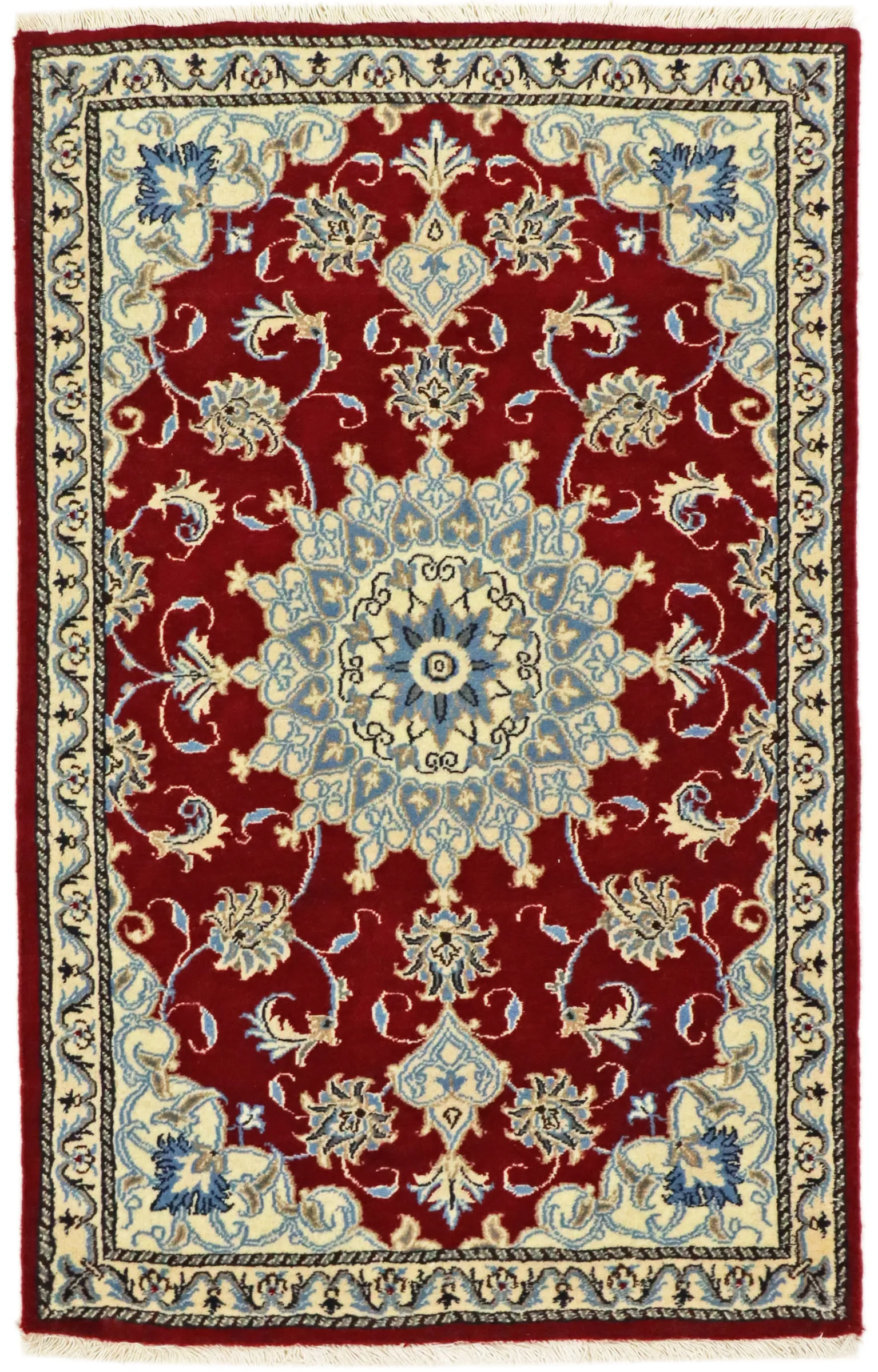
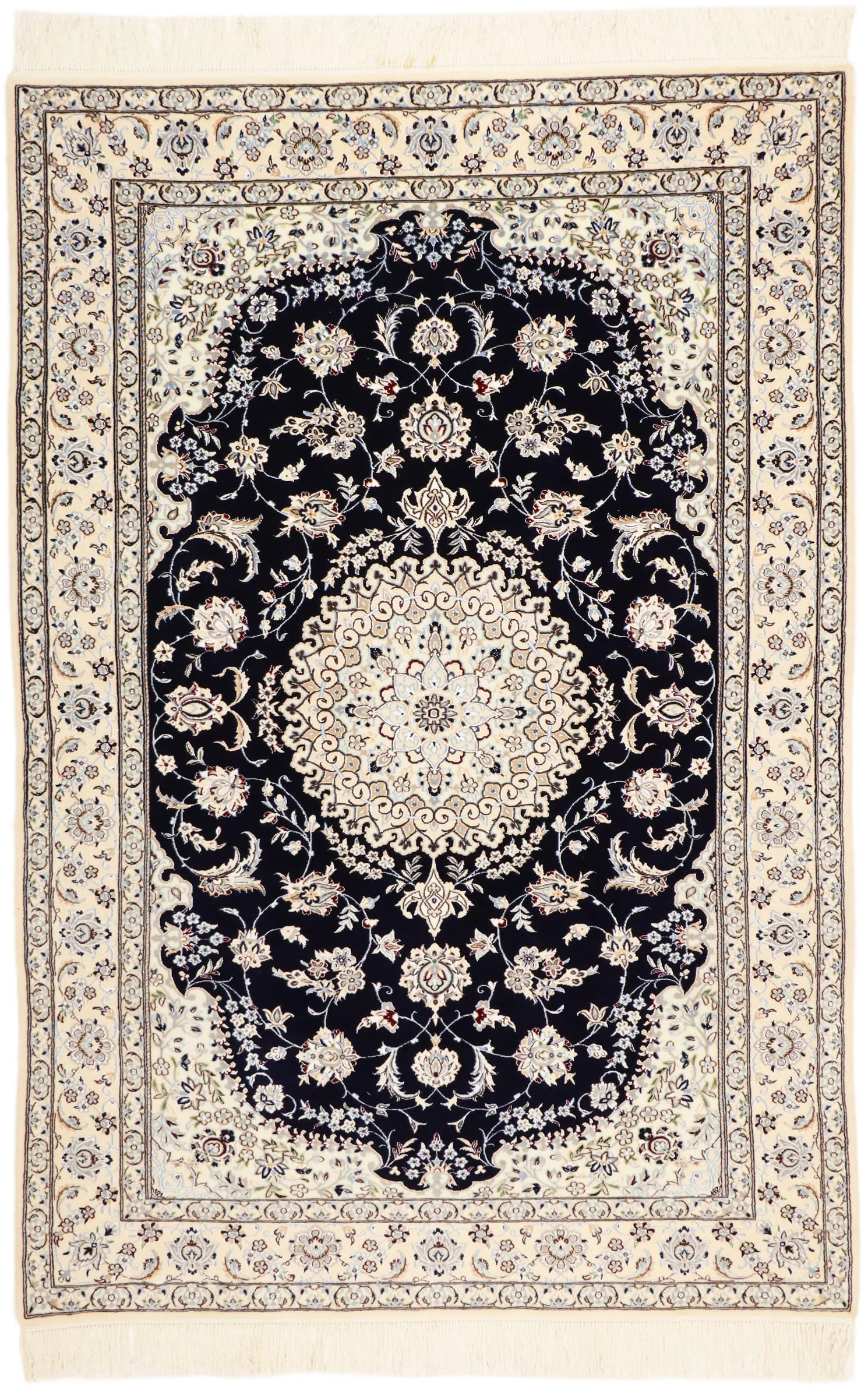
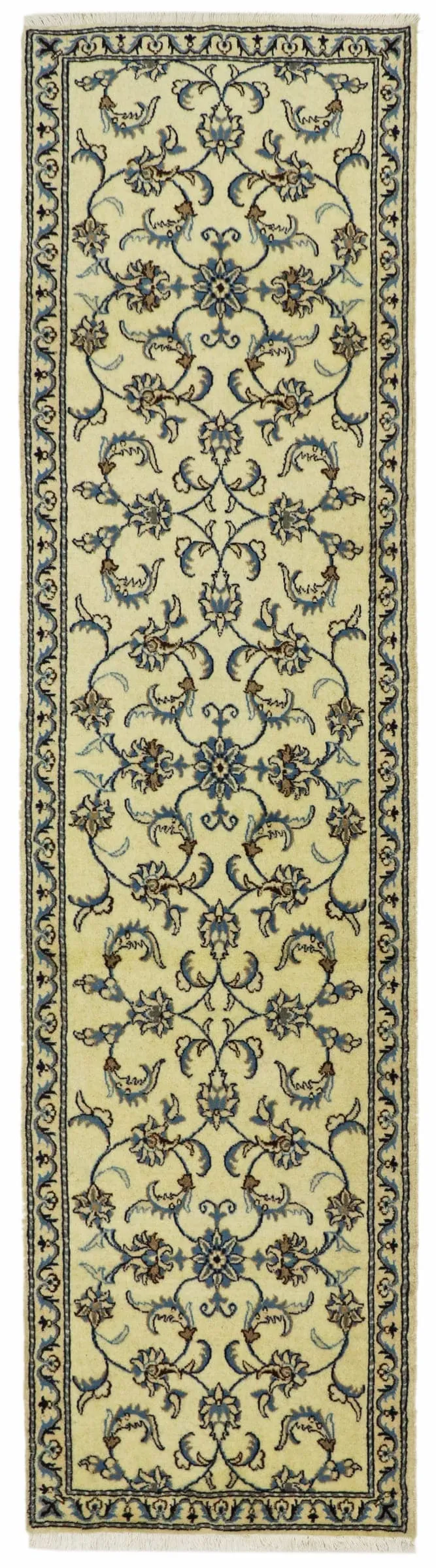
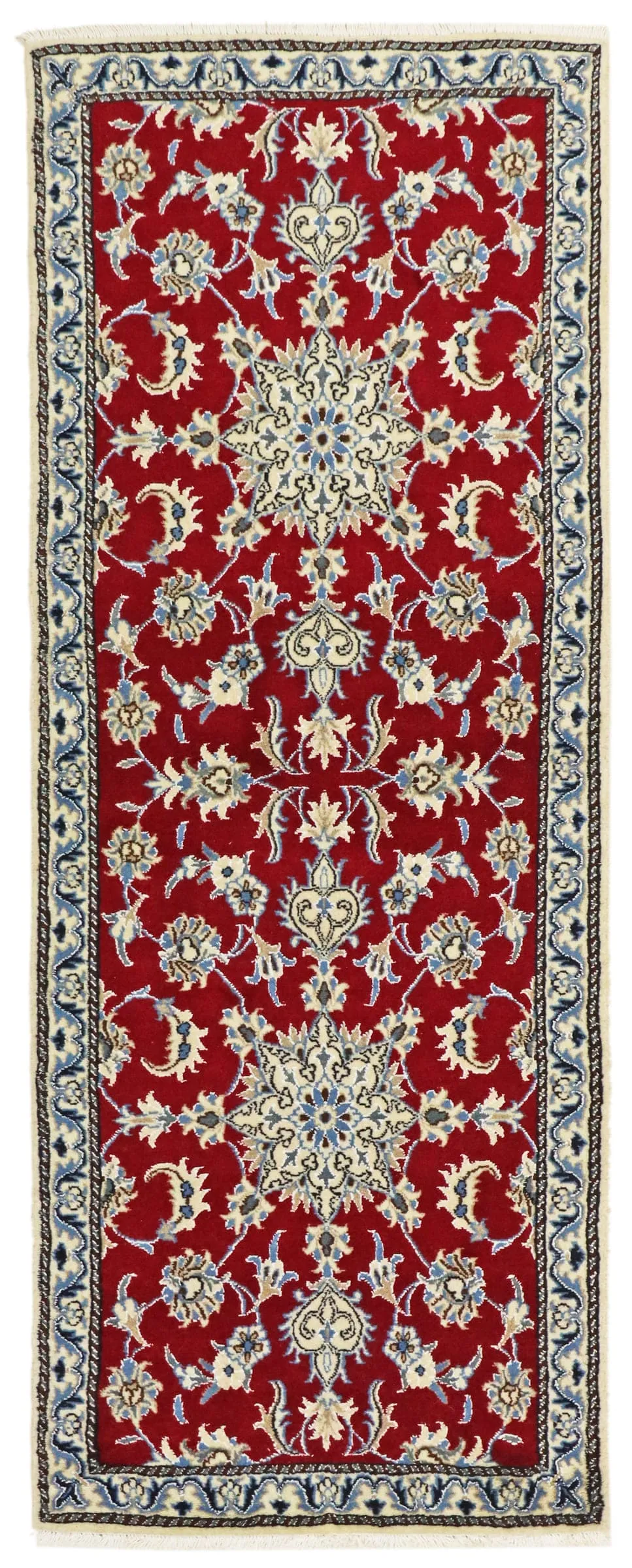
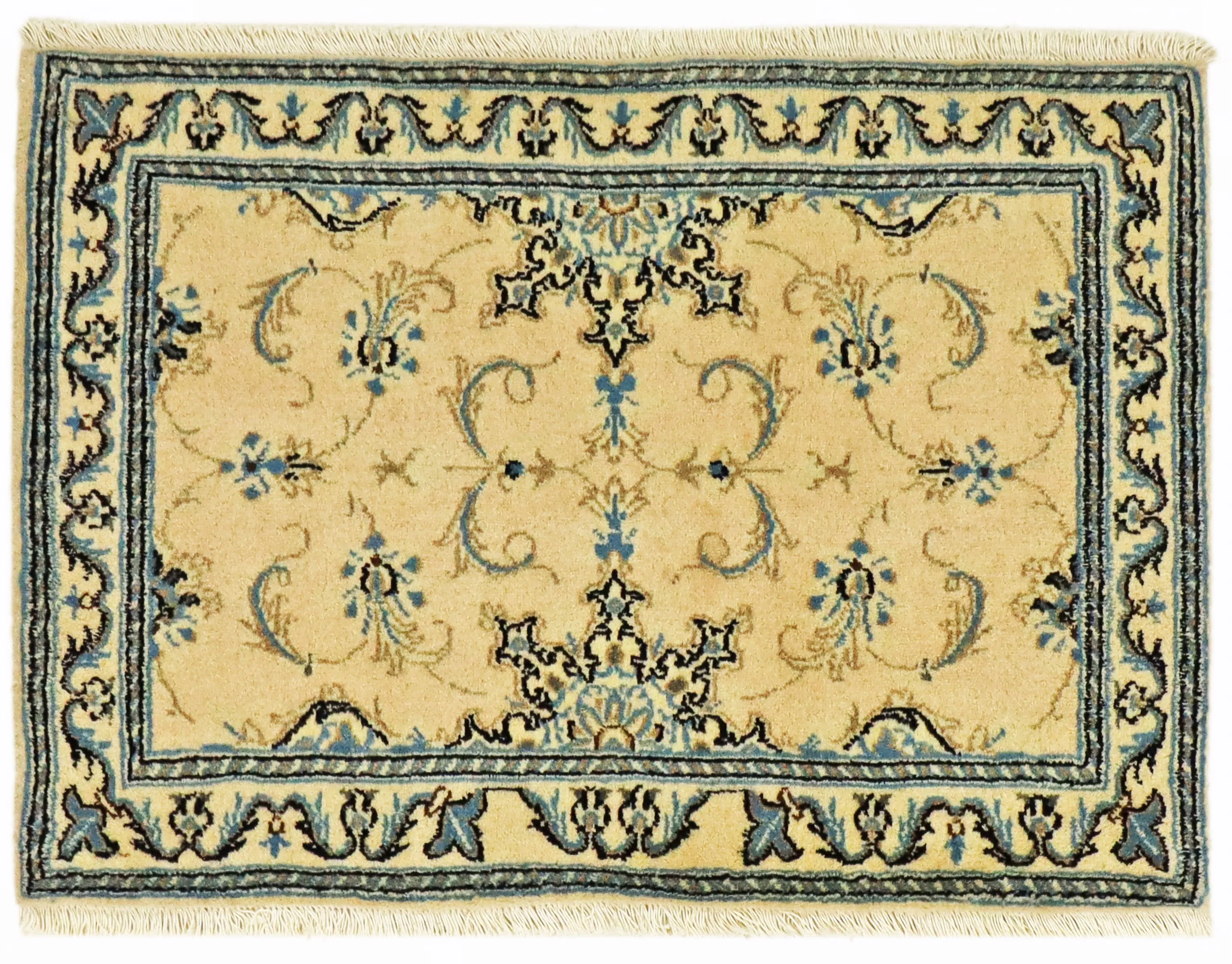
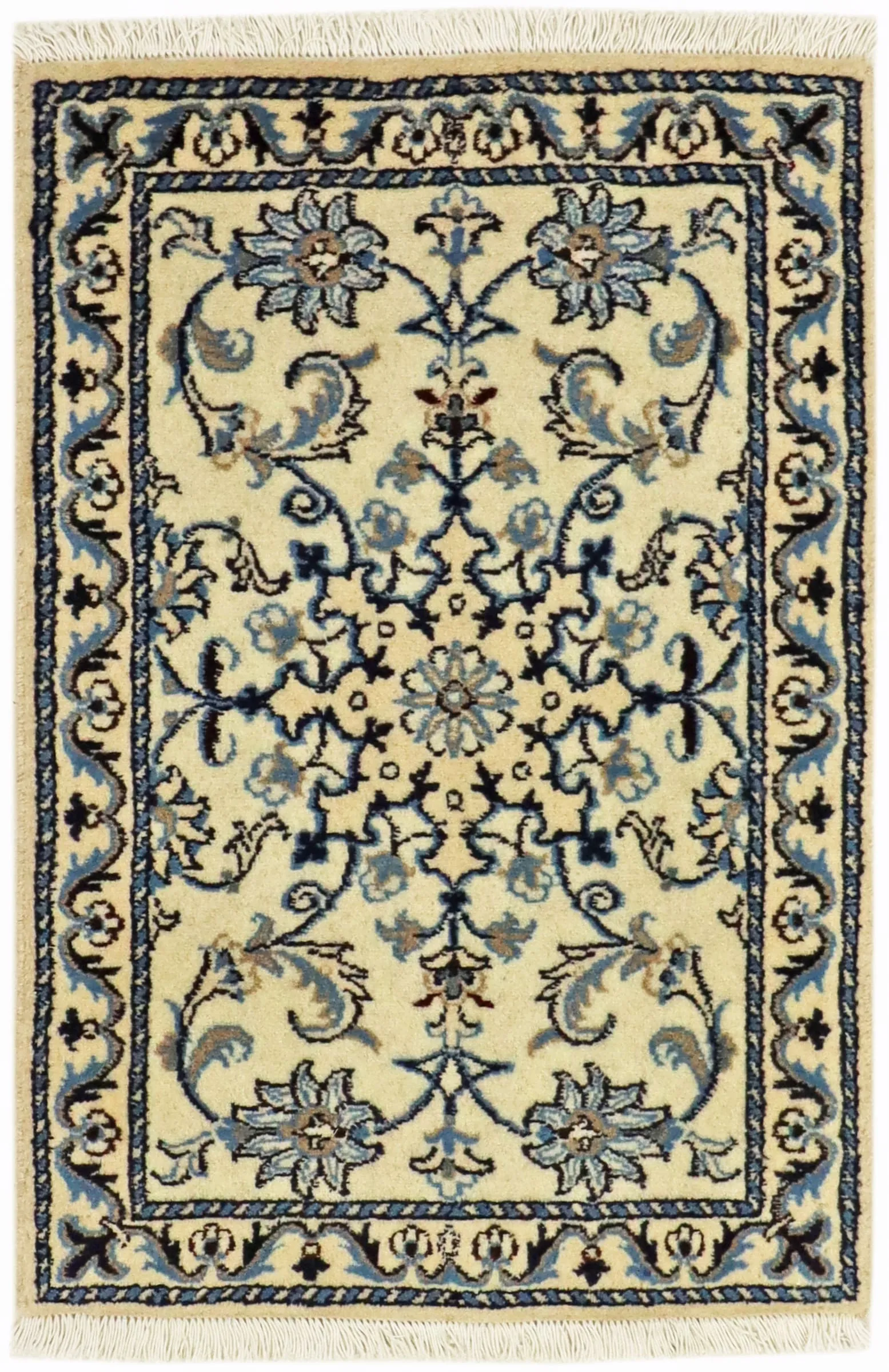
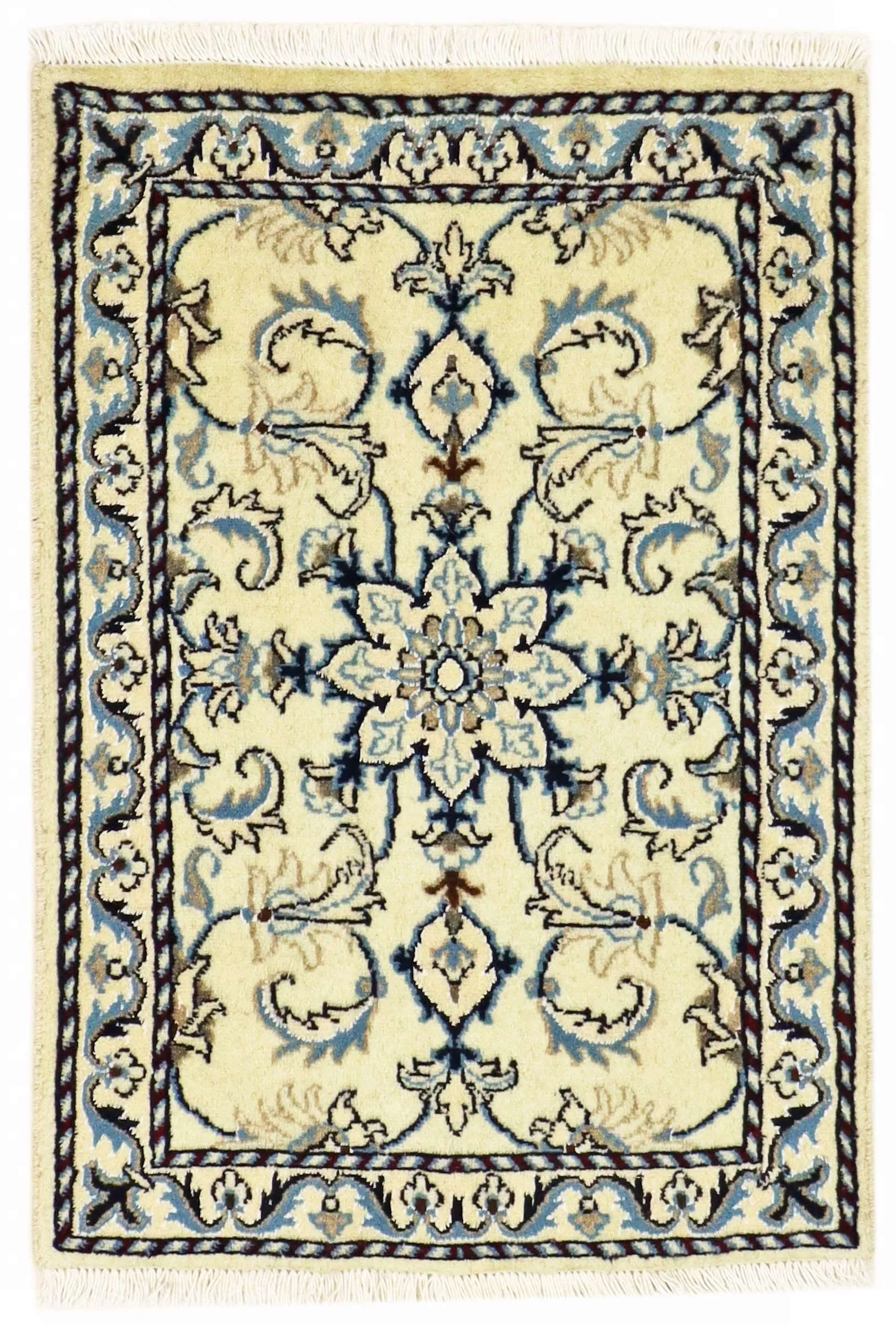
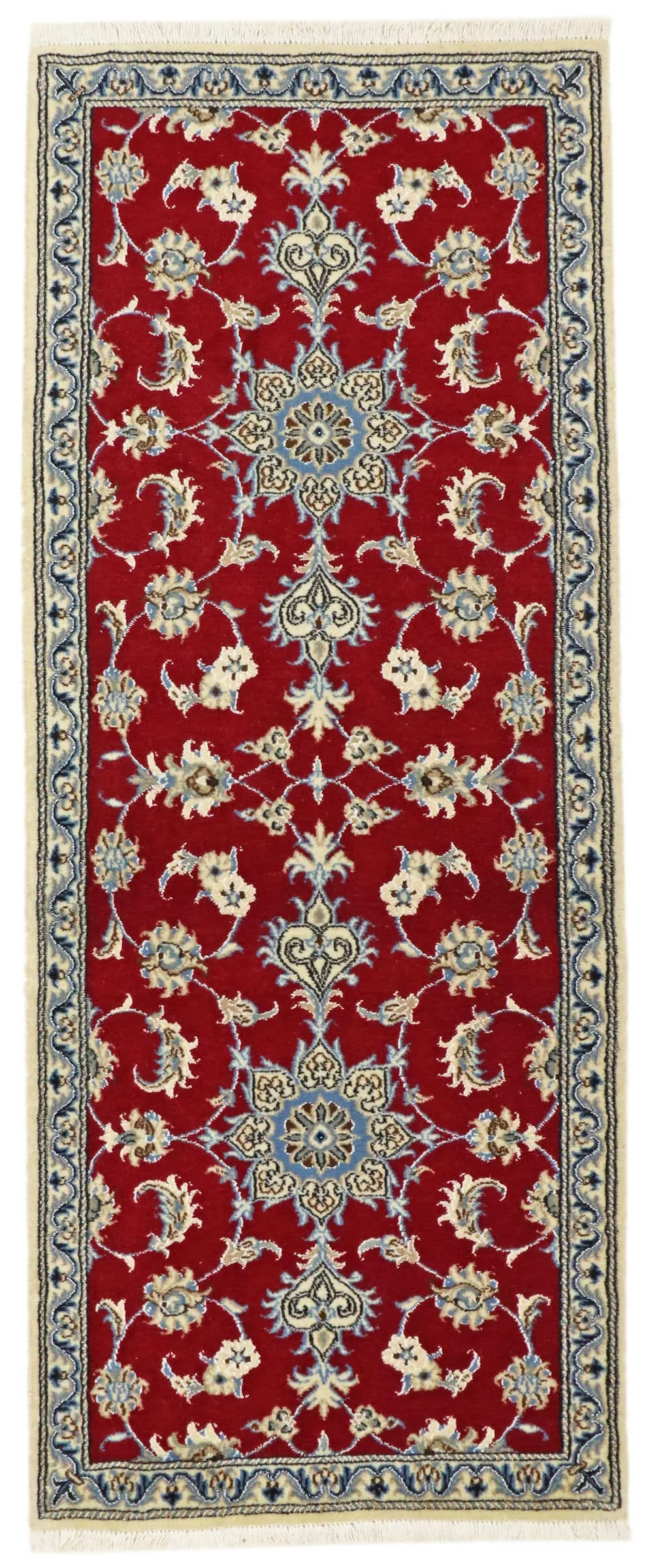
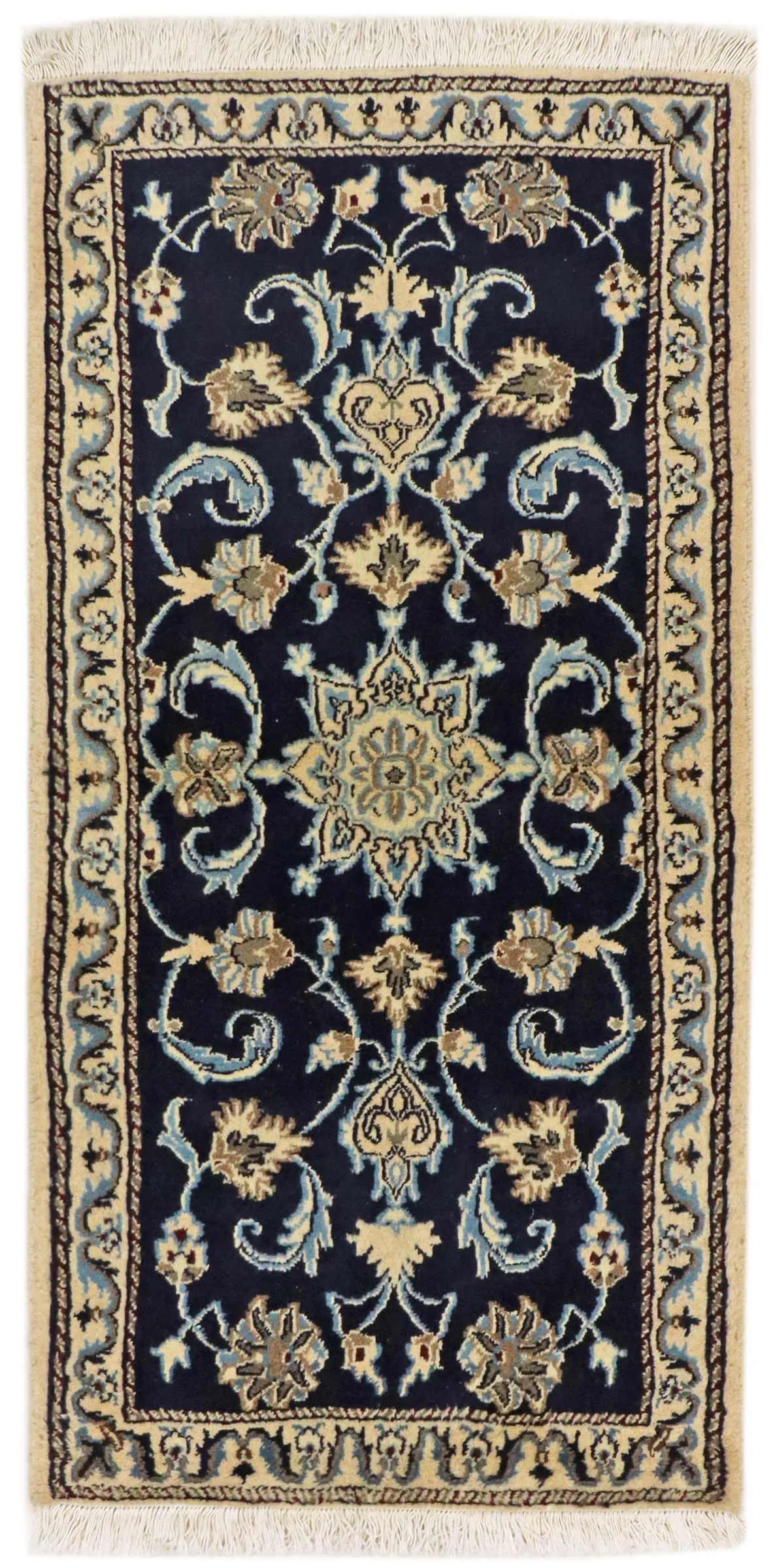
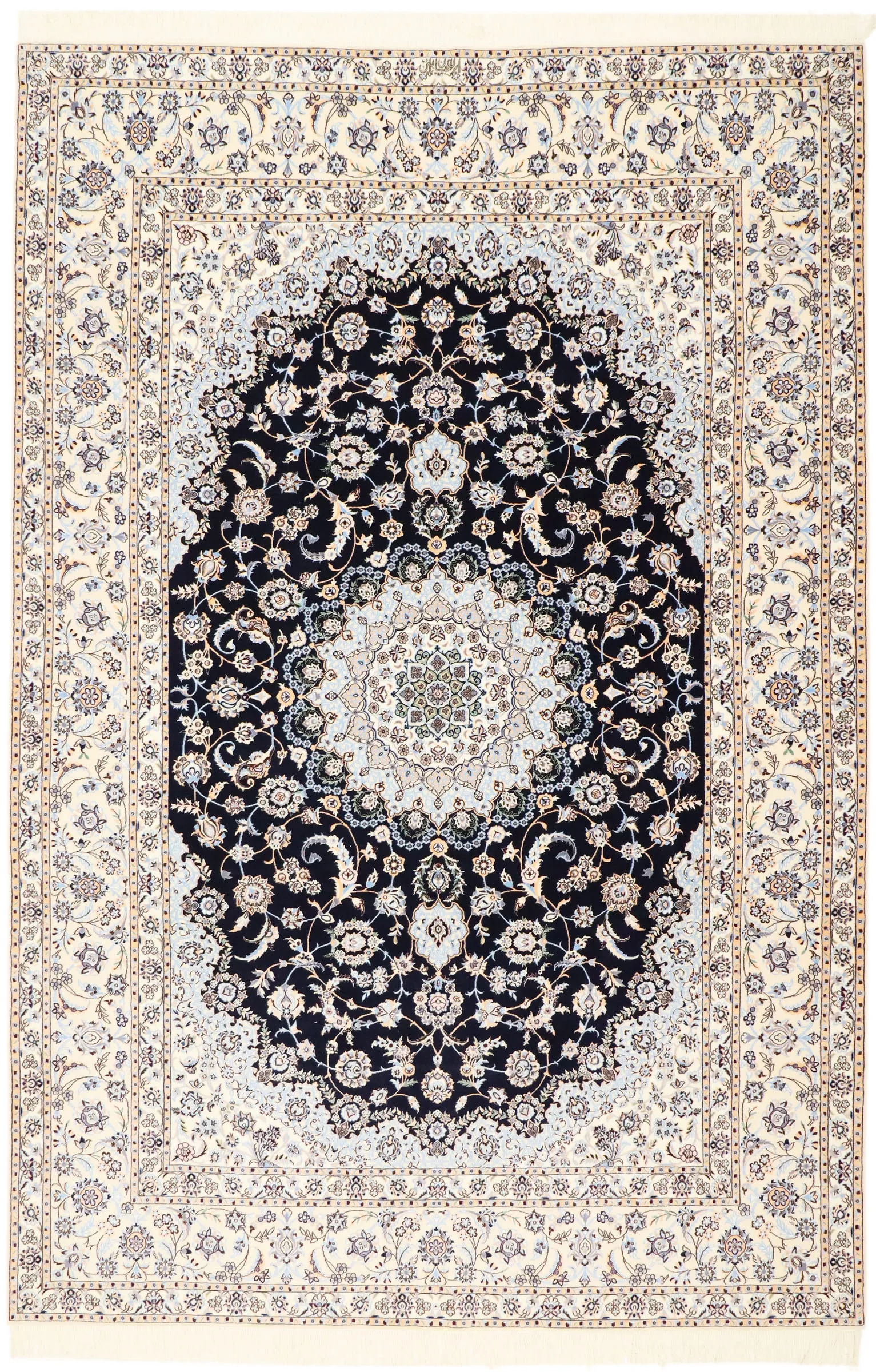

Nain 6La
6La denotes a finer construction than 9La. The slimmer warp structure generally allows for greater fineness and particularly precise outlines in small floral details.
 Free shipping & returns
 31-day return policy
Free shipping & returns
31-day return policy
Kostenloser Versand & Rückversand
31 Tage Rückgaberecht
Free shipping & returns
31-day return policy
Free shipping & returns
31-day return policy
Free Shipping & Returns
31-Day Return Policy
31-day return policy
Free shipping & returns
31-day return policy
Kostenloser Versand & Rückversand
31 Tage Rückgaberecht
Free shipping & returns
31-day return policy
Free shipping & returns
31-day return policy
Free Shipping & Returns
31-Day Return Policy

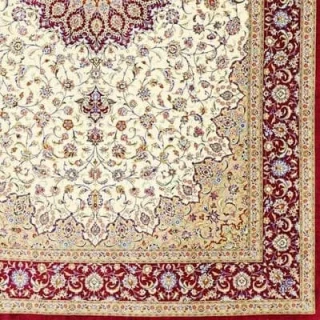
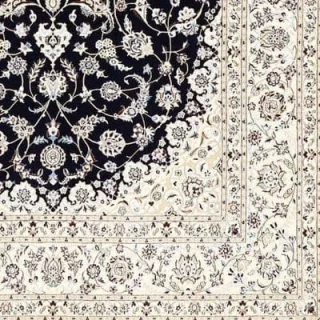
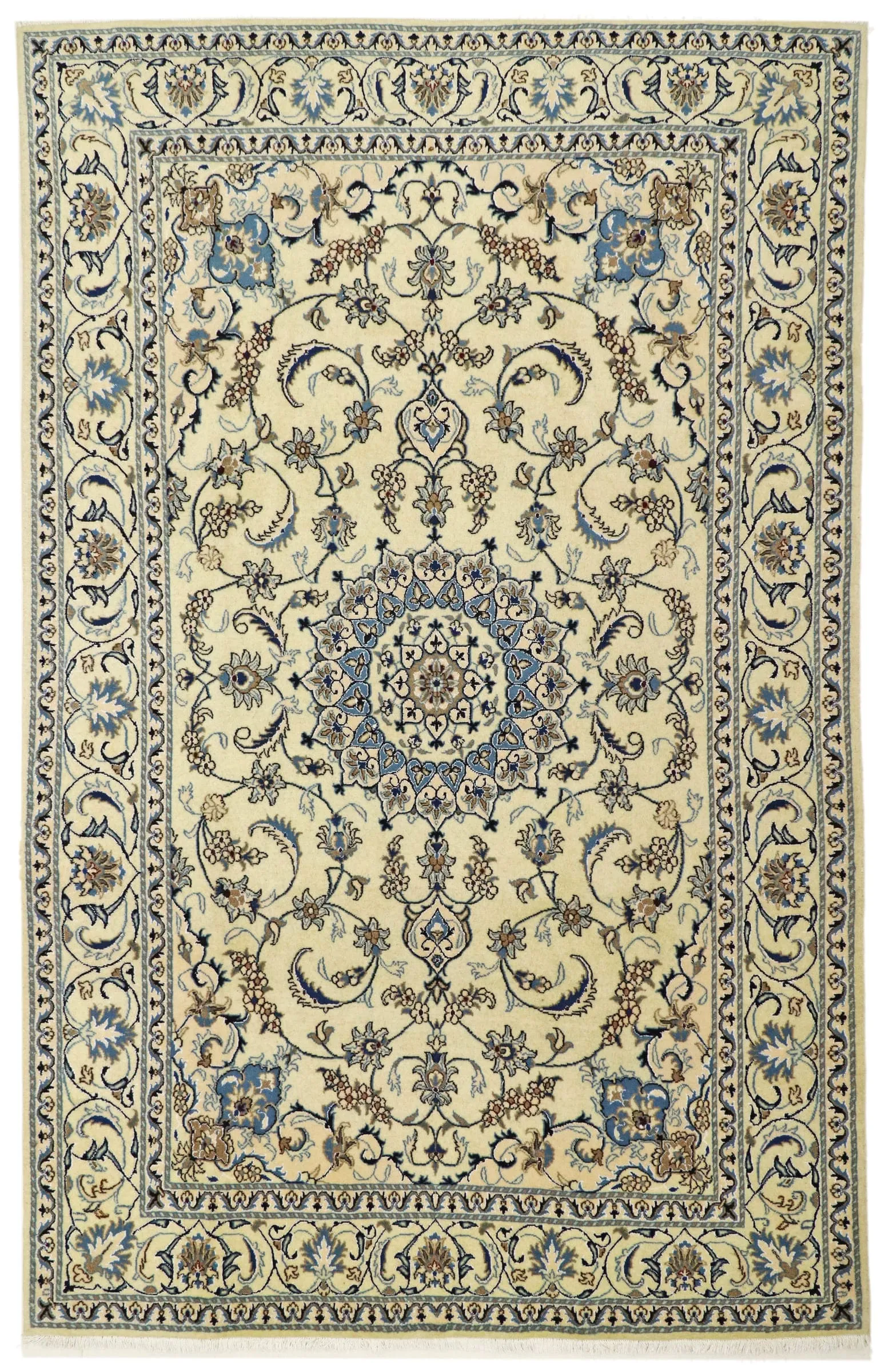
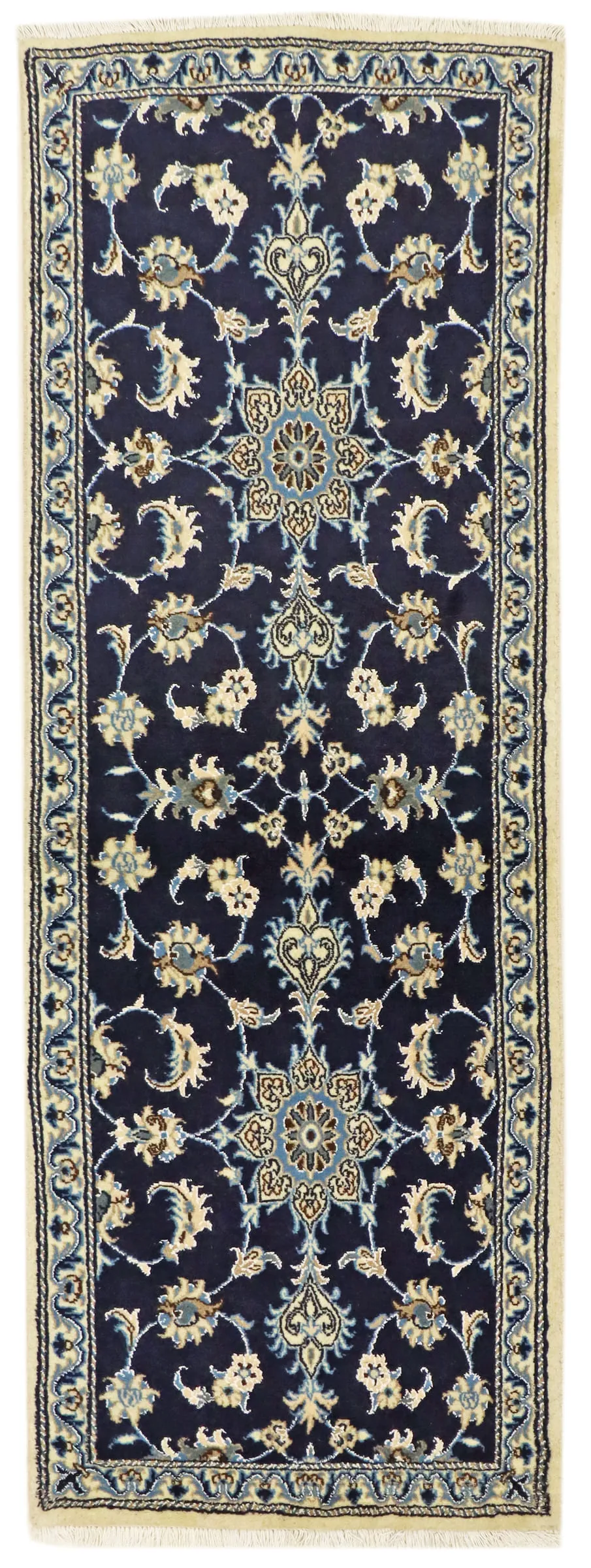
Recognisable by their fine medallions, ivory-and-blue palettes and precise floral drawing, Nain rugs bring a calm, refined character to a room. At Jakobson Carpets, you can buy selected hand-knotted Persian pieces in wool and silk. Nain rugs originate from one of central Iran’s best-known weaving centres and are valued for balanced compositions, delicate floral vines and finely structured borders. In our collection, high-quality wool is combined with silk highlights that give contours, blossoms and selected ornaments greater definition. The dense hand-knotting creates a fine surface and keeps the pattern crisp without making the rug feel visually heavy. In living rooms, dining rooms or bedrooms, these one-of-a-kind Persian rugs introduce lightness, craftsmanship and timeless elegance.
Nain is known for a particularly refined and understated style of Persian rug design. Ivory and soft beige tones are often paired with nuanced blues, delicate floral vines and clearly composed medallions. Silk highlights can accentuate individual contours and give the pattern added depth.
This guide explains how to assess characteristic features, materials and quality classifications such as 6La and 9La – and what to consider when choosing the right size, placement and overall effect for a living room, dining room or bedroom.
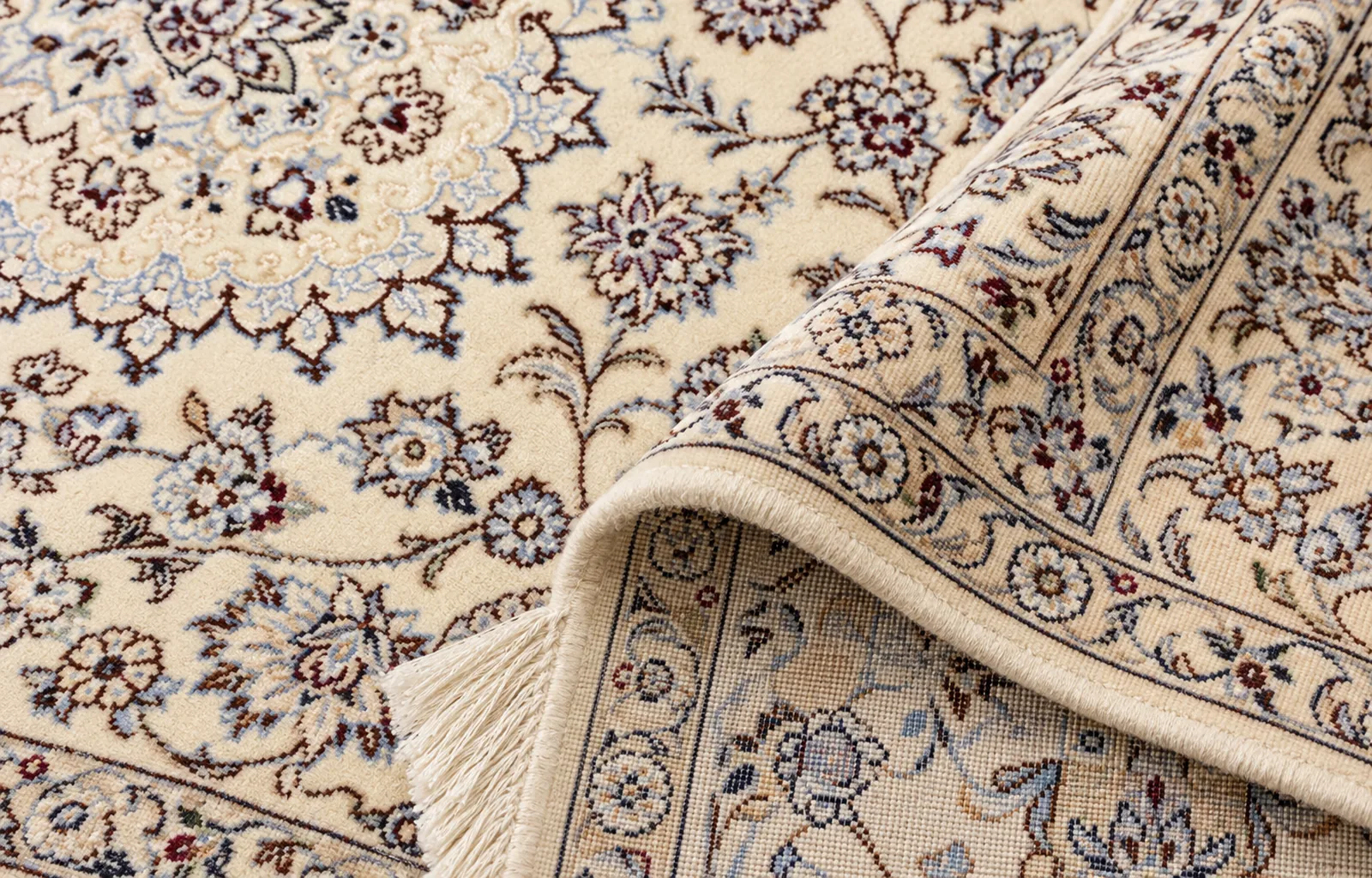
Nain rugs are typically recognised by finely drawn medallions, floral vines and carefully structured multi-part borders. Their often light palette is especially distinctive: ivory, cream and beige are combined with different shades of blue, with additional colours used sparingly as accents.
Many finer pieces combine wool with silk. The more lustrous silk areas pick out contours, flowers and ornaments, subtly changing in appearance with the direction of the light and the viewing angle. The overall effect remains calm and restrained even when the design itself is highly detailed.
The La classification is a traditional way of describing the warp construction of a Nain rug. It is not a direct statement of the number of knots per square metre. When comparing rugs of similar construction, a lower La number indicates a finer warp and will generally allow for denser knotting and more precise drawing.
6La denotes a finer construction than 9La. The slimmer warp structure generally allows for greater fineness and particularly precise outlines in small floral details.
9La has a somewhat stronger construction but can still be finely and intricately knotted. Material, knotting, condition and the quality of the drawing should always be considered together.
Fine wool creates a soft, comfortable surface, while silk highlights can emphasise outlines and ornaments and add a subtle sheen that changes with the light.
A clearly legible pattern on the reverse, even tension, neatly finished edges and a consistent pile all help to assess workmanship alongside the La classification.
Their light ground colours give Nain rugs an airy, composed appearance, while fine blue outlines and floral motifs add structure. The most harmonious result comes from matching the rug's size and pattern layout to the furniture already in the room.
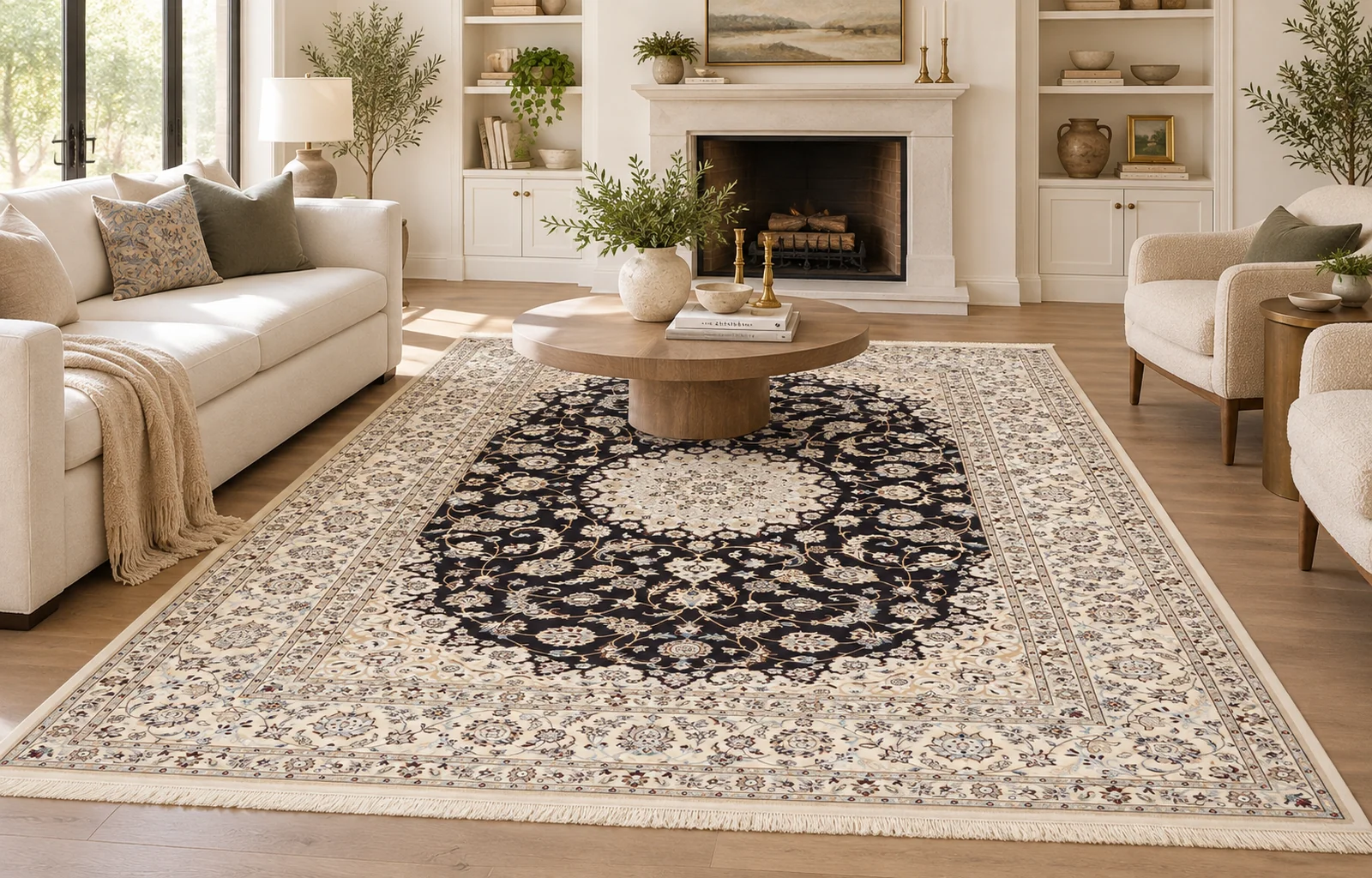
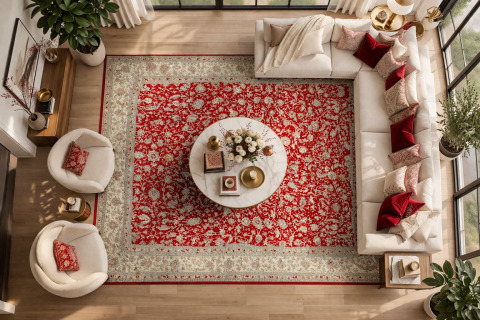
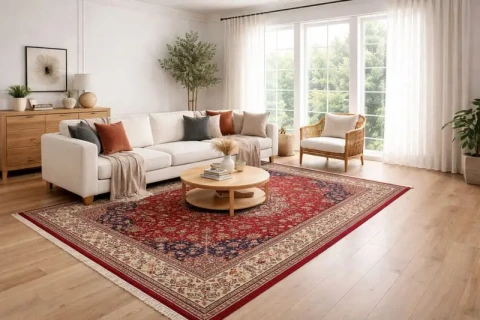
In a living room, a Nain rug can visually connect the seating area without making the space feel heavy. Light ground colours work particularly well with wood, natural tones, beige, grey and many contemporary upholstered pieces.
If the rug has a pronounced central medallion, it is worth keeping as much of it visible as possible. A balanced arrangement often places at least the front legs of sofas and armchairs on the rug.
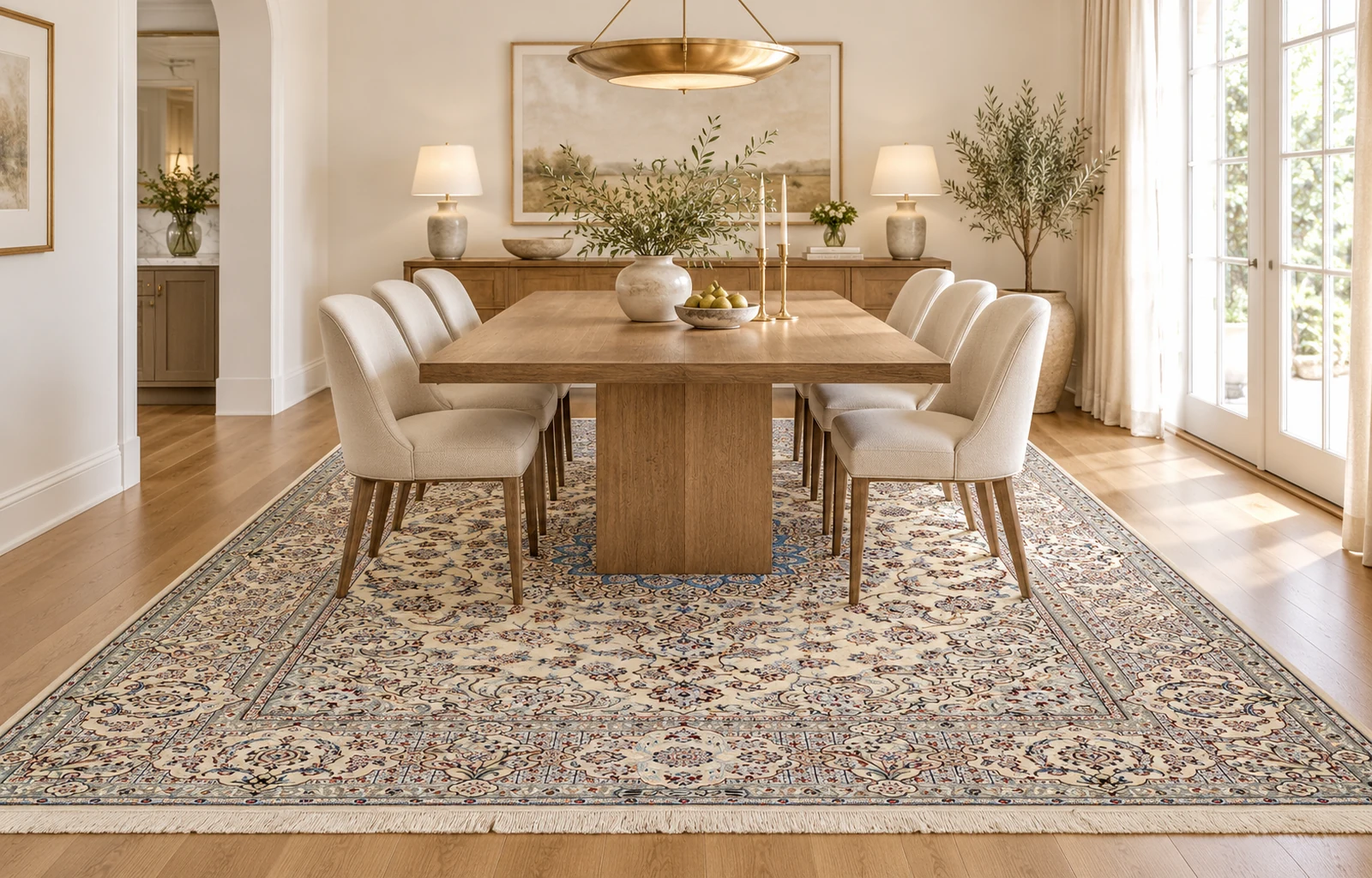
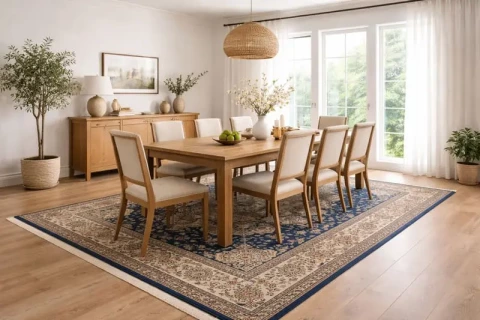
Beneath a dining table, the rug should extend far enough beyond the tabletop for chairs to remain on the rug when they are pulled back. As a practical guide, around 60 to 70 cm of additional rug on each side often works well.
Because the table may cover part of a central medallion, it is worth considering the pattern layout in advance. A balanced overall composition matters more than keeping every ornament visible.
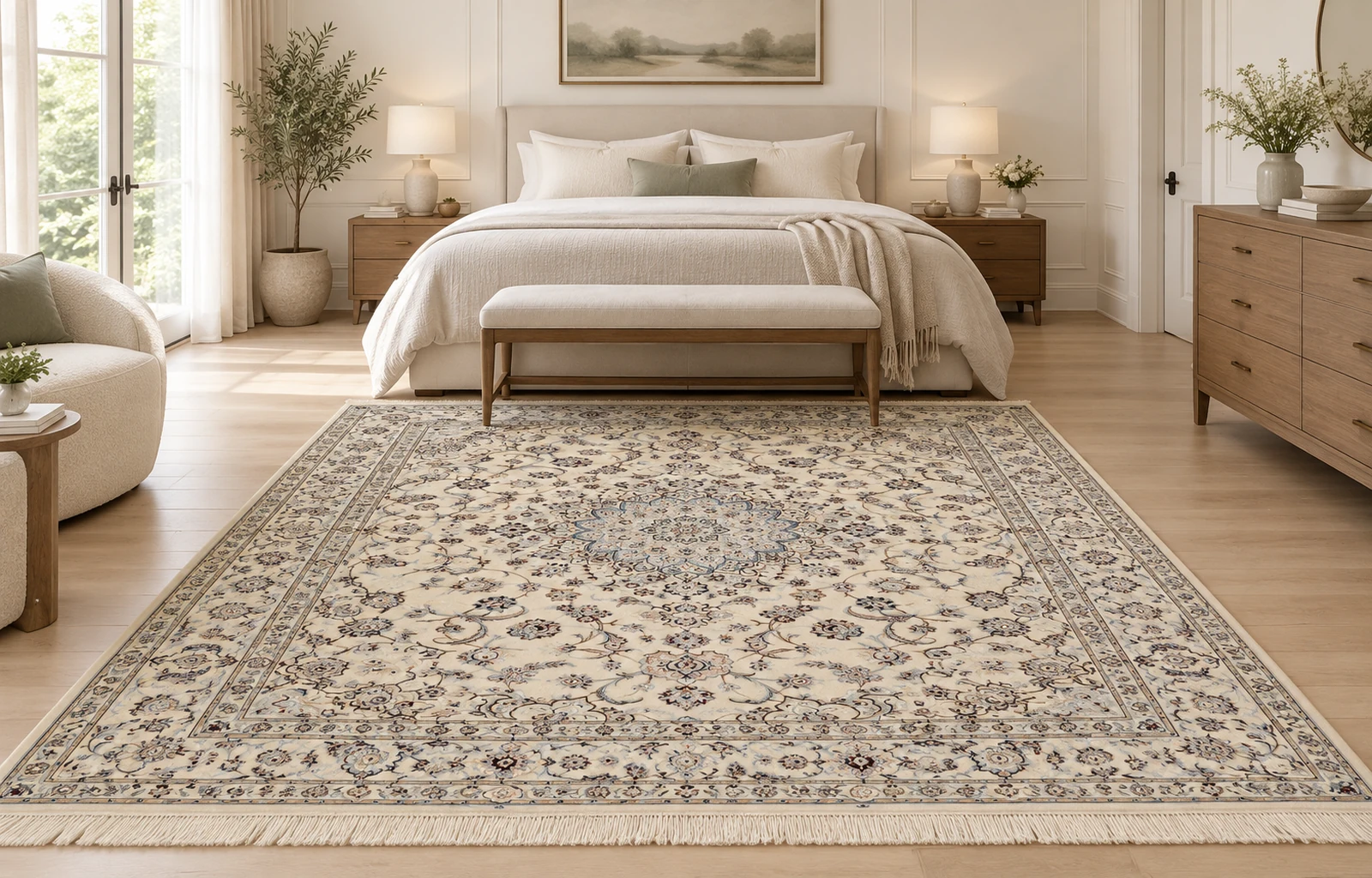
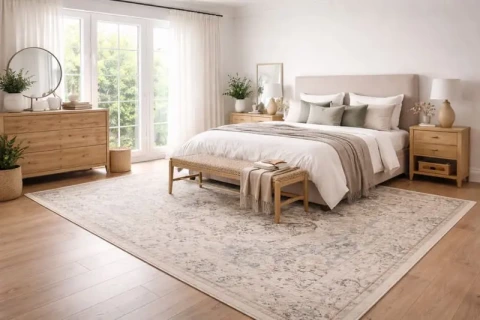
In a bedroom, cream, ivory and blue tones can reinforce a peaceful overall mood. A generously sized rug can frame the bed visually while providing a soft, comfortable surface underfoot at either side.
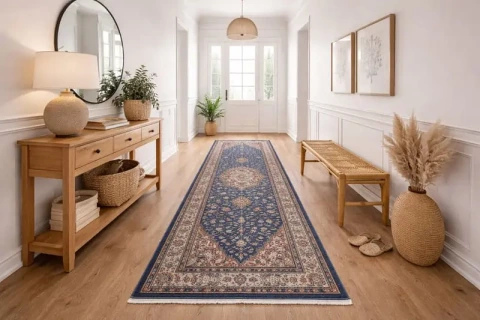
In smaller rooms, more compact sizes or runners can also work well. The key is to make sure the rug's pattern and the furniture do not compete with one another and that enough of the design remains visible.
With a finely patterned Nain rug, the overall effect depends on more than dimensions alone. How much of the medallion remains visible, the tone of the flooring and the direction of natural light can all change how the rug reads in the room. Marking out the intended rug area before making a decision is therefore well worth doing.
The rug should connect the furniture with the proportions of the room. Under seating groups and dining tables, a more generous size will usually look more considered than a rug that is too small.
Light ground colours can make a room feel more open. Silk highlights and pile direction can also change the intensity of blue, beige and ivory tones depending on the viewing angle.
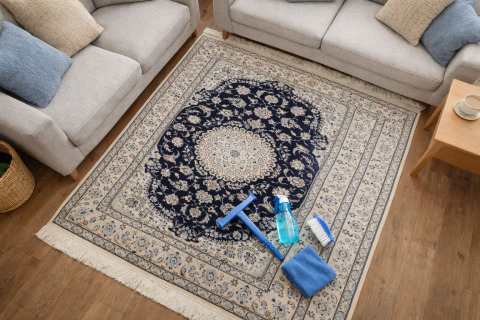
For frequently used areas, pay particular attention to condition, pile and materials. Gentle regular vacuuming and careful stain treatment help preserve the rug over the long term.
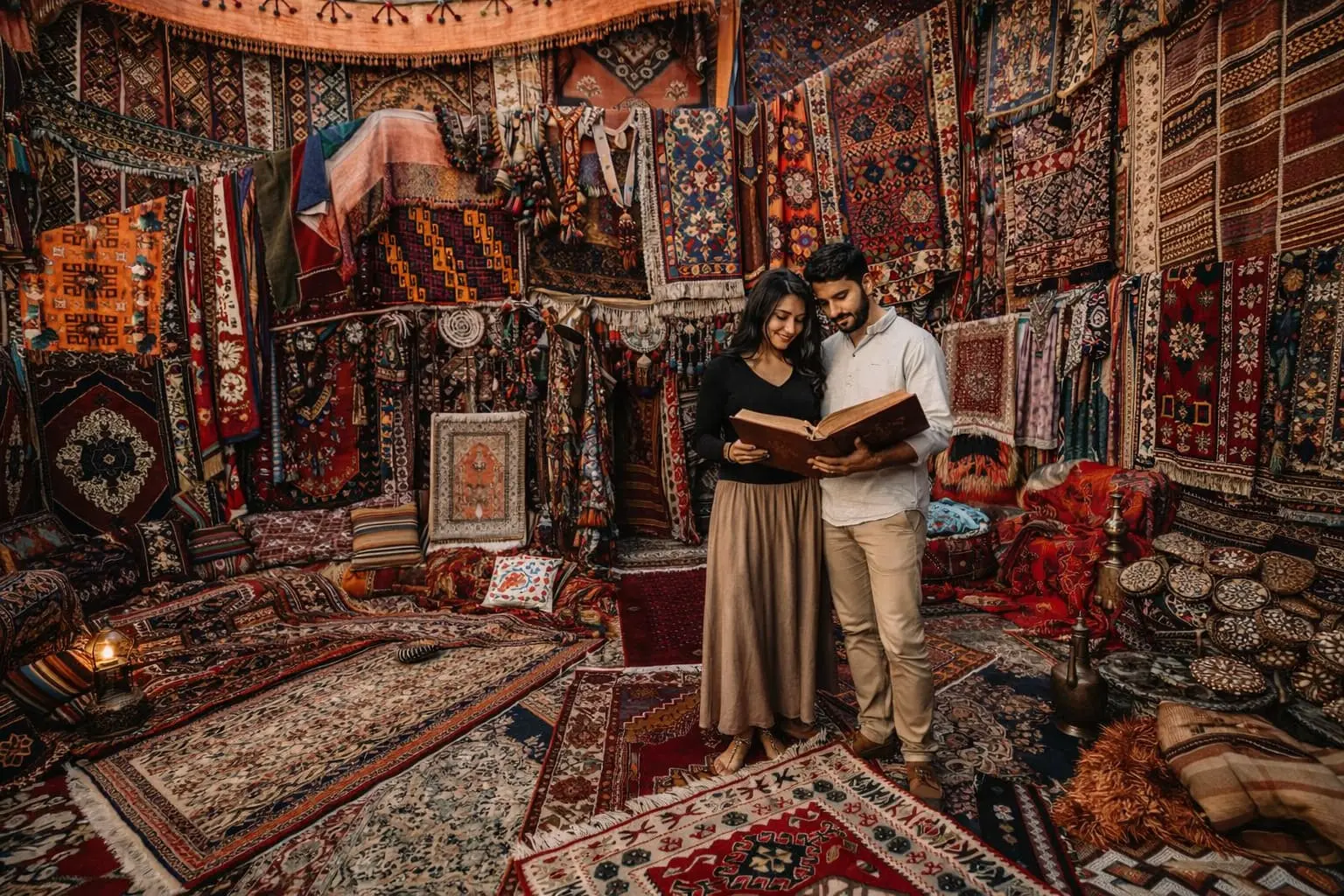
The city of Nain in central Iran has a long textile heritage, but it only developed into a significant centre for knotted rugs during the 20th century. Fine wool workmanship and influences from the nearby Isfahan tradition helped shape a distinct style that soon became known for light colour palettes, precise drawing and accomplished handwork.
This combination of established textile expertise and a comparatively young rug-making history gives Nain a distinctive place among Persian provenances. Classic medallions and floral designs continue to be produced in different grades of fineness today. For more historical context, see our guide to the history of Oriental rugs.
Since 1995, Jakobson Carpets has stood for hand-knotted rugs, careful selection and personal advice. This gives you the time to assess the size, colour and pattern of each one-of-a-kind piece properly in your own home.
View the rug in your own home and see how its colours, proportions and pattern work in the room for which it is intended.
You have ample time to compare size, colour and pattern without unnecessary pressure when making your decision.
The three-year warranty applies exclusively to hand-knotted rugs in accordance with the stated warranty terms.
For eligible hand-knotted rugs priced at €300 or more, a certificate of authenticity is included automatically, documenting key details such as provenance, materials, knotting technique, dimensions and other defining characteristics of the individual piece.
Key answers on provenance, 6La and 9La, materials, colours, room placement and care.
Nain rugs belong to the Persian knotting tradition of the city of Nain in central Iran. Nain became established as a rug-making centre primarily during the 20th century and developed a distinctive style known for fine, precise drawing.
La refers to the construction of the warp threads rather than directly to the knot count. When comparing otherwise similar pieces, 6La is finer than 9La because the slimmer warp construction allows for denser, more detailed knotting. Overall quality still depends on materials, workmanship, condition and the quality of the design.
Light ivory, cream and beige tones are especially common, often combined with several shades of blue. Depending on the individual rug, other restrained accent colours may also appear.
Silk can be used to emphasise fine outlines, flowers and ornaments. Because it reflects light differently from wool, it creates subtle variations in sheen that give the design extra depth.
Yes. Their light palette and precise ornamentation pair well with understated furniture, natural materials and contemporary colour schemes. Choosing the right size helps the detailed pattern feel intentional rather than lost within the room.
Vacuum gently and regularly without aggressive rotating brushes to protect the pile and silk highlights. Liquids should be blotted as quickly as possible. For heavier soiling, professional cleaning by a specialist experienced with hand-knotted rugs is recommended.