







.webp)
.webp)
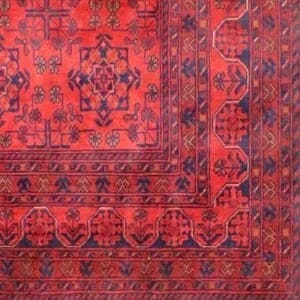












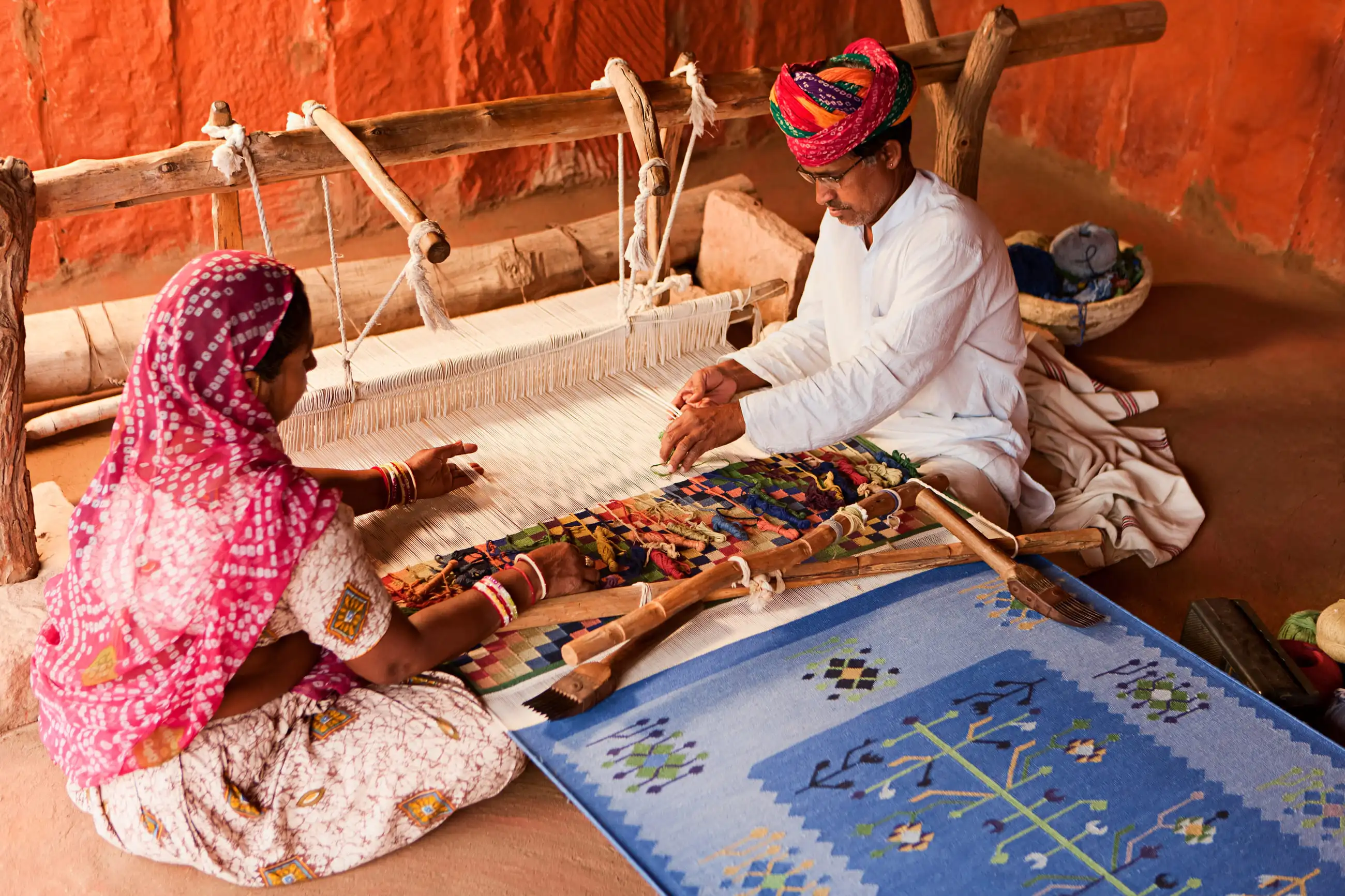
The Making
of genuine Oriental rugs
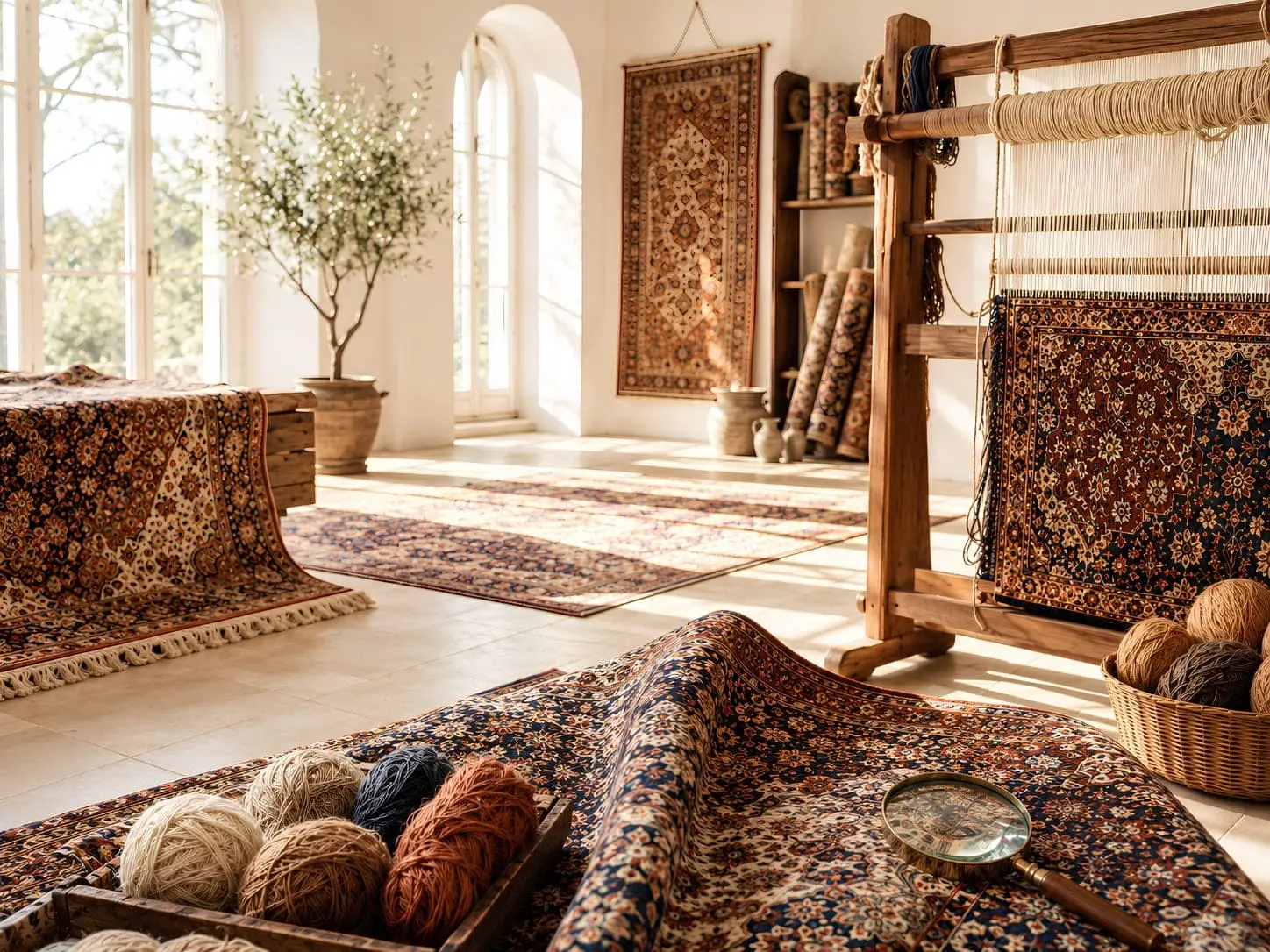
An Oriental rug is not made in haste. It grows knot by knot — from experience, patience, regional tradition and a sure feeling for pattern, colour and material.
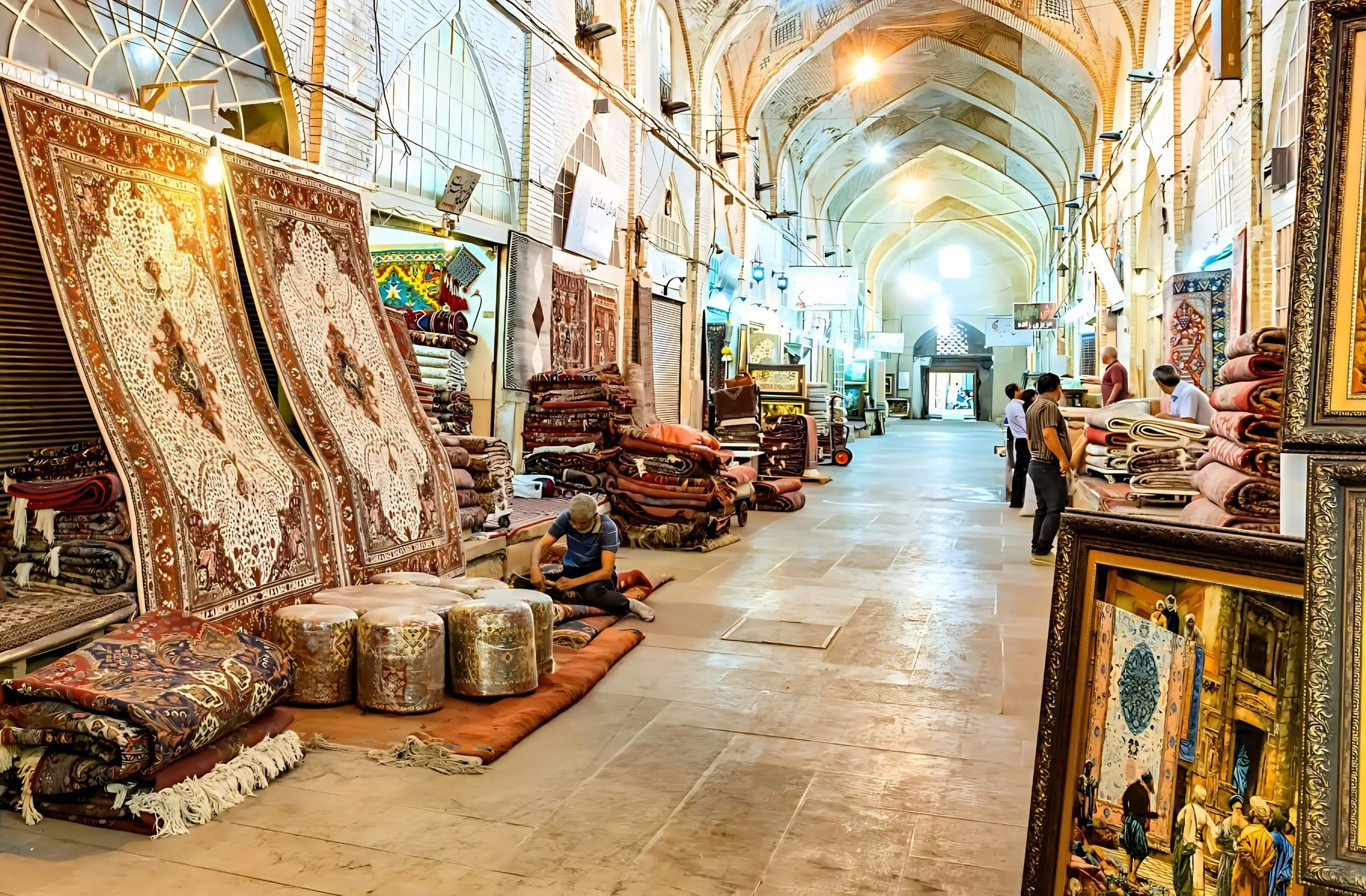
Every city has its own knotting art
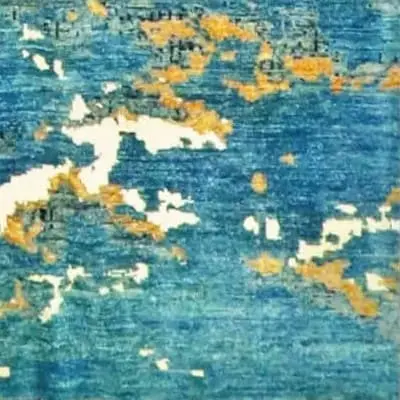
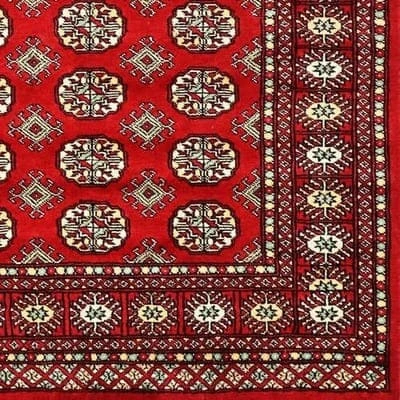
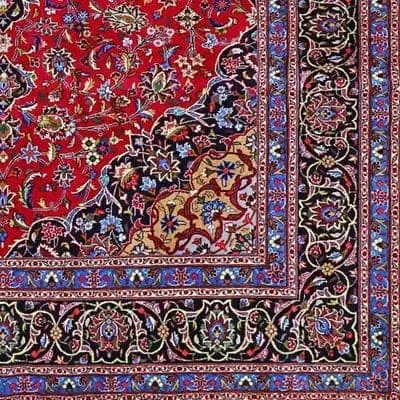
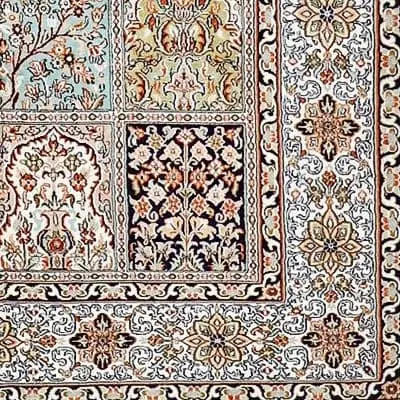
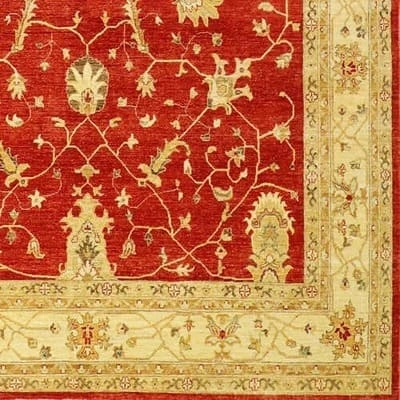
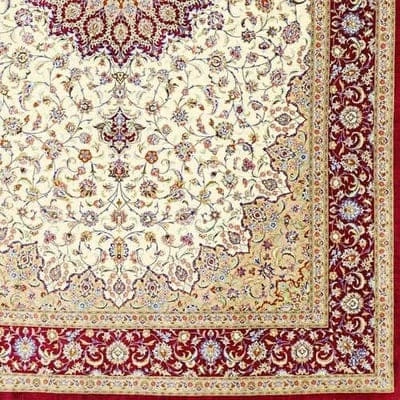
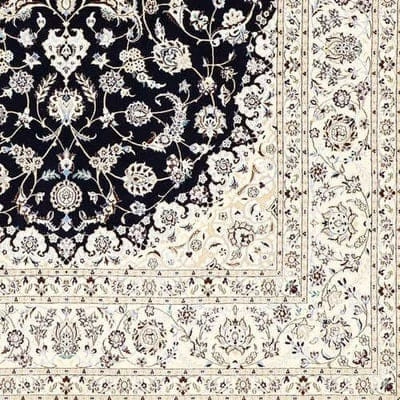
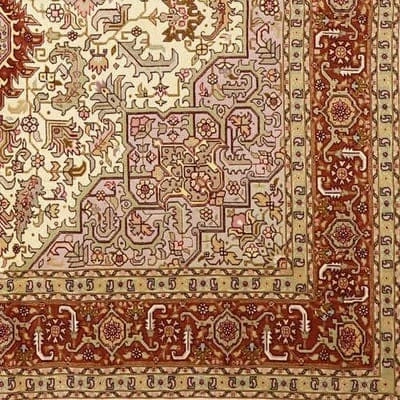
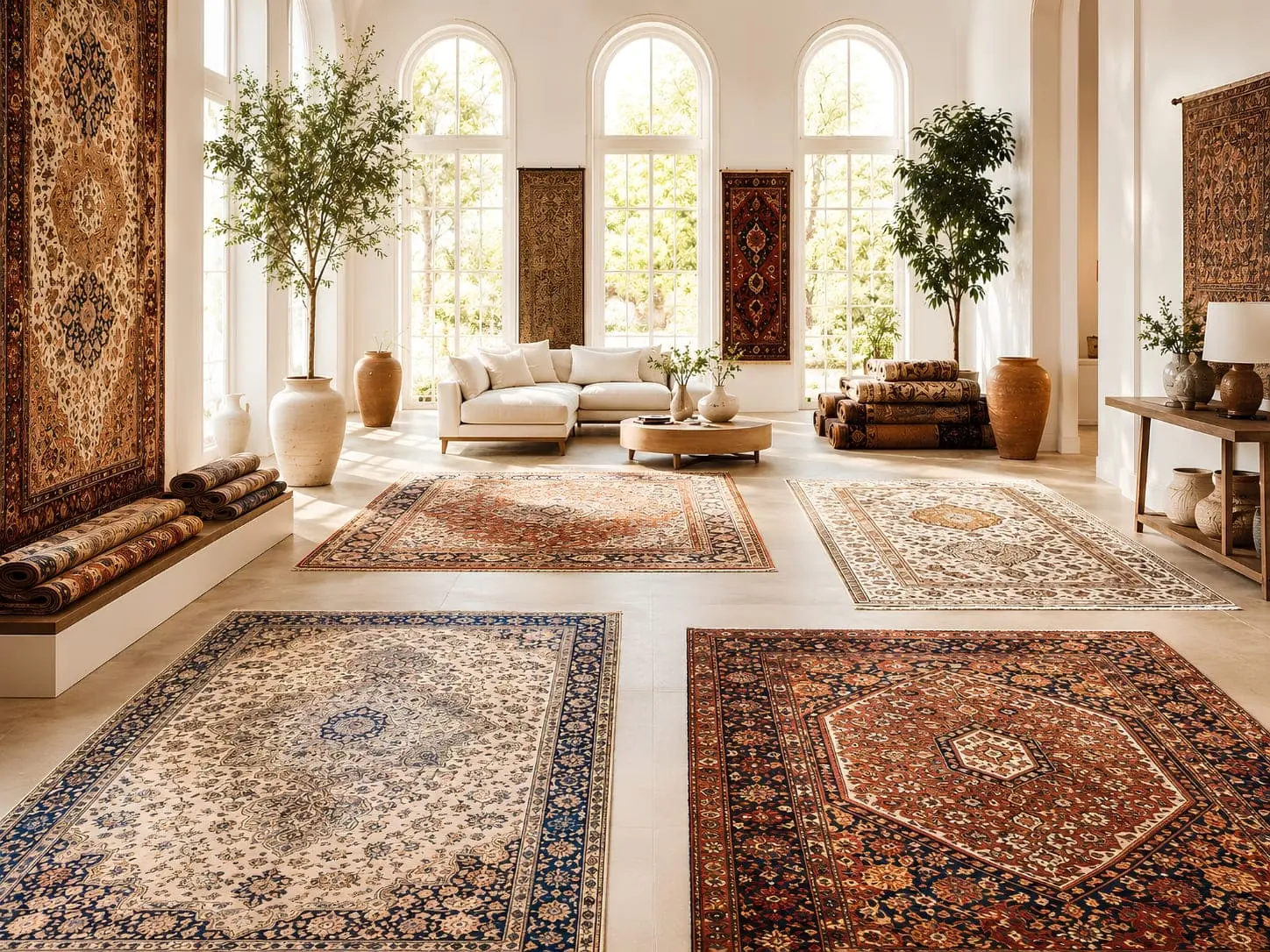
The making of Oriental rugs is closely linked to the origin of each individual piece. Depending on the region, patterns, colours, materials and the way a rug is constructed and knotted can vary considerably.
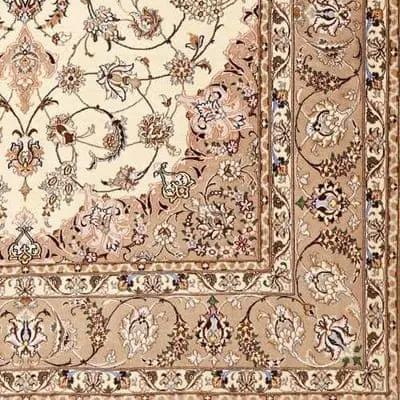
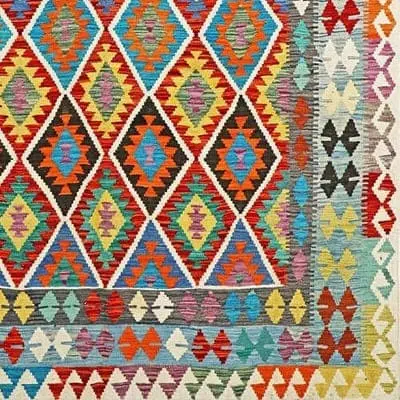
This diversity is especially visible in Oriental rugs and Persian rugs. Some rugs appear fine and elegant, while others are powerful, graphic or particularly rich in ornamental detail.
Traditional knowledge, craftsmanship and regional style come together to create a rug with its own character. Every hand-knotted rug is therefore not just a furnishing piece, but an expression of genuine rug artistry.
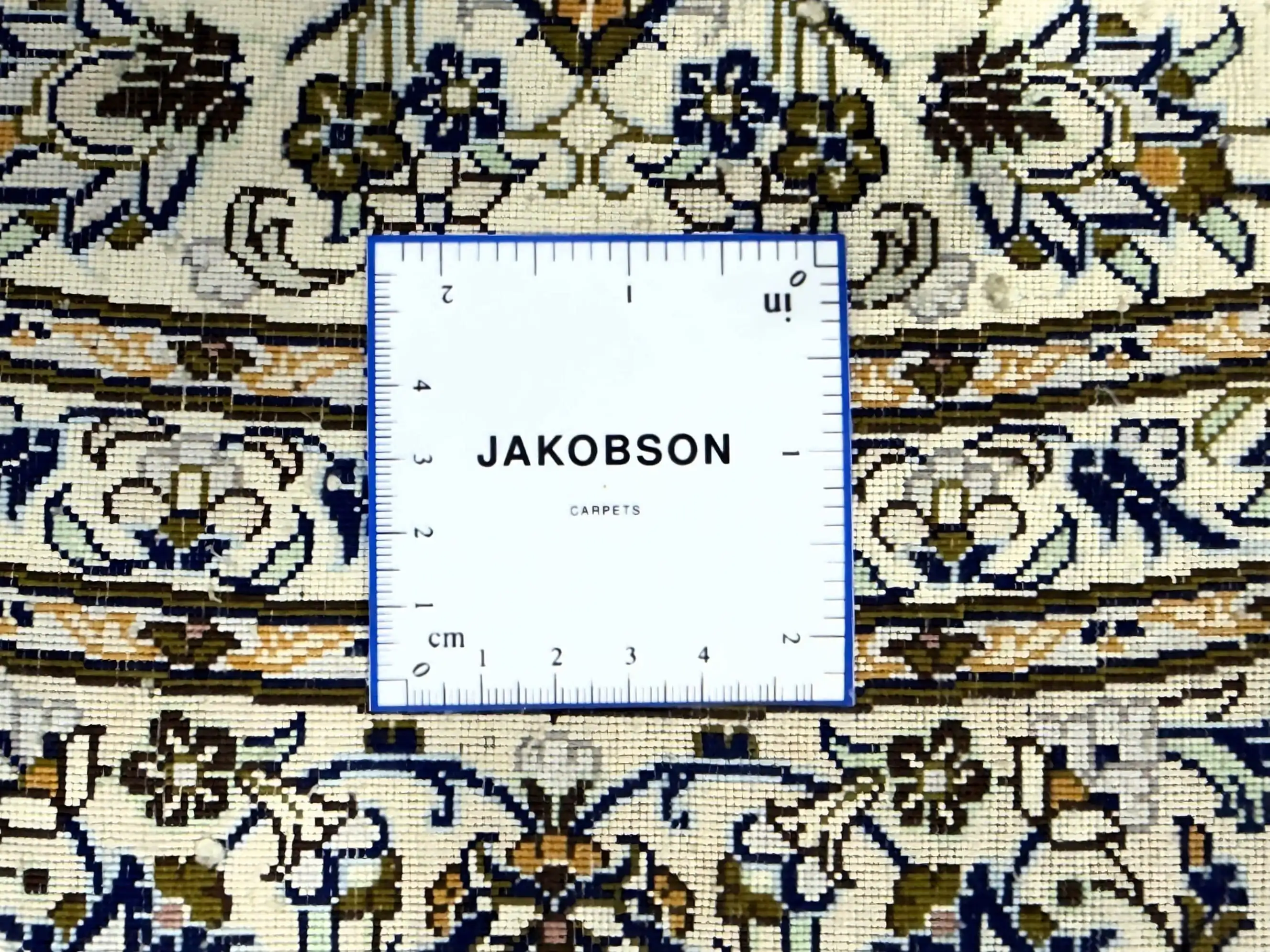
Knotting techniques of Oriental rugs
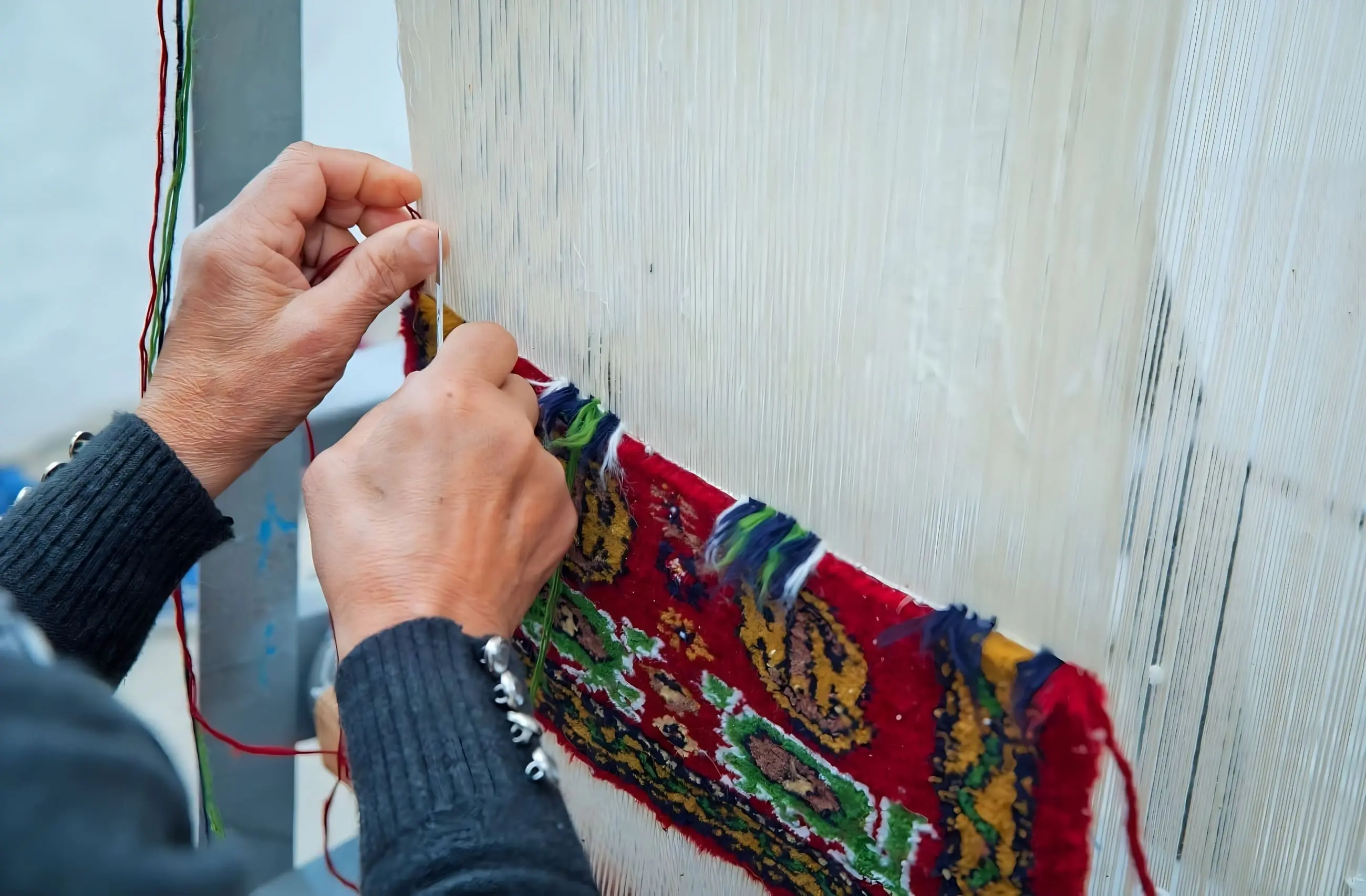
The quality of an Oriental rug is strongly influenced by the knotting technique used. Two of the best-known techniques are the Persian knot and the Turkish knot.
The Persian knot, also known as the Senneh knot, allows especially fine patterns and high knot densities. This creates detailed designs, elegant lines and very precise ornamentation.
The Turkish knot, also known as the Gördes knot, is symmetrically constructed and creates a particularly robust structure. The number of knots per square metre has a major influence on the fineness and value of a rug.
How do you recognise genuine Oriental rugs?
A genuine Oriental rug is hand-knotted. On the reverse side, the individual knots can be seen, showing the pattern in mirror image. Machine-made rugs, by contrast, usually have a very even and technical-looking reverse side.
Another feature is the use of natural materials such as wool, cotton or silk. These materials give the rug a special feel, natural vitality and a long lifespan.
Even slight irregularities in the pattern can indicate genuine handwork. Because each rug is knotted individually, no two pieces are exactly alike — and that is precisely what gives each rug its character and value.