






.webp)
.webp)
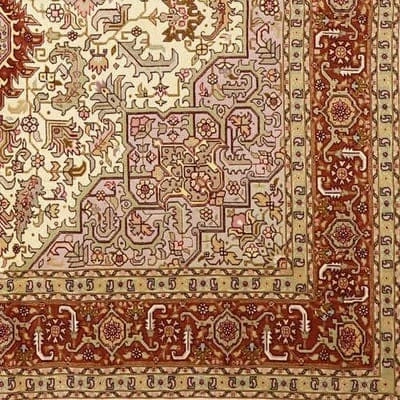
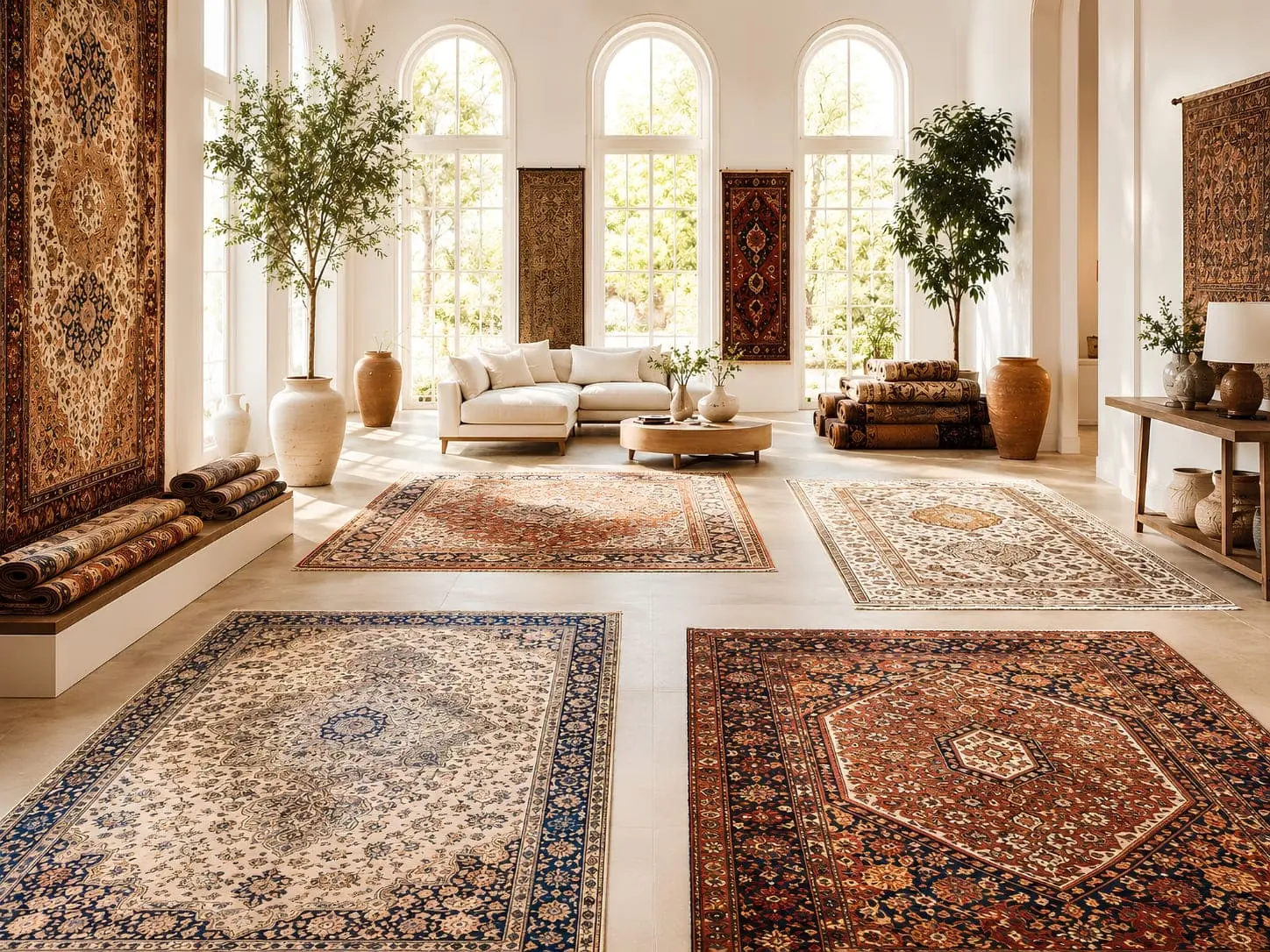
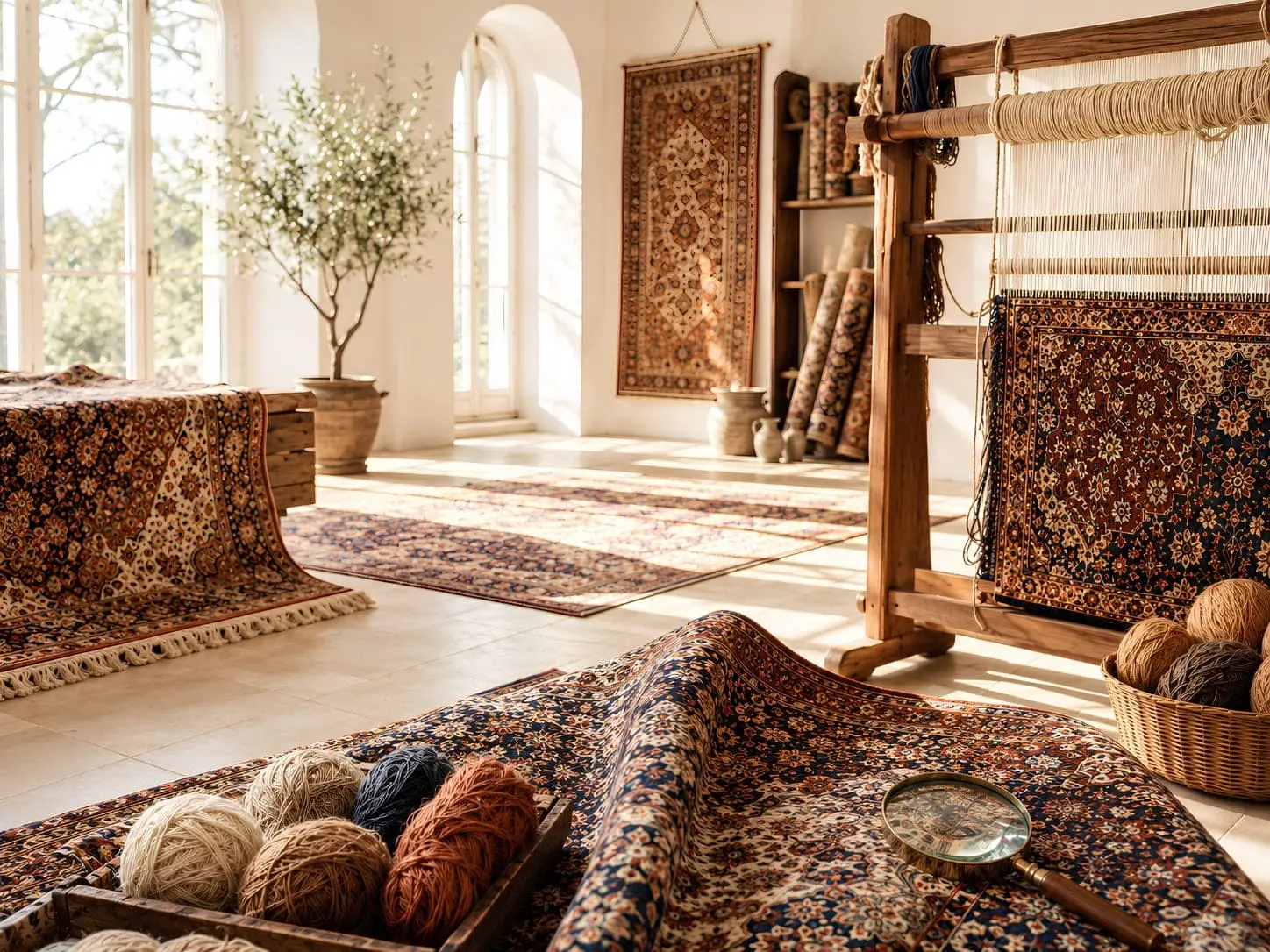
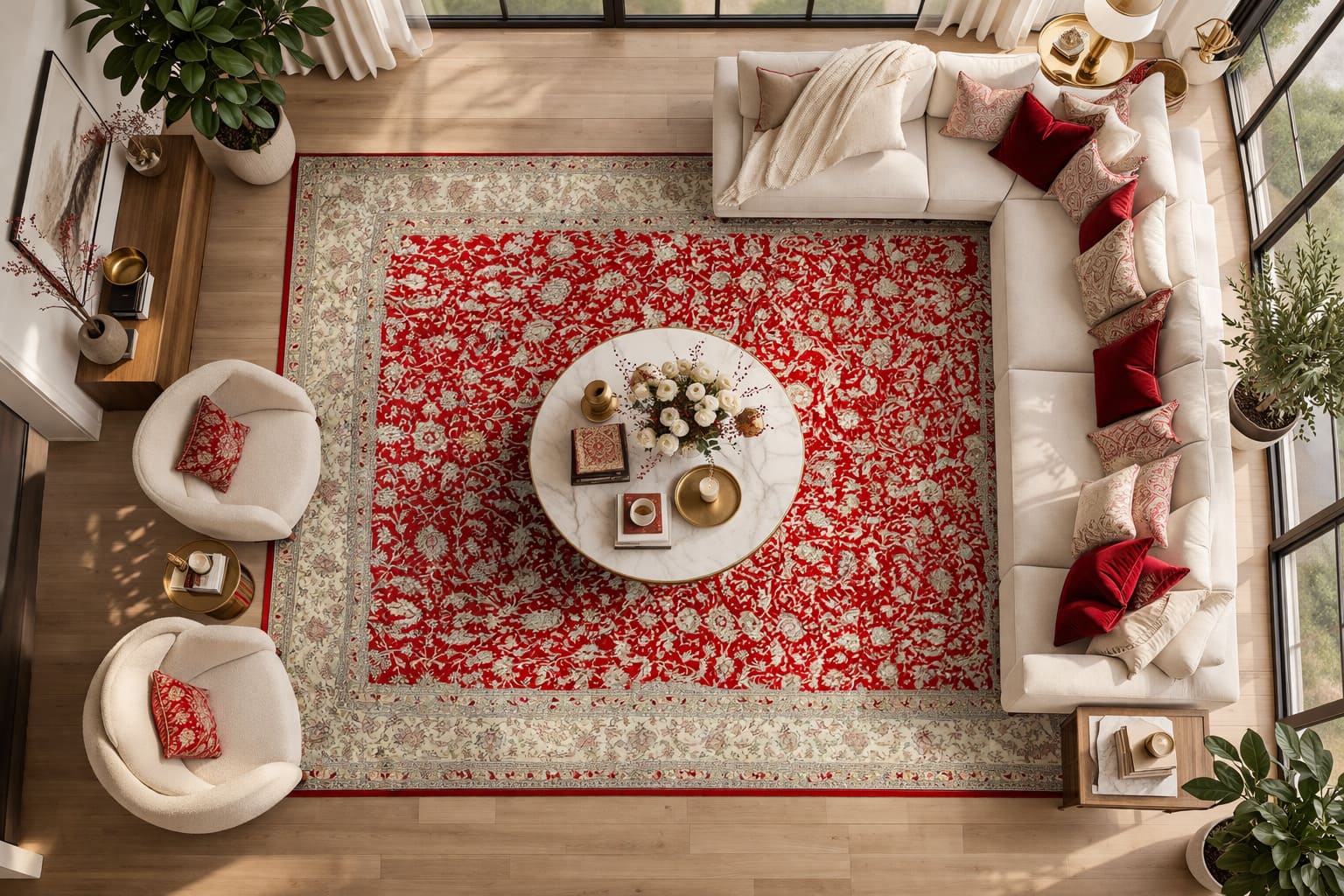











Materialien für handgeknüpfte Teppiche – Wolle, Seide und Baumwolle im Vergleich
Ob weich, robust, luxuriös oder besonders pflegeleicht – das Material entscheidet darüber, wie sich ein Teppich anfühlt, wie lange er hält und wie er Ihren Raum verändert.

Warum das Material bei Teppichen so entscheidend ist
Ein handgeknüpfter Teppich ist mehr als Dekoration – er ist ein Wohnstück, das Raum, Akustik und Atmosphäre verändert. Das Material bestimmt dabei fast alles: Wie weich er sich anfühlt, wie er altert, wie er auf Licht reagiert und wie er mit den Jahren Charakter entwickelt.
In diesem Ratgeber stellen wir die fünf wichtigsten Naturmaterialien vor, die in hochwertigen Teppichen verarbeitet werden – mit Pflegeinfos, Stärken, Schwächen und einem direkten Vergleich.
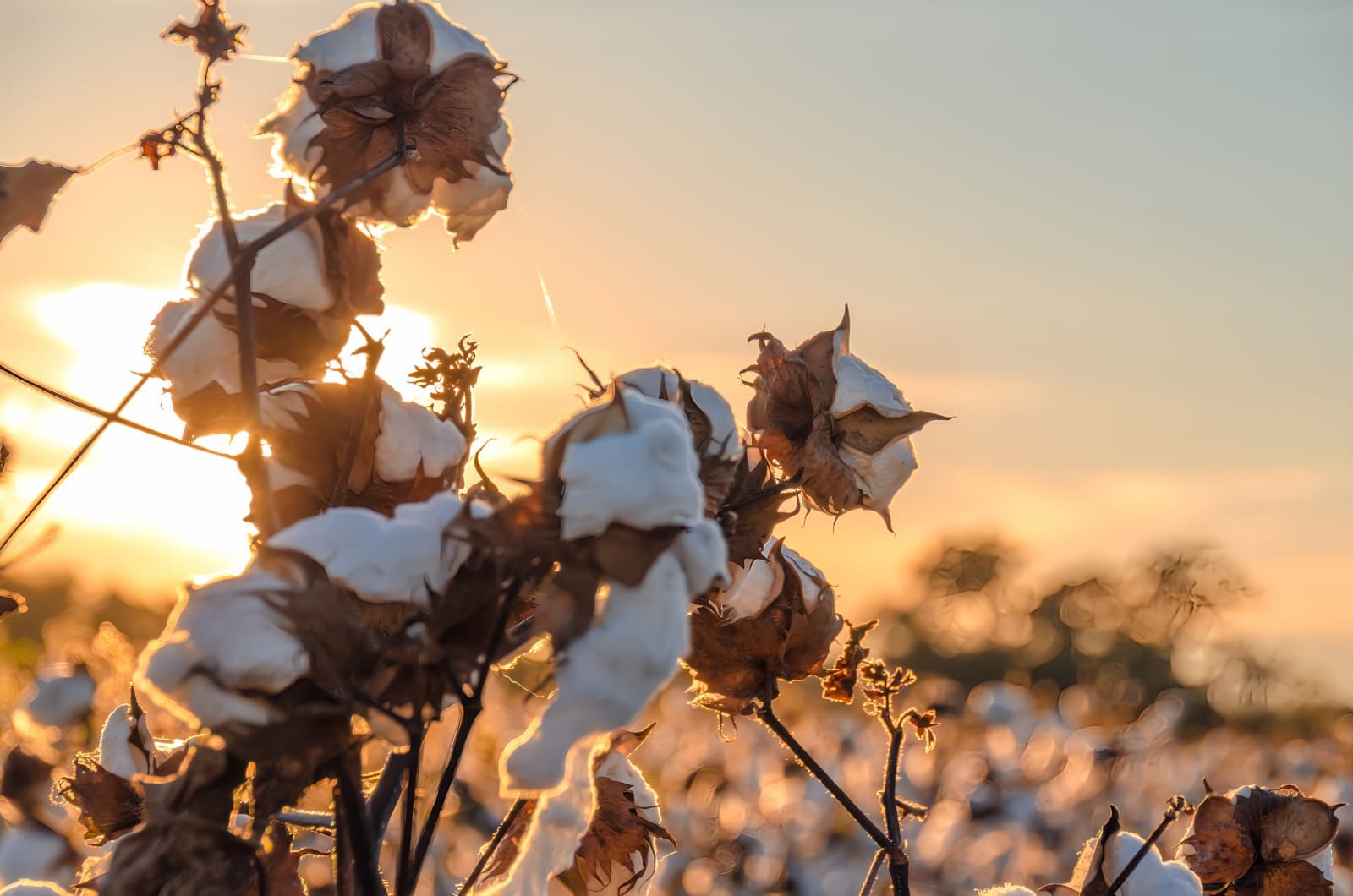
Baumwolle
Pflegeleicht · vielseitig · alltagstauglich
EinsteigerfreundlichBaumwolle gehört zu den beliebtesten Naturmaterialien in der Teppichwelt. Sie fühlt sich angenehm leicht an, wirkt natürlich wohnlich und bringt eine unkomplizierte Leichtigkeit in jeden Raum.
Das Material überzeugt durch eine robuste Struktur und hohe Strapazierfähigkeit. Baumwollteppiche nehmen Feuchtigkeit auf, unterstützen ein ausgeglichenes Raumklima und eignen sich gut für Bereiche, in denen täglich gelebt, gespielt und gelaufen wird.
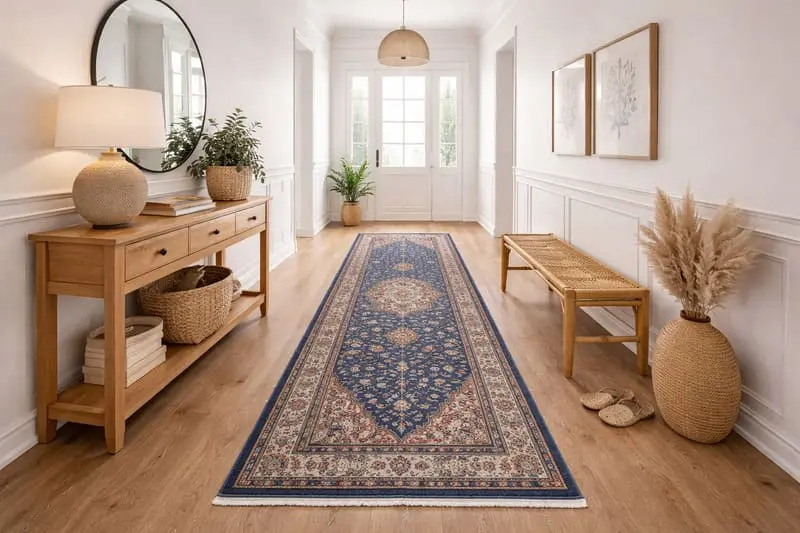
Ob Flur, Eingangsbereich oder Kinderzimmer – ein Teppich aus Baumwolle ist ideal für alle, die eine natürliche Optik mit alltagstauglicher Qualität verbinden möchten.
- Unkompliziert in der Reinigung
- Angenehm kühl und atmungsaktiv
- Tierfrei und vielseitig einsetzbar
- Weniger voluminös als Wolle
- Isoliert weniger gegen Kälte
- Kann bei starker Nutzung schneller abnutzen
Ghazni-Hochlandschafwolle
Exklusiv · widerstandsfähig · traditionsreich
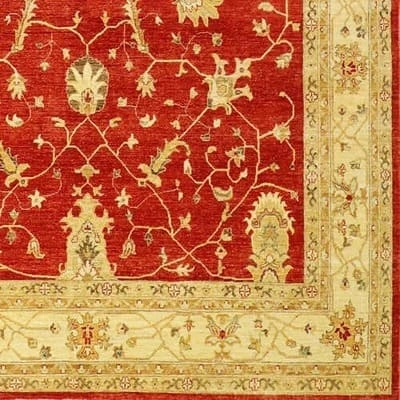
Premium-WahlGhazni-Hochlandschafwolle zählt zu den edelsten Wollarten für handgefertigte Orientteppiche. Sie stammt aus den Hochlandregionen Afghanistans und ist bekannt für ihre markante, lebendige Struktur.
Durch die rauen klimatischen Bedingungen entsteht eine Faser mit hoher Festigkeit, schöner Griffigkeit und bemerkenswerter Widerstandskraft.
Wer natürliche Materialien, traditionelle Handwerkskunst und eine ausdrucksstarke Oberfläche schätzt, trifft mit Ghazni-Wolle eine besonders hochwertige Wahl.
- Außergewöhnlich haltbar
- Charaktervolle Oberflächenstruktur
- Natürlich schmutzabweisend
- Höhere Preisklasse
- Professionelle Reinigung sinnvoll
- Anfangs etwas griffiger im Laufgefühl
Naturwolle
Weich · wärmend · zeitlos
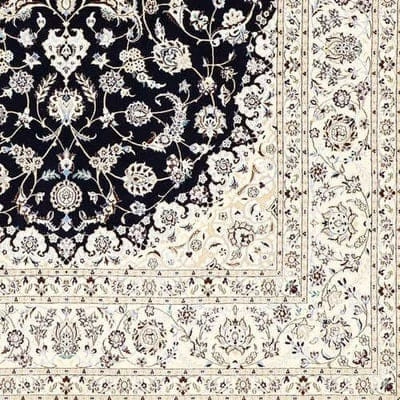
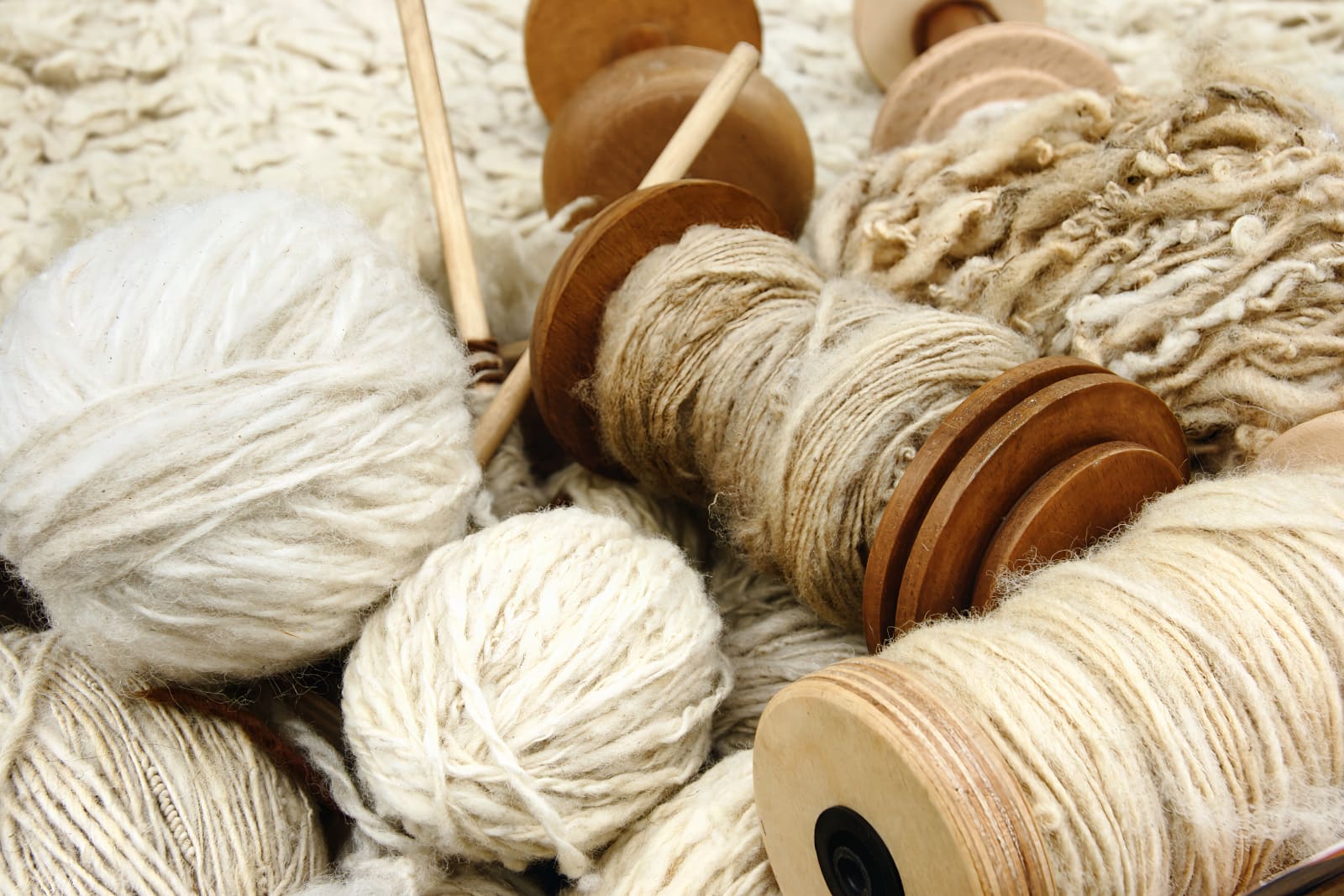
Meist gewähltNaturwolle ist der Klassiker unter den Teppichmaterialien und begeistert mit einer weichen, warmen Haptik, die jeden Raum sofort gemütlicher wirken lässt.
Dank hervorragender Isoliereigenschaften speichert Wolle Wärme und sorgt für ein angenehmes Laufgefühl. Gleichzeitig ist die Faser von Natur aus widerstandsfähig und schmutzabweisend.
Ein Teppich aus Naturwolle ist die perfekte Wahl für alle, die Wert auf Stil, Wohnlichkeit und natürliche Materialien legen.
- Wärmeisolierend und schalldämpfend
- Weiche, wohnliche Haptik
- Zeitlose Optik
- Kann anfangs leicht fusseln
- Empfindlich gegen längere Nässe
- Nicht für vegane Wohnkonzepte
Seide
Luxuriös · fein · ausdrucksstark
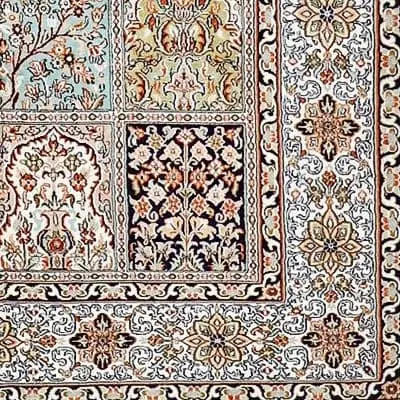
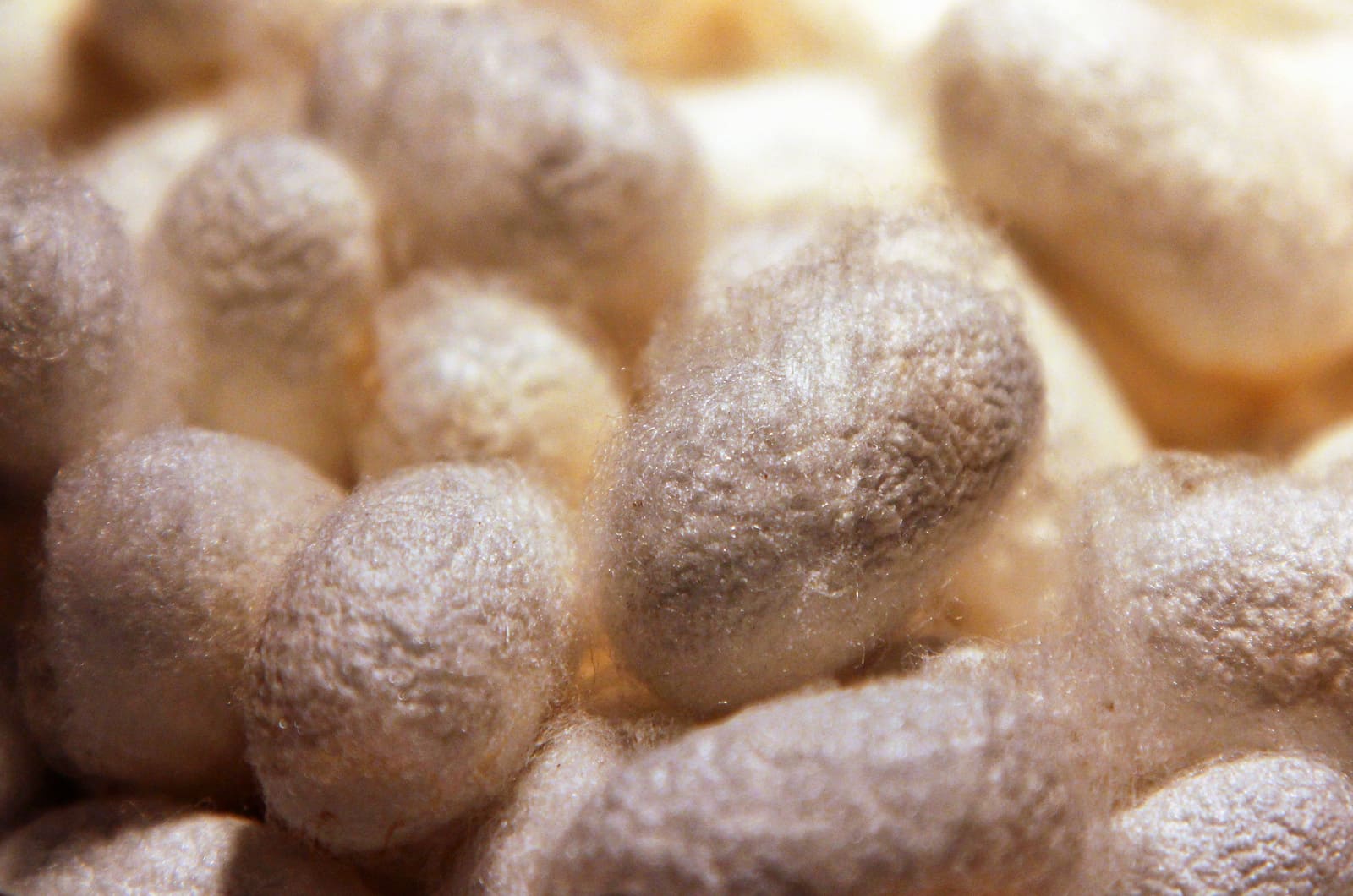
Luxus-SegmentSeide gehört zu den kostbarsten Naturfasern in der Teppichherstellung und steht wie kaum ein anderes Material für feinen Luxus.
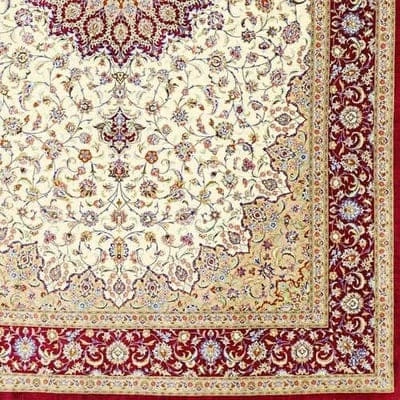
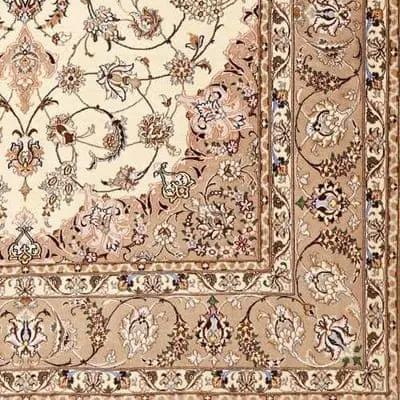
Ihre glatte Struktur verleiht Teppichen eine elegante Optik und einen edlen Schimmer. Die dünnen Fasern ermöglichen besonders hohe Knotendichten und sehr detailreiche Muster.
Seidenteppiche eignen sich besonders für repräsentative, ruhigere Räume, in denen sie ihre edle Wirkung voll entfalten können.
- Edler, lichtreaktiver Schimmer
- Sehr feine Muster möglich
- Luxuriöse Raumwirkung
- Empfindlicher bei starker Nutzung
- Fachgerechte Reinigung empfohlen
- Direkte Sonneneinstrahlung vermeiden
Handgesponnene Wolle
Authentisch · langlebig · handwerklich
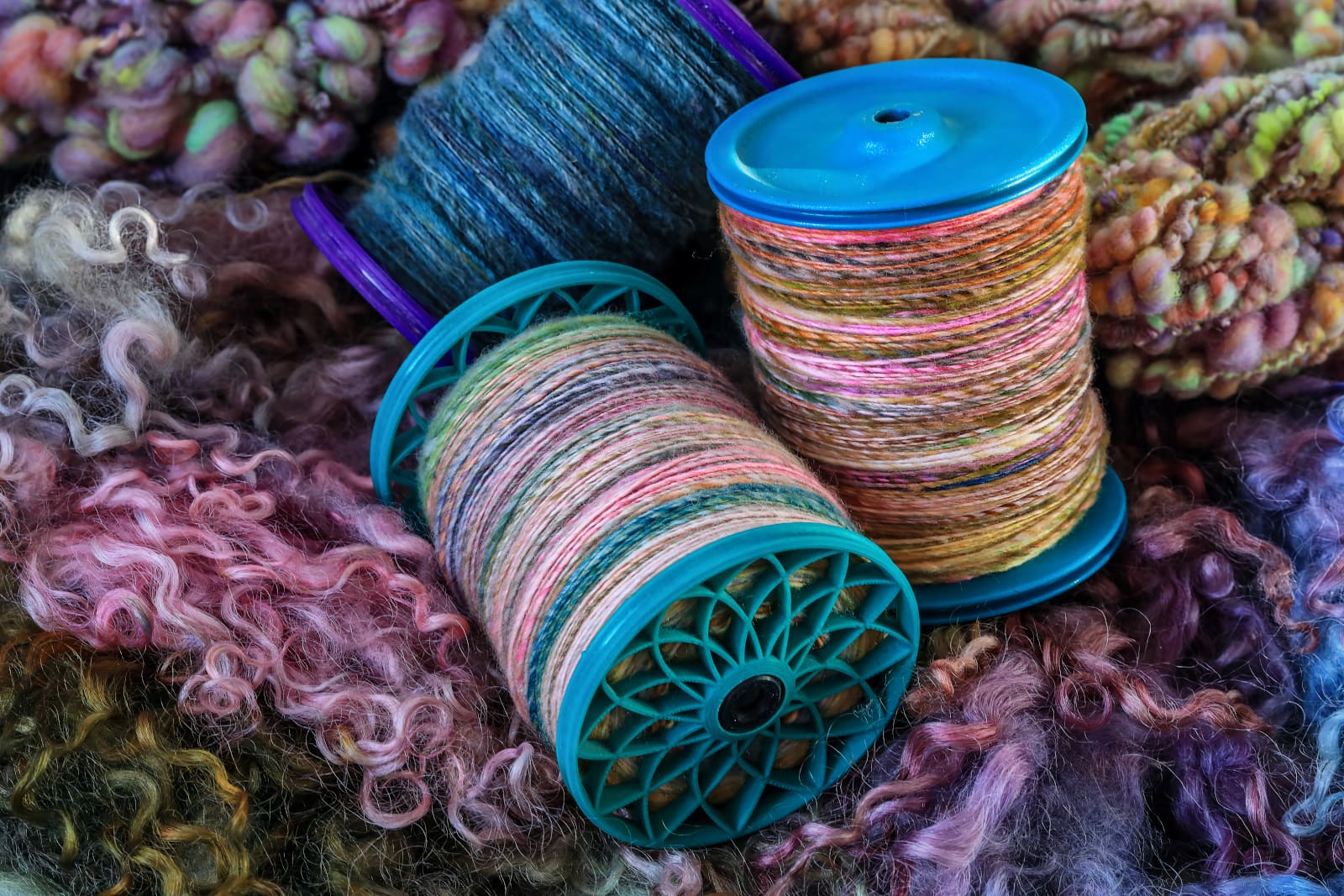
Unikat-CharakterHandgesponnene Wolle steht für echte Tradition und verleiht jedem Teppich eine besonders ursprüngliche, authentische Ausstrahlung.
Durch das manuelle Spinnen entsteht ein Garn mit lebendiger Struktur. Kleine feine Unregelmäßigkeiten sind dabei kein Fehler, sondern Teil des handwerklichen Charakters.
Für alle, die Individualität, Nachhaltigkeit und traditionelles Handwerk schätzen, ist handgesponnene Wolle eine hervorragende Wahl.
- Jeder Teppich ist ein Unikat
- Nachhaltige Herstellung in Handarbeit
- Robust und elastisch
- Leichte Unregelmäßigkeiten sind gewollt
- Keine zwei Teppiche absolut identisch
- Handarbeit benötigt mehr Zeit
Alle fünf Materialien im direkten Vergleich
| Material | Haptik | Langlebigkeit | Pflege | Ideal für |
|---|---|---|---|---|
Baumwolle |
Leicht, glatt | ★★★★☆ | Sehr einfach | Flur, Kinderzimmer |
Ghazni-Wolle |
Griffig, lebendig | ★★★★★ | Mittel | Wohn-, Esszimmer |
Naturwolle |
Weich, warm | ★★★★☆ | Einfach | Wohn-, Schlafzimmer |
Seide |
Glatt, kühl | ★★★☆☆ | Aufwändig | Repräsentative Räume |
Handgesponnen |
Natürlich, strukturiert | ★★★★★ | Einfach | Alle Wohnbereiche |
Häufige Fragen zu Teppich-Materialien
Die wichtigsten Antworten rund um Auswahl, Pflege und Langlebigkeit hochwertiger Teppiche.
Welches Material ist am pflegeleichtesten?
Baumwolle und Naturwolle sind im Alltag besonders unkompliziert. Baumwolle lässt sich häufig leicht reinigen, während Naturwolle durch ihre natürlichen Eigenschaften Schmutz besser abweist.
Welcher Teppich hält am längsten?
Handgeknüpfte Teppiche aus Ghazni-Hochlandschafwolle oder handgesponnener Wolle sind besonders langlebig und können bei guter Pflege viele Jahre oder sogar Generationen überdauern.
Ist ein Seidenteppich für den Wohnbereich geeignet?
Seide eignet sich am besten für repräsentative, weniger stark frequentierte Räume. Für stark belaufene Bereiche sind Wollteppiche meist alltagstauglicher.
Worin unterscheidet sich Ghazni-Wolle von normaler Schafwolle?
Ghazni-Wolle stammt aus Hochlandregionen Afghanistans. Die Faser ist meist fester, griffiger und besonders widerstandsfähig, wodurch sie sich sehr gut für hochwertige Knüpfteppiche eignet.
Gibt es vegane Teppich-Alternativen?
Ja, Baumwolle ist eine pflanzliche Faser und daher eine gute Alternative für Haushalte, die auf tierische Materialien verzichten möchten.
Kann ich Teppiche unterschiedlicher Materialien kombinieren?
Ja, unterschiedliche Materialien lassen sich gut kombinieren. Wichtig ist, dass Farben, Muster und Raumwirkung harmonisch aufeinander abgestimmt sind.
Nicht sicher, welches Material zu Ihrem Zuhause passt?
Wir beraten Sie gerne persönlich zur passenden Faser, Nutzung, Pflege und Raumwirkung Ihres Teppichs.